
Why Is My Poop Green? 5 Common Causes and When to Worry
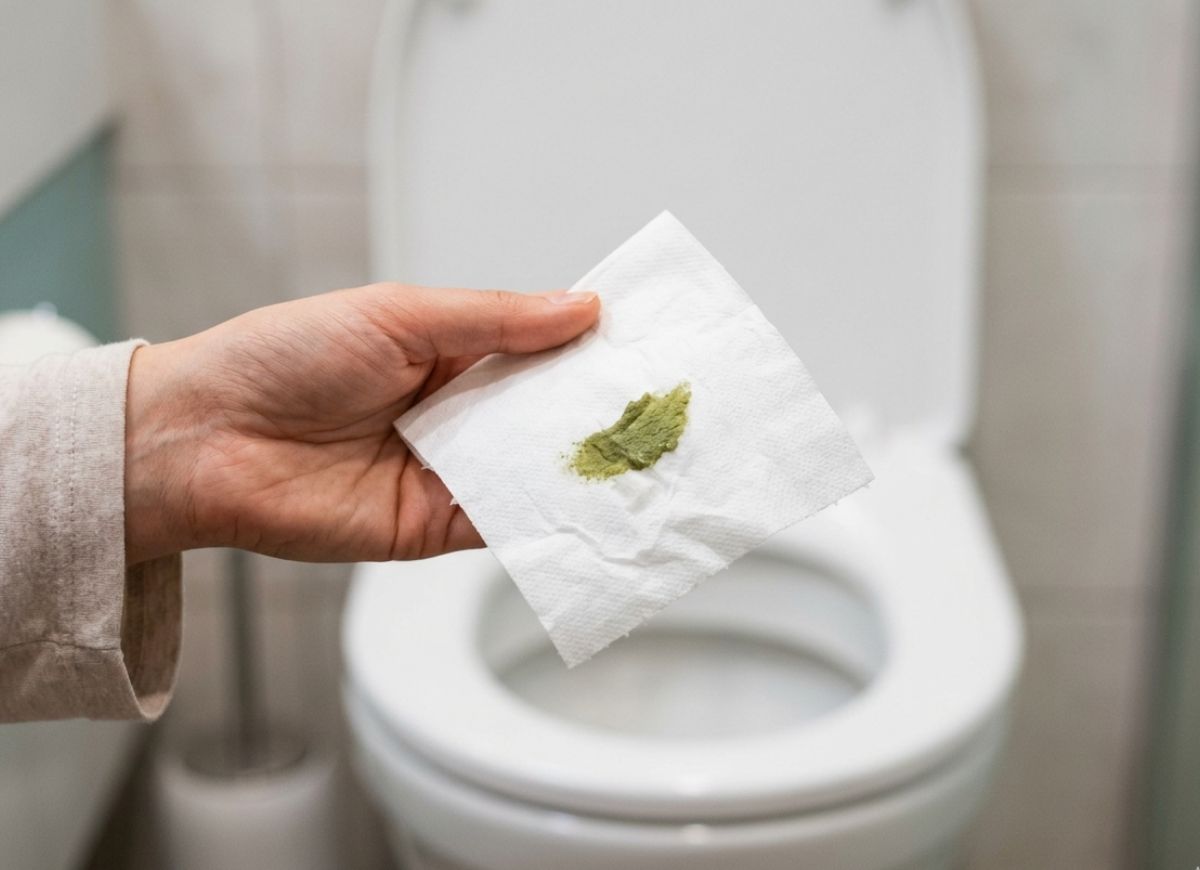
Ever looked down after using the bathroom and wondered, “Why is my poop green?” You’re not alone.
It can be startling, but green stool is usually harmless. It often traces back to something you ate or to how quickly food is moving through your digestive system. Still, it helps to know when green poop points to something more serious.
Stool color reflects your diet, digestion, and overall health. Leafy greens like spinach and kale contain chlorophyll, the green plant pigment, which can tint stool naturally. But diet isn’t the only explanation. Certain medications, bacterial infections, and digestive conditions can also turn stool green.
Green stool often appears when food moves through the intestines too fast, as in diarrhea. Bile, the digestive fluid that starts out greenish-yellow, doesn’t have time to be fully processed, and the stool stays green. An occasional green stool, especially after eating something that could explain it, is rarely a concern. But if it’s persistent or comes with pain, vomiting, or other unusual symptoms, it may signal a problem such as a bacterial infection or, rarely, a condition like celiac disease or Crohn’s disease.
This article covers the common causes of green poop, and how to tell a harmless quirk from something that needs medical attention.
Common Causes of Green Stool
Chlorophyll-Rich Foods
The most frequent dietary cause is eating a lot of chlorophyll. Large servings of leafy greens (spinach, kale, arugula, Swiss chard) or other green vegetables (broccoli, green beans, parsley) can pass through without being fully broken down by digestive enzymes, and the leftover pigment colors the stool. It’s harmless and simply reflects what you ate. Matcha, spirulina, and “green superfood” powders can do the same.
Artificial Food Coloring
Many processed foods, drinks, and sweets contain dyes the body doesn’t absorb. Green, blue, and purple colorings are common culprits: green-frosted cupcakes, a large green slushy, brightly colored cereal, or grape-flavored drinks (which often use blue and red dyes). The body lacks the enzymes to break these dyes down, so they pass through intact and tint the stool. This is also harmless and clears once the food has passed.
Medications and Supplements
Iron supplements can turn stool dark green or even black, because unabsorbed iron reacts with other substances in the gut. This is a common, expected side effect. Some other medications, including certain antibiotics and the NSAID indomethacin, can alter gut bacteria or speed digestion, indirectly causing green stool by changing how bile is processed.
Bile and Fast Transit
Bile is a greenish-yellow fluid made by the liver and stored in the gallbladder. Its main job is breaking down fats, and its pigment is the starting point for stool’s usual brown color. Here is how the change happens:
- Bile gets its green color from a pigment called biliverdin.
- As bile travels through the small intestine with your food, bacteria and enzymes convert biliverdin into a yellow pigment, bilirubin.
- In the large intestine, further bacterial action converts bilirubin into stercobilin, which makes stool brown.
This takes time. When digestion moves at a normal pace, the conversions finish and stool turns brown. When it doesn’t, some of the original green biliverdin remains visible.
Diarrhea is the classic cause. When gut motility speeds up, bile and food pass through before the bacteria and enzymes can finish their work. Common triggers include:
- Gastrointestinal infections, such as viral gastroenteritis (stomach flu) or bacterial infections like Salmonella, which irritate the intestinal lining so the body flushes its contents out quickly
- Food intolerances, such as lactose intolerance
- Laxatives
- High stress or anxiety, which can speed gut motility in some people
In every case the mechanism is the same, and the result is loose, watery, green stool. Green stool during a bout of diarrhea is very common and expected.
Is Green Stool Serious on Its Own?
A single or occasional episode is typically not serious. It’s almost always due to diet or a brief, self-limiting bout of diarrhea, and it usually clears within a day or two. If you can link it to a big spinach salad, a green sports drink, or a new iron supplement, there’s generally no reason to worry.
Context and duration matter, though. Green stool that lasts more than a few days or keeps recurring may point to a chronic condition, such as irritable bowel syndrome (IBS) or a food intolerance that keeps speeding up transit. And the picture changes when green stool comes with other red-flag symptoms. Then the color isn’t the problem itself but a visible sign of a bigger issue that deserves medical evaluation.
Medical Conditions That Can Cause Green Poop
The main medical causes are gastrointestinal infections, chronic digestive disorders such as IBS and inflammatory bowel disease (IBD), and malabsorption syndromes such as celiac disease. They disrupt normal digestion, often through inflammation or faster motility, which prevents bile from breaking down fully.
- Infections. Bacteria (Salmonella, E. coli, Clostridioides difficile), viruses (norovirus, rotavirus), and parasites (Giardia) are common causes of acute green diarrhea. They irritate the intestinal lining and trigger inflammation, and the body tries to flush the pathogen out, drastically shortening transit time so bile can’t convert from green to brown.
- IBS and IBD. In diarrhea-predominant IBS (IBS-D), flare-ups cause frequent, rapid bowel movements and green stool. IBD, which includes Crohn’s disease and ulcerative colitis, involves chronic inflammation of the digestive tract. It can impair nutrient absorption and speed transit, producing green, watery stools, often with abdominal pain and other severe symptoms.
- Celiac disease. In this autoimmune disorder, eating gluten damages the small intestine, impairing nutrient absorption and often causing chronic diarrhea. Rapid transit and possible fat malabsorption can lead to green, often foul-smelling stools. Other disorders that affect fat digestion can have a similar effect.
When to Seek Medical Help
See a doctor if green stool comes with red-flag symptoms:
- Diarrhea lasting more than three days. Chronic diarrhea can cause dehydration and may signal a persistent infection or chronic disorder.
- Severe, sharp, or worsening abdominal pain or cramping, rather than mild discomfort. This can indicate significant inflammation, infection, or another serious problem.
- Fever, a strong sign your body is fighting an infection.
- Persistent nausea and vomiting that keeps you from holding down fluids, which raises the risk of dehydration and suggests a more severe illness.
- Unexplained weight loss, which may point to a chronic inflammatory condition like IBD or a malabsorption disorder like celiac disease.
- Signs of dehydration: extreme thirst, infrequent urination or dark urine, dry mouth, fatigue, dizziness, or lightheadedness. Prolonged diarrhea, especially with vomiting, can lead to dangerous dehydration quickly, so seek care promptly if you notice these.
Stool Color Variations and Special Scenarios
Green Stool in Infants
Green stool is common and usually harmless in babies because of their developing digestive systems and diet.
- Newborns: The first stools, called meconium, are dark green to black, sticky, and tar-like. They’re made of substances ingested in the womb and are completely normal.
- Breastfed babies: Green, frothy stool can sometimes reflect a foremilk/hindmilk imbalance, where the baby gets more of the low-fat, high-lactose foremilk and not enough of the richer hindmilk, speeding digestion. A mother’s diet, including green vegetables or iron supplements, can also affect stool color through breast milk.
- Formula-fed babies: The type of formula matters, and iron-fortified formulas often produce dark green stools.
- Immature digestion: An infant’s gut moves food faster, so bile has less time to change from green to brown.
Green stool in babies isn’t usually alarming. But if it’s watery, contains mucus, or is much more frequent, it could indicate a sensitivity, allergy, or infection. Seek medical advice if green stool comes with fever, vomiting, poor feeding, lethargy, or signs of dehydration. Persistent, unexplained green stool is worth discussing with a pediatrician.
Medications That Cause Green Stool
- Antibiotics are among the most common culprits. They reduce gut bacteria, including the bacteria that convert bile into brown stercobilin. With those bacteria depleted, bile moves through with less chemical change and stays green.
- Iron supplements, prescribed for anemia, are usually linked to black stool, but high doses can sometimes cause dark green stool.
- Bismuth subsalicylate (found in Pepto-Bismol and Kaopectate) can react with trace sulfur in saliva and the digestive tract, sometimes producing dark green or black discoloration.
- Stimulant laxatives speed transit so much that stool moves through before bile is fully broken down.
- NSAIDs such as indomethacin have been linked to green stool, though the mechanism is less clear.
Green vs. Black or Pale Stool
Any color change can be unsettling, but green is usually the least concerning of the three.
| Color | Common causes | Concern level |
|---|---|---|
| Green | Leafy greens, food dyes, rapid digestion that keeps bile from turning brown; sometimes infection such as gastroenteritis | Usually benign. A concern if persistent and accompanied by diarrhea, fever, or abdominal pain |
| Black or tarry (melena) | Bleeding in the upper GI tract, such as a stomach ulcer or gastritis (blood digested as it passes through). Benign causes include iron supplements and bismuth subsalicylate | Major red flag. Unexplained melena always warrants immediate medical consultation |
| Pale or clay-colored (acholic) | A lack of bile, from serious conditions of the liver (hepatitis, cirrhosis), gallbladder (gallstones), or pancreas (tumors) that keep bile from reaching the intestines | Requires urgent medical attention |
Common Myths About Stool Color
Misconceptions can cause needless panic or the dangerous dismissal of a serious symptom.
- Myth: A specific color equals a specific disease. Color is just one piece of the puzzle. Doctors consider it alongside consistency, frequency, diet, medications, and other symptoms like pain, bloating, or fever. Black stool can indicate upper GI bleeding, but it’s far more often caused by iron supplements or Pepto-Bismol.
- Myth: All green stool means infection. Infections can cause green, watery diarrhea, but the most common causes are dietary, like a big spinach salad, or fast transit.
- Myth: A one-time color change is an emergency. A single unusual color, especially one you can trace to a food or drink, is rarely alarming. A change lasting more than a few days is what warrants evaluation.
- Myth: Only red, black, or white stools are concerning. Even shifts within brown can matter. Persistently darker or lighter brown stool that departs from your normal pattern could reflect dehydration or dietary issues. Focus on changes from your personal baseline, not just a short list of scary colors.
Frequently Asked Questions
Does green poop mean liver problems?
Not typically. The color usually comes from food, digestion speed, or bile not being fully broken down. However, if green stools come with jaundice (yellowing of the skin or eyes), pain, or dark urine, see a healthcare provider, as these can signal liver or gallbladder problems.
Is green stool worrying?
Usually not. It’s most often linked to diet or digestive speed, including green vegetables, iron supplements, or food coloring. If it’s persistent or comes with pain, fever, or other concerning symptoms, it may indicate an infection or digestive issue that a doctor should evaluate.
How can I treat green poop?
If diet or a temporary digestive upset is the cause, it generally needs no treatment. Eat a balanced diet and drink enough water. If diarrhea is the cause, stay hydrated and avoid greasy or spicy foods. If you suspect a bacterial infection or other medical condition, consult a doctor.
What should I drink for green stool?
Fluids matter, especially if diarrhea is the cause. Water, herbal teas, and clear broths are good choices. Avoid sugary drinks and caffeine, which may worsen diarrhea. An oral rehydration solution can help replace lost electrolytes.
Do I need antibiotics for green poop?
Most cases don’t require them, since they usually stem from diet, food intolerance, or digestion speed. If green stool comes with fever, vomiting, or cramping and you suspect infection, consult a healthcare provider. Antibiotics may be prescribed if a bacterial infection is responsible.
Is green diarrhea food poisoning?
It can be, but not always. Bacteria such as Salmonella or E. coli can cause green diarrhea when food passes through too quickly. Viral infections and certain foods can also cause it. If diarrhea lasts more than a day or comes with fever, dehydration, or blood, seek medical attention.
Can gastro cause green poop?
Yes. Gastroenteritis (“gastro”) can cause green stool, especially with diarrhea, because food moves too fast for bile to break down fully. Viral or bacterial infections can cause this rapid transit. Rest, hydration, and avoiding certain foods are typically recommended.
How long is too long for green diarrhea?
If it lasts more than 2 to 3 days, see a doctor, especially with dehydration, severe pain, or fever. Persistent diarrhea can lead to dangerous dehydration, so get medical advice to rule out infection or other conditions.
What virus causes green diarrhea?
Norovirus and rotavirus commonly cause gastroenteritis, which can produce green diarrhea. These viruses inflame the stomach and intestines, speeding food through the digestive tract. Hydration and rest are key, but consult a healthcare provider if symptoms persist.
Conclusion
Green poop is often harmless, but pay attention to your body and know when it may signal something more serious. Most of the time it’s tied to diet or digestion speed. Persistent green diarrhea, especially with pain, fever, or dehydration, may indicate an infection or gastrointestinal problem.
By staying hydrated, managing your diet, and knowing when to seek care, you can handle most cases of green stool with confidence. If you’re ever unsure, or symptoms don’t resolve on their own, reach out to a healthcare provider.