
Paronychia Infection: Symptoms, Causes, and Treatments
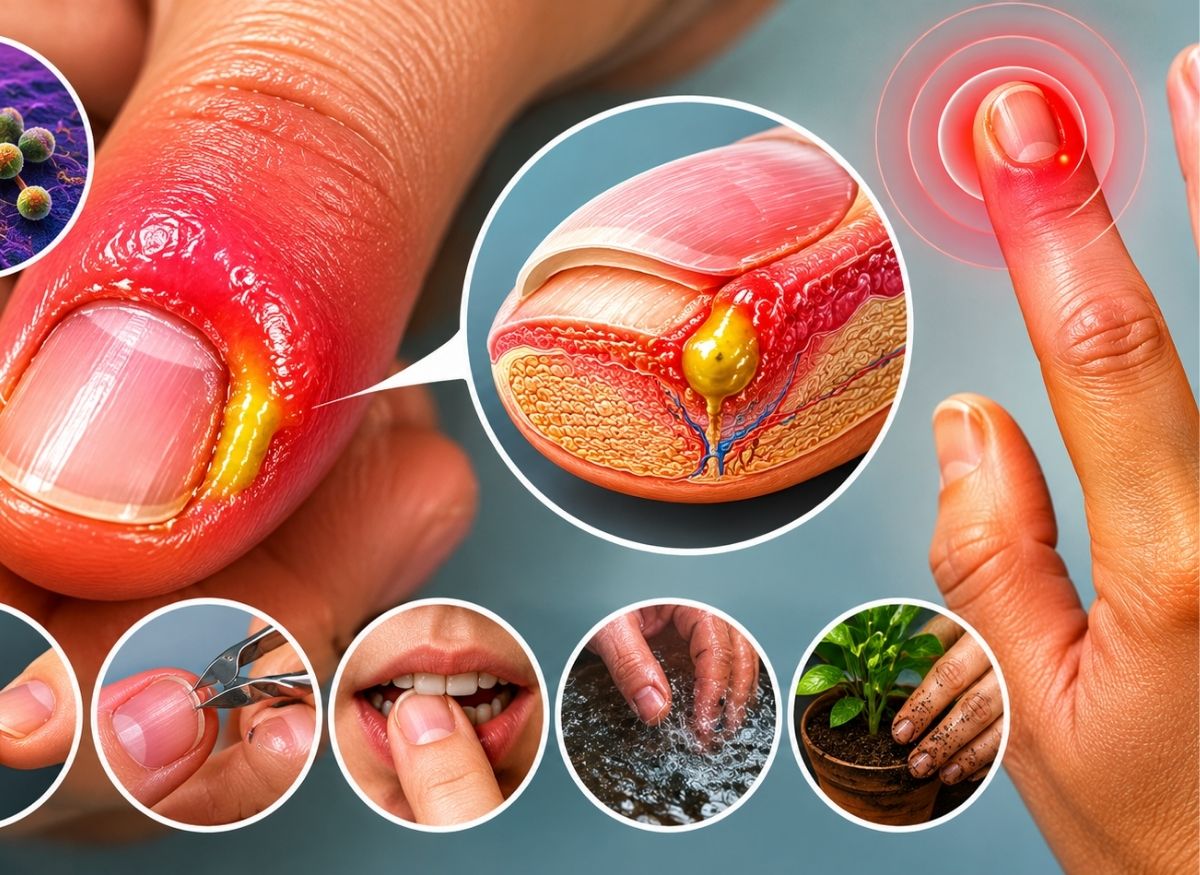
Paronychia is a common infection of the skin surrounding the nails, typically affecting the fingers or toes. It occurs when bacteria or fungi enter the skin through small cuts, hangnails, or nail-biting habits, leading to redness, swelling, tenderness, and sometimes pus formation around the nail fold. While often mild and localized, paronychia can become more severe if left untreated, spreading deeper into the finger or toe and causing significant pain or complications. Understanding the symptoms, causes, and treatments is essential for preventing recurrence and promoting healthy nail care.
Paronychia can be classified as acute or chronic. Acute paronychia develops rapidly, often within a few days, and is usually caused by bacterial infection, whereas chronic paronychia develops slowly, often over weeks, and is more commonly associated with fungal infections or repeated exposure to moisture. This article explores the common symptoms, causes, and treatment options for paronychia, providing practical guidance to help manage the infection effectively and maintain nail health.
What Is Paronychia?
Paronychia is an infection of the skin surrounding the fingernails or toenails, most commonly affecting the nail folds, the soft tissue just around the edge of the nail. It occurs when bacteria or fungi enter the skin through small cuts, hangnails, nail-biting, or frequent exposure to moisture, causing redness, swelling, tenderness, and sometimes pus formation.
Paronychia can be classified as acute or chronic. Acute paronychia develops rapidly, often within a few days, usually caused by bacterial infection, and is characterized by sudden pain, swelling, and pus. Chronic paronychia develops slowly, often over weeks or months, and is commonly caused by fungal infection or repeated irritation from wet environments. While mild cases can be managed at home, severe or persistent infections require medical evaluation to prevent complications and protect the nail’s health.
The Symptoms of a Paronychia Infection
Recognizing the symptoms of paronychia early is the key to preventing a minor, localized skin irritation from turning into a severe, throbbing medical issue. Because this infection takes root in the delicate tissue folds immediately bordering a fingernail or toenail, it triggers a distinct localized inflammatory response.
The presentation, speed, and long-term impact of a nail infection depend heavily on whether the condition is acute (a sudden bacterial strike) or chronic (a prolonged, slow-burning irritation).
The Early Warning Signs: Catching It Early
Before a full-blown infection establishes itself, the body drops subtle structural hints that the skin’s protective barrier has been breached. Catching the infection at this stage allows for immediate conservative care, often saving you from a painful trip to the clinic. The earliest signs of a paronychia finger infection include:
Mild Tenderness: A dull, localized ache that’s initially only noticeable when you press directly on the fingertip or accidentally bump the nail against a hard surface.
Slight Puffiness: Minor swelling or a boggy texture along the edge of the cuticle where a hangnail or micro-tear may have occurred.
Faint Discoloration: The skin adjacent to the nail plate turns a light pink or faint red and feels slightly warmer than the surrounding skin, signaling that white blood cells are rushing to the site to fight invading pathogens.
Acute vs. Chronic Symptoms: The Key Differences
If the initial breach isn’t addressed, the condition will evolve. To tailor your treatment correctly, you must be able to differentiate between the rapid, explosive onset of an acute infection and the slow, destructive progression of a chronic condition.
Acute Paronychia: The Sudden Bacterial Strike
Acute paronychia is almost exclusively a bacterial infection, most commonly driven by Staphylococcus aureus entering through a hangnail, a bitten cuticle, or a splinter.
Onset: Extremely rapid, typically exploding into full view within 24 to 48 hours of the initial skin injury.
Pain Level: Characterized by a sharp, intense, and throbbing pain that beats in sync with your pulse. The area becomes agonizingly tender to the touch.
Abscess Formation: A distinct, localized, pus-filled blister forms rapidly along the cuticle line, showing through the skin as a tense white or yellow pocket of trapped fluid.
Scope: Almost always isolated to a single nail on a finger or toe.
Chronic Paronychia: The Slow-Burning Fungal Irritation
Chronic paronychia is a long-term inflammatory disorder lasting six weeks or more. It’s usually non-bacterial, driven instead by a yeast or fungal pathogen like Candida albicans, combined with environmental irritants. It’s a classic occupational hazard for people whose hands are constantly submerged in water or exposed to harsh chemicals, such as dishwashers, bartenders, cleaners, and healthcare workers.
Onset: Develops slowly and stealthily over several weeks, lacking the sudden drama of an acute strike.
Appearance: The infected nail fold looks persistently boggy, swollen, and takes on a dull red or dusky purple appearance.
Pus Behavior: Traditional localized abscesses are rare. Instead, pressing on the puffy skin fold might occasionally squeeze out a tiny amount of thin, watery pus from beneath the nail line.
Nail Destruction: Because the inflammation is prolonged, it damages the underlying nail matrix. The nail plate often becomes severely distorted, developing deep horizontal ridges, turning a yellowish-green hue, or completely detaching from the nail bed. This type frequently spreads to affect multiple nails at the same time.
The Causes of a Paronychia Infection
At its core, paronychia is an environmental barrier breakdown. The skin surrounding your fingernail or toenail possesses a highly specialized natural seal designed specifically to lock out dirt, moisture, and germs. When this delicate physical boundary is torn, cut, or dissolved, it creates an open biological gateway. Microorganisms that normally live harmlessly on the surface of your skin or inside your mouth can then rush into the underlying soft tissues, multiply rapidly, and trigger a painful nail infection.
Microscopic Culprits: Bacterial vs. Fungal Causes
The specific type of microorganism that passes through your damaged skin barrier dictates whether you’ll develop a sudden, explosive case of acute paronychia or a slow-burning, long-term chronic condition.
Bacterial Invaders (Acute Paronychia)
Acute paronychia flares up suddenly and is driven almost exclusively by aggressive bacterial strains:
Staphylococcus aureus: This bacterium is the leading cause of sudden-onset, pus-filled nail infections. While it rests harmlessly on the skin or inside the nasal passages of healthy individuals, it becomes highly destructive the moment it enters a fresh physical wound.
Streptococcus pyogenes: Another common bacterial strain that can quickly flood the soft tissue of the nail fold, causing rapid swelling and severe redness.
Oral Bacterial Cocktails: When an infection stems from oral contact, such as chronic finger sucking or nail biting, a complex mixture of bacteria from human saliva is introduced directly into the wound. This produces a highly resilient, painful finger infection that can be difficult to clear without targeted medical care.
Fungal Pathogens (Chronic Paronychia)
When the surrounding skin remains inflamed and swollen for more than six weeks, the primary cause shifts from bacteria to fungal organisms:
Candida albicans: This resilient yeast strain is the primary driver behind chronic paronychia on finger or toe joints. Unlike bacteria, which strike via a distinct wound, Candida thrives in cool, constantly damp environments.
The Maceration Effect: Prolonged exposure to water or wet environments softens and breaks down the protective skin cells of the cuticle. As the natural seal dissolves, the yeast easily colonizes the damp, open gap between the nail plate and the skin fold. This leads to a persistent, low-grade, puffy inflammation that alters how the nail grows rather than forming a tight, yellow pocket of pus.
High-Risk Habits: Tearing the Protective Seal
The most common ways people accidentally cause an acute fingernail infection are through ordinary, everyday behaviors that disrupt their nail anatomy.
The Double Threat of Nail Biting
Nail biting is incredibly effective at causing a severe hangnail infection because it damages your tissue in two ways simultaneously:
Physical Trauma: Biting or chewing on the edges of your nails creates jagged, deep, and microscopic tears in the lateral nail fold. Ripping a loose strip of skin away rather than using clean tools often results in an infected hangnail.
Bacterial Inoculation: The mouth is an ecosystem teeming with oral bacteria. When you bite your nails, your saliva introduces these bacteria directly into the raw, open wounds you’ve just created. Furthermore, digestive enzymes in human saliva actively break down and weaken the skin cells, making it much easier for an infected nail cuticle to develop.
Cuticle Cutting and Aggressive Manicures
The cuticle isn’t an aesthetic imperfection; it’s a vital, protective structural shield. It forms a waterproof, germ-proof seal over the delicate nail matrix, the deep area where new nail growth actively occurs.
Breaking the Barrier: When you or a manicurist snip the cuticle away with metal nippers or push it back too aggressively, you break this seal. Removing this skin creates an empty, open pocket between your nail and your finger.
Tool Contamination: If non-sterile salon or household tools are used, they can deposit bacteria directly into this newly opened pocket. Even if the tools are completely sterile, leaving that structural gap wide open invites external moisture, soaps, yeast, and bacteria to drift inside and settle, frequently causing a painful paronychia flare-up.
The At-Home Treatments
When a hangnail infection or torn cuticle flares up, initiating prompt home care can halt the pathogen’s progress before it requires prescription medication. For a mild, early-stage infection, non-surgical home care focuses on standard first-aid protocols.
The primary objectives are to stimulate local circulation, soften the skin tissue to encourage natural fluid release, and shield the area from further bacterial invasion. Consistency is key; a gentle, daily routine can keep the infection localized and protect the surrounding nail matrix.
The Right Way to Perform a Warm Water Soak
The absolute cornerstone of any home remedy for an infected finger cuticle is the structured warm water soak. This simple technique delivers vital therapeutic benefits: the heat dilates local blood vessels, bringing white blood cells directly to the affected area to fight the invading bacteria, while simultaneously relieving the throbbing internal pressure. To ensure your home care is safe and effective, follow this soaking protocol:
Step 1: Calibrate the Temperature. Fill a clean basin or bowl with comfortably warm water. Test the temperature on the inside of your wrist first; it should mimic a warm bath. Avoid hot water, as excessive heat will worsen tissue inflammation and can easily burn raw, sensitive skin.
Step 2: Integrate Epsom Salt (Optional). While plain water is highly effective, stirring in one to two teaspoons of Epsom salt per quart of water can optimize the soak. Epsom salt draws excess fluid out of the swollen cuticle fold to relieve that tight, throbbing sensation.
Step 3: Monitor the Clock. Submerge the entire affected finger or toe for exactly 15 to 20 minutes. Keeping the digit submerged for less time won’t adequately stimulate blood flow, while soaking it for too long will waterlog and break down the surrounding skin cells.
Step 4: Maintain Daily Frequency. Consistency is crucial to breaking the infection loop. Repeat this process 3 to 4 times a day until the redness and swelling begin to recede.
Step 5: Execute Post-Soak Care. Once the timer goes off, gently pat the area completely dry with a fresh, clean towel. Never leave the area damp, as trapped moisture encourages fungal strains like Candida to multiply. Apply a thin layer of over-the-counter triple antibiotic ointment to the infected area to form a germ-resistant barrier, and wrap it loosely in a sterile bandage.
The Dangers of Self-Draining: Why You Must Never Pop an Abscess
When an infection matures, a distinct white or yellow pocket of pus often forms right beneath the skin fold. While it can be tempting to pierce this blister with a household needle for a quick fix, attempting to drain paronychia at home is highly dangerous.
Deep Pathogen Spreading: Squeezing an abscess or piercing it with a non-sterile safety pin applies blunt internal pressure to the tissue. Instead of forcing the pus out, this compression often ruptures the fragile walls of the abscess inward. This forces bacteria deeper into the underlying tissues of your digit, turning a small, localized bump into cellulitis, a severe, rapidly spreading bacterial skin infection that can require emergency intravenous antibiotics or lead to systemic blood poisoning.
Permanent Structural Nail Marring: The tissue directly beneath and bordering the infected site houses the nail matrix. This sensitive specialized structure is the biological engine responsible for producing your new nail plate. Poking blindly into the nail fold with household tools can easily scar or permanently tear this matrix. This structural damage can cause your nail to grow back permanently disfigured, presenting with lifelong deep ridges, splits, or a complete failure to grow at all.
Secondary Contamination and Incomplete Drainage: Using tools sterilized over a match or with rubbing alcohol still introduces a high risk of tracking new, resilient bacteria into an open wound. Furthermore, without clinical training, achieving complete drainage is nearly impossible. Leaving a residual pocket of pus behind guarantees that the infection will instantly reform, frequently returning larger, deeper, and far more painful than the initial flare-up.
Signs That Indicate a Paronychia Is Not Improving with Home Care
While first-line home care is highly effective for a mild, early-stage skin irritation, you must closely monitor the digit for clear indicators that the infection has breached your body’s defensive boundaries.
If your infection shows zero signs of improvement after 48 to 72 hours of consistent, proper warm water soaks, or if your symptoms begin to actively worsen, it means the underlying bacterial or fungal pathogens have overwhelmed your local immune response. Recognizing these warning signs allows you to seek professional medical intervention before a minor localized issue escalates into a severe, deep-tissue emergency.
Localized Red Flags: Worsening Pain, Swelling, and Pressurization
The first signs of home care failure will manifest directly at the site of the infection. Healthy healing should bring a gradual reduction in tenderness and a softening of the surrounding tissue folds.
The Intense Throb: Instead of localized relief, the pain becomes increasingly severe, transforming from a manageable dull ache into a constant, unrelenting, and pounding throb that beats in time with your pulse. This escalating pain often interferes with sleep or basic daily tasks and indicates a rapid rise in internal fluid pressure. The digit may feel incredibly hot, tight, and physically pressurized as the tissues stretch to contain the expanding infection.
Abscess Growth and Hardening: If you’re dealing with a bacterial infection, a small pus blister may naturally soften and release its fluid during a warm soak. However, if the yellow-white pocket grows noticeably larger, becomes firmer or increasingly tense to the touch, and refuses to open on its own, home care has reached its limit. This trapped, high-pressure bacterial fluid won’t resolve without manual, sterile clinical intervention.
Spreading Boundaries: Redness and Cellulitis
A major danger of an unchecked nail infection is its ability to migrate out of the nail fold and tunnel into the deeper layers of the skin.
Expanding Red Borders: Watch the color boundaries closely. If the bright red or angry pink discoloration begins to creep past the immediate nail fold and expands down the length of the finger, into the knuckle, or across the hand or foot, the localized infection has officially advanced into cellulitis. This is a deeper, rapidly spreading bacterial skin infection that demands prescription-strength oral or intravenous antibiotics to halt its progress.
The Appearance of Red Streaks: Perhaps the most urgent localized warning sign is the development of faint or distinct red streaks traveling vertically up your skin away from the infected area. These streaks indicate a spreading infection through the lymphatic system, which occurs when bacteria actively invade and travel through the body’s delicate lymphatic channels. This is an escalating medical priority that requires immediate, same-day professional evaluation to prevent the pathogens from spreading further into your body.
Systemic Symptoms: The Infection Enters the Body
When a localized nail infection breaks past your limb’s defenses, it can spill into your bloodstream, triggering a full-body, systemic immune response. The onset of any of the following systemic symptoms indicates that the infection is no longer a localized issue and has become a serious, full-body medical concern:
- A systemic fever (100.4°F / 38°C or higher)
- Uncontrollable shivering, shaking, or generalized body chills
- The sudden onset of persistent nausea, dizziness, or vomiting
- Generalized, flu-like muscle aches and a deep sense of physical exhaustion
Transitioning to Professional Medical Care
If you notice any of these warning signs, you must immediately halt your home remedy routine and see a healthcare provider. Never attempt to poke, cut, or squeeze the infected area yourself with household items to force drainage. Blunt force or non-sterile tools will instantly push the aggressive bacteria deeper into the underlying nail matrix, which can lead to permanent structural nail disfigurement, bone infections, or blood poisoning.
When you transition to a clinic or urgent care setting, a medical professional can safely manage the infection using sterile techniques.
Sterile Incision and Drainage: For a tense, growing abscess, a clinician can perform a quick, painless minor procedure. They’ll apply a local numbing agent if necessary and use a sterile scalpel to make a precise micro-incision at the thinnest point of the skin. This instantly releases the trapped bacterial fluid and eliminates the pounding, throbbing pressure without harming your underlying nail anatomy.
Targeted Prescription Therapies: The doctor will evaluate the spread of any redness and prescribe a targeted course of oral antibiotics to aggressively destroy the bacterial strain. For a chronic, fungal infection that has failed to improve with home care, they may take a small culture and prescribe specialized topical or oral antifungal medications to completely clear the pathogen and protect long-term nail growth.
The Prevention Methods for Paronychia
The absolute foundation of preventing paronychia relies on protecting a single, critical anatomical boundary: the cuticle seal. This ultra-thin layer of specialized skin serves as your body’s waterproof, germ-proof barrier, locking out the environmental bacteria and fungi that cause a painful nail infection.
When this seal is torn, dried out, or mechanically snipped away, the underlying soft tissue becomes immediately vulnerable to infection. Preventing both sudden acute flares and long-term chronic cycles requires a combination of strict daily hygiene, barrier protection, and recognizing your personal risk factors.
Daily Hygiene and Habit Modification
The most effective way to protect your cuticles is to stop the subconscious habits and aggressive grooming routines that fracture the skin barrier around a finger or toe.
Eliminating Micro-Trauma
The No-Biting Mandate: Chronic nail-biting and finger-sucking are highly destructive. Chewing creates jagged, microscopic tears along the nail bed, while human saliva contains digestive enzymes that actively dissolve and weaken the skin cells. This combination directly deposits aggressive oral bacteria into open wounds, creating an ideal environment for an infected hangnail.
Clean Hangnail Management: Never rip, pull, or bite a loose strip of skin away from your nail fold, as this peels away healthy living tissue and leaves a deep, raw gateway for pathogens. Instead, use sharp, sterile nail clippers to cleanly snip the hangnail right at its base.
Gentle Nail Grooming Protocols
Preserve the Cuticle Shield: Never allow a manicurist, pedicurist, or yourself to cut, trim, or clip away the cuticles with metal nippers. Removing this tissue breaks the natural seal and leaves an open gap between the nail plate and the skin fold.
Safe Manipulation: If you prefer to push your cuticles back for cosmetic reasons, only do so after a warm shower when the skin is naturally soft and pliable. Use a blunt, sterile rubber or wooden tool and apply very light pressure to avoid separating the skin from the nail plate.
Daily Barrier Hydration: Apply a high-quality hand cream, petroleum jelly, or specialized cuticle oil directly to your nail perimeters every day. Keeping the skin deeply moisturized prevents it from becoming brittle, splitting, or cracking during dry weather or manual labor.
Environmental and Occupational Defenses
For individuals whose hands are exposed to water, cleaning chemicals, or sweat, active environmental containment is essential to prevent the skin from breaking down and inviting fungal strains like Candida inside.
The Double-Glove System: If you work as a dishwasher, bartender, housekeeper, janitor, or food handler, your hands are at a high risk for a fingernail infection. Whenever your hands will be submerged or exposed to harsh detergents, you must wear waterproof rubber or vinyl gloves. For maximum protection, slip a thin pair of washable cotton gloves underneath the waterproof layer. The cotton absorbs internal hand sweat, preventing your skin folds from softening and wrinkling inside the rubber glove.
The Dryness Mandate: Bacteria and yeast thrive in damp environments. After washing your hands or bathing, use a clean towel to thoroughly dry your fingers and toes, paying close attention to the tight crevice of the lateral nail folds. If you struggle with excessively sweaty hands or feet, apply a mild absorbent powder to keep the skin dry throughout the day.
High-Risk Populations and Clinical Vulnerabilities
While anyone can develop a paronychia infection from an accidental scratch, certain populations carry a significantly higher biological risk for developing long-term, unremitting chronic paronychia.
Wet-Work Occupations (bartenders, dishwashers, cleaners): Continuous moisture dissolves the cuticle seal, allowing Candida albicans yeast to easily colonize the damp, open gap. Prevention focuses on mandatory use of the double-glove system and regular application of thick moisture barriers.
Healthcare Workers (nurses, doctors, dentists): Constant hand washing paired with harsh, drying antiseptic gels strips natural oils, causing severe skin splitting. Prevention involves transitioning to gentle, lipid-replenishing hand creams immediately after sanitizing.
Individuals with Diabetes: Chronic high blood sugar impairs peripheral circulation and dampens the local immune response, slowing down micro-wound healing. Prevention requires daily visual inspections of fingers and toes and immediate clinical attention for any minor redness.
Immunocompromised Patients: The body’s white blood cell defense networks are depleted, turning a minor cuticle scrape into a rapid, aggressive infection. Prevention involves strict avoidance of cosmetic manicures and proactive use of topical first-aid solutions under medical supervision.
Pre-Existing Skin Diseases (eczema, psoriasis of the hands): Chronic underlying inflammation breaks down the cellular structure of the skin barrier, leaving it naturally porous. Prevention requires aggressive management of the primary skin flare-up using prescribed topical steroids or barrier repair creams.
Identifying Mimics: Paronychia vs. Herpetic Whitlow
When implementing preventative care, it’s clinically vital to distinguish standard paronychia from a dangerous viral mimic known as herpetic whitlow. Misidentifying these two fingertip infections can result in incorrect home management that spreads the pathogen further across your body.
Paronychia (Bacterial or Fungal)
The Presentation: Characterized by a solid, continuous rim of bright red, swollen skin that’s tightly restricted to the nail fold. If fluid forms, it presents as a single, localized pocket of yellow-white pus.
First-Line Response: Responds exceptionally well to a consistent home remedy routine, such as soaking the digit in warm water for 15 minutes, 3 to 4 times a day, to draw blood flow to the site and relieve pressure.
Herpetic Whitlow (Viral)
The Cause: Driven entirely by the herpes simplex virus entering a break in the skin, often seen in children who thumb-suck during an active oral cold sore flare.
The Presentation: Instead of a single, uniform pus blister along the cuticle, herpetic whitlow produces a honeycombed cluster of small, individual, clear or cloudy fluid-filled blisters anywhere on the fleshy pad or sides of the fingertip. The skin is typically pale, dusky, or deeply red, and is preceded by an intense tingling, burning, or numbing pain that feels completely out of proportion to the visible swelling.
The Critical Care Difference: You must never perform warm water soaks or attempt to squeeze or pop these blisters. Popping viral vesicles releases millions of active viral particles, which can easily spread the infection to your other fingers, your eyes, or cause severe deep-tissue damage. Herpetic whitlow is a self-limiting viral infection that requires keeping the digit strictly covered with a dry, sterile bandage and requires an evaluation from a doctor, who can prescribe oral antiviral medications to shorten the flare.
Conclusion
Although paronychia is generally treatable, early recognition and proper care are key to preventing complications and promoting healing. Mild cases often resolve with home care, such as warm soaks, gentle cleaning, and avoiding further irritation, while more severe or persistent infections may require antibiotics, antifungal treatment, or minor surgical drainage. Maintaining proper nail hygiene, avoiding nail-biting or picking, and minimizing prolonged exposure to moisture can reduce the risk of future infections.
By understanding the causes, recognizing early symptoms, and following appropriate treatment strategies, individuals can effectively manage paronychia and maintain healthy nails. Timely medical evaluation ensures that bacterial or fungal infections are addressed promptly, preventing recurrence, reducing discomfort, and protecting overall hand or foot health.
FAQ
What is paronychia and how does it occur?
Paronychia is an infection of the skin surrounding the nails, often caused by bacteria or fungi entering through small cuts, hangnails, or nail-biting habits. Acute paronychia develops rapidly, typically due to bacterial infection, while chronic paronychia develops slowly and is often related to fungal growth or repeated moisture exposure. Risk factors include frequent handwashing, nail-biting, manicures, and working in wet conditions. Understanding these causes helps in preventing and treating the condition effectively.
What are the common symptoms?
Symptoms of paronychia include redness, swelling, tenderness, and pain around the nail fold, often accompanied by pus or fluid buildup in acute cases. Chronic paronychia may cause the nail to become thickened, discolored, or deformed. Individuals may experience mild discomfort in early stages, but untreated infections can lead to severe pain and difficulty using the affected finger or toe. Early recognition is essential to prevent complications.
How is paronychia treated?
Treatment depends on the type and severity of the infection. Mild acute infections may be managed with warm soaks, keeping the area dry, and topical antibiotics, while more severe cases may require oral antibiotics or drainage of pus by a healthcare professional. Chronic paronychia may be treated with antifungal medications and protective measures to keep the nail dry. Proper nail care and hygiene are critical to support recovery and prevent recurrence.
Can paronychia lead to complications?
Yes, untreated paronychia can spread deeper into the finger or toe, potentially causing abscesses, cellulitis, or permanent nail deformities. Chronic infections may persist for months and lead to thickened or discolored nails. Prompt treatment and consistent care reduce the risk of these complications, ensuring faster healing and preservation of nail function.
How can it be prevented?
Prevention involves maintaining proper nail hygiene, avoiding nail-biting or picking, trimming nails carefully, protecting hands from prolonged moisture, and using gloves when handling chemicals or water. Regular inspection for early signs of infection and immediate care of small cuts or hangnails can also prevent the development of paronychia. Awareness and preventive measures are key to maintaining healthy nails and avoiding recurrent infections.
When should I see a doctor for paronychia?
Consult a healthcare professional if paronychia is severe, persistent, spreading, or accompanied by fever or intense pain. Immediate evaluation is necessary for infections that don’t improve with home care or for chronic paronychia that affects nail growth. Professional care may involve antibiotic or antifungal treatment, drainage of pus, or other interventions to ensure complete recovery and prevent long-term complications.