
7 Early Symptoms of Polymyalgia Rheumatica You Shouldn’t Ignore

Polymyalgia rheumatica (PMR) is an inflammatory condition that mainly affects older adults. It causes muscle pain and stiffness, especially in the shoulders, hips, and neck. It can be hard to diagnose because its symptoms look like those of other inflammatory diseases, which makes early detection critical for effective treatment. Left untreated, PMR can lead to long-term joint stiffness, fatigue, and disability that reduce quality of life.
PMR often starts suddenly, with severe muscle aches, difficulty moving, and stiffness in the morning. It is also frequently linked to another condition called giant cell arteritis (GCA), which involves inflammation of the arteries. Knowing the early symptoms helps people seek prompt medical care, which lowers the risk of complications and improves outcomes.
This article, “7 Early Symptoms of Polymyalgia Rheumatica You Shouldn’t Ignore,” covers the most common warning signs, how they affect daily life, and why early diagnosis matters. By recognizing these symptoms, you can take proactive steps to manage the condition and protect your overall health and well-being.
Clinical Definition and Demographic Profile of Polymyalgia Rheumatica
Polymyalgia rheumatica is a systemic inflammatory condition marked by the sudden onset of deep aching and stiffness in the proximal muscle groups, those closest to the center of the body. The name suggests a muscle disease, but the pain actually comes from inflammation in the joints and the cushioning sacs around them (synovitis and bursitis). PMR is unique in its “girdle” pattern, usually striking the shoulders and hips with equal intensity on both sides. Because it is an immune-mediated disorder, it often triggers “flu-like” symptoms throughout the body. It is more than a joint problem. It is a full-body inflammatory event.
Doctors often describe the “morning gel” phenomenon, in which the person feels physically locked or frozen on waking. PMR is notoriously responsive to treatment and can serve as its own diagnostic test. If symptoms disappear within 48 hours of starting low-dose steroids, the diagnosis is virtually confirmed.
Anatomical Distribution: Where Does PMR Strike?
The signs of PMR are remarkably consistent from patient to patient. They target the proximal areas, those closest to the center of the body. When assessing symptoms, discomfort on both sides in these specific regions is a primary indicator.
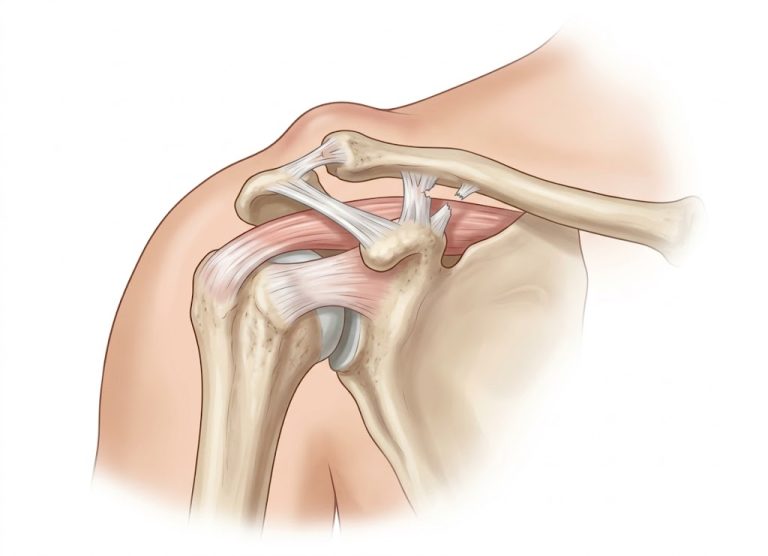
The shoulder girdle and neck. The shoulder girdle is the most frequent site. Inflammation in the subacromial bursae and the biceps tendon makes simple overhead movements nearly impossible. Patients often struggle with “activities of daily living,” such as reaching for a seatbelt or brushing their hair. Neck stiffness usually comes with it and is a classic sign of PMR.
The pelvic girdle and thighs. The second hallmark is involvement of the pelvic girdle. Inflammation in the hip joints and trochanteric bursae creates a deep ache in the buttocks and upper thighs. Rising from a low sofa or getting out of a car becomes a major hurdle. Unlike sciatica, PMR pain typically stays above the knees.
Who is most at risk for developing Polymyalgia Rheumatica?
The main risk factors are advanced age, female sex, and Northern European ancestry, which are overwhelmingly prominent in diagnosed cases. The exact cause is unknown, but these factors give strong clues about who is predisposed.
Age. Age is the single most significant risk factor. PMR almost exclusively affects people over 50, and incidence rises sharply with age, peaking between 70 and 80. It is extremely rare under 50. The reasons are not fully understood but may relate to age-related changes in the immune system, a process known as immunosenescence.
Gender. Women are about two to three times more likely than men to develop PMR. The reason is also unclear but may involve hormonal factors or differences in immune regulation between the sexes, a common theme in autoimmune and inflammatory diseases.
Ancestry and geography. PMR is most common in people of Northern European descent, particularly Scandinavians, and significantly less common in people of Asian, African, or Hispanic ancestry. This clustering strongly suggests genetic factors play a crucial role in susceptibility. Researchers have identified certain genetic markers, such as the HLA-DRB1*04 allele, that are more common in people with PMR.
Symptoms of Polymyalgia Rheumatica: What are The 7 Early Red Flags?
PMR is often described as a “storm” of inflammation that settles into the large, proximal joints. To see why it feels so debilitating, it helps to look at how each of the seven red flags interferes with the body.
The main driver is a systemic immune response in which the body mistakenly attacks the synovial linings and the bursae, the small fluid-filled sacs that cushion bones and soft tissue. This creates a distinctive pattern of pain and restricted movement that is quite different from the “wear and tear” of standard arthritis.
The Disabling Reality of Morning Stiffness
The most significant hallmark of PMR is a profound “locked” sensation right after waking. This isn’t the minor stiffness many people feel as they age. It is a disabling “gel” phenomenon in which the joints feel cemented in place. During the night, while the body rests, inflammatory fluid and cells build up in the subacromial and subdeltoid bursae of the shoulders.
When you try to move in the morning, these tissues are rigid and resist stretching, so getting out of bed or reaching for a bedside lamp takes real effort. The stiffness characteristically lasts more than 45 minutes, often several hours, and is strictly bilateral, affecting both sides of the neck and both shoulders equally.
Symmetrical Shoulder and Neck Pain
The name suggests a primary muscle disease, but the pain actually starts in the structures around the joints. In the shoulder girdle, inflammation targets the glenohumeral joints and the sheath of the long head of the biceps tendon. The result is a deep, heavy ache that makes “activities of daily living” nearly impossible. Patients often can’t reach behind their back to fasten clothing or lift their arms high enough to wash their hair. Intense neck stiffness usually joins in, further limiting basic movements like looking over the shoulder while driving.
Bilateral Hip Girdle and Pelvic Pain
Like the shoulders, the pelvic girdle is struck with equal force on both sides. This shows up as a deep, aching discomfort in the hips, buttocks, and upper thighs. Inflammation in the hip synovium and the trochanteric bursae on the outer hips makes “transitional” movements extremely painful, such as rising from a low sofa, climbing stairs, or stepping out of a vehicle. Unlike sciatica and other nerve problems, which typically travel down one leg, PMR pain stays concentrated in the large muscle groups of the pelvic region on both sides.
Diffuse Upper Arm Pain and Tenderness
A common but often misread red flag is a diffuse, aching tenderness in the upper arms. The pain radiates from the shoulder girdle down into the muscles between the shoulder and elbow. Because inflammation involves the biceps tendon sheath, the deltoid and biceps muscles can become exquisitely sensitive.
It is not a sharp, localized jolt but a constant, deep ache that can make even light pressure surprisingly painful. This radiating discomfort adds greatly to the loss of independence before treatment begins.
Systemic Fatigue and the “Flu-Like” Malaise
PMR is a systemic inflammatory disorder, so it affects the whole body’s balance. The immune system releases high levels of inflammatory proteins called cytokines, especially Interleukin-6 (IL-6), into the bloodstream. These are the same chemicals the body makes to fight a severe viral infection like influenza. As a result, patients feel an overwhelming, bone-deep exhaustion that rest doesn’t fix. It comes with a general sense of malaise, a feeling of being fundamentally “unwell,” that often leads to losing interest in social activities and a pervasive listlessness.
Low-Grade Fever and Unexplained Weight Loss
Constitutional symptoms such as a persistent low-grade fever (typically 99°F to 100.4°F) and unintended weight loss are critical clues that this is a body-wide inflammatory disease rather than a localized musculoskeletal problem. The body’s metabolism often speeds up as it tries to fuel the inflammation, burning more calories than usual. At the same time, persistent pain and feeling ill often cause a marked loss of appetite. Together, these produce weight loss that is a clear clinical signal of a systemic disorder.
Sleep Disruption and Loss of Range of Motion
The final red flag is a significant functional decline and its effect on restorative sleep. The limited range of motion in PMR is a direct result of the body “splinting” itself to avoid moving inflamed, painful soft tissue. Pain typically peaks at night during inactivity. Any attempt to roll over or change position presses on an inflamed hip or shoulder bursa, triggering a sharp spike in pain that wakes the patient. This starts a vicious cycle in which poor sleep worsens daytime fatigue and heightens the perception of pain the next day.
The most characteristic feature of PMR is how it responds to treatment. A rapid, dramatic resolution of these seven red flags within 24 to 48 hours of starting low-dose corticosteroids is considered one of the strongest diagnostic indicators of PMR.
Causes of Polymyalgia Rheumatica: What Triggers The Condition
The cause of PMR is a subject of significant clinical research, since the condition appears to be a “perfect storm” of biological and environmental factors. Doctors classify it as idiopathic, but the current consensus is that it involves a high degree of genetic susceptibility that is eventually activated by an outside trigger. This sets off a persistent inflammatory cascade, mainly involving overproduction of Interleukin-6 (IL-6), which leads to the characteristic joint and bursa inflammation.
Knowing who is at risk and how the disease is distributed statistically helps explain why certain populations are targeted.
The Genetic Blueprint and Racial Statistics
The most compelling evidence for a genetic cause is the stark difference in how the disease affects racial and ethnic groups. PMR is overwhelmingly a disease of Caucasian populations, particularly those of Northern European and Scandinavian ancestry. Annual incidence rates show the divide:
- Northern European/Scandinavian: About 112 per 100,000 people over age 50
- White (US and Southern Europe): About 52 to 60 per 100,000 people over age 50
- African American: Significantly lower, at about 15 per 100,000 people
- Asian and Hispanic: The lowest documented incidence, often fewer than 10 per 100,000 people
These numbers suggest that specific genetic markers, such as the HLA-DR4 and HLA-DRB1*04 alleles, play a gatekeeping role. These genes are far more common in Northern European populations and influence how the immune system identifies and reacts to perceived threats.
Environmental Triggers and “Viral Mimicry”
PMR symptoms often appear with sudden, flu-like intensity, so researchers have long suspected a viral trigger. New cases often peak in cyclical patterns, similar to seasonal flu outbreaks, which supports this idea. The main environmental theories are:
- Viral exposure: Agents like Parvovirus B19, Adenovirus, and Parainfluenza have been seen in clusters of PMR patients. The theory is “molecular mimicry”: the immune system attacks a virus but then keeps attacking the body’s own tissues (specifically the synovium) because they resemble the viral proteins.
- Immunosenescence: As the immune system ages (typically after 50), it becomes less “precise.” This age-related decline may be the ultimate cause, allowing a minor environmental stressor to become a chronic inflammatory state.
When Do These Symptoms Warrant a Visit To The Doctor?
Deciding to move from home management to a clinical evaluation is a critical turning point. PMR is not a localized injury but a systemic inflammatory event, so “waiting it out” often leads to a significant and unnecessary drop in quality of life. Inflammatory markers can stay elevated for months, causing lasting damage to your energy and mobility if untreated.
If you are over 50 and struggling with new, symmetrical physical limits, treat these changes as medical signals rather than inevitable signs of aging.
The Threshold for Clinical Intervention
A doctor’s visit is warranted when your physical limits begin to interfere with your independence. The cause of PMR is idiopathic, but the clinical picture is predictable and calls for a formal workup to prevent secondary complications.
The 45-minute marker. The most definitive red flag for seeing a doctor is how long your morning stiffness lasts. Normal age-related stiffness or mild osteoarthritis usually loosens up within 10 to 15 minutes of moving. With PMR, stiffness lasts more than 45 minutes and often several hours. If you feel physically “locked” until mid-morning, it is time for a professional assessment.
Functional failure in the girdles. Seek medical advice if shoulder and hip girdle pain suddenly keeps you from doing these “activities of daily living”:
- Hygiene: Being unable to lift your arms high enough to wash your hair or brush your teeth
- Dressing: Difficulty putting on a jacket, fastening a bra, or reaching into sleeves
- Mobility: Needing your arms to push yourself up from a toilet seat or low chair because your hip muscles feel too stiff or weak
Constitutional “flu-like” red flags. Unlike standard joint pain, PMR often comes with symptoms that suggest your whole body is under attack. Consult a healthcare provider if your muscle aches come with:
- Systemic fatigue: Exhaustion that feels “bone-deep” and isn’t improved by sleep
- Unintended weight loss: Losing weight without trying, often with a sudden loss of appetite (anorexia)
- Low-grade fever: A persistent body temperature between 99°F and 100.4°F, which reflects high levels of cytokines like Interleukin-6 circulating in your blood
The urgency of Giant Cell Arteritis (GCA). The most critical reason for prompt evaluation is the strong link between PMR and GCA. About 15% to 20% of PMR patients also have or will develop GCA, an inflammation of the lining of the arteries. Seek emergency medical care if your muscle stiffness comes with any of the following:
- New headaches: Sharp or persistent pain, usually at the temples
- Scalp tenderness: Pain when brushing your hair or wearing a hat
- Jaw claudication: Pain or cramping in the jaw that occurs specifically when chewing
- Vision changes: Any sudden blurring, double vision, or temporary loss of sight
What to Expect During Your Consult
Your doctor will focus on telling PMR apart from conditions like rheumatoid arthritis or fibromyalgia. They will typically order two main blood tests to measure systemic inflammation:
- ESR (Erythrocyte Sedimentation Rate): Shows how fast red blood cells settle in a tube
- CRP (C-Reactive Protein): A protein made by the liver that spikes during active inflammation
Rapid, dramatic improvement in your symptoms within 24 to 48 hours of a “trial dose” of low-dose corticosteroids (like prednisone) is often the final piece of evidence used to confirm the diagnosis.
Distinguishing Polymyalgia Rheumatica from Rheumatoid Arthritis
PMR and rheumatoid arthritis (RA) both belong to the family of inflammatory rheumatic diseases, but they are clinical “cousins” rather than twins. The confusion comes from the fact that both cause severe morning stiffness and raised inflammatory markers in the blood. Once you look at the “geography” of the pain and the long-term effect on the body, though, the differences are clear.
The most fundamental difference is that PMR is mainly a disease of soft tissues, specifically the bursae and tendons around the large “girdle” joints. RA, in contrast, is an aggressive autoimmune attack on the joint lining itself (the synovium) that can cause permanent structural damage.
Key Clinical Differences
Three areas help show how PMR differs from RA: where the pain is, the physical damage, and the blood markers.
Anatomical “geography” of pain. The most visible difference is where the pain starts. PMR symptoms are “proximal,” staying close to the center of the body, so you feel stiffness in the shoulders, neck, and hips. RA typically begins “distally,” attacking the small joints of the hands (knuckles), wrists, and feet. RA can eventually move to larger joints, but early involvement of the fingers is a classic differentiator that is absent in PMR.
Joint erosion vs. soft tissue inflammation. A critical point is the potential for permanent deformity. RA forms “pannus,” extra tissue that invades and eats away at bone and cartilage. Without aggressive treatment, RA leads to joint erosion and visible deformities. PMR is non-erosive. It feels incredibly painful and limiting, but the inflammation in the bursae does not destroy bone or change the shape of the joints.
The antibody profile. When a doctor runs blood work, they look for “negative” results on specific tests to confirm PMR.
- RA markers: People with RA often test positive for Rheumatoid Factor (RF) and Anti-CCP antibodies.
- PMR markers: These autoantibodies are characteristically absent in PMR. Both conditions show high CRP and ESR, but the lack of RA-specific antibodies points strongly toward PMR.
The Clinical Connection: Polymyalgia Rheumatica and Giant Cell Arteritis
PMR and Giant Cell Arteritis (GCA) are essentially two sides of the same inflammatory coin. Many doctors see them not as separate illnesses but as different expressions of the same underlying systemic disease. PMR mainly involves inflammation in the soft tissues around the joints (bursae and tendons), while GCA is far more dangerous, involving vasculitis, inflammation of the walls of medium and large arteries.
The statistical link is strong. About 15% to 20% of PMR patients will also develop the arterial inflammation of GCA. Even more striking, nearly 50% of all GCA patients also have the characteristic “girdle” stiffness of PMR. Because GCA can cause irreversible complications like permanent blindness or stroke, the main goal for any PMR patient is to watch closely for these vascular red flags.
Recognizing the Emergency: Symptoms of Giant Cell Arteritis
When PMR turns into or exists alongside GCA, the inflammation moves from the joints to the circulatory system. This is a medical emergency because swelling of the artery walls narrows the vessel and significantly restricts blood flow to vital organs, most notably the eyes and brain.
New or unusual headaches.
The most common sign that PMR may be complicated by GCA is a new, persistent headache. The pain is typically at the temples but can occur anywhere on the skull.
Scalp tenderness.
A classic indicator is pain during simple tasks like brushing your hair, wearing glasses, or resting your head on a pillow. It happens because the temporal arteries near the skin’s surface are inflamed and sensitive to pressure.
Jaw claudication (chewing pain).
This highly specific GCA symptom is not a standard jaw ache. It is a cramp or intense fatigue that occurs specifically when chewing or talking. The inflamed arteries can’t deliver enough oxygenated blood to the masseter muscles, so the jaw “gives out” or becomes painful with use. It is often one of the most reliable indicators that the disease has spread into the vascular system.
Critical vision disturbances.
The most feared complication of the PMR-GCA link is sudden vision loss. Inflammation can block the blood supply to the optic nerve, leading to:
- Blurred or double vision: Frequent episodes of “fuzzy” sight
- Amaurosis fugax: A temporary “curtain” falling over the vision in one eye
- Sudden blindness: This can be permanent and happen without warning if high-dose steroids are not given immediately
Can Lifestyle Changes Improve Polymyalgia Rheumatica Symptoms?
Corticosteroids do the clinical “heavy lifting” in treating PMR, but lifestyle changes are a critical second line of defense. Both PMR and its main treatment (prednisone) put significant stress on the body, so a proactive approach helps manage systemic inflammation and offset side effects like bone density loss or muscle wasting.
Nutritional, physical, and emotional strategies can noticeably shorten the perceived recovery time and help patients stay independent during the one-to-three-year course of the illness.
Nutritional Strategies: The Anti-Inflammatory Baseline
Food choices can either fuel or help dampen the systemic inflammation that drives PMR symptoms. Moving toward an anti-inflammatory eating pattern supports the medication while protecting the body from steroid-induced complications.
- Counteracting bone loss: Corticosteroids significantly raise the risk of osteoporosis. Prioritize foods high in calcium (dairy, leafy greens, fortified cereals) and vitamin D (fatty fish, egg yolks) to protect your bones.
- Omega-3 fatty acids: Sources such as salmon, walnuts, and flaxseeds can help naturally modulate the body’s inflammatory response.
- Glycemic control: Steroids can cause blood sugar spikes and weight gain. Focusing on whole grains and lean proteins rather than refined sugars helps stabilize energy and prevent the “crashes” that worsen symptoms.
Movement and Physical Maintenance
The “morning gel” phenomenon can lead to a sedentary lifestyle, but total inactivity is counterproductive. Prolonged rest lets muscles weaken and joints become even more restricted.
- Gentle mobilization: Low-impact activities such as swimming, Tai Chi, or yoga are ideal. They encourage a full range of motion in the shoulder and hip girdles without putting excessive mechanical stress on the inflamed bursae.
- The power of pacing: Because of the profound fatigue in PMR, pacing is a necessary skill. Break tasks into smaller segments and schedule rest before you feel completely exhausted.
- Strength preservation: Gentle resistance training can help fight the muscle wasting (atrophy) that sometimes occurs with long-term steroid use.
Psychological Well-being and Stress Management
Living with PMR is emotionally taxing. The sudden loss of mobility and the “flu-like” malaise can cause significant stress, which in turn lowers the threshold for pain.
- Mindfulness and relaxation: Techniques such as deep breathing or guided meditation can help calm the nervous system. This reduces the perception of pain and helps manage the “prednisone jitters” or mood swings that can accompany corticosteroid treatment.
- Sleep hygiene: Since pain often peaks at night, a consistent sleep routine, including supportive pillows to take pressure off inflamed hip and shoulder joints, is essential for restorative rest.
By building in these lifestyle changes, people with PMR can take an active role in their healing. The medication cools the “fire” of inflammation, and these daily habits provide the foundation for long-term health and a successful taper off steroids.
Conclusion
Recognizing the early symptoms of PMR is crucial for getting an accurate diagnosis and starting the right treatment. The exact cause remains unclear, but understanding symptoms such as muscle stiffness, fatigue, and joint pain can help people seek medical attention before the condition worsens. Early treatment with corticosteroids and other medications can greatly reduce inflammation and improve symptoms, leading to a better quality of life.
PMR mainly affects older adults, but timely medical care and a proactive approach can help manage it effectively. Lifestyle changes, regular checkups, and proper medication go a long way toward reducing symptoms and preventing long-term complications. If you notice any of the symptoms discussed in this guide, consult a healthcare provider for an accurate diagnosis and a personalized treatment plan.
By staying informed and proactive, you can take control of your health and reduce the impact of PMR on your daily life.
Frequently Asked Questions (FAQ) About Polymyalgia Rheumatica
What is polymyalgia rheumatica?
Polymyalgia rheumatica (PMR) is an inflammatory disorder that causes pain, stiffness, and muscle aches, particularly in the shoulders, neck, and hips. It mainly affects people over 50 and is marked by sudden muscle stiffness that is often worse in the morning. The exact cause is unknown, but it is believed to involve an immune system malfunction that leads to inflammation of the muscles and joints.
What are the common symptoms of polymyalgia rheumatica?
The most common symptoms are severe muscle stiffness, especially in the shoulders, hips, and neck, which can make movement difficult, particularly in the morning. Other symptoms may include fatigue, unexplained weight loss, low-grade fever, and trouble getting around. Joint pain and tenderness may also occur, and in some cases PMR can lead to other complications, such as giant cell arteritis (GCA).
How is polymyalgia rheumatica diagnosed?
Diagnosis can be challenging because the symptoms resemble other inflammatory conditions. A healthcare provider will do a physical exam and ask about your symptoms. Blood tests, such as C-reactive protein (CRP) and erythrocyte sedimentation rate (ESR), may show elevated inflammation levels. Imaging tests and a biopsy (if giant cell arteritis is suspected) may also help confirm the diagnosis.
What causes polymyalgia rheumatica?
The exact cause is not well understood, but it is believed to involve an autoimmune response in which the immune system mistakenly attacks healthy tissue in the muscles and joints. Genetic factors, environmental factors, and infections may also play a role in triggering it. PMR is more common in people over 50 and more often seen in those of Northern European descent.
Can polymyalgia rheumatica be cured?
There is no cure, but the condition is manageable with medication. Corticosteroids, such as prednisone, are commonly used to reduce inflammation and relieve symptoms. With appropriate treatment, most people get significant relief, although the dose may need adjusting over time. In some cases the disease goes into remission after a few years of treatment.
What are the treatment options for polymyalgia rheumatica?
Treatment typically involves corticosteroids like prednisone to reduce inflammation and relieve symptoms. The dose usually starts high and is gradually tapered down. In some cases, other immunosuppressive drugs, such as methotrexate or azathioprine, may be used if corticosteroids are not effective. Physical therapy and lifestyle changes, including regular exercise and healthy eating, may help manage symptoms and improve mobility.
Can polymyalgia rheumatica cause long-term complications?
If left untreated or poorly managed, PMR can lead to complications such as muscle weakness, joint damage, and disability. It is also often associated with giant cell arteritis (GCA), a condition that causes inflammation of the arteries and can lead to vision loss or stroke if untreated. Early diagnosis and treatment are crucial to preventing these complications.