
Understanding Dyspraxia: 6 Key Symptoms and How It Affects Coordination
Dyspraxia, also called Developmental Coordination Disorder (DCD), is a neurodevelopmental condition that can affect movement, coordination, motor planning, and everyday physical skills. Someone with dyspraxia may find activities such as writing, getting dressed, using utensils, or keeping their balance more difficult than expected. Although it can create challenges at school, work, and home, dyspraxia does not affect a person’s intelligence.
Symptoms can look different from one person to another. Because some signs may simply be mistaken for clumsiness, carelessness, or poor concentration, dyspraxia is sometimes overlooked. Recognizing the signs early can help children and adults receive appropriate support and develop strategies that make everyday activities easier.
In this guide, we’ll look at six common signs of dyspraxia, how the condition can appear at different ages, how it may overlap with other neurodevelopmental conditions, and the types of professional support that may help.
What Is Dyspraxia, Also Known as Developmental Coordination Disorder (DCD)?
Dyspraxia is a neurodevelopmental condition that primarily affects coordination and motor planning. The term is associated with “praxis,” which refers to the ability to plan and carry out purposeful movements.
Rather than simply being “clumsy,” a person with dyspraxia may have difficulty working out how to perform a movement, especially when the activity is unfamiliar or involves several steps. The challenge is not necessarily a lack of strength or understanding. Instead, the brain may have difficulty organizing and coordinating the movements needed to complete the task smoothly.
Understanding Motor Planning and Praxis
Movement involves more than muscle strength. The brain needs to plan what needs to happen, organize the sequence of movements, and then coordinate the body to carry them out.
For someone with developmental dyspraxia, this process can take more conscious effort. An action that seems automatic to another person may require considerable attention and concentration.
This is also why it is useful to distinguish dyspraxia from apraxia. Apraxia is generally an acquired difficulty performing learned movements and can occur after conditions such as a stroke or brain injury. Dyspraxia, or DCD, is a developmental condition that begins during childhood.
Dyspraxia and Learning Difficulties
Although dyspraxia primarily affects motor coordination, its effects can extend into learning and everyday organization.
For example, a child may understand a lesson but find writing difficult because holding a pencil, forming letters, and maintaining handwriting speed require so much concentration. As a result, completing schoolwork may take longer and can be tiring.
Some people with dyspraxia may also have difficulty organizing tasks, following sequences, managing time, or remembering several instructions at once. These challenges can make school, work, and household responsibilities more demanding.
Dyspraxia in Adulthood
Dyspraxia does not necessarily disappear as a person grows older. Instead, symptoms may become less obvious as individuals learn strategies that help them manage everyday activities.
Adults may still experience difficulties with driving, cooking, typing, using tools, navigating unfamiliar environments, or completing tasks that require several coordinated steps.
They may also spend more mental energy on activities that other people perform automatically. This can contribute to fatigue, especially when a person is constantly concentrating on coordination, organization, or sequencing.
Because dyspraxia is not always visible, adults may sometimes be misunderstood as disorganized, careless, or forgetful. Recognizing the underlying coordination difficulties can help people seek appropriate accommodations and support.
6 Key Signs of Dyspraxia Related to Motor Skills
Dyspraxia can affect several aspects of movement and coordination. The following six areas are among the most common.
1. Balance and Posture Problems
Maintaining balance requires the brain to process information from several systems, including the inner ear, muscles, joints, and visual system.
People with dyspraxia may have difficulty using this information efficiently. They might frequently trip, bump into things, appear unsteady, or struggle to maintain good posture.
Some children may find activities such as standing on one foot, climbing, or navigating playground equipment particularly challenging.
Adults may notice similar problems when walking on uneven ground, using stairs, or moving through crowded environments.
2. Difficulty With Fine Motor Skills
Fine motor skills involve small, precise movements of the hands and fingers.
Someone with dyspraxia may struggle with activities such as:
- Holding and controlling a pencil
- Writing or drawing
- Buttoning clothing
- Tying shoelaces
- Using scissors
- Handling cutlery
- Opening small containers
- Using tools or other small objects
These difficulties are not necessarily caused by weak hands. Instead, the brain may have difficulty coordinating the precise sequence of movements required.
Handwriting can be especially tiring because the person has to concentrate on movements that many people eventually perform automatically.
3. Problems With Gross Motor Coordination
Gross motor skills involve larger muscle groups and whole-body movements.
Dyspraxia may make activities such as running, jumping, hopping, climbing, swimming, or riding a bicycle more difficult.
Some people may have trouble coordinating their arms and legs at the same time or judging the timing of a movement. Catching or kicking a ball can also be challenging because it requires the brain to estimate speed, direction, timing, and body position.
These difficulties may cause some children to avoid sports or physical activities because they feel less confident participating with their peers.
4. Motor Planning and Sequencing Difficulties
Motor planning, sometimes called praxis, involves figuring out how to carry out a movement or sequence of movements.
A person may understand what they want to accomplish but struggle to work out the individual steps needed to complete the task.
For example, making a bed, preparing food, getting dressed, or following a new exercise routine may be difficult when several steps need to happen in a particular order.
New or unfamiliar activities can be particularly challenging because the person may need more time to work out the sequence.
5. Speech and Articulation Difficulties
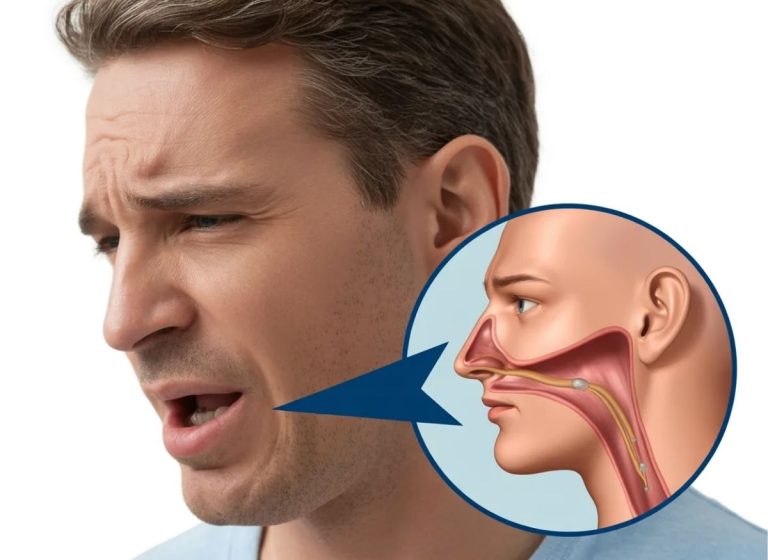
Motor planning can also affect speech in some people. When speech production is affected by difficulty planning and coordinating the movements of the mouth, it may be described as verbal dyspraxia or, in children, Childhood Apraxia of Speech.
The person may know exactly what they want to say but have difficulty coordinating their lips, tongue, and jaw to produce certain sounds.
Speech errors may sometimes be inconsistent, meaning a person may pronounce the same word differently at different times.
Speech and language professionals can assess these difficulties and determine whether specialized support is needed.
6. Perceptual-Motor and Spatial Difficulties
Some people with dyspraxia have difficulty judging where their body is in relation to objects and other people.
They may frequently bump into furniture, misjudge distances, stand unusually close to others, or have trouble navigating unfamiliar spaces.
Left and right can also be confusing for some individuals. Activities that require strong hand-eye coordination or accurate spatial judgment may take additional concentration.
These difficulties can make everyday environments feel more demanding, particularly when there are many people, obstacles, or distractions.
How Does Dyspraxia Present Differently in Children and Adults?
Dyspraxia can affect people throughout their lives, but the challenges may change as responsibilities and environments change.
Dyspraxia in Children
In childhood, dyspraxia may become noticeable when a child has difficulty reaching certain motor milestones or learning physical skills at the same pace as peers.
Possible signs include difficulty with:
- Running, jumping, hopping, or climbing
- Using scissors
- Drawing or coloring
- Holding a pencil
- Getting dressed
- Tying shoelaces
- Using cutlery
- Learning sports
- Following movement-based instructions
Schoolwork may also take longer when handwriting or other fine motor activities require significant effort.
A child who struggles with sports or playground activities may also feel frustrated or left out. Support from parents, teachers, and healthcare professionals can help reduce these challenges and encourage participation.
Dyspraxia in Adults
Adults with dyspraxia may have developed strategies to manage many of their earlier difficulties. For example, they might use a laptop instead of handwriting, choose clothing without complicated fasteners, or rely on digital reminders and calendars.
However, new demands can introduce different challenges.
Driving, cooking, managing household tasks, organizing work projects, navigating unfamiliar places, and following complicated instructions may require substantial concentration.
At work, difficulties with planning, organization, time management, or completing multi-step tasks may become more noticeable.
How Symptoms Can Change Over Time
Dyspraxia does not necessarily look the same at every stage of life.
- Gross motor skills: A child may struggle with hopping or skipping, while an adult may have difficulty navigating crowded or unfamiliar environments.
- Fine motor skills: A child may struggle with buttons and handwriting, while an adult may find typing, using tools, or other precise tasks tiring.
- Sequencing and organization: A child may have difficulty following several instructions, while an adult may struggle with complex work projects or household routines.
The specific challenges can change, but the underlying coordination difficulties may continue into adulthood.
Other Neurodevelopmental Conditions That May Occur With Dyspraxia
Dyspraxia can occur alongside other neurodevelopmental conditions. When this happens, it can sometimes be difficult to determine which symptoms are associated with which condition.
Dyspraxia and ADHD
Dyspraxia and ADHD can occur together. Although they are different conditions, both can involve difficulties with organization, planning, completing tasks, and managing everyday activities.
Someone experiencing both may have difficulty deciding how to organize a task while also struggling with the physical steps required to complete it.
For example, organizing a workspace may involve both executive-function challenges and difficulties physically sorting and arranging objects.
Dyspraxia and Autism
Dyspraxia can also occur alongside Autism Spectrum Disorder (ASD).
Some autistic people experience motor coordination or motor-planning difficulties, as well as sensory-processing differences. These challenges can affect activities such as copying movements, coordinating gestures, navigating busy spaces, or participating in physical activities.
However, autism and dyspraxia are separate conditions, and having one does not automatically mean a person has the other.
Dyspraxia and Dyslexia
Dyspraxia may also occur alongside dyslexia.
Dyslexia primarily affects reading and language-related skills, while dyspraxia primarily affects coordination and motor planning. When both are present, tasks such as writing may become particularly demanding.
A student may have ideas they want to put on paper but have difficulty managing both the language-related and physical aspects of writing.
Dyspraxia vs. Apraxia
Although the terms sound similar, dyspraxia and apraxia are not the same.
Dyspraxia/DCD is a developmental condition associated with difficulties in coordination and motor planning that begin during childhood.
Apraxia generally refers to difficulty carrying out learned purposeful movements despite having the physical ability to perform them. It is often acquired as a result of a neurological condition or brain injury.
Because the causes and clinical presentations can differ, a healthcare professional should determine which condition best explains an individual’s symptoms.
Can You Outgrow Dyspraxia?
Dyspraxia is generally considered a lifelong neurodevelopmental condition. However, that does not mean a person’s difficulties will always look exactly the same or remain equally severe.
As children grow, they can learn techniques that make everyday tasks easier. Adults may also develop effective routines, use technology, modify their surroundings, or choose tools that reduce the impact of coordination difficulties.
Learning New Strategies
People with dyspraxia can develop useful ways to work around challenging tasks.
Examples include:
- Using speech-to-text software
- Setting digital reminders
- Using visual schedules and checklists
- Choosing ergonomic tools
- Breaking complicated activities into smaller steps
- Allowing extra time for unfamiliar tasks
- Using adaptive equipment when appropriate
These strategies do not remove dyspraxia, but they can make daily activities more manageable.
Managing Mental and Physical Fatigue
Even when someone appears to perform a task successfully, the amount of concentration required may be greater than it is for someone without coordination difficulties.
Constantly focusing on balance, movement, organization, or task sequencing can be tiring.
Recognizing this effort is important. Support should focus not only on improving skills but also on reducing unnecessary demands and finding practical ways to conserve energy.
Types of Professional Support Available for Dyspraxia
There is no single treatment approach that works for everyone with dyspraxia. Support is usually based on the person’s specific difficulties and may involve several professionals.
Occupational Therapists
Occupational therapists can help people improve their ability to manage everyday activities.
For children, an OT may work on handwriting, dressing, using classroom tools, or other practical skills.
For adults, an OT may suggest changes to the workplace or home, recommend useful equipment, and help develop strategies for completing complicated tasks more efficiently.
Physiotherapists
Physiotherapists can help address physical aspects such as balance, strength, posture, movement, and coordination.
Depending on the individual’s needs, therapy may include exercises designed to improve stability, movement control, and physical confidence.
Speech-Language Pathologists
When speech or oral-motor planning is affected, a speech-language pathologist can assess communication difficulties and provide appropriate therapy.
Treatment may focus on helping the person coordinate the movements needed for clearer speech and improving communication in everyday situations.
Educational and Psychological Support
Children with dyspraxia may benefit from educational support that recognizes their individual needs.
Possible accommodations can include additional time, assistive technology, alternative ways of completing written work, or adjustments to classroom activities.
Adults may also benefit from workplace accommodations and organizational strategies.
Emotional support can be helpful as well, particularly when coordination difficulties have affected confidence, education, work, or social participation.
Conclusion
Dyspraxia can affect coordination, balance, motor planning, fine and gross motor skills, and everyday activities. The way it appears can vary considerably from one person to another, and symptoms may change as a person grows older.
Recognizing the signs can be an important first step toward getting appropriate support. Occupational therapy, physiotherapy, speech-language therapy, educational accommodations, and practical strategies may all play a role depending on an individual’s needs.
Dyspraxia is not a reflection of intelligence or effort. With suitable support, adaptations, and understanding, many people can develop effective strategies for managing daily challenges and participating fully in school, work, family life, and other activities.
If you or someone you know has persistent difficulties with coordination or motor skills, speaking with a qualified healthcare professional can help determine whether an assessment is appropriate.
Frequently Asked Questions About Dyspraxia
What is dyspraxia?
Dyspraxia, also known as Developmental Coordination Disorder (DCD), is a neurodevelopmental condition that affects coordination, movement, and motor planning. It can make activities such as writing, dressing, using utensils, running, or maintaining balance more difficult. Dyspraxia does not affect intelligence and can continue from childhood into adulthood.
What are the early signs of dyspraxia?
Early signs may include delayed or difficult motor development, frequent tripping, poor coordination, difficulty holding a pencil, problems with dressing or tying shoelaces, and trouble learning physical activities. Some children may also find it difficult to follow movement-based instructions or complete tasks that require several steps.
What causes dyspraxia?
The exact cause of dyspraxia is not fully understood. It is thought to involve differences in the way the brain develops and processes information related to movement and coordination. Genetic and developmental factors may play a role, but researchers are still working to understand the condition more fully.
Can dyspraxia be treated or cured?
There is currently no cure for dyspraxia, but its effects can often be managed with appropriate support. Depending on the person’s needs, this may include occupational therapy, physiotherapy, speech-language therapy, educational support, assistive technology, and practical strategies for everyday activities.
How does dyspraxia affect daily life?
Dyspraxia can affect activities at home, school, work, and in social settings. Someone may have difficulty with coordination, handwriting, cooking, driving, organization, time management, or completing multi-step tasks. These challenges can be frustrating, but appropriate strategies and accommodations can make everyday activities easier.
Is dyspraxia the same as ADHD or autism?
No. Dyspraxia, ADHD, and autism are different neurodevelopmental conditions, although they can occur together. Dyspraxia mainly involves coordination and motor planning, while ADHD is associated with difficulties such as attention regulation and impulsivity, and autism involves differences in social communication, interaction, and restricted or repetitive patterns of behavior. Because some symptoms can overlap, a qualified professional can help determine which conditions may be present.