
12 Shortness of Breath Causes Linked to Your Lungs & Heart
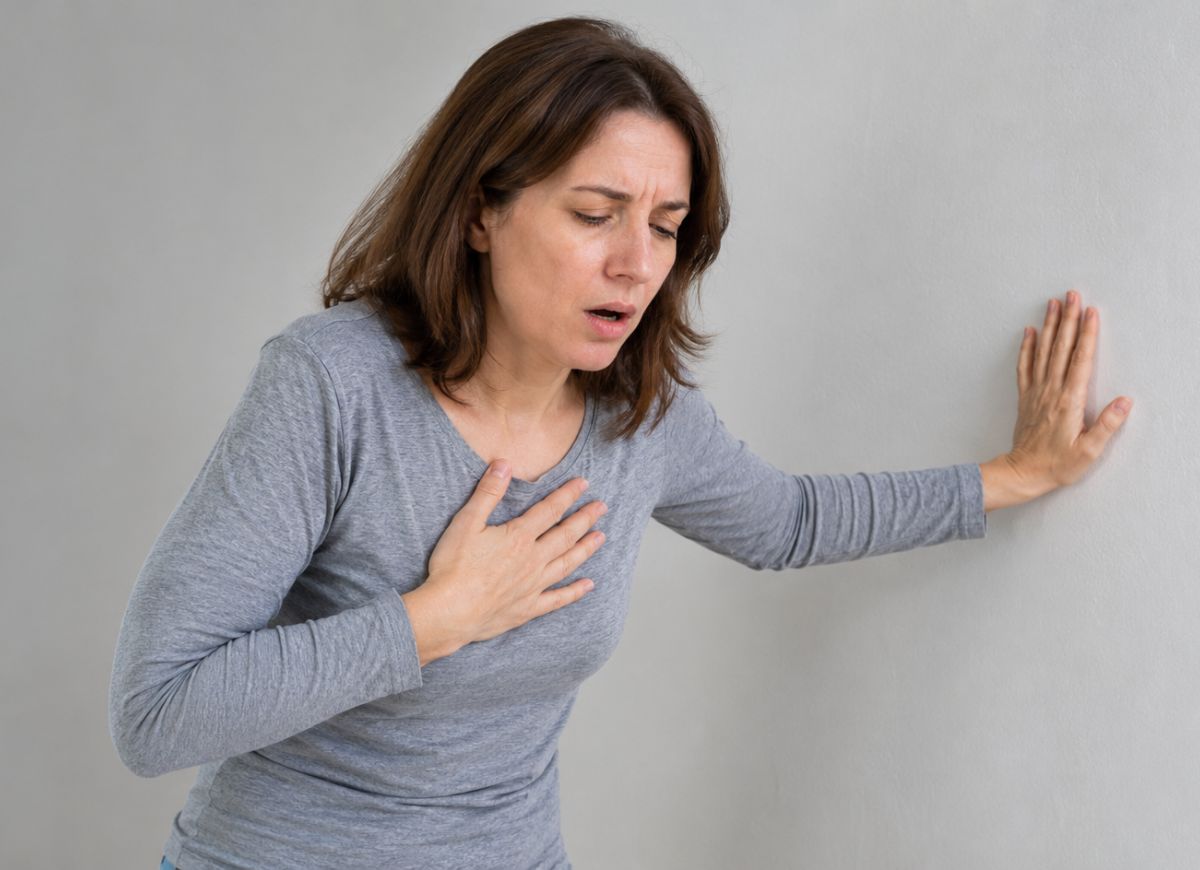
Have you ever caught yourself gasping for air after a flight of stairs that used to feel like nothing? It’s an unsettling sensation, that sudden, tight realization that your lungs aren’t keeping pace with your body’s demands. While it’s easy to brush it off as getting older or being out of shape, the reality is often more clinical.
You’re not alone in this struggle. Shortness of breath (dyspnea) is one of the most common reasons for emergency room visits, accounting for nearly 4 million annual admissions in the United States alone. Even more striking, medical studies indicate that in approximately 85% of clinical cases, the underlying trigger for chronic breathlessness can be traced back to just two vital systems: your heart or your lungs.
These two systems work in a constant, synchronized partnership, one pumping the fuel while the other provides the oxygen, so a flicker of dysfunction in one often mimics a crisis in the other. A flutter in your chest might actually be a lung issue, while a persistent cough could be the first warning sign of a weakening heart.
The challenge lies in the nuance. Understanding the difference between a harmless out-of-breath moment and a life-altering diagnosis is critical. Whether it’s the sudden onset of a pulmonary embolism or the gradual progression of congestive heart failure, your body is rarely silent before a storm; it speaks through the rhythm of your breathing.
This guide breaks down the 12 most common causes of shortness of breath, sorting the red flags your heart and lungs send out. By identifying these triggers early, you’re not just satisfying curiosity; you’re gaining knowledge that could quite literally save your life.
12 Primary Lung and Heart Causes of Shortness of Breath
6 Main Lung-Related Causes of Dyspnea
Asthma
Asthma is a chronic inflammatory disease of the airways. During an asthma attack, the airways become swollen, narrow, and produce excess mucus. This combination, known as bronchoconstriction, significantly increases resistance to airflow, making it difficult to exhale. The air trapped in the lungs makes it feel like you can’t take a full, deep breath, causing the characteristic wheezing and shortness of breath. The body’s effort to overcome this obstruction demands more work from the breathing muscles, contributing to fatigue and the sensation of breathlessness.
Chronic Obstructive Pulmonary Disease (COPD)
COPD is an umbrella term for progressive lung diseases, including emphysema and chronic bronchitis. In emphysema, the tiny air sacs in the lungs are damaged, reducing the surface area available for gas exchange. In chronic bronchitis, the bronchial tubes become inflamed and narrowed, and mucus production increases. Both conditions cause a persistent blockage of airflow, making it hard to empty the lungs of air. This air trapping leads to overinflation of the lungs, flattening the diaphragm and making breathing mechanically inefficient and strenuous.
Pneumonia
Pneumonia is an infection that inflames the air sacs in one or both lungs. The air sacs may fill with fluid or pus, severely compromising their ability to transfer oxygen into the bloodstream. This reduction in effective gas exchange leads to low blood oxygen levels, which the body detects and responds to by increasing the rate and depth of breathing, creating the feeling of shortness of breath. The body is working harder to get the oxygen it needs, but the fluid-filled lungs can’t meet the demand.
Pulmonary Embolism
A pulmonary embolism occurs when a blood clot, typically from a deep vein in the leg, travels to the lungs and lodges in a pulmonary artery. This blockage prevents blood from reaching a section of the lung to be oxygenated. The result is a mismatch between airflow and blood flow: air is entering the air sacs, but there’s no blood flow to pick up the oxygen. This leads to a sudden drop in blood oxygen levels and puts immense strain on the right side of the heart, causing acute, severe shortness of breath and often sharp chest pain.
Pleurisy
Pleurisy is inflammation of the pleura, the two thin layers of tissue that separate the lungs from the chest wall. Normally, these layers glide smoothly over each other during breathing. When inflamed, they rub together, causing sharp, stabbing chest pain that worsens with inhaling, coughing, or sneezing. To avoid this pain, people often take shallow, rapid breaths, which can create a feeling of not getting enough air.
Lung Cancer
A tumor in the lung can cause shortness of breath in several ways. It can physically obstruct a major airway, making it difficult for air to pass. It can also press on surrounding lung tissue, reducing its capacity. Cancer can also lead to a buildup of fluid around the lung, which compresses it and prevents it from fully expanding. Tumors may also block blood vessels or lymphatic channels, further impairing lung function.
6 Main Heart-Related Causes of Dyspnea
Heart Failure
This condition doesn’t mean the heart has stopped working, but rather that it can’t pump blood efficiently enough to meet the body’s needs. In left-sided heart failure, the left ventricle is unable to pump blood effectively to the body. This causes blood and pressure to back up in the veins and tiny vessels of the lungs. Fluid leaks from these vessels into the lung tissue and air sacs, a condition known as pulmonary edema, interfering with gas exchange and causing shortness of breath, especially with exertion or when lying down.
Coronary Artery Disease
In coronary artery disease, the arteries that supply blood to the heart muscle become narrowed or blocked by plaque buildup. During physical exertion or stress, the heart needs more oxygen, but the narrowed arteries can’t deliver enough oxygen-rich blood. This oxygen starvation of the heart muscle can cause chest pain and can also show up as shortness of breath. The heart muscle weakens temporarily, reducing its pumping efficiency and leading to a short-term backup of pressure in the lungs.
Cardiomyopathy
This is a disease of the heart muscle itself, which becomes enlarged, thickened, or rigid. These changes weaken the heart’s ability to pump blood effectively. As the heart’s pumping function declines, it leads to the same consequences as heart failure: blood backs up in the lungs, causing congestion and shortness of breath. Different types of cardiomyopathy affect the heart muscle in different ways, but all can ultimately lead to pump dysfunction and breathlessness.
Heart Attack
A heart attack is an acute event where blood flow to part of the heart muscle is completely blocked, usually by a blood clot forming on a ruptured plaque in a coronary artery. This causes the affected heart muscle to die. The sudden, severe damage dramatically reduces the heart’s ability to pump. This acute pump failure can cause a rapid buildup of fluid in the lungs, leading to sudden, severe shortness of breath. It is a medical emergency.
Arrhythmia
An arrhythmia is an irregular heartbeat, which can be too fast, too slow, or chaotic, as in atrial fibrillation. When the heart beats irregularly, it can’t fill with and pump out blood efficiently. During a rapid heartbeat, the heart chambers don’t have enough time to fill completely between beats. During a slow heartbeat, the heart doesn’t pump often enough. In atrial fibrillation, chaotic electrical signals lead to an inefficient, quivering contraction of the upper chambers. All of these scenarios can reduce the amount of oxygenated blood sent to the body, causing fatigue, dizziness, and shortness of breath.
Pericarditis
Pericarditis is inflammation of the pericardium, the thin, sac-like membrane surrounding the heart. Inflammation can cause fluid to accumulate in the space around the heart. If a large amount of fluid builds up, it can compress the heart, a condition called cardiac tamponade, preventing it from filling properly with blood between beats. This restriction severely reduces the amount of blood the heart can pump with each beat, leading to a drop in blood pressure and profound shortness of breath. The inflammation can also cause sharp chest pain that may worsen when breathing deeply or lying down.
Causes of Shortness of Breath Not Related to the Heart or Lungs
While heart and lung problems are the primary suspects, shortness of breath can originate from a wide range of other systemic and environmental factors. One common cause is anxiety or panic attacks, where the body’s fight-or-flight response leads to rapid, shallow breathing, creating a sensation of not getting enough air. This can come with a racing heart, chest tightness, and dizziness.
Another significant factor is severe anemia, a condition characterized by a deficiency of red blood cells or hemoglobin. Since hemoglobin transports oxygen, a low count means the body’s tissues are starved of oxygen, forcing the respiratory system to work harder to compensate, resulting in breathlessness even with minimal exertion. Obesity is also a major contributor, as excess body weight, particularly around the chest and abdomen, can restrict lung expansion and increase the workload on the breathing muscles.
Additionally, severe allergic reactions, known as anaphylaxis, can cause rapid swelling of the airways, leading to acute and life-threatening breathlessness. Environmental factors, such as exposure to high altitudes where oxygen levels are lower, can also induce shortness of breath as the body struggles to adapt to the reduced oxygen availability.
What Does Shortness of Breath Feel Like?
The sensation of shortness of breath is typically described with terms like air hunger, chest tightness, inability to get a deep breath, feeling smothered or suffocated, or a feeling of working hard to breathe. These descriptions reflect the different physiological mechanisms that can trigger breathlessness. The brain’s breathing control center receives signals from various sensors throughout the body, including those that detect blood oxygen and carbon dioxide levels, and those in the lungs and chest wall that sense the physical effort of breathing. When these signals indicate a mismatch between the need for air and the body’s ability to get it, the distressing sensation of breathlessness occurs.
Air hunger is a powerful, primal sensation of needing to breathe but being unable to do so satisfactorily. It’s often associated with conditions that cause low blood oxygen or high blood carbon dioxide, such as severe COPD or pneumonia. The body’s sensors are sending urgent signals to the brain to increase breathing.
Chest tightness is common in conditions involving airway constriction, such as asthma. The feeling is one of a band tightening around the chest, reflecting the increased muscular effort required to move air through narrowed passages. It can also be a symptom of inadequate blood flow to the heart muscle, where it’s often described alongside pressure or squeezing.
Inability to take a deep breath often arises from conditions that restrict the full expansion of the lungs. This can be due to external pressure, like a large collection of fluid around the lung or heart, or from internal factors like overinflation in COPD, where the lungs are already over-filled with trapped air and can’t expand further.
Feeling of suffocation is an extreme and frightening form of breathlessness, often associated with acute and severe conditions like a major pulmonary embolism, severe heart failure with fluid in the lungs, or anaphylaxis. It represents a critical failure of the respiratory or circulatory systems to provide the body with oxygen.
Common Symptoms of Shortness of Breath
Coughing and Wheezing
A persistent cough, especially one that produces mucus, along with a high-pitched whistling sound on exhalation, strongly suggests a lung cause. These are hallmark symptoms of asthma and COPD, where airway inflammation and obstruction are the primary issues. A cough producing phlegm can also indicate an infection like pneumonia or bronchitis.
Heart Palpitations
The sensation of a fluttering, racing, or pounding heartbeat accompanying shortness of breath often points to an irregular heart rhythm. When the heart’s rhythm is irregular, its pumping efficiency is compromised, leading to both the sensation of palpitations and breathlessness due to inadequate blood flow.
Swelling in the Ankles, Legs, and Abdomen
When shortness of breath is accompanied by fluid retention, particularly in the lower extremities, it’s a classic sign of congestive heart failure. The heart’s inefficient pumping causes blood to back up in the veins, increasing pressure and forcing fluid out of the blood vessels and into surrounding tissues.
Chest Pain or Discomfort
The combination of shortness of breath and chest pain is a serious warning sign. If the pain is sharp and worsens with a deep breath, it could indicate pleurisy or a pulmonary embolism. If it feels like pressure, squeezing, or fullness in the center of the chest, it’s highly suspicious for a heart problem like angina or a heart attack.
Dizziness, Lightheadedness, or Fainting
These symptoms suggest that the brain isn’t receiving enough oxygenated blood. This can occur with severe lung disease, a large pulmonary embolism, a critical arrhythmia, or a heart attack that significantly compromises the heart’s output.
Fatigue
Profound fatigue often accompanies chronic shortness of breath. The increased work of breathing uses a significant amount of energy, and the underlying condition, whether heart or lung disease, often leads to reduced oxygen delivery to muscles and tissues, causing a persistent state of exhaustion.
Bluish Discoloration of Lips or Fingernails
This is a sign of severe oxygen deprivation and indicates a life-threatening medical emergency. It shows that the heart, lungs, or both are failing to oxygenate the blood adequately.
When to Seek Medical Help
You should call for immediate medical help for shortness of breath if it appears suddenly, is severe, or is accompanied by red-flag symptoms that indicate a potentially life-threatening condition. These situations require urgent evaluation and intervention to prevent severe complications or death. Delaying care in these scenarios can have catastrophic consequences.
The goal of immediate medical help is to stabilize the patient, diagnose the acute cause (such as a heart attack or pulmonary embolism), and provide life-saving treatment. Call 911 or go to the nearest emergency room if shortness of breath is associated with any of the following:
- Sudden and severe onset: Breathlessness that comes on without warning and makes it impossible to speak in full sentences.
- Chest pain, pressure, or tightness: Any chest discomfort, especially if it feels like squeezing or pressure or spreads to the arm, neck, jaw, or back, can signal a heart attack.
- Pain with breathing: Sharp, stabbing chest pain that worsens significantly with inhalation can be a sign of a pulmonary embolism or pleurisy.
- Confusion or altered mental state: A sudden change in alertness, dizziness, or confusion indicates that the brain isn’t getting enough oxygen, which is a critical emergency.
- Fainting or loss of consciousness: This is a clear sign that the body’s circulation or oxygen supply has been severely compromised.
- Bluish lips, face, or fingernails: This indicates a dangerously low level of oxygen in the blood and requires immediate oxygen therapy.
- A choking sensation or a hacking cough: If you feel like you’re choking or have a severe, uncontrolled cough, especially if you cough up pink, frothy sputum (a sign of severe fluid in the lungs), it’s an emergency.
- Rapid or irregular heartbeat: While not always an emergency, when combined with severe shortness of breath, it could indicate a dangerous arrhythmia.
When to Schedule a Doctor’s Appointment for Shortness of Breath
You should schedule a doctor’s appointment for shortness of breath that is persistent, has gradually worsened over time, or consistently occurs with certain activities. While not an immediate life-threatening emergency, this type of breathlessness is a signal from your body that an underlying medical condition, such as developing heart failure or COPD, requires diagnosis and management.
Ignoring these more subtle, chronic symptoms can allow a treatable condition to progress to a more advanced and dangerous stage. A thorough medical evaluation can identify the root cause and establish a treatment plan to manage symptoms and improve quality of life. Consider scheduling an appointment with your doctor if you experience the following:
- You notice you’re getting breathless with activities that used to be easy, such as climbing a flight of stairs, carrying groceries, or walking a short distance. This is a common early sign of both chronic heart and lung disease.
- You have a diagnosed condition like asthma, COPD, or heart failure, and you find you’re needing to use your rescue inhaler more often or your baseline breathlessness is getting worse.
- You need to prop yourself up with multiple pillows to sleep comfortably because you get breathless when lying flat, a classic symptom of congestive heart failure.
- You suddenly wake up from sleep gasping for air, another significant symptom that points toward heart failure.
- Your shortness of breath is associated with new or worsening swelling in your feet, ankles, or legs, a strong indicator of fluid retention, often due to heart failure.
- A chronic cough or audible wheezing accompanies your breathlessness and should be evaluated to diagnose or manage conditions like asthma, COPD, or chronic bronchitis.
- Your breathlessness comes with a level of fatigue that interferes with your daily life.
Shortness of Breath Diagnosis
Diagnosing the root cause of shortness of breath involves a systematic, multi-part approach, starting with a thorough review of the patient’s medical history and a comprehensive physical examination. The physician will ask detailed questions about the onset of the symptom (sudden or gradual), its duration, triggers (such as exertion, allergens, or lying flat), and any associated symptoms like chest pain, coughing, or swelling in the legs. The physical exam includes listening to the heart and lungs with a stethoscope to detect abnormal sounds like wheezing, crackles, or heart murmurs.
The doctor will also check for signs of low oxygen levels, such as a bluish tint to the skin, and assess for fluid retention. Based on these initial findings, a series of diagnostic tests are typically ordered to gather more objective data. A chest X-ray is often one of the first steps, providing a clear image of the lungs, heart, and major blood vessels to identify issues like pneumonia, fluid buildup, or an enlarged heart. An electrocardiogram is used to record the heart’s electrical activity, helping to detect irregular rhythms, signs of a heart attack, or strain on the heart muscle.
Further diagnostic steps are tailored to the suspected cause. For example, pulmonary function tests, particularly spirometry, measure how much air the lungs can hold and how quickly air can be moved in and out, which is essential for diagnosing conditions like asthma and COPD.
An echocardiogram provides detailed images of the heart’s chambers, valves, and pumping function, crucial for identifying heart failure, valve diseases, and other structural abnormalities. Additionally, blood tests can help: a complete blood count can reveal anemia, while other tests can measure oxygen levels or check for markers that indicate a heart attack or a blood clot, such as a D-dimer test for pulmonary embolism.
The Difference Between Acute and Chronic Shortness of Breath
The primary distinction between acute and chronic shortness of breath lies in their onset and duration, which often points toward different underlying causes. Acute breathlessness is characterized by a sudden and rapid onset, developing over minutes to hours. This type is often alarming and is frequently associated with medical emergencies that require immediate attention.
Common causes of acute shortness of breath include life-threatening conditions like a pulmonary embolism, a heart attack, a collapsed lung, or a severe asthma attack. Other triggers can include anaphylaxis, pneumonia, or inhaling a foreign object that blocks the airway. Because acute breathlessness can signal a critical health event, it should never be ignored.
In contrast, chronic breathlessness develops gradually over weeks, months, or even years. It may start as mild breathlessness during physical activity and slowly worsen over time, eventually occurring even at rest. This gradual progression is typically linked to long-term underlying medical conditions.
Treatment for acute breathlessness focuses on stabilizing the patient and addressing the immediate threat, whereas managing chronic breathlessness involves long-term strategies to control the underlying disease, improve symptoms, and enhance quality of life.
How to Prevent or Manage Shortness of Breath
Lifestyle changes play a fundamental and powerful role in both preventing shortness of breath and managing existing symptoms, especially when they’re related to chronic conditions. Perhaps the single most impactful change is quitting smoking. Tobacco smoke directly damages lung tissue, impairs oxygen exchange, and is a leading cause of COPD and lung cancer, both of which cause severe chronic breathlessness. Eliminating this irritant can halt further lung damage and may even lead to improved lung function. Maintaining a healthy weight is another critical factor.
Excess weight, particularly around the abdomen and chest, increases the workload on the heart and physically restricts the lungs’ ability to expand fully. Losing even a modest amount of weight can significantly reduce the effort required for breathing and improve overall cardiovascular health. Regular physical activity is also essential. While it may seem counterintuitive to exercise when you feel breathless, a properly structured program can strengthen the breathing muscles, improve cardiovascular efficiency, and increase your body’s ability to use oxygen effectively. This builds stamina and reduces the sensation of breathlessness during daily activities.
For people with asthma or allergies, identifying and avoiding triggers like pollen, dust mites, pet dander, and air pollution is crucial to prevent airway inflammation and the shortness of breath that follows. A balanced diet rich in fruits, vegetables, and lean proteins also supports overall health and weight management. Reducing sodium intake is particularly important for those with heart failure to prevent fluid retention, which can lead to congestion in the lungs.
Techniques like pursed-lip breathing and belly breathing, often taught in pulmonary rehabilitation programs, can help control breathing, reduce anxiety, and make each breath more efficient, providing relief during episodes of breathlessness.
FAQs
How do I know if my shortness of breath is serious?
Determining how serious breathlessness is often depends on the speed of onset and any accompanying symptoms. It’s considered a medical emergency if the struggle to breathe arrives suddenly and intensely, especially if it’s paired with crushing chest pain, fainting, or heavy sweating. You should also be concerned if you notice a bluish tint to your lips or fingernails, or if you find it impossible to speak in full sentences. When the sensation is accompanied by a high fever or a productive cough, it typically points to an acute infection that requires prompt medical attention.
What illness starts with shortness of breath?
Several chronic and acute illnesses use shortness of breath as an early warning sign. Conditions such as asthma or COPD often show up this way during flare-ups. It can also be the first indicator of pneumonia or a pulmonary embolism, where a blood clot lodges in the lung. On the heart side, congestive heart failure often begins with a subtle inability to catch your breath during routine activities, gradually worsening as the heart loses its ability to pump blood effectively to the rest of the body.
What organs can cause shortness of breath?
While the lungs and heart are the primary organs responsible for breathing, they don’t work in isolation. The kidneys play a major role; if they fail to filter fluid properly, that excess liquid can back up into the lung tissue. Similarly, the blood itself acts as a transport system; if you have severe anemia, your lungs must work significantly harder to move a diminished supply of oxygen. Even the brain is involved, as the brainstem serves as the command center that sets your breathing rate based on carbon dioxide levels in your bloodstream.
What is false shortness of breath?
False shortness of breath occurs when a person feels a subjective sense of air hunger despite having perfectly normal oxygen levels. This is most commonly a physical response to extreme anxiety or a panic attack. During these episodes, the nervous system enters a state of heightened arousal, causing the chest muscles to tighten and creating the frightening illusion that you can’t take a full breath. While the sensation feels incredibly real, the lungs and heart are typically functioning at full capacity during these moments.
What is the red flag for shortness of breath?
The most critical red flag that medical professionals look for is the inability to breathe comfortably while lying flat. If you must prop yourself up on several pillows at night to avoid gasping for air, it’s a strong indication of heart or lung dysfunction. Another major red flag is shortness of breath that occurs while at rest; breathing should be an effortless, background process when the body isn’t exerting itself. Any disruption to this resting state suggests that the body’s compensating mechanisms are failing.
What are the 4 types of breathing?
Human breathing is typically categorized into four distinct patterns based on the muscles used and the depth of the breath. Quiet, normal breathing is what we experience during rest. Belly breathing is the most efficient method and uses the large muscle at the base of the lungs. Rib-based breathing relies on the muscles between the ribs and is often more shallow, frequently seen during periods of stress. Finally, forced, deep breathing occurs during intense physical exertion or whenever the body is desperately trying to make up for an oxygen debt.
Which tablet is best for shortness of breath?
There’s no universal breathlessness pill because treatment must be precisely matched to the underlying cause. For instance, if the cause is asthma-related constriction, a bronchodilator or steroid tablet may be prescribed to open the airways. If the issue is heart-related fluid retention, a diuretic tablet is often the best course of action to flush excess salt and water from the system. Because taking the wrong medication, such as using an inhaler for a heart condition, can be ineffective or even dangerous, you must receive a professional diagnosis before starting any medication.
Conclusion
Navigating shortness of breath can be daunting, but understanding the 12 triggers within your heart and lungs is the first step toward reclaiming your vitality. Remember, while lifestyle adjustments often help, persistent breathlessness is a signal that demands professional evaluation. Don’t ignore what your body is telling you; early intervention is the most effective tool in managing heart and lung health. By staying informed and proactive, you help ensure that every breath you take is as deep and effortless as it should be.