
6 Symptoms of Elevated Red Blood Cells You Should Know
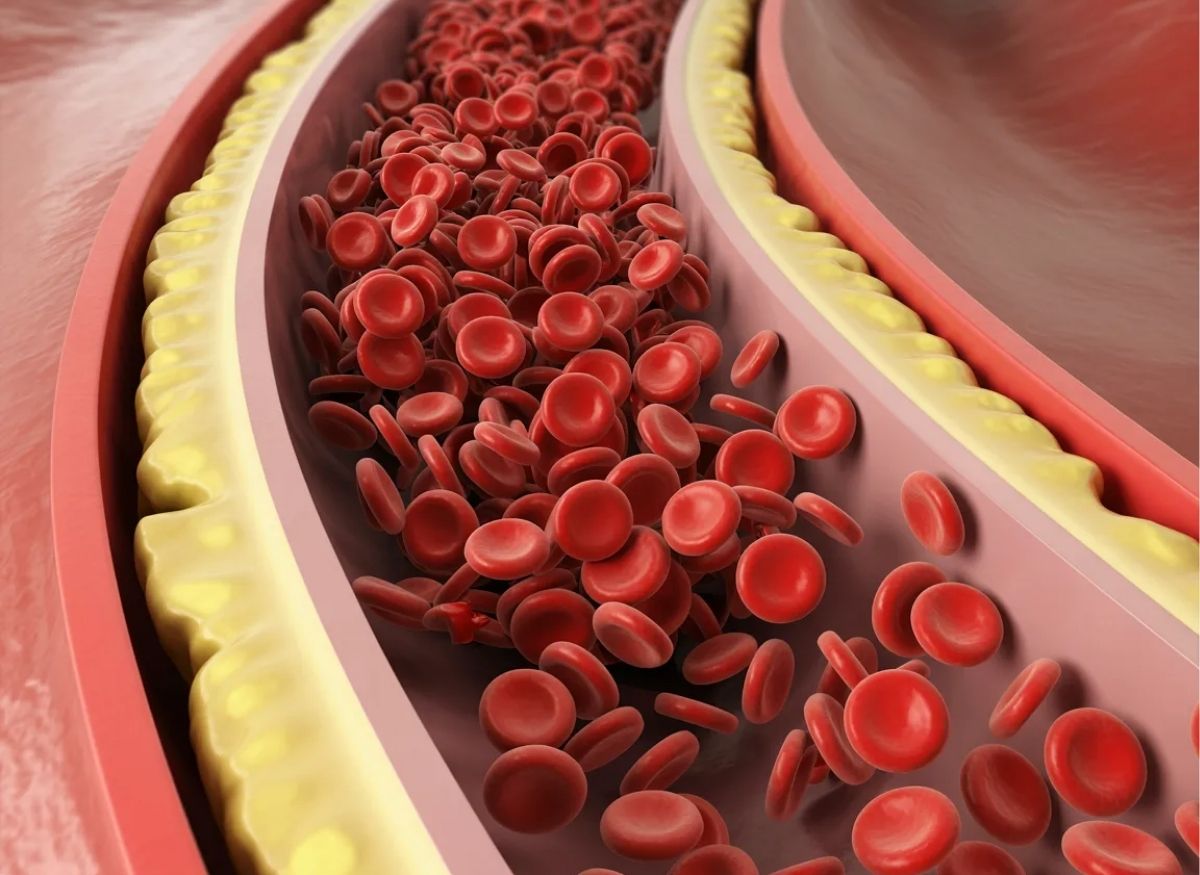
Elevated red blood cells mean that there are more red blood cells circulating in the bloodstream than normally expected. These cells carry oxygen from the lungs to tissues throughout the body, so maintaining an appropriate level is important for healthy circulation. When the number becomes too high, however, the blood may become more concentrated and harder to move efficiently through the vessels.
Some people with elevated red blood cells do not experience noticeable symptoms, and the condition may only be discovered during routine blood work. As the level increases or continues over time, certain symptoms can develop and may point to an underlying problem. In this article, “6 Symptoms of Elevated Red Blood Cells You Should Know,” we’ll look at common warning signs, possible causes, diagnostic methods, and why recognizing changes early can be important for your health.
What Does An Elevated Red Blood Cell Count Signify?
When blood work shows a high RBC count, it means there are more red blood cells than expected for that person. This condition may be described as erythrocytosis or, in certain situations, polycythemia. An elevated red blood cell count can happen because the body is producing more red cells, or because there is less plasma in the bloodstream, making the cells appear more concentrated.
Understanding the high RBC count meaning requires looking at more than the number of cells alone. Red blood cells are essential for oxygen transport, but an unusually high concentration can increase blood viscosity and affect normal circulation.
Understanding High HGB and HCT
An elevated red blood cell count is generally evaluated together with hemoglobin and hematocrit measurements rather than being considered on its own.
- Hemoglobin (HGB): Hemoglobin is the protein inside red blood cells that carries oxygen. Higher hemoglobin levels can occur when the body has more red blood cells or is responding to reduced oxygen availability.
- Hematocrit (HCT): Hematocrit represents the percentage of blood volume made up of red blood cells. A high HCT level can indicate that the blood is more concentrated and may be associated with increased blood viscosity.
The exact ranges considered normal can vary depending on the laboratory, age, sex, altitude, and other factors. Therefore, a result that is above a reference range should be interpreted by a healthcare professional rather than judged from one number alone.
The Physiological Impact: Elevated Red Blood Cells What Does It Mean?
If you are wondering what high red blood cells mean for your health, the answer depends on why the level is elevated and how high it has become. When there are too many red blood cells, the blood can become more viscous, which may make circulation less efficient.
In some cases, increased blood thickness may contribute to symptoms such as headaches, dizziness, or visual changes. Certain conditions that cause significantly elevated red blood cells can also increase the risk of blood clots. This is why persistent or unexplained elevations should be evaluated rather than ignored.
Red Cell Distribution and Variation: High RDW Level
When looking at blood test results, you may also notice a high RDW level. RDW stands for Red Cell Distribution Width and measures how much variation exists in the size of red blood cells.
A high RDW level or an abnormal RDW-SD blood test result means the cells differ more in size than usual. While an elevated red blood cell count tells you about the number of cells, RDW provides additional information about their size variation. This can sometimes give doctors useful clues about the underlying cause of an abnormal blood count.
Combined Elevations: High Red and White Blood Cell Count
In some situations, a person may have both a high red and white blood cell count. When elevated RBC and WBC levels occur together, doctors may investigate whether a bone marrow disorder or another underlying condition is responsible.
One possible cause is Polycythemia Vera, a myeloproliferative neoplasm in which the bone marrow produces excessive blood cells. However, combined elevations can have different explanations, so additional testing is usually needed to identify the cause and determine whether there is an increased risk of complications such as clotting.
How Does Polycythemia Differ From Normal Red Blood Cell Production (Erythropoiesis)?
Normal erythropoiesis is the body’s process of producing red blood cells according to its oxygen needs. Polycythemia, on the other hand, refers to a state in which red blood cell levels are abnormally elevated.
In a healthy body, hemoglobin and hematocrit levels can change in response to factors such as altitude or oxygen availability. When red blood cell production remains elevated without an appropriate reason, doctors investigate whether an underlying condition is responsible.
Normal Erythropoiesis: The Responsive System
Under normal circumstances, red blood cell production adjusts according to the body’s oxygen requirements. When oxygen levels fall, such as at higher altitudes, the kidneys release erythropoietin (EPO).
EPO signals the bone marrow to produce more red blood cells. This response can temporarily result in a slightly high RBC count as the body adapts to lower oxygen availability. When the oxygen environment returns to normal, the EPO signal generally decreases and red blood cell production can return toward its usual level.
Primary Polycythemia: The Autonomous Factory
Primary polycythemia, including Polycythemia Vera, occurs when the bone marrow produces blood cells independently of the body’s normal regulatory signals. Genetic changes, particularly involving the JAK2 gene, are commonly associated with Polycythemia Vera.
Because the bone marrow is producing cells without the usual level of stimulation, people with this condition may have elevated red blood cells along with increased white blood cells and platelets. EPO levels may also be low because the body is attempting to reduce the signal that stimulates red blood cell production.
Secondary Polycythemia: The Persistent Signal
Secondary polycythemia develops when another condition or external factor continuously stimulates red blood cell production. Common causes can include chronic lung conditions, sleep apnea, smoking, or living at high altitude.
In these situations, the body may sense that oxygen availability is reduced. The kidneys respond by producing more EPO, which tells the bone marrow to make additional red blood cells. As a result, hemoglobin and hematocrit may become elevated.
RDW and Cell Quality: High RDW Level
A high RDW level indicates that the red blood cells vary more in size than usual. A high RDW-SD blood test can provide additional information about this variation.
Although RDW does not by itself diagnose polycythemia, it can be useful when doctors are trying to understand an abnormal blood count. Looking at RDW together with RBC, hemoglobin, hematocrit, and other laboratory results can provide a more complete picture.
Causes of Elevated Red Blood Cells
Understanding the high red blood cell count causes is important because an elevated level can result from several different situations. Sometimes the increase is related to dehydration or environmental conditions, while other cases may be connected to chronic oxygen problems or bone marrow disorders.
When blood work shows a high RBC level, doctors usually consider both primary and secondary causes before determining the appropriate next steps.
Primary Polycythemia: The JAK2 Mutation
In Polycythemia Vera, a genetic change involving the JAK2 gene is responsible for abnormal bone marrow activity in most cases. The JAK2 V617F mutation is especially common among people with this condition.
This mutation can cause the bone marrow to continue producing blood cells even when the body does not need additional cells. As a result, people with Polycythemia Vera may have an elevated RBC count as well as increased white blood cells and platelets. EPO levels are often lower than expected because red blood cell production is occurring independently of normal EPO stimulation.
Secondary Polycythemia: The Body’s Response to Hypoxia
Secondary polycythemia is a response to another condition that causes reduced oxygen availability. The body attempts to compensate by increasing EPO production, which encourages the bone marrow to make more red blood cells.
Respiratory Conditions: Chronic obstructive pulmonary disease (COPD), sleep apnea, and other conditions that interfere with normal oxygen levels can contribute to an elevated RBC count. In these situations, increased red blood cell production is the body’s attempt to improve oxygen delivery.
Tumors: Certain tumors, particularly some kidney or liver tumors, can occasionally produce excess EPO. This can stimulate the bone marrow to make more red blood cells and lead to elevated hemoglobin and hematocrit levels.
Environmental Factors: Altitude and “Smoker’s Polycythemia”
Your surroundings and lifestyle can also contribute to a high RBC count.
High Altitude: At higher elevations, the air contains less available oxygen. The body can respond by producing more red blood cells to improve its ability to transport oxygen.
Smoking: Smoking exposes the body to carbon monoxide, which interferes with normal oxygen transport. In response, the body may increase red blood cell production to compensate for reduced oxygen availability.
Dehydration: Dehydration can cause relative erythrocytosis. In this situation, the actual number of red blood cells may not have increased. Instead, there is less plasma in the bloodstream, making the concentration of red blood cells appear higher on a blood test.
Identifying the Complexity: High RDW and Cell Distribution
A high RDW level can provide additional information when doctors evaluate an abnormal RBC count. Red cell distribution high results indicate greater variation in the size of red blood cells.
A high RDW-SD blood test result does not identify one specific cause by itself, but it may help doctors interpret the overall blood picture. Understanding the meaning of high red blood cells requires considering RBC, hemoglobin, hematocrit, RDW, symptoms, medical history, and other test results together.
The Symptoms of Elevated Red Blood Cells
Recognizing symptoms of high red blood cells can be helpful because some symptoms may appear gradually. The signs can also overlap with many other health conditions, making it difficult to identify the cause based on symptoms alone.
When red blood cell levels become significantly elevated, increased blood viscosity can interfere with normal circulation. This may contribute to symptoms involving the head, vision, energy levels, and breathing.
General Neurological and Physical Symptoms
People with elevated red blood cells may experience symptoms associated with changes in circulation.
- Circulatory Sluggishness: Headaches and dizziness may occur when increased blood viscosity affects normal circulation.
- Visual and Auditory Changes: Blurred vision or tinnitus, which is ringing in the ears, may occur in some people.
- Paradoxical Fatigue: Despite having more oxygen-carrying red blood cells, a person may still experience fatigue when an underlying condition interferes with efficient circulation or oxygen delivery.
- Shortness of Breath: Dyspnea, or difficulty breathing, may occur depending on the underlying cause of the elevated red blood cell count.
These symptoms are not specific to elevated red blood cells, so they should not be used to diagnose the condition on their own.
Specific Hallmarks of Polycythemia Vera
When elevated red blood cells are caused by Polycythemia Vera, certain additional symptoms may occur. These can be related to the increased production of several types of blood cells.
Aquagenic Pruritus: Some people with Polycythemia Vera develop intense itching after bathing or showering, particularly with warm water. This symptom can occur without a visible skin rash.
Erythromelalgia: This condition can cause burning pain, warmth, redness, or color changes in the hands or feet. It may be associated with abnormal blood flow and platelet activity.
Plethora: A noticeably reddish or flushed appearance of the face can occur in some people with Polycythemia Vera because of increased red blood cell levels.
Splenomegaly: An enlarged spleen can develop because the spleen and bone marrow are involved in processing and producing blood cells. Some people may notice fullness or discomfort in the upper-left part of the abdomen.
When “Slightly High” Becomes a Warning
A slightly high RBC count does not necessarily mean that a serious condition is present. Results can be influenced by hydration, altitude, smoking, medications, and other factors.
However, persistent or progressively elevated results deserve medical evaluation, particularly when they occur alongside symptoms such as headaches, dizziness, visual changes, unusual itching, or other concerning signs. A doctor can determine whether the elevation is temporary, relative, or related to an underlying medical condition.
How is Elevated Red Blood Cells Diagnosed?
Diagnosing elevated red blood cells involves more than looking at a single blood test. Doctors consider the RBC count along with hemoglobin, hematocrit, other blood cell measurements, symptoms, medical history, and possible contributing factors.
Because erythrocytosis can have many causes, additional testing may be necessary to determine why the level is elevated.
The CBC: Confirming High HGB and HCT
The diagnostic process commonly begins with a Complete Blood Count (CBC). This test measures red blood cells, hemoglobin, hematocrit, white blood cells, platelets, and other blood characteristics.
Doctors may pay particular attention to high HGB and HCT levels when investigating erythrocytosis. The exact thresholds can vary depending on the laboratory and clinical criteria being used.
- High RDW Level: This shows that the red blood cells have more variation in size than expected. A high RDW-SD blood test can provide additional information about this variation.
- Elevated RBC and WBC: When both red and white blood cells are elevated, doctors may investigate bone marrow disorders and other possible causes more closely.
EPO Levels: The “Signal” Test
An erythropoietin (EPO) blood test can help determine why red blood cell production is elevated. EPO is a hormone produced mainly by the kidneys that helps regulate red blood cell production.
- Primary (Polycythemia Vera): In Polycythemia Vera, red blood cell production can occur independently of EPO stimulation. As a result, EPO levels may be lower than expected.
- Secondary Polycythemia: When EPO levels are elevated, doctors may look for an underlying reason, such as chronic low oxygen levels, sleep apnea, smoking, or another condition that is stimulating red blood cell production.
Molecular Confirmation: The JAK2 Genetic Test
JAK2 genetic testing is an important part of evaluating suspected Polycythemia Vera. The JAK2 V617F mutation is found in the large majority of people with Polycythemia Vera.
If the JAK2 V617F test is negative but clinical suspicion remains, doctors may investigate other mutations, including JAK2 exon 12 variants. These tests can help distinguish Polycythemia Vera from other causes of elevated red blood cells.
Bone Marrow Examination
A bone marrow biopsy may sometimes be recommended when blood tests and genetic testing do not provide enough information or when a bone marrow disorder is strongly suspected.
The examination allows doctors to evaluate how blood cells are being produced inside the bone marrow. Findings can help determine whether abnormal blood cell production is consistent with conditions such as Polycythemia Vera.
What Is The Difference Between Polycythemia and Erythrocytosis?
Although the terms polycythemia and erythrocytosis are sometimes used interchangeably, they are not always referring to exactly the same thing.
Erythrocytosis generally describes an increase in red blood cell mass or concentration. Polycythemia can be used more broadly and, in conditions such as Polycythemia Vera, refers to abnormal blood cell production involving the bone marrow.
Erythrocytosis: A Specific Focus on Red Cells
Erythrocytosis focuses specifically on elevated red blood cell levels and may be associated with high hemoglobin and hematocrit.
- Absolute Erythrocytosis: This occurs when the body’s actual red blood cell mass increases. Causes can include chronic low oxygen levels, smoking, high altitude, or certain medical conditions.
- Relative Erythrocytosis: In this situation, the red blood cell mass may be normal, but reduced plasma volume makes the cells appear more concentrated. Dehydration is one possible cause.
Polycythemia: The “Many Cells” Umbrella
Polycythemia is often used to describe an increased concentration of red blood cells, although its exact meaning depends on the context. In Polycythemia Vera, the bone marrow produces excessive blood cells because of an acquired genetic abnormality.
People with Polycythemia Vera may have elevated red blood cells along with increased white blood cells and platelets. Therefore, while Polycythemia Vera causes erythrocytosis, not every case of erythrocytosis is caused by Polycythemia Vera.
Clinical Significance: High RBC and High WBC
Distinguishing between erythrocytosis and polycythemia can help doctors identify the likely cause of an abnormal blood count.
When only red blood cells are elevated, doctors may investigate factors such as smoking, sleep apnea, high altitude, dehydration, or chronic lung conditions. When RBC and WBC levels are both elevated, a bone marrow disorder may also need to be considered.
Other measurements, including RDW, hemoglobin, hematocrit, and platelet levels, can provide additional clues during the evaluation.
Viscosity and the High HCT Level
Regardless of the terminology used, a significantly high hematocrit can increase blood viscosity. If blood becomes more concentrated, circulation may be affected and the risk of complications can increase depending on the underlying condition.
Symptoms such as headaches, dizziness, visual changes, and other circulation-related problems may occur in some people. Determining whether the elevation represents absolute erythrocytosis, relative erythrocytosis, or a condition such as Polycythemia Vera is important for choosing appropriate management.
Conclusion
Elevated red blood cells can sometimes develop without obvious symptoms, but noticeable changes may occur as the levels increase or if an underlying condition is present. Headaches, dizziness, fatigue, blurred vision, and shortness of breath are among the symptoms that may occur, although they can also have many other causes.
If a blood test shows an elevated RBC count, identifying the reason behind it is more important than focusing on the number alone. Dehydration, high altitude, smoking, chronic oxygen problems, medications, and bone marrow disorders can all play a role. Appropriate testing can help determine the underlying cause and whether treatment or monitoring is necessary.
Frequently Asked Questions (FAQ) About Elevated Red Blood Cells
What does elevated red blood cells mean?
Elevated red blood cells means that the number or concentration of red blood cells in your bloodstream is higher than expected. Red blood cells carry oxygen from the lungs to the rest of the body, making them essential for normal body function.
When their concentration becomes significantly elevated, blood can become more viscous. However, the meaning of an elevated result depends on factors such as hydration, altitude, medical conditions, medications, and other laboratory findings.
What causes elevated red blood cells?
There are several possible causes of elevated red blood cells. Dehydration can reduce plasma volume and make red blood cells appear more concentrated. Living at high altitude and smoking can also stimulate increased red blood cell production.
Other possible causes include sleep apnea, chronic lung disease, certain heart or kidney conditions, and bone marrow disorders such as Polycythemia Vera. Finding the underlying cause is important because treatment depends on what is responsible for the elevation.
What are the symptoms of elevated red blood cells?
Symptoms can vary depending on the degree of elevation and its underlying cause. Possible symptoms include headaches, dizziness, fatigue, blurred vision, shortness of breath, and a flushed appearance of the skin.
Some people may have no symptoms at all and discover the elevated count during routine blood work. Because these symptoms can occur with many different conditions, blood testing and medical evaluation are needed to determine the actual cause.
Is elevated red blood cells dangerous?
Elevated red blood cells can become concerning when the levels are significantly high or remain elevated because increased blood viscosity may interfere with normal circulation. Certain underlying conditions can also increase the risk of blood clots and other complications.
Not every elevated result indicates a dangerous condition. Temporary changes caused by dehydration or environmental factors may be less concerning than persistent elevations caused by an underlying disorder. A healthcare professional can determine the significance of the result.
How is elevated red blood cells diagnosed?
Elevated red blood cells are usually identified with a Complete Blood Count (CBC). The test measures the red blood cell count as well as hemoglobin, hematocrit, white blood cells, platelets, and other blood characteristics.
If the results remain elevated, doctors may recommend additional testing to determine the cause. Depending on the situation, testing may include EPO levels, oxygen measurements, JAK2 genetic testing, imaging, or a bone marrow examination.
How can elevated red blood cells be treated?
Treatment depends on the underlying cause. If dehydration is responsible, restoring adequate fluid levels may help. If smoking, sleep apnea, high altitude, or another medical condition is contributing to the elevated count, addressing that cause may be part of treatment.
When an underlying blood or bone marrow disorder is responsible, specialized medical treatment may be necessary. Some people may require procedures or medications to reduce the risk associated with excessive blood cell production. Regular follow-up testing can help monitor blood counts and guide ongoing care.