Common Herpes Symptoms You Should Not Ignore
Herpes is one of the most common viral infections worldwide, yet many people feel uncomfortable talking about it. Because symptoms can be mild or mistaken for other skin conditions, some people may not realize they have the infection.
Herpes simplex virus (HSV) can cause oral or genital infections. HSV-1 is commonly associated with oral herpes, while HSV-2 is more often associated with genital herpes. However, either type can affect either location, particularly through oral-genital contact.
Some people develop obvious blisters and sores, while others notice only mild itching, tingling, burning, or irritation. Others may have no noticeable symptoms at all. The virus can remain inactive in nerve cells and reactivate later, sometimes after months or years.
A first outbreak may be more noticeable and can include several sores, fever, swollen lymph nodes, body aches, and general discomfort. Recurrences are often shorter and milder, although they can still be painful or distressing.
Knowing the common signs of herpes can help you recognize a possible outbreak, seek appropriate testing, and take steps to reduce transmission. This guide explains the symptoms to watch for, how oral and genital herpes can differ, what can trigger outbreaks, and when medical advice is important.
What Are the Primary Symptoms of Herpes Infection?
Common herpes symptoms include tingling, itching, burning, or sensitivity in an area where an outbreak is developing. These sensations may be followed by small, painful, fluid-filled blisters that eventually break open and form shallow sores.
Not everyone experiences the same symptoms. Some people have only mild irritation, while others develop several painful lesions and flu-like symptoms, especially during a first outbreak.
Understanding how herpes sores typically develop can make it easier to recognize a possible outbreak and distinguish it from other conditions.
What Does a Typical Herpes Sore Look Like?
A typical herpes lesion often develops in several stages. It may begin with tingling, itching, burning, or tenderness before any visible changes appear.
The skin can then become red or irritated, followed by small bumps or fluid-filled blisters. These blisters may appear individually or in clusters.
Within a short period, the blisters can break open and leave shallow, painful ulcers. The sores eventually dry, crust, and heal as new skin develops.
The entire process can take several days to a few weeks, depending on whether it is a first outbreak or a recurrence.
It is best to avoid picking or scratching the sores. Doing so can delay healing and may increase the chance of a secondary bacterial infection.
Distinct Symptoms for Oral Herpes and Genital Herpes
Oral herpes commonly causes cold sores or fever blisters around the lips and mouth. Genital herpes can cause sores around the genitals, buttocks, anus, or nearby areas.
However, HSV-1 and HSV-2 are not limited to these locations. HSV-1 can cause genital herpes through oral-genital contact, while HSV-2 can occasionally infect the mouth.
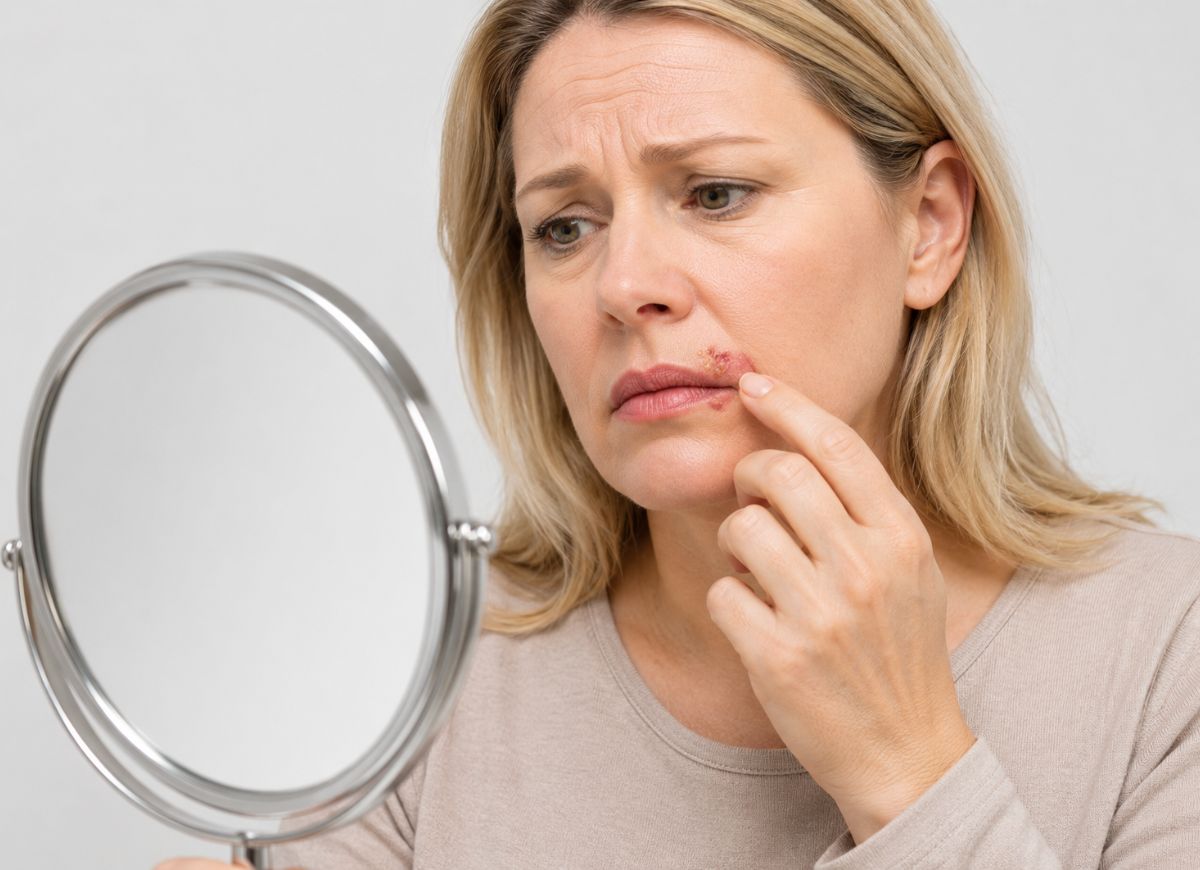
Oral herpes often begins with tingling, itching, or burning around the lips. Small blisters may then develop and eventually rupture, crust, and heal.
A first oral infection, particularly in children, can sometimes cause more extensive symptoms. These may include fever, sore throat, swollen lymph nodes, and painful sores inside the mouth.
Recurrent oral outbreaks are usually more localized and tend to cause fewer general symptoms.
Genital herpes can produce sores on the vulva, vagina, cervix, penis, scrotum, buttocks, anus, or inner thighs. The sores can be painful and may occur in clusters.
Other symptoms can include:
- Itching or burning around the genital area
- Pain or burning while urinating, especially when urine touches open sores
- Tenderness or irritation
- Unusual genital discharge in some cases
- Swollen lymph nodes in the groin
- Fever, headache, body aches, or fatigue during a first outbreak
Herpes Symptoms Without Visible Sores
Herpes does not always cause obvious blisters or ulcers. Some people experience symptoms without developing visible lesions.
One of the most common examples is prodrome, which refers to the warning sensations that can occur before an outbreak. These may include tingling, itching, burning, sensitivity, or a pins-and-needles sensation.
Some people with genital herpes may also experience aching or shooting sensations in the buttocks, hips, thighs, or lower back.
Other less typical symptoms can include redness, swelling, small cracks in the skin, or areas of irritation that resemble another skin condition. Because these symptoms overlap with many other conditions, they cannot confirm herpes on their own.
It is also possible for people with HSV to have no noticeable symptoms at all. Importantly, the virus can sometimes be transmitted even when there are no visible sores.
Herpes Symptoms Between the First and Subsequent Outbreaks
Herpes outbreaks often differ depending on whether they are occurring for the first time or are recurrences.
A first recognized outbreak may be more extensive and can include symptoms affecting the whole body. Later outbreaks are usually shorter, involve fewer lesions, and cause fewer systemic symptoms.
However, there is considerable variation from person to person. Some people may have mild or unrecognized first symptoms, while others may experience significant discomfort.
The Difference in Severity Between a Primary Outbreak and a Recurrent One
A first outbreak can last for several weeks and may involve numerous painful sores. Fever, fatigue, headaches, body aches, and swollen lymph nodes can also occur.
In some cases, particularly with genital herpes, people may have difficulty urinating because of painful sores or inflammation.
Recurrent outbreaks are generally shorter and less severe. They often involve fewer sores in a more limited area and may resolve within several days to around two weeks.
Over time, many people experience fewer or less severe recurrences, although this varies from person to person.
Warning Signs of a Recurrent Herpes Outbreak
The early warning signs of a recurrent outbreak are often called prodromal symptoms.
Tingling, itching, burning, or unusual sensitivity may develop where sores usually appear. The area can also feel tender or painful before any visible lesion develops.
Some people experience a dull ache or shooting sensation in nearby areas. With genital herpes, discomfort can sometimes extend into the buttocks, thighs, or lower back.
Mild redness or swelling may also appear before blisters develop.
Recognizing your own pattern of warning signs can be useful because antiviral treatment is generally most effective when started early in an outbreak. A healthcare professional can advise you about the appropriate treatment plan.
What Factors Can Trigger the Onset of Herpes Symptoms?
After an HSV infection, the virus remains in the body in a dormant state and can reactivate later. Certain physical, emotional, and environmental factors may contribute to recurrences.
Triggers are different for everyone. Some people notice clear patterns, while others experience outbreaks without an obvious trigger.
The Most Common Triggers For a Herpes Outbreak
Several factors may be associated with herpes recurrences.
Illness and physical stress: Another infection, fever, significant fatigue, or recovery from surgery can place additional stress on the body and may coincide with an outbreak.
Emotional stress: Periods of significant stress may contribute to recurrences for some people. Poor sleep and prolonged emotional strain can also affect overall health and recovery.
Hormonal changes: Some people notice outbreaks around menstruation or other periods of hormonal change.
Skin irritation or injury: Friction or irritation around an area affected by herpes may sometimes precede an outbreak. For genital herpes, this may include friction associated with sexual activity or tight clothing.
Sun exposure: Strong ultraviolet exposure can trigger recurrent oral herpes in some people.
Environmental irritation: Cold, wind, or other conditions that dry or irritate the skin may contribute to cold-sore recurrences for some individuals.
Personal triggers vary, so keeping track of outbreaks and possible contributing factors can help identify patterns.
Does Having The Herpes Virus Mean You Will Always Have Symptoms?
No. Having HSV does not mean you will constantly experience symptoms.
After the initial infection, the virus moves into nearby nerve cells, where it can remain dormant for long periods. Some people experience occasional outbreaks, while others never notice recognizable symptoms.
Many people with HSV do not know they have it because their symptoms are absent or so mild that they are mistaken for another condition.
However, the absence of symptoms does not completely eliminate the possibility of transmission. HSV can sometimes be shed from the skin or mucous membranes without visible sores. This is known as asymptomatic shedding.
That is one reason why herpes can spread between people who do not realize they have an active infection.
Herpes Diagnosis
Herpes cannot always be diagnosed accurately based on appearance alone. A healthcare professional may examine the affected area and recommend laboratory testing when appropriate.
When an active sore is present, a sample can be collected and tested. PCR testing is commonly used because it can detect HSV genetic material and can usually identify whether the infection is HSV-1 or HSV-2.
Viral culture is another testing method, although it is generally less sensitive than PCR, particularly when sores are older or beginning to heal.
Blood tests can look for type-specific HSV antibodies. These tests may be useful in certain situations when there are no active sores, although interpretation can be complicated and testing may not be appropriate for everyone.
Because antibodies can take time to develop after infection, a blood test performed soon after possible exposure may not provide a definitive answer.
Herpes vs. Syphilis or Genital Warts
Several sexually transmitted infections and other skin conditions can produce symptoms that resemble herpes. Appearance alone is therefore not always enough to determine the cause.
Herpes commonly causes painful blisters that break open and become shallow sores. Tingling, burning, or itching may occur before the lesions appear.
Syphilis can cause a chancre, which is often a single, firm, painless sore at the site where the infection entered the body. Because the sore may heal without treatment, a person can mistakenly assume the infection has gone away.
Genital warts are caused by human papillomavirus (HPV). They usually appear as flesh-colored or grayish growths that can be flat, raised, single, or clustered. Some have a cauliflower-like appearance.
Because these conditions require different treatments, unusual genital or oral sores should be evaluated rather than diagnosed through appearance alone.
Symptoms of Rare Types of Herpes
HSV can occasionally affect areas other than the mouth or genitals. Two less common forms include ocular herpes and herpetic whitlow.
Ocular herpes can affect the eye, particularly the cornea. Symptoms may include eye pain, redness, blurred vision, excessive tearing, sensitivity to light, and a gritty feeling.
Because an HSV infection involving the eye can threaten vision, eye symptoms that could be related to herpes require prompt medical evaluation.
Herpetic whitlow is an HSV infection of the finger. It can occur when the virus enters through a break in the skin after contact with an infected area.
Symptoms may include intense finger pain, swelling, redness, and fluid-filled blisters. Fever or swollen lymph nodes may also occur.
How to Manage Herpes Effectively
There is currently no cure that removes HSV from the body, but antiviral medications can help control outbreaks and reduce symptoms.
Treatment generally falls into two approaches.
Episodic treatment involves taking antiviral medication when an outbreak begins or when early warning symptoms appear. Starting treatment early may shorten the outbreak and reduce its severity.
Suppressive treatment involves taking antiviral medication regularly to reduce the frequency of recurrent outbreaks. It may also lower the risk of transmitting genital herpes to a sexual partner.
Your healthcare provider can help determine which approach is appropriate based on the type of HSV infection, outbreak frequency, symptoms, and personal circumstances.
Supportive care can also make an outbreak more comfortable. Keeping the area clean and dry, wearing loose clothing, and using appropriate over-the-counter pain relief may help with discomfort.
During an active outbreak, avoiding sexual or skin-to-skin contact with the affected area can reduce the chance of transmission. Condoms and other barrier methods can lower, but do not completely eliminate, the risk of spreading genital herpes.
FAQs
1. Is herpes permanent?
Yes. Once a person is infected with HSV, the virus remains in the body. It can stay dormant in nerve cells and reactivate periodically.
There is currently no cure that eliminates HSV, but antiviral medication can reduce the frequency and severity of outbreaks and, in some cases, lower the risk of transmission.
Many people with herpes have few or no noticeable outbreaks and manage the infection successfully.
2. What can be mistaken for herpes?
Several conditions can look similar to herpes, including pimples, ingrown hairs, fungal infections, yeast infections, eczema, irritation, allergic reactions, and minor cuts.
Because these conditions can have overlapping symptoms, it is not reliable to diagnose herpes based only on how a sore looks. When appropriate, laboratory testing can provide a more accurate diagnosis.
3. How to confirm if you have herpes or not?
A healthcare professional can determine which test is appropriate based on your symptoms and circumstances.
If you have an active sore, a swab can often be tested using PCR to detect HSV. Blood tests can detect antibodies to HSV in certain situations, although they have limitations and may not be useful immediately after a possible exposure.
If you develop unexplained blisters, sores, tingling, or genital irritation, getting medical advice can help clarify the cause.
4. What can happen if herpes is left untreated?
Many herpes infections remain mild or cause no noticeable symptoms. However, untreated outbreaks can be uncomfortable and may recur.
People with weakened immune systems can develop more extensive or prolonged infections. Genital herpes can also have important implications during pregnancy because transmission to a newborn can be serious.
Treatment can reduce symptoms and, for genital herpes, may reduce the risk of transmission.
5. What foods trigger herpes?
There is limited evidence that specific foods consistently trigger herpes outbreaks for everyone. Some people report that certain foods or dietary patterns coincide with their symptoms, but individual experiences vary.
Rather than following a restrictive diet based on suspected food triggers, it can be more useful to maintain a balanced diet and track your own outbreak patterns.
6. What do the first stages of herpes look like?
Early herpes symptoms may begin with tingling, itching, burning, or increased sensitivity in a particular area.
Small red bumps or fluid-filled blisters may then appear. These can break open and develop into shallow sores before drying and healing.
A first outbreak may also involve fever, fatigue, body aches, headache, or swollen lymph nodes. Recurrent outbreaks are usually milder.
7. Is it true 90% of people have herpes?
Herpes is extremely common, but the exact percentage depends on the virus type, age group, geographic region, and population being studied.
HSV-1 affects a large portion of the global population, while HSV-2 is also widespread. Many infections are asymptomatic, meaning people may not know they carry the virus.
8. Where is the most common place for herpes?
HSV-1 most commonly affects the mouth and lips, where it can cause cold sores. HSV-2 more commonly affects the genital area.
However, either HSV type can infect either location. Oral-genital contact can transmit HSV-1 to the genitals, for example.
9. Can herpes be without STDs?
Yes. HSV-1 is often acquired through nonsexual contact, particularly during childhood, and oral herpes is not necessarily sexually transmitted.
HSV can also be transmitted through intimate or sexual contact. Whether an infection is considered an STI depends on how it was acquired and where it occurs.
10. What country is herpes most common in?
Herpes occurs worldwide, and prevalence varies considerably by region, age, sex, and virus type.
HSV-1 is widespread globally, while HSV-2 is particularly prevalent in some regions of Africa. Global estimates show that herpes is common across many countries, so it is not limited to one geographic area.
Conclusion
Herpes is a common viral infection that can cause anything from mild tingling and irritation to painful blisters and sores. Some people experience noticeable outbreaks, while others have few or no symptoms.
Recognizing possible warning signs such as tingling, itching, burning, blisters, or unusual sores can help you seek appropriate medical advice sooner. Testing is particularly important because herpes can resemble other skin conditions and sexually transmitted infections.
Although HSV remains in the body for life, antiviral treatment can help manage outbreaks and may reduce transmission risk. Understanding your symptoms, identifying possible triggers, practicing safer contact habits, and seeking medical care when needed can make herpes easier to manage and help protect both your health and your partners.