
9 Enlarged Heart Symptoms You Should Never Ignore
Most people have heard of heart attacks, heart failure, and high blood pressure. “Enlarged heart” is different: it sounds alarming, almost like something you’d notice right away. In reality, an enlarged heart, medically known as cardiomegaly, often develops quietly, with symptoms easy to blame on stress, poor sleep, weight gain, aging, or simply being out of shape.
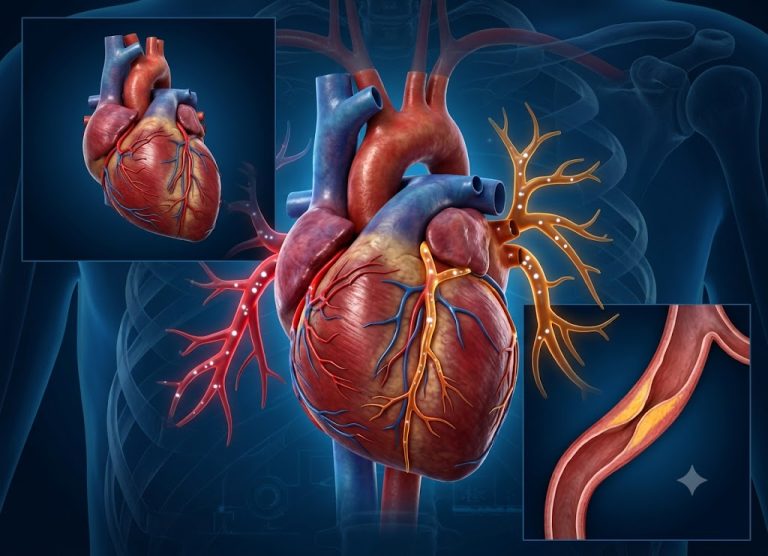
An enlarged heart usually isn’t a disease on its own. It’s typically a sign that the heart is working harder than it should, or responding to another underlying problem. High blood pressure, valve disease, heart failure, heart muscle disease, past heart attacks, anemia, and thyroid issues can all cause the heart to stretch, thicken, or enlarge over time.
The scale of the issue is worth noting. Heart failure, closely tied to enlarged heart changes in many patients, affects about 6.7 million Americans over age 20, a number projected to reach 8.7 million by 2030.
The tricky part is that symptoms often don’t feel heart-related at first. Shortness of breath might show up on the stairs. Fatigue becomes a daily companion. Swollen ankles seem like a circulation problem. A racing heartbeat, chest pressure, dizziness, or trouble lying flat may come and go until they’re impossible to ignore.
Below are nine warning signs of an enlarged heart, some subtle, some easy to explain away, and others that signal real strain on the heart.
The 9 Warning Signs
1. Shortness of breath (dyspnea). One of the most common and telling symptoms. At first it may only appear during exertion, like climbing stairs. As heart function declines, it can happen with minimal activity or even at rest, caused by fluid building up in the lungs and interfering with oxygen exchange.
2. Orthopnea (breathlessness when lying flat). Lying down redistributes fluid from the lower body back into circulation, adding volume the struggling heart and lungs must handle. This worsens fluid backup in the lungs, creating a sensation of suffocation. Many people unconsciously start sleeping propped up on extra pillows to ease the pressure.
3. Persistent cough or wheezing. Sometimes called a cardiac cough, this is also driven by fluid in the lungs. It’s often chronic, worse at night, and may produce white or pink-tinged frothy sputum. It’s frequently mistaken for asthma or bronchitis, but alongside other symptoms it points toward the heart.
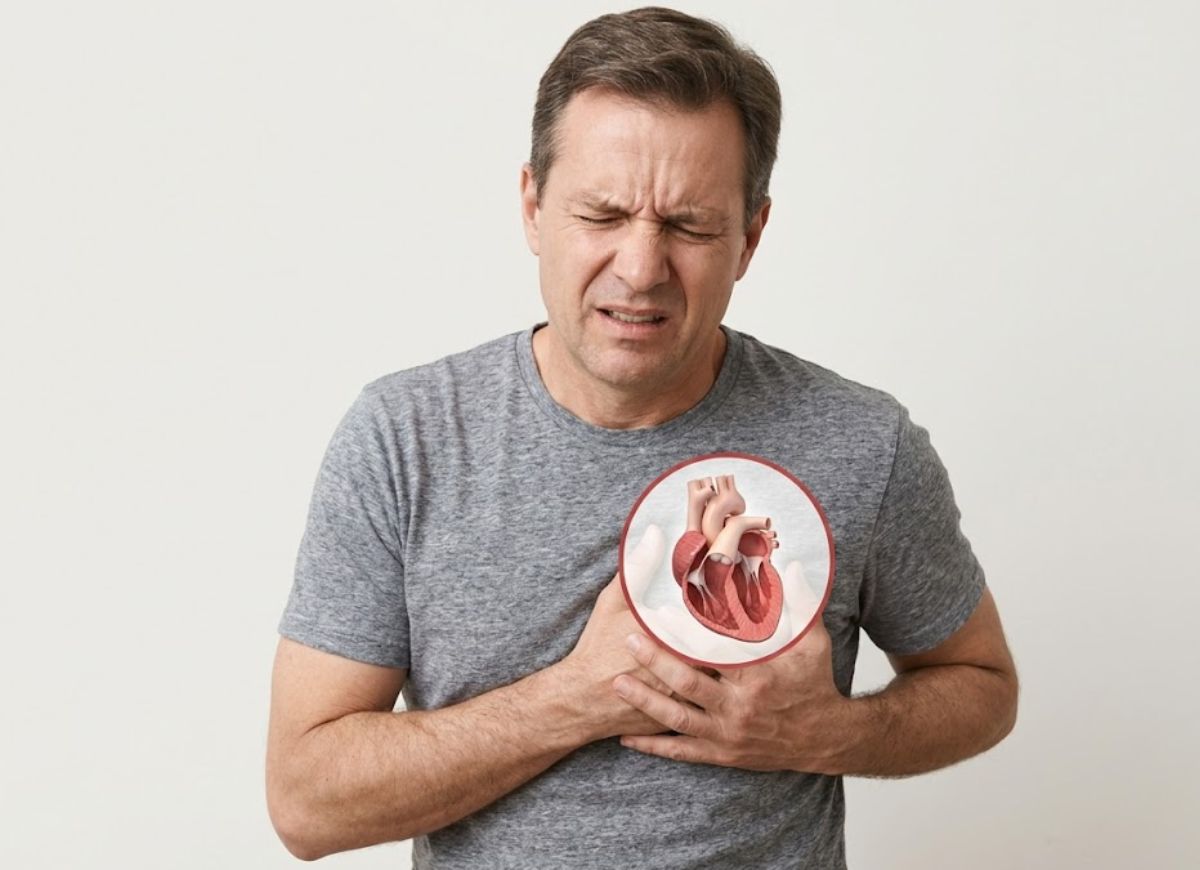
4. Chest pain (angina). Chest pain has many causes, but with an enlarged heart it often means the heart muscle isn’t getting enough oxygen-rich blood. The heart needs more blood to function, yet conditions like coronary artery disease can restrict supply. The pain is usually described as pressure, tightness, or squeezing, and may radiate to the arm, shoulder, neck, or jaw.
5. Heart palpitations. This is the sensation of a heart beating too fast, skipping beats, fluttering, or pounding. An enlarged, overworked heart can become electrically unstable, leading to abnormal rhythms as it tries to compensate for weakened pumping ability.
6. Edema (swelling). When the right side of the heart is enlarged and weakened, it struggles to pump blood back to the lungs. Blood backs up in the veins, forcing fluid into surrounding tissue, usually in the feet, ankles, and legs. This “pitting edema” leaves an indentation when pressed. Sudden weight gain over a few days can also signal rapid fluid retention.
7. Fatigue. This isn’t ordinary tiredness. It’s a deep, persistent exhaustion that rest doesn’t fix. When the heart can’t pump efficiently, muscles and organs get less oxygen and nutrients, and the body redirects blood flow to protect vital functions, leaving everyday tasks feeling draining.
8. Dizziness and lightheadedness. These often result from reduced blood flow to the brain. A weak heart may struggle to maintain blood pressure or adjust quickly to posture changes, like standing up, causing brief spells of wooziness or unsteadiness.
9. Fainting (syncope). This is a more serious sign of reduced blood flow to the brain, causing temporary loss of consciousness. It’s a major red flag with an enlarged heart, often linked to a heart rate that’s become dangerously fast or slow, and calls for immediate medical evaluation.
What Cardiomegaly Actually Means
Cardiomegaly means the heart is larger than normal for a person’s body size and sex. It’s usually spotted on a chest X-ray, where the heart’s silhouette looks abnormally large relative to the chest cavity. An echocardiogram (heart ultrasound) gives a more precise picture, measuring chamber size, wall thickness, and pumping function.
Doctors often use the cardiothoracic ratio on an X-ray: if the heart’s widest diameter exceeds 50% of the rib cage’s internal width, it’s considered enlarged. The echocardiogram remains the gold standard, since it can distinguish dilation (enlarged chamber volume) from hypertrophy (increased muscle mass), helping identify the root cause.
The heart can enlarge in two main ways. In dilated cardiomyopathy, the heart muscle, especially in the left ventricle, stretches and thins, making the chamber bigger but weaker and less able to contract forcefully. In hypertrophic cardiomyopathy, the muscle thickens instead, particularly the wall between the ventricles, making the heart stiff and reducing how much blood it can hold and pump.
Types of Enlarged Heart
Most causes fall under cardiomyopathy, disease of the heart muscle. The two most common types are:
Dilated Cardiomyopathy (DCM): The heart’s main pumping chambers, especially the left ventricle, stretch out and their walls thin and weaken. This impairs the heart’s ability to pump effectively. DCM is often idiopathic but can stem from viral infections, heavy alcohol use, pregnancy complications, or genetics.
Hypertrophic Cardiomyopathy (HCM): The heart muscle thickens, especially the wall between the ventricles, rather than the chambers enlarging. This reduces chamber volume and stiffens the heart, making it harder to relax and fill with blood between beats. HCM is most often genetic.
What Causes an Enlarged Heart
Conditions that chronically increase the heart’s workload or damage its muscle tissue are the main drivers, generally grouped into pressure overload, volume overload, and direct muscle injury.
High blood pressure is the most common cause. Chronically elevated pressure forces the left ventricle to work harder to push blood into the aorta, causing the muscle to thicken (left ventricular hypertrophy). This is initially adaptive but eventually makes the heart stiff and less efficient.
Coronary artery disease can lead to a heart attack that kills part of the heart muscle. The dead tissue becomes non-contracting scar tissue, forcing the remaining healthy muscle to work harder and stretch over time.
Leaky heart valves (aortic or mitral regurgitation) force the heart to handle more blood per beat, since some flows backward, causing the chambers to stretch to accommodate the extra volume.
Cardiomyopathy itself, whether inherited or caused by infection, toxins like alcohol, or pregnancy complications, directly weakens the heart muscle, causing it to dilate and function poorly.
Severe, long-term anemia and thyroid disorders also add strain, forcing the heart to pump harder or altering its rate and contractility, both of which can lead to enlargement over time.
What Happens If It’s Ignored
Left untreated, an enlarged heart can progress to serious complications: worsening heart failure, blood clots that trigger stroke or pulmonary embolism, valve problems, and sudden cardiac arrest. An enlarged heart is a weakened heart, its size reflects stress and damage, not strength, and these risks can build silently until a crisis occurs.
Progression to heart failure. As the heart enlarges, whether by thickening or stretching, its mechanics break down. A thickened ventricle can’t relax properly to fill with blood; a stretched, thin ventricle can’t contract forcefully enough to pump it out. Either way, cardiac output drops. Blood backs up: into the lungs if the left ventricle fails (causing congestion and breathlessness), or into the legs and abdomen if the right ventricle fails. Over time, ongoing strain causes further damage and scarring, creating a worsening cycle that, without treatment, can lead to irreversible end-stage heart failure.
Blood clots and stroke. In a dilated, weakened heart, chambers don’t empty completely with each beat, allowing blood to pool and clot, especially in the atria. This risk rises sharply with atrial fibrillation, a common arrhythmia in enlarged hearts, since quivering atria let blood stagnate further. A clot that breaks loose from the left side of the heart can travel to the brain and cause a stroke; from the right side, it can lodge in the lungs as a pulmonary embolism. This is why blood thinners are often part of managing cardiomegaly.
Treatment Options
Treatment targets the underlying cause, aims to improve heart function, and works to prevent complications, typically through some mix of medication, lifestyle changes, and procedures or surgery.
Medications commonly aim to lower blood pressure, strengthen the heart’s pumping ability, reduce fluid retention, and prevent clots, often using several drug classes together.
Procedures and surgery are reserved for more serious cases:
- A pacemaker for dangerously slow heart rates
- An implantable cardioverter-defibrillator (ICD) for those at high risk of sudden cardiac arrest from dangerous arrhythmias
- Cardiac resynchronization therapy (CRT) for ventricles beating out of sync
- CABG surgery to bypass blockages when coronary artery disease is the cause
- Valve repair or replacement when a faulty valve is overworking the heart
- A heart transplant for end-stage heart failure when no other treatment is effective
How It’s Diagnosed
Diagnosis combines a physical exam, medical history, and imaging. A chest X-ray is usually the first step, showing overall heart size and shape. An ECG records electrical activity and can reveal arrhythmias or past damage. The most effective tool is the echocardiogram, which uses sound waves to measure muscle thickness, chamber size, and pumping efficiency (ejection fraction). Stress tests, cardiac CT or MRI, and occasionally cardiac catheterization can add further detail when needed.
Enlarged Heart vs. Heart Attack
These are fundamentally different events. An enlarged heart develops gradually, over months or years, as a structural response to conditions like chronic high blood pressure or valve disease. Symptoms like fatigue, breathlessness, and swelling worsen slowly as pumping efficiency declines.
A heart attack is sudden and acute: blood flow to part of the heart is abruptly blocked, usually by a clot, causing tissue death. Symptoms are immediate and severe, crushing chest pain, pain radiating to the arm or jaw, breathlessness, and sweating. An enlarged heart raises the risk of a heart attack, but the two are not the same thing.
Preventing an Enlarged Heart
A heart-healthy lifestyle is the most effective defense, since cardiomegaly is often the result of chronic strain.
- Control blood pressure through diet, exercise, and medication if needed. Favor low-sodium foods, fruits, vegetables, lean protein, and whole grains over processed food and saturated fat.
- Stay active, aiming for at least 150 minutes of moderate aerobic exercise weekly, like brisk walking, swimming, or cycling.
- Quit smoking, which damages artery walls and raises blood pressure.
- Limit alcohol, since excessive drinking can directly damage the heart muscle and lead to alcoholic cardiomyopathy.
Frequently Asked Questions
Is an enlarged heart life-threatening?
It depends on the cause, degree of enlargement, and whether heart function is affected. Some cases, like those tied to pregnancy or intense athletic training, are temporary. It becomes more concerning when symptoms like breathlessness, chest pain, fainting, or swelling appear.
What should you avoid with an enlarged heart?
Anything that makes the heart work harder: smoking, heavy alcohol use, recreational drugs, high-salt foods, untreated high blood pressure, and skipping medication. Sudden intense exercise should be avoided unless cleared by a doctor.
What does an enlarged heart feel like?
Some people feel nothing at first; it’s discovered incidentally on imaging. When symptoms appear, they may include breathlessness, chest pressure, irregular heartbeat, dizziness, fatigue, or swelling in the legs, often mistaken for normal aging or stress.
What foods should be avoided with heart failure?
High-sodium foods (processed meats, canned soups, fast food, packaged sauces) as well as saturated fat, trans fat, added sugar, and refined carbs. A heart-friendly diet favors vegetables, fruits, whole grains, legumes, fish, poultry, and healthy oils.
What is the outlook for someone with an enlarged heart?
There’s no single answer, since it depends on the cause. Many people do well with early treatment and proper management; outcomes are more serious with advanced heart failure, severe valve disease, or inherited heart muscle disease. Pumping strength, rhythm control, blood pressure management, and treatment adherence all matter.
What are the end stages of an enlarged heart?
Severe weakening or stiffness that prevents the heart from meeting the body’s needs, marked by severe breathlessness, swelling, extreme fatigue, frequent hospitalizations, and difficulty sleeping flat. Care at this stage focuses on symptom relief and quality of life.
Can exercise help?
It depends on the cause. Gentle, regular movement, like walking, can improve circulation and overall heart health when approved by a doctor. Intense exercise may be unsafe for certain conditions and should only be started with medical guidance.
How common is an enlarged heart?
It’s not tracked as a single statistic since it stems from many conditions, but heart failure alone affects nearly 6.7 million U.S. adults, underscoring how common heart-related changes are.
Can an ECG detect an enlarged heart?
It can show suggestive clues, like thickened muscle or strain patterns, but can’t confirm heart size on its own. A normal ECG doesn’t rule out enlargement; echocardiograms and imaging give the fuller picture.
The Bottom Line
An enlarged heart sounds frightening, but it’s best understood as a warning that the heart may be under extra strain. Sometimes the cause is manageable; other times it signals something more serious that needs ongoing care. Symptoms like breathlessness, chest pressure, swelling, fatigue, dizziness, irregular heartbeat, or trouble lying flat shouldn’t be ignored. Treating the underlying cause early, through blood pressure control, heart-healthy habits, safe activity, and regular checkups, gives the heart its best chance to keep doing its essential work.