
8 Warning Signs of Granulomatosis With Polyangiitis
Granulomatosis with polyangiitis is an uncommon type of vasculitis, a condition that causes inflammation in small and medium-sized blood vessels. While the main keyword is granulomatosis, this article specifically discusses granulomatosis with polyangiitis, commonly called GPA. It most often affects the nose, sinuses, throat, lungs, and kidneys, although other organs can also become involved.
Early GPA symptoms can resemble everyday health problems such as allergies, sinus infections, bronchitis, tiredness, or joint discomfort. Because of this, the condition may go unrecognized for weeks or even months.
Identifying possible warning signs is important because ongoing inflammation can eventually damage organs. Early symptoms may include a constantly blocked or runny nose, repeated nosebleeds, sinus pressure, ear problems, coughing, breathing difficulties, blood in the urine, skin changes, or unexplained fatigue.
When several of these symptoms occur together, they may indicate a systemic inflammatory disorder rather than a simple infection. This article discusses eight warning signs of granulomatosis with polyangiitis and explains why timely medical assessment is important.
Table of Contents
Pathological Overview: What is Granulomatosis?
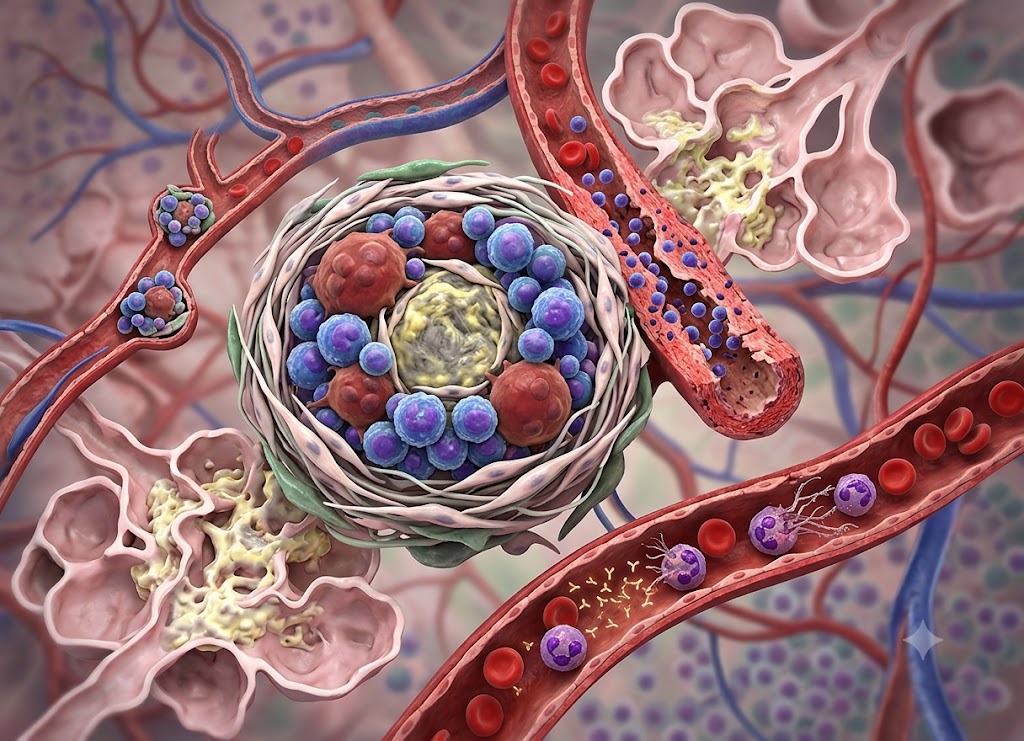
Granulomatosis refers to a pattern of long-term inflammation in which the immune system forms granulomas. These are small collections of immune cells, including activated macrophages, T lymphocytes, and multinucleated giant cells. The body forms these structures in an attempt to contain substances it considers harmful or difficult to remove.
When granulomatous inflammation occurs together with blood vessel destruction, it can result in granulomatosis with polyangiitis (GPA), which was formerly called Wegener’s granulomatosis. GPA is a rare systemic autoimmune disorder belonging to the group of anti-neutrophil cytoplasmic antibody (ANCA)-associated vasculitides.
                                [The GPA Inflammatory Cascade]
                                               │
         ┌─────────────────────────────────────┴─────────────────────────────────────┐
         ▼                                                                           ▼
 [Autoimmune Vasculitis]                                                    [Granuloma Formation]
  ├── Target: Small- & medium-sized vessels                                  ├── Composition: Nodular immune cell clusters
  ├── Pathology: Vessel wall inflammation & narrowing                        ├── Distribution: Upper/lower respiratory tract
  └── Impact: Ischemia & tissue necrosis                                     └── Impact: Structural erosion & tissue cavities
In granulomatosis with polyangiitis, the immune system mistakenly attacks the walls of small and medium blood vessels. Continued inflammation can make vessel walls thicker and narrower and may sometimes promote clotting. This restricts normal blood flow and can eventually result in tissue ischemia and organ damage.
Anatomical Mapping: Structural and Organ Involvement
GPA commonly affects three major areas: the upper respiratory tract, lungs, and kidneys. However, because it is a systemic disease, inflammation can develop in almost any part of the body supplied by blood vessels.
The Upper Respiratory Tract
The upper respiratory tract is frequently one of the first areas affected. The underlying granulomatosis process can result in:
- Nasal Mucosal Ulceration: Ongoing nasal crusting, congestion, and repeated nosebleeds (epistaxis).
- Structural Cartilage Destruction: Severe inflammation can damage the nasal septum, potentially producing a perforation or causing the bridge of the nose to collapse into a saddle nose deformity.
- Otologic and Airway Complications: Granulomatous inflammation may obstruct the Eustachian tubes, contributing to chronic middle-ear infections and conductive hearing loss. It can also affect the airway beneath the vocal cords, known as subglottic stenosis, which may lead to a barking cough and breathing difficulty.
The Lower Respiratory Tract (Lungs)
Lung involvement is an important feature of granulomatosis with polyangiitis. The severity can range from small abnormalities found on imaging to serious, potentially life-threatening disease.
Inflammatory granulomas may form nodules in the lungs that can break down and leave cavities. Common symptoms include persistent coughing, shortness of breath (dyspnea), and chest discomfort.
When vasculitis damages the tiny blood vessels around the air sacs, diffuse alveolar hemorrhage can occur. This causes bleeding inside the lungs and may result in coughing up blood (hemoptysis).
The Renal System (Kidneys)
Kidney involvement is among the most serious complications associated with GPA. The disease can attack the glomeruli, which are the microscopic filtering structures inside the kidneys, resulting in crescentic glomerulonephritis.
This kidney inflammation may initially produce no pain or obvious symptoms. However, without treatment, it can progress quickly and lead to severe kidney failure that may require dialysis or transplantation.
Secondary Systemic Manifestations
Because GPA is systemic, inflammation can also affect several other organ systems:
- Ocular: Scleritis, uveitis, or proptosis, which occurs when inflammatory tissue develops behind the eye and pushes the eyeball outward.
- Dermatologic: Palpable purpura, skin nodules, or painful ulcers caused by inflammation of small blood vessels.
- Musculoskeletal: Migratory joint pain (arthralgia) and joint swelling or arthritis.
- Neurological: Mononeuritis multiplex, a form of nerve damage that may cause sudden numbness, tingling, weakness, or foot drop.
Risk Profile and Epidemiological Data
Granulomatosis with polyangiitis can occur at almost any age and can affect people of different genders and ethnic backgrounds. However, epidemiological studies have identified certain patterns in age and population distribution.
                           [GPA Epidemiological Profile]
                                        │
         ┌──────────────────────────────┼──────────────────────────────┐
         ▼                              ▼                              ▼
  [Peak Age Window]            [Gender Distribution]           [Racial & Ethnic Profile]
  ├── 40 to 65 years old        ├── Affected equally (~1:1)     ├── Most common in Caucasians
  └── Can occur in children     └── No hormonal bias            └── Strong Northern European link
Age and Gender Distribution
The disease most commonly begins between ages 40 and 65, although children, adolescents, and older adults can also develop GPA. Males and females are affected at roughly similar rates, without a strong overall gender preference.
Racial and Ethnic Prevalence Statistics
Research indicates that GPA occurs more frequently among people of Caucasian ancestry, especially individuals with Northern European backgrounds.
- In the United States, the estimated annual incidence is approximately 10 cases per 1 million people.
- Caucasian individuals make up approximately 85% to 90% of diagnosed cases within the cited population.
- GPA is less frequently reported among African American, Hispanic, and Asian populations, although it can occur in any of these groups.
Pathophysiology: Genetic Susceptibility vs. Environmental Triggers
The precise cause of GPA is still being investigated. Current understanding suggests that it develops through a combination of genetic susceptibility and environmental influences. In genetically susceptible individuals, an outside trigger may contribute to an abnormal immune response.
[Genetic Risk: HLA-DPB1 alleles] + [Environmental Trigger: S. aureus Infection] ──► [ANCA Production] ──► [Vasculitis]
Genetic Underpinnings
GPA is not generally inherited directly from one generation to another. Instead, certain genetic variations can increase susceptibility to the disease.
Genome-wide association studies have identified connections between GPA and particular genes within the Human Leukocyte Antigen (HLA) complex, including HLA-DPB1. Genetic variations involving Proteinase 3 (PR3), an enzyme found inside white blood cells, may also influence a person’s susceptibility.
Environmental Triggers
In someone with an underlying genetic susceptibility, an environmental factor may help initiate the autoimmune response. One of the most studied factors is chronic infection or colonization with Staphylococcus aureus in the upper respiratory tract.
A proposed process called molecular mimicry suggests that immune responses directed against bacteria may mistakenly react with the body’s own neutrophils. This can contribute to the formation of anti-neutrophil cytoplasmic antibodies (ANCA), which activate neutrophils and promote inflammation of blood vessel walls.
8 Warning Signs of Granulomatosis with Polyangiitis
The eight main warning signs of granulomatosis with polyangiitis include persistent sinus problems, frequent nosebleeds, coughing with blood-streaked mucus, shortness of breath, blood or protein in the urine, fever, joint pain, and skin rashes or sores. These symptoms develop because vasculitis and granulomatous inflammation can affect different tissues throughout the body.
Many of these symptoms resemble more common conditions such as colds, flu, allergies, or routine sinus infections. As a result, GPA may not be recognized immediately. The more important clue is often the pattern: persistent symptoms, several affected body systems, or symptoms that continue despite standard treatment.
Not everyone with GPA experiences all eight warning signs. The condition can look different from person to person. Some individuals may have mainly nasal or sinus symptoms for an extended period before the lungs or kidneys become involved, while others can develop multiple-organ symptoms within a short period.
Disease severity also varies. Some cases develop gradually, while others can become severe and potentially life-threatening. Recognizing a combination of persistent or unusual symptoms can help prompt the medical evaluation needed to identify this complex autoimmune condition.
Upper Respiratory Warning Signs
Upper respiratory symptoms are among the most common early manifestations of granulomatosis with polyangiitis and may affect a large proportion of people with the condition. Because these symptoms can resemble allergies or ordinary respiratory infections, they may initially be mistaken for more common problems.
Chronic, Non-Responsive Sinusitis: Patients may develop ongoing nasal congestion, facial pressure, and cold-like symptoms that fail to improve despite conventional treatment. Nasal discharge may be thick, purulent, or streaked with blood.
Nasal Crusting and Epistaxis (Nosebleeds): Inflammation of the nasal blood vessels and mucosal tissues can make the lining of the nose fragile. This may lead to painful crusting and repeated nosebleeds. Removing the crusts can further irritate the tissue and trigger additional bleeding.
Septal Perforation and Saddle Nose Deformity: As inflammation continues, the blood supply to the cartilage supporting the nasal septum can become impaired. This may create a hole in the septum. In advanced cases of granulomatosis with polyangiitis, destruction of the nasal cartilage can cause the bridge of the nose to sink, producing the characteristic saddle nose appearance.
Lower Respiratory (Lung) Warning Signs
Lung involvement is another major feature of granulomatosis with polyangiitis. Respiratory symptoms can result from granulomas affecting lung tissue or from inflammation and damage to the tiny blood vessels surrounding the air sacs.
Persistent Cough and Hemoptysis (Coughing up Blood): A persistent cough may occur early in lung involvement. If inflamed blood vessels begin leaking into the alveoli, blood can enter the airways and lead to hemoptysis. The amount may range from small blood streaks in mucus to more significant bleeding.
Diffuse Alveolar Hemorrhage (DAH): When inflammation severely damages pulmonary capillaries, blood can rapidly fill the alveoli. This condition, called diffuse alveolar hemorrhage, can seriously interfere with oxygen exchange and requires urgent medical attention.
Dyspnea (Shortness of Breath) and Wheezing: Granulomas or inflammation affecting the trachea and bronchial passages may narrow the airway and produce wheezing or difficulty breathing. Long-term inflammation may also cause lung scarring and reduce breathing capacity.
Pleuritic Chest Pain: Some patients may experience sharp chest pain that becomes worse when taking a deep breath, coughing, or sneezing. This can occur when inflammation involves the pleura, the membranes surrounding the lungs. In some cases, fluid can also collect in the pleural space and make breathing more difficult.
Renal (Kidney) Warning Signs
Kidney involvement is one of the most concerning aspects of granulomatosis. It can be particularly dangerous because early kidney inflammation may occur without pain or obvious changes in urination.
[Systemic Vasculitis] ──► [Glomerular Capillary Damage] ──► [Pauci-Immune Glomerulonephritis] ──► [Rapid Renal Decline]
Microscopic and Gross Hematuria: GPA can damage the glomeruli through an inflammatory process known as pauci-immune crescentic glomerulonephritis. When the kidney’s filtration barrier becomes damaged, red blood cells can leak into the urine. Blood may only be visible under a microscope, or it may make the urine appear dark, tea-colored, or rusty brown.
Foamy Proteinuria: Damage to the glomerular filtration barrier can also allow proteins such as albumin to enter the urine. A high protein concentration may cause urine to appear unusually foamy or bubbly.
Rapidly Progressive Glomerulonephritis (RPGN): Kidney inflammation can progress quickly. If it is not detected and treated, substantial kidney function may be lost over a short period, potentially resulting in acute renal failure and the need for dialysis.
General Systemic (Constitutional) Warning Signs
When granulomatosis with polyangiitis affects the body more broadly, the immune response can produce several general symptoms. These constitutional signs reflect ongoing systemic inflammation.
| Systemic Sign | Clinical Presentation | Pathological Driver |
|---|---|---|
| Constitutional Triad | Persistent low-grade fever, unexplained weight loss, and drenching night sweats. | Systemic cytokine activity affecting metabolism and temperature regulation. |
| Debilitating Fatigue | Ongoing, significant exhaustion that does not improve adequately with rest. | Persistent immune activation and possible anemia associated with chronic inflammation. |
| Migratory Joint Pain | Aching and stiffness (arthralgia) that may affect areas such as the wrists, knees, and ankles. | Inflammatory activity involving tissues around the joints. |
| Palpable Purpura | Raised reddish-purple spots that do not disappear when pressed, often appearing on the lower legs. | Inflammation and bleeding involving small blood vessels within the skin. |
The Progresive Path of Untreated Granulomatosis
Without appropriate treatment, granulomatosis with polyangiitis can progress from localized inflammation to widespread blood vessel and organ damage. Historically, before modern immunosuppressive treatments became available, untreated systemic granulomatosis had a very poor prognosis, with a median survival of less than five months and approximately 90% mortality within two years.
The damage occurs because uncontrolled inflammation can interfere with blood flow. When blood vessels supplying organs are continuously injured, tissues may become deprived of oxygen and nutrients, leading to ischemia, necrosis, and permanent structural damage.
Renal Failure: Rapidly Progressive Glomerulonephritis
Kidney failure is one of the most serious complications of untreated granulomatosis with polyangiitis. The condition can strongly affect the glomeruli, the microscopic blood-filtering structures of the kidneys.
Pauci-Immune Crescentic Glomerulonephritis
The characteristic renal injury associated with GPA is called pauci-immune crescentic glomerulonephritis:
Pauci-Immune: This term refers to the relative absence of immune-complex deposits within kidney tissue under microscopic examination, distinguishing this process from some other autoimmune kidney diseases.
Crescent Formation: Severe inflammation damages the capillary walls and allows inflammatory cells and debris to collect within Bowman’s space. This creates crescent-shaped areas that can compress and destroy the normal filtering structures.
Progression to End-Stage Renal Disease (ESRD)
Because the inflammatory process may progress rapidly, kidney function can decline substantially within weeks in severe cases. If the inflammation is not controlled, irreversible scarring can develop.
Once End-Stage Renal Disease occurs, the kidneys can no longer adequately maintain fluid and electrolyte balance. The person may then require renal replacement therapy, such as dialysis or a kidney transplant.
Respiratory Failure: Hemorrhage, Stiffening, and Airway Blockage
The lungs can experience serious complications in chronic, untreated granulomatosis with polyangiitis. These may develop suddenly, such as severe internal bleeding, or gradually through scarring and airway narrowing.
                    [Pulmonary Failure Pathways]
                                 │
     ┌───────────────────────────┼───────────────────────────┐
     ▼                           ▼                           ▼
[Diffuse Alveolar Hemorrhage] [Pulmonary Cavitation/Fibrosis] [Subglottic Stenosis]
- Capillaries rupture         - Granulomas erode tissue       - Windpipe swells & scars
- Blood floods air sacs       - Stiffens lung tissue          - Restricts oxygen intake
- Triggers acute ARDS         - Permanently drops capacity    - Risk of asphyxiation
Diffuse Alveolar Hemorrhage (DAH)
One of the most urgent lung complications occurs when vasculitis damages and ruptures the tiny vessels surrounding the alveoli. This produces diffuse alveolar hemorrhage, allowing blood to fill the air sacs and severely impair oxygen exchange.
In severe cases, oxygen levels can fall rapidly and acute respiratory distress syndrome (ARDS) may develop, requiring emergency respiratory support.
Cavitation and Pulmonary Fibrosis
Inflammatory granulomas can develop within the lung and form solid nodules. As these lesions break down, cavities may remain within the lung tissue. Such damaged areas can be vulnerable to secondary infections.
Repeated inflammation and healing may also produce pulmonary fibrosis. Scar tissue makes the lungs stiffer and can gradually interfere with normal breathing.
Subglottic Stenosis
GPA can also affect the upper airway beneath the vocal cords, causing subglottic stenosis. Repeated inflammation and healing can create scar tissue that narrows the airway.
This narrowing may produce noisy breathing, wheezing, or stridor and, in severe cases, can cause significant airway obstruction.
Otologic Destruction: Conductive vs. Sensorineural Hearing Loss
Hearing problems can occur in unmanaged granulomatosis and may develop through more than one mechanism.
Pathological Mechanisms of Hearing Loss:
Conductive Hearing Loss (Mechanical Blockage): Granulomatous inflammation may block the Eustachian tubes, which normally help drain and ventilate the middle ear. This can result in chronic fluid buildup behind the eardrum and interfere with sound transmission through the middle ear.
Sensorineural Hearing Loss (Neurological/Vascular Damage): Vasculitis may affect the blood supply to delicate inner-ear structures, including the cochlea, or may involve the auditory nerve. This can result in sudden or progressive hearing loss and may occur together with tinnitus or balance problems such as vertigo.
Comprehensive Summary of Untreated Complications
| Organ System | Primary Untreated Complication | Underlying Pathology | Long-Term Prognosis / Outcome |
|---|---|---|---|
| Renal (Kidneys) | End-Stage Renal Disease (ESRD) | Crescentic glomerulonephritis; collapse and scarring of glomerular filters. | Permanent loss of kidney function; may require lifelong dialysis or transplantation. |
| Pulmonary (Lungs) | Severe ARDS or Fibrosis | Capillary rupture (DAH) or chronic granulomatous scarring of tissue. | Chronic respiratory impairment or sudden severe complications from internal bleeding. |
| Auditory (Ears) | Complete Deafness | Eustachian tube blockage and vascular or nerve-related injury. | Potential permanent sensorineural or conductive hearing loss. |
| Nasal / Facial | Midface Structural Collapse | Ischemic injury and erosion of nasal septal cartilage. | Permanent saddle nose deformity and significant breathing difficulties. |
| Ocular (Eyes) | Permanent Blindness | Scleritis, orbital granuloma growth, and retinal vessel inflammation. | Optic nerve damage and irreversible vision loss. |
When Should You See a Doctor for Symptoms of Granulomatosis with Polyangiitis?
Medical evaluation is important when symptoms that could be associated with Granulomatosis with Polyangiitis persist without a clear explanation, particularly when several body systems are involved.
For example, a sinus problem that continues for months despite treatment deserves further assessment. Similarly, a persistent cough accompanied by unusual fatigue, joint pain, or breathing difficulty should not automatically be assumed to be a routine respiratory infection.
Symptoms such as repeated nosebleeds, shortness of breath, and foamy or dark urine occurring together are especially important to discuss with a healthcare provider because they can suggest involvement of multiple organ systems.
Prompt evaluation matters because GPA can progress and cause organ damage. When visiting a doctor, it can be helpful to provide a timeline of symptoms, including when they started, how they have changed, their severity, and which treatments have already been tried.
If symptoms continue to worsen or the cause remains unclear, a referral to an appropriate specialist may be needed. Early recognition and treatment can help reduce the risk of serious complications involving the kidneys, lungs, and other organs.
Recognizing the Triggers for Medical Evaluation
Because early granulomatosis symptoms can resemble allergies, colds, or flu, knowing when to seek medical attention is important. A single symptom does not necessarily indicate GPA. A stronger warning pattern is persistent symptoms that fail to improve with usual treatment or several unrelated symptoms appearing together.
                         [Clinical Red Flags for Evaluation]
                                          │
         ┌────────────────────────────────┼────────────────────────────────┐
         ▼                                ▼                                ▼
 [Non-Resolving Infections]       [Multi-System Clustering]       [Unexplained Drops]
  └── Sinusitis > 4-6 weeks        └── Sinus pressure + cough      └── Unprompted weight loss
  └── Unresponsive to antibiotics  └── Foamy urine + joint aches   └── Profound, constant fatigue
Key Triggers to See a Physician:
- Antibiotic-Resistant Sinusitis: A diagnosed sinus infection or persistent nasal congestion that continues for more than 4 to 6 weeks despite standard treatment should be reassessed.
- Unexplained Hemoptysis or Dyspnea: Blood-streaked mucus or new, unexplained shortness of breath, particularly when accompanied by fever, should receive medical attention.
- Changes in Urine Characteristics: Persistent foamy urine or urine that becomes dark or tea-colored can indicate protein or blood and should be evaluated.
- The “Cluster” Effect: Several unusual symptoms occurring together, such as recurring nosebleeds, joint pain, night sweats, and unexplained weight loss, warrant a closer medical assessment.
The Multidisciplinary Care Team: Who Treats GPA?
A rheumatologist commonly plays a central role in diagnosing and coordinating treatment for granulomatosis with polyangiitis. Rheumatologists specialize in systemic autoimmune diseases and vasculitis and may oversee medications designed to control the abnormal immune response.
Because GPA can affect multiple organs, treatment often involves several medical specialists working together.
The Specialist Network
- Nephrologist (Kidney Specialist): Monitors kidney filtration, checks urine for blood and protein, may perform kidney biopsies, and helps protect kidney function from inflammatory damage.
- Pulmonologist (Lung Specialist): Reviews chest imaging, evaluates breathing function, and may perform procedures such as bronchoscopy when airway or lung complications are suspected.
- Otolaryngologist (ENT Specialist): Treats sinus and ear involvement, manages nasal crusting and obstruction, and evaluates upper-airway complications such as subglottic stenosis.
- Supporting Specialists: An ophthalmologist may treat serious eye inflammation, a dermatologist may manage vasculitic skin problems, and a neurologist may become involved when peripheral nerve damage develops.
The Critical “Window of Opportunity” in Early Diagnosis
Obtaining an early diagnosis of granulomatosis with polyangiitis is important because active inflammation may be controlled before it produces permanent tissue damage.
[Early Stage: Active Inflammation] ──► [TIMELY INTERVENTION] ──► [Remission & Reversible Tissue]
[Delayed Stage: Unchecked Vasculitis] ──► [DELAYED TREATMENT] ──► [Fibrosis, Scarring & Organ Failure]
The Shift from Fatal to Manageable
Before modern immunosuppressive treatments became available, systemic granulomatosis was associated with a very poor prognosis. Modern therapies, including rituximab, cyclophosphamide, and corticosteroids, have changed GPA into a condition that can often be treated and managed over the long term.
Inflammation vs. Fibrosis
The importance of early diagnosis can be understood through the difference between active inflammation and permanent scarring:
| Disease Stage | Underlying Tissue Status | Clinical Outcome with Treatment |
|---|---|---|
| Early Window | Active inflammation affecting blood vessels while tissues remain relatively intact. | More Reversible: Controlling inflammation can help protect organs and allow affected tissues to recover. |
| Delayed Window | Prolonged ischemia causes cellular injury and replacement of healthy tissue with rigid scar tissue (fibrosis). | Permanent Damage: Treatment can control active disease, but established scarring of organs such as the kidneys or auditory system may not be reversible. |
The Diagnostic and Treatment Process for Granulomatosis with Polyangiitis
The diagnostic and treatment process for Granulomatosis with Polyangiitis generally combines blood testing, urine analysis, imaging, and sometimes tissue biopsy. Once the disease is identified, treatment is typically organized into phases aimed at controlling active inflammation and maintaining remission.
The Diagnostic Workflow for GPA
Diagnosing granulomatosis can be challenging because early symptoms often resemble common infections. Doctors may combine clinical findings with laboratory tests, imaging, and biopsy results when determining whether a person has granulomatosis with polyangiitis.
                         [The GPA Diagnostic Timeline]
                                       │
         ┌─────────────────────────────┼─────────────────────────────┐
         ▼                             ▼                             ▼
 [Serological Biomarkers]      [Radiographic Imaging]        [Histological Biopsy]
  ├── PR3-ANCA Autoantibodies   ├── Chest CT: Cavities/Nodules├── Tissue sample from organ
  ├── Inflammatory markers      └── Sinus CT: Mucosal damage  └── Confirm: Vasculitis &
  └── Urinalysis: Hematuria                                       Granulomas (Gold Standard)
Serological and Urinary Biomarkers
- ANCA Testing (Anti-Neutrophil Cytoplasmic Antibodies): ANCA testing can provide important evidence when GPA is suspected. Many people with active systemic granulomatosis with polyangiitis have PR3-ANCA, antibodies directed against the proteinase 3 enzyme in neutrophils.
- Inflammatory Markers: Blood tests may show elevated markers of systemic inflammation, including C-Reactive Protein ($CRP$) and Erythrocyte Sedimentation Rate ($ESR$).
- Microscopic Urinalysis: Urine testing is important for identifying kidney involvement that may not yet cause noticeable symptoms. Blood in the urine or red blood cell casts can indicate inflammation of the kidney’s filtering units.
Radiographic Imaging
When respiratory symptoms are present, doctors may use a chest X-ray or high-resolution computed tomography (CT) scan. Imaging can identify nodules, cavities, areas of inflammation, or ground-glass changes that may indicate bleeding.
A CT scan of the paranasal sinuses may also help identify mucosal inflammation, structural changes, or bone damage.
Histopathological Biopsy (The Gold Standard)
Although laboratory tests and imaging can provide important clues, a tissue biopsy may be used to support or confirm the diagnosis. A sample can be obtained from an affected area such as the nasal passages, lungs, or kidneys and examined under a microscope.
Pathologists may look for characteristic findings including:
- Necrotizing Vasculitis: Destructive inflammation involving blood vessel walls.
- Granulomatous Inflammation: Organized clusters of immune cells surrounding areas of tissue injury.
- Geographic Necrosis: Irregular regions of tissue death associated with reduced blood supply.
Phased Management: Induction vs. Maintenance Therapy
Because GPA can cause serious organ damage, treatment is often divided into two broad phases. The first phase focuses on controlling active disease, while the second aims to maintain remission and reduce the likelihood of relapse.
                           [Phased Therapeutic Protocol]
                                         │
        ┌────────────────────────────────┴────────────────────────────────┐
        ▼                                                                 ▼
[Phase 1: Induction of Remission]                                 [Phase 2: Maintenance of Remission]
- Duration: 3 to 6 Months                                         - Duration: 18 to 24+ Months
- Goal: Halt acute vascular destruction                           - Goal: Prevent disease relapses
- Core Drugs: High-dose Steroids + Rituximab/Cyclophosphamide     - Core Drugs: Rituximab infusions, Azathioprine, Methotrexate
Phase 1: Induction of Remission (Months 3–6)
The primary goal of induction treatment is to rapidly suppress the immune response and prevent further blood vessel and organ damage.
- High-Dose Corticosteroids: Treatment may begin with high-dose intravenous methylprednisolone followed by oral prednisone. These medicines quickly reduce inflammation.
- Cytotoxic & Biologic Agents: Corticosteroids may be combined with stronger immune-suppressing treatment. Depending on the situation, doctors may use Rituximab, a targeted biologic therapy, or Cyclophosphamide, a potent immunosuppressive medicine.
Phase 2: Maintenance of Remission (Months 18–24+)
After active disease is controlled, treatment shifts toward maintaining remission and reducing the risk of future flare-ups.
Doctors generally aim to reduce corticosteroid exposure when possible because long-term steroid use can contribute to problems such as osteoporosis, diabetes, and infections. Maintenance medications may include Rituximab, Azathioprine, or Methotrexate, depending on the individual treatment plan.
Differential Diagnosis: Comparing ANCA-Associated Vasculitides
Granulomatosis with polyangiitis is part of a group of autoimmune diseases known as ANCA-Associated Vasculitides (AAV). These conditions can share symptoms but differ in antibody patterns and organ involvement.
Granulomatosis with Polyangiitis (GPA): GPA is commonly associated with PR3-ANCA and granulomatous inflammation. It frequently affects the upper respiratory tract, lungs, and kidneys.
Microscopic Polyangiitis (MPA): MPA is more strongly associated with MPO-ANCA and does not produce granuloma formation. The kidneys and lungs are commonly involved, while severe upper-airway disease is less typical.
Eosinophilic Granulomatosis with Polyangiitis (EGPA / Churg-Strauss): EGPA is strongly associated with asthma, allergic disease, and elevated eosinophils. Some patients are MPO-ANCA positive, while others are ANCA-negative. Nerve involvement and respiratory symptoms are common features.
| Clinical Feature | Granulomatosis with Polyangiitis (GPA) | Microscopic Polyangiitis (MPA) | Eosinophilic Granulomatosis (EGPA) |
|---|---|---|---|
| Primary ANCA Type | PR3-ANCA (c-ANCA) | MPO-ANCA (p-ANCA) | MPO-ANCA (p-ANCA) / Often ANCA-Negative |
| Granulomas Present? | Yes (Key diagnostic feature) | No | Yes (Eosinophilic granulomas) |
| Upper Airway Disease | Severe (Saddle nose, sinusitis) | Rare / Absent | Present (Nasal polyps, rhinitis) |
| Key Allergic Link | None | None | Severe Asthma & High Eosinophils |
Long-Term Prognosis and Disease Course
With modern treatment, the long-term outlook for people living with granulomatosis has improved considerably compared with the period before effective immunosuppressive therapies were available.
                   [The Relapsing-Remitting Journey]
                                   │
    ┌──────────────────────────────┴──────────────────────────────┐
    ▼                                                             ▼
[Remission Induces Status]                                    [The Threat of Relapse]
- Normal inflammatory panels                                  - Up to 50% flare rate within 5 years
- Organ function stabilizes                                   - Requires continuous biomarker tracking
- Focus shifts to drug side-effect control                    - Quick treatment limits new damage
The Relapsing-Remitting Cycle
Although current treatments can often bring GPA into remission, the disease may follow a relapsing-remitting pattern. This means periods of controlled disease can be followed by new flare-ups.
The provided clinical data states that up to 50% of patients may experience a relapse within five years after achieving initial remission. For this reason, long-term follow-up is important, often including regular blood and urine testing to monitor for renewed disease activity.
Managing Medication Side Effects
Long-term management also involves reducing the risks associated with immunosuppressive medicines. Doctors may use several strategies to protect overall health:
Long-Term Medication Defense Strategies:
- Infection Prevention: Immunosuppressive medicines can reduce immune defenses, so patients may receive preventive treatment against opportunistic infections such as Pneumocystis pneumonia and appropriate non-live vaccinations.
- Bone Density Protection: Long-term corticosteroid use can weaken bones. Doctors may monitor bone density with DEXA scans and recommend calcium, vitamin D, or other preventive treatment when appropriate.
- Metabolic Screening: Regular blood glucose and lipid testing can help identify steroid-related diabetes and other metabolic changes early.
Conclusion
Granulomatosis with polyangiitis can be difficult to identify because its early symptoms may look like ordinary health problems such as sinus congestion, coughing, fatigue, or joint pain. Persistent sinus problems, repeated nosebleeds, ear symptoms, coughing up blood, shortness of breath, changes in urine, skin sores, or unexplained weight loss deserve attention, particularly when several symptoms occur together.
Diagnosis may involve blood and urine tests, imaging studies, and sometimes a tissue biopsy to evaluate blood vessel inflammation and organ involvement. Early medical evaluation and appropriate treatment can help control inflammation and reduce the risk of serious organ damage.
Frequently Asked Questions
1. What is granulomatosis with polyangiitis?
Granulomatosis with polyangiitis is a rare autoimmune disease that causes inflammation in blood vessels. This inflammation can interfere with blood flow and damage organs, especially the sinuses, lungs, and kidneys. It was previously called Wegener’s granulomatosis, although GPA is now the preferred name. The condition can be serious, but treatment can help control inflammation and protect affected organs.
2. What are the early signs of granulomatosis with polyangiitis?
Early symptoms may include persistent nasal congestion, a runny nose that does not improve, recurring nosebleeds, ear problems, coughing, fatigue, fever, and joint discomfort. Some people may also experience shortness of breath, skin sores, or blood in the urine. Because these symptoms can resemble common infections or allergies, diagnosis may take time. Persistent or unexplained symptoms should be evaluated by a healthcare professional.
3. Can granulomatosis with polyangiitis affect the kidneys?
Yes. GPA can affect the kidneys, and kidney involvement may initially occur without noticeable symptoms. Blood or protein in the urine, swelling, high blood pressure, or abnormal kidney-related blood tests can indicate kidney involvement. Without treatment, kidney inflammation can cause significant loss of kidney function. Blood and urine testing can help detect these changes.
4. How is granulomatosis with polyangiitis diagnosed?
Doctors may use a combination of symptoms, physical examination, blood tests, urine tests, imaging, and tissue biopsy when diagnosing granulomatosis with polyangiitis. Blood tests may look for ANCA antibodies and inflammation markers. Chest imaging can identify lung abnormalities, while urine tests can reveal kidney involvement. A biopsy from affected tissue may provide additional evidence supporting the diagnosis.
5. How is granulomatosis with polyangiitis treated?
Treatment is designed to suppress abnormal immune activity and reduce inflammation in the blood vessels. Depending on disease severity and which organs are involved, doctors may use corticosteroids and other immunosuppressive medicines. Some patients require longer-term maintenance treatment and regular monitoring because GPA can return after remission. Starting appropriate treatment early can help reduce the risk of organ damage and other complications.