
5 Early Signs of Hepatocellular Carcinoma to Watch for
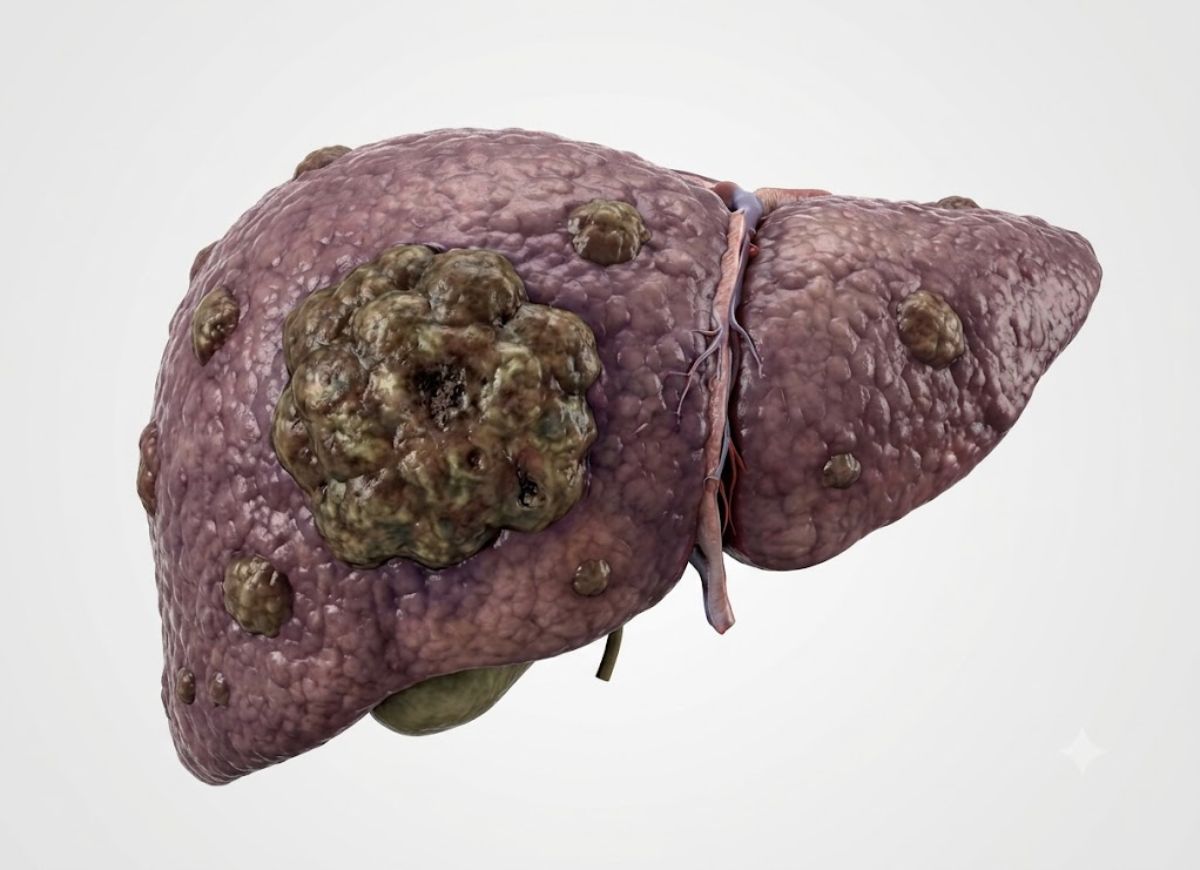
Could small changes in how your body feels be an early warning of liver disease? Hepatocellular carcinoma (HCC) the most common form of primary liver cancer tends to grow quietly. Because the liver keeps working even when it’s damaged, many people don’t notice anything wrong until the disease is fairly advanced. Learning to spot the early clues can help you get checked out sooner rather than later.
HCC makes up roughly 75–85% of all primary liver cancers around the world, and over 800,000 new cases are diagnosed each year. Most cases trace back to long-term liver problems chronic hepatitis B or C, cirrhosis, or other lasting liver damage. Catching it early generally means more treatment options and better outcomes.
Some of the warning signs are easy to brush off: losing weight without trying, constant tiredness, not feeling hungry, or a nagging ache on the upper right side of your belly. None of these automatically means cancer they show up in plenty of other conditions too but they’re worth paying attention to.
Below are five early signs of HCC, why they happen, and when it’s time to see a doctor.
5 Key Early Symptoms of Hepatocellular Carcinoma
Upper Abdominal Pain or Swelling
Pain or swelling in the upper belly usually happens because a tumor is stretching the liver’s outer lining, or because fluid is building up in the abdomen. The discomfort typically sits on the right side, under the ribs, and starts as a dull ache or a sense of pressure.
As a tumor grows, it pushes against Glisson’s capsule the thin, nerve-rich membrane wrapped around the liver and that stretching is what actually causes the pain. In some cases the tumor grows large enough that you (or a doctor) can feel it as a firm lump. That’s always worth getting looked at right away.
Swelling can also come from a broader problem: ascites, or fluid pooling in the abdominal cavity. This happens for two main reasons. First, a struggling liver can’t make enough albumin, the protein that normally keeps fluid inside your blood vessels so fluid leaks out into the surrounding tissue. Second, a tumor can raise pressure in the blood vessels feeding the liver (portal hypertension), which pushes fluid out into the belly. The result is bloating, tightness, a visibly bigger midsection, and sometimes shortness of breath if the fluid crowds the diaphragm.
Unexplained Weight Loss
Weight loss with no clear cause is common in liver cancer, driven by a mix of appetite loss, a body burning more energy than usual, and cancer-related changes to metabolism. Doctors call this pattern cachexia a steady loss of both muscle and fat that doesn’t respond to eating more or “trying harder,” unlike ordinary diet-related weight loss.
Tumors release inflammatory chemicals called cytokines that speed up the body’s resting metabolism, so you burn more calories just sitting still. At the same time, the body starts breaking down muscle and fat for fuel, which is why the weight can drop noticeably even if you haven’t changed how you eat.
On top of that, appetite often takes a hit. A tumor pressing on the stomach can make you feel full after just a few bites, and the same metabolic disruption interferes with the brain’s normal hunger signals. Burning more calories while eating less creates a steep energy deficit and that combination drives the weight loss.
This becomes a real red flag when someone loses 5% or more of their body weight over 6 to 12 months without trying a pattern strongly associated with serious underlying illness, including cancer.
Persistent Loss of Appetite or Feeling Full After a Small Meal
Losing your appetite, or feeling stuffed after only a little food, comes from both physical pressure and chemical signals. Physically, a growing tumor can press against the stomach, leaving less room for it to expand so the stomach’s stretch receptors fire off a “full” signal much sooner than usual. An enlarged liver can add to this crowding effect.
Chemically, tumors release inflammatory substances (like TNF-alpha and various interleukins) that act on the hypothalamus, the brain region that governs hunger. These substances dial down appetite-stimulating hormones and push the body toward not wanting to eat. Poor liver function can also let toxins build up in the blood, adding nausea and general malaise to the mix.
Put together, physical crowding and chemical suppression create a persistent loss of appetite one of the main contributors to the weight loss and malnutrition often seen with liver cancer.
Jaundice
Jaundice yellowing of the skin and the whites of the eyes is a serious sign that either the liver isn’t working properly or something is blocking the bile ducts. It happens because bilirubin, a yellow-orange byproduct of red blood cell breakdown, builds up in the blood.
Normally, the liver processes bilirubin so it can be excreted through bile. When cancer damages the liver, or a tumor physically blocks the bile ducts, this process breaks down and bilirubin levels climb rapidly.
Seeing jaundice alongside other symptoms is especially concerning because it usually means the disease has progressed enough to significantly impair liver function. A tumor near the major bile ducts can squeeze or invade them directly; or if cancer has spread widely through the liver, there may simply not be enough healthy tissue left to clear bilirubin properly. Other clues that often go along with jaundice include dark urine and pale, clay-colored stools. Jaundice rarely shows up early when it does appear, it calls for prompt medical attention.
Persistent Nausea or Vomiting
Ongoing nausea or vomiting in liver cancer usually comes from a combination of toxin buildup, fluid pressure in the abdomen, and metabolic disruption. Since the liver normally filters toxins out of the blood, a tumor-damaged liver lets substances like ammonia accumulate. These toxins can affect the brain’s vomiting-control center, producing a steady queasiness that has nothing to do with what or whether you’ve eaten.
Ascites (fluid buildup in the belly) adds physical pressure on the stomach and digestive organs, which can slow stomach emptying and trigger nausea or vomiting on its own. Meanwhile, chemicals released by the cancer disrupt normal metabolic and hormonal balance, compounding the general feeling of being unwell. Together, these factors can make nausea and vomiting hard to shake.
What is Hepatocellular Carcinoma?
Hepatocellular carcinoma (HCC) is the most common type of primary liver cancer meaning it starts in the liver’s main working cells, called hepatocytes. It’s most likely to develop in people who already have chronic liver disease: cirrhosis, long-term hepatitis B or C infection, or nonalcoholic fatty liver disease. The cancer forms when mutations build up in hepatocyte DNA, causing the cells to multiply out of control.
What Exactly Defines Hepatocellular Carcinoma?
HCC is defined as a cancer that originates directly from hepatocytes, the liver’s primary cells which is why it’s classified as a “primary” liver cancer, as opposed to cancer that spreads to the liver from somewhere else (metastatic or secondary liver cancer).
Hepatocytes make up about 80% of the liver’s mass and handle essential jobs like processing proteins, filtering the blood, and producing bile. HCC almost always follows a long stretch of liver injury and inflammation, which forces liver cells into a repeating cycle of dying and regenerating. That constant turnover raises the odds of harmful mutations slipping through and if those mutations hit genes that control cell growth, a tumor can form.
The typical path runs from chronic inflammation (hepatitis), to scarring (fibrosis), to severe, permanent scarring (cirrhosis). Cirrhosis is the single biggest risk factor, since a scarred, disorganized liver is fertile ground for cancer to take hold. In short, HCC is almost never a sudden event in an otherwise healthy liver it’s the end result of long-term liver damage.
Common Risk Factors for Developing HCC
Most HCC cases can be traced back to chronic viral hepatitis (B and C), alcohol-related cirrhosis, or nonalcoholic fatty liver disease (NAFLD) all of which cause the kind of long-term liver inflammation that sets the stage for cancer.
Chronic hepatitis B and C are the leading global causes of HCC. Both can persist for years, driving ongoing inflammation that eventually leads to fibrosis and cirrhosis. Hepatitis B is notable because it can insert its genetic material directly into liver cell DNA, meaning it can trigger cancer even without cirrhosis being present.
Cirrhosis itself is the strongest single risk factor, regardless of what caused it whether hepatitis, alcohol, autoimmune disease, or an inherited metabolic disorder. The nonstop cycle of injury and repair in a cirrhotic liver creates ideal conditions for mutations to accumulate.
Heavy, long-term alcohol use damages liver cells directly, leading to alcoholic hepatitis and eventually cirrhosis, while also promoting inflammation and DNA damage that raise cancer risk.
NAFLD and NASH (nonalcoholic steatohepatitis) are a fast-growing cause of HCC, closely tied to rising rates of obesity, type 2 diabetes, and metabolic syndrome. Fat buildup in the liver can progress to inflammation (NASH), then cirrhosis, then cancer and this pathway is expected to become the leading cause of HCC in many Western countries.
Less common risk factors include exposure to aflatoxins (fungal toxins that can contaminate crops like corn and peanuts) and inherited conditions such as hemochromatosis (iron overload) and alpha-1 antitrypsin deficiency.
When to Seek Medical Help?
See a doctor if you notice ongoing abdominal pain, unexplained weight loss, or jaundice especially if you already have risk factors like cirrhosis or chronic hepatitis. Because these symptoms are so nonspecific on their own, how long they last and what else is going on matters a lot. A symptom that shows up briefly and fades is far less worrying than one that lingers for weeks or keeps getting worse. When in doubt, get it checked it’s the only way to rule out something serious.
Are These Symptoms a Definite Sign of Hepatocellular Carcinoma?
No but persistent or combined symptoms deserve serious attention. Each individual symptom has plenty of other possible causes. Upper abdominal pain might be gastritis, gallstones, or pancreatitis. Unexplained weight loss can come from thyroid problems, diabetes, or a different cancer entirely. Jaundice can stem from harmless conditions like Gilbert’s syndrome or a simple gallstone blockage.
What raises the concern level is: how long the symptom has lasted (more than a week or two warrants a check), how many symptoms are happening together (weight loss plus pain plus appetite loss is far more worrying than any one alone), and whether you already have risk factors like cirrhosis or chronic hepatitis B or C in which case new symptoms should be investigated promptly.
Combination of Symptoms Requiring Immediate Medical Attention
Some symptom combinations need urgent evaluation. Jaundice appearing alongside abdominal pain and noticeable weight loss is a particularly alarming trio, since it suggests the liver is struggling badly with bilirubin processing at the same time a tumor is growing and draining the body’s resources.
A palpable lump in the upper right abdomen combined with fatigue, appetite loss, or nausea is another combination that calls for prompt investigation.
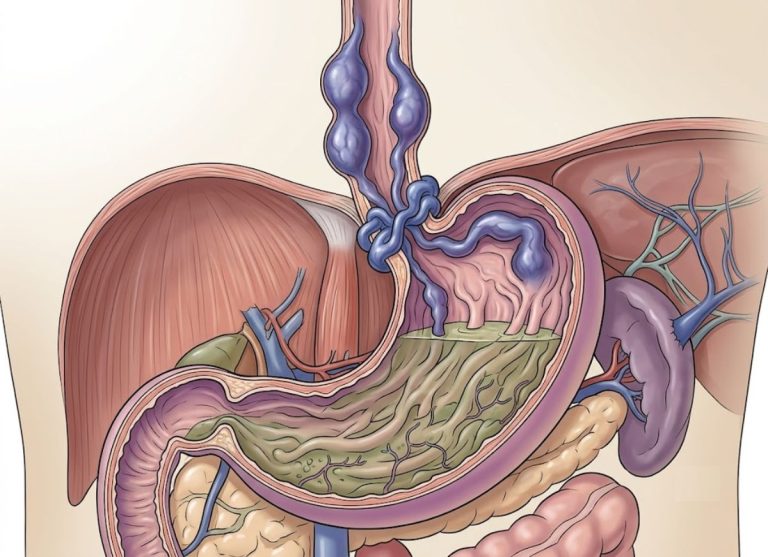
Certain signs point to a medical emergency: vomiting blood, black or tarry stools (both can signal bleeding from enlarged veins caused by severe portal hypertension), or sudden, severe abdominal swelling and pain (which could mean a tumor rupture or rapid fluid buildup). For anyone with known chronic liver disease, worsening swelling, new confusion (a possible sign of hepatic encephalopathy), or a sudden decline in overall health should be treated as urgent.
How is Hepatocellular Carcinoma Diagnosis
Diagnosing HCC usually combines blood tests, imaging, and sometimes a biopsy. Doctors often start with a blood test for alpha-fetoprotein (AFP) elevated levels can point toward HCC, especially in people with cirrhosis, though AFP alone isn’t definitive since some tumors don’t raise it and other conditions can too.
Imaging does most of the heavy lifting. A CT scan or MRI with contrast dye can reveal HCC’s telltale pattern: the tumor lights up quickly with blood flow in the arterial phase, then “washes out” faster than surrounding tissue in later phases. In many high-risk patients (especially those with cirrhosis), this imaging pattern alone is enough to confirm the diagnosis without a biopsy.
When imaging results aren’t clear-cut, a liver biopsy a needle sample of suspicious tissue, usually guided by ultrasound or CT provides a definitive answer under a microscope. Biopsies carry small risks (bleeding, or rarely, cancer cells spreading along the needle path), so doctors tend to rely on them only when imaging isn’t conclusive enough on its own.
Different Stages of Liver Cancer
Staging tells doctors how far the cancer has progressed and shapes the treatment plan. Unlike most cancers, which use the standard TNM (Tumor, Node, Metastasis) system, HCC is usually staged with the Barcelona Clinic Liver Cancer (BCLC) system because it factors in both the tumor itself and how well the liver is functioning (often via the Child-Pugh score), plus the patient’s overall health.
BCLC sorts patients into five stages, from very early (Stage 0) to terminal (Stage D), each pointing toward different treatment options. Early-stage patients may be eligible for curative approaches like surgery, transplant, or ablation. Intermediate stages might call for transarterial chemoembolization (TACE). Advanced cases where cancer has spread beyond the liver or into major blood vessels typically move toward systemic treatments like targeted therapy or immunotherapy.
Hepatocellular Carcinoma vs. Metastatic Liver Cancer
It’s important to distinguish HCC from metastatic (secondary) liver cancer, since they’re fundamentally different diseases.
HCC starts in the liver’s own cells the hepatocytes usually as a result of chronic liver damage from hepatitis, alcohol, or NAFLD. Because the cancer cells come from liver tissue itself, treatment is closely tied to overall liver health.
Metastatic liver cancer, by contrast, begins somewhere else entirely the colon, lung, breast, pancreas, etc. and later spreads to the liver through the blood or lymphatic system. The tumor cells found in the liver aren’t liver cells at all; they’re cells from the original cancer. If colon cancer spreads to the liver, for instance, doctors call it “colon cancer with liver metastases” not liver cancer because the underlying disease and treatment approach are different.
How to Prevent Hepatocellular Carcinoma
Since most HCC develops on top of existing liver damage, protecting liver health is the best prevention strategy. A few key steps make a real difference:
Address viral hepatitis. The hepatitis B vaccine offers strong, long-term protection and is one of the most effective tools against HCC worldwide. For people already living with chronic hepatitis B or C, antiviral treatment can suppress the virus, calm inflammation, and significantly lower the risk of progressing to cirrhosis or cancer.
Moderate alcohol intake. Heavy drinking is a major driver of liver disease and cirrhosis. Cutting back or stopping altogether can halt or even reverse early liver damage, which matters even more for people who also have hepatitis or obesity, since these risk factors can compound each other.
Manage metabolic health. With NAFLD now a leading cause of liver cancer even without cirrhosis, maintaining a healthy weight, eating a diet rich in whole foods and low in processed sugar and saturated fat, staying active, and managing conditions like type 2 diabetes and high cholesterol all help protect the liver from fat buildup and inflammation.
FAQs
1. What is the indicator of hepatocellular carcinoma?
Early signs can include unexplained weight loss, poor appetite, ongoing fatigue, upper right abdominal discomfort, and feeling full quickly. Later signs may include jaundice, abdominal swelling, or declining liver function. Because early HCC often causes few symptoms, regular screening matters for high-risk individuals.
2. How long can you live with liver cancer?
It varies widely based on the stage at diagnosis, how well the liver is functioning, overall health, and response to treatment. Cancers caught early generally have better outcomes; advanced cases are harder to treat, though newer therapies have improved survival for many patients.
3. Where does hepatocellular carcinoma start?
It starts in hepatocytes, the liver’s main functional cells, which normally process nutrients, clear toxins, and support metabolism. Genetic changes in these cells can trigger uncontrolled growth and tumor formation.
4. What does liver cancer pain feel like?
Usually a dull ache or pressure in the upper right abdomen, sometimes radiating to the shoulder or back. Intensity varies, and not everyone experiences pain especially early on.
5. Where does liver cancer first spread?
HCC can spread through blood vessels or the lymphatic system to the lungs, bones, lymph nodes, and adrenal glands, though the exact pattern varies case by case.
6. What is another name for hepatocellular carcinoma?
It’s also called liver cell carcinoma or hepatoma the most common form of primary liver cancer.
7. Who gets hepatocellular carcinoma?
People with chronic liver damage face the highest risk particularly those with hepatitis B or C, cirrhosis, long-term alcohol-related liver disease, certain inherited liver conditions, or metabolic issues that drive liver inflammation.
8. What is the most common virus causing hepatocellular carcinoma?
Hepatitis B and hepatitis C are the most common viral causes worldwide, with chronic hepatitis B being especially significant in regions where the infection is widespread.
Conclusion
Hepatocellular carcinoma can be hard to catch early because its first symptoms are often mild and easy to mistake for something else. Still, paying attention to unexplained weight loss, fatigue, appetite changes, abdominal discomfort, or signs of liver trouble can prompt an earlier medical evaluation.
Knowing these five early signs matters most for people with existing risk factors chronic hepatitis, cirrhosis, or long-term liver damage. These symptoms don’t automatically mean cancer, but taking unusual changes seriously and talking to a doctor supports earlier diagnosis and better outcomes.
Regular checkups, ongoing liver health monitoring, and awareness of your personal risk factors remain the best ways to protect your liver. If something feels persistently off, don’t wait it out get it checked.