
9 Hidden Signs of Diabetes You Should Never Ignore
Diabetes usually doesn’t announce itself. It creeps in through small changes that slowly become part of your normal routine: a bit more thirst, a little extra tiredness, and other minor shifts that are easy to brush off.
At some point you may wonder, “How do I know if I have diabetes?” That question is worth taking seriously. Early symptoms often point to a deeper problem with insulin, blood sugar control, and long-term stress on your cells.
The International Diabetes Federation estimates that hundreds of millions of people worldwide have diabetes, and many of them don’t know it. The body does send signals. What matters is spotting the pattern early and acting on it.
9 Hidden Signs of Diabetes
These nine symptoms are the body’s metabolic, nerve, and immune reactions to high blood glucose. They are less obvious than extreme thirst or constant urination, but they come from the same root problem. They often show up long before serious complications do.
1. Unexplained weight loss. This is most common in Type 1 diabetes but can also occur in advanced Type 2. When there isn’t enough insulin to move glucose into your cells, your body burns fat and muscle for fuel instead. You lose weight even if you eat normally or more than usual.
2. Increased hunger (polyphagia). You eat, yet you still feel hungry. Your cells aren’t getting the glucose they need, either because of insulin resistance or a lack of insulin, so they keep sending hunger signals. You eat more, but the glucose still can’t be used properly, and blood sugar climbs even higher.
3. Frequent infections. High blood sugar weakens your immune defenses and impairs the white blood cells that fight germs. It also gives bacteria a friendlier environment. The result can be repeated skin infections, urinary tract infections (UTIs), and gum disease.
4. Slow-healing sores or cuts. High glucose damages nerves and reduces circulation, especially in the feet. With less blood flow, oxygen and nutrients struggle to reach a wound. Combined with a weaker immune response, small cuts can turn into stubborn, infection-prone sores.
5. Blurred vision. Elevated blood sugar can make the lens of the eye swell, which changes its shape and makes it harder to focus. This is often temporary and shifts as your glucose rises and falls. Left unmanaged for years, though, high blood sugar can damage the blood vessels in the retina (diabetic retinopathy) and cause permanent vision loss.
6. Tingling, pain, or numbness in the hands or feet (neuropathy). Excess sugar is toxic to nerve fibers, particularly the long nerves that reach your hands and feet. This diabetic neuropathy disrupts nerve signals and can cause anything from tingling and burning to complete numbness.
7. Recurring yeast infections. Yeast (Candida) feeds on sugar. When blood glucose is high, more sugar shows up in bodily secretions, and yeast can overgrow. This can appear as genital yeast infections, oral thrush, or fungal skin infections in both men and women.
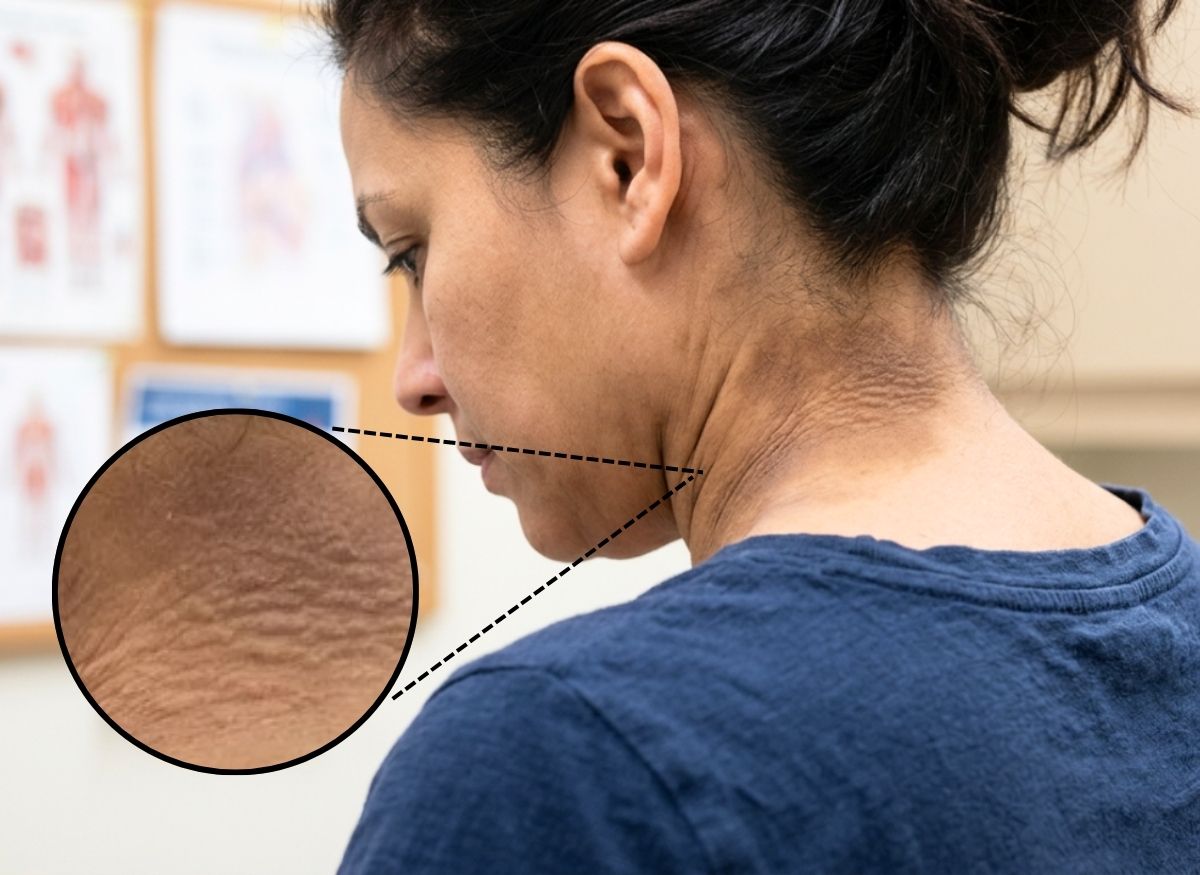
8. Skin changes (acanthosis nigricans). Dark, velvety patches in skin folds such as the neck, armpits, or groin are a common sign of insulin resistance. They suggest your body is making extra insulin to push past its cells’ resistance.
9. Irritability and mood changes. Your brain needs a steady supply of glucose. When blood sugar is high, you may feel tired and irritable. When it drops too low (which can happen when the body overproduces insulin), you may feel anxious, shaky, and confused. These swings can make you unusually moody or short-tempered.
Why are These Diabetes Symptoms Considered Hidden?
These symptoms are called hidden because they are vague, develop slowly over months or years, and are easy to blame on everyday things like aging, stress, poor sleep, or a minor illness.
Classic signs such as extreme thirst (polydipsia) and frequent urination (polyuria) are hard to ignore. The subtler ones don’t make anyone think “diabetes” right away, and that is what makes them risky. The condition can progress untreated for a long time.
Some common examples of misattribution:
- Fatigue and irritability get blamed on a demanding job or lack of sleep.
- Slow-healing sores get put down to a minor skin problem or poor wound care.
- Recurring yeast infections are treated as isolated gynecological or skin issues.
- Blurred vision is assumed to mean you need new glasses.
- Unexplained weight loss may even feel like good news at first.
Because the changes are gradual, people adapt and start treating them as normal. This is a major barrier to early diagnosis, especially in Type 2 diabetes, which makes up most cases and develops far more slowly than Type 1. Since none of these signs is definitive alone, even healthcare providers may not suspect a metabolic disorder until symptoms worsen or a routine blood test shows something abnormal.
What Causes These Hidden Diabetes Signs
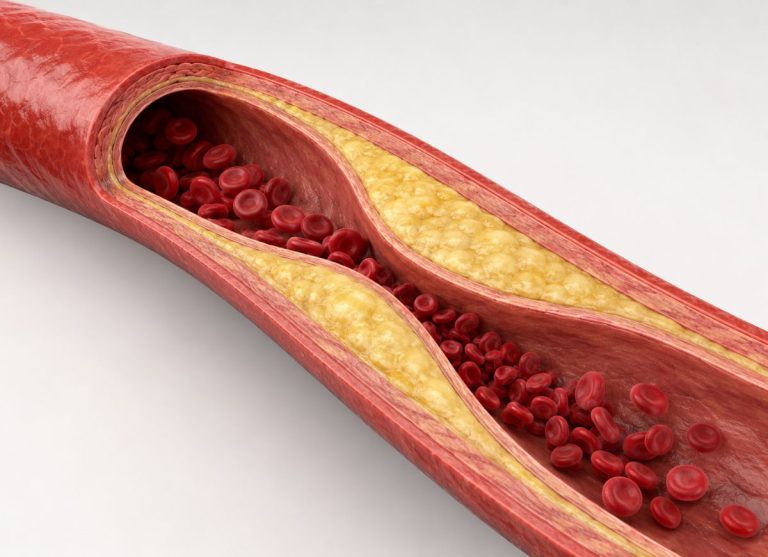
All of these symptoms trace back to hyperglycemia, meaning persistently high glucose in the blood. It happens for one of two reasons. Either the body has an absolute shortage of insulin (Type 1), or it can’t use insulin effectively, which is called insulin resistance and is the hallmark of Type 2. Over time, this damages nerves, blood vessels, and organs throughout the body.
High Blood Sugar Leads to Nerve and Vision Problems
High blood sugar harms nerves and eyes in two ways. It damages the tiny blood vessels that supply them with oxygen and nutrients, and it injures the cells directly through metabolic stress. The damage builds slowly and often causes no symptoms early on, which is why it stays “hidden” until it becomes significant.
Nerve damage. Excess glucose can be converted into sorbitol, which builds up inside nerve cells, making them swell and become damaged. High blood sugar also harms the capillaries that feed the nerves, so the fibers gradually lose oxygen and nutrients and deteriorate. The longest nerves, those going to the feet and hands, are usually affected first. Tingling, burning pain, or numbness typically starts in the toes and fingers and can creep upward.
Vision problems. In the short term, high glucose makes the lens swell and changes how it bends light, causing blurry vision. This is often reversible once blood sugar is under control. Long-term high glucose is different. It can permanently damage the retina, where tiny vessels may become blocked, leak fluid, or grow abnormally. This can lead to macular edema (swelling in the central retina), retinal detachment, and eventually permanent vision loss unless glucose is tightly controlled and specialist eye treatment is given.
The Causes of Symptoms in Type 1 and Type 2 Diabetes
The hidden symptoms are nearly the same in both types, but the root causes of the high blood sugar are very different. Type 1 comes from an absolute lack of insulin caused by autoimmune destruction. Type 2 starts with insulin resistance, where cells stop responding properly to insulin. Both end up with too much glucose circulating in the blood, and both cause similar damage.
Type 1 diabetes. The immune system mistakenly attacks and destroys the insulin-producing beta cells in the pancreas, leaving the body with little or no insulin. Without insulin acting as a “key,” glucose can’t get into cells and piles up in the blood. Symptoms tend to appear quickly and severely, over weeks or months, and can include dramatic weight loss as the body burns muscle and fat for fuel.
Type 2 diabetes. This type accounts for about 90–95% of cases and develops far more slowly. Muscle, fat, and liver cells first become less efficient at using insulin. The pancreas compensates by producing more, but over time the beta cells can wear out and fail to keep up. That leads to a relative insulin deficiency and rising blood glucose. Symptoms are often subtle and can build over many years, so many people don’t realize they have it until complications appear.
In short, Type 1 symptoms come from a lack of insulin and Type 2 symptoms from the body’s poor response to it, but the damage caused by high glucose is the same.
When to Consult A Healthcare Professional
See a doctor if you notice any of these signs, especially if several appear together or you have other risk factors. They suggest your body is struggling to regulate blood sugar, and ignoring them can allow the disease to advance and cause serious, irreversible complications.
It’s tempting to write off fatigue, frequent infections, or blurry vision as side effects of a busy life. But self-diagnosing or waiting it out is risky. Uncontrolled diabetes silently damages the heart, kidneys, nerves, and eyes.
Here is why a proper medical evaluation matters:
- Early diagnosis makes management easier. The sooner you know, the sooner you can start lifestyle changes and, if needed, medication. This significantly lowers the risk of heart attack, stroke, kidney failure, and amputations.
- Symptoms overlap with other conditions. A doctor can review your history, assess risk factors such as family history, weight, and age, and order the right tests. Managing things on your own without knowing the cause can be ineffective or even harmful.
- A diagnosis is a starting point, not just a label. It opens the way to a personalized plan built with your healthcare team so you can live a long, healthy life.
What Diagnostic Tests Are Used to Confirm Diabetes?
Three main blood tests confirm diabetes or prediabetes: the A1C test, the Fasting Plasma Glucose (FPG) test, and the Oral Glucose Tolerance Test (OGTT). Each measures blood sugar differently. Doctors may combine them or repeat a test on another day to be sure before starting treatment.
Hemoglobin A1c (A1C) Test
This test estimates your average blood sugar over the past two to three months by measuring how much of your hemoglobin (the oxygen-carrying protein in red blood cells) is coated with sugar. It doesn’t require fasting.
- Below 5.7%: normal
- 5.7% to 6.4%: prediabetes
- 6.5% or higher: diabetes
Fasting Plasma Glucose (FPG) Test
This checks your blood sugar at a single moment after at least eight hours without food or drink (water is fine), usually in the morning.
- 99 mg/dL or below: normal
- 100 to 125 mg/dL: prediabetes (impaired fasting glucose)
- 126 mg/dL or higher on two separate occasions: diabetes
Oral Glucose Tolerance Test (OGTT)
This is the most sensitive test and shows how your body handles sugar over time. You fast overnight, have a baseline blood draw, drink a standardized sugary liquid, and are tested again two hours later. It is also commonly used to diagnose gestational diabetes.
- Below 140 mg/dL: normal
- 140 to 199 mg/dL: prediabetes (impaired glucose tolerance)
- 200 mg/dL or higher: diabetes
Broader Health Implications Of Diabetes
Diabetes affects much more than blood sugar. Over time it puts the heart, nerves, and kidneys at risk. Managing it means lifestyle changes, medication when needed, and regular monitoring to prevent complications.
Prevention and accurate diagnosis also depend on understanding prediabetes, knowing your personal risk factors, and telling diabetes apart from conditions with similar symptoms. The best approach treats high blood glucose while also caring for the other body systems diabetes affects.
How Does Prediabetes Differ From Full-Blown Diabetes?
Prediabetes is a warning stage. Blood sugar is higher than normal but hasn’t reached the Type 2 diabetes threshold. It signals a high risk of developing the disease, but it is also a real chance to prevent it.
The difference shows up in the numbers:
- Fasting glucose: 100–125 mg/dL is prediabetes; 126 mg/dL or higher is diabetes.
- A1C: 5.7%–6.4% is prediabetes; 6.5% or higher is diabetes.
Full diabetes is chronic and progressive and often needs lifelong management. Prediabetes is frequently reversible. Type 2 diabetes tends to bring noticeable symptoms like thirst, frequent urination, and fatigue, whereas prediabetes usually has none, which is why screening matters if you have risk factors.
Other key differences:
- Goal of treatment: With prediabetes, the aim is prevention, bringing blood sugar back to normal to avoid Type 2. With diabetes, the aim is control, keeping glucose steady to reduce acute and chronic complications.
- Symptoms: Prediabetes is usually silent. Type 2 diabetes, though sometimes subtle, often shows signs of hyperglycemia such as blurred vision, slow-healing sores, and unexplained weight loss.
- What’s happening in the body: In prediabetes, cells are starting to resist insulin, or the pancreas struggles to keep up. In Type 2 diabetes, resistance is stronger and the pancreas’s insulin production is significantly impaired.
The Primary Risk Factors for Developing Type 2 Diabetes
Type 2 diabetes develops from a mix of risk factors you can’t change and ones you can. Knowing them helps you judge your own risk and plan prevention.
Factors you can’t change
- Family history: A parent or sibling with Type 2 diabetes raises your risk substantially, pointing to a genetic component.
- Age: Risk rises significantly after 45, likely because pancreatic function declines and insulin resistance increases with age.
- Ethnicity: African American, Hispanic/Latino American, American Indian, and Asian American populations have a genetically higher risk.
Factors you can change
- Weight and body composition: A BMI of 25 or higher is a primary risk factor. Where you carry fat matters too. Belly (visceral) fat, shown by a larger waist circumference, raises insulin resistance risk more than fat stored on the hips and thighs. Excess fat tissue promotes inflammation and releases substances that interfere with insulin signaling. It is the single strongest predictor.
- Physical inactivity: Regular exercise helps control weight and makes cells more responsive to insulin.
- Diet: Eating lots of processed foods, sugary drinks, and unhealthy fats, with little fiber, fruit, and vegetables, drives weight gain and hurts blood sugar control.
- Co-existing conditions: High blood pressure, low HDL (“good”) cholesterol, high triglycerides, and, in women, a history of gestational diabetes or Polycystic Ovary Syndrome (PCOS) are all closely linked to Type 2.
Identifying these factors lets you target lifestyle changes where they’ll help most.
The Symptoms Overlap Between Diabetes And Thyroid Disorders
Diabetes and thyroid problems (hypothyroidism and hyperthyroidism) share several symptoms because both disturb metabolism, though through different hormones. This overlap can make early diagnosis tricky, which is why blood tests are essential.
- Weight changes: Uncontrolled diabetes can cause weight loss as the body burns fat and muscle. Hyperthyroidism speeds up metabolism and also causes weight loss. Hypothyroidism slows metabolism and often causes weight gain, which is itself a risk factor for Type 2 diabetes.
- Fatigue: In diabetes, tiredness comes from cells being unable to access glucose, whether from high or low blood sugar. In hypothyroidism, everything in the body slows down. In hyperthyroidism, muscle weakness and disrupted sleep from an overstimulated nervous system are the cause.
- Appetite: Uncontrolled diabetes often brings increased hunger alongside weight loss. Hyperthyroidism does the same. Hypothyroidism usually leads to weight gain even with normal or reduced appetite.
- Mood: Mood swings, anxiety, and irritability occur in both, linked to blood sugar swings in diabetes and to thyroid hormones’ effect on brain chemistry.
- Heart: Hyperthyroidism can cause a rapid or irregular heartbeat. Diabetes raises long-term cardiovascular risk through high blood pressure and atherosclerosis.
- Other shared signs: Dry skin and increased sensitivity to temperature.
How to Manage and Prevent Diabetes
Diet, physical activity, and weight management are the foundation for both preventing Type 2 diabetes and managing every type of diabetes. Together they improve insulin sensitivity, steady blood glucose, and lower cardiovascular risk.
Eat well. Build meals around whole, unprocessed foods: non-starchy vegetables, lean proteins, and healthy fats, with moderate amounts of carbohydrates, especially refined ones. Low-glycemic-index foods such as whole grains, legumes, and most fruits help avoid sharp blood sugar spikes. Portion control also supports weight management.
Move regularly. Combine aerobic exercise (brisk walking, swimming, cycling) with strength training. Aerobic activity helps your body use insulin more efficiently, while strength training builds muscle, which increases the number of glucose receptors on cells and improves glucose uptake. The American Diabetes Association recommends at least 150 minutes of moderate-intensity aerobic exercise per week, spread across several days.
Other habits that help:
- Weight management: If you’re overweight, even modest weight loss makes a big difference. Losing just 5–7% of your body weight can significantly delay Type 2 diabetes in high-risk people and improve blood sugar control in those already diagnosed.
- Consistent meal timing: Eating at regular intervals keeps blood sugar stable. Skipping meals can cause hypoglycemia, while large, infrequent meals can cause spikes.
- Stress control and good sleep: Chronic stress raises blood sugar through cortisol, and poor sleep is linked to reduced insulin sensitivity. Stress-management practices like mindfulness or yoga, plus 7–9 hours of quality sleep, are valuable additions.
FAQs
How do I know if I have diabetes without testing?
You can’t confirm diabetes without medical tests. Symptoms can raise your awareness, but only blood tests like fasting glucose or HbA1c give a clear answer. If you notice several signs, get tested.
How to know if you have diabetes or just temporary symptoms?
Temporary symptoms usually clear up within a few days. Diabetes-related symptoms tend to persist or slowly get worse over weeks or months. If they continue, see a doctor.
What are the most common signs of diabetes in men?
Men may notice fatigue, unexplained weight loss, reduced physical endurance, and sometimes changes in sexual health. These often appear together with general symptoms like thirst and frequent urination.
Can you have diabetes without noticeable symptoms?
Yes, especially with Type 2. Some people have very mild symptoms or none at all in the early stages. That’s why routine screenings matter even when you feel fine.
How long can diabetes go unnoticed?
Type 2 diabetes in particular can go undiagnosed for years, and during that time damage to blood vessels, nerves, and organs may already be starting. Recognizing the early signs can help prevent long-term complications.
Can lifestyle changes reverse early diabetes signs?
In many cases, early changes in diet, physical activity, and weight can significantly improve blood sugar control. Not every case is reversible, but acting early can delay or prevent progression.
Conclusion
Your body communicates through patterns, not just isolated symptoms. If you’ve found yourself asking “How do I know if I have diabetes?”, that question alone is worth listening to.
Awareness is the first step toward control, and acting early can change the entire course of your health.