
What Is Immunotherapy? 7 Things to Know About This Cancer Treatmen
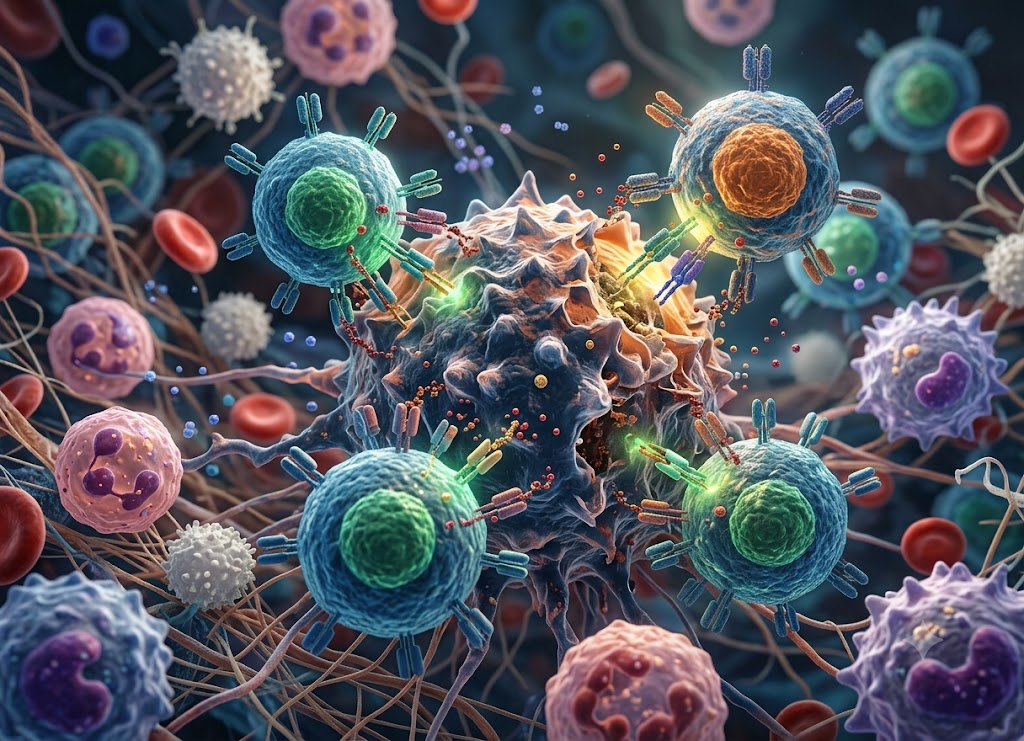
Immunotherapy is a cancer treatment that trains or helps your immune system to find, fight, and keep cancer cells under control. Your immune system usually guards you against infections and abnormal cells. But cancer can hide from it or weaken its response. Immunotherapy steps in by making immune activity stronger, removing the signals that hold immune cells back, or giving the body lab-made tools that aim at cancer more accurately.
Knowing how it works helps patients and families see how it differs from chemotherapy, radiation, and surgery. Common types include immune checkpoint inhibitors, CAR T-cell therapy, monoclonal antibodies, cancer vaccines, cytokines, and immune system modulators.
It isn’t used for every cancer, and it doesn’t work the same way for everyone. This article covers seven key things to know: how it works, who may receive it, the possible side effects, and what to ask before starting.
7 Critical Facts About Immunotherapy for Cancer
Seven key facts help explain how immunotherapy works and where it stands in cancer care. They cover how the treatment works, its main types, how it differs from chemotherapy, which cancers respond best, whether it can cure cancer, what side effects it causes, and why its benefits can last for years. Together, they show both the exciting promise of using the body’s own defenses against cancer and the practical limits patients should know about.
The Core Mechanism: Releasing the Immune System’s Brakes
Immunotherapy fights cancer indirectly. Chemotherapy and radiation attack tumors head-on by killing fast-growing cells. Immunotherapy instead works through your own immune system, helping it spot, chase, and destroy cancer cells.
T-cells, a kind of white blood cell, constantly patrol your body and remove abnormal cells. Cancer cells are clever, though. They misuse “immune checkpoints” such as PD-1 and CTLA-4, which normally act as brakes so the immune system doesn’t attack healthy tissue.
Some cancer cells make a protein called PD-L1 that sends T-cells a “do not attack” message. Checkpoint inhibitors are drugs that block this false signal. With the brakes released, T-cells can recognize the cancer as a threat and fight back strongly.
The Four Primary Categories of Therapeutic Intervention
Doctors use four main types of immunotherapy, each with its own strategy:
              [Immunotherapy Therapeutic Classification]
                                      │
     ┌───────────────────┬────────────┴────────────┬───────────────────┐
     ▼                   ▼                         ▼                   ▼
[Checkpoint Inhibitors] [Adoptive Cell Therapy]   [Monoclonal Antibodies] [Treatment Vaccines]
 ├── Pembrolizumab       ├── CAR T-Cell Protocols  ├── Lab-Engineered mAbs ├── Sipuleucel-T
 └── Releases T-cell     └── Re-engineered         └── Marks tumors for    └── Trains defense
     brakes                  patient cells             destruction             against antigens
- Immune checkpoint inhibitors: The most widely used type. These antibody drugs, such as pembrolizumab and nivolumab, release the immune system’s brakes. They are often used for melanoma, lung cancer, and kidney cancer.
- Adoptive cell therapy (CAR T-cell therapy): A highly personalized treatment. A patient’s own T-cells are collected and genetically modified in a lab so they carry special receptors called CARs. Once returned to the bloodstream, they can find and destroy certain blood cancers, such as acute lymphoblastic leukemia and B-cell lymphomas.
- Monoclonal antibodies (mAbs): Lab-made proteins that copy the body’s natural antibodies. Some attach to cancer cells and make them easier for immune cells to spot. Others are linked to chemotherapy drugs or radioactive particles, so they deliver treatment straight to the tumor and spare nearby healthy tissue.
- Cancer treatment vaccines: Unlike vaccines that prevent infections, these are given to people who already have cancer. They introduce cancer-specific markers (antigens) so the immune system learns to attack cells that carry them. Sipuleucel-T, approved for advanced prostate cancer, is one example.
Comparing Philosophies: Immunotherapy vs. Chemotherapy
The two treatments take very different approaches, from how they work to their side effects and long-term results.
| Chemotherapy | Immunotherapy | |
|---|---|---|
| Main target | Directly attacks all fast-dividing cells in the body | Helps the immune system recognize and fight cancer |
| Effect on healthy tissue | Harms fast-growing healthy cells in hair follicles, bone marrow, and the digestive system | Mostly spares healthy tissue, but may cause inflammation in some areas |
| Common side effects | Nausea, vomiting, temporary hair loss, higher infection risk | Immune-related inflammation, such as skin rashes, colitis, or thyroid problems |
| Speed of response | Often shrinks tumors fast, but benefits may fade after treatment stops | Slower to show results, but can lead to long-lasting remission |
Successful Applications and High-Mutation Malignancies
Immunotherapy doesn’t work equally well on all cancers. It performs best on “immunogenic” tumors, which the immune system can easily notice. Cancers with a high tumor mutational burden (TMB) make many abnormal proteins called neoantigens, and these make the tumor look foreign to T-cells.
[High UV or Carcinogen Mutation Load] ──► Elevated Neoantigen Production ──► High Immunogenicity ──► Enhanced Immunotherapy Success- Melanoma: Advanced melanoma was once almost always fatal. Checkpoint inhibitors that target CTLA-4 and PD-1 have greatly improved long-term survival. UV damage leaves melanoma cells full of mutations, which makes them a good target.
- Non-small cell lung cancer (NSCLC): Especially tumors with high PD-L1 levels. Checkpoint inhibitors are now a common first treatment, used alone or with chemotherapy.
- Kidney cancer (renal cell carcinoma): Once resistant to chemotherapy, it now commonly treated with immunotherapy as standard care.
- Bladder cancer and dMMR tumors: Immunotherapy works well here too, including tumors with mismatch repair deficiency (dMMR), which build up many mutations no matter where the cancer began.
The Realities of a Functional Cure
Immunotherapy has changed what patients can hope for, but it is not a universal cure. A true cure means every trace of the disease is gone for good, which is a very high bar in advanced cancer.
For some patients, though, immunotherapy brings extremely long remissions. Oncologists often call this a functional cure:
[Traditional Definitive Cure] ──► Complete and permanent removal of all cancer cells from the body
[Functional Immunotherapy Cure] ──► Residual cancer cells exist but are permanently kept in check by the immune system
Results depend on biomarkers, cancer type, and each person’s biology. Some people stay in remission for years even after stopping treatment. Others don’t respond at all, or become resistant over time. For many people with advanced disease, the goal becomes managing cancer like a chronic condition while keeping a good quality of life.
Managing Immune-Related Adverse Events (irAEs)
Because immunotherapy releases the immune system’s brakes, overactive T-cells can sometimes mistake healthy organs for threats. This causes autoimmune-like inflammation, known as immune-related adverse events (irAEs).
                          [Systemic Inflammatory Presentations]
                                          │
     ┌────────────────────────────────────┼────────────────────────────────────┐
     ▼                                    ▼                                    ▼
[Dermatological Tissues]              [Gastrointestinal Tract]             [Endocrine Gland Axis]
 ├── Pruritus & severe itching         ├── Accelerated Colitis              ├── Permanent Hypothyroidism
 └── Intense local dermatitis rashes   └── Severe abdominal pain/diarrhea   └── Chronic adrenal insufficiency
Mild cases are usually handled by pausing treatment briefly and giving supportive care. Severe cases need high-dose steroids such as prednisone to calm the immune system. Conditions like pneumonitis (lung inflammation) and colitis can become dangerous if left untreated, so patients are told to report any new symptom right away.
The timing is also hard to predict. Side effects can start within weeks, appear months later, or even show up after treatment has finished.
Immunological Memory and Lasting Benefits
The most remarkable feature of immunotherapy is that its benefits can continue long after treatment ends. Chemotherapy works only while the drug is in your body. Immunotherapy builds immunological memory.
[Initial Immunotherapy Exposure] ──► T-Cell Antigen Re-education ──► Production of Memory T-Cells ──► Permanent Cancer SurveillanceThis is the same principle that lets childhood vaccines protect you for life. When checkpoint inhibitors or engineered T-cells teach the immune system to see tumor antigens as a threat, the body makes long-lived memory T-cells. They circulate in the blood for years, and if cancer tries to return, they can multiply quickly and destroy it before it spreads.
The process looks like this: first exposure, then T-cell retraining, then memory T-cells, then ongoing surveillance.
This long-term protection lets some people with advanced melanoma or lung cancer stop all treatment after one or two years and stay in complete remission. Being healthy without continuous medication is a major shift in cancer care.
Advanced considerations for immunotherapy treatment
Advanced immunotherapy care relies on four things: biomarker testing to choose patients, distinct approaches such as CAR T-cell therapy, combination strategies, and new research. Together they move cancer care away from one-size-fits-all treatment and toward plans built around each patient, aiming for better results and less resistance.
As scientists learn more about how cancer and the immune system interact, these methods are becoming standard. Doctors can then make decisions based on a patient’s own tumor biology and immune profile, which improves survival and helps manage side effects.
Biomarker Testing and Molecular Selection Profiles
Modern oncology uses biomarker testing to predict who is most likely to respond. Instead of treating everyone the same way, doctors analyze blood and tissue samples to learn about the tumor and how it interacts with the immune system. This raises the chance of success and spares patients from side effects of treatments unlikely to help.
                    [Molecular Profiling & Tissue Analytics]
                                       │
     ┌─────────────────────────────────┼─────────────────────────────────┐
     ▼                                 ▼                                 ▼
[PD-L1 Expression Assay]    [Tumor Mutational Burden]         [Mismatch Repair Status]
 ├── Core IHC stain scoring  ├── Total mutations per megabase  ├── Microsatellite tracking
 ├── Identifies tumor cloaks ├── Gauges neoantigen generation  ├── Tissue-agnostic approvals
 └── Directs anti-PD-1/PD-L1 └── Predicts T-cell visibility    └── pembrolizumab eligibility
PD-L1 Expression Levels and Immunohistochemistry (IHC)
PD-L1 is a protein found on the surface of some cancer cells. When it attaches to the PD-1 receptor on T-cells, it tells the immune system to stand down.
To measure it, pathologists stain tumor tissue using immunohistochemistry (IHC) and calculate a Tumor Proportion Score (TPS) or Combined Positive Score (CPS). These scores show what share of tumor cells and nearby immune cells carry the protein.
Higher PD-L1 levels usually mean a better response to PD-1/PD-L1 inhibitors in non-small cell lung cancer, head and neck squamous cell carcinomas, and advanced melanoma.
Tumor Mutational Burden (TMB) Metric Quantification
TMB counts the acquired (non-inherited) mutations in each megabase (1 Mb, or one million base pairs) of tumor DNA. A tumor is generally called high-TMB at 10 or more mutations per megabase, often because it makes many copying errors as it divides.
These errors produce many neoantigens, which make the tumor look foreign. That makes high-TMB tumors strong candidates for checkpoint inhibitors.
Microsatellite Instability (MSI) and Mismatch Repair (MMR)
Microsatellites are short, repeating DNA sequences found throughout the genome. A tumor with high microsatellite instability (MSI-H) has a faulty mismatch repair (dMMR) system. Normally, proteins such as MLH1, MSH2, MSH6, and PMS2 fix DNA mistakes. When they fail, mutations pile up quickly.
Like high TMB, this makes the tumor easier for the immune system to see. MSI status is also a tissue-agnostic biomarker, meaning drugs like pembrolizumab are approved for any solid MSI-H tumor, wherever in the body it started.
CAR T-Cell Therapy vs. Immune Checkpoint Inhibitors
CAR T-cell therapy is often called a “living drug” because it is made individually for each patient. Both it and checkpoint inhibitors use the immune system, but they differ in how they are made, which cancers they treat, and what side effects they cause.
[Patient Leukapheresis] ──► Ex Vivo Viral Vector Engineering ──► In Vitro Expansion ──► Lymphodepleting Chemo ──► Re-InfusionManufacturing and Ex Vivo Engineering Workflows
Making CAR T-cells is complex and unique to each patient:
- Collection: Blood is drawn and T-cells are separated out (leukapheresis). The rest of the blood goes back to the patient.
- Engineering: In a specialized lab, a disarmed virus inserts a gene for a custom CAR into the T-cells’ DNA.
- Growth: The modified cells are multiplied into the millions.
- Preparation: The patient gets a short course of lymphodepleting chemotherapy to clear existing white blood cells and make room.
- Infusion: The CAR T-cells are returned to the patient and multiply to attack the cancer.
The CAR has an outer section built to grab onto specific cancer proteins, plus inner signaling parts (such as CD3-zeta with 4-1BB or CD28) that switch the T-cell on.
Comparing Treatment Modalities and Systemic Impacts
| Immune Checkpoint Inhibitors | CAR T-Cell Therapy | |
|---|---|---|
| How it’s made | Mass-produced, ready-made antibodies | Custom-made from the patient’s own cells |
| Main mechanism | Blocks inhibitory signals to free existing T-cells | Reprograms collected T-cells to target specific cancer proteins |
| How it’s given | Repeated IV infusions over months or years | Multi-step process ending in a one-time infusion |
| Main targets | Solid tumors such as lung, kidney, and bladder cancer | Mainly blood cancers: leukemia, lymphoma, myeloma |
| Serious side effects | Autoimmune-like inflammation of the colon, liver, or lungs | Cytokine release syndrome (CRS) and neurotoxicity |
Synergistic Combination Therapy Paradigms
To beat tumor resistance, doctors often pair immunotherapy with other treatments. The aim is to hit cancer from several angles so tumors that once ignored the immune system become easy targets.
                          [Combination Therapy Matrix]
                                        │
     ┌───────────────────┬──────────────┴──────────────┬───────────────────┐
     ▼                   ▼                             ▼                   ▼
[Chemo Synergy]     [Targeted Synergy]            [Radiation Synergy] [Dual Checkpoints]
 ├── Causes tumor     ├── Alters the micro-        ├── Causes localized ├── Blocks distinct
 │   cell death          environment to expose         antigen release     │   brakes (PD-1
 │                       hidden cancer cells           (Abscopal effect)   │   and CTLA-4)
 └── Primes immune
     surveillance    └── Extends response duration └── Systemic attack └── Max T-cell punch
Immunotherapy Combined with Chemotherapy
Chemotherapy can cause immunogenic cell death. As cancer cells break down, they release substances such as calreticulin, ATP, and HMGB1. These work like a natural vaccine, drawing dendritic cells to the tumor to show new antigens to T-cells. Adding a checkpoint inhibitor boosts this response so re-energized T-cells can hunt remaining cancer cells throughout the body.
Immunotherapy Combined with Targeted Therapy
Targeted drugs, such as BRAF or MEK inhibitors used in melanoma, block signals inside cancer cells and shrink tumors fast. They also change the tumor’s surroundings by lowering immune-suppressing chemicals and letting more white blood cells enter. Adding immunotherapy helps turn a quick early response into long-term survival.
Immunotherapy Combined with Radiation Therapy
Radiation kills cancer cells locally and can also set off a wider immune reaction called the abscopal effect. Damaged tumor tissue releases antigens and inflammatory signals that attract immune cells. With a checkpoint inhibitor, this local reaction can grow into a body-wide defense that destroys distant tumors that weren’t treated.
Dual Immunotherapy Formulations
This approach combines two immunotherapy drugs, usually a PD-1/PD-L1 inhibitor with a CTLA-4 inhibitor, such as nivolumab with ipilimumab. CTLA-4 acts early, in the lymph nodes, while PD-1 acts later, inside the tumor. Blocking both activates T-cells more strongly than either drug alone.
Next Frontiers in Immuno-Oncology Research
The field is moving fast, and clinical trials are looking for ways to overcome resistance and reach more types of cancer.
[Tumor Gene Sequencing] ──► Neoantigen Identification ──► Synthetic mRNA Vaccine ──► Tailored Patient AttackPersonalized Neoantigen Vaccines
These vaccines are made for one patient’s tumor. Researchers sequence healthy tissue and tumor cells to find the exact mutations that create unique neoantigens. Using that data, they build a personalized mRNA or peptide vaccine. Once given, it trains the immune system to attack only the cancer cells and leave healthy tissue alone.
Microbiome Manipulation
Research shows the trillions of microbes in your gut (the microbiome) affect how well checkpoint inhibitors work, and some bacteria help build a stronger anti-tumor response. Trials are testing whether probiotics, diet changes, or fecal microbiota transplants (FMT) from healthy donors can help patients who haven’t responded.
Next-Generation Checkpoints and Agonists
Early successes have pushed scientists to look for other immune pathways. New drugs aim to block additional checkpoints such as LAG-3, TIM-3, and TIGIT. Researchers are also testing immune agonists, which switch on co-stimulatory receptors like OX40, GITR, or CD40. Think of them as gas pedals that further boost the immune attack on tumors.
Conclusion
Immunotherapy is an important cancer treatment that uses your own immune system to fight the disease. It can strengthen immune responses, help immune cells find cancer, or stop cancer from hiding.
Some patients get strong, lasting benefits, while others don’t respond, so decisions depend on cancer type, biomarkers, stage, earlier treatments, and overall health. If you’re considering immunotherapy, ask your oncology team about the expected benefits, possible immune-related side effects, the treatment schedule, how you’ll be monitored, and which symptoms to report right away.
Frequently Asked Questions
1. What is immunotherapy?
It is a cancer treatment that helps your immune system fight cancer. It may boost immune activity, help immune cells recognize cancer, or use lab-made substances that behave like natural immune components. Some types work broadly, while others target specific features of a cancer. The best choice depends on the cancer type, test results, and the patient’s general health.
2. How is immunotherapy different from chemotherapy?
Chemotherapy directly attacks fast-growing cells, including cancer cells and some healthy ones. Immunotherapy helps the immune system find and attack cancer, so its side effects differ too. It may cause the immune system to inflame healthy organs. Some patients get immunotherapy alone, while others get it with chemotherapy, radiation, surgery, or targeted therapy.
3. What types of cancer can immunotherapy treat?
It can treat several cancers, including melanoma, lung, kidney, bladder, and head and neck cancers, lymphoma, leukemia, and some colorectal cancers. It isn’t right for every cancer or every patient. Doctors may test tumors for biomarkers such as PD-L1, MSI-H, dMMR, or specific genetic features to see if it could help. Recommendations also depend on stage, previous therapy, tumor biology, and overall health.
4. What are possible side effects of immunotherapy?
Side effects happen when the immune system becomes overactive and attacks healthy tissue. Symptoms can include rash, diarrhea, fatigue, cough, shortness of breath, hormone changes, liver inflammation, or kidney problems. Some are mild, but others can become serious without early treatment. Report any new or worsening symptom promptly, even if it seems unrelated to your cancer treatment.
5. How long does immunotherapy take to work?
It varies from person to person. Some patients improve within weeks or months, while others need several scans before doctors can judge the response. Sometimes tumors look larger at first because immune cells are moving into the area. Your oncology team will use imaging, lab tests, symptoms, and clinical judgment to decide whether it’s working.
If you’d like, I can also put this in a Word doc or a shorter version.