Pancreatitis – Symptoms, Causes and Treatment
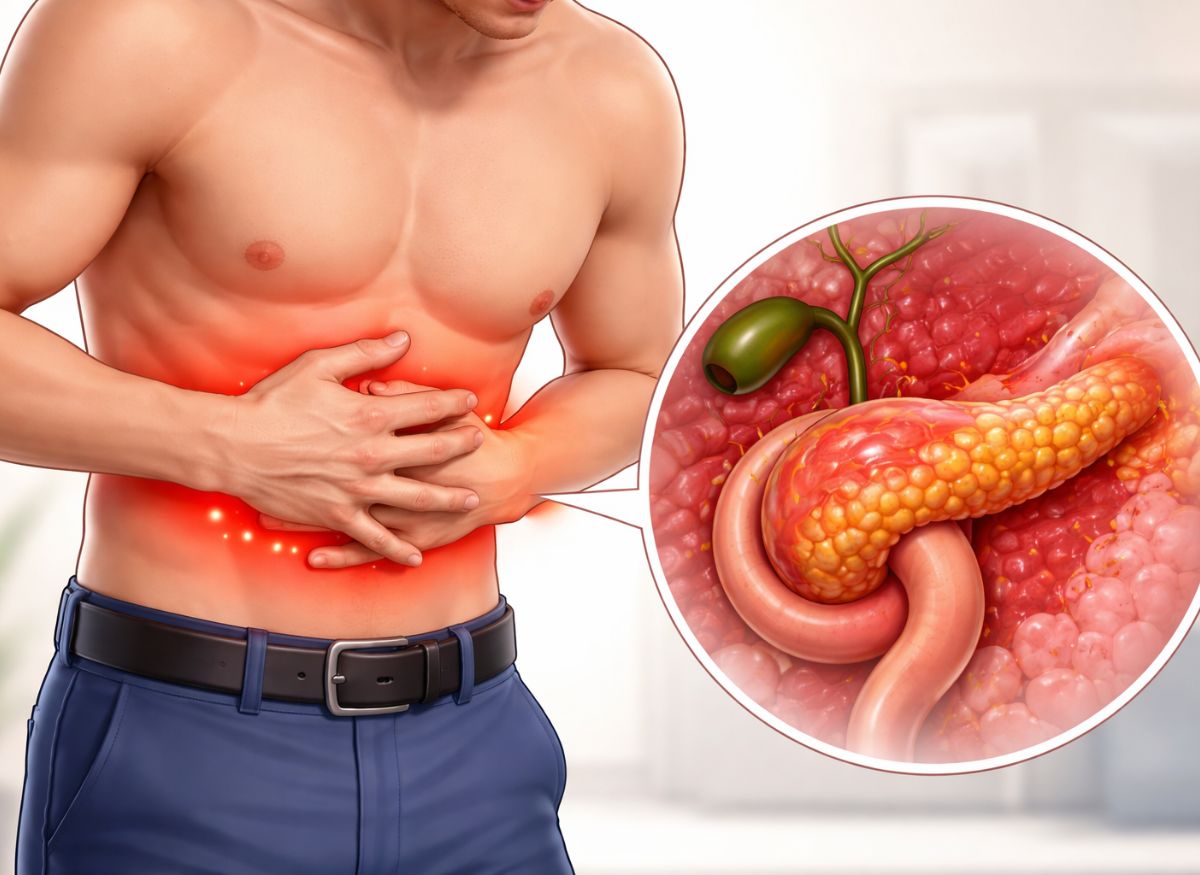
Pancreatitis is a serious and frequently underestimated condition of the pancreas, an organ that is essential for digestion and for keeping blood sugar in check. It arises when the pancreas becomes inflamed, which can bring severe pain, digestive trouble, and even life-threatening complications. Whether it appears suddenly (acute pancreatitis) or builds up over time (chronic pancreatitis), knowing the symptoms, causes, and treatment options matters for anyone at risk.
Acute pancreatitis can strike fast, often as sharp, intense pain in the upper abdomen, sometimes with nausea, vomiting, fever, and a rapid pulse. Without treatment it can lead to complications such as organ failure or infection, so prompt medical care is crucial. Chronic pancreatitis, by contrast, develops gradually, often after repeated acute episodes or long-term damage to the pancreas. People with it may have ongoing abdominal pain, weight loss, and trouble digesting food, all of which can disrupt daily life.
So what sets pancreatitis off? The most common causes are heavy alcohol use, gallstones, high cholesterol, and certain medications. Lifestyle, genetics, and other medical conditions can also raise the risk. Whatever the cause, managing the condition calls for a comprehensive approach that combines medical treatment, dietary changes, and lifestyle adjustments. This article looks closely at the symptoms and causes of pancreatitis, how it affects the body, and what you can do to prevent or manage it. It also covers current treatment options to help you understand the best ways to cope with and treat it.
What Is Pancreatitis and What Are Its Main Types?
Pancreatitis is the medical term for inflammation of the pancreas. It falls into two main types: acute pancreatitis, a sudden and often severe episode, and chronic pancreatitis, a long-term, progressive condition that causes permanent damage.
The Pancreas and Its Role in the Body
The pancreas plays two fundamental roles, serving both the digestive (exocrine) system and the endocrine system. It makes enzymes that break down food, and hormones such as insulin that regulate blood sugar. This dual function makes it indispensable for metabolism and overall health. When pancreatitis occurs, both functions suffer, setting off a cascade of health problems. The pancreas carries out these two distinct but connected jobs through specialized cells.
- Exocrine function (digestion): Most of the pancreas is exocrine tissue, which produces powerful digestive enzymes. These include amylase for carbohydrates, lipase for fats, and proteases for proteins, all made in an inactive form. They travel through a network of ducts into the main pancreatic duct, which merges with the common bile duct before emptying into the duodenum (the first part of the small intestine). There they are activated and begin breaking down food so nutrients can enter the bloodstream. In pancreatitis, these enzymes switch on too early inside the pancreas itself, so the organ effectively starts digesting itself, causing inflammation, pain, and tissue damage.
- Endocrine function (hormone regulation): Small clusters of endocrine cells called the islets of Langerhans are scattered through the pancreas. They release hormones directly into the bloodstream to regulate metabolism. The best known are insulin, which lowers blood glucose by helping cells take up sugar for energy, and glucagon, which raises blood glucose by prompting the liver to release stored sugar. The right balance between them is vital for steady energy. In severe or chronic pancreatitis, destruction of islet cells can reduce or eliminate insulin production, leading to a specific form of diabetes known as pancreatogenic or Type 3c diabetes.
Acute vs. Chronic Pancreatitis
The key differences between the two lie in onset, duration, and the kind of damage to the pancreas. Acute pancreatitis is a sudden, short-lived inflammatory episode from which the pancreas can recover fully, while chronic pancreatitis is a progressive, long-term condition that causes permanent scarring and declining function. Both involve inflammation of the same organ, but they are distinct clinical conditions with different causes, treatments, and long-term outlooks.
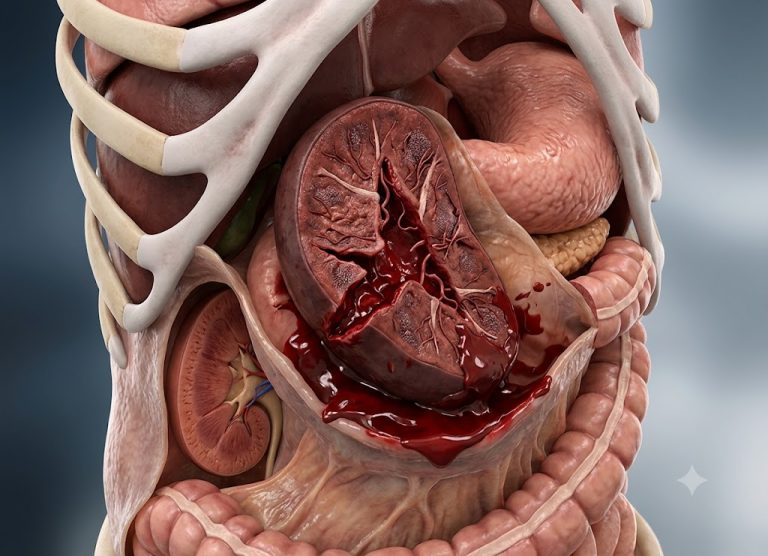
Acute pancreatitis appears as a sudden, isolated attack of severe inflammation. Symptoms, especially intense abdominal pain, come on abruptly and usually require hospitalization. The most common triggers are gallstones and binge drinking. With appropriate care, including pain control, intravenous fluids, and resting the bowel, the inflammation usually settles within several days to a week, and the pancreas can return to normal structure and function without lasting harm. Severe attacks, however, can cause serious complications such as necrosis (tissue death), infection, and organ failure. Some people have repeated acute episodes.
Chronic pancreatitis, in contrast, is a smoldering, persistent inflammatory process that slowly and irreversibly destroys the pancreas. It often follows repeated bouts of acute pancreatitis, and long-term heavy drinking is its most common cause. The inflammation produces scar tissue (fibrosis) and calcium deposits (calcification) that change the organ’s structure and permanently impair its function. Symptoms can be continuous or come as flare-ups of pain, but over time patients develop signs of pancreatic insufficiency. These include poor absorption of food, leading to weight loss and fatty stools (steatorrhea), and eventual loss of insulin-producing cells, causing diabetes. The damage is permanent, so management focuses on controlling symptoms and slowing progression.
Here is a side-by-side comparison:
| Feature | Acute Pancreatitis | Chronic Pancreatitis |
|---|---|---|
| Onset | Sudden, abrupt appearance of symptoms | Gradual and progressive, often developing over years |
| Duration | Short-term, lasting a few days to a week | Long-term, lifelong condition with ongoing inflammation |
| Symptoms | Severe, constant upper abdominal pain, nausea, vomiting | Persistent or intermittent abdominal pain, weight loss, oily stools, diabetes |
| Pancreatic damage | Temporary inflammation; can be severe but is usually reversible | Permanent, irreversible scarring (fibrosis) and structural change |
| Recovery | The pancreas typically returns to normal function after the attack | Function declines progressively; damage is not reversible |
| Common causes | Gallstones, binge drinking, high triglycerides | Long-term alcohol abuse, genetic factors, autoimmune disease |
Symptoms and Causes of Pancreatitis
The main symptom of pancreatitis is sudden, severe upper abdominal pain that may radiate to the back, often with nausea and vomiting. The most common causes are gallstones in acute cases and long-term heavy drinking in chronic forms. Below, we look at the signs that mark an acute attack and the underlying factors that can trigger this painful and potentially dangerous condition. Recognizing the symptoms early is critical for getting timely care.
Hallmark Symptoms of an Acute Attack
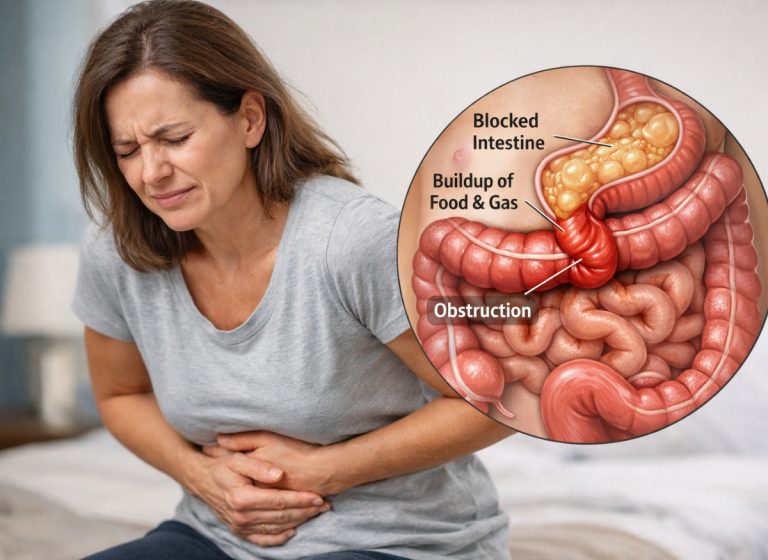
An acute attack is characterized by sudden, severe, constant, boring pain in the upper abdomen that often passes straight through to the back, along with nausea, vomiting, fever, a rapid pulse, and abdominal tenderness. Onset is typically abrupt and intense, so most people seek immediate care. Unlike many other kinds of abdominal discomfort, the pain is relentless and is often described as among the worst a person can experience.
Pain is the dominant feature and has distinct characteristics. It is usually felt in the epigastric region (the upper-middle abdomen, just below the breastbone) and is often described as sharp, stabbing, or boring, as though piercing through the body. A key diagnostic clue is that in about half of cases the pain radiates to the back. Position can affect its intensity: it often worsens after eating or when lying flat on the back and may ease somewhat when leaning forward or curling into a fetal position. Besides the overwhelming pain, several other symptoms commonly occur:
- Nausea and vomiting: Heavy nausea and repeated vomiting are very common but usually don’t relieve the pain.
- Fever and chills: The inflammation can provoke a body-wide response, raising temperature and causing chills.
- Rapid pulse (tachycardia): The body’s response to severe pain and inflammation often includes a faster heart rate.
- Abdominal swelling and tenderness: The abdomen may visibly swell (distend) and become extremely tender to touch because of inflammation and fluid buildup in the abdominal cavity.
These symptoms are a medical emergency. Anyone with this combination of signs should go to the nearest emergency room immediately. Delayed treatment can lead to severe, life-threatening complications, including pancreatic necrosis (tissue death), infection, pseudocyst formation, and multi-organ failure.
Common Causes of Pancreatitis
The most common causes are gallstones blocking the pancreatic duct, the leading cause of acute pancreatitis, and chronic heavy alcohol use, the main driver of chronic pancreatitis. Together these account for most cases, though many other conditions and risk factors can also trigger the disease. Knowing the underlying cause is crucial for choosing the right treatment and prevention strategy. Causes fall into several broad categories, with some overlap between the acute and chronic forms.
- Obstruction (gallstones): Gallstones are the number one cause of acute attacks. The pancreas and gallbladder share a common drainage duct (the common bile duct) that empties into the small intestine. If a gallstone leaves the gallbladder and lodges in this duct, it can block the outflow of pancreatic enzymes. Digestive fluids back up into the pancreas, pressure rises quickly, and enzymes activate prematurely, triggering acute inflammation.
- Toxins (alcohol): Chronic, excessive drinking is the leading cause of chronic pancreatitis and a very common cause of acute pancreatitis. Alcohol is directly toxic to pancreatic cells. Its metabolites can cause oxidative stress, injuring cells and promoting early activation of digestive enzymes within the organ. Over time, this repeated injury leads to chronic inflammation, fibrosis (scarring), and progressive destruction of pancreatic tissue.
- Metabolic disorders:
- High triglycerides (hypertriglyceridemia): Extremely high blood levels of triglycerides (a type of fat), typically above 1,000 mg/dL, can cause acute pancreatitis. The mechanism is thought to involve these fats breaking down into toxic free fatty acids within the pancreatic capillaries, damaging cells.
- High calcium (hypercalcemia): Elevated blood calcium, often from an overactive parathyroid gland, can lead to calcium deposits in the pancreatic ducts and early enzyme activation.
- Post-procedural: A diagnostic and treatment procedure used for problems in the bile and pancreatic ducts can itself irritate the pancreas and is a well-known cause of acute pancreatitis afterward.
- Other causes: This group includes less common triggers such as certain medications (for example, some diuretics and antibiotics), autoimmune diseases in which the immune system attacks the pancreas, inherited genetic mutations, abdominal trauma, and structural abnormalities such as pancreas divisum or a blocking tumor. In a substantial share of cases, particularly acute ones, no specific cause can be found, and these are classed as idiopathic pancreatitis.
Chronic Pancreatitis Care and Management
Managing chronic pancreatitis takes a comprehensive, long-term strategy: controlling persistent pain, replacing lost digestive enzymes to prevent malnutrition, managing related diabetes, and making crucial lifestyle changes, especially a low-fat diet and complete abstinence from alcohol and smoking. Because the disease affects the body in so many ways, good management needs collaboration among physicians, dietitians, and pain specialists. The main goals are to relieve pain, improve quality of life, and slow the progression of irreversible pancreatic damage.
Medical Treatments
Medical treatment centers on three goals: managing chronic and often debilitating pain with medication and advanced procedures, improving digestion and nutrition with enzyme support, and controlling blood sugar if diabetes develops from pancreatic damage. Since chronic pancreatitis is progressive and has no cure, treatment aims to manage symptoms and prevent complications over a lifetime, tailored to each person’s symptoms and the extent of damage.
Pain Management
This is often the most challenging and critical part of care. Pain can be constant or come in severe, intermittent flare-ups. The approach is typically stepped:
- Medications: Pain management usually starts with standard over-the-counter pain relievers. If discomfort continues, doctors may prescribe nerve-modulating medications or stronger pain therapies under close supervision.
- Endoscopic and surgical procedures: For pain caused by blockages in the pancreatic duct from stones or strictures, endoscopic procedures can help. They may use an endoscope to place stents that hold the duct open or to remove stones. In more advanced cases, surgery such as a Puestow procedure (pancreaticojejunostomy) to improve drainage, or partial or total removal of the pancreas (pancreatectomy), may be considered. Total pancreatectomy with auto-islet transplantation (TPIAT) is a highly specialized operation that can eliminate pain but results in surgically induced diabetes.
Pancreatic Enzyme Replacement Therapy (PERT)
As the pancreas becomes more scarred, it loses the ability to make the enzymes needed to digest food, a condition called Exocrine Pancreatic Insufficiency (EPI). This causes malabsorption, with symptoms such as oily, foul-smelling stools (steatorrhea), gas, bloating, and significant weight loss. The standard treatment is supplemental enzymes: prescription capsules containing amylase, lipase, and protease taken with every meal and snack. They help the body break down fats, proteins, and carbohydrates so nutrients can be absorbed, stools improve, and a healthy weight can be maintained.
Diabetes Management
Damage to the insulin-producing islet cells can lead to pancreatogenic or Type 3c diabetes. It can be brittle and hard to control because both insulin and glucagon production may be impaired. Management requires regular blood glucose monitoring, careful meal planning, and often oral medications or, more commonly, hormone replacement therapy.
Lifestyle and Diet Adjustments
Lifestyle and diet changes are essential and foundational in managing chronic pancreatitis. They reduce stimulation of the pancreas, prevent pain flare-ups, limit further damage, and ease malabsorption symptoms. For many patients they matter as much as medical treatment. The cornerstones are a specific low-fat diet and complete abstinence from alcohol and smoking, changes that are non-negotiable for slowing the disease and improving quality of life.
Dietary Modifications
The main dietary goal is to reduce the pancreas’s workload. High-fat foods are a major trigger of pancreatic pain because they prompt the pancreas to release large amounts of digestive enzymes.
- Low-fat diet: Patients are typically advised to limit fat to no more than 30 to 50 grams per day, spread across several small meals. Eating small, frequent meals (4 to 6 a day) is better than three large ones, since it strains the pancreas less at any one time.
- Foods to eat: The diet should be rich in lean proteins (skinless poultry, fish, legumes), fruits, vegetables, and whole grains. Healthy fats in moderation, such as from avocados or nuts, may be tolerated by some. Staying well hydrated, mainly with water, is also crucial.
- Foods to avoid: Steer clear of fried foods, fatty cuts of meat (bacon, sausage), full-fat dairy (butter, cream, cheese), processed foods, and rich, greasy desserts. A registered dietitian experienced in gastrointestinal disease can give personalized guidance and help ensure adequate nutrition.
Complete Abstinence from Alcohol and Smoking
Alcohol cessation: For patients whose pancreatitis is caused or worsened by alcohol, lifelong abstinence is mandatory. Any amount can trigger a painful flare-up and speed the progressive destruction of the pancreas.
Smoking cessation: Smoking is an independent and significant risk factor for the progression of chronic pancreatitis and sharply raises the risk of pancreatic cancer. Quitting is one of the most important steps a patient can take to improve their long-term outlook.
Nutritional Support
Because of malabsorption, people with chronic pancreatitis are at high risk of deficiencies in the fat-soluble vitamins (A, D, E, and K) and vitamin B12. A healthcare provider will monitor these levels and may recommend supplements to prevent complications such as osteoporosis or vision problems.
Advanced Diagnostics and Complications
Diagnosing pancreatitis combines blood tests, advanced imaging, and endoscopic procedures, and its complications range from localized fluid collections to organ failure throughout the body and a higher long-term risk of cancer. Understanding these diagnostic methods and possible complications is crucial for effective management and for telling pancreatitis apart from other abdominal conditions with similar symptoms.
Diagnosis
Doctors diagnose pancreatitis through a systematic evaluation, generally requiring at least two of three criteria: characteristic abdominal pain, markedly elevated pancreatic enzymes in the blood, and evidence of inflammation on imaging. The first step is usually a blood test measuring amylase and lipase, digestive enzymes made by the pancreas. In acute pancreatitis, levels are often more than three times the upper limit of normal, with lipase being the more specific indicator of pancreatic injury. After blood work, imaging is essential to confirm the diagnosis and assess severity. An abdominal ultrasound is often the first scan, mainly to look for gallstones, a common cause.
For a more detailed view, a contrast-enhanced Computed Tomography (CT) scan is the gold standard. It clearly shows pancreatic inflammation, swelling, fluid collections around the pancreas, and areas of necrosis (tissue death). In more complex cases, Magnetic Resonance Imaging (MRI) combined with Magnetic Resonance Cholangiopancreatography (MRCP) may be used to image the bile and pancreatic ducts in detail without radiation. Finally, for both diagnosis and treatment, an endoscopic procedure may be performed. This invasive procedure passes an endoscope through the mouth to the small intestine so the physician can inject dye into the ducts and identify blockages such as gallstones, which can then be removed during the same procedure.
Long-Term Complications
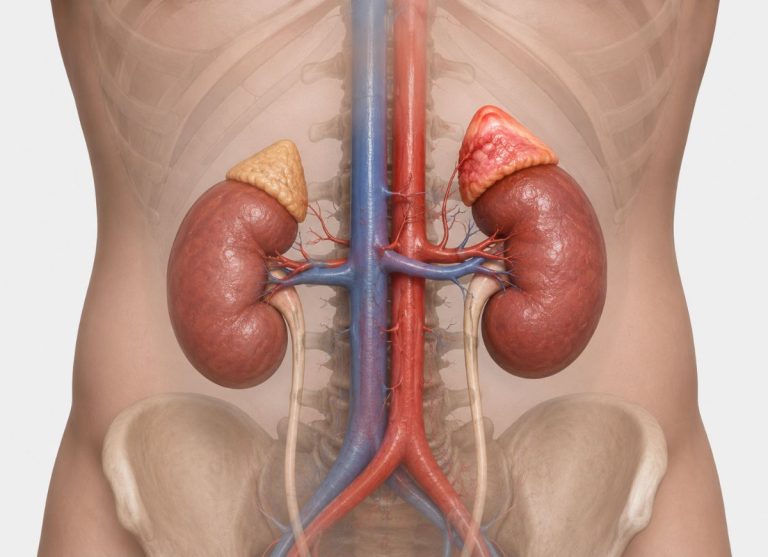
Both acute and chronic pancreatitis can cause significant long-term health problems that reach beyond the pancreas to other organ systems. One of the most common complications after a severe acute attack is a pancreatic pseudocyst, a collection of fluid and tissue debris that can cause pain, become infected, or rupture. If pancreatic tissue itself dies from lack of blood supply, a condition called pancreatic necrosis, there is a high risk of life-threatening infection requiring drainage or surgical removal of the dead tissue. Body-wide complications can also occur, including acute kidney failure and respiratory distress syndrome.
In chronic pancreatitis, persistent inflammation gradually destroys the pancreas, leading to two major functional failures. The first is diabetes mellitus, which occurs when the insulin-producing beta cells are damaged, impairing blood sugar regulation. The second is exocrine pancreatic insufficiency (EPI), in which the pancreas can no longer make enough digestive enzymes. This causes malabsorption, leading to chronic diarrhea, weight loss, and severe nutritional deficiencies. Over time, the chronic inflammation and scarring also create an environment that substantially raises the risk of pancreatic cancer, which makes regular monitoring and surveillance essential for people with long-standing disease.
Pancreatitis Pain vs. Gallbladder Pain
Both pancreatitis and gallbladder problems cause severe upper abdominal pain, but differences in location, character, and triggers can help tell them apart. Pancreatitis pain is typically severe, constant, and deep and boring, felt in the upper-middle abdomen (epigastric region) and often passing straight through to the back. It usually starts suddenly, peaks within minutes to hours, and can last several days. It is often worse after eating or drinking, especially high-fat foods, and may ease slightly when leaning forward or curling into a fetal position.
Gallbladder pain, such as from gallstones (biliary colic) or inflammation (cholecystitis), is most often felt in the upper right abdomen, just beneath the rib cage. It can also radiate, but more commonly travels to the right shoulder blade or the middle of the back between the shoulders. The character differs too: biliary colic is often described as cramping or gnawing pain that comes in waves, lasting 30 minutes to several hours, especially after a fatty meal. If the gallbladder becomes inflamed (cholecystitis), the pain turns constant and more severe, often with tenderness when the upper right abdomen is touched. Fever and nausea are common in both conditions, but the exact location and radiation pattern are critical clues for an initial diagnosis.
Chronic Pancreatitis and Pancreatic Cancer
There is a well-established and significant link between chronic pancreatitis and a higher risk of pancreatic cancer, specifically pancreatic ductal adenocarcinoma. Most people with chronic pancreatitis will not develop cancer, but the condition is considered a major risk factor. The underlying mechanism is persistent, long-term inflammation of the pancreas.
This chronic inflammation creates a damaging environment for pancreatic cells, driving rapid cell turnover and raising the chance of genetic mutations that can lead to cancer. The constant cycle of tissue damage and repair can activate signaling pathways that promote abnormal cell growth. Over many years, the scarring and fibrosis typical of chronic pancreatitis further disrupt normal tissue structure and add to this higher risk. Studies indicate that the lifetime risk of pancreatic cancer for a person with chronic pancreatitis is roughly 4 to 5%, well above that of the general population.
Because of this elevated risk, people with long-standing chronic pancreatitis, particularly hereditary or alcohol-related forms, need regular surveillance. This often means periodic imaging with CT, MRI/MRCP, or specialized procedures such as endoscopic ultrasound (EUS) to look for precancerous changes or small early-stage tumors while they are more treatable. This proactive monitoring is a critical part of long-term care for managing the disease and its most serious potential complication.
FAQs
1. What causes pancreatitis in humans?
Pancreatitis is mainly caused by factors that affect the pancreas directly, such as heavy drinking and gallstones. Large amounts of alcohol over time can inflame the pancreas, leading to acute or chronic pancreatitis. Gallstones, which can block the bile duct, are another leading cause. Other causes include high cholesterol, high triglycerides, certain medications (such as corticosteroids, diuretics, or some HIV drugs), infections, and abdominal injuries or surgeries. Conditions like cystic fibrosis or autoimmune disorders can also predispose people to it. In rare cases, a genetic predisposition leads to hereditary pancreatitis, with multiple episodes over time.
2. Does pancreatitis go away on its own?
Acute pancreatitis can sometimes resolve on its own with medical management. Resting the pancreas through hydration and pain relief is often the first step, along with a temporary fast to ease strain on the digestive system. In many cases, symptoms improve within a few days with proper care. Chronic pancreatitis, however, doesn’t go away on its own and needs ongoing management to control symptoms and prevent further damage. For chronic cases, long-term lifestyle changes, medications, and possibly surgery are needed to manage the condition and prevent complications such as pancreatic insufficiency or diabetes.
3. Can I live a long life with pancreatitis?
Yes, it is possible, especially with proper treatment and lifestyle changes. For chronic pancreatitis, it’s crucial to follow a plan that includes managing pain, avoiding alcohol, eating a healthy diet, and possibly taking enzyme replacements for digestive problems. Managing complications such as diabetes is also essential. Although pancreatitis can be challenging, people who monitor their health closely and follow medical advice can keep a good quality of life for many years. Those with long-term pancreatitis should have regular check-ups to watch for complications such as pancreatic cancer or other digestive problems.
4. How can I prevent pancreatitis?
Prevention means adopting a healthy lifestyle that lowers the risk of its main causes. Limiting alcohol is one of the most important steps, since heavy drinking is the leading cause. Maintaining a healthy weight, managing cholesterol, and eating a balanced, low-fat diet can significantly reduce risk. Avoiding smoking is also crucial, as it raises the likelihood of both acute and chronic pancreatitis. If you have high cholesterol or triglycerides, managing them with medication and diet can help prevent pancreatitis. Regular exercise, good hydration, and stress reduction are additional ways to keep your pancreas healthy.
5. What are the first signs of a bad pancreas?
Early signs of a pancreas problem often involve digestive issues, such as persistent upper abdominal pain, nausea, and vomiting. The pain can be severe and may worsen after eating, particularly fatty foods. Other signs include unexplained weight loss, diarrhea, and fatty or oily stools, which can occur when the pancreas isn’t making enough enzymes to digest food. Some people may also develop jaundice (yellowing of the skin and eyes), indicating that the pancreas is affecting liver function. If ignored or left untreated, these symptoms can progress to more serious complications such as acute pancreatitis or chronic digestive problems.
6. What foods trigger pancreatitis?
High-fat foods, particularly fried foods, fatty cuts of meat, and full-fat dairy, can trigger pancreatitis or worsen symptoms in those who already have it. These foods make the pancreas work harder to digest, which can inflame the organ and worsen pain. Sugary, processed foods and sweetened drinks can also aggravate the pancreas and increase inflammation. Alcohol is a major trigger, as it directly irritates the pancreas and is a leading cause of both acute and chronic pancreatitis. To help manage the condition, it’s important to follow a low-fat, low-sugar diet built around easily digestible foods like cooked vegetables, lean proteins, and whole grains. Cutting back on or eliminating alcohol is crucial for anyone with pancreatitis to avoid further irritation and flare-ups.
Conclusion
Pancreatitis is a complex condition, but understanding its causes, symptoms, and treatment options is the first step toward managing it well. Whether you are dealing with acute or chronic pancreatitis, recognizing the early signs and making the necessary lifestyle changes can significantly lower the risk of severe complications. Early medical care, together with ongoing follow-up, can help people with pancreatitis live full, healthy lives. By making informed choices and working closely with your healthcare providers, managing pancreatitis is possible, and quality of life can improve dramatically. A proactive approach to your health is the best defense against the painful effects of this condition.