
Lennox-Gastaut Syndrome: Symptoms, Causes, Diagnosis, and Treatment Guide
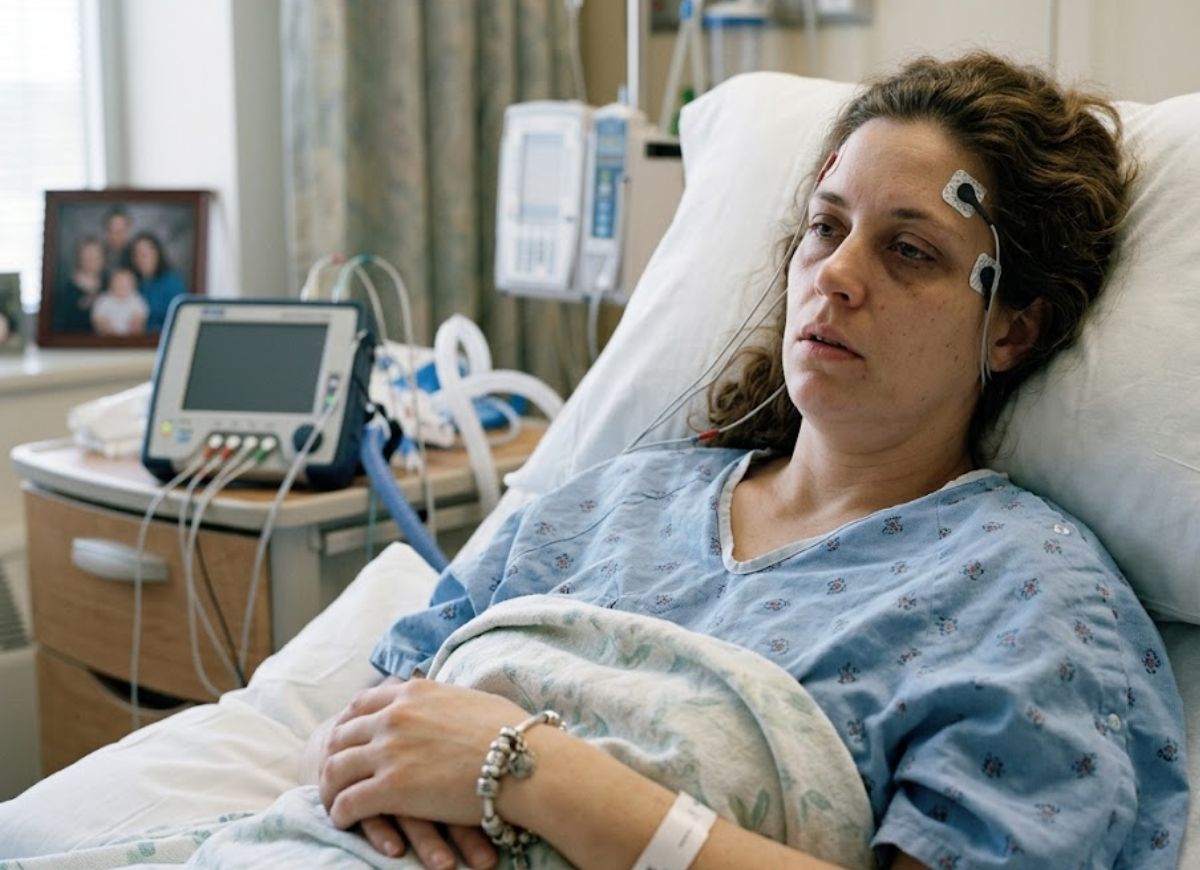
Lennox-Gastaut syndrome (LGS) is a rare and severe form of epilepsy that usually develops during childhood and can have a lasting effect on daily life. It is characterized by several different types of seizures that are often difficult to control. Many people with LGS also experience learning difficulties, developmental delays, and behavioral changes. Because symptoms can differ from one person to another, recognizing the condition early can help families seek appropriate care and support.
Unlike some forms of epilepsy that mainly involve one type of seizure, Lennox-Gastaut syndrome can cause several seizure patterns. These may include sudden muscle stiffening, brief periods of reduced awareness, and sudden falls caused by seizures. Seizures may happen frequently and can continue into adulthood, meaning many people require ongoing medical care and more than one type of treatment.
LGS is uncommon but can have a significant impact on children and their families. It often begins between 1 and 8 years of age, although the exact age of onset can vary. Diagnosis can sometimes be difficult because the early signs may resemble other epilepsy disorders. Doctors generally consider a person’s seizure history along with EEG testing, brain imaging, and other medical evaluations.
The cause of Lennox-Gastaut syndrome is not always known. In some cases, it is associated with brain injuries, genetic conditions, infections, or problems with brain development. Some children, however, develop LGS without an identifiable cause.
Treatment and management usually need to be personalized. Depending on the individual, care may include anti-seizure medications, dietary therapies, medical devices, or surgery. This guide explains the main symptoms, causes, diagnosis methods, and treatment options associated with Lennox-Gastaut syndrome.
Symptoms of Lennox-Gastaut Syndrome
The symptoms of Lennox-Gastaut Syndrome are commonly described as a combination of several difficult-to-control seizure types, cognitive or developmental impairment, and a characteristic slow spike-wave pattern on an electroencephalogram (EEG). Together, these features help distinguish LGS from other forms of epilepsy.
Symptoms usually begin during early childhood. Some children develop LGS after having another epilepsy syndrome, such as West syndrome or infantile spasms. Frequent seizures and underlying brain dysfunction can interfere with learning and development and may contribute to ongoing cognitive and behavioral difficulties.
Different Types of Seizures Associated with LGS
Lennox-Gastaut Syndrome can involve several different seizure types. The most characteristic include tonic seizures, atonic seizures or drop attacks, and atypical absence seizures. Many people experience more than one type, sometimes on a daily basis.
Having multiple seizure types is one reason LGS can be particularly challenging to manage. Each type can affect the person’s safety, awareness, movement, and ability to participate in everyday activities.
People with LGS may also experience myoclonic, focal, or generalized tonic-clonic seizures. The exact combination varies from person to person.
Tonic seizures are among the most characteristic seizures associated with LGS. They often occur in clusters and may happen during sleep. During a tonic seizure, muscles suddenly become stiff. The seizure may be relatively subtle, with only the eyes moving upward or the neck becoming slightly stiff, or it may cause the entire body, arms, legs, and trunk to become rigid for several seconds or longer.
Tonic seizures that occur at night can interfere with normal sleep and may contribute to daytime tiredness and irritability. When a tonic seizure happens while someone is standing, it can also result in a sudden fall.
Atonic seizures, commonly called drop attacks, involve a sudden and brief loss of muscle tone. If only the head and neck are affected, the person may suddenly nod or drop their head. If the entire body loses muscle tone, the person can collapse suddenly to the ground.
Drop attacks can be particularly dangerous because they can result in injuries, including trauma to the head or face. People who experience frequent atonic seizures may need protective equipment, such as helmets, to reduce the risk of serious injury. The unpredictable nature of these seizures can also limit independence and create ongoing concerns about safety.
Atypical absence seizures are different from the typical absence seizures associated with childhood absence epilepsy. They usually begin and end more gradually, may last longer, and can involve changes in muscle tone or subtle movements such as eyelid fluttering or lip movements.
During an atypical absence seizure, awareness is impaired but may not disappear completely. A person may appear to stare blankly while retaining some level of responsiveness. Because these episodes can be subtle and occur frequently, they may go unnoticed. However, repeated interruptions in attention and awareness can interfere with learning and daily activities.
Cognitive and Behavioral Challenges Linked to Lennox-Gastaut Syndrome
LGS can affect much more than seizure control. Many individuals experience developmental delays, intellectual disability, learning difficulties, and behavioral challenges. These problems may include hyperactivity, impulsivity, aggression, irritability, mood changes, and features associated with autism spectrum disorder.
For many children, cognitive difficulties are already present when LGS is diagnosed. These problems may be related to an underlying brain injury or condition that caused the epilepsy, or they may have developed after an earlier epilepsy syndrome.
Over time, frequent seizures and ongoing abnormal brain activity can further interfere with development and learning. Some children may experience slowed development or even lose previously acquired skills. These challenges can affect the quality of life of both the individual and their caregivers and may require educational, behavioral, and therapeutic support.
Cognitive difficulties in LGS can range from moderate to profound intellectual disability. Problems may affect language, memory, problem-solving, attention, and executive functioning. Children may need more time to learn new skills and may process information more slowly than their peers.
Frequent seizures and abnormal EEG activity can also interfere with the brain networks involved in learning and memory. As a result, many children require specialized education and individualized support. Developmental difficulties may be particularly noticeable during the early stages of the syndrome when seizure activity is frequent.
Behavioral difficulties are also common. Some individuals may have significant hyperactivity, impulsivity, attention problems, aggression, irritability, or sudden mood changes. These behaviors can make social relationships and family life more challenging.
Some people with LGS may also show features associated with autism spectrum disorder, including difficulty with social communication, challenges with reciprocal interactions, and repetitive or restricted behaviors. These difficulties can have several contributing factors, including the underlying neurological condition, medication side effects, and the challenges of living with a severe chronic illness.
Behavioral management may involve behavioral therapy, changes to the person’s environment, educational support, and, in some cases, additional medications alongside epilepsy treatment.
Causes of Lennox-Gastaut Syndrome
The causes of Lennox-Gastaut Syndrome are varied. They are generally divided into symptomatic cases, where an underlying brain injury or abnormality can be identified, and cryptogenic cases, where no clear cause is found despite medical investigation.
A large proportion of LGS cases are symptomatic, meaning the syndrome develops as a result of an existing condition that has affected the brain. The injury or abnormality may occur before birth, around the time of birth, or during early childhood. Some cases that were previously considered cryptogenic are now being linked to genetic changes as genetic testing continues to improve.
Identifying the underlying cause can be helpful because it may influence treatment decisions, provide information about the condition’s expected course, and help families understand why the syndrome developed. LGS can result from many different forms of severe brain dysfunction rather than from one single disease.
Structural and Metabolic causes of LGS
Some of the known structural and metabolic causes of LGS include hypoxic-ischemic encephalopathy, severe central nervous system infections such as meningitis, traumatic brain injuries, cortical dysplasia, and certain metabolic disorders.
These conditions can interfere with normal brain structure and function and may create abnormal patterns of electrical activity that contribute to severe epilepsy.
Hypoxic-ischemic encephalopathy (HIE) occurs when an infant’s brain does not receive enough oxygen and blood flow around the time of birth. Complications during labor or delivery, such as placental abruption or a prolapsed umbilical cord, can contribute to this type of brain injury.
The resulting damage can affect large areas of the brain and may be associated with conditions such as cerebral palsy and severe epilepsy. Other complications around birth, including neonatal stroke, bleeding in the brain, or serious newborn infections, can also cause brain damage associated with later epilepsy.
Brain infections that occur after birth can also contribute to LGS. Severe bacterial meningitis or viral encephalitis can cause inflammation, scarring, and lasting damage to brain tissue. Similarly, a serious traumatic brain injury during infancy or early childhood can damage brain cells and alter brain circuits involved in seizure activity.
Congenital brain abnormalities are another possible cause. Cortical dysplasia occurs when brain cells do not migrate to their normal locations during fetal development. This can result in areas of disorganized brain tissue that are more likely to produce seizures.
Certain neurocutaneous conditions that affect the brain may also be associated with severe epilepsy. Tuberous Sclerosis Complex (TSC), for example, can cause benign tumors to develop in the brain and other organs and is strongly associated with epilepsy. In some cases, inherited metabolic disorders that affect how the brain produces or uses energy may also contribute to LGS.
Is Lennox-Gastaut Syndrome Considered a Genetic Disorder?
Lennox-Gastaut Syndrome is not usually considered a classic inherited disorder that is directly passed from parent to child. However, researchers have identified genetic causes in a significant number of cases. These often involve spontaneous de novo mutations in genes that play important roles in brain development and function.
A de novo mutation is a genetic change that appears for the first time in an affected person. The mutation may arise in an egg or sperm cell from a parent or occur shortly after fertilization. In these situations, the parents may not have the same genetic change themselves.
Advances in genetic testing have helped researchers identify more genes associated with LGS. As a result, some cases previously classified as cryptogenic are now understood to have a genetic basis.
One important point is that a disorder can have a genetic cause without being an inherited condition. Not every genetic form of LGS follows a predictable family inheritance pattern.
Several genes have been associated with LGS, including GABRB3, ALG13, CHD2, and ion channel genes such as SCN1A, SCN2A, and SCN8A. These genes are involved in processes such as brain development, communication between nerve cells, and regulation of neuronal activity.
Identifying a genetic cause can provide families with a clearer diagnosis after a long search for answers. It may also offer useful information about the condition and, in certain situations, influence treatment choices.
For example, some mutations involving sodium channel genes may affect which anti-seizure medications are appropriate because certain medicines could potentially worsen seizures. As research continues, a better understanding of the genetic causes of LGS may also support the development of more targeted treatments.
Lennox-Gastaut Syndrome Diagnosis
Diagnosing Lennox-Gastaut Syndrome involves looking for a combination of characteristic clinical and EEG findings. One important feature is the presence of multiple seizure types.
Tonic seizures, particularly those that occur during sleep, are considered a hallmark of LGS. Other common seizure types include atonic seizures, which can cause sudden falls, and atypical absence seizures, which involve impaired awareness.
Another important part of the diagnosis is an abnormal EEG pattern. A characteristic finding is a slow spike-and-wave pattern, typically occurring at less than 2.5 Hz between seizures. During sleep, generalized bursts of paroxysmal fast activity may also be seen.
The third major feature is cognitive or developmental impairment. This may have already been present before LGS developed or may become more noticeable as seizures begin and continue.
Doctors may use the person’s medical and seizure history, EEG results, brain imaging, and other testing to distinguish LGS from other epilepsy disorders.
Treatment and Management Options for LGS
Treating Lennox-Gastaut Syndrome can be challenging because seizures are often resistant to standard epilepsy treatments. The main goal is generally to reduce seizure frequency and severity and improve safety and quality of life.
Treatment may involve several approaches used together. These can include anti-seizure medications, dietary therapies, neurostimulation, and, in selected cases, surgery.
Several anti-seizure medications are commonly used for LGS, including valproic acid, lamotrigine, clobazam, rufinamide, topiramate, and cannabidiol (Epidiolex). Many people require more than one medication to achieve better seizure control.
Dietary treatment can also help some individuals. The ketogenic diet is the best-known option and involves a medically supervised diet that is high in fat and low in carbohydrates.
Less restrictive dietary approaches include the modified Atkins diet (MAD) and low glycemic index treatment (LGIT).
For people whose seizures do not respond adequately to medications or dietary therapy, vagus nerve stimulation (VNS) may be considered. This involves an implanted device that delivers electrical stimulation to help reduce seizure activity.
In selected cases, particularly when frequent drop attacks cause significant problems, surgery such as corpus callosotomy may be considered as a way to reduce debilitating seizures.
Long-term Prognosis for Individuals With LGS
The long-term outlook for people with Lennox-Gastaut Syndrome can involve significant ongoing challenges. Complete remission is uncommon, and many individuals continue to experience seizures into adulthood. However, seizure types and frequency may change over time.
Tonic seizures can continue into adulthood, while some people may experience fewer atonic or myoclonic seizures as they get older.
Cognitive and developmental difficulties can also persist. Many adults with LGS have moderate to severe intellectual disability and may require considerable assistance with everyday activities. Behavioral challenges, including hyperactivity, aggression, and autism-related features, may also continue and add to the demands of long-term care.
LGS is also associated with an increased risk of death compared with the general population. Serious complications may include injuries from seizures, status epilepticus, and Sudden Unexpected Death in Epilepsy (SUDEP).
Because drop attacks and other seizures can occur unexpectedly, injury prevention is an important part of care. Some individuals may need protective equipment, including helmets, to reduce the risk of serious injuries.
Lennox-Gastaut Syndrome vs. Dravet Syndrome
Lennox-Gastaut Syndrome and Dravet Syndrome are both severe epilepsy disorders that usually begin during childhood. However, they differ in their typical age of onset, seizure patterns, and genetic features.
Dravet Syndrome usually begins during the first year of life and often starts with prolonged seizures associated with fever.
LGS generally develops later in childhood, often between 3 and 5 years of age, although the age of onset can vary. It may develop after an earlier epilepsy syndrome such as West Syndrome.
The seizure types can also differ. Dravet Syndrome commonly begins with clonic or tonic-clonic seizures and may later include myoclonic and atypical absence seizures.
LGS is particularly associated with tonic seizures, especially during sleep, as well as atonic or drop seizures and atypical absence seizures.
Genetically, more than 80% of Dravet Syndrome cases are associated with changes in the SCN1A gene. LGS has a much more varied range of possible causes, including brain abnormalities, genetic conditions, and injuries occurring around birth. No single gene is responsible for most LGS cases.
FAQs
1. What is the life expectancy for Lennox-Gastaut syndrome?
Life expectancy can vary considerably among people with Lennox-Gastaut syndrome. Factors such as seizure severity, the underlying cause, overall health, and access to medical care can affect the outlook.
Many people with LGS live into adulthood, but the condition can increase the risk of serious complications. These may include injuries related to seizures, breathing difficulties during seizures, and sudden unexpected death in epilepsy (SUDEP). Regular medical care and appropriate seizure management can help improve safety and quality of life.
2. What is the triad of Lennox-Gastaut syndrome?
The classic triad of Lennox-Gastaut syndrome includes multiple types of seizures, a characteristic slow spike-and-wave pattern on an EEG, and cognitive or developmental impairment. Together, these features help doctors distinguish LGS from other epilepsy disorders.
3. Can an epilepsy patient live long?
Yes. Many people with epilepsy can live long and fulfilling lives, particularly when their seizures are effectively managed. The outlook depends on factors such as the type of epilepsy, how well seizures are controlled, other health conditions, and access to appropriate medical care.
4. Does LGS get worse with age?
Lennox-Gastaut syndrome can change over time. Seizure types and frequency may change as a person gets older, but many individuals continue to experience seizures as well as learning or developmental difficulties into adulthood.
Early diagnosis and long-term treatment can help reduce complications and support daily functioning.
5. Can you live with epilepsy without medication?
Some people with certain forms of epilepsy may eventually reduce or stop medication under the close supervision of a doctor if their seizures have remained controlled for an extended period.
However, people with Lennox-Gastaut syndrome generally require ongoing treatment because seizures can be difficult to control. Stopping anti-seizure medication without medical guidance can increase the risk of serious seizures.
6. What is the leading cause of death in epilepsy patients?
Sudden unexpected death in epilepsy (SUDEP) is one of the major causes of epilepsy-related death. It refers to the sudden death of a person with epilepsy without another clear cause.
Other serious risks include accidents and injuries during seizures, as well as complications associated with prolonged or severe seizures.
7. What is the best lifestyle for epilepsy?
A healthy and consistent lifestyle can support seizure management. Helpful habits may include taking medications exactly as prescribed, maintaining regular sleep, managing stress, avoiding known seizure triggers, following a balanced diet, staying physically active when it is safe, and attending regular medical appointments.
8. How severe is Lennox-Gastaut syndrome?
Lennox-Gastaut syndrome is considered a severe form of epilepsy. It is often associated with frequent seizures, seizures that are difficult to control, developmental and learning difficulties, and the need for long-term care.
Although LGS can be challenging to manage, advances in medications, dietary therapies, devices, and other treatments provide different options for controlling symptoms and improving quality of life.
Conclusion
Lennox-Gastaut syndrome is a complex form of epilepsy that can affect seizures, development, learning, behavior, and everyday activities. Because it commonly involves several types of seizures and can be difficult to treat, recognizing the condition and obtaining ongoing medical support are important.
LGS can be a lifelong condition, but advances in anti-seizure medications, dietary therapies, neurostimulation, and surgical approaches have expanded treatment options. The experience of LGS can vary from one person to another, so treatment plans are generally tailored to the individual’s symptoms and needs.
Understanding the symptoms, causes, diagnosis process, and available treatments can help families and caregivers better understand the condition and provide appropriate support. Early recognition and continued medical care can play an important role in managing Lennox-Gastaut syndrome and improving daily quality of life.