10 Silent Symptoms of Chronic Kidney Disease CKD
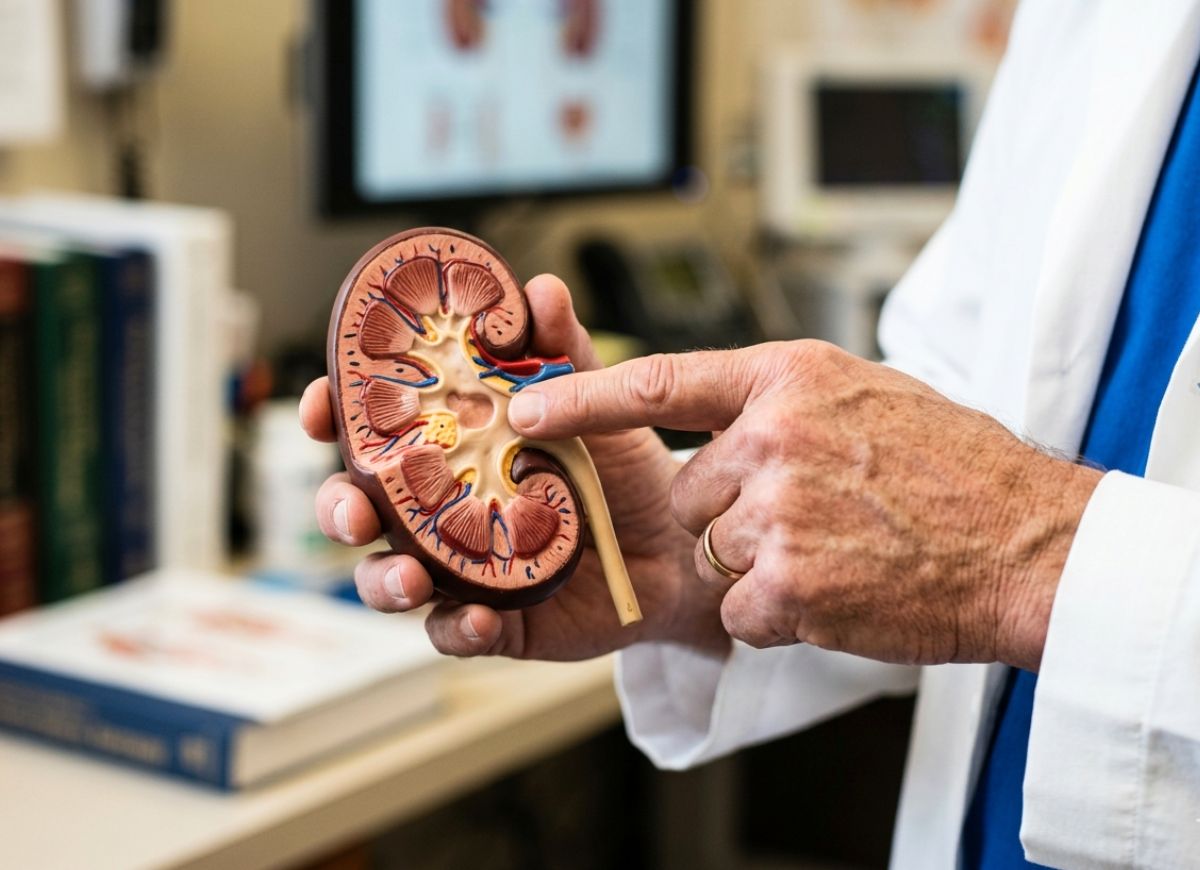
Chronic Kidney Disease (CKD) is a widespread health condition that can develop gradually without causing obvious symptoms in its early stages. According to the Centers for Disease Control and Prevention (CDC), millions of adults in the United States have CKD, and many are unaware that their kidneys are not functioning normally. Because the disease can remain unnoticed for years, it is often described as a “silent” condition.
Your kidneys perform several essential jobs every day. They remove waste products from the blood, help control fluid levels, regulate minerals and electrolytes, contribute to blood pressure control, and produce hormones involved in red blood cell production. When kidney function begins to decline, these processes can gradually become less effective.
One of the biggest challenges with CKD is that noticeable symptoms may not appear until kidney function has already been significantly reduced. This is why identifying possible warning signs and having appropriate testing when you are at risk can be so important.
People with diabetes, high blood pressure, cardiovascular disease, or a family history of kidney disease may have a greater risk of developing CKD. Routine blood and urine testing can sometimes detect kidney problems before a person feels unwell.
Below are 10 symptoms and changes that can occur with chronic kidney disease. These signs do not automatically mean that someone has CKD, since many can have other causes. However, persistent or unexplained symptoms should be discussed with a healthcare professional.
10 Silent Symptoms of Chronic Kidney Disease
The symptoms associated with CKD can vary depending on how much kidney function has been lost and what is causing the disease. Some changes are related to the accumulation of waste products, while others result from problems with fluid, mineral, hormone, or electrolyte regulation.
Because many of these symptoms can also occur with less serious conditions, they are easy to overlook. Fatigue may be blamed on poor sleep, swelling may be attributed to standing for too long, and frequent urination may seem like a normal part of getting older.
Understanding the possible connection between these symptoms and kidney function can make it easier to recognize when medical evaluation may be appropriate.
Symptom 1: Persistent Fatigue
Ongoing fatigue is a common problem among people with chronic kidney disease. It can become especially noticeable as kidney function decreases and waste products begin accumulating in the blood.
Healthy kidneys remove numerous waste substances from the bloodstream. When the kidneys are unable to perform this job efficiently, waste products can build up and contribute to feelings of weakness, tiredness, and reduced energy.
Anemia is another important reason people with CKD may experience fatigue. Healthy kidneys produce a hormone called erythropoietin (EPO), which helps signal the bone marrow to make red blood cells. As kidney disease progresses, damaged kidneys may produce less EPO.
A reduction in red blood cells can decrease the amount of oxygen delivered throughout the body. This may result in tiredness, weakness, shortness of breath, dizziness, and difficulty concentrating.
Because fatigue is extremely common and can result from many different causes, it is not a specific sign of kidney disease by itself. However, persistent unexplained fatigue, particularly when combined with other symptoms, deserves medical attention.
Symptom 2: Trouble Sleeping
Sleep problems are frequently reported by people living with chronic kidney disease. Some individuals have difficulty falling asleep, while others wake repeatedly during the night or fail to feel rested after sleeping.
Several factors may contribute to sleep problems in CKD. Changes in kidney function can lead to the accumulation of waste products, itching, muscle discomfort, restless legs, and changes in fluid balance. These problems can make it harder to maintain uninterrupted sleep.
Sleep apnea is also more common among people with kidney disease. With sleep apnea, breathing repeatedly stops and starts during sleep. The condition can cause frequent brief awakenings, although the person may not remember them in the morning.
Fluid retention can contribute to breathing problems during sleep in some people. Sleep disturbances can then create another cycle in which poor nighttime sleep contributes to daytime fatigue and reduced quality of life.
If persistent insomnia, loud snoring, gasping during sleep, or excessive daytime sleepiness occurs, it is worth discussing these symptoms with a healthcare professional.
Symptom 3: Persistent Itchy or Dry Skin
Intense or persistent itching, medically known as pruritus, can occur in people with more advanced CKD. Kidney-related itching may affect large areas of the body and can sometimes become severe enough to interfere with sleep and everyday activities.
As kidney function declines, the body’s ability to maintain the proper balance of minerals and other substances becomes impaired. Changes involving phosphorus, calcium, parathyroid hormone, and inflammation may contribute to itching associated with CKD.
Dry skin can also make the problem worse. People with kidney disease may experience changes in sweating and skin moisture, which can weaken the skin barrier and increase irritation.
Kidney-related itching does not always have one single cause, and it is not necessarily caused by mineral deposits in the skin as is sometimes suggested. Other factors, including inflammation and changes in nerve signaling, may also play a role.
Persistent itching without an obvious explanation should be evaluated, particularly if it occurs along with other signs of kidney problems.
Symptom 4: Frequent Urination
Changes in urination can sometimes provide an early clue that something is affecting kidney function. One possible change is needing to urinate more frequently, particularly during the night.
Healthy kidneys concentrate urine so that the body can eliminate waste while conserving water. Damage to the kidneys can interfere with their ability to concentrate urine effectively. This may result in larger amounts of more diluted urine.
Frequent nighttime urination is called nocturia. Waking once occasionally may not be concerning, but repeatedly getting up to use the bathroom can have many possible causes, including kidney disease, diabetes, urinary tract problems, certain medications, and prostate conditions.
For this reason, frequent urination should not automatically be assumed to mean CKD. However, persistent changes in urinary habits, especially when accompanied by swelling, fatigue, foamy urine, or blood in the urine, should be discussed with a healthcare provider.
Symptom 5: Blood in the Urine
Blood in the urine, known medically as hematuria, can sometimes indicate a problem involving the kidneys or urinary tract.
Healthy kidney filters normally prevent blood cells from passing into the urine. When certain kidney diseases damage these filters, red blood cells may leak into the urine.
Blood in the urine may be visible, making the urine appear pink, red, or brown. In other cases, the amount of blood is so small that it can only be detected through laboratory testing. This is called microscopic hematuria.
There are many possible causes of blood in the urine. These include kidney stones, urinary tract infections, kidney inflammation, certain medications, trauma, and other urinary tract conditions. Some kidney diseases, including polycystic kidney disease, can also cause hematuria.
Visible blood in the urine should not be ignored. A healthcare professional can perform urine testing and other examinations to determine the underlying cause.
Symptom 6: Foamy or Bubbly Urine
Urine that repeatedly appears unusually foamy or bubbly may sometimes indicate excess protein in the urine, a condition called proteinuria or albuminuria.
Healthy kidney filters normally keep important proteins, including albumin, in the bloodstream. When the filtering units become damaged, protein can pass through the filters and enter the urine.
A small amount of bubbles or foam can occur for completely harmless reasons, such as the speed of urination or cleaning products in the toilet. Therefore, occasional bubbles do not necessarily indicate kidney disease.
Persistent or unusually foamy urine, however, may warrant a urine test. A healthcare professional can measure albumin in the urine using an albumin-to-creatinine ratio (ACR) test.
Protein in the urine can occur with conditions such as diabetes, high blood pressure, glomerular diseases, and other kidney disorders. Detecting albuminuria can help identify kidney damage before more noticeable symptoms develop.
Symptom 7: Puffiness Around the Eyes
Swelling around the eyes, especially after waking up, can sometimes occur when the kidneys are not functioning properly.
One possible reason is the loss of albumin through damaged kidney filters. Albumin helps keep fluid inside blood vessels. When substantial amounts of albumin are lost in the urine, fluid can move into surrounding tissues.
The tissues around the eyes are relatively loose, making this area particularly noticeable when fluid accumulates. As a result, kidney-related fluid retention may sometimes appear as puffiness around the eyes.
However, swollen eyelids are not specific to kidney disease. Allergies, sinus problems, lack of sleep, irritation, and other conditions can produce a similar appearance.
Persistent swelling, especially when it occurs with swollen ankles, foamy urine, or unexplained weight gain, should be evaluated.
Symptom 8: Swollen Feet and Ankles
Swelling of the feet, ankles, and lower legs is another possible sign of reduced kidney function. The medical term for this type of swelling is peripheral edema.
The kidneys normally help regulate sodium and water levels. When kidney function becomes impaired, the body may retain more sodium and fluid than it should. This additional fluid can accumulate in the tissues, particularly in the lower legs because of gravity.
Kidney-related swelling may leave an indentation when you press on the affected area for several seconds. This is known as pitting edema.
Low blood levels of albumin can also contribute to fluid movement into tissues, particularly in kidney diseases that cause significant protein loss in the urine.
Swelling of the legs can also result from heart disease, liver disease, venous problems, certain medications, and other conditions. New or unexplained swelling therefore deserves proper evaluation rather than being automatically attributed to CKD.
Symptom 9: Reduced Appetite
A noticeable decline in appetite can occur as kidney disease becomes more advanced. When kidney function is significantly reduced, waste products can accumulate in the bloodstream and contribute to nausea, changes in taste, and reduced interest in food.
Some people with advanced kidney disease describe a metallic or unpleasant taste in their mouth. Others may feel nauseated or become full after eating only a small amount.
These changes can make eating difficult. If poor appetite continues for an extended period, it may result in unintended weight loss and inadequate nutrition, which can contribute to weakness and other complications.
Because poor appetite can occur with infections, digestive conditions, medications, stress, and numerous other health problems, it should not be considered a specific CKD symptom. Persistent appetite changes should be investigated, particularly when they occur with fatigue, nausea, swelling, or changes in urination.
Symptom 10: Frequent Muscle Cramps
Repeated muscle cramps can occur in people with chronic kidney disease, particularly when kidney function is significantly impaired.
The kidneys help maintain appropriate levels of electrolytes and minerals, including calcium, phosphorus, sodium, and potassium. Kidney disease can disturb these balances, potentially affecting normal nerve and muscle function.
Fluid changes can also contribute to cramping. People receiving dialysis may experience muscle cramps during or after treatment because fluid is removed from the body relatively quickly.
Other causes of muscle cramps include dehydration, certain medications, strenuous exercise, circulation problems, and electrolyte abnormalities unrelated to CKD.
If muscle cramps are persistent, severe, or accompanied by weakness or other symptoms, medical evaluation can help identify the underlying cause.
What Exactly Is Chronic Kidney Disease?
Chronic Kidney Disease is a long-term condition in which the kidneys become damaged or lose some of their ability to function properly over time.
The kidneys perform several essential functions. They filter waste from the blood, regulate fluid and electrolyte levels, help control blood pressure, maintain mineral balance, and produce hormones involved in red blood cell production.
One reason CKD can remain unnoticed is that the kidneys have considerable functional reserve. A person may have substantial kidney damage before experiencing obvious symptoms.
During the earlier stages of disease, the remaining healthy portions of the kidneys may compensate for damaged areas. This can allow the body to continue functioning relatively normally even though kidney damage is already present.
As kidney function continues to decline, waste products and excess fluid may begin to accumulate. Problems involving anemia, minerals, blood pressure, electrolytes, and bone health can also develop.
Because symptoms may appear late, laboratory testing is particularly important for people who have risk factors such as diabetes or high blood pressure.
The Five Stages of Chronic Kidney Disease
CKD is generally classified into stages based primarily on estimated glomerular filtration rate (eGFR), together with evidence of kidney damage. The stage helps healthcare professionals understand the severity of kidney impairment and determine appropriate monitoring and treatment.
Stage 1
Stage 1 CKD involves an eGFR of 90 mL/min/1.73 m² or higher along with evidence of kidney damage, such as persistent albumin in the urine or structural abnormalities.
Kidney function may appear normal at this point, and most people do not experience noticeable symptoms. Treatment focuses on identifying the underlying cause and protecting kidney function.
Stage 2
Stage 2 CKD is generally associated with an eGFR of 60–89 mL/min/1.73 m² along with evidence of kidney damage.
Many people still have no obvious symptoms. Managing blood pressure, blood sugar, cholesterol, and other underlying health conditions can help reduce the risk of further kidney damage.
Stage 3
Stage 3 represents a moderate reduction in kidney function and is divided into two categories:
- Stage 3a: eGFR 45–59 mL/min/1.73 m²
- Stage 3b: eGFR 30–44 mL/min/1.73 m²
Some people begin experiencing fatigue, swelling, changes in urination, or other complications during this stage. Anemia, mineral and bone abnormalities, and cardiovascular risks may also become more important.
Stage 4
Stage 4 CKD involves a severe reduction in kidney function, generally with an eGFR of 15–29 mL/min/1.73 m².
Symptoms are more likely to become noticeable and may include fatigue, swelling, nausea, appetite changes, and changes in urination. Healthcare professionals may begin discussing preparation for kidney replacement therapy when appropriate.
Stage 5
Stage 5 CKD is kidney failure and is generally defined by an eGFR below 15 mL/min/1.73 m² or the need for dialysis.
At this stage, the kidneys are no longer able to adequately maintain the body’s needs. Depending on the individual’s condition, treatment options may include dialysis, kidney transplantation, or conservative kidney management.
Main Causes and Risk Factors for Chronic Kidney Disease
Diabetes and high blood pressure are among the leading causes of chronic kidney disease in adults.
Diabetes
Persistently elevated blood glucose can damage the small blood vessels and filtering structures inside the kidneys. Over time, this damage can cause albumin to leak into the urine and progressively reduce kidney function.
Both type 1 and type 2 diabetes can contribute to kidney disease. Maintaining healthy blood glucose levels and receiving regular kidney screening can help identify problems earlier.
High Blood Pressure
High blood pressure can damage the blood vessels inside the kidneys. When these vessels become damaged, the kidneys may become less effective at filtering blood.
The relationship also works in the opposite direction: kidney disease can make blood pressure more difficult to control. This can create a cycle in which high blood pressure contributes to kidney damage while declining kidney function further affects blood pressure.
Other Kidney Conditions
Several other medical conditions can lead to CKD, including:
- Glomerulonephritis
- Polycystic kidney disease
- Autoimmune diseases
- Repeated kidney infections
- Congenital kidney abnormalities
- Kidney obstruction
- Certain inherited disorders
Family History
Having a close family member with kidney disease or kidney failure can increase a person’s risk, particularly when the underlying condition has a genetic component.
Polycystic kidney disease is one example of an inherited disorder that can cause progressive kidney damage.
Age
The risk of CKD generally increases with age. Older adults are more likely to have conditions such as diabetes, high blood pressure, and cardiovascular disease that can affect kidney health.
Age-related changes in kidney function can also occur, although a lower eGFR in an older adult does not automatically mean progressive kidney disease.
Smoking
Smoking can damage blood vessels and is associated with cardiovascular disease and poorer kidney health. It can also worsen other risk factors, including high blood pressure.
Stopping smoking is an important part of protecting overall cardiovascular and kidney health.
Excess Weight and Obesity
Excess body weight can increase the risk of diabetes and high blood pressure, both of which can contribute to CKD.
Obesity may also place additional demands on the kidneys. Managing weight through sustainable nutrition, physical activity, and medical guidance can therefore be beneficial for people at risk.
How Is Chronic Kidney Disease Diagnosed?
CKD cannot be diagnosed from symptoms alone. Healthcare professionals typically use blood tests, urine tests, medical history, and sometimes imaging to determine whether kidney damage or reduced kidney function is present.
Two important tests are the estimated glomerular filtration rate (eGFR) and the urine albumin-to-creatinine ratio (UACR or ACR).
Albumin-to-Creatinine Ratio
An ACR urine test checks for albumin, a protein that normally remains in the bloodstream.
When kidney filters are damaged, albumin can leak into the urine. A persistent ACR of 30 mg/g or higher can be a marker of kidney damage, although results need to be interpreted in context and may need to be repeated.
Estimated Glomerular Filtration Rate
The eGFR estimates how efficiently the kidneys filter blood. It is calculated using a blood creatinine measurement and other factors.
An eGFR below 60 mL/min/1.73 m² that persists for at least three months can indicate chronic kidney disease. However, diagnosis depends on the complete clinical picture.
Doctors may also order additional tests, including electrolyte measurements, blood counts, kidney imaging, urine analysis, or other investigations depending on the suspected cause.
How Can Chronic Kidney Disease Be Managed?
There is no single treatment plan that works for everyone with CKD. Management depends on the underlying cause, stage of kidney disease, laboratory results, other medical conditions, and whether the person is receiving dialysis.
Follow a Kidney-Friendly Diet
Nutrition can play an important role in CKD management. However, dietary restrictions should be individualized rather than applied equally to everyone.
Depending on kidney function and laboratory results, a healthcare professional may recommend adjusting sodium, potassium, phosphorus, protein, or fluid intake.
A registered dietitian with experience in kidney disease can help create a suitable eating plan.
Control Blood Pressure
Keeping blood pressure within the target range recommended by a healthcare professional can help protect remaining kidney function.
Certain medications, including ACE inhibitors and angiotensin receptor blockers (ARBs), may be prescribed for people with specific types of kidney disease, particularly when albumin is present in the urine.
Manage Diabetes
For people with diabetes, controlling blood glucose is an important part of protecting the kidneys. Diabetes treatment may include dietary changes, physical activity, medications, and regular monitoring.
Some newer medications may provide kidney and cardiovascular benefits for appropriate patients, so treatment should be discussed with a healthcare professional.
Avoid Kidney-Damaging Medicines and Substances
Some medications can place additional stress on the kidneys. Nonsteroidal anti-inflammatory drugs (NSAIDs), such as ibuprofen and naproxen, can be harmful to kidney function in certain circumstances, particularly with long-term use or in people who already have kidney problems.
People with CKD should ask a healthcare professional or pharmacist before regularly taking over-the-counter medicines or supplements.
Stay Physically Active
Regular physical activity can support cardiovascular health, blood pressure control, and overall well-being. The appropriate type and amount of exercise should take into account a person’s health and physical abilities.
Stop Smoking
Stopping smoking can reduce cardiovascular risks and support overall health. Because cardiovascular disease and kidney disease are closely connected, smoking cessation is particularly important for people with CKD.
Can Chronic Kidney Disease Be Reversed?
Whether kidney function can improve depends on what caused the problem.
Chronic kidney disease generally involves long-term structural or functional damage and is not usually considered completely reversible. However, some factors that temporarily worsen kidney function, such as dehydration, certain medications, infections, or an acute kidney injury, may be treatable.
For established CKD, the main goal is usually to protect the kidney function that remains and slow further progression.
Managing diabetes and high blood pressure, following an appropriate treatment plan, maintaining a healthy lifestyle, avoiding harmful medications when possible, and attending regular medical appointments can all contribute to kidney protection.
People with more advanced disease may need treatment for anemia, mineral and bone abnormalities, fluid retention, or other complications. If kidney failure develops, dialysis or kidney transplantation may become necessary.
FAQs
1. What Are Three Early Warning Signs of Kidney Disease?
Possible warning signs include changes in urination, swelling, and persistent fatigue. A person may notice that they are urinating more frequently, particularly at night, or that their urine looks unusually foamy or contains blood.
Fluid retention can cause swelling around the eyes, feet, ankles, or legs. Persistent fatigue may also occur, particularly when kidney disease contributes to anemia.
However, these symptoms can have many different causes. Testing is needed to determine whether kidney disease is actually present.
2. What Are the Symptoms of Stage 1 Kidney Disease?
Most people with stage 1 CKD do not have noticeable symptoms. Kidney function may still be normal or near normal, but there is evidence of kidney damage.
Stage 1 disease is often discovered through urine testing, blood testing, imaging, or evaluation of an underlying condition.
Early identification provides an opportunity to manage the cause and reduce the risk of progression.
3. What Does Kidney Pain Feel Like?
Kidney-related pain is often felt in the side or back beneath the ribs, sometimes on one side. Depending on the cause, it may feel dull, aching, sharp, or severe.
Kidney stones and kidney infections are examples of conditions that can cause significant pain. Chronic kidney disease itself does not usually cause pain, particularly in its early stages.
Severe pain accompanied by fever, vomiting, blood in the urine, or difficulty urinating requires prompt medical assessment.
4. What Is the Best Way to Check Kidney Health?
Blood and urine tests are among the most important ways to evaluate kidney health.
A blood test can be used to calculate the eGFR, while a urine test can check for albumin or other abnormalities.
People with diabetes, high blood pressure, a family history of kidney disease, or other risk factors may need regular kidney screening.
5. What Is the Fastest Way to Heal the Kidneys?
There is no universal method that can instantly restore damaged kidneys.
The appropriate approach depends on why kidney function is reduced. Treating the underlying problem, controlling blood pressure and blood sugar, avoiding harmful medications, following an appropriate diet, and addressing complications can help protect kidney function.
If kidney function has suddenly declined, identifying and treating the cause promptly can sometimes lead to significant improvement. Sudden changes in kidney function should therefore receive medical attention.
6. How Can I Make My Kidneys Stronger Again?
Rather than trying to “strengthen” the kidneys with a particular food, drink, or supplement, focus on protecting kidney function.
Important steps can include:
- Controlling blood pressure
- Managing diabetes
- Limiting excess sodium
- Maintaining a healthy weight
- Exercising regularly
- Avoiding smoking
- Taking medications as prescribed
- Avoiding unnecessary use of kidney-harming medicines
- Attending recommended kidney screenings
People with established CKD should follow a personalized plan provided by their healthcare team.
7. What Is Stage 3a Chronic Kidney Disease?
Stage 3a CKD generally refers to an eGFR of 45–59 mL/min/1.73 m² that persists for at least three months or is accompanied by other evidence of chronic kidney disease.
Some people have no symptoms at this stage, while others may experience fatigue, swelling, changes in urination, or other complications.
Managing the underlying cause and monitoring kidney function can help reduce the risk of further progression.
8. What Are the Five Stages of Kidney Disease?
CKD is commonly divided into five stages based primarily on eGFR:
- Stage 1: eGFR 90 or higher with evidence of kidney damage
- Stage 2: eGFR 60–89 with evidence of kidney damage
- Stage 3: eGFR 30–59, divided into 3a and 3b
- Stage 4: eGFR 15–29
- Stage 5: eGFR below 15 or kidney failure requiring kidney replacement therapy
The amount of albumin in the urine and other clinical findings are also important when evaluating CKD severity and risk.
9. What Is Stage 2 Renal Failure?
The term “stage 2 renal failure” is not generally the preferred medical terminology. Stage 2 usually refers to stage 2 chronic kidney disease, where the eGFR is 60–89 mL/min/1.73 m² and there is evidence of kidney damage.
At this stage, many people have few or no symptoms. Early identification and management of the underlying cause are important for protecting kidney function.
10. What Is the Relationship Between Type 2 Diabetes and Kidney Disease?
Type 2 diabetes is a major risk factor for chronic kidney disease. Persistently elevated blood glucose can damage the small blood vessels and filtering structures inside the kidneys.
One of the earliest measurable signs can be increased albumin in the urine. As kidney damage progresses, eGFR may begin to decline.
Managing blood glucose, blood pressure, cholesterol, and other cardiovascular risk factors can help protect kidney health. People with diabetes should discuss appropriate kidney screening with their healthcare provider.
Conclusion
Chronic Kidney Disease can develop gradually, and many people have no obvious symptoms during its early stages. This makes awareness and appropriate screening particularly important for individuals who have risk factors such as diabetes, high blood pressure, cardiovascular disease, or a family history of kidney problems.
Symptoms such as persistent fatigue, changes in urination, foamy urine, swelling, itching, poor appetite, sleep problems, or muscle cramps can occur with kidney disease, although none of these signs alone confirms CKD.
The most reliable way to evaluate kidney health is through appropriate medical testing, including blood and urine tests. Early identification can give healthcare professionals an opportunity to address the underlying cause, manage complications, and protect remaining kidney function.
If you notice persistent or unexplained changes in your urine, swelling, fatigue, or other concerning symptoms, discussing them with a healthcare professional is an important step. Kidney disease is easier to manage when it is recognized and treated as early as possible.