
7 Early Signs of Vulvar Cancer For Health Knowledge
Vulvar cancer is uncommon, but it is a serious condition affecting the external genital area. Like many cancers, finding it early can make diagnosis and treatment more manageable. The problem is that early vulvar cancer symptoms can look similar to everyday issues such as irritation, infections, eczema, or minor skin injuries.
Being familiar with changes in the vulvar area can help women recognize when something needs medical attention. Persistent itching, unusual skin changes, sores, lumps, or unexplained pain should not automatically be assumed to be a simple infection.
In this article, we’ll discuss 7 early signs of vulvar cancer that women should know about. Understanding these warning signs and knowing when to contact a healthcare professional can help ensure that unusual changes are evaluated promptly.
Anatomy and the Biological Meaning of Vulvar Tissue
To understand vulvar health, it is helpful to first know what the vulva includes. The term vulvar refers to the external female genital structures, including the labia majora, labia minora, clitoris, vaginal opening, and nearby external tissues.
The vulva helps protect the openings of the reproductive and urinary systems. Because this area is exposed to moisture, friction, hormonal changes, and various products, its skin can be affected by many different conditions.
The Sensitivity of the Vulvar Area and Dermatological Health
The vulvar area is sensitive and can react to soaps, detergents, fragrances, tight clothing, shaving, hormonal changes, and other irritants. Conditions such as eczema, dermatitis, yeast infections, and other skin disorders can therefore cause itching, redness, burning, or discomfort.
However, persistent or unusual changes should not always be assumed to be irritation. A new lump, sore, change in skin color, or ongoing itching that does not improve deserves professional evaluation.
Paying attention to what is normal for your own body can make it easier to notice changes that may require further investigation.
Identifying Potential Signs of Vulvar Malignancy and Cellular Changes
Vulvar cancer can develop in different types of cells within the vulvar tissue. In some cases, abnormal cellular changes may occur before invasive cancer develops.
These changes can sometimes appear as altered skin texture, unusual pigmentation, persistent itching, sores, or a new growth. Because many of these symptoms can also occur with harmless conditions, a healthcare professional may need to examine the area and perform a biopsy when necessary.
Recognizing the Development and Risks of VIN Vulvar Intraepithelial Neoplasia
Vulvar intraepithelial neoplasia, commonly called VIN, refers to abnormal cells located in the surface layers of the vulvar skin. VIN is not the same as invasive vulvar cancer, but certain forms can increase the risk of developing cancer if they are not appropriately monitored or treated.
VIN can be associated with human papillomavirus (HPV) or with other vulvar skin conditions. Because the appearance and symptoms can vary, medical evaluation is important when unusual vulvar changes persist.
Distinguishing Symptoms of VIN Vulva from Common Irritations
VIN can sometimes resemble common skin irritation or infection. A person may experience persistent itching, burning, discomfort, or notice an area of skin that looks different from the surrounding tissue.
Visible changes may include white, red, brown, gray, or darker patches, depending on the type of lesion and the individual’s skin tone. Some lesions may also appear thickened or raised.
Because these symptoms overlap with many noncancerous conditions, a biopsy may be needed to determine exactly what is causing the abnormal area.
The Progression from Precancerous Cells to Vulvar Malignancy
Some forms of VIN can increase the risk of invasive vulvar cancer. However, not every case of VIN progresses to cancer, and the likelihood depends on factors such as the type of VIN and the person’s individual health history.
Invasive vulvar cancer occurs when abnormal cells move beyond the surface layer and grow into deeper tissues. From there, some cancers can spread to nearby lymph nodes or other parts of the body.
This is why persistent abnormal vulvar changes should be evaluated rather than ignored.
Clinical Management of VIN Vulvar Intraepithelial Neoplasia
Treatment for VIN depends on the type, location, severity, and appearance of the abnormal cells. A healthcare professional may recommend close monitoring, topical treatment, laser treatment, or surgery depending on the circumstances.
The goal is to manage abnormal cells and reduce the risk of progression while preserving as much healthy vulvar tissue as possible.
Persistent itching, burning, new skin changes, or unexplained lesions should be discussed with a gynecologist or other qualified healthcare professional.
Distinguishing Squamous Cell vs. Melanoma Vulvar Cancer Symptoms
Most vulvar cancers are squamous cell carcinomas, which develop from squamous cells lining the vulvar skin. A smaller number are melanomas, which begin in pigment-producing cells called melanocytes.
Because these cancers develop from different cell types, their appearance can vary. Squamous cell cancer may appear as a lump, sore, thickened area, or abnormal patch of skin, while melanoma may involve a dark or changing pigmented lesion.
Identifying Specific Melanoma Vulvar Cancer Symptoms and Visual Changes
Melanoma of the vulva can sometimes resemble an ordinary mole or pigmented spot. Changes in a lesion are particularly important to notice.
Warning signs can include a new dark spot or a pre-existing mole that changes in size, shape, color, or appearance. An irregular border, multiple colors, bleeding, or a lesion that continues to evolve should be examined by a healthcare professional.
Not every dark spot is cancerous, but a changing pigmented lesion should not be ignored.
Understanding the Aggressive Nature of Melanoma Vulva Cancer
Vulvar melanoma is uncommon, but melanoma can behave aggressively and may spread if it is not detected and treated early.
A changing dark lesion anywhere on the vulva should therefore be evaluated rather than assumed to be a harmless mole. A dermatologist, gynecologist, or gynecologic oncologist may determine whether a biopsy is appropriate.
Squamous Cell Carcinoma and the Role of Chronic Irritation
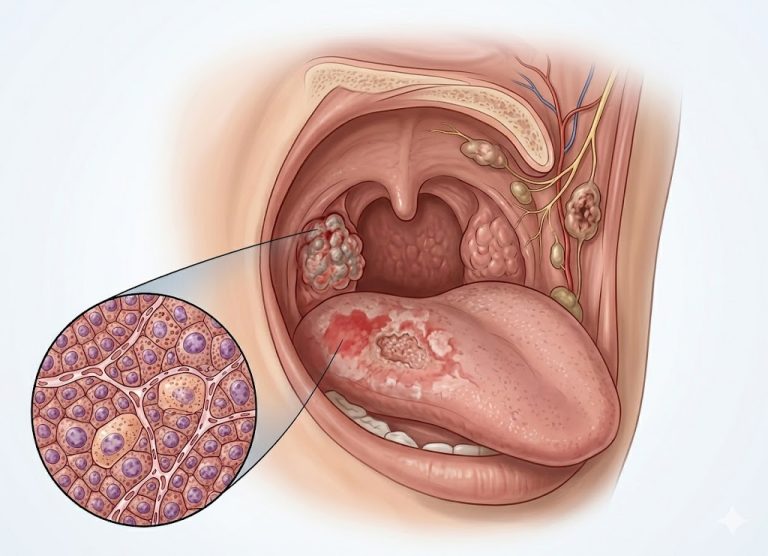
Squamous cell vulvar cancer may appear as a lump, ulcer, thickened patch, wart-like growth, or area of abnormal skin. Some people also experience itching or irritation around the affected area.
Chronic vulvar skin conditions can sometimes be associated with an increased risk of vulvar cancer. However, ordinary irritation does not automatically mean cancer is developing.
Any persistent or changing lesion should be examined so that the actual cause can be identified.
Recognizing Skin Cancer on Vulva Symptoms and Textural Anomalies
Vulvar skin cancer can produce changes in texture as well as color. The affected area may become thicker, scaly, rough, ulcerated, or different from the surrounding skin.
Persistent burning or discomfort may also occur, although these symptoms are not specific to cancer. Conditions such as infections, dermatitis, and other vulvar disorders can cause similar problems.
A physical examination is the best way to determine whether an unusual area is a benign skin condition or something requiring further testing.
7 Early Signs of Vulvar Cancer Every Woman Should Know
Knowing the possible early signs of vulvar cancer can help women recognize changes that deserve medical attention. Many of these symptoms have harmless causes, but persistence or progression makes professional evaluation particularly important.
Persistent Vulvar Itching on One Side
Persistent itching is one of the symptoms that can occur with vulvar cancer, although it is much more commonly caused by noncancerous conditions.
If itching remains concentrated in one area, continues for an extended period, or does not improve after appropriate treatment, it should be checked by a healthcare professional. Ongoing itching may be associated with a skin disorder, VIN, or another condition that requires treatment.
The Presence of a Vulvar Lump Under Skin
A new lump beneath the vulvar skin can have many possible causes, including cysts, blocked glands, inflammation, or other benign growths.
However, a lump that is firm, continues growing, remains present, or appears without an obvious explanation should be evaluated. A painless lump should not automatically be considered harmless simply because it does not hurt.
Chronic Vulvar Burning and Tenderness
Persistent vulvar burning, soreness, or tenderness can result from infections, skin disorders, hormonal changes, or other conditions. In some cases, these symptoms may occur alongside vulvar cancer.
Pay particular attention when burning is focused in one area and occurs with a visible sore, lump, skin discoloration, or another unusual change. A healthcare professional can determine whether additional testing is needed.
Visible Skin Changes and Discoloration
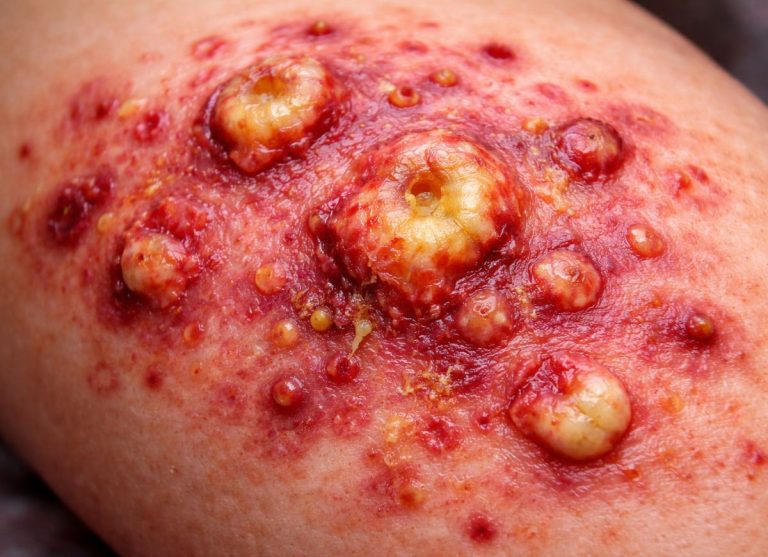
Changes in the appearance of vulvar skin can include unusual white, red, brown, gray, or dark patches. The skin may also become thickened, scaly, rough, or wart-like.
Lichen sclerosus is one example of a noncancerous vulvar skin condition that can cause significant skin changes and is associated with an increased risk of vulvar squamous cell carcinoma.
Any new or persistent change in the appearance of the vulva should be evaluated, particularly if it continues to change.
Open Sores or Ulcerations
A sore or ulcer that does not heal can be an important warning sign. Minor cuts, irritation, and infections generally improve over time, while a persistent ulcer requires further evaluation.
A vulvar sore that repeatedly bleeds, becomes larger, develops a hard edge, or remains present despite treatment should be examined by a healthcare professional.
Pain During Urination or Intercourse
Vulvar conditions can sometimes cause discomfort during urination or sexual activity. If a lesion, swelling, sore, or tumor is located close to the urethra or vaginal opening, it may contribute to pain or irritation.
Pain during urination or intercourse has many possible causes and does not by itself indicate cancer. However, new or persistent pain accompanied by other vulvar changes should be discussed with a doctor.
Changes in a Pre-existing Mole
A mole or pigmented spot on the vulva should be monitored for noticeable changes. Signs that deserve professional attention include changes in size, shape, color, or elevation.
The ABCDE approach Asymmetry, Border irregularity, Color variation, Diameter, and Evolution can help identify changing pigmented lesions. However, these guidelines are not a diagnosis, and any concerning or changing lesion should be examined by a professional.
Diagnostic Steps for a Vulvar Lump Under Skin
Finding a new vulvar lump does not mean that you have cancer. Many vulvar lumps are caused by harmless conditions, including cysts and blocked glands.
However, a persistent, firm, growing, or unexplained lump should be assessed. During an examination, a healthcare professional may evaluate its size, location, texture, mobility, and appearance.
Advanced Visualization and Colposcopy
When unusual skin changes are present, a healthcare professional may use magnification to examine the vulvar tissue more closely. A colposcope can provide a magnified view of the area and help identify abnormal regions.
Depending on the appearance of the tissue, additional testing may be recommended. Visual examination alone cannot always determine whether a lesion is cancerous.
The Punch Biopsy: The Gold Standard for Diagnosis
A biopsy is the definitive way to determine whether abnormal vulvar tissue contains cancerous or precancerous cells.
During a punch biopsy, a small sample of tissue is removed, usually after applying a local anesthetic. The sample is then examined by a pathologist under a microscope.
The biopsy results can help determine whether the area represents inflammation, a benign condition, VIN, squamous cell carcinoma, melanoma, or another diagnosis.
Identifying Potential Melanoma Vulva Cancer
If a vulvar lesion is dark or has changed in appearance, melanoma may be considered among the possible diagnoses. A biopsy allows specialists to examine the lesion and determine the type of cells involved.
For melanoma, the pathology report can provide important information about the depth and characteristics of the tumor. This information helps doctors determine the appropriate next steps.
When to See a Doctor for Vulvar Cancer Symptoms
Many vulvar symptoms have causes that are not cancerous. However, symptoms that persist, worsen, or fail to respond to appropriate treatment should be professionally evaluated.
You should arrange a medical appointment if you notice a persistent lump, unexplained skin changes, ongoing itching, a sore that does not heal, unusual bleeding, or a new or changing pigmented lesion.
Critical Red Flags and Physical Changes
Important changes to discuss with a healthcare professional include a new or growing vulvar lump, persistent ulcers, unexplained bleeding, significant changes in skin color or texture, and a dark lesion that changes in size or appearance.
You should also seek medical attention if symptoms continue despite treatment for a suspected infection or irritation.
Early evaluation does not mean that cancer is present. It simply allows the actual cause of the symptoms to be identified and treated appropriately.
Addressing Common Misunderstandings
It is easy to confuse vulvar cancer symptoms with common conditions such as yeast infections, dermatitis, cysts, or other forms of irritation. This is one reason persistent symptoms should not be repeatedly self-treated without medical evaluation.
Whether the problem is a harmless skin condition, VIN, or vulvar cancer, an accurate diagnosis is important. If something looks or feels different and does not improve, speaking with a healthcare professional is the safest approach.
Conclusion
Vulvar cancer is rare, but recognizing unusual changes can help women seek appropriate care sooner. Persistent itching, new lumps, changes in skin color or texture, sores that do not heal, unexplained pain, and changing moles are among the symptoms that deserve attention.
These signs do not automatically mean that cancer is present. Many common and treatable conditions can cause similar symptoms. However, persistent or unexplained changes should be evaluated rather than ignored.
Regular attention to your vulvar health and timely medical examinations can help identify abnormal conditions early. If you notice a change that concerns you, contact a healthcare professional for an examination and appropriate testing.
Frequently Asked Questions Regarding Vulvar Cancer
Understanding the difference between common vulvar problems and symptoms that require medical evaluation can help women make informed decisions about their health.
What is the difference between a benign cyst and a suspicious vulvar lump under skin?
A benign cyst may feel soft, smooth, or fluid-filled and can sometimes be tender. Some cysts may also move slightly beneath the skin.
A suspicious lump may be firm, fixed, persistent, or continue increasing in size. However, physical characteristics alone cannot determine whether a lump is cancerous.
Any unexplained lump that remains present or changes over time should be examined by a healthcare professional.
Can vulvar itching on one side be caused by anything other than vulvar cancer?
Yes. One-sided vulvar itching can have many causes, including eczema, dermatitis, allergic reactions, yeast infections, irritation, and other skin conditions.
Vulvar cancer is much less common, but persistent itching that does not improve with appropriate treatment should be evaluated. A doctor may examine the skin and perform additional testing if necessary.
Is VIN vulvar intraepithelial neoplasia always considered cancerous?
No. VIN refers to abnormal cells in the surface layer of vulvar skin and is not the same as invasive vulvar cancer.
Some forms of VIN can increase the risk of developing vulvar cancer, so appropriate follow-up and treatment are important. The recommended management depends on the specific type and severity of the abnormal cells.
How do I perform a self-exam for skin cancer on vulva symptoms?
A simple self-check can help you become familiar with your normal vulvar appearance. In a private, well-lit area, you can use a hand mirror to look for new or changing lumps, sores, unusual patches, or changes in the color and texture of the skin.
Pay attention to pigmented areas that change in size, shape, border, or color. If you notice something new or unusual that persists, arrange an examination with a healthcare professional.
Why is it called a vulvar malignancy instead of just regular skin cancer?
Vulvar cancer refers to cancers that develop in the tissues of the vulva. These tissues have different structures and functions from skin found on areas such as the arms or legs.
The most common type is squamous cell carcinoma, although other types, including melanoma, can occur. Because of the location and the nearby lymphatic structures, diagnosis and treatment may involve gynecologists, dermatologists, oncologists, or specialized gynecologic oncology teams.