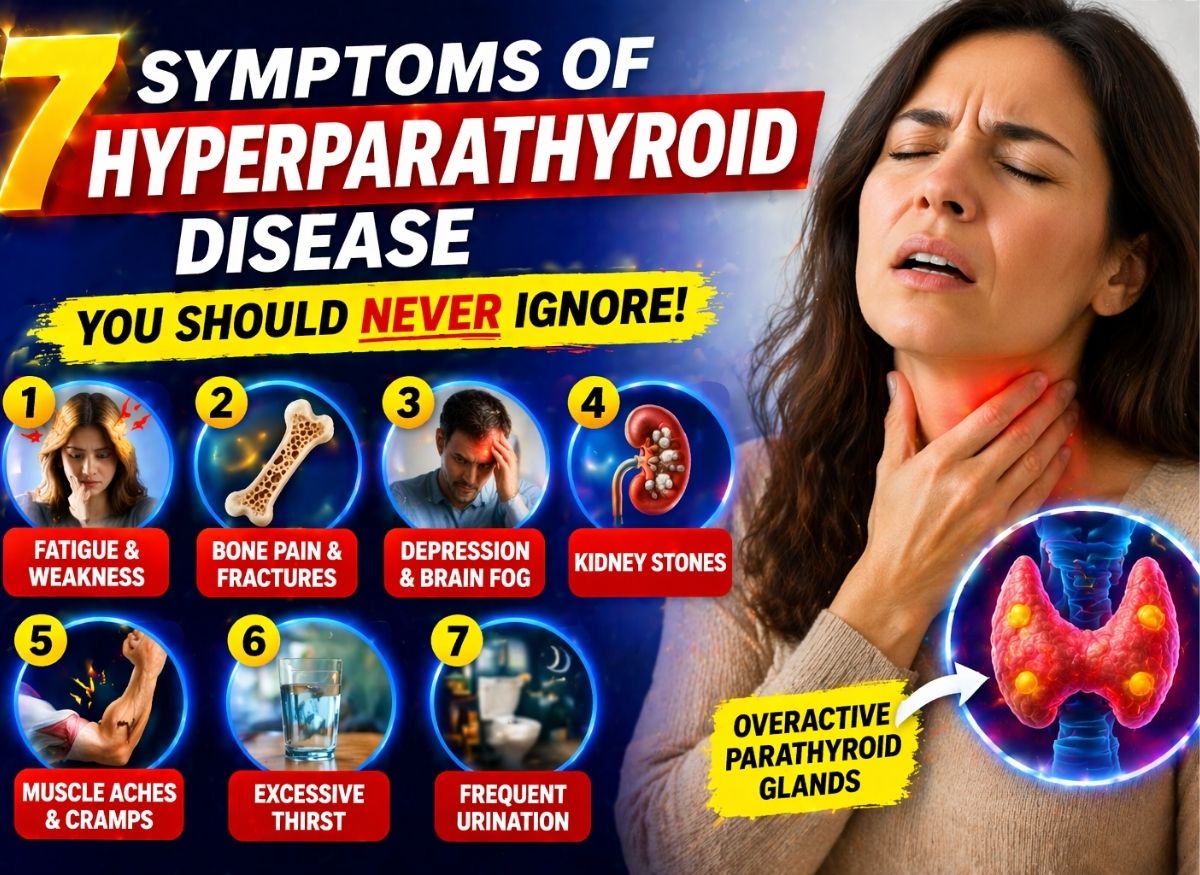
7 Symptoms of Hyperparathyroid Disease You Should Never Ignore
Hyperparathyroid disease, also called hyperparathyroidism, develops when one or more of the parathyroid glands become overactive and produce too much parathyroid hormone (PTH). These small glands help regulate calcium and phosphorus in the body. When PTH levels become too high, calcium can build up in the bloodstream and affect important organs, including the bones and kidneys.
Hyperparathyroidism can develop slowly, and some people have few or no obvious symptoms at first. However, untreated disease may contribute to problems such as weakened bones, kidney stones, and other health complications. Recognizing possible warning signs can help you know when it is worth discussing calcium and PTH testing with a healthcare professional.
In this article, “7 Symptoms of Hyperparathyroid Disease You Should Never Ignore,” we’ll look at common symptoms, possible causes, diagnostic tests, differences between hyperparathyroidism and hypoparathyroidism, and potential long-term complications.
What is Hyperparathyroid Disease?
Hyperparathyroid disease is an endocrine disorder involving the parathyroid glands, which are usually four small glands located in the neck near the thyroid. Their main job is to help keep blood calcium levels within a healthy range by producing parathyroid hormone (PTH).
When calcium levels fall, PTH helps raise them by affecting the bones, kidneys, and the way the intestines absorb calcium. Once calcium levels are adequate, PTH production normally decreases.
In hyperparathyroidism, this system becomes disrupted. One or more glands may continue producing too much PTH, causing calcium levels to rise or remain higher than they should.
The Broken Feedback Loop: Primary Hyperparathyroidism
Primary hyperparathyroidism occurs when the problem begins in the parathyroid glands themselves. One of the most common causes is a benign growth called a parathyroid adenoma. This abnormal tissue can produce PTH independently of the body’s normal calcium feedback system.
As a result, PTH may remain elevated even when blood calcium is already high. Over time, this can cause calcium to be released from bones and increase the amount of calcium handled by the kidneys.
Hyperparathyroidism can also be mild or relatively symptom-free, especially when it is discovered through routine blood testing. In some situations, calcium may be near the upper end of the normal range while PTH is higher than expected. Doctors evaluate these results together rather than looking at a single number in isolation.
Systemic Manifestations: Bones, Stones, and Groans
Hyperparathyroidism is sometimes remembered using the phrase “bones, stones, abdominal groans, and psychic moans.” The phrase refers to the broad range of symptoms that can occur when PTH and calcium levels are abnormal.
Bones refers to bone loss and, in more advanced cases, fractures. Excess PTH can increase bone turnover and reduce bone density.
Stones refers to kidney stones, which may develop when too much calcium is excreted through the urine.
Abdominal groans describes digestive symptoms such as constipation, nausea, and abdominal discomfort that can occur with elevated calcium.
Psychic moans refers to symptoms such as fatigue, difficulty concentrating, mood changes, and mental fog that some people experience.
Not everyone with hyperparathyroidism develops all of these symptoms. Some people have no noticeable symptoms at all.
Deciphering the Lab Results: PTH and Calcium
Doctors generally interpret PTH together with calcium levels because the two are closely connected.
In primary hyperparathyroidism, blood calcium is often elevated while PTH is elevated or remains inappropriately normal. Normally, high calcium should signal the parathyroid glands to reduce PTH production.
Primary Hyperparathyroidism: This typically involves elevated calcium with an elevated or inappropriately normal PTH level because the parathyroid gland is producing more hormone than the body needs.
Secondary Hyperparathyroidism: In this form, the parathyroid glands are responding to another problem that is causing the body to struggle with calcium balance. Common causes include vitamin D deficiency and chronic kidney disease. PTH may be elevated while calcium is normal or low.
The “Normal PTH” Trap: A PTH result can fall within the laboratory’s stated normal range and still be considered inappropriate if blood calcium is high. In that situation, the PTH should normally be suppressed. Doctors therefore consider the relationship between calcium and PTH rather than relying on the PTH number alone.
7 Warning Signs of Hyperparathyroid Disease
The symptoms of hyperparathyroidism can vary considerably from person to person. Some individuals have noticeable symptoms, while others discover the condition during routine blood work.
The following seven warning signs are worth discussing with a healthcare professional, particularly when several occur together or remain unexplained.
Profound Fatigue and “Psychic Moans”
Persistent fatigue is a common complaint among people with symptomatic hyperparathyroidism. This type of tiredness may continue even after getting enough sleep and may interfere with normal daily activities.
Elevated calcium can also be associated with changes in mood and concentration. Some people experience irritability, low mood, difficulty concentrating, or a feeling of mental sluggishness often described as “brain fog.”
Because these symptoms are common with many other conditions, they cannot confirm hyperparathyroidism by themselves. Blood testing is needed to determine whether abnormal calcium and PTH levels are involved.
Bone Pain and Skeletal Demineralization
The “bones” in the classic hyperparathyroidism phrase refer to the effects that excess PTH can have on the skeleton.
Long-term overproduction of PTH can increase bone turnover and contribute to reduced bone mineral density. Some people experience aching in the bones or joints, while others may have no obvious pain despite losing bone density.
Over time, significant bone loss can lead to osteopenia or osteoporosis and increase the risk of fractures. Rarely, severe longstanding hyperparathyroidism can cause brown tumors, which are areas of bone damage associated with excessive bone turnover.
Unexplained fractures or significant bone loss should always be evaluated, especially when they occur without a major injury.
Recurrent Kidney Stones
Kidney stones are another well-known complication associated with primary hyperparathyroidism.
When blood calcium is elevated, the kidneys may excrete more calcium into the urine. High urinary calcium can contribute to the formation of calcium-based kidney stones.
People who experience repeated kidney stones may need evaluation for underlying causes, including disorders involving calcium and PTH. Identifying hyperparathyroidism can help address an underlying contributor rather than simply treating each stone episode separately.
Increased Thirst and Urination
Excessive thirst and frequent urination can occur when calcium levels become significantly elevated.
Hypercalcemia can interfere with the kidneys’ ability to concentrate urine. As a result, some people may urinate more often and feel unusually thirsty.
These symptoms are not specific to hyperparathyroidism. Diabetes, certain medications, dehydration, kidney conditions, and other disorders can cause similar problems. Persistent or unexplained thirst and urination should therefore be evaluated rather than assumed to be caused by one condition.
Abdominal Groans: Constipation and Pain
Elevated calcium can affect the digestive system and slow gastrointestinal movement.
As a result, some people with hyperparathyroidism develop constipation, nausea, reduced appetite, or general abdominal discomfort. These symptoms can be difficult to connect to a parathyroid disorder because they are also common with many digestive conditions and medications.
Persistent constipation or abdominal pain should not automatically be attributed to hyperparathyroidism. A healthcare professional can determine whether calcium abnormalities or another condition may be responsible.
Memory Issues and Cognitive Decline
Some people with hyperparathyroidism report problems with concentration, memory, or mental clarity.
You may notice difficulty finding words, trouble focusing on tasks, or a general feeling that your thinking is slower than usual. These symptoms are sometimes described as “brain fog.”
However, cognitive symptoms can have many possible causes, including sleep problems, stress, medication effects, thyroid disorders, nutritional deficiencies, and other medical conditions. If these problems persist, appropriate testing can help identify the underlying cause.
Proximal Muscle Weakness
Hyperparathyroidism can sometimes be associated with muscle weakness, particularly in the larger muscles around the hips and shoulders.
You may notice difficulty standing up from a chair, climbing stairs, or lifting objects overhead. This is different from simply feeling tired because the issue involves reduced physical strength.
Muscle weakness has many potential causes, so it should be assessed by a healthcare professional rather than automatically attributed to high PTH or calcium.
Causes and Risk Factors of Hyperparathyroid Disease
Hyperparathyroidism can develop for different reasons. The condition is generally divided into primary, secondary, and tertiary forms, depending on what is causing the increased PTH production.
Primary Hyperparathyroidism: The Internal Malfunction
Primary hyperparathyroidism begins within the parathyroid glands themselves. One or more glands become overactive and continue producing excess PTH even when the body does not need additional hormone.
Parathyroid Adenoma: A benign adenoma on one of the parathyroid glands is the most common cause of primary hyperparathyroidism. It can cause the affected gland to produce too much PTH.
Hyperplasia: In some cases, multiple or all four parathyroid glands become enlarged and overactive. This can occur sporadically or as part of certain inherited conditions.
Parathyroid Carcinoma: Cancer of the parathyroid gland is extremely rare but can cause severe hypercalcemia and very high PTH levels.
Secondary Hyperparathyroidism: The Compensatory Response
Secondary hyperparathyroidism occurs when another health problem causes the body to struggle with maintaining normal calcium balance.
Chronic Kidney Disease (CKD): Kidney disease can interfere with phosphate regulation and vitamin D metabolism. These changes can affect calcium balance and cause the parathyroid glands to produce more PTH.
Severe Vitamin D Deficiency: Vitamin D helps the intestines absorb calcium. When vitamin D levels are too low, calcium absorption can decrease, prompting the parathyroid glands to release more PTH.
In secondary hyperparathyroidism, calcium may be normal or low rather than elevated.
Tertiary Hyperparathyroidism: When Compensation Becomes Autonomy
Tertiary hyperparathyroidism generally develops after longstanding secondary hyperparathyroidism, particularly in people with advanced chronic kidney disease.
After being continuously stimulated for a long period, the parathyroid glands can become enlarged and continue producing excessive PTH even when the original cause of the calcium imbalance has improved.
Tertiary hyperparathyroidism can therefore result in both elevated PTH and elevated calcium levels.
Risk Factors: Who is Most Vulnerable?
Certain factors may increase the likelihood of developing hyperparathyroidism.
- Gender and Age: Primary hyperparathyroidism is more common in women, particularly after age 50.
- Radiation Exposure: Previous radiation treatment involving the head or neck may increase the risk of developing parathyroid problems later in life.
- Genetic Syndromes: Inherited conditions such as multiple endocrine neoplasia (MEN) can increase the risk of parathyroid disorders.
- Medications: Long-term lithium treatment can affect calcium regulation and may increase the risk of hyperparathyroidism in some people.
When to Seek Medical Consultation
Many symptoms of hyperparathyroidism are nonspecific and can resemble ordinary fatigue, aging, digestive problems, or other medical conditions. It is especially important to speak with a healthcare professional when symptoms are persistent or occur in combination.
Consider discussing evaluation with a doctor if you have:
- Recurrent Kidney Stones: Repeated calcium-based kidney stones may warrant testing for calcium and PTH abnormalities.
- Early-Onset Osteoporosis: Unexpected bone loss or fractures may require investigation for underlying hormonal or metabolic conditions.
- The “Symptom Cluster”: Persistent fatigue combined with constipation, bone discomfort, kidney stones, or cognitive symptoms may justify discussing calcium and PTH testing with a healthcare provider.
How The Hyperparathyroid Diseas Is Diagnosed and Tested
Diagnosing hyperparathyroidism usually begins with blood tests rather than imaging. Because many symptoms are nonspecific, doctors look closely at calcium, PTH, vitamin D, kidney function, and other related measurements.
The Biochemical Signature: Serum Calcium and PTH
Blood tests measuring calcium and PTH are central to diagnosing hyperparathyroidism.
In primary hyperparathyroidism, calcium is often elevated while PTH is elevated or fails to become appropriately suppressed. A PTH level that falls within the laboratory’s normal range may still be considered inappropriate when calcium is high.
Doctors may also check phosphorus, vitamin D, kidney function, and other laboratory markers to determine whether the elevated PTH is primary or secondary.
For example, high calcium with an inappropriately normal or elevated PTH may point toward primary hyperparathyroidism, while high PTH with normal or low calcium may suggest secondary hyperparathyroidism.
24-Hour Urine Collection: The Filtration Check
A 24-hour urine collection may be recommended to measure how much calcium is being excreted through the kidneys.
This test can provide information about kidney stone risk and may also help distinguish primary hyperparathyroidism from a rare inherited condition called familial hypocalciuric hypercalcemia (FHH).
People with FHH typically have unusually low urinary calcium despite having elevated blood calcium. Recognizing this condition is important because its management differs from that of primary hyperparathyroidism.
Bone Density (DEXA) Scans: Mapping the Damage
A DEXA scan measures bone mineral density and can help determine whether hyperparathyroidism has affected the skeleton.
Measurements are commonly taken at areas such as the hip and spine, and the forearm may also be evaluated because cortical bone can be particularly affected by excess PTH.
If the scan shows osteopenia or osteoporosis, the results can help doctors assess the severity of bone involvement and determine whether additional treatment is needed.
Localization Studies: The Pre-Surgical Roadmap
Imaging studies such as ultrasound and sestamibi scans are generally used to locate an abnormal parathyroid gland after biochemical testing has established the diagnosis. They are not usually used by themselves to diagnose hyperparathyroidism.
- Sestamibi Scan: This nuclear medicine test uses a small amount of radioactive tracer to help identify abnormal parathyroid tissue.
- Neck Ultrasound: Ultrasound can help locate enlarged parathyroid tissue and identify thyroid abnormalities that may be present at the same time.
- 4D-CT Scan: In more complicated cases, 4D-CT can provide detailed anatomical information and may help locate a gland that is difficult to identify with other imaging methods.
The Differences Between Hyperparathyroidism and Hypoparathyroidism
Hyperparathyroidism and hypoparathyroidism involve the same glands but have very different effects on calcium regulation.
In simple terms, hyperparathyroidism involves too much PTH, while hypoparathyroidism involves too little PTH.
Hormonal and Chemical Opposites
In hyperparathyroidism, excessive or inappropriately high PTH can increase blood calcium levels, particularly in primary hyperparathyroidism.
Hypoparathyroidism occurs when the body does not produce enough PTH. Without adequate PTH, calcium levels can fall while phosphorus levels rise.
Primary hyperparathyroidism is often caused by an overactive parathyroid gland, commonly due to an adenoma. Hypoparathyroidism can develop after neck surgery, when the parathyroid glands are damaged or removed, although other causes are possible.
Divergent Signs and Symptoms
Because calcium levels change in opposite directions, the symptoms of these conditions can also differ.
Hyperparathyroidism may be associated with fatigue, bone loss, kidney stones, constipation, increased thirst, frequent urination, and cognitive complaints.
Hypoparathyroidism can cause symptoms related to low calcium, including:
- Paresthesia: Tingling or numbness, especially around the lips, fingers, and toes.
- Tetany: Muscle cramps, spasms, or involuntary contractions.
- Seizures: Severe hypocalcemia can increase the risk of seizures.
- Cardiac Arrhythmias: Significant calcium abnormalities can interfere with the heart’s normal electrical activity.
Contrasting Treatment Philosophies
Treatment depends on the underlying cause and severity of each condition.
For primary hyperparathyroidism, surgery to remove the abnormal parathyroid gland may be recommended when specific symptoms, complications, or clinical criteria are present. Some people with mild disease may instead be monitored closely.
Medications may also be used in selected situations to help manage calcium levels or protect bone health.
Hypoparathyroidism is generally managed by replacing calcium and active vitamin D, often over the long term. Treatment is adjusted according to blood calcium levels and individual needs.
Long-term Complications of Untreated Hyperparathyroid Disease
Longstanding hyperparathyroidism, particularly when calcium levels are significantly elevated or complications develop, can affect several organs.
Skeletal Destruction: Osteoporosis and Fractures
Excess PTH can increase bone turnover and, over time, contribute to reduced bone density.
Significant bone loss can lead to osteoporosis and make fractures more likely. The risk may be particularly important when the condition remains untreated for a long period.
Monitoring bone density can help doctors identify skeletal effects and determine whether treatment is needed.
Renal Deterioration: Nephrocalcinosis and Failure
The kidneys play an important role in maintaining calcium balance. Persistent hypercalcemia and increased urinary calcium can increase the risk of kidney stones and, in more severe cases, calcium deposits in kidney tissue known as nephrocalcinosis.
Severe or prolonged calcium abnormalities may contribute to impaired kidney function. However, kidney failure is not an inevitable outcome of hyperparathyroidism, particularly when the condition is identified and treated appropriately.
Cardiovascular Strain: Hypertension and Calcification
Hyperparathyroidism and elevated calcium levels have been studied in relation to cardiovascular health. Some people with hyperparathyroidism may also have high blood pressure or other cardiovascular risk factors.
Severe hypercalcemia can affect the heart’s electrical activity, and longstanding mineral abnormalities may contribute to cardiovascular complications. However, the relationship between primary hyperparathyroidism and long-term cardiovascular disease is complex and continues to be studied.
Gastrointestinal Complications: Chronic Ulcers and Pancreatitis
Elevated calcium can affect the digestive system and may cause constipation, nausea, abdominal discomfort, or reduced appetite.
Severe hypercalcemia has also been associated with pancreatitis, although pancreatitis is an uncommon complication of primary hyperparathyroidism. Persistent or severe abdominal pain requires medical evaluation because many conditions can cause these symptoms.
Conclusion
Hyperparathyroid disease can develop gradually, and some people may have few noticeable symptoms in the beginning. However, signs such as persistent fatigue, bone problems, kidney stones, increased thirst and urination, constipation, cognitive changes, and muscle weakness can sometimes occur when PTH and calcium levels are abnormal.
Because these symptoms can also be caused by many other conditions, they should not be used to diagnose hyperparathyroidism on their own. Blood tests measuring calcium and PTH are important for determining whether the parathyroid glands are contributing to the problem.
Treatment depends on the type and severity of hyperparathyroidism. Some people require monitoring, while others may benefit from medication or surgery. Early evaluation can help identify complications and guide appropriate treatment.
If you experience persistent or unexplained symptoms, especially recurrent kidney stones, significant bone loss, or several symptoms occurring together, speak with a healthcare professional about whether calcium and PTH testing may be appropriate.
Frequently Asked Questions (FAQ) About Hyperparathyroid Disease
What is hyperparathyroid disease?
Hyperparathyroid disease, or hyperparathyroidism, occurs when one or more parathyroid glands produce too much parathyroid hormone (PTH). PTH helps regulate calcium and phosphorus levels. In primary hyperparathyroidism, excess PTH commonly causes calcium levels in the blood to rise, which can affect the bones and kidneys.
What are the symptoms of hyperparathyroid disease?
Symptoms can be mild or absent, particularly in the early stages. Possible symptoms include:
- Fatigue and weakness
- Bone or joint discomfort
- Osteoporosis or fractures
- Kidney stones
- Increased thirst and frequent urination
- Constipation, nausea, or abdominal discomfort
- Difficulty concentrating or mental fog
- Mood changes
- Reduced appetite
Because these symptoms overlap with many other conditions, testing is needed to determine whether hyperparathyroidism is the cause.
What causes hyperparathyroid disease?
The most common cause of primary hyperparathyroidism is a benign growth called a parathyroid adenoma. Other causes include enlargement of multiple parathyroid glands, inherited conditions, and, very rarely, parathyroid cancer.
Secondary hyperparathyroidism can develop because of conditions such as chronic kidney disease or severe vitamin D deficiency.
How is hyperparathyroid disease diagnosed?
Doctors usually begin with blood tests that measure calcium and PTH. Additional tests may include phosphorus, vitamin D, kidney function, and urine calcium measurements.
Bone density testing can evaluate the effect on the skeleton. Imaging tests such as ultrasound or sestamibi scanning may then be used to locate an abnormal parathyroid gland when surgery is being considered.
What is the treatment for hyperparathyroid disease?
Treatment depends on the type and severity of the condition.
Some people with mild disease may be monitored regularly. When primary hyperparathyroidism causes significant symptoms, complications, or meets specific clinical criteria, surgery to remove the abnormal parathyroid gland may be recommended.
In selected cases, medications may be used to help control calcium levels or address bone-related problems.
Can hyperparathyroid disease be prevented?
Primary hyperparathyroidism cannot always be prevented because many cases result from changes within the parathyroid glands that are not caused by lifestyle.
However, regular medical care can help identify calcium or PTH abnormalities early. People with certain genetic conditions or other risk factors may need more specific monitoring.
Maintaining adequate calcium and vitamin D intake is also important for overall bone health, but supplements should be discussed with a healthcare professional if you have abnormal calcium levels.
Can hyperparathyroid disease affect the heart?
Yes. Significant calcium abnormalities can affect the heart’s electrical activity and may be associated with cardiovascular problems.
People with hyperparathyroidism may also have high blood pressure or other cardiovascular risk factors. Treating the underlying calcium and PTH abnormality and managing other risk factors can help support overall cardiovascular health.