
10 Foods That May Worsen Hashimoto Thyroiditis And What to Replace Them With
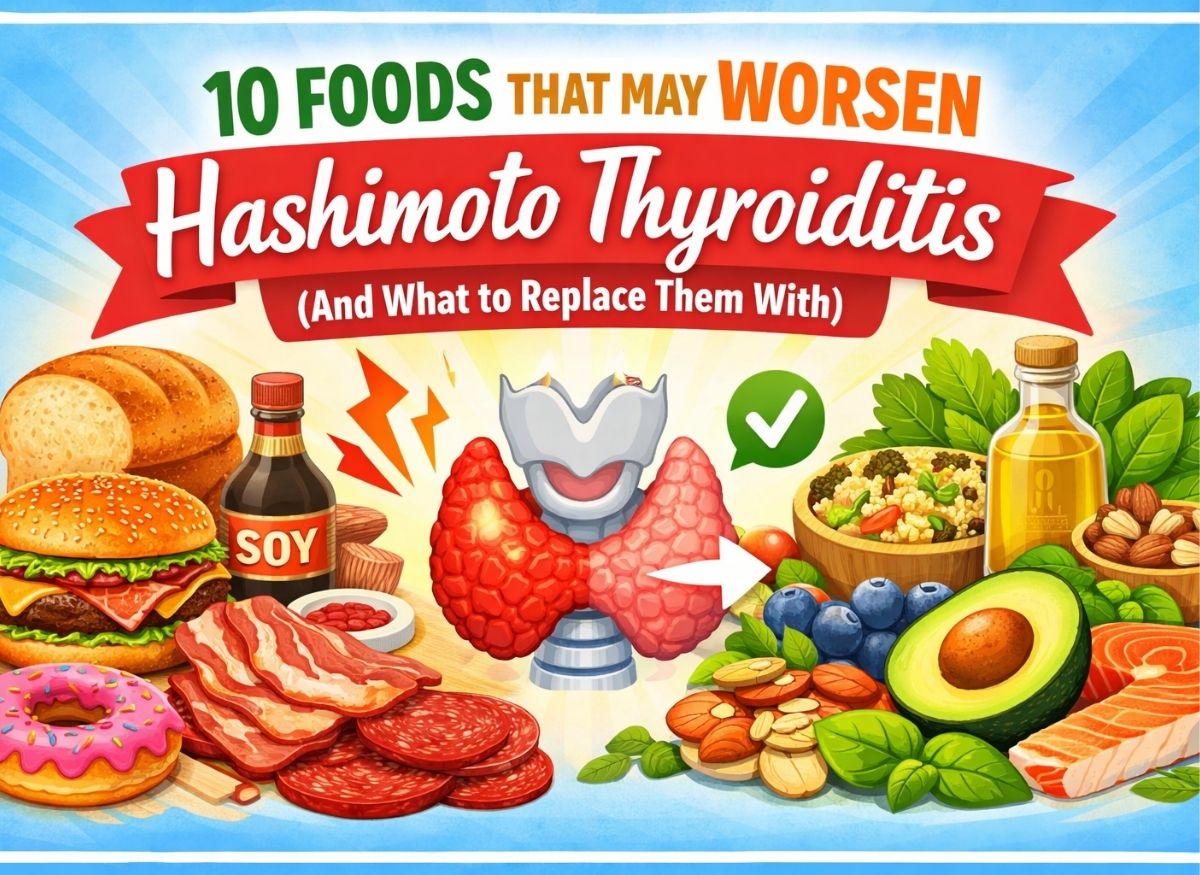
Hashimoto thyroiditis doesn’t just affect your thyroid, it quietly changes how your body reacts to food, energy, and inflammation. A lot of people focus on medication alone, yet still feel exhausted, foggy, or inflamed without realizing that everyday meals could be part of the problem.
Hashimoto thyroiditis is an autoimmune thyroid disease in which the immune system attacks the thyroid gland, gradually reducing its function. Treatment usually includes hormone replacement, but diet plays a real role in how symptoms show up and fluctuate. Certain foods can trigger inflammation, throw off hormone balance, or interfere with nutrient absorption, all of which can make Hashimoto thyroiditis progress faster.
What makes this condition particularly tricky is that some foods generally considered “healthy” can actually worsen symptoms in sensitive people. That means small, easy-to-miss habits can keep symptoms lingering or getting worse over time.
This guide covers 10 foods that may worsen Hashimoto thyroiditis and, more importantly, what to swap them for. Understanding these substitutions can help support thyroid function, reduce inflammation, and bring more consistency to your daily energy.
What Is Hashimoto Thyroiditis and What Defines a Flare-Up?
Hashimoto thyroiditis is an autoimmune condition in which the immune system attacks the thyroid gland, causing ongoing inflammation and reduced hormone production. A flare-up refers to a stretch of time when symptoms suddenly intensify, often affecting energy, mood, and overall function. Understanding how the condition progresses, and what actually counts as a flare-up, is key to managing symptoms and maintaining long-term stability.
Definition of Hashimoto Thyroiditis
Hashimoto thyroiditis is a chronic autoimmune disorder marked by the production of antibodies that target and damage thyroid tissue. Over time, this immune attack gradually destroys the gland and reduces hormone output, often resulting in hypothyroidism. It’s the most common cause of thyroid disease in regions with adequate iodine intake and is diagnosed far more often in women, particularly those with a genetic predisposition.
The core problem in Hashimoto thyroiditis is a misdirected immune response. Instead of defending the body, the immune system identifies thyroid proteins, particularly thyroid peroxidase (TPO) and thyroglobulin (Tg), as threats. This triggers the production of anti-TPO and anti-Tg antibodies, which continuously attack the thyroid gland.
This ongoing immune activity leads to chronic inflammation, known as lymphocytic infiltration, where immune cells build up inside the thyroid. As the condition progresses, thyroid follicular cells, responsible for producing hormones like T4 and T3, become damaged and less effective. This process tends to move slowly, which means Hashimoto thyroiditis can develop over years before symptoms become noticeable.
Diagnosis usually involves blood tests measuring thyroid-stimulating hormone (TSH), free T4, and thyroid antibodies. Elevated TSH paired with low T4 points to reduced thyroid function, while the presence of TPO or Tg antibodies confirms Hashimoto thyroiditis as an autoimmune condition.
What Characterizes a Hashimoto Thyroiditis Flare-Up
A flare-up in Hashimoto thyroiditis is marked by a temporary spike in symptom severity, usually tied to increased immune activity and inflammation. It’s not a formal clinical term, but patients widely recognize flare-ups as stretches when baseline symptoms get noticeably worse. These episodes can last anywhere from days to months and are often set off by stress, infections, hormonal shifts, or diet.
During a flare, symptoms can intensify across multiple systems at once.
Profound fatigue: This goes well beyond ordinary tiredness, often described as deep exhaustion that rest doesn’t fix. It can interfere with daily life and noticeably reduce productivity.
Cognitive dysfunction: Commonly called brain fog, this includes trouble concentrating, memory lapses, slower thinking, and difficulty finding words. Mental clarity can drop noticeably during a flare.
Increased pain and inflammation: Joint discomfort, muscle aches, and stiffness can become more pronounced. In some cases, these symptoms resemble other inflammatory conditions, making them harder to pin down.
Mood changes: Flare-ups can significantly affect emotional balance. Anxiety, low mood, irritability, and sudden mood shifts are common as hormonal and immune responses fluctuate.
Digestive disturbances: Bloating, constipation, gas, and heightened food sensitivities often worsen during a flare, reflecting the close link between gut health and autoimmune thyroid disease.
Physical changes: Other signs include hair thinning, dry skin, cold sensitivity, unexplained weight gain, and facial puffiness, particularly around the eyes. These often become more noticeable during active flare periods.
Understanding the Pattern of Hashimoto Thyroiditis
Hashimoto thyroiditis isn’t a static condition. Symptoms shift depending on immune activity, lifestyle, and outside triggers. Recognizing what a flare-up looks like allows for earlier intervention and better symptom control. Understanding how the condition develops, and how flare-ups show up, makes it easier to identify triggers, adjust daily habits, and support more stable thyroid function over time.
10 Foods That Trigger Hashimoto Thyroiditis Flare-Ups (And What to Replace Them With)
The foods most likely to trigger flare-ups in Hashimoto thyroiditis include gluten, dairy, soy, refined sugar, industrial seed oils, processed meats, artificial additives, excess raw goitrogens, caffeine, and alcohol. These foods can increase inflammation, disrupt gut integrity, and overstimulate the immune system, all of which contribute to worsening symptoms. Making strategic swaps is one of the most effective ways to cut down on flare frequency and support thyroid function.
Gluten as a Primary Trigger in Hashimoto Thyroiditis
Gluten is one of the most significant dietary triggers in Hashimoto thyroiditis, largely due to a process called molecular mimicry. Gliadin, a protein found in wheat, barley, and rye, has a structure that resembles thyroid tissue. When the immune system reacts to gluten, it may mistakenly attack the thyroid as well, ramping up autoimmune activity.
Gluten can also increase intestinal permeability by triggering the release of zonulin, a protein that loosens the tight junctions in the gut lining. This lets unwanted particles slip into the bloodstream, further activating the immune system and intensifying inflammation tied to Hashimoto thyroiditis.
Because of this dual effect on both the immune system and gut health, cutting out gluten is often one of the most impactful dietary changes someone can make.
Healthier swaps: Choose naturally gluten-free grains like quinoa, buckwheat, millet, amaranth, brown rice, and wild rice. For baking, try almond flour, coconut flour, cassava flour, or buckwheat flour. If eating oats, look for certified gluten-free versions to avoid cross-contamination.
Dairy and Soy in Hashimoto Thyroiditis
Conventional dairy and soy can negatively affect people with Hashimoto thyroiditis by promoting inflammation and disrupting hormone balance.
Dairy, especially from conventional sources, contains A1 casein. During digestion, this protein can form compounds that trigger immune responses and inflammation. In some people, casein may mimic thyroid tissue, increasing autoimmune activity. Lactose intolerance is also common and can lead to digestive distress, which adds to gut inflammation linked to the condition.
Soy poses a different kind of challenge. It contains goitrogens, which can interfere with how the body uses iodine and produces thyroid hormone. It also contains phytoestrogens, which may throw off hormonal balance and affect thyroid function. In some cases, soy can even reduce the effectiveness of thyroid medication by interfering with absorption.
Healthier swaps:
- Replace dairy with unsweetened coconut milk, almond milk, cashew milk, or macadamia milk. Coconut yogurt or kefir can offer beneficial fats and support gut health.
- Grass-fed ghee is often well tolerated since the milk solids have been removed.
- For soy alternatives, use coconut aminos instead of soy sauce and try chickpea-based options in place of tofu. Steer clear of processed foods containing soy derivatives like soybean oil or soy protein isolate.
Which Sugars and Industrial Oils Fuel Inflammation in Hashimoto Thyroiditis?
Refined sugars and industrial seed oils are major contributors to the kind of systemic inflammation that worsens Hashimoto thyroiditis. These heavily processed ingredients throw off blood sugar balance, alter gut health, and push the immune system into overdrive, all of which can intensify autoimmune activity and trigger flare-ups.
Refined sugars, including high-fructose corn syrup, sucrose, and dextrose, cause rapid spikes in blood glucose. This leads to repeated insulin surges, and chronically elevated insulin is strongly linked to increased inflammation. In Hashimoto thyroiditis, this inflammatory response can amplify immune activity against the thyroid. On top of that, excess sugar feeds harmful bacteria and yeast in the gut, contributing to microbial imbalance. This disruption can increase intestinal permeability, letting inflammatory compounds into circulation and further aggravating the condition.
Industrial seed oils, canola, soybean, corn, cottonseed, sunflower, and safflower oil among them, add to inflammation through their high omega-6 fatty acid content. Small amounts of omega-6 are necessary, but an imbalance between omega-6 and omega-3 fats promotes the production of pro-inflammatory signaling molecules. This imbalance is common in modern diets and can worsen inflammation tied to Hashimoto thyroiditis. The refining process for these oils also typically involves high heat and chemical extraction, which can cause oxidation. Consuming oxidized fats adds oxidative stress, damaging cells and placing extra strain on the immune system.
Healthier swaps:
- Swapping refined sugar for natural alternatives can help ease inflammation. Monk fruit or stevia offer sweetness without affecting blood glucose. Small amounts of raw honey or pure maple syrup can be used occasionally, while whole fruits like berries provide natural sugar along with fiber and antioxidants.
- For fats, choosing stable, minimally processed oils supports better metabolic balance. Extra virgin olive oil works well for dressings and low-heat cooking, while avocado oil handles higher temperatures better. Coconut oil and grass-fed ghee are also stable choices that don’t promote inflammation the way industrial seed oils do.
Are Processed Foods and Artificial Additives Harmful in Hashimoto Thyroiditis?
Processed foods and artificial additives can significantly worsen Hashimoto thyroiditis symptoms by introducing inflammatory compounds and disrupting gut integrity. These products are usually designed for convenience and shelf life rather than nutrition, and their ingredients can act as triggers for autoimmune flare-ups.
Processed meats like bacon, deli meats, sausages, and hot dogs frequently contain preservatives such as nitrates and nitrites. When exposed to high heat, these compounds can form substances that increase inflammation and oxidative stress. These foods also tend to be high in sodium and additives, which can contribute to fluid retention, joint discomfort, and general symptom worsening.
Artificial additives raise another concern. Ingredients like artificial sweeteners, food dyes, and chemical preservatives can negatively affect the gut microbiome. Disruptions to gut bacteria balance are closely tied to immune dysregulation and increased intestinal permeability. In people with Hashimoto thyroiditis, this can lead to a stronger immune response and more frequent flare-ups. Some additives may also trigger hypersensitivity reactions, adding even more stress to an already overactive immune system.
Healthier swaps:
- Swapping processed meats for fresh, whole protein sources is a key step. Organic poultry, grass-fed beef, and wild-caught fish provide essential nutrients without the inflammatory additives. When convenience matters, choosing minimally processed products with short, recognizable ingredient lists helps cut exposure to harmful compounds.
- Avoiding artificial additives is easiest with a whole-food approach. Herbs, spices, citrus, and natural seasonings add flavor without relying on processed sauces or chemical ingredients. Reading labels carefully and picking products with ingredients you recognize supports better gut health and eases the inflammatory load tied to Hashimoto thyroiditis.
Can “Healthy” Foods Like Raw Cruciferous Vegetables and Caffeine Be Problematic in Hashimoto Thyroiditis?
Yes, even foods generally considered healthy can become an issue in Hashimoto thyroiditis depending on how they’re prepared or how much is consumed. Raw cruciferous vegetables, caffeine, and alcohol can all interfere with thyroid function, stress hormonal balance, or disrupt gut health. This is a good reminder that managing Hashimoto thyroiditis isn’t just about choosing healthy foods, it’s also about understanding how preparation, timing, and quantity shape the body’s response.
Raw Cruciferous Vegetables and Goitrogen Effects
Cruciferous vegetables like broccoli, kale, cabbage, cauliflower, and Brussels sprouts are rich in nutrients and antioxidants. That said, eating them raw and in large amounts may interfere with thyroid function in people with Hashimoto thyroiditis, due to compounds called goitrogens.
Goitrogens can reduce the thyroid’s ability to use iodine, which it needs to produce hormones. In Hashimoto thyroiditis, where thyroid function is already compromised, excessive raw goitrogenic food intake may add to that imbalance.
This effect depends heavily on preparation and quantity. Cooking methods like steaming, sautéing, or roasting significantly reduce goitrogenic activity. For most people with Hashimoto thyroiditis, cooked cruciferous vegetables remain genuinely beneficial and aren’t a problem.
Healthier approach: Rather than eating large amounts of raw greens, opt for cooked versions like sautéed kale or steamed broccoli. Rotating in non-goitrogenic greens like spinach, Swiss chard, arugula, and lettuce can also help balance things out.
Caffeine and Its Impact on Hormonal Balance
Caffeine can be a challenge for people with Hashimoto thyroiditis because of how it affects the adrenal system and hormone regulation. The thyroid and adrenal glands work closely together, and overstimulating one can throw off the other.
Caffeine raises cortisol, the body’s primary stress hormone. In Hashimoto thyroiditis, where fatigue and hormonal imbalance are already common, repeated stimulation can contribute to cortisol dysregulation. This may worsen inflammation, disrupt sleep, and destabilize blood sugar.
Caffeine can also interfere with thyroid medication absorption, particularly levothyroxine, if consumed too close to dosing. That reduces treatment effectiveness and can lead to symptoms that just won’t go away.
Healthier approach: Swapping coffee for herbal teas like peppermint, ginger, or chamomile can reduce stimulation while still offering comfort and routine. Chicory root has a similar flavor profile without the caffeine. Lower-caffeine options like decaffeinated green tea can also be used in moderation.
Alcohol and Its Effect on Thyroid Function
Alcohol can negatively affect Hashimoto thyroiditis through its impact on gut health, liver function, and hormone balance. It irritates the digestive system and may increase intestinal permeability, which is closely tied to autoimmune activity.
The liver plays a key role in converting inactive thyroid hormone (T4) into its active form (T3). Alcohol places extra stress on the liver, potentially reducing its efficiency and limiting how much active thyroid hormone is available. Drinking can also disrupt sleep and blood sugar regulation, both important for keeping Hashimoto thyroiditis stable.
Healthier approach: Non-alcoholic alternatives like sparkling water with citrus, herbal iced teas, or drinks infused with fresh herbs and berries offer variety without adding stress to the system. Kombucha can work in moderation, but it’s worth keeping an eye on its sugar content.
Hashimoto thyroiditis calls for a more nuanced approach to nutrition. Even nutrient-dense foods can become an issue depending on how they’re consumed or how they interact with thyroid function.
Adjusting preparation methods, moderating intake, and choosing supportive alternatives makes it possible to keep the benefits of these foods while minimizing their downsides. This balanced approach supports better symptom control and long-term management overall.
Advanced Dietary Strategies to Manage Hashimoto Thyroiditis
Advanced dietary strategies for Hashimoto thyroiditis go beyond simply cutting out foods and instead focus on the root drivers of autoimmune activity. This includes reducing systemic inflammation, improving gut integrity, and correcting nutrient imbalances that affect immune and thyroid function. Approaches like the Autoimmune Protocol (AIP), supporting the gut-thyroid axis, and restoring key micronutrients offer a more thorough, personalized way to manage symptoms and long-term progression.
Rather than relying only on a list of foods to avoid, these strategies build a structured framework that helps identify individual triggers and restore internal balance. Since Hashimoto thyroiditis is shaped by genetics, environment, and lifestyle, a deeper dietary approach allows for more effective, sustainable symptom control.
The Role of the Autoimmune Protocol (AIP) Diet
The Autoimmune Protocol diet is a structured elimination approach designed to reduce inflammation and calm immune activity in Hashimoto thyroiditis. It’s based on the idea that certain foods contribute to intestinal permeability, which plays a central role in autoimmune conditions.
During the initial elimination phase, foods that may trigger inflammation or immune reactions get removed. This includes gluten, dairy, soy, eggs, nuts, seeds, nightshade vegetables, and processed ingredients. The focus shifts to nutrient-dense foods, high-quality proteins, vegetables, fermented foods, and healthy fats that support healing.
This phase usually lasts several weeks, giving the body time to stabilize. As inflammation eases and symptoms improve, foods get reintroduced gradually, one at a time. This step matters because it helps identify personal sensitivities that might not be obvious otherwise.
The AIP approach is especially useful in Hashimoto thyroiditis because it builds a clear, individualized understanding of how specific foods affect the body. Many people report improvements in fatigue, mental clarity, digestion, and overall symptom severity after following this structured method.
Connection Between Gut Health and Hashimoto Thyroiditis
The link between gut health and Hashimoto thyroiditis is central to how the condition develops and progresses. This relationship is often described as the gut-thyroid axis, where intestinal health directly shapes immune activity and thyroid function. One of the most important mechanisms here is intestinal permeability, commonly called leaky gut.
The intestinal lining normally acts as a controlled barrier, letting nutrients into the bloodstream while blocking harmful substances. When that barrier is compromised, larger particles, undigested food, toxins, microbes, can slip into circulation. The immune system treats these as threats and responds with ongoing inflammation. In Hashimoto thyroiditis, this persistent immune activation can intensify the autoimmune attack on the thyroid.
A key process here is molecular mimicry. Certain proteins that pass through a weakened gut lining, gliadin from gluten among them, resemble thyroid tissue at the molecular level. The immune system builds antibodies to attack these proteins, but because of the resemblance, it may target the thyroid too. This cross-reactivity can increase antibody production and speed up thyroid damage in Hashimoto thyroiditis.
The gut microbiome plays a critical role too. Beneficial bacteria help regulate immune responses and support converting inactive thyroid hormone (T4) into its active form (T3). When this microbial balance is disrupted, known as dysbiosis, both immune function and hormone availability can suffer. Processed foods, chronic stress, infections, and certain medications can all contribute to this imbalance and worsen symptoms.
Supporting gut health becomes a key strategy for managing Hashimoto thyroiditis. This means reducing inflammatory triggers, adding nutrient-rich, fiber-dense foods, and promoting a balanced microbiome through fermented foods and lifestyle adjustments. Improving gut integrity helps calm immune activity and supports more stable thyroid function over time.
Key Nutrient Deficiencies in Hashimoto Thyroiditis
Addressing nutrient deficiencies is an essential part of managing Hashimoto thyroiditis, since several vitamins and minerals are directly involved in thyroid hormone production, conversion, and immune regulation. Poor gut health can impair nutrient absorption, making deficiencies more common, and more impactful, in people with this condition.
Selenium is one of the most important nutrients for thyroid health. It supports the enzymes responsible for converting T4 into active T3 and protects the thyroid from oxidative stress. Adequate selenium levels are linked to lower thyroid antibody activity, which matters a lot in Hashimoto thyroiditis.
Vitamin D acts as a regulator of immune activity. Low levels show up frequently in people with autoimmune conditions and are linked to increased immune dysregulation. Maintaining good vitamin D levels helps support immune balance and may reduce inflammatory responses.
Zinc plays a role in thyroid hormone synthesis and immune function. A deficiency can impair hormone production and contribute to symptoms like fatigue and weakened immunity. Zinc also supports gut integrity, which ties closely into autoimmune regulation.
Iron is essential for the enzyme thyroid peroxidase, involved in producing thyroid hormones. Low iron levels are common in Hashimoto thyroiditis and can worsen symptoms like fatigue, hair thinning, and reduced energy.
Managing these deficiencies requires a balanced approach. Testing nutrient levels before supplementing is important, since taking too much of certain minerals can actually be harmful. Adding nutrient-dense foods like fatty fish, lean meats, leafy greens, and other whole foods supports natural replenishment. Understanding how nutrients interact with each other, like vitamin C’s role in iron absorption or magnesium’s role in vitamin D metabolism, further improves effectiveness.
Addressing both gut health and nutrient status together makes it possible to reduce inflammation, support hormone balance, and improve overall symptom control in Hashimoto thyroiditis.
How Food Triggers for Hashimoto Thyroiditis Compare to Celiac Disease
When comparing food triggers between Hashimoto thyroiditis and celiac disease, there’s clear overlap, gluten especially, but also important differences in how the immune system reacts and how many foods might be involved. Both conditions are autoimmune, but the way food interacts with the body and triggers symptoms isn’t identical between them.
Shared Trigger: Gluten and Immune Activation
Gluten is the most well-known shared trigger between celiac disease and Hashimoto thyroiditis, though its role differs in intensity and mechanism. In celiac disease, gluten is the direct, exclusive trigger. Even a small amount causes the immune system to attack the lining of the small intestine, damaging the villi and impairing nutrient absorption. This response is consistent and unavoidable, which is why strict, lifelong gluten avoidance is required.
In Hashimoto thyroiditis, gluten is also a major trigger, but through a different pathway. Due to molecular mimicry, the immune system may confuse gluten proteins with thyroid tissue, increasing autoimmune activity. That said, the reaction isn’t identical in every person, and sensitivity levels vary quite a bit.
Differences in Trigger Scope and Individual Sensitivity
One of the biggest differences comes down to how many foods can act as triggers. Celiac disease has a very specific trigger: gluten. Removing gluten typically resolves the immune reaction tied to food exposure. The dietary focus is clear and non-negotiable.
Hashimoto thyroiditis is more complicated. Gluten is a common trigger, but other foods, dairy, soy, corn, even some gluten-free grains, may also contribute to inflammation in certain people. That’s exactly why elimination approaches are often used, to identify individual sensitivities. The response is more personalized here and can shift over time depending on gut health and immune activity.
Different Targets of the Autoimmune Response
The immune system attacks different tissue in each condition, which explains the difference in symptoms and complications.
In celiac disease, the immune response targets the small intestine, leading to digestive issues, nutrient deficiencies, and damage to intestinal structure.
In Hashimoto thyroiditis, the immune system targets the thyroid gland instead. This causes gradual destruction of thyroid tissue and reduced hormone production, affecting metabolism, energy, and overall hormonal balance.
Overlap and Co-Occurrence Between Conditions
There’s a real overlap between the two conditions. People with celiac disease have a higher likelihood of developing Hashimoto thyroiditis, and the reverse is true too. This connection reflects shared genetic and immune pathways, particularly those tied to gluten sensitivity and autoimmune regulation. Because of this overlap, someone diagnosed with one condition is often evaluated for the other, especially if symptoms don’t fully resolve with standard treatment.
Understanding these similarities and differences helps guide dietary decisions. Both conditions benefit from reducing inflammatory triggers, but the level of restriction and the range of problematic foods differ quite a bit.
In Hashimoto thyroiditis, identifying personal triggers is the priority, since the immune response is broader and more individualized. Celiac disease, in contrast, requires strict, consistent gluten avoidance because of its direct, predictable immune reaction. Recognizing these distinctions allows for a more precise, effective approach to managing autoimmune symptoms.
Conclusion
Managing Hashimoto thyroiditis goes beyond medication alone. The foods you eat every day can either support your thyroid or quietly work against it. Identifying triggers and making thoughtful substitutions makes it possible to reduce inflammation and build a more stable internal environment.
The goal here isn’t restriction for its own sake, it’s awareness. Swapping problematic foods for nutrient-dense alternatives lets your body function more efficiently without unnecessary stress on the immune system. Over time, these changes can lead to real improvements in energy, mood, and overall wellbeing.
It’s worth paying attention to how your body actually reacts. Do certain foods leave you more fatigued or bloated? Do your symptoms shift based on what you’ve eaten? These patterns often reveal more than lab tests alone.
If Hashimoto thyroiditis symptoms stay persistent or get worse, it’s worth talking to a healthcare professional to make sure your overall approach is comprehensive. With the right combination of medical care and dietary adjustments, managing Hashimoto thyroiditis more effectively, and regaining a real sense of balance, becomes genuinely possible.
FAQs About Hashimoto Thyroiditis and Food Triggers
Is gluten always a trigger for Hashimoto thyroiditis? Gluten is one of the most common triggers in Hashimoto thyroiditis because of its ability to promote inflammation and mimic thyroid tissue, which can increase autoimmune activity. That said, not everyone reacts the same way. Some people see real improvement after cutting out gluten, while others need to identify additional triggers too. The response is highly individual, which is why elimination approaches are so commonly used.
Can you have Hashimoto thyroiditis without food sensitivities? Yes, it’s entirely possible to have Hashimoto thyroiditis without any obvious food sensitivities. That said, many people have subtle reactions that aren’t immediately apparent. Symptoms like fatigue, bloating, or brain fog may be diet-related without a clear cause-and-effect pattern. Identifying triggers often takes careful observation or structured dietary changes rather than relying on obvious reactions alone.
Why do food triggers vary so much between individuals? Food triggers vary because Hashimoto thyroiditis is shaped by multiple factors, genetics, gut health, immune activity, and lifestyle among them. Differences in the gut microbiome and intestinal integrity affect how the body responds to certain foods. That means a food causing inflammation in one person might be perfectly well tolerated by another.
Should you follow a strict elimination diet for Hashimoto thyroiditis? A structured elimination diet can genuinely help, especially when symptoms are persistent or hard to manage. It lets you remove common triggers and reintroduce foods gradually to identify sensitivities. That said, it should be approached carefully to avoid unnecessary restriction and to make sure nutrition stays balanced. Personalization matters more here than long-term strict avoidance of every potential trigger.
Can improving gut health reduce food sensitivities in Hashimoto thyroiditis? Yes, improving gut health can genuinely reduce sensitivity to certain foods over time. Since intestinal permeability and microbiome imbalance are closely tied to autoimmune activity, supporting gut integrity can lower inflammation and improve immune regulation. This may allow some foods to be reintroduced without triggering symptoms.
Is Hashimoto thyroiditis diet the same as a Celiac diet? While both conditions often involve removing gluten, the overall dietary approach differs. Celiac disease requires strict, permanent gluten avoidance because gluten directly damages the intestine. In Hashimoto thyroiditis, gluten is a common trigger but not always the only one. Other foods may need evaluation based on individual response, which makes the approach more flexible and personalized overall.