10 Doctor-Recommended Snacks for Low Blood Sugar Prevention
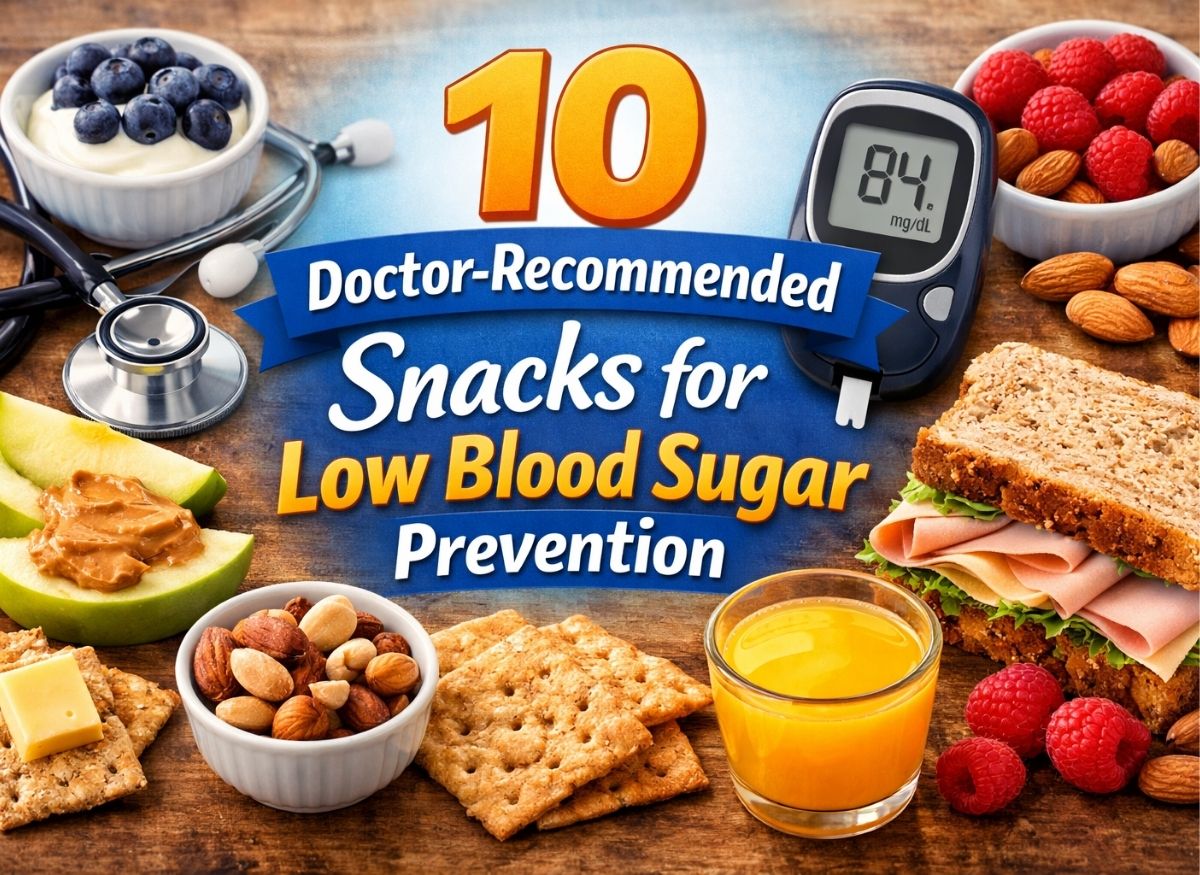
A blood sugar drop can arrive in minutes and leave you trembling, lightheaded, and wiped out. One moment you feel normal, and the next your body is begging for fuel. These sudden dips are more than an annoyance. They can hurt your focus and mood, and if ignored, they can even put your safety at risk.
Low blood sugar occurs when glucose falls below the level your body needs to work properly. Many people link it with diabetes, but it can also affect people who don’t have the condition, often after skipped meals, poor snack choices, stress, or strenuous exercise. The real difficulty isn’t only the drop itself but how fast it happens and how unprepared most people are when it does.
Choosing the right snacks can make a big difference. Some foods cause a quick spike and then another crash, while others steady your blood sugar and keep energy level for longer. Knowing which is which can change how you feel all day. This guide covers the 10 best snacks for low blood sugar, which help prevent sudden crashes, support steady energy, and fit easily into your routine.
Low Blood Sugar and Why Snack Choice Matters
Low blood sugar, or hypoglycemia, occurs when blood glucose falls below normal, usually under 70 mg/dL. Glucose is the body’s main energy source, especially for the brain, so when levels drop too far the body can’t keep functioning normally. Symptoms can develop fast and range from mild discomfort to serious complications if left untreated.
Hypoglycemia is often tied to diabetes, particularly as a side effect of insulin or certain medications, but it can also strike people without diabetes. Skipped meals, hard exercise, alcohol, or hormonal shifts can all lower glucose. Because the brain relies on a constant energy supply, even a brief dip can affect focus, coordination, and awareness.
The right snacks are central to managing it, offering a fast, controlled way to restore glucose and steady the body. The strategy has two steps. First, fast-acting carbohydrates correct the immediate drop. Then a more balanced snack keeps levels stable and helps prevent another episode.
This is reflected in the widely recommended 15-15 rule: eat 15 grams of simple carbohydrates, wait 15 minutes, and recheck your glucose. If it is still low, repeat. Once you are stable, adding protein or healthy fat helps sustain energy and lowers the chance of a repeat.
Common Symptoms of Hypoglycemia
Symptoms range from early warning signs to severe neurological effects, depending on how far glucose has fallen. They arise because the body and brain are starved of their main fuel.
Mild to Moderate Symptoms (Adrenergic Response)
These are the earliest signs, triggered by the body’s hormonal response, especially the release of adrenaline and glucagon. They are an important alert that action is needed.
- Shakiness or trembling: Adrenaline can make muscles shake, particularly in the hands.
- Sweating and clamminess: A sudden cold sweat is common even without heat or exertion.
- Rapid or pounding heartbeat: The heart works harder to circulate the available glucose.
- Anxiety or irritability: Hormonal changes can cause abrupt mood shifts.
- Dizziness or lightheadedness: A reduced glucose supply can make you feel unsteady.
- Hunger: The body signals a strong need for food to restore balance.
- Nausea: Some people feel stomach discomfort as levels fall.
These signs mean glucose is dropping and should be dealt with quickly to keep symptoms from worsening.
Severe Symptoms (Neuroglycopenic Effects)
If hypoglycemia isn’t treated promptly, symptoms become more serious as the brain runs short of energy. These signs need immediate attention.
- Confusion or trouble concentrating: Thinking becomes impaired.
- Blurred or double vision: Vision can be affected by the lack of energy.
- Slurred speech or clumsiness: Coordination declines, often resembling intoxication.
- Drowsiness or extreme fatigue: Severe energy shortage can make staying awake difficult.
- Seizures or convulsions: In extreme cases, brain activity becomes unstable.
- Loss of consciousness: This is a medical emergency requiring urgent care.
Spotting these symptoms early allows faster action and helps prevent serious complications. Awareness, timely treatment, and good nutritional choices are the keys to managing hypoglycemia safely.
How Carbohydrates, Protein, and Fat Work Together
Combining carbohydrates, protein, and fat stabilizes blood sugar by supplying immediate energy along with a slow, sustained release of glucose. This balance prevents the sharp spikes and sudden drops that often follow eating carbohydrates alone. Each nutrient has its own role, and together they create a steady, dependable flow of energy.
Carbohydrates produce the initial rise in glucose, while protein and fat slow digestion and absorption. As a result, glucose enters the blood more gradually, reducing swings and keeping levels stable over time.
Carbohydrates: The Immediate Energy Source
Carbohydrates are the fastest fuel because they break down quickly into glucose. Simple carbohydrates such as fruit juice, honey, or candy are absorbed rapidly and are especially useful for an acute drop in blood sugar, since they reach the bloodstream almost immediately.
Complex carbohydrates, found in whole grains, legumes, and starchy vegetables, have longer molecular chains and take longer to digest. That slower breakdown releases glucose steadily, keeping energy up for longer instead of causing rapid swings.
Protein: The Stabilizer
Protein slows how fast carbohydrates are absorbed. Eaten alongside carbohydrates, it delays gastric emptying, so food moves more slowly from the stomach to the small intestine and glucose enters the blood more gradually.
Protein doesn’t raise blood sugar much by itself, but it helps prevent sharp spikes and sudden drops. It also increases fullness, making overeating or another energy crash less likely. Pairing fruit with yogurt or nut butter, for example, produces a steadier response than fruit alone.
Fat: The Long-Term Sustainer
Fat has the strongest effect on slowing digestion and stretching out the release of glucose. Healthy fats, such as those in nuts, seeds, and avocados, help keep blood sugar steady over a longer period.
This slower digestion supports lasting energy and lowers the risk of dips between meals or overnight. The same property makes high-fat foods a poor choice for treating an active low blood sugar episode, when rapid absorption is needed. Fat works best in a follow-up meal or snack that maintains stability once levels have been corrected.
Why the Combination Matters
Pairing carbohydrates, protein, and fat covers both immediate needs and long-term control. Carbohydrates supply the glucose, while protein and fat govern how quickly it is released and used.
This approach helps break the cycle of rapid rises and drops, supporting steadier energy, sharper focus, and better overall glucose management. Pairing these nutrients consistently makes it easier to stay stable and avoid sudden imbalances.
10 Doctor-Recommended Snacks for Managing Hypoglycemia
Doctor-recommended snacks follow a two-step approach: fast-acting carbohydrates for immediate relief, then balanced snacks for longer-term stability. This corrects a sudden drop and helps prevent another one soon after. The 15-15 rule remains essential for quick treatment, while combining nutrients supports lasting control.
These snacks are chosen to supply the right amount of carbohydrate without excessive spikes, making them useful for both immediate correction and daily management.
Quick-Acting Carbohydrate Snacks for Immediate Relief
These raise blood glucose fast during an active episode. They typically provide about 15 grams of simple carbohydrates with little or no fat or protein so they absorb quickly.
- Fruit juice or regular soda (4 ounces / 120 mL): A small serving of apple, orange, or grape juice delivers fast-absorbing sugars. Being liquid makes it one of the quickest options. Use only full-sugar versions.
- Glucose tablets (3 to 4 tablets): Made specifically for hypoglycemia, they provide a precise dose of dextrose. They are portable and reliable and remove the guesswork, which is why many people prefer them.
- Honey, jelly, or syrup (1 tablespoon): One tablespoon is a concentrated source of simple sugars that can raise glucose quickly, thanks to its high sugar content and minimal need for digestion.
- Hard or gummy candies (portion based on the label): Options like jelly beans work well if you eat the right amount. Check the label to make sure you reach roughly 15 grams of carbohydrate.
- Raisins (2 tablespoons): Raisins offer a natural, concentrated source of sugar and are easy to carry, making them a handy alternative to processed snacks.
Balanced Snacks with Protein and Fiber for Sustained Energy
Snacks that combine protein and fiber support steady energy by slowing carbohydrate absorption and preventing sudden drops. They are not meant for immediate treatment. Use them after levels have been corrected or as part of a routine to lower the risk of future episodes. Their mix of nutrients produces a gradual, consistent glucose release that keeps you stable between meals or overnight.
Each pairs a carbohydrate source with protein and healthy fats: the carbohydrates give energy, while protein and fiber delay digestion, reducing swings and lengthening the benefit.
- Apple slices with peanut or almond butter (1 to 2 tablespoons): A small apple provides natural carbohydrates and fiber, and nut butter adds protein and healthy fat, which slow digestion and release energy steadily. The combination keeps levels stable longer than a quick rise and fall.
- Cheese with whole-grain crackers (1 ounce cheese with 4 to 6 crackers): The crackers supply complex carbohydrates and fiber, while cheese adds protein and fat. Together they support gradual glucose release and make a satisfying, balanced snack for between meals.
- Greek yogurt with berries (1/2 cup yogurt with 1/4 cup berries): Plain Greek yogurt is high in protein, which promotes fullness and stability, and berries add natural carbohydrates, fiber, and antioxidants. The result is a nutrient-dense option that supports steady energy without sharp swings.
- Half a turkey or ham sandwich on whole-wheat bread: Whole-wheat bread provides complex carbohydrates and fiber, and lean turkey or ham slows absorption. This more substantial snack is especially useful when a meal is delayed, keeping energy consistent for longer.
- Nuts with a few raisins (trail mix): Raisins give a quick carbohydrate boost, while nuts add protein and healthy fats that prolong the energy. The mix offers both immediate and lasting support, which suits on-the-go situations.
Balanced snacks help prevent repeat drops by releasing glucose in a controlled way rather than in a rapid spike. Protein, fiber, and healthy fats work together to slow digestion and keep energy consistent. Building these combinations into your daily routine can improve stability, reduce how often sudden drops occur, and support better long-term management.
Foods and Drinks to Avoid During a Low Blood Sugar Episode
During a hypoglycemic episode, avoid foods and drinks that are high in fat or fiber, as well as sugar-free products, because they either slow glucose absorption or contain no glucose at all. The goal is to raise blood sugar as quickly as possible, and anything that delays that can prolong the episode and worsen symptoms.
A common mistake is choosing foods that seem sugary but also contain fat and protein, such as chocolate bars or cake. They contain sugar, but their mixed makeup slows how fast it reaches the bloodstream. Sugar-free drinks and snacks don’t work either, since they rely on artificial sweeteners that don’t raise blood glucose.
The wrong choice can delay recovery and raise the risk of worsening symptoms. For safe, effective treatment, use fast-acting carbohydrates without added fat or fiber.
Why High-Fat Foods Like Chocolate or Pizza Are Not Ideal
Chocolate, pizza, French fries, and ice cream are poor choices for treating low blood sugar because their fat content slows gastric emptying considerably. That delay affects how quickly glucose reaches the bloodstream, which is critical during an episode.
During hypoglycemia the body needs glucose immediately. Fat digests more slowly than other nutrients, and eaten with sugar, it slows that sugar’s release into the blood. Recovery is delayed, and symptoms may persist or worsen.
A milk chocolate bar, for instance, contains both sugar and fat. The fat from cocoa butter and milk solids slows digestion and stops the sugar from being absorbed quickly. A fast-acting carbohydrate like fruit juice, by contrast, can raise blood sugar within minutes, making it far more effective.
Delayed Absorption and the Risk of Overtreatment
The slow absorption of high-fat foods can lead to overtreatment. When symptoms don’t improve quickly, people may eat more, believing the first treatment wasn’t enough, which can result in excessive intake.
Once the sugar is finally absorbed, blood glucose may climb sharply and then trigger rebound low blood sugar. That instability makes overall management harder.
Comparing Treatment Effectiveness
Comparing options shows why food choice matters. Four ounces of fruit juice can bring blood sugar to a safe level within 15 to 20 minutes, while a chocolate bar may not do the same in that window, leaving symptoms unresolved. That is why pure, fast-acting carbohydrates are the most effective and safest way to treat low blood sugar quickly.
Are Diet Sodas or Sugar-Free Snacks Effective for Treating Low Blood Sugar?
No. Diet sodas and sugar-free snacks are ineffective for treating low blood sugar because they contain no real sugar such as glucose, sucrose, or fructose. They are made with artificial or non-nutritive sweeteners like aspartame, sucralose, saccharin, or stevia. They taste sweet but are not carbohydrates and can’t raise blood glucose. Using them during an episode isn’t just useless but risky, because it delays proper treatment while levels keep falling.
The difference between real sugar and artificial sweeteners is critical. The body needs actual glucose to recover, particularly the brain, which depends on a steady energy supply.
Metabolic Inactivity of Artificial Sweeteners
Artificial sweeteners are designed to provide sweetness without calories or a rise in blood sugar. That makes them suitable for daily use in some diets but unsuitable during low blood sugar. They are chemically different from carbohydrates and are not converted into glucose in the body.
So a diet soda has no effect on glucose during an episode. It hydrates but doesn’t provide the energy needed to fix the problem. In practical terms, it is no different from drinking water when glucose is urgently needed.
Read Labels Carefully
Managing low blood sugar well means checking nutrition labels. It is easy to grab something labeled “diet” or “zero sugar” without realizing it has no carbohydrates. Many everyday products, including sodas, candies, and spreads, come in sugar-free versions.
Check the nutrition facts panel. Anything used for treatment must contain measurable carbohydrates or sugars. A regular soft drink has a significant amount of sugar, while the diet version has none and won’t help.
Risk of Worsening Symptoms
Using sugar-free products during an episode lets symptoms progress unchecked. Without glucose, early signs like shakiness, sweating, and dizziness can advance to confusion, disorientation, or loss of consciousness.
Timely, appropriate treatment prevents complications. Use only foods or drinks that contain real, fast-acting carbohydrates. When quick recovery is needed, nothing substitutes for glucose.
How to Prepare for and Prevent Low Blood Sugar Long-Term
Preventing hypoglycemia over the long term takes a proactive, consistent approach that blends diet, activity planning, and regular medical oversight instead of merely reacting to episodes. It rests on understanding your own patterns and anticipating situations where blood sugar may fall. With structured routines around meals, glucose monitoring tied to physical activity, and open communication with your healthcare providers, you can reduce both how often and how severely it happens and keep energy more stable.
Best Practices for Timing Meals and Snacks
A consistent eating schedule is among the most effective preventive steps. Regular meals supply a steady stream of glucose and help avoid sudden drops. For people taking insulin or medications such as sulfonylureas, skipping meals can throw medication activity out of balance with available glucose, raising the risk of hypoglycemia.
A practical approach is to eat small to moderate meals and snacks every 3 to 4 hours, which prevents large fluctuations and supports steadier glucose through the day. Adding mid-morning and mid-afternoon snacks can reduce the dips that often come several hours after eating.
A bedtime snack matters too, especially for preventing nighttime hypoglycemia. Unlike emergency treatments, it should include complex carbohydrates, protein, and a little healthy fat, which together support a slower, more sustained glucose release during sleep.
Practical Daily Strategies
- Respond to early signals: Notice early hunger cues, which may signal a gradual decline in blood sugar. Eating before symptoms intensify keeps you stable.
- Keep a consistent routine: Following a similar meal schedule on weekdays, weekends, and holidays supports the body’s internal rhythm and helps regulate glucose.
- Plan ahead: Keep snacks on hand so there are no gaps in intake. Portable choices such as a small portion of nuts with fruit, or a whole-grain snack, give balanced nutrition when needed.
Snacking Safely Before and After Exercise
Physical activity burns glucose, which can lower blood sugar during and after a workout, so planning snacks is essential for staying stable around exercise.
Check your blood sugar before you start. If it is below 100 mg/dL, a pre-exercise snack with about 15 to 30 grams of carbohydrate is recommended. It provides ready fuel and lowers the risk of a drop. Good options include a small banana, a slice of whole-wheat toast, or a handful of pretzels. For longer or more intense workouts, you may need extra carbohydrate during activity, such as glucose gels or sports drinks.
After exercise, the body keeps using glucose to replenish glycogen stores, which can lower blood sugar for hours and cause delayed lows. A post-workout snack is therefore important for recovery and balance.
To reduce the risk, combine carbohydrates and protein afterward. Carbohydrates restore glycogen, while protein supports muscle repair and slows glucose absorption. Chocolate milk, Greek yogurt with berries, or a turkey and cheese sandwich on whole-grain bread all fit the bill.
Monitor blood sugar after exercise as well, especially after trying a new or intense activity. Periodic checks help you spot patterns and adjust your snacks. Staying hydrated also supports metabolic function and stable glucose.
Snacks for Hypoglycemia vs. Hyperglycemia
Snacks for low and high blood sugar serve opposite purposes, so their makeup differs considerably. Managing low blood sugar means raising glucose quickly, while managing high blood sugar means preventing further increases.
For hypoglycemia, snacks should deliver fast-acting carbohydrates that absorb quickly, typically about 15 grams of simple carbohydrates with minimal fat, fiber, or protein so they digest rapidly and correct the drop.
For hyperglycemia, snacks should have minimal effect on blood sugar. That means choosing options low in carbohydrates and higher in protein, fiber, and healthy fats, which slow digestion and keep things stable without spikes. The distinction matters, since the wrong type of snack can make things worse instead of better.
Snack Comparison
Hypoglycemia snacks (fast-acting carbohydrates)
- Purpose: Raise blood sugar quickly
- Composition: Simple carbohydrates with little to no fat or protein
- Examples: 4 ounces of fruit juice or regular soda, 3 to 4 glucose tablets, 1 tablespoon of honey or sugar
Hyperglycemia snacks (stabilizing nutrients)
- Purpose: Provide energy without significantly raising blood sugar
- Composition: Low in carbohydrates, higher in protein, fiber, and healthy fats
- Examples: a small handful of nuts, a hard-boiled egg, celery with peanut butter, or a portion of cottage cheese
Choosing the right snack for the situation keeps you balanced and supports better overall blood sugar control.
When to See a Doctor for Frequent Low Blood Sugar
Consult a healthcare professional if you have frequent, severe, or unexplained episodes. An occasional drop can happen, but a recurring pattern often means your current management plan needs adjusting or that an underlying condition may be present.
Get evaluated if episodes are becoming more frequent, symptoms are getting more intense, or early warning signs are no longer noticeable. That loss of awareness raises risk because it delays treatment. Also seek advice if episodes require help from others or occur with no clear cause such as missed meals, intense activity, or medication changes.
A provider can help find the root cause and make adjustments, which may include changing medication doses, refining eating habits, modifying activity, or investigating other health factors.
Practical Steps Before Your Appointment
- Keep a detailed record: Track blood sugar readings, meals, physical activity, medication use, and the timing and symptoms of each episode. This helps reveal patterns and supports an accurate evaluation.
- Ask about advanced monitoring: Find out whether a Continuous Glucose Monitor might be appropriate. Continuous tracking can expose patterns such as overnight drops or fluctuations that occasional testing misses.
- Consider specialist care: If episodes are hard to control, ask for a referral to an endocrinologist for a more specialized assessment and a tailored plan.
Getting timely medical advice lowers the risk of complications and improves long-term stability. Identifying patterns early and adjusting your plan can prevent more serious episodes and support safer, steadier blood sugar control.
Conclusion
Managing low blood sugar gets much easier when you focus on prevention rather than reacting to sudden crashes. The right snacks keep your body balanced and reduce the unpleasant dips that disrupt your day.
Good snack choices aren’t about grabbing something sugary in the moment. They are about combining protein, healthy fats, and slow-digesting carbohydrates to keep glucose steady and avoid sharp drops. These small, consistent choices can noticeably improve your energy, focus, and overall well-being.
Take a moment to think about your current habits. Are your snacks helping keep your blood sugar stable, or are they feeding another cycle of highs and lows? If episodes happen often or feel severe, seek medical advice.
Ongoing low blood sugar may point to an underlying condition that needs proper attention. With the right approach and a few smart snack choices, you can take charge and move through your day feeling steadier, more focused, and more confident.
FAQs
Can low blood sugar happen hours after eating or exercising?
Yes. It can occur several hours after a meal or workout, often called delayed hypoglycemia, and is commonly triggered by intense activity or high insulin levels. The body keeps using glucose to rebuild energy stores, which can make levels fall later than expected.
Why do some people not feel early symptoms of low blood sugar?
This is called hypoglycemia unawareness. It develops after repeated episodes and weakens the body’s ability to signal early warnings like shakiness or sweating. It raises the risk of severe episodes because treatment may be delayed.
Can dehydration make low blood sugar symptoms worse?
Yes. Dehydration can affect how glucose circulates in the blood and may intensify symptoms such as dizziness or fatigue. Staying well hydrated supports metabolic balance and steadier levels.
Is it possible to over-treat a low blood sugar episode?
Yes. Eating too many carbohydrates at once can cause a rapid spike followed by another drop, which makes management harder. Structured approaches such as measured carbohydrate portions help prevent this.
Do certain medications increase the risk of low blood sugar?
Yes. Insulin and some oral diabetes drugs, particularly sulfonylureas, can raise the risk. Incorrect dosing, timing, or interactions with food and activity can cause unexpected drops.
Can stress or lack of sleep affect blood sugar stability?
Yes. Both can influence the hormones that regulate glucose, leading to unpredictable swings and raising the chance of both high and low episodes. Consistent sleep and stress management support better control.