
Know 7+ Early Signs of Throat Cancer Before It Spreads
A sore throat or slightly raspy voice is easy to dismiss. Most people assume it is temporary and will disappear with time. Often, that is exactly what happens. However, in some situations, these seemingly minor changes can be among the early signs of throat cancer, making awareness especially important.
Throat cancer can develop gradually, and its initial symptoms may be subtle. Because signs such as throat irritation, hoarseness, or difficulty swallowing can also occur with allergies, acid reflux, infections, or other common conditions, people may overlook them or wait for them to disappear. Unfortunately, delaying an evaluation can allow a serious condition to progress.
Knowing the early signs of throat cancer can help you recognize when a symptom is unusual or lasting longer than expected. Persistent hoarseness, ongoing throat pain, trouble swallowing, or an unexplained lump in the neck may not automatically mean cancer, but they deserve medical attention when they persist or occur alongside other concerning symptoms.
Your body can sometimes provide warning signs before a serious illness is diagnosed. Learning to recognize those changes can help you decide when it is appropriate to seek professional care.
This article explains the important early signs of throat cancer, why they can occur, the areas of the throat that may be affected, and the risk factors associated with the disease. It also explains when persistent throat symptoms should be evaluated by a healthcare professional.
What Is Throat Cancer?
Throat cancer refers to malignant cells that begin growing uncontrollably in tissues of the throat, including the pharynx or larynx. The pharynx is the passage located behind the nose and mouth that connects with the esophagus and airway, while the larynx, commonly called the voice box, sits at the top of the windpipe.
Most throat cancers begin in squamous cells, which are thin, flat cells lining much of the throat and mouth. Several different types of throat cancer exist, and the specific symptoms can vary depending on exactly where the cancer begins.
Understanding the anatomy of the throat can make it easier to understand why different people experience different symptoms. A tumor affecting the vocal cords, for example, may cause noticeable voice changes, while cancer developing elsewhere in the throat may initially cause swallowing problems or a lump in the neck.
What Parts of the Throat Can Be Affected by Cancer?
Throat cancer can develop in different areas, with the pharynx and larynx being two major regions. The pharynx itself consists of three sections, while the larynx contains the vocal cords and plays an important role in breathing, speaking, and swallowing.
The Pharynx
The pharynx is a muscular passage extending from behind the nose and mouth toward the esophagus and trachea. It consists of three primary sections:
- Nasopharynx: This is the upper portion of the throat located behind the nose. Nasopharyngeal cancer is relatively uncommon in North America but occurs more frequently in certain other regions. Possible symptoms include nasal blockage, nosebleeds, hearing changes, or other ear-related problems. Because these symptoms can resemble common nasal or seasonal conditions, they may initially be overlooked.
- Oropharynx: The oropharynx is the middle section located behind the mouth. It includes the tonsils, base of the tongue, soft palate, and the back and sides of the throat. Oropharyngeal cancer can be associated with certain types of human papillomavirus (HPV). Potential symptoms include persistent throat discomfort, trouble swallowing, and a lump or enlarged lymph node in the neck.
- Hypopharynx: This is the lower section of the pharynx, positioned near the esophagus and larynx. It helps direct food and liquids from the mouth toward the esophagus. Cancer in this area may cause swallowing difficulties, throat discomfort, or voice changes if nearby structures become affected.
The Larynx (Voice Box)
The larynx, or voice box, sits below the hypopharynx and at the upper end of the trachea. It contains the vocal cords and is involved in breathing, speaking, and protecting the airway during swallowing.
Laryngeal cancer can develop in different parts of the larynx, including the glottis, where the vocal cords are located. When a tumor affects the vocal cords, persistent hoarseness or other changes in the voice may become noticeable. Although temporary voice changes are common with infections or excessive voice use, ongoing hoarseness should be medically evaluated.
Main Types of Cells Involved in Throat Cancer
More than 90% of throat cancers are squamous cell carcinomas. These cancers develop from squamous cells, which form the lining of much of the throat and mouth.
These cells are exposed to substances entering the body through breathing, eating, and drinking. Long-term exposure to carcinogens, including those associated with tobacco and alcohol, can damage cellular DNA and contribute to abnormal cell growth.
Squamous cell carcinoma can occur in different parts of the pharynx or larynx. Abnormal cellular changes may develop gradually, beginning with precancerous changes called dysplasia. In some cases, these changes can progress to carcinoma in situ and eventually become invasive cancer that spreads into deeper tissues.
Although squamous cell carcinoma is the most common type of throat cancer, other, less common cancers can also develop.
Adenocarcinoma
Adenocarcinoma develops from glandular cells that produce substances such as mucus and saliva. It is uncommon in the throat and is more frequently associated with other parts of the digestive system. When it occurs in the throat, it represents a relatively rare form of cancer.
Sarcoma
Sarcomas develop from connective tissues, including muscle, cartilage, or fat. Rare sarcomas can occur in the throat. Examples include chondrosarcoma, which develops from cartilage, and rhabdomyosarcoma, which begins in muscle tissue.
These cancers are considerably less common than squamous cell carcinoma and may have different characteristics and treatment approaches.
Lymphoma
Lymphoma begins in cells of the lymphatic or immune system. Because areas such as the tonsils and base of the tongue contain lymphatic tissue, lymphoma can occasionally develop in these regions.
Both Hodgkin lymphoma and non-Hodgkin lymphoma can involve lymphatic tissues around the throat. Although throat involvement is less common than squamous cell carcinoma, lymphoma can be considered when evaluating unusual masses or symptoms in this area.
Early Signs of Throat Cancer
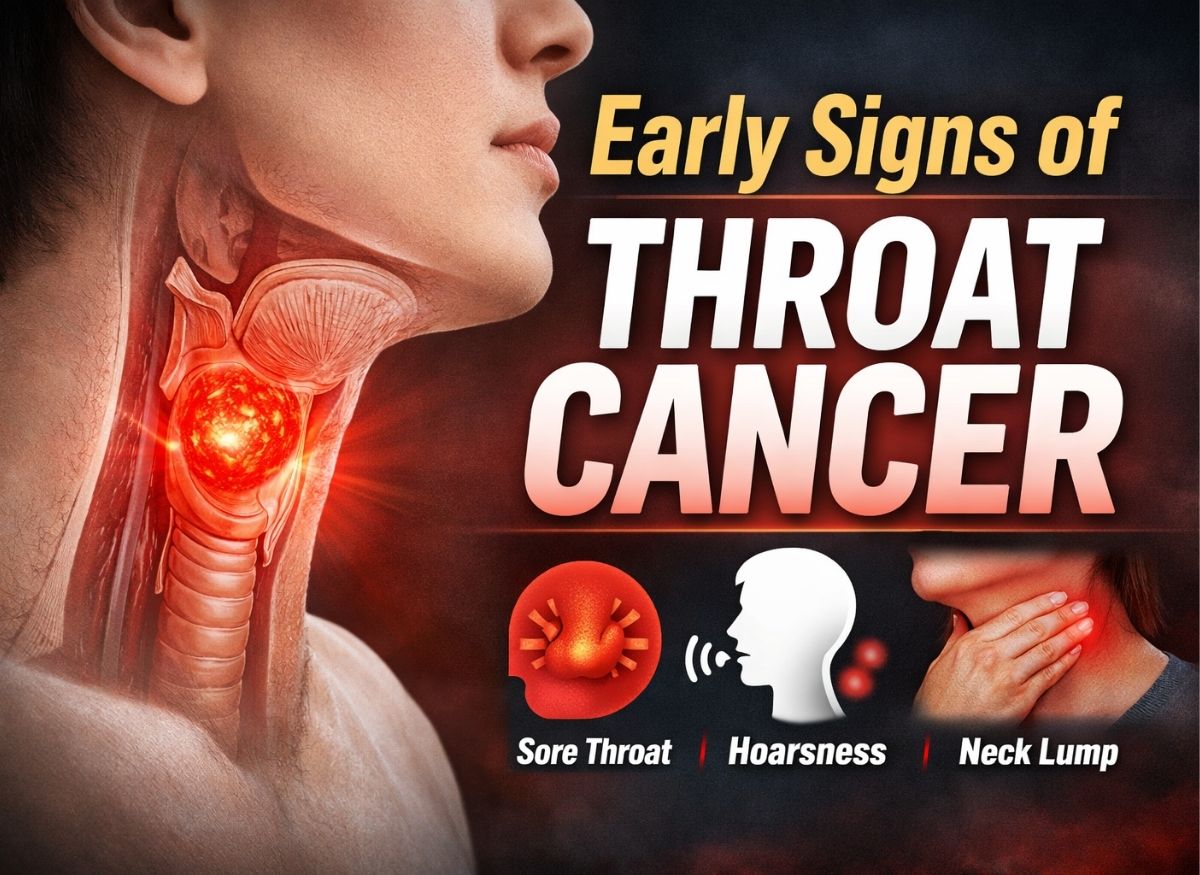
The early signs of throat cancer may be difficult to recognize because many resemble symptoms of common illnesses. A lingering sore throat, persistent hoarseness, difficulty swallowing, a neck lump, chronic cough, ear pain, or unexplained weight loss can have many causes. However, symptoms that persist for several weeks, worsen, or occur together should be evaluated by a healthcare professional.
Recognizing unusual symptoms early can help ensure that a potential problem is investigated promptly. For easier understanding, the symptoms can be divided into voice and throat-related symptoms and physical or systemic symptoms.
What Are the Common Voice and Throat-Related Symptoms?
Throat cancer can directly affect the structures responsible for speaking and swallowing. Some of the symptoms that may occur include:
- Persistent Sore Throat: A sore throat that continues for weeks without improving can be a warning sign that requires evaluation. Unlike the discomfort associated with many short-term infections, persistent throat pain may continue or gradually become worse. A sore throat alone does not mean cancer, but ongoing symptoms should not be ignored.
- Chronic Hoarseness or Voice Changes: A voice that remains hoarse, raspy, weak, breathy, or strained can sometimes indicate a problem involving the larynx or vocal cords. Infections, allergies, acid reflux, and overuse are much more common causes, but hoarseness lasting longer than expected should be checked by a healthcare professional.
- Globus Sensation (Feeling of a Lump in the Throat): Some people experience a persistent sensation that something is stuck in their throat even when nothing is physically blocking it. This is known as globus sensation and can occur with reflux, anxiety, or other conditions. In some cases, however, a mass or other abnormality can produce a similar sensation. The symptom is more concerning when it occurs alongside actual difficulty swallowing.
The Physical and Systemic Symptoms to Watch For
Throat cancer can produce symptoms that are noticeable in the throat or neck as well as more general changes affecting the body. Recognizing these symptoms can help you know when professional evaluation may be appropriate.
Physical Symptoms of Throat Cancer
- Lump or Swelling in the Neck: A persistent lump in the neck can sometimes occur when cancer affects nearby lymph nodes. Cancerous lymph nodes may be firm and painless and may not decrease in size over time. However, neck lumps have many possible causes, including infections and other non-cancerous conditions, so persistent swelling should be evaluated.
- Persistent Ear Pain (Unilateral Otalgia): Ongoing pain in one ear can occasionally originate from a problem in the throat rather than the ear itself. This is known as referred pain because some nerves serving the throat and ear share pathways. Persistent one-sided ear pain, particularly when there is no obvious ear problem, should be medically assessed.
- Noisy Breathing (Stridor): Stridor is a high-pitched or harsh sound that can occur when airflow through the upper airway becomes restricted. If a tumor or another condition narrows the airway, breathing may become noisy. Stridor can indicate significant airway obstruction and requires prompt medical attention.
- Chronic Cough: A cough that continues for an extended period may have numerous causes, including reflux, allergies, respiratory conditions, and infections. In some cases, throat cancer can irritate the airway and contribute to persistent coughing. Coughing up blood is particularly concerning and requires medical evaluation.
Systemic Symptoms of Throat Cancer
Some symptoms may affect the entire body rather than only the throat.
- Unexplained Weight Loss: Losing weight without intentionally changing your diet or exercise habits can be a warning sign of many illnesses, including some cancers. Throat cancer can also make eating difficult or painful, which may lead to reduced food intake. Unexplained weight loss should always be discussed with a healthcare provider.
- Fatigue: Persistent fatigue can occur with many medical conditions, including cancer. Unlike ordinary tiredness that improves with adequate rest, significant fatigue may continue and interfere with daily activities. Fatigue is not specific to throat cancer and should be considered alongside other symptoms and medical findings.
The Primary Risk Factors for Throat Cancer
Several factors can increase the risk of developing throat cancer. Major risk factors include tobacco exposure, heavy alcohol consumption, and infection with certain high-risk types of HPV. Other medical, nutritional, and genetic factors may also influence risk.
Knowing these risk factors can help people understand their individual health circumstances and recognize why persistent throat symptoms may deserve attention.
What Lifestyle Choices Increase the Risk of Throat Cancer?
Certain lifestyle behaviors are strongly associated with an increased risk of throat cancer, particularly tobacco use and heavy alcohol consumption.
Tobacco Use
Tobacco is one of the most important preventable risk factors for cancers of the throat and larynx. Cigarettes, cigars, pipes, and smokeless tobacco products can expose tissues to numerous cancer-causing chemicals.
Over time, repeated exposure can damage the DNA of cells lining the mouth and throat. The risk generally increases with greater and longer exposure to tobacco.
Excessive Alcohol Consumption
Heavy alcohol consumption is also associated with an increased risk of throat cancer. Alcohol can irritate tissues lining the upper digestive and respiratory tract, while substances produced during alcohol metabolism can contribute to cellular damage.
The risk increases with greater alcohol consumption. People who regularly drink heavily should be particularly attentive to persistent symptoms such as voice changes, swallowing difficulties, or ongoing throat discomfort.
Combination of Tobacco and Alcohol
Using tobacco and consuming alcohol heavily together can substantially increase the risk of cancers of the mouth and throat. Their effects can interact, allowing alcohol-related damage and tobacco-related carcinogens to contribute to cellular injury.
Because the combination carries a greater risk than either exposure alone, reducing or eliminating tobacco use and limiting alcohol consumption can be important steps toward lowering cancer risk.
Are There Medical or Genetic Risk Factors for Throat Cancer?
Yes. Lifestyle factors are not the only contributors to throat cancer risk. Certain infections, medical conditions, nutritional factors, and rare inherited disorders can also play a role.
HPV and Throat Cancer
Certain high-risk types of human papillomavirus, particularly HPV-16, are strongly associated with oropharyngeal cancers involving areas such as the tonsils and base of the tongue.
Most HPV infections do not lead to cancer and are cleared by the immune system. However, persistent infection with a high-risk HPV type can cause cellular changes that may eventually contribute to cancer.
HPV-associated oropharyngeal cancers can differ biologically from cancers strongly associated with tobacco and alcohol. Because HPV can contribute to throat cancer in people who do not smoke, persistent symptoms should not automatically be dismissed based on smoking history alone.
Poor Nutrition and Throat Cancer Risk
Dietary patterns may also influence cancer risk. Diets lacking a variety of fruits and vegetables can reduce intake of nutrients and other compounds associated with overall health and may be associated with a higher risk of certain cancers.
A balanced diet containing a variety of plant-based foods can contribute to overall health. However, poor nutrition alone does not mean that someone will develop throat cancer.
GERD and Throat Cancer Risk
Gastroesophageal reflux disease, or GERD, occurs when stomach contents repeatedly move upward into the esophagus and sometimes the throat. Frequent exposure to stomach acid can irritate these tissues and cause symptoms such as heartburn, throat irritation, and hoarseness.
The relationship between reflux and throat cancer is less established than major risk factors such as tobacco and HPV. Nevertheless, persistent or untreated reflux symptoms should be discussed with a healthcare provider, especially when they are accompanied by lasting throat changes.
Genetic Factors and Throat Cancer
A direct inherited cause of throat cancer is uncommon. However, certain rare genetic conditions can increase a person’s susceptibility to developing cancer. Fanconi anemia is one example of an inherited disorder associated with an increased risk of several cancers.
People with unusual inherited cancer syndromes or significant family histories of cancer should discuss their individual risk with a healthcare professional.
Understanding potential risk factors can help people make informed health decisions. If you experience persistent throat pain, swallowing problems, voice changes, or another concerning symptom, medical evaluation can help determine whether the cause is harmless or requires further investigation.
When Should You See a Doctor for Throat Symptoms?
Persistent throat symptoms deserve attention, particularly when they continue for two to three weeks or longer without improvement. Hoarseness, ongoing throat pain, difficulty swallowing, a neck lump, coughing up blood, or unexplained weight loss are examples of symptoms that should be evaluated.
Many throat symptoms are caused by relatively common conditions such as infections, allergies, or reflux. However, symptoms that do not resolve as expected may require further investigation.
If concerning symptoms occur together or continue to worsen, contacting a healthcare professional is especially important.
Should You See a Doctor if a Single Symptom Persists for More Than Two Weeks?
Yes. If a symptom such as hoarseness, throat pain, or difficulty swallowing continues for more than two to three weeks, it is reasonable to have it evaluated.
Many temporary conditions, including viral infections and voice strain, improve within a relatively short period. When a symptom continues without improvement, a healthcare provider may need to investigate other possible causes.
For example, a sore throat that remains for weeks without typical infection symptoms may require further examination. Similarly, persistent hoarseness may result from vocal-cord irritation, polyps, nodules, reflux, or other conditions, including cancer.
Seeing a doctor does not mean that cancer is likely. In many cases, evaluation identifies a non-cancerous explanation. The purpose of seeking care is to determine the actual cause rather than allowing a persistent symptom to go unchecked.
How Can You Differentiate Between Cancer Symptoms and a Common Infection?
Distinguishing throat cancer from an ordinary infection based solely on symptoms can be difficult. Both conditions can cause throat pain, swallowing discomfort, or changes in the voice. However, differences in duration, progression, and accompanying symptoms may provide useful clues.
Onset and Duration of Symptoms
Many respiratory infections develop relatively quickly. Symptoms such as sore throat, congestion, fever, body aches, or fatigue may appear over a short period and generally begin improving as the infection resolves.
Potential cancer symptoms may develop more gradually and persist for a longer period. Hoarseness, swallowing difficulties, throat discomfort, or a neck lump that continues for weeks without improvement deserves medical evaluation.
Accompanying Symptoms
Infections often cause several symptoms at once, such as fever, chills, nasal congestion, coughing, body aches, or general fatigue.
Throat cancer symptoms may be more localized, particularly in the early stages. Persistent hoarseness, difficulty swallowing, unexplained neck swelling, or one-sided ear pain without obvious signs of infection can warrant further assessment.
Swollen lymph nodes caused by infection may be tender and gradually shrink as the infection improves. A persistent, firm, or painless neck lump should be checked by a healthcare professional rather than assumed to be an infection.
Progression of Symptoms
In many infections, symptoms become more noticeable for several days and then gradually improve. If symptoms instead remain unchanged for weeks or progressively become worse, further evaluation is appropriate.
Increasing hoarseness, worsening swallowing difficulties, persistent throat pain, or a neck lump that continues to enlarge should not be ignored.
The persistence of symptoms is one of the most important reasons to seek medical advice. Although these symptoms can have many causes other than cancer, a professional examination is the best way to determine what is happening.
Conclusion
Recognizing potential early signs of throat cancer can encourage people to seek medical attention when something does not seem normal. Persistent throat discomfort, ongoing hoarseness, swallowing difficulties, neck lumps, and other unusual symptoms can have many non-cancerous causes, but symptoms that remain for weeks or become progressively worse should be evaluated.
The important point is not to assume that every persistent throat symptom means cancer. Instead, it is to recognize when a symptom has lasted longer than expected or is accompanied by other warning signs.
Early evaluation can help identify the cause, whether it is an infection, reflux, a vocal-cord problem, or another medical condition. If cancer is present, finding it earlier may provide more treatment options and can improve outcomes for many patients.
If you have experienced a throat symptom that refuses to go away, consider discussing it with a healthcare professional rather than continuing to wait. Paying attention to changes in your body is not a reason to panic it is a practical way to take care of your health.
FAQs About Early Signs of Throat Cancer
1. Can a sore throat be a sign of throat cancer?
A persistent sore throat can occur with throat cancer, but it is much more commonly caused by infections, allergies, reflux, or other conditions. When throat pain continues for several weeks without improvement, particularly when accompanied by symptoms such as hoarseness or difficulty swallowing, medical evaluation is recommended.
2. How long should I wait before seeing a doctor for throat symptoms?
If symptoms such as hoarseness, swallowing difficulties, throat pain, or a neck lump persist for around two to three weeks or longer, you should consider seeing a healthcare professional. Symptoms that worsen or are accompanied by warning signs should be evaluated sooner.
3. Are voice changes a common early sign of throat cancer?
Persistent hoarseness or another unexplained change in the voice can be associated with cancers affecting the larynx or vocal cords. However, voice changes can also result from infections, allergies, reflux, or excessive voice use. If hoarseness does not resolve as expected, a medical examination can help determine the cause.
4. What are some other symptoms of throat cancer I should watch for?
Possible symptoms include persistent sore throat, difficulty swallowing, ongoing hoarseness, a lump or swelling in the neck, persistent cough, one-sided ear pain, coughing up blood, and unexplained weight loss. These symptoms can also occur with many other conditions, so proper medical evaluation is necessary to determine the cause.
5. Is a lump in the neck always a sign of throat cancer?
No. Neck lumps can develop because of infections, enlarged lymph nodes, thyroid conditions, cysts, and numerous other causes. However, a lump that persists, grows, or feels firm and painless should be examined by a healthcare professional, particularly if other throat symptoms are present.
6. Can throat cancer affect people who don’t smoke?
Yes. Although tobacco use is an important risk factor, people who have never smoked can also develop throat cancer. HPV, particularly high-risk HPV types associated with oropharyngeal cancer, is one important factor. Other risk factors can also contribute.
7. Can acid reflux (GERD) cause symptoms similar to throat cancer?
Yes. GERD can produce symptoms such as throat irritation, hoarseness, chronic cough, and the sensation of a lump in the throat. Because these symptoms can overlap with other conditions, persistent or worsening symptoms should be evaluated rather than automatically attributed to reflux.
Disclaimer
This content is provided for general informational and educational purposes only. It is based on publicly available medical information and should not be considered a substitute for professional medical advice, diagnosis, or treatment.
Symptoms discussed in this article can have many different causes, and the presence of one or more symptoms does not necessarily mean that a person has throat cancer. Only a qualified healthcare professional can assess your symptoms, medical history, and individual circumstances and determine whether additional testing is needed.
If you have persistent, severe, worsening, or otherwise concerning symptoms, speak with a licensed healthcare professional. Prompt evaluation can help identify the underlying cause and determine the appropriate treatment.
Do not make changes to your healthcare or treatment plan based solely on the information provided in this article. Always consult a doctor or qualified healthcare specialist for advice specific to your situation.