
How to Treat 5+ Low Blood Sugar Signs Quickly and Safely at Home
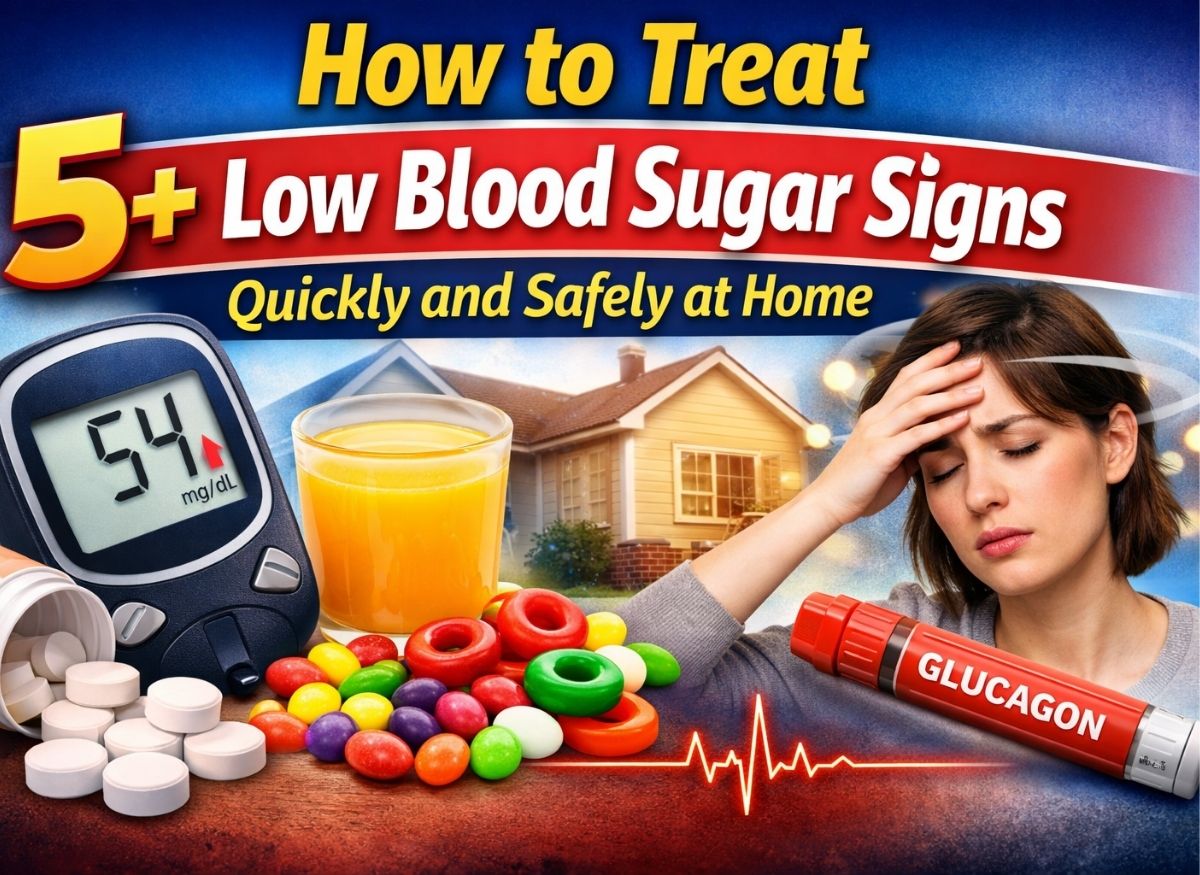
The signs of low blood sugar often arrive with no warning, and when they do, they are hard to miss. A sudden rush of dizziness, trembling hands, fuzzy focus, or a fierce urge to eat can take over your body. In those moments, knowing what is happening and what to do next isn’t just useful. It is essential.
These signs appear when glucose falls below the level your body needs to function properly. They are commonly linked to diabetes, but plenty of people without diabetes experience them after skipped meals, sugary diets, stress, or physical exertion. The trouble is that they can escalate fast if not treated in time, leading to confusion, fainting, or more serious complications.
Spotting low blood sugar early gives you the chance to act before things get worse. The right steps at the right moment can stabilize your glucose and restore your energy within minutes. What matters is knowing exactly what works and avoiding the common mistakes that set off another crash. This guide shows you how to identify the signs and follow a clear, step-by-step method for treating them safely at home, so you stay in control when your body starts to dip.
Low Blood Sugar Signs That Need Treatment
The signs can start quietly and then build in a way that feels abrupt and overwhelming. A slight tremor in your hands, a wave of sweating, or a sudden drop in concentration may seem minor at first. These early signals are your body’s warning system, telling you glucose is falling and action is needed.
They range from mild discomfort to serious neurological impairment. In the early stage, your body releases stress hormones such as adrenaline to push glucose back into the bloodstream, producing physical sensations that are hard to ignore. If the signs are missed or untreated, the brain starts to lose its main energy source, and more severe and dangerous symptoms follow.
Recognizing the signs early lets you treat the problem before it escalates. Once symptoms advance, responding becomes harder, and in severe cases impossible without help. Understanding how the signs develop helps you act quickly and avoid complications.
Low blood sugar is generally divided into two categories, mild to moderate and severe, and each reflects how urgently your body needs intervention.
Mild to Moderate Signs
Mild to moderate signs are often the first indication that your body needs attention right away. They include shakiness, nervousness, sweating, chills, irritability, dizziness, hunger, nausea, and a rapid heartbeat.
They come from the body’s hormonal response to falling glucose. When blood sugar drops, hormones such as adrenaline are released to correct the imbalance, triggering trembling, sweating, and heart palpitations.
Other early signs can include headaches, blurred vision, fatigue, and trouble concentrating. They may be unpleasant, but they serve a purpose: they warn you to act before things get worse.
Responding at this stage is critical. Treating the early signs with fast-acting carbohydrates can quickly restore balance and stop more serious symptoms from developing.
Severe Signs
Severe signs occur when the brain is no longer getting enough glucose to work properly. These symptoms are more serious and mean a medical emergency.
They include confusion, difficulty speaking, poor coordination, unusual behavior, blurred or double vision, and being unable to do simple tasks. As things worsen, a person may become disoriented, unresponsive, or lose consciousness, and in the most critical cases may have seizures. At this point the person cannot treat themselves and needs immediate help from others.
These are called neuroglycopenic effects, meaning the brain is starved of energy. Because the brain relies so heavily on glucose, even a brief interruption can significantly affect thinking, movement, and awareness.
The signs are not random. They follow a clear progression, from early physical warnings toward serious neurological impairment if ignored. Learning your own pattern can help you act faster and with more confidence. Early treatment is always simpler, safer, and more effective than waiting until symptoms become severe.
If the signs happen often, feel intense, or interfere with daily life, medical guidance is important. Persistent episodes may point to an underlying issue that needs proper evaluation. By understanding low blood sugar and responding promptly, you can protect your energy, stay steady, and lower the risk of dangerous complications.
Step-by-Step Guide to the 15-15 Rule
When the signs appear, acting quickly and correctly is critical. The 15-15 rule is a simple, structured method for treating low blood sugar safely at home without causing further imbalance. It restores glucose in a controlled way while avoiding the common mistake of overcorrecting.
The method involves eating a measured amount of fast-acting carbohydrate, waiting for your body to respond, and then reassessing. The aim is to relieve shakiness, dizziness, confusion, or sweating while preventing a sudden spike that leads to another crash later. Because signs can escalate rapidly, having a clear, memorized approach makes a real difference in how effectively you respond.
To manage the signs properly, it helps to walk through each step of the rule and understand why timing and food choice matter so much.
What Is the First Step?
The first and most important step is to consume exactly 15 grams of fast-acting carbohydrate as soon as symptoms start or when your blood sugar reading falls below 70 mg/dL.
This step quickly supplies glucose, the main fuel your brain depends on. When the signs occur, your body is running low on energy, and fast-acting carbohydrates are the quickest way to restore balance.
Choosing the right type of food is essential. Fast-acting carbohydrates are simple sugars absorbed rapidly into the bloodstream, such as glucose tablets, fruit juice, regular soda, or a spoonful of sugar or honey. They work quickly because they need minimal digestion.
Avoid foods containing fat, protein, or fiber at this stage, even if they’re convenient. Chocolate, cookies, and whole fruit slow sugar absorption and delay relief. During an active episode, speed matters more than fullness or nutritional balance.
The Second Step
After eating 15 grams of carbohydrate, wait 15 minutes without eating anything else. This pause gives your body time to absorb the glucose and begin correcting the imbalance.
The signs don’t vanish instantly, because glucose needs time to enter the bloodstream and reach your cells. Checking too soon or eating more right away can lead to overcorrection, where blood sugar climbs too high and sets off another cycle of instability.
Patience is essential here. While you wait, sit down, rest, and avoid physical activity, since movement can lower blood sugar further and slow recovery. Giving your body this short window ensures the treatment works safely and effectively.
What Happens Next?
Once 15 minutes have passed, recheck your blood sugar or reassess your symptoms. If symptoms are still present or your levels remain low, repeat the process with another 15 grams of fast-acting carbohydrate. This ensures the signs are fully addressed rather than partly treated. Some episodes need more than one cycle, especially if the initial drop was significant.
After your blood sugar returns to a stable range and the signs begin to fade, follow up with a balanced snack or meal containing protein and complex carbohydrates. This keeps levels steady and prevents another drop soon after.
The strength of the 15-15 rule is its balance. It supplies just enough glucose to relieve the signs without overwhelming your system. Spacing out intake and reassessment avoids the sharp spikes that often follow panic eating.
Each step is grounded in how the body handles glucose, making treatment both fast and controlled. That makes the method reliable, easy to remember, and practical for everyday use.
When to Repeat the 15-15 Rule
Repeat the rule if the signs are still present after the first treatment, or if your blood glucose remains below 70 mg/dL (4.0 mmol/L) after the 15-minute wait. This matters because the signs don’t always resolve after a single round.
After eating 15 grams of fast-acting carbohydrate and waiting 15 minutes, recheck your blood sugar or reassess how you feel. If shakiness, dizziness, sweating, or confusion continue, your body still needs more glucose.
At that point, repeat exactly as before: another 15 grams of fast-acting carbohydrate, then another 15-minute wait before checking again. Keeping the portion controlled is important. Taking more than 15 grams at once can cause a rapid spike followed by another crash, making the signs harder to manage.
This treat, wait, and recheck cycle may need repeating more than once, particularly if the drop was severe or caused by things like long-acting insulin, intense activity, or missed meals. Sometimes two or three cycles are needed before the signs fully improve. Staying calm and methodical helps ensure they are corrected safely without causing further imbalance.
What to Do After the Signs Improve
Once your blood sugar is back at a safe level and the signs begin to fade, the next step is just as important as the first. Eat a small snack or meal that combines protein and complex carbohydrates to prevent another drop.
The quick sugar you had works fast, but its effect is short-lived. Without follow-up, the signs can return once that initial glucose is used up, which is why stabilizing your levels with longer-lasting nutrients is essential.
A balanced snack keeps blood sugar steady by slowing digestion and releasing energy gradually. Good options include whole-grain crackers with cheese, a small sandwich with lean protein, or yogurt with nuts. These combinations keep your blood sugar stable longer and reduce the chance of another episode. This step matters even more if your next full meal is still a while away, since skipping it raises the risk of the signs coming back.
Low blood sugar calls for both quick action and careful follow-through. Repeating the 15-15 rule when needed gives your body the glucose it requires without overcorrecting, and the right snack afterward maintains stability and prevents another drop.
Recognizing the signs early, responding with the correct steps, and supporting your body afterward can noticeably change how often these episodes happen and how severe they feel. With a clear plan, you can handle them confidently and keep your energy steady through the day.
The Best Carbohydrate Sources for Treating Low Blood Sugar
The best sources are simple, fast-acting sugars with little to no fat or protein, so they absorb rapidly into the bloodstream. The 15-15 rule works only as well as the speed at which glucose reaches your body. These carbohydrates should need minimal digestion so they convert to usable glucose almost immediately, which is why liquids and pure sugars are preferred over complex or mixed foods.
When the signs develop, the body needs an immediate energy source to restore balance and keep symptoms from worsening. Choosing correctly is critical. Foods with fat, protein, or fiber can delay the rise in blood sugar and may prolong or intensify the signs. That is why options like glucose tablets, juice, or sugar-based liquids are considered most effective.
Portion control matters just as much. The standard recommendation is exactly 15 grams of carbohydrate. Less may not fully relieve the signs, while more can cause overcorrection and push blood sugar too high. Preparing a dedicated “hypo kit” with pre-measured items lets you respond quickly and accurately whenever the signs appear.
Liquids That Help
Liquids providing roughly 15 grams of fast-acting carbohydrate include 4 ounces (120 mL) of fruit juice, 4 ounces of regular (non-diet) soda, or one tablespoon of sugar, honey, or corn syrup dissolved in water. They are widely recommended because liquids are absorbed faster than solid food, making them highly effective.
The sugar in these drinks is already in a simple, dissolved form, so it moves quickly through the digestive system and enters the bloodstream with little delay. That rapid absorption is essential for restoring glucose and relieving shakiness, dizziness, and weakness within a short time.
When choosing juice, pick 100% juice rather than juice cocktails, since added ingredients can slow absorption or reduce effectiveness. Likewise, use regular soda instead of diet, because artificial sweeteners don’t raise blood glucose and won’t resolve the signs.
For a direct, dependable option, one tablespoon of granulated sugar or honey can be taken on its own or mixed with water. Liquid sources are not only effective but practical, especially when the signs make it hard to chew or swallow solid food.
Solid Foods That Help
Solid foods providing about 15 grams of fast-acting carbohydrate include 3 to 4 glucose tablets (per package instructions), 5 to 6 large jellybeans, 15 Skittles, or 6 to 8 Lifesavers or similar hard candies. They work because they contain simple sugars that absorb quickly and relieve the signs in a short time.
Glucose tablets are widely considered the most reliable choice. They are formulated with dextrose, a fast-acting sugar that raises blood glucose efficiently. Besides speed, they offer precise dosing, portability, and a long shelf life. The packaging states how many tablets equal 15 grams of carbohydrate, removing any uncertainty during an episode.
If glucose tablets aren’t available, certain candies can substitute. The key is to choose ones that are mostly sugar and free of fat or protein. Gummy candies such as jellybeans or quick-dissolving hard candies are suitable. Check nutrition labels carefully, though, because carbohydrate content varies by brand and size. Getting the portion right treats the signs effectively without overeating.
These solid options are easy to carry in a pocket, bag, or car, making them practical for unexpected episodes away from home.
Foods to Avoid During Treatment
Avoid foods high in fat or protein, such as chocolate, cookies, ice cream, pizza, nuts, and peanut butter. Although some contain sugar, they aren’t suitable for immediate treatment.
Fat and protein slow digestion and delay how fast sugar enters the bloodstream. During an episode, the priority is raising glucose as quickly as possible. High-fat foods like chocolate can significantly hold this up because fat slows stomach emptying, so sugar takes longer to reach the small intestine, where it is absorbed.
That delay can make the signs worse, letting symptoms intensify while you wait for the food to work. It can also lead to overcorrection: when relief doesn’t come quickly, people may eat more, which can later cause a sharp, prolonged rise in blood sugar.
Foods with protein and fat are useful after blood sugar stabilizes, but not in the initial stage of treatment. For immediate relief, rely on pure, fast-acting carbohydrates that absorb without delay.
When Low Blood Sugar Becomes a Medical Emergency
It becomes an emergency when symptoms reach the point where a person can no longer treat themselves safely, or when blood sugar doesn’t improve despite repeated treatment. Mild to moderate signs can often be handled at home with the 15-15 rule, but there is a clear threshold beyond which immediate medical attention is needed.
Severe signs such as confusion, disorientation, unresponsiveness, or loss of consciousness mean the brain is no longer getting enough glucose to function. The risk rises significantly at this stage, since untreated hypoglycemia can lead to seizures, coma, and in extreme cases death. Recognizing when the signs have crossed into this critical stage is essential to preventing serious outcomes.
An effective emergency plan, shared with family, friends, or coworkers, helps make sure the right actions are taken quickly when severe signs occur.
Should You Call Emergency Services?
Yes. Call emergency services immediately if a person with low blood sugar is unconscious, having a seizure, or unable to swallow safely. These situations are life-threatening.
At this level, giving food or drink by mouth is dangerous. A person who can’t swallow properly risks choking or aspirating, which can lead to suffocation or serious lung complications. So no liquids, gels, or solid foods should be given in this state.
The priority is to call emergency services right away. While waiting for help, place the person on their side in the recovery position to keep the airway clear and reduce the risk of choking. If a glucagon emergency kit is available and you are trained to use it, giving glucagon can help raise blood sugar by prompting the liver to release stored glucose.
Even after glucagon, medical evaluation is still necessary. Severe episodes always need professional assessment to ensure full recovery and to find the cause.
What If the Signs Don’t Improve After Treatment?
If the signs don’t improve after two or three cycles of the 15-15 rule, get medical attention immediately. That means that after 30 to 45 grams of fast-acting carbohydrate over 30 to 45 minutes, blood sugar is still low or symptoms persist.
Persistent signs may point to a more serious underlying issue. Possible causes include excessive doses of long-acting insulin, certain medications, prolonged physical activity, alcohol without food, or medical conditions that interfere with glucose production.
In these cases, continuing to eat more sugar isn’t an effective solution and may complicate treatment. Signs that don’t respond to standard care suggest the body can’t restore balance on its own.
A healthcare provider or emergency services can give appropriate treatment, such as intravenous glucose. Early intervention in these situations is critical to prevent complications and restore stable blood sugar safely.
Low blood sugar should always be taken seriously, but knowing when it becomes an emergency is just as important as knowing how to treat it. Severe symptoms or a lack of response to treatment are clear signals that professional help is needed. Acting quickly, recognizing dangerous signs, and following a clear plan can be life-saving.
Advanced Considerations for Managing and Preventing Low Blood Sugar
Advanced management centers on prevention, awareness, and long-term stability rather than only immediate treatment. It involves recognizing patterns, understanding hypoglycemia unawareness, adjusting treatment for different people, and knowing when emergency measures such as glucagon are needed instead of relying only on the 15-15 rule. These considerations are essential to reducing how often and how severely the signs occur and to improving overall safety.
The signs can become more complex over time, especially for people who have frequent episodes. A proactive approach gives better control by identifying triggers early and responding before symptoms escalate. Shifting from reactive care to prevention helps maintain steady energy and lowers the risk of dangerous complications.
Preventing Future Episodes
Prevention takes consistent daily habits, structured planning, and regular communication with a healthcare provider. A stable meal and snack schedule is the foundation, because long gaps between meals can cause drops in blood sugar, particularly in people using insulin or certain medications.
Balancing food with physical activity is equally important. Exercise raises insulin sensitivity, meaning the body uses glucose more efficiently, which can trigger the signs during or even several hours after activity. Monitoring blood sugar before, during, and after exercise helps determine when extra carbohydrate is needed to stay stable.
Preparation matters too. Keeping fast-acting carbohydrates such as glucose tablets or juice within easy reach means you can treat the signs immediately, reducing the risk of escalation.
Strategies to Reduce Episodes
A thorough prevention plan includes targeted strategies for the common causes.
- Medication adjustments: These are essential for long-term control. Reviewing blood sugar patterns with a healthcare provider can reveal frequent lows and show whether insulin, sulfonylurea, or other medication doses need to change.
- Alcohol awareness: Alcohol can limit the liver’s ability to release stored glucose, raising the risk of delayed lows. Drinking in moderation and always with food helps minimize this.
- Accurate carbohydrate tracking: For people on flexible insulin plans, matching insulin doses to carbohydrate intake prevents fluctuations and lowers the likelihood of lows.
Managing low blood sugar well means shifting toward prevention and consistency. Recognizing your personal patterns, keeping structured routines, and making informed adjustments can significantly cut how often episodes occur. A proactive strategy not only prevents the signs but also supports overall health, improves daily functioning, and builds confidence in managing your blood sugar.
How Treatment Differs for Children vs. Adults
Treating children requires more precise adjustments than treating adults, particularly in carbohydrate dosing, symptom recognition, and target glucose levels. Adults commonly follow the standard 15-15 rule, but that fixed approach isn’t always right for children, especially younger ones with lower body weight.
For children, carbohydrate amounts are often calculated by body weight instead of using a fixed number. A common recommendation is about 0.3 grams of carbohydrate per kilogram, which helps avoid overcorrection. A toddler, for example, may need only 5 to 6 grams to resolve the signs, while an older child may need closer to 10 grams. Using adult-sized doses in children can cause rapid spikes and unstable glucose.
Recognizing the signs in children can also be harder. Younger children may not be able to describe their symptoms clearly, so caregivers must watch for non-verbal cues such as irritability, sudden tiredness, pale skin, or unusual behavior. That makes close observation and frequent monitoring essential.
Target glucose levels are often set slightly higher in children to provide a safety buffer, especially overnight when the signs are harder to detect. In addition, caregivers, teachers, and school staff must be trained to recognize the signs and respond according to the child’s individual care plan.
Planning around daily routines such as school, physical activity, and social events is also critical. Adjusting food intake and insulin dosing helps reduce the risk of lows during periods of extra activity or irregular schedules.
The 15-15 Rule vs. Glucagon
The difference between the 15-15 rule and glucagon depends on how severe the signs are and whether the person can respond.
The 15-15 rule is for mild to moderate signs when a person is conscious, alert, and able to swallow safely. It involves eating 15 grams of fast-acting carbohydrate, waiting 15 minutes, and rechecking blood sugar. This method relies on the digestive system to absorb glucose and gradually restore normal levels.
Glucagon, by contrast, is for severe cases when the signs progress to unconsciousness, seizures, or an inability to swallow. It works differently, signaling the liver to release stored glucose directly into the bloodstream, raising blood sugar rapidly without needing anything by mouth.
Another key difference is who gives the treatment. The 15-15 rule is usually self-managed, while glucagon must be given by someone else, such as a caregiver or trained person. Because severe signs can impair awareness and coordination, outside help is required.
The clinical context differs too. The 15-15 rule is part of routine management for everyday episodes, while glucagon is reserved for emergencies. After glucagon is given, emergency medical services should be contacted immediately.
Follow-up care matters in both cases. After the signs improve with the 15-15 rule, a balanced snack helps maintain stability. After glucagon, once the person regains consciousness and can swallow safely, they should also eat carbohydrates to restore energy stores and prevent another drop.
Conclusion
The signs of low blood sugar are your body’s way of asking for immediate attention, and ignoring them can quickly lead to more serious symptoms. Acting early makes all the difference. The sooner you recognize them, the easier it is to correct them and head off a full crash.
Treating low blood sugar at home isn’t complicated, but it does take the right approach. Choosing fast-acting carbohydrates, following up with balanced nutrients, and avoiding foods that cause rapid spikes can stabilize your levels and keep your energy steady. These small, deliberate actions can reduce how often the signs appear and how severe they feel.
Ask yourself a simple question: do you recognize your signs early enough, or do you wait until they become overwhelming? If they happen often, feel severe, or interfere with your daily routine, seek medical advice. Persistent symptoms may point to an underlying issue that needs proper evaluation.
With better awareness and a clear plan, you can respond to the signs with confidence, protect your energy, and move through your day with more stability and control.
FAQs
Can low blood sugar signs occur if you’re not diabetic?
Yes. This is often called reactive hypoglycemia and may follow high-sugar meals, skipped meals, intense exercise, or alcohol. Hormonal imbalances or certain medical conditions can also cause the signs in people without diabetes. Identifying the underlying cause is important if episodes happen frequently.
How long do the signs usually last after treatment?
They typically begin to improve within 10 to 15 minutes of eating fast-acting carbohydrate. Full recovery can take longer depending on how low blood sugar fell and what caused the episode. Following up with a balanced snack helps keep symptoms from returning once glucose stabilizes.
Why do the signs sometimes come back after treatment?
They can return if the initial treatment gave only a short-term rise in glucose without sustained support, which often happens when fast-acting sugars aren’t followed by protein and complex carbohydrates. Ongoing factors such as insulin activity, physical exertion, or missed meals can also cause a second drop if not addressed.
Is nighttime low blood sugar dangerous?
It can be harder to detect and may become dangerous if untreated. Common signs include night sweats, restless sleep, nightmares, or waking up confused or exhausted. Because these can go unnoticed, keeping blood sugar stable before bed and using preventive snacks when needed is important.
What is hypoglycemia unawareness and why does it matter?
It occurs when a person no longer feels early signs such as shakiness or sweating. It develops after repeated episodes and raises the risk of severe hypoglycemia because warning signals are reduced. It requires careful monitoring and medical guidance to prevent dangerous drops and help restore awareness over time.