
10 G6PD Deficiency Symptoms You Should Not Ignore
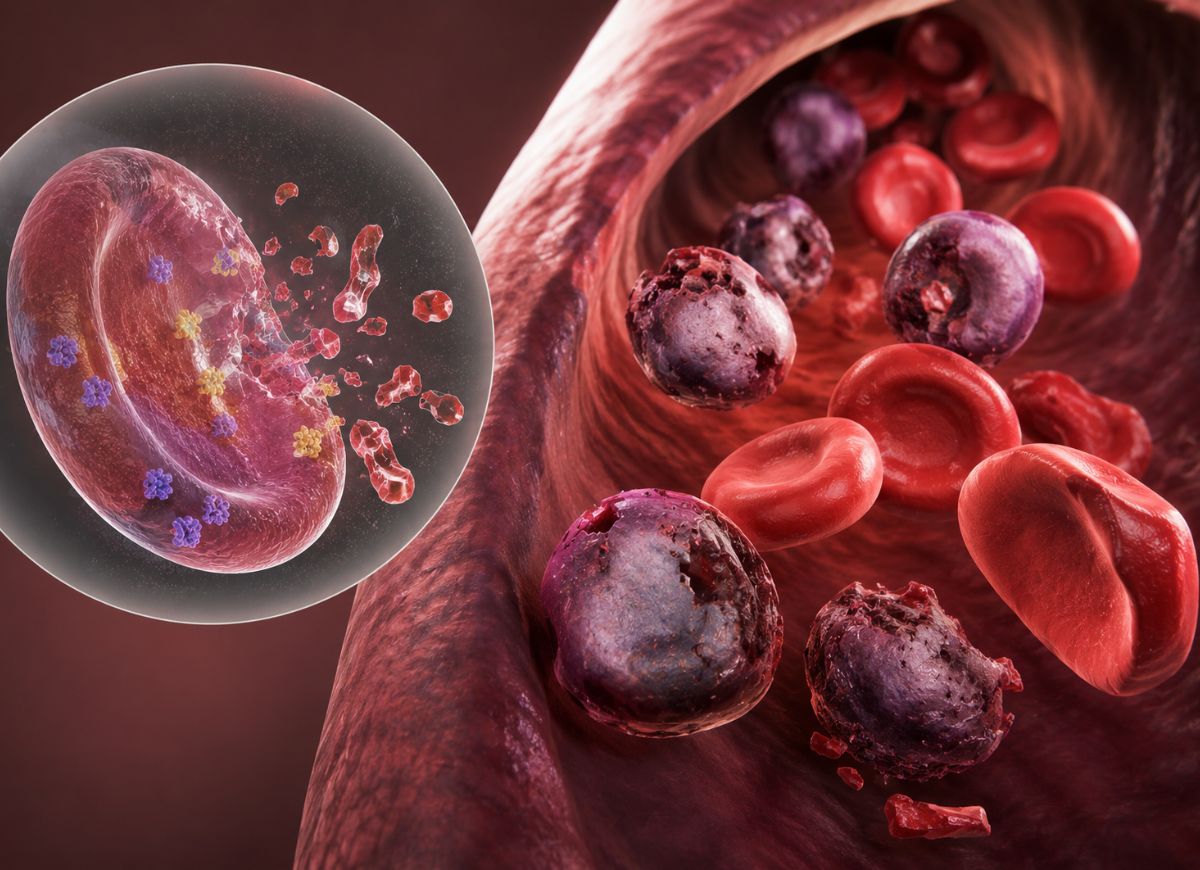
G6PD deficiency is a genetic condition that affects how red blood cells protect themselves from damage. G6PD stands for glucose-6-phosphate dehydrogenase, an enzyme that helps red blood cells cope with oxidative stress. When the body does not produce enough of this enzyme, certain foods, infections, medicines, or chemicals can cause red blood cells to break down too quickly. This process is known as hemolysis.
Many people with G6PD deficiency feel completely healthy most of the time and may not know they have the condition. Symptoms often appear after exposure to a trigger, such as fava beans, certain antibiotics, some antimalarial medicines, mothballs, or a serious infection. When significant hemolysis occurs, the body may not be able to replace red blood cells quickly enough. This can lead to fatigue, pale skin, yellowing of the eyes, dark urine, shortness of breath, dizziness, and a rapid heartbeat.
G6PD deficiency is one of the most common inherited enzyme disorders worldwide. It affects hundreds of millions of people and is particularly common in parts of Africa, the Mediterranean, the Middle East, and Asia. Because the severity of symptoms can vary, understanding the warning signs is especially important for people and families who know they have the condition.
Symptoms may develop quickly when hemolysis is severe. Newborns may develop jaundice, while older children and adults can develop sudden anemia following exposure to a trigger. Recognizing the signs can help people seek medical attention sooner and avoid future episodes. This article explains 10 G6PD deficiency symptoms, why they happen, and when they may require urgent care.
What is G6PD Deficiency?
G6PD deficiency is an inherited condition in which the body has insufficient levels of glucose-6-phosphate dehydrogenase, an enzyme that protects red blood cells from oxidative damage.
The condition is inherited through the X chromosome and is more commonly expressed in males. Many people do not have symptoms during everyday life. However, exposure to certain oxidative triggers can cause acute hemolytic anemia, in which red blood cells are destroyed faster than the body can replace them.
The protective function of G6PD is especially important because red blood cells depend on it to defend themselves against oxidative stress.
Primary Role of the G6PD Enzyme In Red Blood Cells
The G6PD enzyme helps red blood cells produce nicotinamide adenine dinucleotide phosphate, commonly called NADPH. NADPH is essential for maintaining the antioxidant defenses that protect red blood cells from harmful oxidative substances.
Red blood cells are different from most other cells because they do not contain mitochondria. As a result, they rely heavily on the pentose phosphate pathway for important protective functions, with G6PD playing a central role in this process.
Without enough functional G6PD, NADPH production is reduced. This makes it harder for red blood cells to maintain their antioxidant protection when oxidative stress increases.
NADPH is particularly important for recycling glutathione, an antioxidant that helps neutralize harmful reactive oxygen species. When glutathione cannot be adequately regenerated, red blood cells become more vulnerable to oxidative damage.
What Happens During a Hemolytic Crisis In a Person With G6PD Deficiency?
A hemolytic crisis can occur when a person with G6PD deficiency is exposed to a trigger that produces significant oxidative stress. Because their red blood cells have limited antioxidant protection, the cells can become damaged and break down rapidly.
Triggers can include certain medicines, fava beans, or serious infections. In a person without G6PD deficiency, the enzyme helps increase NADPH production to protect red blood cells from oxidative substances. With G6PD deficiency, this protective response may not be strong enough.
Oxidative stress can damage hemoglobin inside red blood cells. The damaged hemoglobin may form structures called Heinz bodies, which signal that the cells have been damaged.
The body then removes these damaged cells through two main processes. Some red blood cells break apart directly inside the bloodstream, while others are removed by immune cells in the spleen and liver.
The breakdown of red blood cells releases hemoglobin into the bloodstream. Some of this hemoglobin is filtered by the kidneys, which can make the urine dark. The breakdown of hemoglobin also increases bilirubin levels, potentially causing jaundice.
Together, these changes can result in acute hemolytic anemia and its associated symptoms.
10 Key Symptoms of G6PD Deficiency
Yellowing of the skin (Jaundice)
Jaundice occurs when bilirubin builds up in the bloodstream. During hemolysis, large numbers of red blood cells are broken down, producing more bilirubin than the liver may be able to process efficiently.
As bilirubin levels rise, it can collect in body tissues and give the skin a noticeable yellow color.
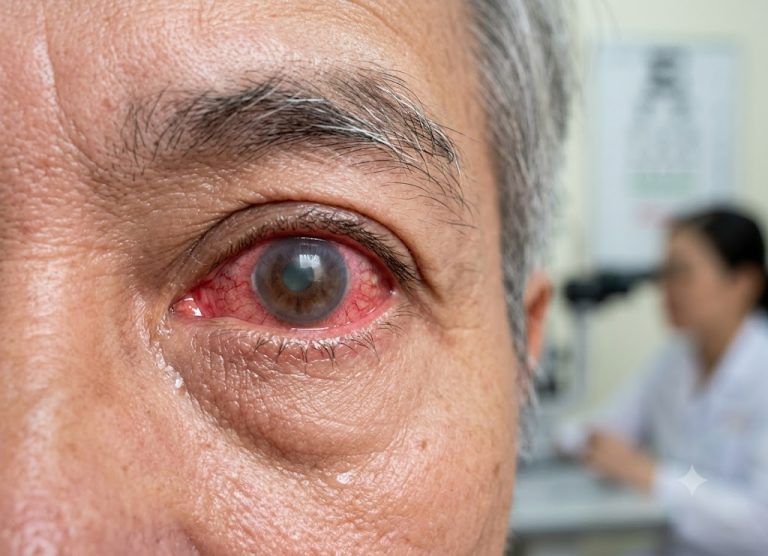
Yellowing of the whites of the eyes (Icteric sclera)
The whites of the eyes can also become yellow when bilirubin levels increase. This change is often easy to notice and can be an important sign of jaundice during a hemolytic episode.
Extreme tiredness or fatigue
Severe fatigue can develop when hemolysis causes anemia. Red blood cells carry oxygen throughout the body, so a sudden reduction in their number can decrease oxygen delivery to tissues.
As a result, a person may feel unusually weak, exhausted, or unable to carry out normal activities.
Unusually pale skin (Pallor)
Pallor refers to unusually pale skin. When red blood cell levels fall, the skin may lose some of its normal color because there is less hemoglobin circulating through the small blood vessels near the surface.
Paleness may be easier to notice around the nail beds, gums, and inside the lower eyelids.
Shortness of breath (Dyspnea)
Anemia reduces the amount of oxygen that the blood can carry. In response, the body may increase breathing to try to provide more oxygen to tissues.
This can result in shortness of breath or a feeling that it is difficult to get enough air. Breathlessness may become more noticeable with activity and can be significant during severe anemia.
Rapid heart rate (Tachycardia)
When the blood has a reduced oxygen-carrying capacity, the heart may beat faster to circulate blood more quickly.
This increased heart rate can feel like a racing pulse or palpitations. It is one way the cardiovascular system attempts to compensate for reduced oxygen delivery.
Dizziness or lightheadedness
A significant drop in red blood cells can reduce oxygen delivery to the brain. This may cause dizziness, lightheadedness, weakness, or a feeling that you may faint.
Severe anemia may lead to confusion or loss of consciousness and requires prompt medical attention.
Dark, tea-colored or red-colored urine
Dark or reddish-brown urine can occur when red blood cells break down inside the bloodstream and release hemoglobin.
The kidneys filter the excess free hemoglobin, which can change the urine to a dark color that may resemble tea or cola. This can be an important sign of active hemolysis.
Abdominal or back pain
Some people experience abdominal or back pain during a hemolytic crisis. The discomfort may be related to the kidneys processing large amounts of hemoglobin and cellular breakdown products.
The spleen may also become enlarged as it works to remove damaged red blood cells, potentially causing pain in the upper left side of the abdomen that can extend toward the back.
Enlarged spleen (Splenomegaly)
The spleen helps filter the blood and remove old or damaged red blood cells. During significant hemolysis, it may have to work harder than usual to clear damaged cells.
This increased activity can cause the spleen to enlarge, a condition called splenomegaly. An enlarged spleen may be tender and can sometimes be detected during a physical examination.
Common Triggers for Hemolysis in G6PD Deficiency
Hemolysis in people with G6PD deficiency can be triggered by several sources of oxidative stress. Common triggers include fava beans, certain medications, some chemicals, and infections.
These triggers can overwhelm the limited antioxidant defenses of G6PD-deficient red blood cells and cause them to break down.
A person may feel completely well before exposure to a trigger and then develop acute hemolytic anemia relatively quickly. For this reason, knowing and avoiding personal triggers is an important part of managing G6PD deficiency.
Specific Foods and Substances to Avoid
Fava beans are the most well-known food trigger for G6PD deficiency. Naphthalene, a chemical commonly found in traditional mothballs, is another important substance to avoid.
Fava beans, also called broad beans, contain compounds called vicine and convicine. These substances can contribute to oxidative stress and may trigger rapid hemolysis in susceptible individuals. This reaction is known as favism.
The risk from other legumes is generally considered much less consistent. People with G6PD deficiency should discuss their individual dietary restrictions with a healthcare professional rather than automatically avoiding every type of bean or legume.
Naphthalene exposure can occur through inhalation or accidental ingestion. Mothballs containing naphthalene can be particularly dangerous for children with G6PD deficiency. Using naphthalene-free alternatives can help reduce this risk.
Infections or Illnesses
Infections are another important trigger for hemolysis in people with G6PD deficiency. The oxidative stress does not necessarily come from an outside chemical. Instead, the body’s own immune response can produce substances that increase oxidative stress while fighting an infection.
During an infection, immune cells become highly active and produce reactive oxygen species to help destroy harmful microorganisms. These substances can also place additional oxidative stress on red blood cells.
People with normal G6PD activity can generally protect their red blood cells from this stress more effectively. In G6PD deficiency, the protective response is limited.
As a result, red blood cells may become damaged and destroyed. Infections such as viral hepatitis, pneumonia, typhoid fever, and other serious illnesses have been associated with hemolytic episodes.
Anyone with G6PD deficiency who develops a significant infection or fever should be monitored for possible signs of hemolysis.
G6PD Deficiency Diagnosis
G6PD deficiency can be diagnosed by measuring the activity of the G6PD enzyme in red blood cells.
One screening method is the fluorescent spot test. This test looks at the production of NADPH and can help identify reduced G6PD activity.
A quantitative test can provide a more precise measurement of enzyme activity and may help confirm the diagnosis.
The timing of testing is important. Testing during or shortly after a hemolytic episode can sometimes produce a misleading result.
During hemolysis, older red blood cells with lower G6PD activity may be destroyed first. The bone marrow then releases younger red blood cells, or reticulocytes, which naturally have higher G6PD activity.
Because of this change in the red blood cell population, the test may temporarily appear normal even when G6PD deficiency is present. A healthcare professional may recommend repeating the test after the episode has resolved and the red blood cell population has stabilized.
How is Neonatal Jaundice Related to G6PD Deficiency?
Neonatal jaundice causes a newborn’s skin and eyes to appear yellow because bilirubin builds up in the body. Although jaundice is common in newborns, it can become more severe in babies with G6PD deficiency.
Newborns already have a higher rate of red blood cell breakdown and an immature liver that is still developing its ability to process bilirubin.
If a baby with G6PD deficiency experiences oxidative stress, red blood cells can break down rapidly. This releases additional bilirubin into the bloodstream.
When bilirubin rises significantly, the condition is called hyperbilirubinemia. Severe untreated hyperbilirubinemia can allow bilirubin to enter brain tissue and cause serious neurological injury.
A severe form of this complication is known as kernicterus. It can result in long-term problems such as cerebral palsy, hearing loss, and developmental difficulties.
For this reason, early recognition and monitoring of jaundice are especially important in newborns who may have G6PD deficiency. Prompt treatment, including phototherapy when appropriate, can help reduce dangerously high bilirubin levels.
Genetic Inheritance Pattern of G6PD Deficiency
G6PD deficiency is usually inherited through an X-linked recessive pattern. The G6PD gene is located on the X chromosome.
Males have one X chromosome and one Y chromosome. Because they have only one X chromosome, inheriting a G6PD gene variant can be enough to cause the deficiency.
Females have two X chromosomes. Those who inherit one affected copy are often described as carriers, although some female carriers can also experience symptoms.
If a mother carries a G6PD gene variant, she may pass the affected X chromosome to her children. The inheritance pattern depends on the genetic status of both parents.
In females, symptoms can sometimes occur even when only one X chromosome carries the affected gene. This can happen because of random X-chromosome inactivation, also known as lyonization.
If a large proportion of cells inactivate the normal X chromosome, overall G6PD activity may become low enough to cause symptoms, particularly after exposure to strong oxidative triggers.
G6PD Deficiency and Other Hemolytic Anemias like Sickle Cell Disease
G6PD deficiency and Sickle Cell Disease are both inherited conditions that can cause hemolytic anemia, but they develop for different reasons.
G6PD deficiency is an enzymopathy, meaning that it results from reduced activity of an enzyme needed to protect red blood cells from oxidative damage.
Sickle Cell Disease is a hemoglobinopathy caused by an abnormal form of hemoglobin. The abnormal hemoglobin can cause red blood cells to become rigid and develop a characteristic sickle shape.
Hemolysis in G6PD deficiency is often episodic and occurs after exposure to a trigger such as certain medicines, fava beans, or infections. Between episodes, many affected individuals have few or no symptoms.
Sickle Cell Disease, on the other hand, can cause ongoing red blood cell breakdown. Sickled cells can also block small blood vessels, leading to painful vaso-occlusive episodes and other complications.
These differences are important because the conditions have different causes, patterns, complications, and treatment approaches.
FAQs
1. What foods trigger G6PD?
Fava beans are the best-known food trigger for G6PD deficiency. Eating them can cause rapid red blood cell breakdown in susceptible individuals.
Some healthcare professionals may recommend caution with certain other foods or substances depending on a person’s specific situation. Because triggers and sensitivity can vary, it is best to follow the avoidance list provided by a healthcare professional.
2. Can G6PD go away with age?
No. G6PD deficiency is an inherited condition and does not disappear with age.
However, many people have few or no symptoms when they avoid known triggers. Learning which foods, medicines, chemicals, and illnesses can cause problems can help reduce the risk of hemolytic episodes.
3. Can G6PD be passed from father to daughter?
Yes. Because the G6PD gene is located on the X chromosome, a father with G6PD deficiency passes his affected X chromosome to all of his daughters.
He does not pass his X chromosome to his sons, so he does not directly pass the affected X chromosome to them.
Whether a daughter develops symptoms depends on her genetic pattern and other factors affecting G6PD activity.
4. Can people with G6PD have kids?
Yes. People with G6PD deficiency can have children, and the condition does not generally prevent fertility.
Because G6PD deficiency is inherited, people with the condition or a family history of it may benefit from genetic counseling. A healthcare professional can explain the potential inheritance pattern for future children.
5. Is G6PD linked to autism?
There is no strong evidence that G6PD deficiency directly causes autism.
Some research has explored possible associations, but this does not establish a direct cause-and-effect relationship. Autism has a complex combination of genetic and environmental influences.
6. Can G6PD get a tattoo?
Many people with G6PD deficiency can get a tattoo, but they should take normal infection-control and wound-care precautions.
It is important to choose a licensed and hygienic tattoo studio, use safe equipment and inks, and follow proper aftercare instructions. Anyone with concerns about their individual condition should discuss the procedure with a healthcare professional beforehand.
7. How serious is G6PD deficiency?
G6PD deficiency is often manageable, but a severe hemolytic episode can become serious.
Symptoms such as dark urine, yellow skin or eyes, extreme weakness, pale skin, dizziness, shortness of breath, chest discomfort, or a rapid heartbeat can indicate significant anemia and should not be ignored.
Severe jaundice can also be dangerous in newborns and requires prompt medical evaluation.
Conclusion
G6PD deficiency is a lifelong genetic condition, but many people can manage it successfully once they understand their triggers and know how to avoid them.
Avoiding known triggers such as fava beans, checking medicines before taking them, staying away from harmful chemicals such as naphthalene-containing mothballs, and seeking treatment for infections can help reduce the risk of hemolysis.
Warning signs such as dark urine, jaundice, unusual weakness, dizziness, a rapid heartbeat, or difficulty breathing should receive medical attention. These symptoms may indicate that red blood cells are being destroyed faster than the body can replace them.
With proper medical guidance, trigger awareness, and appropriate monitoring, people with G6PD deficiency can take steps to protect their health and reduce the risk of serious complications.