
9 Early Warning Signs of Hantavirus Pulmonary Syndrome

Hantavirus Pulmonary Syndrome (HPS) is a rare but severe respiratory illness. It can progress fast and become life-threatening within a short time. It is uncommon, but its high fatality rate makes it a serious concern.
The Centers for Disease Control and Prevention reports that about 30% to 40% of reported HPS cases in the United States end in death. Since the disease was first identified in 1993, only several hundred cases have been confirmed nationwide, yet the severity of outcomes has made it a major public health issue. Case numbers are low worldwide, but the risk remains in regions where contact with infected rodents is more likely.
HPS is caused by hantaviruses, which spread mainly through contact with the urine, droppings, or saliva of infected rodents. The most common strain in North America is the Sin Nombre virus, usually carried by deer mice. What makes the disease so dangerous is how easily its early symptoms are mistaken for milder illnesses.
At first, the signs look like a common viral infection: fatigue, fever, muscle aches, and headaches. Most people don’t connect these symptoms with a potentially severe lung condition.
Then things can change dramatically. Within a few days, symptoms may escalate to coughing, shortness of breath, and fluid in the lungs. This rapid shift from mild discomfort to respiratory distress is a defining feature of HPS and a major reason for its high death rate. When the illness is recognized late, there is less chance for early medical care.
Knowing the early warning signs is essential. Noticing subtle symptoms and thinking about possible exposure can lead to faster diagnosis and supportive care. This article outlines nine early signs of Hantavirus Pulmonary Syndrome that should never be ignored, to help tell it apart from more common respiratory illnesses before it becomes critical.
What is Hantavirus Pulmonary Syndrome?
Hantavirus Pulmonary Syndrome (HPS) is a severe and potentially fatal respiratory disease in humans caused by infection with various strains of hantaviruses. These viruses are carried and spread mainly by rodents, so human infection is a consequence of exposure to infested environments.
HPS starts with flu-like symptoms that can quickly progress to life-threatening respiratory failure as the lungs fill with fluid, a condition called pulmonary edema.
Because it progresses quickly and the death rate can be as high as 38% according to the CDC, early recognition and immediate medical care are vital for survival. HPS is not a single disease but a syndrome caused by several distinct “New World” hantaviruses found across the Americas, each tied to a specific rodent host.
The most common carrier in North America is the deer mouse (Peromyscus maniculatus), which sheds the virus in its urine, droppings, and saliva. People usually don’t catch it from direct contact with the animals. They become infected by breathing in microscopic airborne particles of this dried waste after it has been stirred into the air.
Two Distinct Phases of HPS Illness
HPS has two distinct phases: an early, non-specific prodromal phase and a late, severe cardiopulmonary phase.
Understanding this progression matters because the first signs are often mistaken for more common viral illnesses. That creates a deceptive window in which care can be sought before the disease becomes life-threatening. This article focuses on the early phase, because recognizing its symptoms is the key to prompt treatment.
Early (Prodromal) Phase
This stage usually begins one to eight weeks after exposure to the virus (the incubation period). It lasts about three to five days, with symptoms that closely resemble influenza or other common viral infections.
Patients have a sudden onset of fever, chills, profound fatigue, and severe muscle aches, especially in the large muscle groups of the back, hips, and thighs. Headaches, dizziness, and digestive problems such as nausea, vomiting, diarrhea, and abdominal pain are also very common.
Importantly, classic respiratory symptoms like coughing and shortness of breath are usually absent at this point, which can mislead both patients and doctors. This is the most important time to seek medical evaluation, especially after any possible exposure to rodents or their habitats.
Late (Cardiopulmonary) Phase
The second phase brings a rapid, dramatic decline, usually four to ten days after the first symptoms. Its hallmark is the sudden onset of severe breathing difficulty.
Patients develop a cough (often dry at first) and profound shortness of breath (dyspnea) as their lungs fill with fluid from leaky capillaries, which is pulmonary edema. This causes severe oxygen deprivation, and many patients need mechanical ventilation.
The heart’s ability to pump blood can also be compromised, leading to dangerously low blood pressure and shock. The death rate is highest in this phase, which is why it is so urgent to get patients to a hospital before these symptoms develop.
Is Hantavirus Pulmonary Syndrome Contagious Between People?
In almost all cases, no. HPS is not considered contagious and is not passed from one person to another. The hantaviruses that cause HPS in the Americas spread to humans almost entirely through environmental exposure to infected rodents and their waste.
The main route is breathing in aerosolized virus particles from dried rodent urine, droppings, or saliva that have been disturbed and circulated in the air.
This makes HPS a zoonotic disease, meaning it passes from animals to humans, rather than a communicable disease that spreads through the human population like influenza or the common cold. There is no evidence of transmission through casual contact, such as touching or talking to an infected person, or from a healthcare worker to a patient.
The CDC has studied HPS cases in the United States extensively since 1993 and has found no instances of person-to-person spread. Family members and healthcare providers caring for HPS patients are therefore not at risk from the patient, as long as they weren’t also exposed to the original source (the infested area). The virus is not spread through the air by an infected person’s breath, coughing, or sneezing.
There is one rare exception outside North America. The Andes virus, found in parts of Argentina and Chile, has been shown to spread between people through close personal contact with an infected person’s bodily fluids.
That is a different virus in a different part of the world. The Sin Nombre virus and other hantaviruses that cause HPS in the United States and Canada do not behave this way. For people in North America, the focus should stay entirely on preventing exposure to rodents and their habitats.
10 Early Warning Signs of Hantavirus Pulmonary Syndrome
Fever
The fever in early HPS is typically high, often above 101°F (38.3°C), and comes with chills. It appears suddenly and is one of the first and most consistent signs of infection. Unlike in some illnesses where fever is low-grade, hantavirus fever is strong and signals a significant response by the whole body to the virus.
Fatigue
This is not ordinary tiredness. Patients describe an overwhelming sense of malaise and lethargy that makes even simple daily tasks difficult. The fatigue is profound and completely draining, often described as feeling “hit by a truck.” This extreme exhaustion is a characteristic sign of the body’s intense inflammatory reaction to the virus.
Muscle Aches (Myalgia)
Muscle aches are common with the flu, but the aches in HPS are especially intense and follow a distinct pattern. The pain is strongest in the large muscle groups. Patients often report deep, aching pain in the thighs, hips, back, and sometimes the shoulders.
This is a useful diagnostic clue that helps separate HPS from other viral illnesses, where muscle aches may be more widespread and milder. The severity of the pain is often a leading complaint when patients first seek care.
Nausea and Vomiting
Patients may have persistent nausea that leads to vomiting. This adds to dehydration and to the general feeling of severe illness and weakness in the early stage. It results directly from the infection affecting multiple body systems, including the digestive tract.
Diarrhea
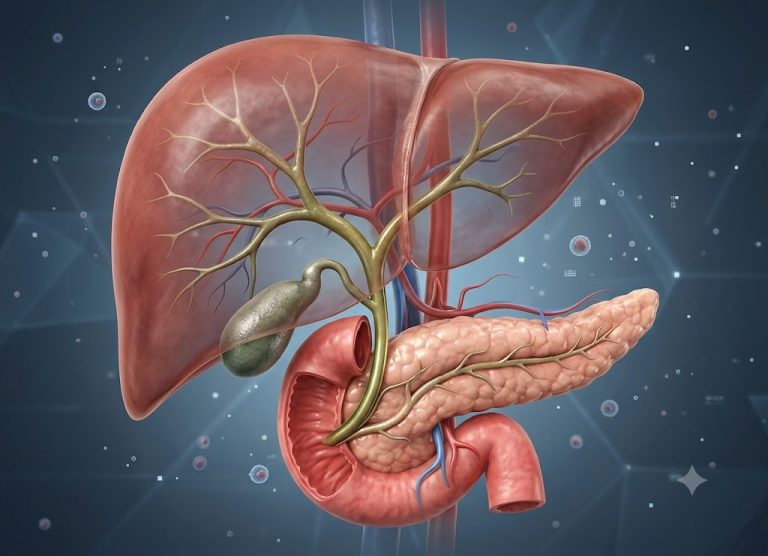
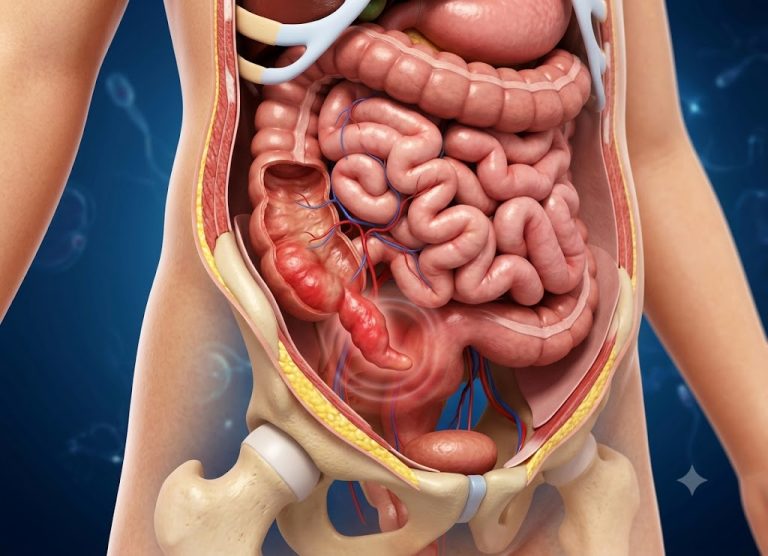
Less common than nausea and vomiting, diarrhea can also occur. It is typically watery and not bloody. Because it points so strongly toward a stomach or intestinal cause, it is an especially misleading symptom in HPS.
Abdominal Pain
Some patients report general or localized abdominal pain. It can range from a dull ache to sharp, cramping pain. Sometimes it is severe enough to mimic appendicitis or gallbladder problems, which further clouds the diagnosis.
When a doctor sees a patient with fever, muscle aches, and significant abdominal pain, hantavirus should be considered in regions where the virus is endemic.
Headaches
Headaches are very common in early HPS. They are often severe and persistent, felt behind the eyes (retro-orbital) or across the forehead. They can be intense and may not respond well to over-the-counter painkillers, which adds greatly to the patient’s discomfort.
Dizziness
Patients often feel dizzy, lightheaded, or unsteady on their feet. This is part of the virus’s effect on the whole body and can be made worse by fever and by dehydration from vomiting or diarrhea. It adds to the general malaise and makes it hard to function normally.
Chills
Chills are a classic symptom that almost always accompanies the high fever of early HPS. A patient may have bouts of intense shivering and feel cold even while their body temperature is high.
Chills are a normal response to a rapidly rising fever as the body fights a significant infection. A sudden high fever with shaking chills is a strong sign of a serious illness affecting the whole body.
How is Hantavirus Transmitted and Prevented?
Primary Ways People Get Hantavirus
The main and most common way people get hantavirus is by breathing in aerosolized virus particles from the droppings, urine, or saliva of infected rodents. This airborne route accounts for the vast majority of HPS cases. It begins when infected rodents, such as the deer mouse in North America, shed the virus in their waste.
In enclosed, poorly ventilated spaces like cabins, sheds, attics, and barns, this material dries out and mixes with dust and dirt. When people disturb these areas by sweeping, vacuuming, or just stirring up dust, the dried, virus-containing particles become airborne.
A person then breathes in these microscopic particles straight into the lungs, where the infection begins. That is why activities like spring cleaning, opening up summer cabins, or working in farm buildings carry a higher risk.
Inhalation is the main route, but there are other, less common ways the virus can spread:
- Touching contaminated surfaces. A person can become infected by touching something contaminated with rodent urine, droppings, or saliva and then touching their nose, mouth, or eyes before washing their hands. The virus can enter through these mucous membranes. This could happen, for example, while handling a contaminated trap or cleaning a nesting site without gloves.
- Contaminated food or water. This is considered a less frequent route, but it is possible to catch the virus by consuming food or water contaminated with an infected rodent’s waste. It is one reason to store all food, including pet food and livestock feed, in rodent-proof containers.
- Rodent bites. In rare cases, the virus can enter the bloodstream through the bite of an infected rodent. This is possible but uncommon compared with inhaling aerosolized particles.
It is also important to remember that the disease is not spread by all rodents, only by specific species known to carry hantavirus.
Effective Ways to Prevent Hantavirus Infection
The best ways to prevent hantavirus infection are to control rodents thoroughly in and around your home and to follow strict safety steps when cleaning areas that may be infested. Prevention is entirely about avoiding contact with rodents and their hazardous waste.
There is no vaccine or cure for HPS, so these proactive measures are the only sure way to protect yourself and your family. The strategy has two parts: make your home and property unattractive to rodents, and if an infestation does occur, clean up with great care to avoid aerosolizing the virus.
The CDC recommends a three-step approach for rodent control: Seal Up, Trap Up, and Clean Up.
- Seal Up: Inspect the inside and outside of your home for gaps or holes larger than a quarter-inch and seal them with steel wool, caulk, metal, or cement. Pay close attention to foundations, roofs, and places where pipes and utilities enter.
- Trap Up: Place snap traps along walls and in areas where you suspect rodent activity to reduce the population already inside the home.
- Clean Up: Remove sources of food and water. Store all food in airtight, rodent-proof containers, wipe up spills right away, wash dishes promptly, and keep trash in covered cans. Clear away possible nesting sites such as woodpiles, junk, and dense vegetation near your home’s foundation.
Next, follow safe cleanup procedures. This is the most critical step for preventing airborne transmission.
- Never sweep or vacuum rodent droppings or nesting materials.
- Air out the space. Before cleaning, open doors and windows on opposite sides for at least 30 minutes.
- Protect yourself. At a minimum, wear rubber, latex, or vinyl gloves. For heavy infestations, wear a properly fitted N95 respirator and goggles.
- Disinfect first. Spray droppings, urine, and nesting materials generously with a commercial disinfectant or a bleach solution (1 part bleach to 10 parts water). Let it soak for 5 to 10 minutes to kill the virus.
- Wipe up with paper towels. Put the towels and any dead rodents or nests in a plastic bag, seal it, place it inside a second sealed bag, and then throw it in the trash.
- Clean the area. Mop floors and wipe all surfaces with disinfectant or the bleach solution.
- Finish safely. Remove and dispose of your gloves, then wash your hands thoroughly with soap and water.
The Differences Between Hantavirus and the Flu or COVID-19
At the start, telling Hantavirus Pulmonary Syndrome (HPS) apart from influenza or COVID-19 can be extremely hard. All three can begin with similar non-specific symptoms, including fever, headache, severe muscle aches (myalgia), and profound fatigue. Clear differences emerge as the illnesses progress, though.
One key difference is that early HPS lacks the typical upper respiratory symptoms. A cough may develop later, but people with hantavirus rarely report a runny nose, sinus congestion, or sore throat, which are hallmark symptoms of both the flu and many COVID-19 variants.
The biggest difference is how the disease progresses and which organ system it hits. HPS moves rapidly and severely to the lungs. After the initial flu-like phase of several days, patients abruptly develop breathing difficulty, with shortness of breath and a feeling of a tight band around the chest as their lungs fill with fluid (pulmonary edema).
Progression to acute respiratory failure within 24 to 48 hours is the defining and most dangerous feature of HPS. Most flu or COVID-19 cases do not deteriorate that fast. Perhaps the most important distinction is epidemiological: HPS is a zoonotic illness caught through environmental exposure to infected rodents, not through person-to-person contact.
The main clinical and epidemiological differences are clearer side by side:
- How it spreads: Hantavirus is transmitted to humans by inhaling aerosolized particles from the urine, droppings, or saliva of infected rodents, mainly the deer mouse in North America. Unlike influenza and SARS-CoV-2, which spread between people through respiratory droplets, HPS is not contagious from person to person.
- What is missing: All three illnesses share early whole-body symptoms, but HPS stands out for the upper respiratory signs it lacks, those of a common cold or flu. Its signature is the swift onset of severe lung symptoms after the initial phase, a pattern less common in typical flu or COVID-19.
- How fast it moves: The HPS timeline is alarmingly quick. A patient can go from feeling generally unwell with flu-like symptoms to critical respiratory failure in just a few days. This rapid cardiopulmonary collapse is the main clinical feature that sets HPS apart from the more gradual respiratory decline that can occur in severe influenza or COVID-19.
Hantavirus Diagnosis
Confirming hantavirus takes a combination of clinical suspicion, patient history, and specific laboratory tests, because the first symptoms are easily mistaken for more common illnesses.
Diagnosis almost always starts with a detailed patient history. Doctors will ask pointed questions about recent activities, particularly anything that could have brought contact with rodents or their habitats. This includes living in rural areas, cleaning out sheds, barns, or cabins, recent camping or hiking trips, or noticing a rodent infestation at home or work.
A history of possible exposure is a critical first clue that raises suspicion of hantavirus. A physical exam may then show signs of respiratory distress, such as rapid breathing (tachypnea) and low blood oxygen.
The definitive diagnosis, however, is made in the laboratory. Blood samples are sent for highly specific tests that detect the body’s immune response to the virus, or the virus itself.
The most common and reliable method is serology, which looks for antibodies against hantavirus, and it is the gold standard for confirming HPS. An enzyme-linked immunosorbent assay (ELISA) that detects IgM antibodies is the most common tool, since these antibodies indicate a current infection. IgG antibodies can indicate a past infection.
While waiting for serology results, which can take time, findings from routine blood work can offer strong supporting evidence. Doctors often see a characteristic triad of laboratory abnormalities in HPS patients:
- Thrombocytopenia: a sharp drop in platelet count
- Raised white blood cell count with atypical lymphocytes
- Hemoconcentration: an increased concentration of red blood cells, which points to leaking capillaries
Who is Most At Risk for Contracting Hantavirus?
Risk is not determined by age, gender, or ethnicity. It is almost entirely a matter of environmental exposure and behavior.
The main risk factor is any activity that brings a person into contact with fresh urine, droppings, saliva, or nesting material from infected rodents, especially in enclosed, poorly ventilated spaces. Risk is therefore highest for people who live in or visit rural and semi-rural areas where host rodents, such as the deer mouse in North America, are plentiful.
Geographically, the western and southwestern United States have historically reported more cases because of how common these rodent carriers are. People whose work or recreation takes them outdoors are also at higher risk, including farmers, forestry workers, utility workers, and pest control professionals. Campers and hikers may be at risk if they use or sleep in rodent-infested shelters or cabins.
One of the most common scenarios, however, involves activities around the home. A significant share of HPS cases is linked to cleaning out long-unused structures such as barns, sheds, garages, cabins, or trailers that rodents have moved into. Sweeping or vacuuming in these places is especially dangerous because it can aerosolize dried, virus-containing particles that are then easy to inhale.
Prognosis for Someone with Hantavirus Pulmonary Syndrome
The outlook for a person diagnosed with Hantavirus Pulmonary Syndrome (HPS) is extremely serious, and it is treated as a medical emergency. The fatality rate is high. In the Americas, the Sin Nombre virus, the most common cause of HPS, has a case-fatality rate of about 38%.
That figure underscores how life-threatening the infection is. The main factor in survival is how quickly medical care begins. No specific cure or antiviral drug has been proven effective against hantavirus, so treatment is entirely supportive and must be given in an intensive care unit (ICU).
The central goal is to support the patient’s body through the most critical phase, especially the severe respiratory failure that defines the syndrome. This involves:
- Mechanical ventilation to help the patient breathe
- Careful management of fluid levels to keep pulmonary edema (fluid in the lungs) from getting worse
- Medications to support the heart and maintain blood pressure, since cardiogenic shock is a common cause of death
For patients who survive the acute, critical phase, the long-term outlook is generally good. Recovery can be slow, taking weeks or even months to regain full strength and stamina. Unlike some other severe respiratory illnesses, though, HPS typically does not cause permanent damage to the lungs or kidneys, and most survivors return to their previous state of health.
FAQs
1. What is the very first symptom of hantavirus?
The earliest symptom is often a sudden onset of fatigue together with fever and muscle aches, especially in large muscle groups like the thighs, hips, and back. Some people also have headaches, chills, or mild dizziness in the first few days.
These symptoms feel similar to the flu, which is why they are often overlooked. The key difference is a history of possible exposure to rodents or their droppings, which should raise concern early.
2. Is hantavirus pulmonary syndrome curable?
There is no specific antiviral cure for HPS, but early medical care can greatly improve survival. Treatment focuses on supportive care such as oxygen therapy, fluid management, and, in severe cases, mechanical ventilation. Outcomes are much better when the condition is recognized early, before severe lung involvement develops. According to the Centers for Disease Control and Prevention, timely hospitalization plays a critical role in reducing deaths.
3. Do all mice carry hantavirus?
No. The virus is found mainly in specific rodent species, such as deer mice in North America. Many rodents are not infected, but you can’t tell carriers from non-carriers by looking. Because of this, any contact with rodent droppings, urine, or nesting materials should be treated as potentially risky.
4. Has anyone survived hantavirus?
Yes, many people have survived HPS, especially with early diagnosis and proper medical care. The disease has a high fatality rate, but survival is possible, and in some cases recovery is complete. Advances in supportive treatment have improved outcomes over time, particularly when patients get care before severe respiratory failure develops.
5. What if I accidentally vacuumed mouse droppings in my house?
Vacuuming droppings can raise your risk of exposure because it may release virus particles into the air. If this happens, leave the area right away and let it air out. Avoid disturbing it further, and clean it later using proper disinfection methods. Watch for symptoms over the following weeks, especially if the exposure was significant.
6. How to avoid hantavirus when cleaning?
Don’t sweep or vacuum dry droppings. Instead, ventilate the area, wear gloves, and wet the droppings with a disinfectant solution before cleaning. This reduces airborne particles. Wearing a mask and washing your hands thoroughly afterward also lowers the risk. Safe cleaning practices are essential wherever rodent activity is suspected.
7. How long does hantavirus live in old droppings?
Hantaviruses can survive in the environment for several days under favorable conditions, particularly in enclosed, cool spaces. The virus may stay infectious in dried droppings for up to two to three days, and sometimes longer depending on temperature and humidity. So even old droppings can pose a risk if disturbed.
Conclusion
Hantavirus Pulmonary Syndrome may be rare, but its severity should not be underestimated. With a death rate that stays significantly high, even a small number of cases is a serious health concern. What makes it especially dangerous is how quietly it begins. Early symptoms often look like common viral illnesses, so many people overlook the warning signs during the most critical window for treatment.
As the infection progresses, the shift from mild symptoms to severe breathing distress can happen quickly. This sudden decline shows why awareness matters, particularly for anyone who may have been exposed to rodent environments. Noticing early signs such as unexplained fatigue, fever, and muscle aches in the context of possible exposure can make a real difference.
Prevention plays a vital role too. Understanding how the virus spreads and taking precautions when cleaning or handling areas with rodent activity can greatly reduce risk. Simple actions, such as good ventilation and safe cleaning methods, can prevent exposure before it happens.
Ultimately, early recognition and prompt medical care are the most effective ways to reduce the impact of HPS. Staying informed about the symptoms and risks allows for faster decisions and better outcomes. Even though the condition is uncommon, awareness makes sure it isn’t ignored when it matters most.