
10 Signs and Symptoms of Fanconi Syndrome to Know

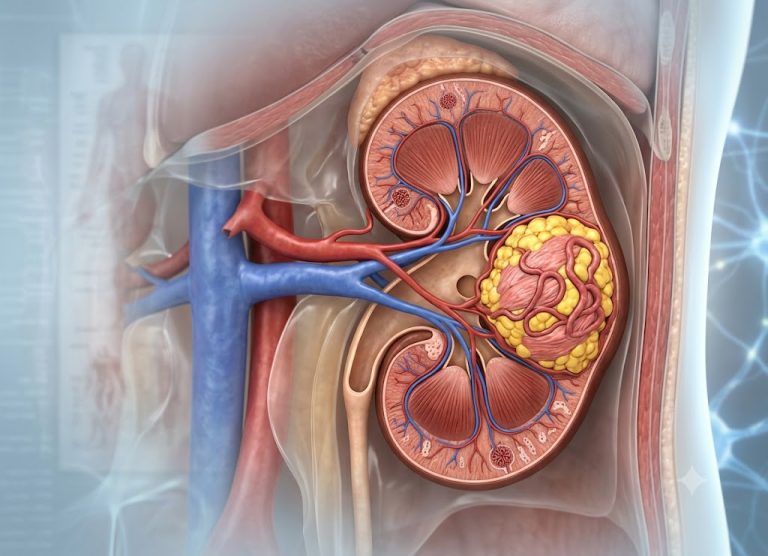
Fanconi syndrome is a rare kidney disorder, but its symptoms can affect many parts of the body because the problem starts in the kidneys’ proximal tubules. These tubules normally reabsorb important substances and return them to the bloodstream.
With Fanconi syndrome, substances such as glucose, phosphate, bicarbonate, potassium, amino acids, and other nutrients can be lost through urine instead.Over time, these losses can affect hydration, energy levels, muscle strength, bone health, growth, and the body’s acid-base balance.
Fanconi syndrome can be inherited or acquired. It may develop because of certain genetic conditions, medications, toxins, or other diseases. Because there is no single cause or universal prevalence rate, it is difficult to determine exactly how common the syndrome is. Some inherited conditions associated with Fanconi syndrome, such as cystinosis, are themselves very rare.
The early symptoms can also be easy to overlook. Children may have excessive thirst, frequent urination, poor growth, or bone problems. Adults may experience fatigue, muscle weakness, bone pain, dehydration, or unusual blood and urine test results. Since symptoms may develop gradually, recognizing the possible warning signs is important.
This article explains 10 signs and symptoms of Fanconi syndrome to know. These symptoms cannot confirm the condition on their own, but recognizing a pattern of fluid, mineral, and nutrient loss may help lead to appropriate medical testing.
10 Key Symptoms of Fanconi Syndrome
Frequent Urination
Frequent urination is one of the common signs of Fanconi syndrome. When substances such as glucose, amino acids, and sodium are lost in the urine, they can pull additional water into the urine through a process called osmotic diuresis.
As a result, a person may urinate more often than usual and produce larger amounts of urine. This ongoing fluid loss can also trigger intense thirst as the body tries to replace the water being lost.
Excessive Thirst
Excessive thirst often occurs alongside frequent urination. When the proximal tubules cannot properly reabsorb important substances and maintain normal fluid balance, more water and electrolytes can be lost through urine.
The kidneys normally filter waste while returning essential substances to the bloodstream. In Fanconi syndrome, this reabsorption process is impaired, which can contribute to persistent thirst.
Dehydration
Drinking plenty of fluids may not always be enough to compensate for the amount of water being lost through frequent urination. This can result in ongoing dehydration or repeated episodes of significant fluid loss.
Infants and young children may be particularly vulnerable. Signs of dehydration can include a dry mouth, sunken eyes, fewer tears when crying, reduced skin elasticity, and unusual tiredness or lethargy.
Stunted Growth
The kidneys help regulate phosphate levels, and the proximal tubules normally reabsorb a large portion of the phosphate filtered from the blood.
When Fanconi syndrome causes excessive phosphate loss through urine, the body may not have enough phosphate to support normal bone development and growth. This can contribute to slowed growth or growth failure in children, particularly when the condition remains untreated.
Bone Pain
Fanconi syndrome can cause significant mineral loss, particularly phosphate. When phosphate levels in the blood become too low, a condition called hypophosphatemia can develop.
Phosphate and calcium are both important for maintaining strong, properly mineralized bones. When these minerals are insufficient, bones can become weak and painful. Bone discomfort may therefore be an important sign of Fanconi syndrome, especially when it occurs alongside other symptoms.
Rickets in Children, Osteomalacia in Adults
The effects of mineral loss can vary depending on a person’s age.
In children, insufficient phosphate and other minerals can cause rickets, a condition in which growing bones become soft and weak. Rickets may result in problems such as bowed legs, knock-knees, or thickened areas around the wrists and ankles. Growth may also slow considerably.
Children with Fanconi syndrome may experience growth failure, meaning they do not grow or gain height at the expected rate for their age.
In adults, similar mineral deficiencies can lead to osteomalacia, which causes existing bones to become softer and weaker. Persistent aching or dull bone pain may occur, particularly in areas such as the lower back, pelvis, hips, legs, and ribs.
Increased Susceptibility to Fractures
Rickets and osteomalacia can make bones weaker and more vulnerable to fractures. In some cases, even relatively minor injuries may cause a fracture.
Poor bone mineralization, metabolic acidosis, and ongoing nutrient losses can all contribute to skeletal weakness. Without appropriate treatment, these problems may become progressive and significantly affect mobility and quality of life.
Metabolic Acidosis
The kidneys help maintain the body’s acid-base balance by reabsorbing bicarbonate, an important substance that helps neutralize acids in the blood.
In Fanconi syndrome, bicarbonate can be lost through urine. This may cause the blood to become more acidic, resulting in a condition called proximal renal tubular acidosis.
Symptoms can include nausea, vomiting, rapid breathing, and ongoing fatigue. Persistent metabolic acidosis can also contribute to bone weakening by affecting normal mineral balance.
Hypokalemia
Potassium is an essential electrolyte needed for normal nerve activity and muscle contraction, including the proper function of the heart.
When potassium is lost through the urine, blood potassium levels can fall, causing hypokalemia. Low potassium may result in muscle weakness, cramps, constipation, and fatigue. Severe hypokalemia can interfere with normal heart rhythm and, in serious cases, may cause paralysis or other dangerous complications.
Hypophosphatemia
Phosphate loss is an important part of Fanconi syndrome and plays a major role in the bone problems associated with the condition.
Phosphate is also essential for producing adenosine triphosphate (ATP), which cells use for energy. When phosphate levels become too low, a person may develop significant muscle weakness and fatigue because the body’s cells cannot function normally.
Other General Warning Signs of Fanconi Syndrome
In addition to urinary, bone, and metabolic symptoms, Fanconi syndrome can cause more general warning signs. These may include persistent fatigue, generalized muscle weakness, vomiting, unexplained fevers, and failure to thrive in infants and young children.
These symptoms may develop because several biochemical problems are occurring at the same time. While they are not specific to Fanconi syndrome, persistent or unexplained symptoms can warrant further medical evaluation when they occur alongside excessive thirst, frequent urination, poor growth, or abnormal laboratory results.
Fatigue can be more than ordinary tiredness. Ongoing dehydration, metabolic acidosis, and low phosphate levels can all contribute to reduced energy. Muscle weakness may also occur because low potassium affects muscle contraction while low phosphate interferes with cellular energy production.
In severe cases, weakness may interfere with normal physical activity and can potentially affect important muscle groups.
Infants may show a different pattern of symptoms. Failure to thrive means a child is not growing or gaining weight at the expected rate. Poor feeding, repeated vomiting, irritability, and unexplained fevers may also occur. When several of these symptoms appear together, doctors may investigate whether an underlying kidney or metabolic disorder is contributing to them.
Causes of Fanconi Syndrome
Fanconi syndrome develops when the proximal tubules of the kidneys cannot properly reabsorb electrolytes, minerals, nutrients, and other important substances. As a result, these substances are lost through urine instead of being returned to the bloodstream.
Fanconi syndrome is not a single disease. It is a syndrome, meaning a group of findings that can result from different underlying conditions. The causes are generally divided into two broad categories: inherited causes and acquired causes.
Medical Definition of Fanconi Syndrome
Medically, Fanconi syndrome refers to generalized dysfunction of the proximal renal tubules. This dysfunction causes excessive urinary loss of substances such as glucose, amino acids, phosphate, bicarbonate, uric acid, potassium, and low-molecular-weight proteins.
The proximal tubules are an important part of the kidney’s filtration system. After blood is filtered, these tubules normally recover many useful substances and return them to circulation. They essentially act as a major recycling and conservation system within the kidneys.
In Fanconi syndrome, this reabsorption process does not work properly. Glucose and amino acids, for example, may be lost in urine even when blood glucose levels are normal.
The presence of glucose in urine despite normal blood glucose can help distinguish Fanconi syndrome from diabetes mellitus. In diabetes, glucose appears in the urine because blood sugar levels become high enough to exceed the kidneys’ ability to reabsorb it.
Fanconi syndrome involves a broader problem affecting several transport processes within the proximal tubules. This explains why patients may experience a combination of phosphate loss, metabolic acidosis, electrolyte abnormalities, dehydration, and other symptoms.
The Difference Between Inherited and Acquired Fanconi Syndrome
The main difference between inherited and acquired Fanconi syndrome is the underlying cause and typical age at which symptoms appear.
Inherited Fanconi syndrome results from genetic disorders and often becomes apparent during infancy or childhood. It may occur as part of a broader genetic condition that affects several organs.
For example, a child with an inherited condition may develop excessive thirst, frequent urination, poor growth, or rickets early in life. Treatment usually involves replacing substances lost through urine and managing the underlying genetic condition when specific treatment is available.
Acquired Fanconi syndrome develops later because of an external or medical cause. Certain medications, heavy metal exposure, and other diseases can damage the proximal tubules and lead to the syndrome.
The acquired form may improve if the underlying cause is identified and removed or treated. Determining whether Fanconi syndrome is inherited or acquired is therefore an important part of diagnosis and long-term management.
Primary Genetic Causes of the Inherited Form
Inherited Fanconi syndrome is most commonly associated with genetic disorders such as cystinosis. Other possible causes include Lowe syndrome, Wilson’s disease, galactosemia, hereditary fructose intolerance, and tyrosinemia.
In these conditions, Fanconi syndrome is usually one part of a broader disease that affects other parts of the body as well.
Cystinosis is an inherited lysosomal storage disorder in which cystine accumulates inside cells. When cystine builds up in the kidneys, it can damage the proximal tubules and cause Fanconi syndrome, often during early childhood.
Lowe syndrome, also known as oculocerebrorenal syndrome, is an X-linked condition that can affect the eyes, brain, and kidneys. Kidney involvement commonly includes Fanconi syndrome.
Wilson’s disease is an inherited disorder of copper metabolism. Excess copper can accumulate in organs such as the liver, brain, and kidneys, and kidney involvement can sometimes result in proximal tubular dysfunction.
Galactosemia and hereditary fructose intolerance are metabolic disorders in which the body cannot properly process certain sugars. Toxic metabolic products can damage organs including the liver and kidneys, potentially causing Fanconi syndrome.
Identifying the specific genetic disorder is important because some underlying conditions have targeted treatments and require monitoring for additional complications.
External Factors Causing The Acquired Form of the Condition
Acquired Fanconi syndrome can develop because of certain medications, heavy metal exposure, or underlying medical conditions that damage the proximal kidney tubules.
Unlike inherited Fanconi syndrome, acquired disease can develop at any age. In some situations, kidney tubular function may improve when the cause is identified and addressed.
Certain medications have been associated with Fanconi syndrome. Long-term exposure to heavy metals such as lead, cadmium, mercury, and uranium can also damage proximal tubule cells and interfere with their normal function.
Multiple myeloma, a cancer affecting plasma cells, is another important cause of acquired Fanconi syndrome. Abnormal proteins called light chains produced by the cancer cells can pass through the kidneys and damage the proximal tubules.
Other conditions involving abnormal protein deposits or accumulation may also contribute to proximal tubular injury.
When to Seek Medical Help?
Medical evaluation is important when several symptoms associated with Fanconi syndrome occur together. For children, parents should speak with a pediatrician if a child has persistent excessive thirst, frequent urination, poor growth, or unexplained bone problems. Adults with ongoing fatigue, muscle weakness, bone pain, dehydration, or unusual laboratory results may also need evaluation by a healthcare professional.
Individual symptoms can have many possible causes, but a combination of symptoms may indicate an underlying kidney or metabolic problem.
Early diagnosis and treatment can help reduce the risk of complications. In children, untreated Fanconi syndrome can contribute to rickets, growth problems, electrolyte abnormalities, and progressive kidney disease. Adults may develop osteomalacia, bone pain, fractures, or complications related to persistent electrolyte disturbances.
A doctor can order appropriate blood and urine tests to determine whether Fanconi syndrome is present and investigate its underlying cause. Prompt medical evaluation is particularly important when symptoms are persistent, severe, or getting worse.
Types of Tests Used to Confirm a Diagnosis
Doctors diagnose Fanconi syndrome using a combination of urine tests, blood tests, and, when appropriate, genetic testing. There is not usually one single test that confirms the entire syndrome. Instead, doctors look for a characteristic pattern of substances being lost through urine and corresponding changes in the blood.
Urine tests can measure substances that are being lost abnormally. Depending on the situation, testing may include glucose, amino acids, phosphate, bicarbonate, uric acid, and low-molecular-weight proteins. A timed urine collection may sometimes be used to measure how much of certain substances are lost over a specific period.
Blood tests help identify the effects of these losses. Results may show low phosphate, potassium, or uric acid levels. Blood testing can also evaluate bicarbonate levels and acid-base balance to identify metabolic acidosis.
When an inherited cause is suspected, particularly in a child, genetic testing may be used to look for mutations associated with conditions such as cystinosis, Lowe syndrome, or Wilson’s disease.
Urine and Blood Tests Used In the Diagnostic Process
Urine and blood tests provide complementary information. Urine testing shows which substances the kidneys are losing, while blood testing shows whether those losses have caused deficiencies or metabolic changes.
One important finding is glycosuria, or glucose in the urine, despite normal blood glucose. This can suggest a problem with renal tubular reabsorption rather than diabetes.
A typical evaluation may include a urinalysis and more specialized urine chemistry tests. Urine may show glucose, protein, or dilute urine. Additional testing can assess urinary losses of phosphate, amino acids, bicarbonate, and other substances.
Blood testing may include electrolyte measurements and tests of acid-base balance. Findings such as low phosphate, low potassium, and low bicarbonate can support the diagnosis when they occur alongside the characteristic urinary losses.
Together, these results help doctors identify generalized proximal tubular dysfunction and distinguish Fanconi syndrome from other kidney disorders.
Genetic Testing for a Definitive Diagnosis
Genetic testing is not always necessary to identify Fanconi syndrome itself, because the syndrome is primarily recognized through blood and urine findings. However, genetic testing can be very important for determining the underlying cause, especially when an inherited disorder is suspected.
For example, identifying cystinosis as the cause can allow doctors to consider specific treatment such as cysteamine, which helps reduce cystine accumulation in cells. Similarly, identifying Wilson’s disease can guide treatment aimed at controlling excess copper.
Knowing the exact genetic condition can also help doctors monitor for complications affecting other organs. It may provide useful information about inheritance patterns and help families understand the potential risk to other relatives or future children.
For these reasons, genetic testing can be an important part of the evaluation when inherited Fanconi syndrome is suspected.
Long-Term Outlook for Managing Fanconi Syndrome
The long-term outlook for Fanconi syndrome varies considerably. It depends on the underlying cause, age at diagnosis, severity of kidney dysfunction, and how consistently the condition is managed.
Long-term care often involves monitoring and replacing substances that are lost through urine. Depending on the underlying disease, several healthcare specialists may be involved in treatment.
Fanconi Syndrome Management
Management focuses mainly on replacing substances that the kidneys are losing and correcting the resulting imbalances.
Metabolic acidosis may be treated with alkali supplements such as sodium bicarbonate or potassium citrate. Potassium supplements may be used when blood potassium levels are low. Phosphate and active vitamin D may be recommended to support healthy bones and help prevent or treat rickets or osteomalacia.
Maintaining adequate fluid intake is also important because frequent urination can lead to significant fluid loss.
Some people may also need supplements such as carnitine when testing shows that levels are low. Treatment plans are individualized and require regular blood and urine monitoring so that doses can be adjusted as needed.
Potential Long-term Complications of Untreated or Poorly Managed Syndrome
Without appropriate management, Fanconi syndrome can cause ongoing mineral, electrolyte, and nutrient losses that affect several body systems.
In children, phosphate loss and problems with bone mineralization can lead to rickets, poor growth, and skeletal deformities. Adults may develop osteomalacia, bone pain, fractures, and muscle weakness.
Children may also develop short stature or growth failure because of the combined effects of nutrient loss, dehydration, metabolic disturbances, and bone disease.
Ongoing kidney stress can also contribute to progressive Chronic Kidney Disease (CKD). Depending on the underlying condition and severity, kidney function may eventually become severely impaired and require dialysis or kidney transplantation.
Fanconi Syndrome and Other Renal Tubule Disorders
Fanconi syndrome is a type of renal tubulopathy, but it differs from other tubular disorders because it involves generalized dysfunction of the proximal tubules.
The condition can cause urinary loss of several substances, including glucose, amino acids, phosphate, bicarbonate, uric acid, and small proteins. Other renal tubular disorders tend to affect different sections of the nephron or involve more specific types of electrolyte abnormalities.
Bartter syndrome affects the thick ascending limb of the loop of Henle. It commonly causes salt loss, low potassium, and metabolic alkalosis but does not typically cause the generalized glucose and amino acid losses seen in Fanconi syndrome.
Gitelman syndrome affects the distal convoluted tubule. It can cause low potassium and metabolic alkalosis and is commonly associated with low magnesium and reduced urinary calcium.
Fanconi syndrome may include proximal renal tubular acidosis, while isolated renal tubular acidosis primarily affects the body’s acid-base regulation without causing the broad range of urinary losses characteristic of Fanconi syndrome.
General Prognosis for Individuals With Fanconi Syndrome
The prognosis depends largely on the underlying cause.
When Fanconi syndrome is acquired, the outlook may improve considerably if the cause can be identified and treated. For example, removing an offending medication or toxin may allow kidney tubular function to partially or fully recover in some cases.
Inherited Fanconi syndrome is usually more complex because the underlying genetic condition remains present. The long-term outlook depends on the specific disorder and the effectiveness of treatment.
For example, cystinosis can cause progressive kidney disease if left untreated, but treatments such as cysteamine have significantly improved management. Consistent treatment of both the underlying condition and the resulting Fanconi syndrome can help protect kidney function and reduce complications.
FAQs
1. How serious is Fanconi syndrome?
Fanconi syndrome can be a serious condition because the kidneys lose substances that the body needs, including phosphate, potassium, bicarbonate, glucose, and amino acids. Without proper treatment, it may contribute to dehydration, bone problems, growth difficulties, muscle weakness, kidney damage, and eventually kidney failure in some cases. Early diagnosis and appropriate management can help reduce these risks.
2. What is the life expectancy of a person with Fanconi?
There is no single life expectancy for someone with Fanconi syndrome. The outlook depends on the underlying cause, severity, kidney function, and effectiveness of treatment. Some people may have a relatively stable course with appropriate care, while others may develop significant kidney disease or complications related to an underlying genetic disorder.
3. What age does Fanconi syndrome occur?
Fanconi syndrome can occur at any age. Inherited forms often become apparent during infancy or childhood and may cause excessive thirst, frequent urination, poor growth, or rickets. Acquired forms are more commonly seen later in life and may result from medications, toxins, or other medical conditions.
4. How long does Fanconi syndrome last?
The duration depends on its cause. Acquired Fanconi syndrome may improve when the underlying trigger, such as a medication or toxin, is removed or treated. Inherited forms are generally lifelong and require ongoing management to replace substances lost through urine and protect bone and kidney health.
5. Is Fanconi syndrome autoimmune?
Fanconi syndrome is not generally considered an autoimmune disease. It is a disorder involving the kidney’s proximal tubules and may be caused by inherited conditions, medications, toxins, or other diseases. Doctors may investigate the underlying cause when Fanconi syndrome is diagnosed.
6. Can people with Fanconi anemia have children?
Some people with Fanconi anemia can have children, although fertility may be reduced and pregnancy can involve additional medical considerations. Fanconi anemia is different from Fanconi syndrome. Fanconi anemia is an inherited disorder involving bone marrow failure and DNA repair. Genetic counseling may be recommended for people with Fanconi anemia who are considering having children.
7. What is another name for Fanconi syndrome?
Fanconi syndrome is also known as renal Fanconi syndrome or Fanconi’s syndrome. It is important not to confuse it with Fanconi anemia, which is a separate inherited disorder that primarily affects bone marrow function and DNA repair.
Conclusion
Fanconi syndrome is uncommon, but its effects can involve many different parts of the body. Because the kidneys lose important nutrients, minerals, electrolytes, and fluids through urine, symptoms may include frequent urination, excessive thirst, dehydration, fatigue, muscle weakness, bone pain, poor growth, and abnormal blood or urine test results.
The symptoms may not always seem connected at first, which can make the condition difficult to recognize. Identifying a pattern of persistent symptoms can help healthcare providers investigate whether a kidney tubular disorder may be involved.
Although Fanconi syndrome may require long-term management, appropriate treatment can help replace lost substances, maintain hydration, support healthy bones, and reduce complications. Anyone experiencing persistent or unexplained symptoms, particularly when several of these signs occur together, should seek medical evaluation for an accurate diagnosis and appropriate care.