
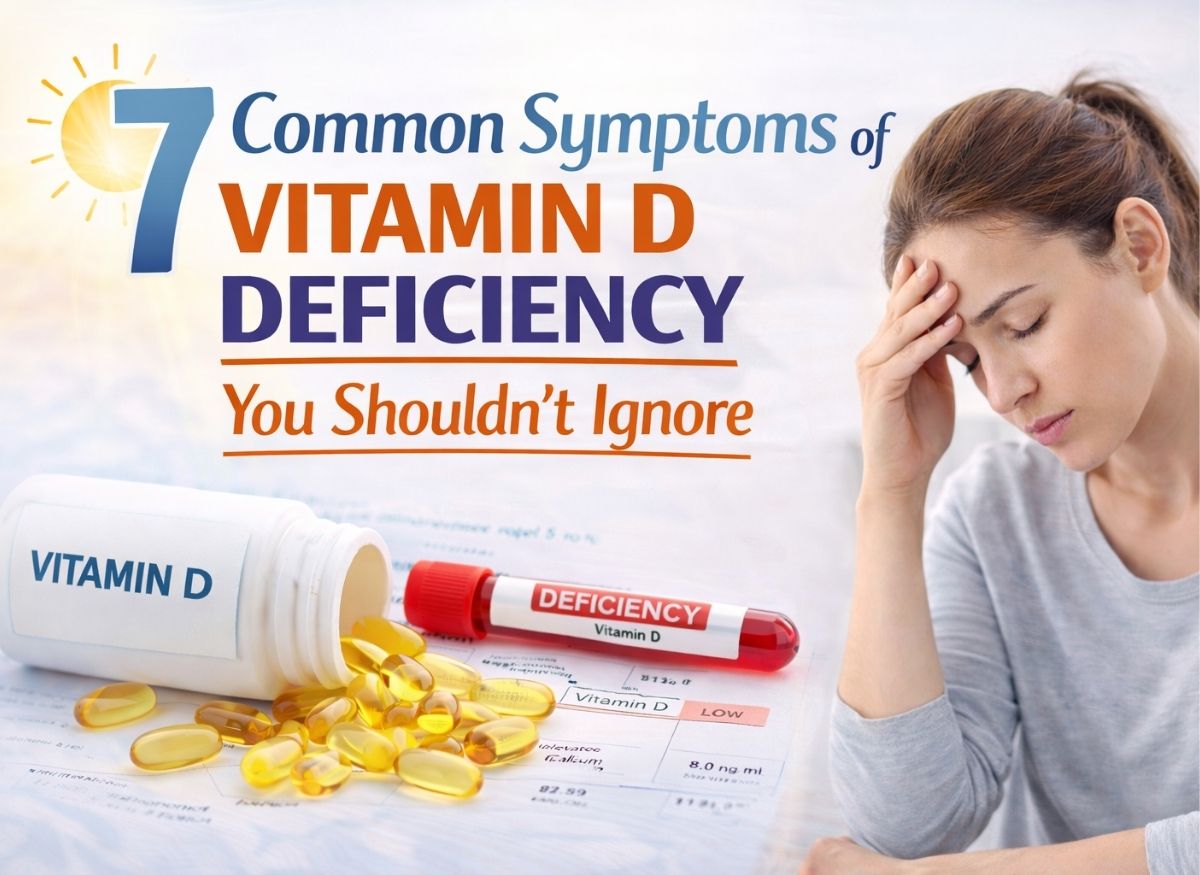
7 Common Symptoms of Vitamin D Deficiency You Shouldn’t Ignore
Vitamin D deficiency is a widespread nutritional problem that can affect people of all ages. Often called the “sunshine vitamin,” vitamin D is important for healthy bones, normal muscle function, immune support, and overall well-being. However, spending less time outdoors, limited sun exposure, certain health conditions, and dietary factors can all increase the risk of having low vitamin D levels.
The signs of vitamin D deficiency are not always obvious. Ongoing tiredness, muscle weakness, bone discomfort, and getting sick frequently may have several possible causes, but they can sometimes occur when vitamin D levels are too low. If the deficiency continues for a long time, it may contribute to problems such as weakened bones and an increased risk of fractures.
In this article, we will look at 7 common symptoms of vitamin D deficiency that should not be overlooked. Recognizing possible warning signs can encourage you to speak with a healthcare professional and determine whether testing or treatment is needed.
Defining the Biological State of Vitamin D Deficiency
Vitamin D deficiency occurs when the body does not have enough vitamin D to support normal biological functions. Although it is classified as a vitamin, vitamin D behaves more like a hormone once it is processed by the body. It is involved in calcium regulation, bone health, muscle function, and several processes related to the immune system.
Because vitamin D affects many different systems, a deficiency can produce symptoms that do not always seem connected. Some people may have no noticeable symptoms at all, while others can develop fatigue, muscle weakness, bone pain, or other health concerns.
The Role of Vitamin D in Mineral Homeostasis
One of vitamin D’s most important functions is helping the small intestine absorb calcium and phosphorus from food. These minerals are essential for maintaining healthy bones, teeth, muscles, and other normal body functions.
When vitamin D levels remain too low, calcium absorption can decrease. The body may respond by increasing parathyroid hormone activity, which can cause more calcium to be released from the bones in an effort to maintain an appropriate blood calcium level.
Long-term deficiency can contribute to conditions such as rickets in children and osteomalacia in adults. Mild insufficiency and severe deficiency are different in degree, but both involve inadequate vitamin D availability for normal mineral regulation.
Understanding the Clinical Markers of Low Hydroxy Vitamin D
When doctors evaluate vitamin D status, they generally measure 25-hydroxyvitamin D, also known as 25(OH)D, through a blood test. This measurement is commonly used to assess the amount of vitamin D available in the body.
Vitamin D levels can be interpreted differently depending on the laboratory, medical organization, and individual circumstances. A healthcare professional can explain whether a test result indicates an adequate level, insufficiency, or deficiency and whether treatment is appropriate.
Very low vitamin D levels are more concerning because prolonged deficiency can interfere with normal bone mineralization and contribute to muscle weakness or bone discomfort.
Differentiating Between Insufficiency and Severe Depletion
It is important to distinguish between a mild reduction in vitamin D and a more serious deficiency. Some people with slightly low levels may have few or no noticeable symptoms, while severe deficiency can produce more significant problems.
When vitamin D levels become very low, the effects may include muscle weakness, bone pain, difficulty moving, and problems with normal bone mineralization. Identifying low levels early can help healthcare professionals determine the appropriate way to correct the deficiency.
The Systemic Impact of Deficient Vitamin D Levels
Vitamin D is involved in much more than bone health. Vitamin D receptors are present in numerous tissues throughout the body, including cells involved in immune and neurological functions.
This helps explain why possible vitamin D deficiency symptoms can vary from person to person. Some individuals may experience fatigue or muscle problems, while others may notice bone discomfort or no symptoms at all.
A persistent vitamin D deficiency should therefore be evaluated as part of a person’s overall health rather than treated as an isolated nutritional issue.
Primary Biological Causes of Low Vitamin D
There are several possible reasons why vitamin D levels become low. Understanding the underlying cause can help determine the most appropriate approach to restoring healthy levels.
Vitamin D production and metabolism depend on sunlight exposure, food intake, absorption in the digestive system, and the body’s ability to convert vitamin D into forms that can be used effectively. Problems with any of these processes may contribute to deficiency.
Environmental and Lifestyle Triggers
Sunlight allows the skin to produce vitamin D3. However, the amount produced can vary considerably depending on geographic location, season, time of day, skin pigmentation, clothing, sunscreen use, and how much time a person spends outdoors.
People who spend most of their time indoors may receive less UVB exposure than needed for substantial vitamin D production. Living in areas with limited sunlight during certain seasons can also make it more difficult to maintain adequate levels.
At the same time, sun protection remains important because excessive ultraviolet exposure can damage the skin and increase skin cancer risk. Vitamin D status should not be managed by deliberately exposing the skin to harmful amounts of sunlight.
Physiological and Metabolic Barriers
Certain health conditions and individual factors can make it harder for the body to maintain adequate vitamin D levels. Because vitamin D is fat-soluble, people with obesity may have lower circulating vitamin D concentrations because more vitamin D can be distributed into body fat.
Age can also influence vitamin D production because older skin becomes less efficient at making vitamin D from sunlight. In addition, digestive disorders such as celiac disease, Crohn’s disease, and some other conditions that interfere with fat absorption can reduce the amount of vitamin D the body absorbs.
These factors mean that even someone who consumes vitamin D-containing foods may still develop a deficiency.
Genetic and Enzymatic Limitations
The body must convert vitamin D through several steps before it can perform its active functions. The liver and kidneys play important roles in this process.
Certain genetic disorders can interfere with vitamin D metabolism, while chronic liver or kidney disease can affect the body’s ability to process vitamin D properly. In such situations, simply increasing sunlight exposure or dietary intake may not be enough to correct the underlying problem.
A healthcare professional can use blood tests and medical history to determine whether an underlying condition is contributing to low vitamin D.
7 Symptoms of Vitamin D Deficiency You Shouldn’t Ignore
Vitamin D deficiency symptoms can be mild and difficult to recognize. Fatigue, weakness, aches, and changes in mood can occur for many reasons, so these symptoms alone cannot confirm a deficiency.
However, when several symptoms continue for an extended period, it may be worthwhile to discuss vitamin D testing with a healthcare professional.
Chronic Fatigue and Vitamin D Deficiency Tiredness
Persistent tiredness is one of the symptoms sometimes associated with low vitamin D levels. A person may feel exhausted during the day even after getting what seems like enough sleep.
Vitamin D is involved in several processes related to normal muscle and cellular function. When levels are deficient, some people report reduced energy and physical stamina.
However, fatigue has many possible causes, including anemia, thyroid disorders, poor sleep, stress, infections, and other nutritional deficiencies. Vitamin D testing can help determine whether low levels are contributing to the problem.
Chronic Bone and Lower Back Pain
Low vitamin D can affect the way the body maintains healthy bones. Severe and prolonged deficiency may lead to osteomalacia in adults, a condition in which bones become softer because they are not properly mineralized.
This can result in deep or aching bone pain, sometimes affecting areas such as the legs, hips, ribs, or lower back. Muscle weakness can also occur alongside bone discomfort.
Persistent or unexplained bone or back pain should be evaluated rather than automatically attributed to vitamin D deficiency.
Impaired Immune Function and Frequent Illness
Vitamin D participates in normal immune-system activity. For this reason, researchers have studied the relationship between vitamin D levels and susceptibility to infections.
People with vitamin D deficiency may have changes in immune function, although frequent illnesses do not necessarily mean that someone has low vitamin D.
If you repeatedly experience respiratory infections or other illnesses, a healthcare professional can help identify possible contributing factors and decide whether vitamin D testing is appropriate.
Depressive Mood and Seasonal Affective Disorder (SAD)
Low vitamin D levels have been studied in relation to mood and mental well-being. Some people with low vitamin D may also experience low mood, reduced motivation, or changes in emotional health.
Vitamin D receptors are present in areas of the brain involved in several neurological functions. However, vitamin D deficiency should not be considered a direct cause of depression or Seasonal Affective Disorder in every case.
If persistent sadness, anxiety, or other mental-health symptoms occur, professional evaluation is important because many different factors can contribute to these conditions.
Significantly Slow Wound Healing
Slow wound healing can sometimes occur alongside nutritional deficiencies, including vitamin D deficiency. Vitamin D is involved in immune responses and processes that support healthy skin.
If cuts or other wounds consistently take longer than expected to heal, several causes should be considered. Diabetes, poor circulation, infection, certain medications, nutritional deficiencies, and other health conditions can all interfere with normal healing.
Persistent healing problems should therefore be discussed with a healthcare professional.
Muscle Myalgia and Proximal Weakness
Muscle aches and weakness can occur when vitamin D levels are severely low. Some people may notice difficulty climbing stairs, getting up from a chair, lifting objects, or completing activities that were previously easy.
Severe vitamin D deficiency can affect normal muscle function and may contribute to proximal muscle weakness, particularly in the hips and shoulders.
Because muscle weakness can have many causes, testing and medical evaluation are important before assuming that vitamin D is responsible.
Weird Symptoms: Hair Loss and Excessive Sweating
Hair loss has been investigated in connection with low vitamin D, particularly in certain types of hair-loss conditions. However, hair shedding can also result from stress, hormonal changes, genetics, nutritional deficiencies, medications, and other medical conditions.
Excessive sweating, particularly of the head, is sometimes mentioned as a possible sign of vitamin D deficiency, especially in discussions involving infants. However, sweating by itself is not a reliable way to diagnose low vitamin D.
If unusual sweating or unexplained hair loss continues, it is better to identify the underlying cause through proper medical evaluation.
Specific Considerations: Vitamin D Deficiency in Females
Vitamin D deficiency can affect women as well as men, but certain stages of a woman’s life make bone health and vitamin D status especially important.
Pregnancy, breastfeeding, perimenopause, and menopause can all involve changing nutritional and hormonal needs. Maintaining adequate vitamin D and calcium is particularly important for supporting normal bone health during these periods.
Some studies have also examined possible relationships between vitamin D levels and reproductive or hormonal health, although low vitamin D should not automatically be considered the cause of menstrual or hormonal problems.
Hormonal Disequilibrium and the Endocrine System
Vitamin D interacts with several biological pathways involved in hormone regulation. Vitamin D receptors are found in reproductive tissues and other parts of the endocrine system.
Research has explored whether low vitamin D levels are associated with changes in reproductive health, menstrual patterns, or other hormonal conditions. However, these relationships can be complex, and vitamin D deficiency is not necessarily the direct cause of hormonal imbalance.
Women with persistent menstrual or endocrine symptoms should receive an appropriate medical evaluation rather than relying only on vitamin D supplementation.
Pregnancy, Postpartum, and Developmental Risks
Vitamin D is important during pregnancy because it contributes to normal bone and mineral development. A pregnant woman who has vitamin D deficiency may need closer monitoring and appropriate treatment based on her healthcare provider’s recommendations.
Pregnancy and breastfeeding can also increase nutritional demands. Symptoms such as tiredness or weakness after childbirth can have many causes, so they should not automatically be blamed on vitamin D deficiency.
Maintaining appropriate vitamin D levels during pregnancy and the postpartum period can support the health of both mother and baby when guided by a healthcare professional.
Bone Density and the Menopausal Transition
The menopausal transition is an important time to focus on bone health because declining estrogen levels can accelerate bone loss.
Vitamin D helps the body absorb calcium and supports normal bone mineralization. Maintaining adequate vitamin D and calcium intake, along with appropriate physical activity, can therefore be an important part of protecting bone health.
Women after menopause who have risk factors for osteoporosis may benefit from discussing vitamin D levels, calcium intake, exercise, and bone-density screening with their healthcare provider.
Addressing Vitamin D Deficiency Tiredness in Women
Fatigue is a common complaint among women and can have many possible explanations. Low vitamin D is one potential contributor, but tiredness can also result from anemia, thyroid problems, sleep disorders, stress, hormonal changes, or other nutritional deficiencies.
If fatigue continues despite adequate sleep and a healthy lifestyle, medical evaluation can help determine the underlying cause. If testing confirms vitamin D deficiency, treatment can then be tailored to the individual.
Addressing and Correcting Deficient Vitamin D Levels
Once testing confirms low vitamin D, treatment should focus on safely restoring levels and addressing the reason they became low.
The appropriate amount of supplementation depends on factors such as the severity of the deficiency, age, medical conditions, diet, medications, and individual health needs. A healthcare professional can recommend the appropriate dose and determine whether follow-up testing is needed.
High-Dose Supplementation and Loading Protocols
People with significant vitamin D deficiency may sometimes be prescribed a higher dose for a limited period. In some cases, healthcare professionals use weekly high-dose vitamin D regimens followed by a lower maintenance dose.
The exact dose and duration should be determined by a healthcare professional rather than followed from a general article. Taking excessive amounts of vitamin D without medical guidance can cause toxicity and lead to dangerously high calcium levels.
Monitoring is especially important when high-dose supplementation is being used.
Dietary Integration and Bioavailability
Food can contribute to maintaining healthy vitamin D levels, although only a limited number of foods naturally contain substantial amounts of the nutrient.
Fatty fish such as salmon, sardines, and mackerel are useful dietary sources. Egg yolks and fortified foods, including some milk and plant-based milk products, can also provide vitamin D.
Because vitamin D is fat-soluble, taking supplements with a meal containing some dietary fat may improve absorption. A balanced diet can support vitamin D status but may not be sufficient to correct a significant deficiency on its own.
Strategic UVB Exposure and Synthesis
The skin naturally produces vitamin D when exposed to UVB radiation. However, there is no single amount of sunlight that works for everyone because vitamin D production depends on skin tone, location, season, time of day, age, clothing, and other factors.
Trying to obtain vitamin D through prolonged unprotected sun exposure can increase the risk of skin damage and skin cancer. Sun protection should therefore remain a priority.
For people who cannot obtain enough vitamin D through sunlight and diet, supplements may be a safer and more reliable option when recommended by a healthcare professional.
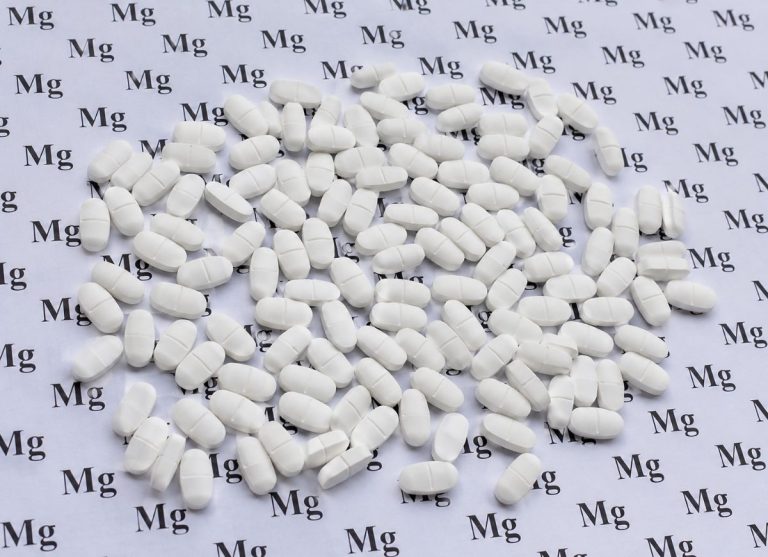
The Critical Synergy of Magnesium and Vitamin D
Magnesium is involved in several enzymes that help the body metabolize vitamin D. Maintaining adequate magnesium intake is therefore important for normal vitamin D metabolism.
However, taking additional magnesium is not automatically necessary for everyone with vitamin D deficiency. Most people should first focus on obtaining enough magnesium through a balanced diet, while supplementation should be discussed with a healthcare professional when needed.
A diet containing foods such as nuts, seeds, legumes, whole grains, and leafy green vegetables can provide useful amounts of magnesium.
Long-Term Monitoring and Maintenance
Correcting vitamin D deficiency is not always a one-time process. Some people need continued supplementation or monitoring, especially when an underlying condition, limited sun exposure, or poor absorption contributed to the deficiency.
Follow-up blood testing may be recommended depending on the initial level and treatment plan. Maintenance doses should be individualized rather than based on a single standard amount for everyone.
Recognizing possible symptoms early and addressing the underlying cause can help reduce the chance of vitamin D levels becoming low again.
Conclusion
Vitamin D deficiency can develop without obvious symptoms, but prolonged low levels may affect bones, muscles, and other aspects of health. Possible signs include persistent fatigue, bone discomfort, muscle weakness, frequent illness, mood changes, slow healing, and hair changes.
Recognizing these symptoms does not confirm a vitamin D deficiency because many of them can occur with other health conditions. Blood testing and professional evaluation are the most reliable ways to determine whether vitamin D levels are low.
A balanced diet, appropriate vitamin D intake, safe sun habits, and supplementation when medically recommended can all support healthy vitamin D levels. If you suspect that you may have a deficiency, speaking with a healthcare professional can help determine whether testing or treatment is appropriate.
Frequently Asked Questions Regarding Vitamin D Deficiency
Understanding vitamin D deficiency can make it easier to recognize potential symptoms and know when professional advice may be useful. Here are answers to several common questions about low vitamin D levels.
How long does it take to fix extremely low vitamin D?
The time required to restore very low vitamin D levels varies from person to person. People with significant deficiency may need several weeks or months of treatment before their blood levels return to an appropriate range.
The treatment plan depends on the starting vitamin D level, the dose prescribed, absorption, underlying health conditions, and other individual factors. Follow-up blood testing can help determine whether the treatment is working.
Symptoms such as fatigue or bone discomfort may improve gradually, but the timing is different for everyone.
Can low vitamin d symptoms cause unexplained weight gain?
Vitamin D deficiency itself has not been established as a direct cause of unexplained weight gain. However, people with low vitamin D may also experience fatigue or muscle weakness, which can make physical activity more difficult.
Research has examined possible associations between vitamin D levels, body weight, and metabolism, but the relationship is complex. Weight changes can have many causes, including diet, activity levels, medications, hormonal conditions, sleep problems, and other health issues.
Unexplained weight gain should therefore be evaluated rather than automatically attributed to vitamin D deficiency.
What is the difference between vit d3 deficiency symptoms and D2 deficiency?
Vitamin D2, or ergocalciferol, and vitamin D3, or cholecalciferol, are two forms of vitamin D. D3 is produced naturally in the skin after UVB exposure, while D2 is commonly obtained from certain plant and fungal sources.
Both forms can raise vitamin D levels, although D3 is generally considered more effective at maintaining blood vitamin D concentrations over time.
The symptoms of deficiency are related to having inadequate vitamin D overall rather than producing a completely different set of symptoms from D2 or D3 deficiency.
Are weird symptoms of vitamin D deficiency like “bone shivering” real?
A sensation described as “bone shivering” or an unusual internal cold feeling is not considered a classic or reliable symptom of vitamin D deficiency.
Severe vitamin D deficiency can cause bone pain, muscle weakness, and muscle aches, but unusual sensations can also result from nerve problems, mineral abnormalities, anxiety, circulation issues, or other conditions.
If you experience unexplained shaking, tingling, vibrations, or unusual sensations, it is best to discuss them with a healthcare professional rather than assuming they are caused by vitamin D deficiency.
Can a lack of vitamin D affect my dental health?
Vitamin D contributes to calcium metabolism and healthy bone development, including the bones that support the teeth. Severe nutritional deficiencies can therefore affect overall oral and skeletal health.
However, cavities, gum disease, and tooth loss have many possible causes, including oral hygiene, diet, bacteria, smoking, medications, and other medical conditions.
Regular dental care, proper oral hygiene, and appropriate medical evaluation are important if you notice changes in your teeth or gums.
Is there a link between really low vitamin D and hair thinning?
Some research has found an association between low vitamin D levels and certain types of hair loss, including conditions involving the hair-growth cycle. However, this does not mean vitamin D deficiency is the cause of every case of thinning hair.
Hair shedding can occur because of genetics, hormonal changes, stress, illness, nutritional deficiencies, medications, and several scalp conditions.
If hair loss is sudden, severe, or persistent, identifying the underlying cause is more useful than assuming that vitamin D is responsible. If testing confirms a deficiency, correcting it may be one part of an appropriate treatment plan.