
Sacrocolpopexy Procedure: Benefits, Risks, Recovery, and What to Expect
Pelvic organ prolapse can interfere with everyday comfort, confidence, and quality of life. It occurs when the tissues and muscles supporting the pelvic organs become weakened, allowing organs to shift downward. People may notice pelvic pressure, heaviness, urinary changes, or discomfort during certain activities. For those with significant prolapse, sacrocolpopexy is one surgical option that may help restore pelvic support.
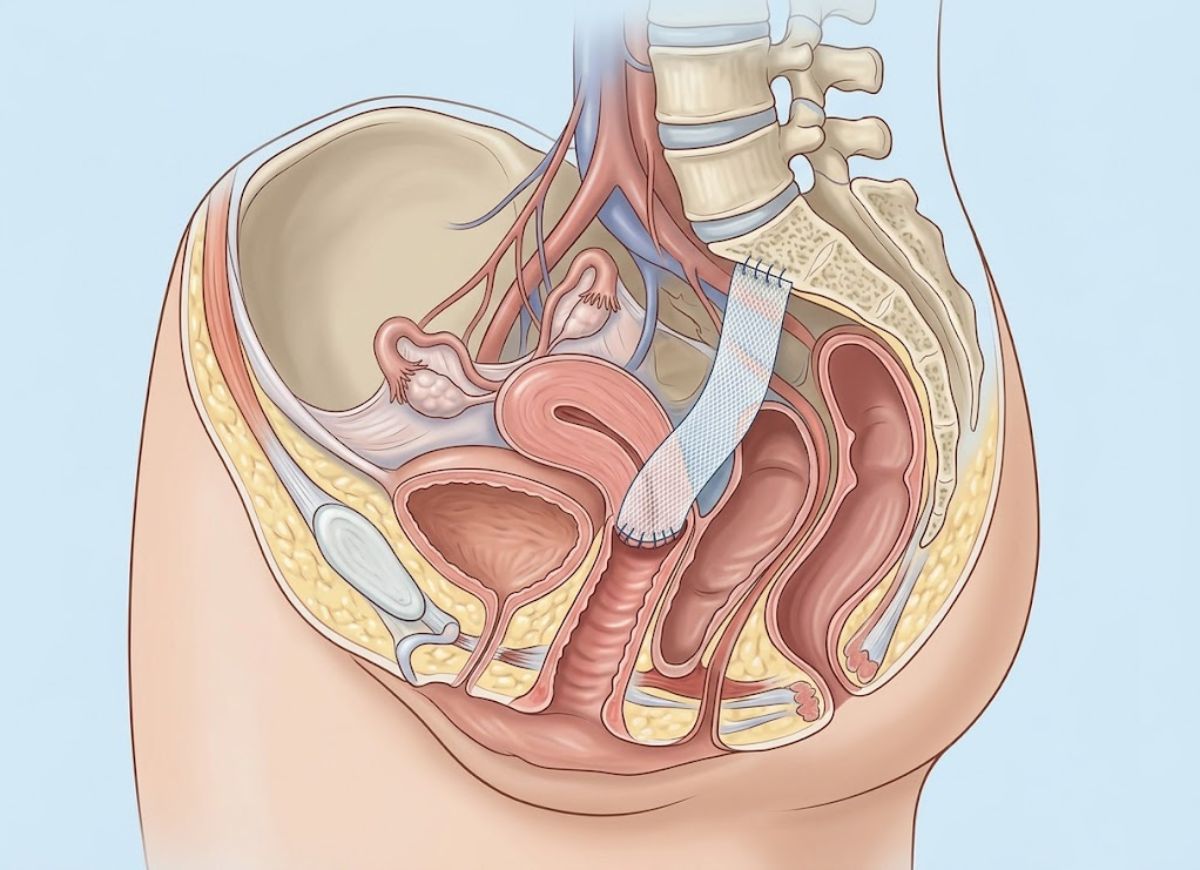
Sacrocolpopexy is a surgical procedure used to support the upper part of the vagina, particularly in cases of vaginal vault prolapse or changes following removal of the uterus. During surgery, a surgical mesh or graft material is placed between the vagina and the sacrum, the lower portion of the spine. This helps hold the vaginal apex in a more normal position and can provide long-lasting support.
Pelvic organ prolapse is relatively common. Research indicates that many women experience some degree of prolapse during their lifetime, although not everyone develops symptoms severe enough to require treatment. Factors that may contribute include childbirth, aging, menopause-related changes, previous pelvic surgery, chronic constipation, and repeated increases in pressure within the abdomen.
Although sacrocolpopexy can significantly improve prolapse symptoms for many patients, it is still a major surgical procedure and has potential risks. These may include bleeding, infection, injury to nearby organs, urinary or bowel problems, mesh-related complications, and recurrent prolapse. Recovery can also vary depending on the surgical technique, overall health, and individual healing process.
In this guide, we will explain the sacrocolpopexy procedure, including its potential benefits, risks, recovery timeline, and what patients may experience before and after surgery. This information can help you have a more informed discussion with your healthcare provider about whether the procedure may be suitable for your situation.
What is the Sacrocolpopexy Procedure for Pelvic Prolapse?
Sacrocolpopexy is a surgical procedure used to repair apical or vaginal vault prolapse. It uses surgical mesh to support the top of the vagina by attaching it to the sacral promontory, a strong area of bone near the base of the spine.
This creates a supportive bridge between the vaginal apex and the sacrum, helping return the upper vagina to a more appropriate position within the pelvis.
Specific Condition Sacrocolpopexy Treats
Sacrocolpopexy is commonly used to treat apical pelvic organ prolapse, which occurs when the upper portion of the vagina or the uterus moves downward from its normal position.
Pelvic organ prolapse (POP) develops when the muscles, ligaments, and connective tissues supporting organs such as the bladder, uterus, and rectum become weakened or stretched. As a result, one or more organs can descend and push against the vaginal walls or protrude into the vaginal opening.
Apical prolapse specifically involves loss of support at the top of the vagina. It can occur with the uterus still present or after a hysterectomy, when the vaginal vault becomes unsupported.
The condition can develop for several reasons, including childbirth, aging, menopause, chronic increases in abdominal pressure, inherited tissue characteristics, or previous pelvic surgery.
Symptoms can vary in severity. Common complaints include pelvic pressure or heaviness, a sensation of a vaginal bulge, lower back discomfort, and changes in bladder or bowel function. Some people may have urinary leakage, difficulty emptying the bladder, constipation, or a feeling of incomplete bowel emptying.
Sacrocolpopexy addresses the loss of support by creating a stronger suspension for the upper vagina and helping restore its position within the pelvis.
How is a Sacrocolpopexy Surgically Performed?
During sacrocolpopexy, the surgeon attaches a specially shaped piece of surgical mesh to the front and back portions of the vagina. The other end of the mesh is secured to the sacral promontory. This provides support for the vaginal apex and helps restore its position.
The procedure is performed under anesthesia and can be completed through an open abdominal, laparoscopic, or robotic-assisted approach.
Open abdominal sacrocolpopexy involves a larger incision in the abdomen. This traditional approach gives the surgeon direct access to the pelvic structures but generally involves more postoperative discomfort and a longer recovery than minimally invasive techniques.
Laparoscopic sacrocolpopexy uses several small abdominal incisions. A laparoscope, which is a narrow instrument with a camera, allows the surgeon to see the pelvic structures on a monitor. Additional small incisions are used for specialized surgical instruments. This approach generally results in smaller scars and a shorter recovery than open surgery.
Robotic-assisted laparoscopic sacrocolpopexy is another minimally invasive technique. The surgeon controls robotic instruments from a console while viewing the surgical area through a high-definition, three-dimensional camera system. The technology can provide enhanced instrument movement and visualization during the detailed work required in the pelvis.
Regardless of the approach, the basic goal remains the same. The surgeon carefully separates the relevant tissues around the bladder and rectum, attaches the mesh to the vaginal walls, and then secures the mesh to the sacral promontory. This provides durable support for the vaginal apex.
Ideal candidates for Sacrocolpopexy
Sacrocolpopexy may be appropriate for people with significant, symptomatic apical prolapse who want surgical correction and wish to preserve vaginal anatomy and function.
Suitability is determined through an individual evaluation by a urogynecologist or another surgeon experienced in pelvic floor disorders. The decision takes into account the type and severity of prolapse, overall health, previous surgeries, symptoms, and personal preferences.
The procedure is often considered for advanced apical prolapse, including uterine prolapse or vaginal vault prolapse following hysterectomy. In some cases, it may be performed along with a hysterectomy when the uterus is still present and prolapsed.
Because sacrocolpopexy is a major operation, patients need to be medically able to undergo anesthesia and surgery. A preoperative evaluation helps identify health conditions that could affect surgical safety or recovery.
One potential benefit is that sacrocolpopexy can preserve vaginal length and anatomy. This can be an important consideration for people who wish to maintain the possibility of vaginal intercourse.
For someone who does not wish to maintain vaginal intercourse, another procedure, such as colpocleisis, may be discussed as an alternative. Sacrocolpopexy may also be considered when prolapse has returned after a previous repair.
Patients should understand both the potential benefits and risks, including mesh-related complications and the need for a recovery period with activity restrictions.
Certain situations may make sacrocolpopexy inappropriate or require additional consideration. These can include active pelvic infections, significant medical conditions that make major surgery unsafe, or concerns about accepting the potential risks associated with surgical mesh.
The final decision should be made together with the treating surgeon after considering the individual’s anatomy, health, symptoms, and treatment goals.
Primary Benefits of Choosing Sacrocolpopexy
Sacrocolpopexy can provide durable support for the upper vagina and may significantly reduce symptoms caused by pelvic organ prolapse. Its ability to restore pelvic anatomy and provide long-term support is one reason it is commonly used for apical prolapse.
One of its main advantages is durability. Studies have reported high rates of continued anatomical support several years after surgery, although outcomes vary among individuals and studies.
The mesh provides additional structural reinforcement rather than relying only on weakened native tissues. This can reduce the likelihood of recurrent apical prolapse compared with some other repair techniques.
The procedure is intended to return the vaginal apex to a more natural position and orientation within the pelvis. As a result, symptoms such as pelvic pressure, vaginal bulging, and discomfort may improve.
Correcting prolapse can also improve certain bladder and bowel symptoms. Some patients experience improvement in urinary leakage or difficulty emptying the bladder, while others notice better bowel function after the prolapsed organs are repositioned.
For patients who wish to remain sexually active, restoring vaginal anatomy may also help preserve sexual function, although individual results vary.
The use of laparoscopic and robotic-assisted techniques has also changed the recovery experience for many patients. Compared with open surgery, minimally invasive approaches generally involve smaller incisions, less postoperative pain, shorter hospital stays, and a quicker return to normal activities.
Potential Complications and Risks of Sacrocolpopexy
Like any major surgery, sacrocolpopexy carries potential risks. These include general surgical complications as well as problems specifically associated with pelvic surgery and the use of mesh.
Infection can develop at the incision sites or within the pelvis. Preventive antibiotics are commonly given around the time of surgery to lower the risk. Bleeding is another possible complication, and significant blood loss may occasionally require additional treatment or transfusion.
Major surgery and temporary reduced mobility can increase the risk of blood clots, including deep vein thrombosis (DVT). In rare cases, a clot can travel to the lungs and cause a pulmonary embolism (PE). Reactions or complications related to anesthesia are also possible.
Because the surgery takes place close to the bladder, ureters, and bowel, these structures can rarely be injured during the procedure. If an injury occurs, it may require repair during surgery or additional treatment.
Mesh exposure or erosion is another potential complication. This occurs when mesh becomes exposed through the vaginal tissue. It may cause symptoms such as vaginal bleeding, unusual discharge, pelvic discomfort, or pain during intercourse. Management depends on the size and location of the exposed mesh and may involve observation, medication, or a surgical procedure.
Some patients may develop persistent pelvic discomfort or pain during intercourse after surgery. Others may experience urinary difficulties, constipation, or changes in bladder function.
In some cases, correcting prolapse can reveal previously hidden stress urinary incontinence. Prolapse can also recur, either at the top of the vagina or in another part of the vaginal wall, such as the front or back compartment.
Although sacrocolpopexy can provide durable apical support, it does not guarantee that prolapse will never return.
The Differences Between Sacrocolpopexy and Other Prolapse Surgeries
Sacrocolpopexy differs from other prolapse procedures in the way pelvic support is restored, the surgical approach used, and whether mesh is involved. The appropriate treatment depends on the location and severity of prolapse, medical history, previous surgery, health status, and individual goals.
Sacrocolpopexy vs. Native Tissue Repair
Sacrocolpopexy is performed through the abdomen, either with an open or minimally invasive approach, while many native tissue repairs are performed through the vagina.
Sacrocolpopexy uses surgical mesh to reinforce the vaginal apex. Native tissue repairs instead use the patient’s existing ligaments and connective tissues, which are repositioned and secured with sutures.
Research has generally found that sacrocolpopexy provides durable apical support, although the exact recurrence rates vary depending on the procedure and patient population.
A major advantage of native tissue repair is that it avoids mesh-related complications. However, recurrence can occur, and recovery and symptom outcomes depend on the particular repair performed.
Sacrocolpopexy vs. Transvaginal Mesh Repair
Transvaginal mesh procedures involve placing mesh through the vaginal wall to repair prolapse. These procedures have faced significant safety concerns and regulatory restrictions in some countries because of complications such as mesh exposure, pain, infection, and other adverse outcomes.
Sacrocolpopexy uses mesh differently. The mesh is placed through an abdominal or minimally invasive abdominal approach and attaches the vaginal apex to the sacrum.
The risks and benefits of each technique are different, so the choice should be based on an individual’s condition and discussion with a qualified pelvic floor specialist.
Sacrocolpopexy vs. Colpocleisis (Vaginal Obliteration)
Colpocleisis is a procedure that closes or shortens the vaginal canal to provide support for prolapsed pelvic organs. It can be an effective option for people with significant prolapse who do not wish to maintain the ability to have vaginal intercourse.
Because it does not require the same type of reconstruction as sacrocolpopexy, colpocleisis may involve a shorter and less extensive operation in appropriate patients.
The major difference is that vaginal intercourse is no longer possible after colpocleisis. Sacrocolpopexy, by contrast, is designed to preserve the vaginal canal and its function.
Sacrocolpopexy Procedure Recovery Process
Recovery after sacrocolpopexy occurs in stages. It begins with preparation before surgery, continues through the immediate hospital recovery period, and then progresses through several weeks of healing at home.
Following the surgeon’s instructions is important because the repaired tissues need time to heal and regain strength.
Preparation Before Sacrocolpopexy Procedure
Preparing for sacrocolpopexy usually involves a medical evaluation, medication review, and practical planning for recovery.
Before surgery, the surgeon and anesthesia team will review the patient’s medical history, medications, allergies, and overall health. Depending on age and medical conditions, tests such as blood work, urine testing, an ECG, or other investigations may be recommended.
Patients should tell their healthcare team about all prescription medicines, over-the-counter medications, vitamins, and supplements they take.
Some medications, particularly blood thinners, may need to be adjusted or temporarily stopped before surgery. However, patients should never stop prescribed medications on their own. The surgical and medical team should provide specific instructions based on the individual’s circumstances.
Some surgeons may recommend bowel preparation before surgery, depending on the planned procedure and their usual practice.
Instructions about when to stop eating and drinking before anesthesia will also be provided. Smoking cessation is encouraged because smoking can interfere with wound healing and increase the risk of respiratory and other surgical complications.
Practical preparation is also important. Patients may need to arrange transportation home, prepare meals, and organize assistance with household tasks or childcare. Having support available can make the early recovery period easier.
Is Sacrocolpopexy Considered a Major Surgery?
Yes. Sacrocolpopexy is generally considered a major pelvic reconstructive operation. It involves anesthesia, surgery deep within the pelvis, and a recovery period during which certain activities must be limited.
The operation is usually performed under general anesthesia, meaning the patient is asleep and closely monitored by the anesthesia team.
The length of surgery can vary. It may take several hours depending on the surgical approach, the complexity of the prolapse, and whether other procedures, such as hysterectomy, are performed at the same time.
After surgery, some patients stay in the hospital for observation before returning home. The exact length of the stay depends on the surgical approach, recovery progress, and hospital practices.
During the initial recovery, the medical team monitors pain, bladder function, mobility, and other aspects of healing. Patients are encouraged to begin moving as soon as it is considered safe because gentle movement can help reduce the risk of complications.
Recovery does not end when the patient leaves the hospital. Internal tissues need several weeks to heal, so restrictions on lifting, strenuous activity, and other activities are commonly necessary.
Key Stages of Recovery After Sacrocolpopexy
Recovery after sacrocolpopexy is gradual and can take several weeks or longer. Individual recovery times vary, so the surgeon’s instructions should take priority.
Immediate Post-Operative Period (In the Hospital: Days 1-3)
After surgery, the patient is monitored in a recovery area while the effects of anesthesia wear off. Pain medication is provided as needed.
A urinary catheter may remain in place temporarily, depending on bladder function and the surgeon’s protocol.
Gentle walking is usually encouraged once it is safe. Getting out of bed and moving around can help with circulation and bowel function.
The diet generally progresses as tolerated. Before going home, the healthcare team will make sure the patient is medically stable and has an appropriate plan for pain control, urination, and follow-up care.
Early Recovery at Home (Weeks 1-6)
The first several weeks are an important period for healing. Patients are generally advised to avoid heavy lifting and strenuous activities that could place pressure on the healing pelvic tissues.
The exact weight restriction varies, but many surgeons recommend avoiding heavy lifting during the early recovery period. Activities such as strenuous exercise, pushing, pulling, and demanding household chores may also need to be postponed.
Driving should be avoided until the patient can safely control the vehicle, perform emergency movements without significant pain, and is no longer affected by medications that impair alertness.
Pelvic rest is commonly recommended during the healing period. This may include avoiding vaginal intercourse, tampons, and douching until the surgeon confirms that healing is adequate. The exact timing varies, so patients should follow their surgeon’s instructions.
Preventing constipation is also important. Staying hydrated, eating fiber-rich foods, and using stool softeners or other medications when recommended can help reduce straining during bowel movements.
Long-Term Recovery and Return to Normalcy (Beyond 6-8 Weeks)
A follow-up appointment is often scheduled several weeks after surgery to assess healing and the success of the repair.
If recovery is progressing normally, restrictions can gradually be reduced. Patients may then be cleared to return to more demanding exercise, physically strenuous work, and sexual activity.
Fatigue can continue for several weeks, particularly after major surgery. Energy and strength usually return gradually rather than all at once.
Some people feel fully recovered within a few months, while others need longer. Continued follow-up may be recommended to monitor symptoms and the long-term condition of the pelvic repair.
Advanced Considerations and Related Topics for Sacrocolpopexy
Advanced considerations surrounding sacrocolpopexy include the differences between surgical approaches, long-term outcomes, non-surgical alternatives such as pessaries, and questions about insurance coverage.
Understanding these factors can help patients prepare for a detailed conversation with their healthcare provider. The best treatment depends on the individual’s symptoms, anatomy, medical history, and personal preferences.
The Difference Between Robotic, Laparoscopic, and Open Sacrocolpopexy
The main difference between these approaches is how the surgeon accesses the pelvic area. The surgical method can influence incision size, postoperative discomfort, hospital stay, scarring, and recovery time.
Open abdominal sacrocolpopexy uses one larger incision in the abdomen. It provides direct access to the pelvic structures but generally involves more postoperative discomfort and a longer recovery compared with minimally invasive techniques.
Laparoscopic sacrocolpopexy uses several small abdominal incisions. A camera provides an enlarged view of the surgical area, while specialized instruments are used through the other openings.
Robotic-assisted sacrocolpopexy also uses small abdominal incisions but involves robotic instruments controlled by the surgeon. The system can provide a magnified three-dimensional view and precise instrument control.
Both laparoscopic and robotic approaches are minimally invasive and generally result in smaller incisions than open surgery.
Patients undergoing minimally invasive surgery may experience less postoperative pain, shorter hospital stays, and a quicker return to daily activities than those undergoing open surgery. However, recovery varies from person to person, and the choice of approach depends on the surgeon’s experience, the patient’s anatomy and medical history, and the complexity of the operation.
Long-term Success Rate of Sacrocolpopexy
Sacrocolpopexy is considered a durable surgical option for apical pelvic organ prolapse. Studies have reported high rates of continued support several years after surgery, although reported success rates vary depending on how success is defined and which patients are included.
Success can refer to objective anatomical support, improvement in symptoms, or both. Many patients experience substantial improvement in symptoms such as vaginal bulging, pelvic pressure, and discomfort.
The use of surgical mesh provides long-term structural reinforcement between the vaginal apex and sacrum. However, recurrence is still possible.
Prolapse can return at the top of the vagina or develop in another compartment, such as the anterior wall or posterior wall. The likelihood varies according to individual factors and the type of repair performed.
Sacrocolpopexy vs. Non-surgical Options Like Pessaries
Sacrocolpopexy and vaginal pessaries provide two very different approaches to managing pelvic organ prolapse.
Sacrocolpopexy is a surgical treatment that aims to correct the underlying loss of pelvic support. It can provide long-term anatomical support but involves the risks and recovery associated with major surgery.
A vaginal pessary is a removable device, commonly made from medical-grade silicone, that is placed inside the vagina to support the prolapsed organs.
Pessaries come in different shapes and sizes and need to be fitted appropriately. They can be useful for people who want to avoid surgery, are not good surgical candidates, or need a non-surgical option for managing symptoms.
One advantage of a pessary is that it avoids surgical and anesthesia-related risks. However, it does not permanently correct the underlying prolapse. Regular cleaning, follow-up, and monitoring are important because some users may develop discharge, irritation, odor, or vaginal tissue problems.
The choice between surgery and a pessary depends on symptom severity, overall health, personal preferences, and treatment goals.
Is it Common for Health Insurance to Cover the Sacrocolpopexy Procedure?
Insurance coverage for sacrocolpopexy depends on the country, insurance provider, individual plan, and medical circumstances. When the procedure is considered medically necessary to treat symptomatic pelvic organ prolapse, health insurance may provide coverage.
Coverage requirements can vary, and insurers may require prior authorization before surgery. The surgeon’s office may need to provide documentation showing the diagnosis, symptoms, severity of prolapse, and recommended treatment.
In some cases, insurers may also require documentation of previous conservative treatments, depending on the plan’s rules.
Even when the procedure is covered, patients may still have out-of-pocket expenses. These can include deductibles, copayments, coinsurance, or charges from providers who are outside the insurance network.
Using in-network surgeons, anesthesiologists, and hospitals can help reduce unexpected costs when the insurance plan offers different levels of coverage for in-network and out-of-network care.
Patients should contact their insurance company and surgical team before the procedure to confirm coverage, authorization requirements, and expected costs.
FAQs
1. How painful is sacrocolpopexy surgery?
Pain after sacrocolpopexy varies between patients. Soreness, abdominal discomfort, pelvic pressure, or general tenderness can occur during the first days or weeks. Pain usually improves gradually as healing progresses and can often be managed with medications recommended by the healthcare team.
2. Can you still feel a bulge after prolapse surgery?
Some people may experience pressure, fullness, or a temporary sensation of a bulge during the early healing period. Swelling and healing tissues can change how the pelvic area feels. However, a persistent or newly developing bulge should be reported to a healthcare provider because it may require evaluation for recurrent or residual prolapse.
3. Is sacrocolpopexy a major surgery?
Yes. Sacrocolpopexy is generally considered a major pelvic reconstructive surgery. It is performed under anesthesia and involves repairing pelvic support deep within the pelvis. Recovery usually requires several weeks of activity restrictions.
4. What is the failure rate of sacrocolpopexy?
Sacrocolpopexy has a high rate of long-term success, but no prolapse repair guarantees that symptoms will never return. Recurrence rates vary depending on the type and severity of prolapse, surgical technique, individual tissue characteristics, and other health factors.
5. How far can I walk 4 weeks after prolapse surgery?
Walking is often gradually increased during recovery, and many patients can take longer walks by around four weeks if healing is progressing normally. However, the appropriate amount of activity varies. Your surgeon should determine when it is safe to increase walking distance or return to more demanding activities.
6. How do you sit on the toilet after prolapse surgery?
After prolapse surgery, the goal is to avoid straining and allow the pelvic tissues to heal. Sit comfortably and avoid forcing bowel movements. Staying hydrated, eating enough fiber, and using stool-softening medication when recommended can help prevent constipation. Follow any specific bowel-care instructions provided by your surgeon.
7. How long does a sacrocolpopexy last?
Sacrocolpopexy is intended to provide long-term support, and many patients continue to experience improvement for years after surgery. However, recurrence can occur, and long-term results vary between individuals. Regular follow-up can help identify and address any new symptoms.
Conclusion
Sacrocolpopexy is an important surgical treatment for certain forms of pelvic organ prolapse. By restoring support to the upper vagina, the procedure can reduce symptoms such as pelvic pressure, vaginal bulging, and some bladder or bowel difficulties.
Understanding the potential benefits, risks, recovery process, and available alternatives can help patients prepare for a discussion with their healthcare provider. Although sacrocolpopexy can provide durable support for many people, it is still major surgery and requires time for proper healing.
Recovery varies based on the surgical approach, overall health, severity of prolapse, and individual healing. Following postoperative instructions and attending follow-up appointments are important parts of the recovery process.
If pelvic pressure, a vaginal bulge, urinary changes, or other prolapse symptoms are affecting your quality of life, a healthcare professional can evaluate the condition and discuss available treatment options. Depending on the circumstances, treatment may include pelvic floor therapy, a pessary, sacrocolpopexy, or another surgical procedure. Making the decision with a qualified healthcare provider can help ensure that the chosen approach fits the individual’s medical needs and personal goals.