Shoulder Dystocia Explained: Causes, Risks, and What Parents Should Know
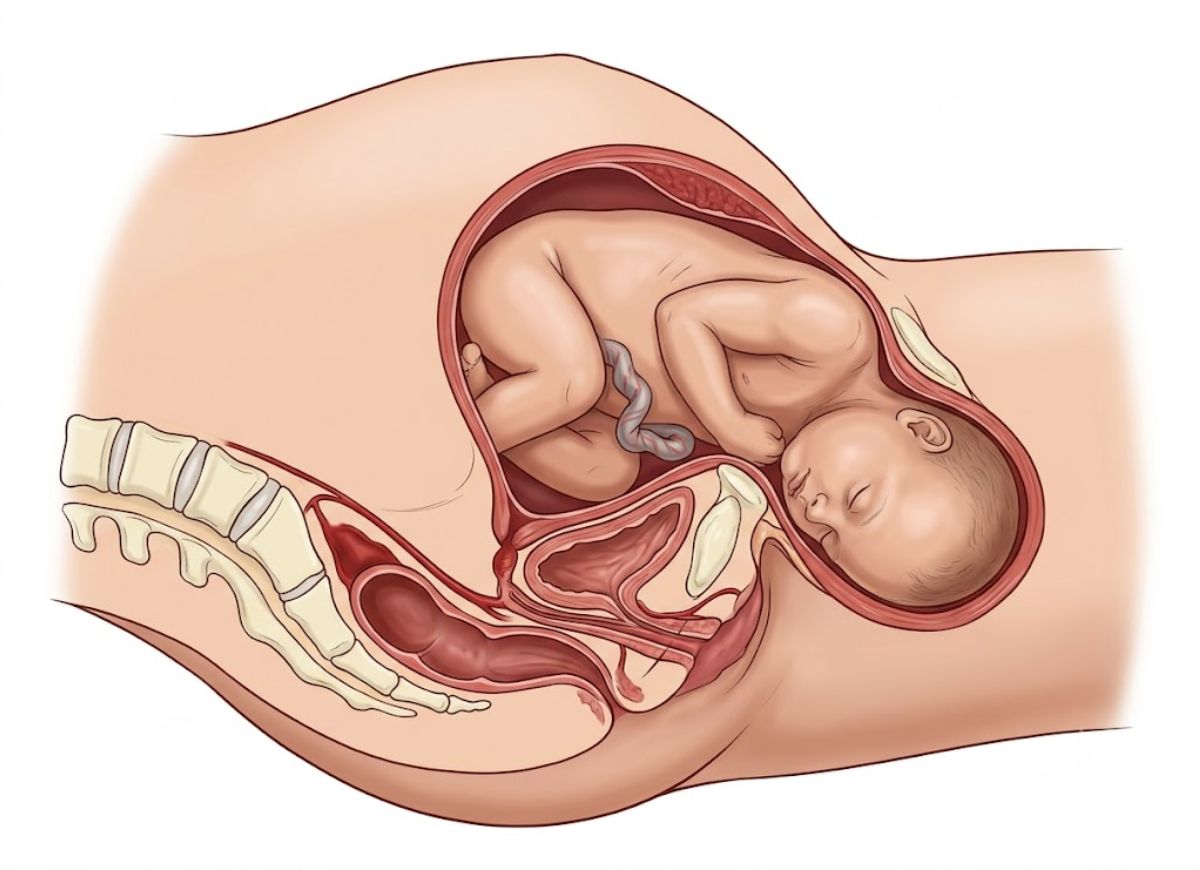
Childbirth involves many carefully timed steps, but sometimes an unexpected complication can develop that requires immediate medical care. Shoulder dystocia is one of the more urgent complications that may occur during vaginal delivery. It happens when a baby’s shoulder becomes stuck behind the mother’s pelvic bone after the baby’s head has already been delivered. Since the baby’s body cannot follow normally, the medical team needs to respond quickly to reduce potential risks for both mother and baby.
Although the term shoulder dystocia may sound frightening, it is relatively uncommon. It affects approximately 0.2% to 3% of vaginal deliveries worldwide, so only a small proportion of births are affected. However, because it can occur suddenly and is not always possible to predict, healthcare professionals are trained to identify it quickly and use specific techniques to complete the delivery safely.
Shoulder dystocia may occur when the baby’s shoulders are larger than expected or are positioned in a way that makes it difficult for them to pass through the birth canal. Certain factors can increase the likelihood, including a larger baby, gestational diabetes, prolonged labor, a previous shoulder dystocia, and some maternal health conditions. Still, many cases develop without obvious risk factors.
Once shoulder dystocia is recognized, the main goal is to complete the birth safely and without unnecessary delay. Doctors, midwives, and other birth professionals may use carefully performed movements and procedures to free the baby’s shoulder. A rapid and coordinated response is important because prolonged delivery can raise the risk of complications, including birth injuries, oxygen-related problems, and maternal injury.
Knowing more about shoulder dystocia can help expecting parents better understand one of the possible challenges associated with childbirth. Learning about its causes, risk factors, management, and potential outcomes can make this uncommon emergency easier to understand.
In this article, we will look at what shoulder dystocia is, why it occurs, which factors may increase the risk, what signs can appear during labor, what complications may develop, and how medical professionals respond when it happens. Continue reading to learn more about this important childbirth complication.
What is Shoulder Dystocia?
Shoulder dystocia is an obstetric emergency that can occur during vaginal birth when the baby’s head has been delivered but the anterior shoulder becomes trapped behind the mother’s pubic bone. This prevents the remainder of the baby’s body from being delivered normally. It is more than simply a tight fit; the shoulder is physically impacted and requires specific medical maneuvers to release it.
This situation is considered time-sensitive because the baby’s chest remains within the birth canal, which can interfere with normal breathing. The umbilical cord may also become compressed between the baby and the mother’s pelvis, potentially reducing the supply of oxygenated blood from the placenta.
Shoulder dystocia is estimated to occur in approximately 0.2% to 3% of vaginal deliveries. Because it often cannot be predicted, healthcare professionals involved in childbirth need to be prepared to respond quickly. Clinically, it is recognized when gentle traction on the baby’s head does not result in delivery of the anterior shoulder.
During a normal vaginal birth, the baby’s head emerges first and then usually rotates slightly so the shoulders can line up with the widest portion of the maternal pelvis. The anterior shoulder then passes beneath the pubic bone, followed by the posterior shoulder. With shoulder dystocia, this normal sequence is interrupted.
The anterior shoulder cannot move beneath the pubic symphysis, creating a physical obstruction. This is not necessarily related to a lack of pushing effort or weak contractions. Instead, it is a mechanical blockage that generally requires intervention. The urgency comes from the possibility that the baby’s oxygen supply can become compromised after the head has emerged, particularly if the cord or chest is compressed.
What Exactly Happens When a Baby’s Shoulder Gets Stuck During Birth?
When a baby’s shoulder becomes stuck, the normal progress of delivery suddenly stops after the head has emerged. One well-known sign associated with this situation is called the turtle sign.
The turtle sign describes a situation in which the baby’s head appears to move back toward the mother’s perineum after coming out. It is compared to a turtle pulling its head back into its shell.
This happens because the impacted anterior shoulder is pressing against the pubic bone while the uterus continues contracting. As a result, the rest of the baby’s body cannot easily follow the head. The baby’s chin may remain pressed against the perineum, and swelling of the cheeks or head can sometimes occur because of restricted venous drainage.
During a shoulder dystocia event, the baby’s head is delivered but there is an obvious delay before the body follows. The normal rotation that helps position the shoulders for delivery may not happen as expected. Gentle traction may be attempted, but the shoulders remain unable to descend.
The anterior shoulder becomes lodged behind the pubic symphysis, the joint connecting the two sides of the pubic bone. At the same time, the posterior shoulder may be positioned against the back portion of the pelvis. Together, these positions can create a firm physical obstruction that prevents the baby from moving through the pelvic outlet.
A physiological emergency can develop during these moments. Although the baby’s head is outside the mother’s body, the chest remains compressed within the birth canal, which can interfere with the baby’s ability to expand the lungs and begin breathing normally.
The umbilical cord may also be compressed between the baby and the pelvic structures, potentially limiting oxygen delivery. Because oxygen deprivation can become serious if delivery is significantly delayed, the healthcare team works quickly to resolve the obstruction.
Can Shoulder Dystocia Be Accurately Predicted Before Labor Begins?
No, shoulder dystocia cannot be reliably predicted before labor. Although healthcare professionals know several factors that can raise the risk, these factors do not accurately identify every pregnancy in which shoulder dystocia will occur.
A pregnancy can have several known risk factors and still result in a normal delivery. Conversely, shoulder dystocia can happen in pregnancies where no obvious risk factors are present. This unpredictability is one reason birth teams need to remain prepared during every vaginal delivery.
One of the strongest known risk factors is fetal macrosomia, which refers to a baby with a high birth weight, often defined using thresholds such as more than 4,000 or 4,500 grams. However, estimating fetal weight before birth is difficult. Ultrasound estimates, particularly late in pregnancy, can have a meaningful margin of error and may either overestimate or underestimate the baby’s actual weight.
Other factors, including maternal diabetes, obesity, having previously delivered a large baby, or pregnancy continuing beyond the expected due date, can increase risk but do not provide a reliable prediction. For example, gestational diabetes is associated with a higher likelihood of shoulder dystocia, but most people with gestational diabetes do not experience it, and shoulder dystocia can also occur in people without diabetes.
The mechanics of labor also matter. The baby’s position as it moves downward, the pattern and strength of contractions, and the individual shape and dimensions of the mother’s pelvis can all affect how the final stage of delivery progresses. These factors change during labor and cannot be fully predicted beforehand.
Because prediction is limited, automatically performing a cesarean delivery for every pregnancy involving a suspected large baby is not generally recommended. Doing so could result in many unnecessary surgeries while preventing only a relatively small number of shoulder dystocia cases.
Causes and Risk Factors for Shoulder Dystocia
The causes and risk factors associated with shoulder dystocia are generally grouped into three categories: maternal factors, fetal factors, and factors related to labor. However, the condition can still occur when none of these factors are present.
At its basic level, shoulder dystocia involves a mechanical mismatch between the baby’s shoulders and the mother’s pelvic outlet. This may happen because the baby is unusually large, the maternal pelvis has dimensions that make passage more difficult, or a combination of factors.
It is important to remember that risk factors are associations rather than guarantees. Having one or more of them does not mean shoulder dystocia will definitely occur, while having none does not eliminate the possibility. This uncertainty is why delivery teams need to be prepared for the emergency in every birth.
Several factors may also interact. For example, gestational diabetes can contribute to excessive fetal growth, and in some babies this growth may be more pronounced around the shoulders and trunk than around the head. This can allow the head to pass normally while the wider shoulders become stuck afterward.
Labor-related factors can also influence the mechanics of delivery. Certain patterns of labor or the use of assisted vaginal delivery with forceps or vacuum may be associated with shoulder dystocia. Even with these known associations, however, healthcare professionals cannot reliably identify every case before it occurs.
Maternal Conditions
Some maternal conditions can increase the possibility of shoulder dystocia by influencing fetal growth or the physical conditions of the birth canal. These factors do not mean that shoulder dystocia will occur, but they may alert the healthcare team to a potentially increased risk.
Pre-existing or gestational diabetes is one important risk factor. Higher blood sugar levels can contribute to excessive fetal growth, also known as macrosomia. In pregnancies affected by diabetes, some babies may develop proportionally more tissue around the shoulders, chest, and abdomen. This can create a larger shoulder-to-head size relationship, allowing the head to deliver while making passage of the shoulders more difficult.
Maternal obesity is also associated with an increased risk. People with obesity have a higher likelihood of having larger babies and developing gestational diabetes. In addition, differences in soft tissue around the birth canal can affect the functional space available during delivery.
A previous shoulder dystocia is another significant risk factor. Recurrence estimates vary, but the risk in a future pregnancy is higher than the baseline risk in the general population. This may reflect factors that persist from one pregnancy to another, including pelvic characteristics and a tendency toward larger babies.
Pregnancy continuing beyond 42 weeks can also increase the likelihood of having a larger baby because fetal growth may continue during the additional weeks. Increased fetal size can, in turn, raise the possibility of shoulder dystocia.
Having had previous vaginal births can be reassuring in some circumstances, but people with multiple previous pregnancies may still have a slightly increased risk. Birth weight can tend to increase across successive pregnancies, although this does not mean shoulder dystocia will necessarily occur.
Fetal Factors
The main fetal factor associated with shoulder dystocia is fetal macrosomia, meaning a baby that is substantially larger than average. It is one of the most consistently recognized predictors of this delivery complication.
When a baby is particularly large, the distance across the shoulders, known as the bisacromial diameter, may be difficult to accommodate within the maternal pelvis. Although fetal size is an important consideration, other characteristics can also affect the mechanical relationship between the baby and the birth canal.
Fetal macrosomia is often discussed using estimated weights above 4,000 grams (8 pounds, 13 ounces) or 4,500 grams (9 pounds, 15 ounces). The likelihood of shoulder dystocia generally rises as birth weight increases, although the exact risk varies depending on other factors, including maternal diabetes.
For babies with very high birth weights, the risk can be considerably greater than for babies of average size. However, size alone cannot determine whether shoulder dystocia will occur because smaller babies can also experience the complication.
Babies of mothers with diabetes may sometimes have a particular growth pattern in which the trunk and shoulders are relatively larger compared with the head. In such cases, the head may move through the pelvis without difficulty, while the wider shoulders become impacted afterward. This can make the complication difficult to anticipate based on the appearance of the head alone.
Male babies tend to have somewhat higher average birth weights than female babies at the same gestational age. Although sex is a much smaller risk factor than fetal size or maternal diabetes, research has found an association between male fetal sex and a slightly increased likelihood of shoulder dystocia, possibly because of differences in average body size.
How to Manage Shoulder Dystocia During Delivery
Shoulder dystocia is managed with a series of specific maneuvers intended to release the impacted shoulder and complete the birth. The response is organized and time-sensitive, requiring the medical team to remain calm, communicate clearly, and work efficiently.
Once shoulder dystocia is identified because gentle traction on the delivered head has not resulted in delivery of the shoulders, the attending healthcare professional activates an emergency response. Additional obstetric staff, anesthesia personnel, and a neonatal team may be called to assist. The time when the baby’s head was delivered is also recorded so the team can track the progress of the emergency.
The mother may be asked to stop pushing temporarily while the team performs the appropriate maneuvers. Continued forceful pushing is generally avoided because it may not resolve the mechanical obstruction and could potentially contribute to injury.
Healthcare professionals then proceed through a structured series of interventions. The exact sequence can vary according to the circumstances and the provider’s training, but the overall objective remains the same: change the pelvic position, reduce the effective width of the baby’s shoulders, or rotate the shoulders so they can pass through the pelvis.
A commonly taught approach is the HELPERR mnemonic: Help, Evaluate for episiotomy, Legs (McRoberts), Pressure (suprapubic), Enter maneuvers, Remove posterior arm, and Roll the patient.
The purpose of having a structured sequence is to ensure that the team responds efficiently rather than losing valuable time deciding what to do next.
The First-line Maneuvers Used to Resolve Shoulder Dystocia
The first-line techniques commonly used for shoulder dystocia are the McRoberts maneuver and suprapubic pressure. These are external techniques that can often be performed quickly without placing a hand inside the vagina.
They are commonly used together and are represented by the “L” and “P” in the HELPERR approach. Their purpose is to change the mother’s pelvic position and encourage the impacted shoulder to move into a position where it can be delivered.
The McRoberts Maneuver involves sharply flexing the mother’s thighs toward her abdomen, with the knees brought upward. Assistants generally help position both legs. This movement changes the angle of the maternal pelvis and can help release the impacted shoulder.
The position also alters the relationship between the sacrum and lumbar spine and rotates the pubic symphysis upward. These changes can improve the available space and sometimes allow the shoulder to pass without additional procedures.
Suprapubic Pressure is generally performed while the mother is in the McRoberts position. An assistant applies pressure to the lower abdomen just above the pubic bone, directing the pressure downward and toward the appropriate side.
The aim is to encourage the anterior shoulder to move inward toward the baby’s chest, reducing the shoulder diameter and helping it move beneath the pubic symphysis.
Suprapubic pressure should not be confused with fundal pressure. Pressure applied to the top of the uterus can push the baby farther into the obstruction and is therefore avoided during shoulder dystocia.
What Happens If the Initial Maneuvers Do not Work?
If the McRoberts maneuver and suprapubic pressure do not release the shoulder, the medical team moves promptly to additional techniques. These may involve placing a hand inside the vagina to directly change the baby’s position.
Because these maneuvers are more invasive, they require appropriate clinical skill and can carry additional risks. Nevertheless, they may be necessary when the initial techniques do not resolve the obstruction.
Internal rotational maneuvers are intended to rotate the baby’s shoulders into a wider part of the maternal pelvis. One example is the Rubin II Maneuver, in which the provider places a hand behind the anterior shoulder and applies pressure to encourage the shoulder toward the baby’s chest. This can reduce the effective shoulder diameter and help rotate the baby.
The Woods’ Screw Maneuver involves applying pressure to the posterior shoulder and rotating the baby so that the shoulders move away from the area of obstruction. The Rubin and Woods techniques may sometimes be used together.
Another option is delivery of the posterior arm. The provider reaches into the vagina, identifies the baby’s posterior arm, bends the elbow, and carefully brings the arm across the baby’s chest and out of the birth canal. Removing the posterior arm can reduce the width across the shoulders and may allow the remaining shoulder to pass.
If appropriate and if the mother is able to move, changing to an all-fours position can also be considered. This position may alter the dimensions of the pelvic outlet and use gravity to help change the baby’s position.
If standard maneuvers do not succeed, extremely rare and more invasive options may be considered. These include the Zavanelli maneuver, in which the baby’s head is returned toward the uterus before an emergency cesarean delivery, intentional fracture of the clavicle to reduce shoulder width, or symphysiotomy. Symphysiotomy is rarely performed in modern Western medical practice because of its potential maternal complications.
Potential Complications of Shoulder Dystocia for Mother and Baby
Shoulder dystocia can cause serious complications for both the baby and mother. Possible outcomes range from temporary injuries that heal with little intervention to, in rare cases, permanent disability or death. This potential severity is why shoulder dystocia is treated as an obstetric emergency.
For the baby, complications can result from both the mechanical forces involved in the difficult delivery and a reduction in oxygen supply. Nerve injuries, fractures, and oxygen-related brain injury are among the concerns that healthcare professionals assess for after delivery.
For the mother, complications can include significant bleeding and injuries to the tissues of the birth canal. The emergency itself can also have an emotional effect, particularly when the birth changes suddenly from a routine delivery into an urgent medical situation.
Most shoulder dystocia cases are resolved without permanent harm. However, the seriousness of possible complications means that the baby and mother should both be carefully assessed after delivery.
The newborn may be checked for fractures, nerve injuries, breathing problems, and signs of reduced oxygen. The mother is monitored for bleeding and evaluated for injuries involving the cervix, vagina, or perineum.
Emotional recovery is also important. A difficult or frightening birth can leave parents feeling anxious or distressed, and some may develop symptoms associated with birth trauma or PTSD. A conversation with the medical team can help parents understand what happened, why specific interventions were needed, and what recovery may look like.
Most Common Injuries to The Baby
The most commonly discussed baby injuries associated with shoulder dystocia include brachial plexus injuries and fractures of the clavicle or humerus. A much more serious but less common complication is hypoxic-ischemic encephalopathy (HIE), which can occur when the baby experiences significant oxygen deprivation.
The mechanical difficulty of the delivery can place stress on the nerves and bones around the baby’s shoulders. Some injuries occur because of the impaction itself, while others may occur during necessary maneuvers used to complete the delivery.
Brachial Plexus Palsy (BPP) is one of the best-known injuries associated with shoulder dystocia. The brachial plexus is a group of nerves extending from the neck toward the shoulder and arm. These nerves control movement and sensation in the upper limb. During a difficult delivery, they can become stretched, compressed, or damaged.
Erb’s Palsy is the most common type of brachial plexus injury. It generally affects the upper portion of the nerve network and can cause weakness or paralysis involving the shoulder and upper arm. The affected arm may hang close to the body and turn inward, producing the characteristic posture sometimes described as a “waiter’s tip.”
Many newborns with these injuries improve over time, particularly with appropriate medical follow-up and physical therapy, although recovery varies from one child to another.
Klumpke’s Palsy is much less common and involves the lower portion of the brachial plexus. It primarily affects the hand and forearm and can produce weakness or an abnormal hand position.
Fractures can also occur during shoulder dystocia. A Clavicle (Collarbone) fracture is the most common type of birth-related fracture. It can happen from pressure during delivery or during maneuvers used to resolve the shoulder obstruction. Newborn clavicle fractures usually heal well with appropriate care.
A Humerus (Upper Arm Bone) fracture is less common but can occur during difficult delivery, particularly when providers are working to deliver the posterior arm.
Hypoxic-Ischemic Encephalopathy (HIE) is among the most serious potential complications. It occurs when the brain does not receive enough oxygen and blood for a prolonged period. Severe cases can result in permanent neurological problems, including cerebral palsy, developmental difficulties, or other disabilities. In the most severe situations, significant oxygen deprivation can be fatal.
Primary Risks for The Mother
The main maternal complications associated with shoulder dystocia include postpartum hemorrhage, significant perineal tears, and emotional trauma. These problems may result from the difficult delivery itself as well as the physical interventions required to release the baby’s shoulder.
Although attention often focuses on the baby during shoulder dystocia, maternal complications are also important. The mother may experience injuries to the birth canal or substantial blood loss and may need additional treatment after delivery.
Postpartum Hemorrhage (PPH) is one of the most important maternal complications. Heavy bleeding can occur because the uterus does not contract effectively after birth, a condition known as uterine atony. Significant tears involving the cervix, vagina, or perineum can also contribute to blood loss.
Treatment for severe postpartum hemorrhage may include medications, fluids, blood transfusions, and, when necessary, surgical procedures.
The difficult delivery and internal maneuvers can also lead to extensive perineal injuries. Third-degree lacerations extend into the anal sphincter, while fourth-degree lacerations extend through the sphincter and into the rectal lining.
These injuries require careful repair and follow-up because some people may later experience ongoing pain, discomfort during intercourse, or problems controlling gas or bowel movements.
Uterine rupture is a rare but serious possible complication. It involves a tear in the wall of the uterus and can result in severe internal bleeding, requiring immediate emergency treatment.
The emotional impact should also be recognized. A sudden obstetric emergency can be frightening and may leave a mother feeling frightened, helpless, or overwhelmed. Some people may later experience anxiety, postpartum depression, or symptoms of PTSD. These emotional effects can continue long after the physical injuries have healed.
Long-Term Considerations and Related Issues of Shoulder Dystocia
The effects of shoulder dystocia can extend beyond the immediate delivery. Long-term considerations may include planning for future pregnancies, monitoring a baby for possible injuries, understanding the event, and addressing the emotional impact on the family.
Because shoulder dystocia can influence decisions about future deliveries, families may need additional discussions with their healthcare providers in subsequent pregnancies.
Previous Shoulder Dystocia Affecting Future Pregnancies
Having experienced shoulder dystocia once increases the likelihood that it may happen again in a future pregnancy. Estimates vary, but recurrence is often reported at around 10% to 15%, which is higher than the baseline risk.
Because of this increased risk, people who have experienced shoulder dystocia may benefit from discussing their previous delivery with their obstetric provider early in a future pregnancy.
The healthcare team may review factors such as fetal growth, maternal diabetes, and the details of the previous shoulder dystocia. If the baby is suspected to be particularly large, options such as induction or cesarean delivery may be discussed depending on the individual circumstances.
There is no single delivery method that is appropriate for everyone with a previous shoulder dystocia. The decision depends on factors such as estimated fetal size, the severity of the previous event, previous neonatal injury, maternal health, and the preferences of the pregnant person.
If a previous shoulder dystocia resulted in a serious neonatal injury, such as a permanent brachial plexus injury, or caused significant maternal trauma, the healthcare provider may give greater consideration to planned cesarean delivery.
Ultrasound estimates of fetal weight also have limitations. Because estimated fetal weight can differ from the baby’s actual birth weight, decisions involving suspected macrosomia require careful consideration rather than relying on the estimate alone.
The emotional experience of a previous difficult birth is another important part of planning. Fear or anxiety about another shoulder dystocia is understandable and can be discussed openly with the healthcare team when considering future birth options.
The Difference Between Erb’s Palsy and A Clavicle Fracture
Erb’s Palsy and a clavicle fracture can both occur following shoulder dystocia, but they involve very different types of injury.
Erb’s Palsy is a nerve injury involving the brachial plexus, the network of nerves responsible for sending signals between the spinal cord, shoulder, and arm. The nerves may become stretched or damaged during a difficult delivery.
A clavicle fracture, on the other hand, is a break in the collarbone. It is a bone injury and is among the more common fractures that can occur during difficult childbirth.
A baby with Erb’s Palsy may have a weak or limp arm, reduced movement, or an absent Moro reflex on the affected side. The arm may also appear in the characteristic “waiter’s tip” position. Diagnosis is usually based on physical examination, with additional testing sometimes used when needed.
A fractured clavicle may cause localized tenderness, swelling, or reduced movement of the affected arm. A lump can sometimes develop as the bone heals. Imaging, such as an X-ray, may be used to confirm the fracture when clinically appropriate.
Klumpke’s Palsy is another type of brachial plexus injury, but it is less common and generally affects the lower nerves, particularly those controlling the hand and fingers.
Medical Teams Training for Shoulder Dystocia Emergencies
Medical teams prepare for shoulder dystocia through hands-on simulation exercises and regular emergency drills. Because this complication can happen without warning, practicing the response helps healthcare professionals act efficiently when a real emergency occurs.
Obstetric teams may use lifelike mannequins that reproduce different childbirth situations, including shoulder impaction. Doctors, midwives, nurses, and other staff can practice maneuvers such as McRoberts positioning and suprapubic pressure in a controlled environment.
Simulation training helps healthcare professionals become familiar with the sequence of actions and improves their ability to respond under pressure. These exercises also focus heavily on communication and teamwork.
During drills, team members practice clearly assigning responsibilities and using closed-loop communication, where instructions are repeated or acknowledged to confirm that they have been understood. This helps reduce confusion and delays during a real shoulder dystocia emergency.
Regular training also gives teams an opportunity to identify problems with their emergency procedures and improve coordination between obstetric and neonatal staff.
Emotional Support For Families Who Have Experienced a Traumatic Birth
Experiencing shoulder dystocia can be emotionally difficult for both the mother and the wider family. The sudden transition from a normal birth to an emergency may lead to fear, helplessness, guilt, anxiety, or distress.
Some parents may develop symptoms of birth-related PTSD, including intrusive memories, nightmares, anxiety, or avoiding reminders of the experience.
A debriefing conversation with the medical team can be helpful. During this discussion, parents can ask what happened, why particular maneuvers were used, and whether the baby or mother experienced any injuries. Understanding the sequence of events can help reduce confusion and unanswered questions.
Professional counseling can also be useful, particularly for people who continue to experience distress after the birth. Therapists with experience in perinatal mental health or birth trauma may use approaches such as Cognitive Behavioral Therapy (CBT) or Eye Movement Desensitization and Reprocessing (EMDR), depending on individual needs.
Support groups can provide another source of help. Connecting with other families who have experienced difficult births may reduce feelings of isolation and provide an opportunity to share experiences in a supportive environment.
FAQs
1. Why is shoulder dystocia so scary?
Shoulder dystocia is considered a serious childbirth emergency because it can develop unexpectedly and requires immediate action. It happens when the baby’s head is delivered but one or both shoulders become stuck behind the mother’s pelvic bone.
Because a prolonged delay can increase the risk of complications for both mother and baby, trained medical professionals respond quickly when the condition is identified.
2. What happens if a baby has shoulder dystocia?
When shoulder dystocia occurs, the healthcare team uses specific techniques to release the baby’s shoulders and complete the delivery. These may include repositioning the mother and using controlled maneuvers to change the baby’s shoulder position.
Most babies are delivered successfully, although complications can include temporary nerve injuries, fractures, breathing problems, or oxygen-related injury in more severe cases.
3. How many babies survive shoulder dystocia?
Most babies who experience shoulder dystocia survive, particularly when the emergency is recognized quickly and managed appropriately. Although the condition can be serious, trained delivery teams use established procedures to reduce the risks and complete delivery as safely as possible.
4. Can I have a normal birth after shoulder dystocia?
Yes. Many people can have a vaginal birth after experiencing shoulder dystocia. The decision depends on several factors, including what caused or contributed to the previous event, the estimated size of the current baby, pregnancy health, and the discussion between the patient and healthcare provider.
Each pregnancy is considered separately when planning the delivery.
5. How to avoid shoulder dystocia during birth?
Shoulder dystocia cannot always be prevented because it may occur even when there are no obvious risk factors. Healthcare providers may, however, monitor factors such as gestational diabetes, excessive fetal growth, and a previous history of shoulder dystocia.
Regular prenatal care can help identify and manage factors that may increase the risk.
6. What size baby is at risk for shoulder dystocia?
The likelihood of shoulder dystocia increases as birth weight becomes higher, particularly with babies weighing more than approximately 4,000 grams (4 kg). However, shoulder dystocia can also occur with babies who weigh less than this, so birth weight alone cannot predict whether it will happen.
7. Can I deliver a 4 kg baby naturally?
Yes. Many people deliver a 4 kg baby vaginally without complications. Delivery depends on several factors, including the baby’s position, maternal pelvic anatomy, labor progress, and the overall health of the pregnancy.
A larger baby does not automatically mean that a cesarean delivery is required.
8. Why can’t babies breathe during shoulder dystocia?
During shoulder dystocia, the baby’s chest can remain compressed inside the birth canal even though the head has already been delivered. This can interfere with the baby’s ability to begin normal breathing and may also affect oxygen delivery if the umbilical cord becomes compressed.
This is why healthcare professionals work quickly to resolve the shoulder obstruction.
9. How long is too long for shoulder dystocia?
Shoulder dystocia needs immediate medical attention because prolonged obstruction can increase the risk of complications. Rather than waiting for a particular number of minutes, the medical team focuses on resolving the obstruction as quickly and safely as possible.
10. Is shoulder dystocia a doctor’s fault?
Shoulder dystocia is not necessarily the result of medical error. It can occur unexpectedly, including in pregnancies without obvious risk factors, even when appropriate prenatal care and skilled delivery management are provided.
Healthcare professionals are expected to recognize the emergency promptly and use appropriate techniques to protect the health of both mother and baby.
Conclusion
Shoulder dystocia is an uncommon but serious childbirth complication in which a baby’s shoulder becomes stuck after the head has been delivered. Since it can occur suddenly, understanding its risk factors, possible complications, and treatment approaches can help expecting parents become more informed about this potential emergency.
Although shoulder dystocia can be frightening, many cases are successfully resolved when the medical team recognizes the problem quickly and uses appropriate delivery techniques. Factors such as fetal size, maternal health, previous delivery history, and pregnancy conditions may affect risk, but none can reliably predict every case.
Discussing pregnancy concerns openly with a healthcare provider can help families understand their individual circumstances and prepare an appropriate delivery plan. Learning about shoulder dystocia is not about expecting complications; it is about understanding what may happen and knowing that trained medical teams have specific procedures to respond when this emergency occurs.