

How Accurate Are Wrist Blood Pressure Monitors? What You Need to Know
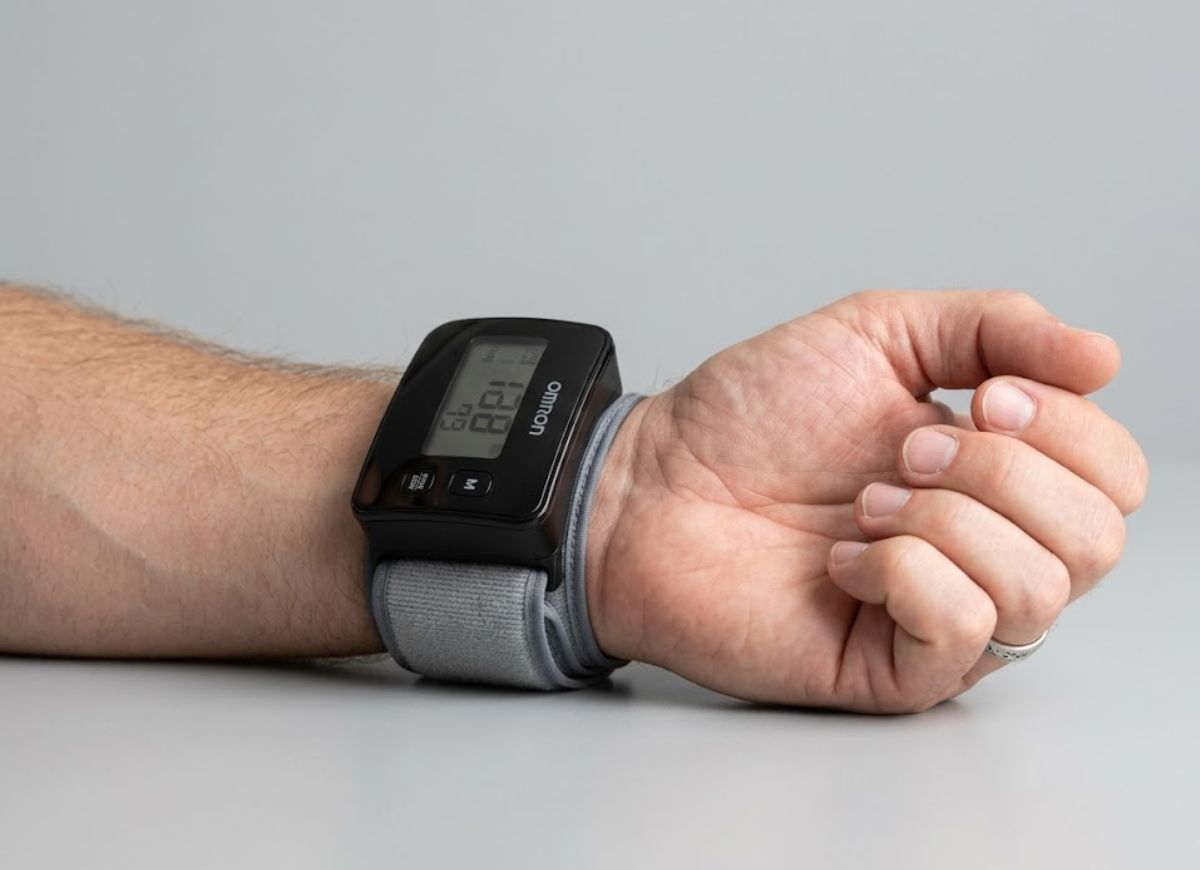
Monitoring blood pressure is an important part of keeping track of cardiovascular health, particularly for people who need regular readings at home. As home-monitoring devices have become more common, wrist blood pressure monitors have gained attention because they are compact, portable, and convenient compared with traditional upper-arm cuffs.
But how accurate are wrist blood pressure monitors? The answer depends on several factors. The quality of the device, the way it is positioned, and the user’s measurement technique can all affect the result. Upper-arm monitors are generally preferred for home blood pressure monitoring, while wrist devices can be more sensitive to movement and positioning.
For example, holding the wrist above or below heart level can change the reading. Talking, moving, or taking a measurement without resting first can also affect the numbers. Because of this, learning how to use a wrist monitor correctly is essential.
Despite these limitations, a wrist monitor can still be useful when it is properly validated and used according to the manufacturer’s instructions. It can be particularly convenient for people who have difficulty using an upper-arm cuff or need a lightweight device for regular monitoring.
This article explains how accurate wrist blood pressure monitors can be, how they differ from upper-arm devices, what can cause inaccurate readings, and how to use them properly. Understanding these factors can help you get more consistent readings and better track your blood pressure.
Accuracy of Wrist Blood Pressure Monitors
Wrist blood pressure monitors can provide useful readings when the device has been clinically validated and is used correctly. However, they are generally more sensitive to positioning than upper-arm monitors. They may be a practical alternative for people who cannot comfortably or properly use an upper-arm cuff because of arm size, discomfort, or certain physical limitations.
The reliability of a wrist monitor depends mainly on two things: the quality of the device and the way it is used. Medical organizations recommend choosing a home blood pressure monitor that has undergone appropriate clinical validation. Validation means that the device has been tested against an accepted reference method to determine whether its measurements meet established accuracy standards.
Using a device without reliable validation can make its readings less trustworthy. Proper technique is also extremely important with wrist monitors because the arteries in the wrist are smaller and farther from the heart than the artery measured by an upper-arm cuff.
Wrist Blood Pressure Monitors and Upper Arm Monitors
Upper-arm blood pressure monitors are generally recommended as the first choice for home monitoring because they tend to provide more consistent results. However, a properly validated wrist monitor can also be useful when it is positioned correctly and used according to instructions.
The upper-arm preference is partly related to anatomy. Upper-arm devices measure pressure over the brachial artery, which is larger and closer to the heart. This location generally provides a more stable measurement.
Wrist devices measure pressure at the radial artery, which is smaller and located farther from the heart. Because of this, wrist monitors can be more affected by the position of the arm and wrist.
The height of the wrist in relation to the heart is particularly important. If the wrist is positioned below heart level, the reading may be falsely high. If it is held above heart level, the reading may be falsely low.
For this reason, an upper-arm monitor usually offers more room for small positioning errors. A validated wrist device can still be helpful, but careful technique is especially important.
Factors Causing Inaccurate Readings from a Wrist Monitor
Several factors can interfere with the accuracy of a wrist blood pressure reading. Common problems include incorrect wrist height, movement, talking, poor cuff placement, and using a device that does not fit properly.
Incorrect wrist positioning is one of the most important causes of inaccurate readings. The wrist should be supported at approximately heart level during the measurement. Holding it too low can increase the reading, while holding it too high can lower the result.
Movement and talking can also interfere with automated monitors. Wrist devices use sensors to detect changes associated with blood flow, and movement or muscle tension can interfere with these measurements. Remaining quiet and still can help produce a more reliable result.
The cuff should be placed directly against bare skin and positioned according to the manufacturer’s instructions. A cuff that is too loose, too tight, or incorrectly positioned may affect the measurement.
Certain health conditions can also make automated blood pressure measurements less reliable. Changes in the arteries, including reduced flexibility, may affect readings. Irregular heart rhythms can also interfere with automated monitors, including both wrist and upper-arm devices.
Technology in Wrist Monitors vs. Arm Monitors
The main difference between wrist and upper-arm monitors is where blood pressure is measured. Wrist devices measure pressure at the radial artery, while upper-arm devices measure it at the brachial artery.
Both types commonly use oscillometric technology. During a measurement, the cuff inflates and temporarily restricts blood flow. As the cuff slowly releases pressure, sensors detect changes in the artery. The monitor then uses these signals and an internal algorithm to estimate systolic and diastolic blood pressure.
The brachial artery in the upper arm is larger and closer to the heart, which is one reason upper-arm measurements are generally preferred. The upper arm also provides a relatively stable location for the cuff.
The radial artery at the wrist is smaller and farther from the heart. Blood pressure can naturally vary between different points in the arterial system, particularly the systolic pressure. This can contribute to differences between wrist and upper-arm readings.
The wrist is also more mobile, making it easier to accidentally hold it at the wrong height. Gravity can therefore have a noticeable effect if the wrist is not kept at heart level during measurement.
Proper Usage of a Wrist Blood Pressure Monitor
Using a wrist blood pressure monitor correctly is essential for getting dependable readings. Preparation, posture, cuff placement, wrist position, and remaining still during the measurement all matter.
Wrist monitors require particular attention to positioning because even a small difference in height between the wrist and heart can affect the result. Taking measurements under similar conditions each time can also make it easier to identify changes in blood pressure over time.
Before measuring, give your body enough time to settle. Once the measurement begins, stay relaxed, keep still, and avoid talking.
The most important part is keeping the wrist at heart level. Supporting your arm with your other hand, a table, or a cushion can make it easier to maintain the correct position without creating muscle tension.
Correct Step-by-Step Procedure for Using a Wrist Monitor
A consistent measurement routine can improve the reliability of your readings. Follow these steps each time you check your blood pressure:
1. Preparation (5-30 minutes before):
If possible, avoid exercise, smoking, caffeine, and alcohol for about 30 minutes before checking your blood pressure. Empty your bladder before the measurement if needed. Then sit quietly for at least 5 minutes so your body can relax.
2. Proper Body Posture:
Sit comfortably in a chair with your back supported. Keep both feet flat on the floor and avoid crossing your legs or ankles. Rest your forearm on a table or another stable surface and keep your body relaxed.
3. Correct Cuff Application:
Remove watches, bracelets, or anything else that could interfere with the cuff. Place the cuff directly against your bare wrist according to the monitor’s instructions. It should fit securely without being excessively tight.
4. Precise Wrist Positioning:
Position your wrist so that the monitor is approximately level with your heart. Bend your elbow and bring your hand toward your chest until the wrist reaches the appropriate height. Keep your arm relaxed and supported rather than holding it up with muscle tension.
Some wrist monitors include position sensors that can help guide you into the correct position.
5. Taking the Measurement:
Start the monitor once you are correctly positioned. Stay completely still and avoid speaking while the measurement is being taken. If appropriate, take two or three readings with a short rest between them and consider the average rather than relying on a single reading.
Mistakes to Avoid When Measuring Blood Pressure at the Wrist
Several common mistakes can make wrist blood pressure readings less reliable. These include placing the wrist at the wrong height, measuring over clothing, skipping the rest period, moving or talking during the measurement, and incorrectly applying the cuff.
Incorrect wrist positioning is particularly important. When the wrist is significantly below heart level, the reading can appear higher than it actually is. Holding the wrist too high can have the opposite effect. Keeping the wrist supported at heart level helps reduce this problem.
The cuff should also be placed directly on bare skin whenever the device instructions call for it. Clothing between the cuff and wrist may interfere with proper measurement.
Avoid checking your blood pressure immediately after exercise or other activities that can temporarily affect your blood pressure. Stress, caffeine, and physical activity can all cause short-term changes. Sitting quietly before measuring can help establish a more consistent resting reading.
Movement can also interfere with the sensors inside an automated monitor. Talking, fidgeting, shivering, or tightening your arm muscles during the measurement may lead to an inaccurate reading or cause the device to display an error.
Your overall posture matters as well. Sitting without back support, crossing your legs, or maintaining muscle tension can affect blood pressure. Keeping your back supported, feet flat, and legs uncrossed creates a more consistent measurement position.
Advanced Considerations for Choosing and Using Blood Pressure Monitors
Selecting a blood pressure monitor involves more than choosing the smallest or most convenient device. Clinical validation, proper fit, individual needs, and useful features should all be considered.
Modern home-monitoring devices offer features such as smartphone connectivity, multiple-user profiles, automatic averaging, and positioning guidance. These functions can make regular monitoring easier, but convenience should not replace accuracy.
When comparing devices, it is important to distinguish between products designed for medical blood pressure measurement and general wellness technology. Understanding the technology and validation behind a device can help you choose one that is appropriate for your needs.
‘Clinically Validated’ Meaning for a Wrist Blood Pressure Monitor
A clinically validated blood pressure monitor has undergone testing designed to determine whether its readings are sufficiently accurate when compared with an accepted reference method.
Clinical validation is different from a simple marketing statement. It involves testing under established protocols to determine whether the device performs within recognized accuracy requirements.
Organizations and standards used in blood pressure monitor validation include groups such as the Association for the Advancement of Medical Instrumentation (AAMI), the European Society of Hypertension (ESH), and the International Organization for Standardization (ISO).
Regulatory clearance and clinical validation are related but are not necessarily identical. For this reason, consumers should look for clear information showing that a specific model has undergone recognized validation testing.
The American Medical Association’s Validated Device Listing at validatebp.org is one resource that can help consumers identify blood pressure monitors that have been independently validated. Manufacturer information and the device’s documentation can also provide details about validation.
For Which Individuals Might a Wrist Monitor Be a Better Choice than an Arm Monitor?
Although upper-arm monitors are generally preferred for home use, a wrist monitor may be more practical for some individuals.
One reason is cuff fit. People with larger upper arms may have difficulty finding an upper-arm cuff that fits correctly. Since an improperly fitted cuff can affect accuracy, a wrist device may provide a more practical alternative when recommended or appropriate.
Some people may also find upper-arm cuffs uncomfortable, particularly if repeated inflation causes discomfort. A wrist monitor may be easier for them to use consistently.
Certain medical situations can also make using an upper-arm cuff inappropriate on a particular arm. For example, people with an arteriovenous (AV) access for dialysis or certain arm-related medical conditions may receive specific instructions from their healthcare provider about where blood pressure should be measured.
Wrist monitors can also be convenient for people who travel frequently or need to take readings regularly throughout the day. Their smaller size makes them easier to carry than many traditional upper-arm devices.
However, convenience should not come at the expense of accuracy. Anyone choosing a wrist monitor should select an appropriate, validated device and use it correctly.
Smart Features to Look for in a Modern Wrist Monitor
Today’s wrist blood pressure monitors may include features that make tracking readings easier and more organized. These functions can be useful for people who regularly monitor their blood pressure at home.
One useful feature is Bluetooth connectivity and smartphone app integration. Compatible devices can automatically transfer readings to an app, reducing the need to record results manually. Some apps also display readings in charts, making it easier to identify trends and share information with a healthcare professional.
Some monitors can detect irregular heart rhythms during a measurement. However, this type of feature does not by itself diagnose a heart condition and should not replace medical evaluation.
Multiple-user support can be helpful in households where more than one person uses the same monitor. Separate profiles help prevent one person’s readings from becoming mixed with another person’s results.
Automatic averaging is another useful feature. Some devices can calculate an average from multiple readings, which can provide a more stable picture than relying on one measurement.
Positioning guidance can also be especially helpful with wrist monitors. Some models include sensors that indicate whether the wrist is being held at an appropriate height, helping users avoid one of the most common causes of inaccurate readings.
How Do Wrist Monitors Compare to Blood Pressure Features on Smartwatches?
Dedicated wrist blood pressure monitors and smartwatch blood pressure features may appear similar, but they generally use different technologies and are intended for different purposes.
A dedicated wrist monitor normally uses an inflatable cuff and oscillometric measurement. The cuff temporarily applies pressure around the wrist, and sensors detect changes as the cuff deflates. This is a well-established method used in many medical blood pressure monitors.
Many smartwatch blood pressure features work differently. Some use optical sensors based on photoplethysmography (PPG). These sensors use light to detect changes in blood volume near the skin and can use that information to estimate blood pressure.
This means that many smartwatch systems estimate blood pressure rather than directly measuring it with an inflatable cuff. Some may also require periodic calibration with a traditional cuff-based monitor.
Dedicated blood pressure monitors that have undergone clinical validation are specifically designed for blood pressure measurement. Smartwatch-based features can be useful for health tracking, but their intended use and regulatory status vary between products and regions.
For people who need regular blood pressure monitoring because of a diagnosed condition, a clinically validated cuff-based monitor is generally the more appropriate tool for obtaining blood pressure measurements. A healthcare professional can also advise which type of device is most suitable for an individual’s circumstances.
FAQs
1. Is taking blood pressure on the wrist accurate?
A wrist blood pressure monitor can provide useful and accurate readings when it is clinically validated and used correctly. However, wrist devices are particularly sensitive to positioning. Keeping the wrist at heart level, remaining still, and following the manufacturer’s instructions can improve reliability. Upper-arm monitors are generally preferred for routine home monitoring.
2. How much higher is BP on the wrist?
There is no fixed amount by which wrist blood pressure is always higher than upper-arm blood pressure. Readings can vary because the measurements are taken at different locations in the arterial system. Incorrect wrist positioning can also make the result appear unusually high or low.
3. Can a wrist blood pressure monitor be wrong?
Yes. Incorrect wrist height, movement, talking, poor cuff placement, and use of an unvalidated device can all contribute to inaccurate readings. Taking repeated measurements correctly and discussing unusual or consistently abnormal results with a healthcare professional can help determine whether the readings are reliable.
4. Where should a wrist blood pressure be taken?
A wrist monitor should generally be placed on bare skin according to the manufacturer’s instructions. During the reading, the wrist should be supported at heart level and the arm should remain relaxed. Proper positioning is one of the most important parts of using a wrist monitor correctly.
5. Why is my wrist blood pressure so high?
A high reading can reflect genuinely elevated blood pressure, but measurement conditions can also affect the result. Recent activity, stress, caffeine, talking, movement, incorrect wrist height, or improper cuff placement may contribute to a higher reading. Resting quietly and repeating the measurement correctly can provide more useful information.
6. Is a wrist blood pressure cuff better than the arm?
Wrist monitors are compact and convenient, and they may be useful for people who have difficulty using an upper-arm cuff. However, upper-arm monitors are generally preferred for most people because they tend to provide more consistent measurements. If a wrist monitor is used, careful positioning and proper technique are especially important.
7. What not to do before checking BP?
Before measuring your blood pressure, try to avoid exercise, smoking, caffeine, and alcohol for about 30 minutes when possible. Empty your bladder if needed, sit quietly for at least 5 minutes, and avoid talking or moving while the monitor is taking the measurement.
8. What time of day is BP highest?
Blood pressure often follows a daily pattern and may increase after waking and during daytime activity. It commonly decreases during sleep. However, blood pressure patterns vary between individuals and can be affected by medications, stress, health conditions, sleep, and lifestyle.
Conclusion
Wrist blood pressure monitors can be a convenient option for checking blood pressure at home, but their accuracy depends heavily on the device and how it is used. Wrist position, body movement, cuff placement, and preparation before the measurement can all affect the results.
For more dependable readings, choose a clinically validated monitor and follow the recommended measurement procedure each time. If readings are repeatedly high, unexpectedly low, or significantly different from previous results, discuss them with a healthcare professional.
Whether you use a wrist or upper-arm monitor, consistent and careful blood pressure monitoring can provide useful information about your cardiovascular health and help identify changes that may need medical attention.