
7 Warning Signs of Blood Disorders You Shouldn’t Ignore
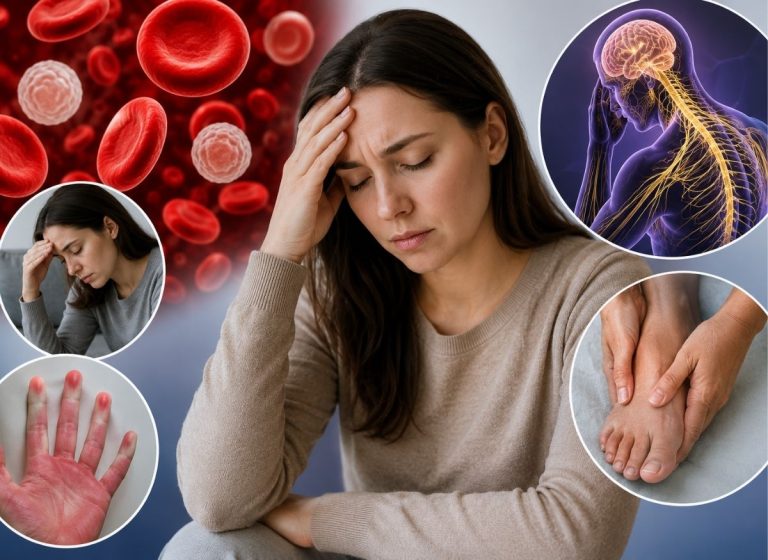
Did you know that blood disorders affect nearly 1 in 10 people worldwide at some point in their lives, yet many remain undiagnosed because the early warning signs are subtle? Your blood plays a vital role in carrying oxygen, nutrients, and immune cells throughout your body, so even minor disruptions can ripple into noticeable symptoms. Fatigue after a normal day, unusual bruising, or persistent paleness might feel insignificant, but they could signal an underlying blood condition that deserves attention.
Some of the most common blood disorders include anemia, clotting disorders, and certain types of leukemia, each impacting your health differently. Studies estimate that up to 30% of adults with mild anemia remain unaware, dismissing tiredness or shortness of breath as stress or a busy lifestyle. Similarly, people with clotting disorders may experience frequent nosebleeds or prolonged bleeding from minor cuts, yet only a fraction recognize these as early warning signs.
Recognizing symptoms early matters because many blood disorders can progress silently and lead to serious complications if left untreated. Untreated iron-deficiency anemia, for example, can impair cognitive function and physical performance, while clotting abnormalities may raise the risk of strokes or deep vein thrombosis. Some rare blood disorders, like hemophilia or myelodysplastic syndromes, develop slowly, with subtle signs such as frequent fatigue, pale skin, or small pinprick bruises that can go unnoticed for months.
This article explores seven warning signs of blood disorders that people often overlook, explaining what they might mean and why early recognition can make a life-changing difference. Knowing what to watch for could help you catch a hidden condition before it escalates, giving you the chance to protect your health and well-being.
What Are Blood Disorders?
A blood disorder is a medical condition that impairs the normal production, function, or survival of one or more cellular or liquid components of blood, including red blood cells, white blood cells, platelets, and plasma. These conditions can be inherited or acquired during a person’s lifetime, ranging from mild and manageable to chronic and life-threatening.
How Blood Disorders Affect the Body’s Key Functions
Blood disorders disrupt the body’s key functions by directly compromising oxygen delivery, immune defense, and hemostasis (the process of stopping bleeding). The specific impact depends on which blood component is affected, and when the delicate balance of blood cell production and function is disturbed, it can trigger a cascade of systemic problems affecting nearly every organ system.
A disorder affecting red blood cells can starve tissues of oxygen, for instance, while one affecting white blood cells can leave the body vulnerable to overwhelming infections. Broken down by component:
Red blood cells (erythrocytes) contain hemoglobin, a protein that binds oxygen in the lungs and transports it to all body tissues. Disorders affecting red blood cells, such as anemia, reduce oxygen-carrying capacity, leading to cellular hypoxia (oxygen deprivation) and classic symptoms like profound fatigue, weakness, shortness of breath, and pale skin. The body’s energy production becomes severely hampered, impacting everything from cognitive function to physical stamina.
White blood cells (leukocytes) serve as the immune system’s primary defenders, identifying and destroying pathogens like bacteria, viruses, and fungi. Disorders can involve either a deficiency (leukopenia) or an overproduction of abnormal, non-functional cells (leukemia). In both cases, the body’s ability to mount an effective immune response is severely compromised, resulting in frequent, severe, or unusual infections that are difficult to treat and can become life-threatening.
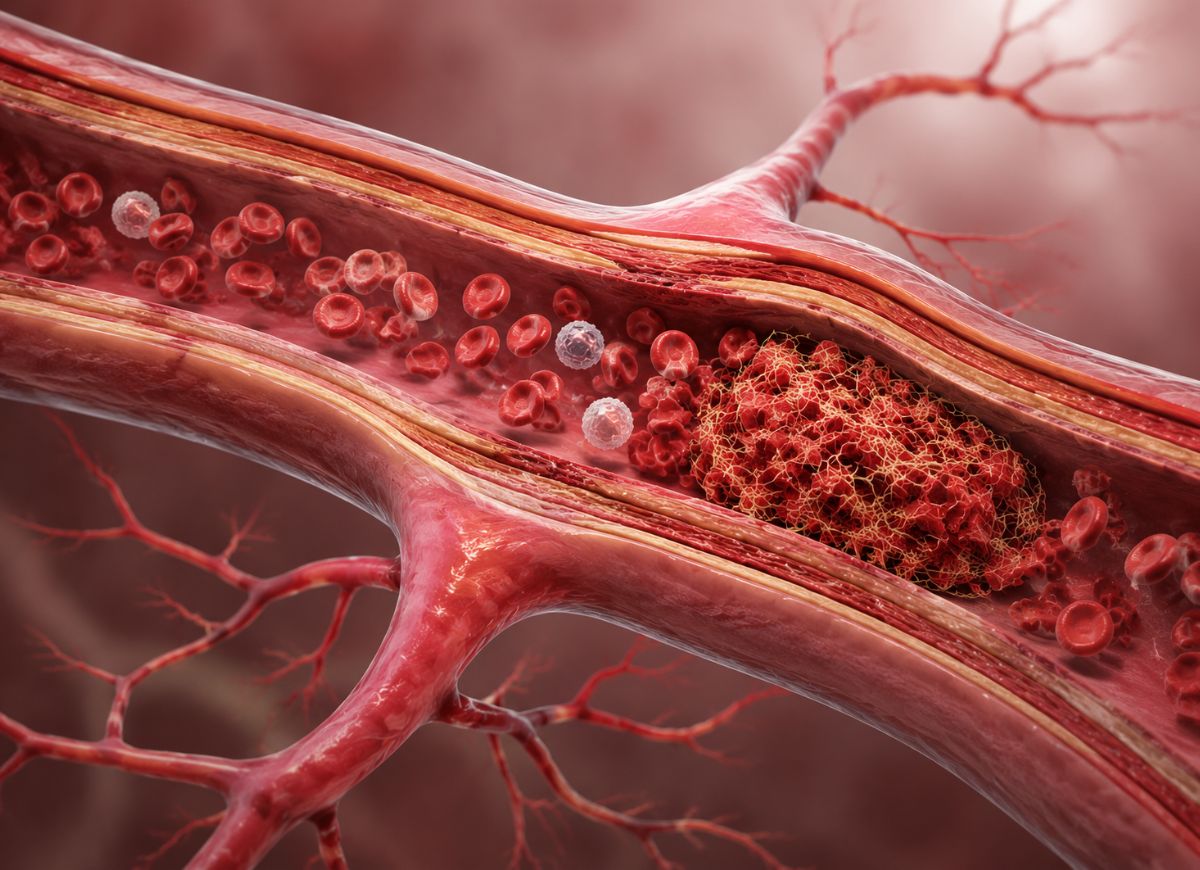
Platelets are small cell fragments that initiate clotting by forming a plug at the site of a blood vessel injury, while plasma contains clotting factors that create a strong fibrin mesh to secure that plug. Disorders like thrombocytopenia (low platelet count) or hemophilia (clotting factor deficiency) impair this process, leading to uncontrolled or prolonged bleeding, easy bruising, and tiny red spots on the skin (petechiae). Conversely, some disorders cause excessive clotting, leading to dangerous blockages in blood vessels (thrombosis).
Three Main Categories of Blood Disorders
Blood disorders generally fall into three main categories, classified by the primary blood component affected: disorders of red blood cells, disorders of white blood cells, and disorders of platelets and clotting factors. This classification helps hematologists diagnose and treat conditions based on the specific physiological function compromised. While some complex disorders overlap categories, this fundamental grouping provides a clear framework for understanding most hematological conditions.
Disorders affecting red blood cells involve a shortage, excess, or dysfunction of red blood cells or hemoglobin. The most common type is anemia, characterized by a low red blood cell count or insufficient hemoglobin, leading to reduced oxygen transport. Examples include iron-deficiency anemia, vitamin B12-deficiency anemia, aplastic anemia (bone marrow production failure), and hemolytic anemias like sickle cell disease, where red blood cells are destroyed prematurely. On the opposite end is polycythemia vera, a type of blood cancer where the bone marrow produces too many red blood cells, thickening the blood and increasing clot risk.
Disorders affecting white blood cells disrupt the immune system, characterized by either overproduction of abnormal cells (cancers) or underproduction of normal cells. Leukemias are cancers of the blood-forming tissues, including the bone marrow, causing production of large numbers of abnormal white blood cells that crowd out normal cells. Lymphomas are cancers affecting the lymphatic system, another key part of the immune network. Multiple myeloma is a cancer of plasma cells, a type of white blood cell that produces antibodies. Conditions like leukopenia (low white blood cell count) and neutropenia (low neutrophil count) leave the body highly susceptible to infection.
Disorders affecting platelets and clotting factors interfere with the body’s ability to control bleeding. Thrombocytopenia, having too few platelets, commonly causes easy bruising and prolonged bleeding, and can result from immune system dysfunction (ITP), medications, or other underlying diseases. Thrombocytosis, the opposite condition, involves too many platelets and can lead to abnormal blood clots. Other significant disorders in this category involve plasma clotting factors: hemophilia is a well-known genetic disorder where a specific clotting factor is missing or deficient, causing severe and prolonged bleeding, while von Willebrand disease, the most common inherited bleeding disorder, results from a deficiency or defect in the von Willebrand factor, a protein crucial for platelet adhesion.
7 Warning Signs of a Blood Disorder
Persistent Fatigue and Weakness
Persistent, profound fatigue and generalized weakness are hallmark signs of a blood disorder, primarily because they’re the most common symptoms of anemia.
This isn’t the ordinary tiredness that resolves with a good night’s sleep; it’s a debilitating exhaustion that can interfere with daily activities. It arises because a disorder affecting red blood cells directly impairs the body’s ability to transport oxygen, essential for cellular energy production. When muscles, organs, and especially the brain are deprived of adequate oxygen, their function slows, resulting in a pervasive sense of physical and mental exhaustion.
Anemia, whether from iron deficiency, vitamin deficiencies, chronic disease, or bone marrow problems like leukemia, means there are either too few red blood cells or the existing cells lack sufficient hemoglobin, the iron-rich protein that binds oxygen. Lower hemoglobin translates directly to less oxygen delivered with each heartbeat.
Every cell relies on oxygen to convert glucose into adenosine triphosphate (ATP), the primary energy-storage molecule. When oxygen supply is low, this process becomes inefficient, forcing cells to switch to less efficient energy production pathways. This leads to a significant drop in overall energy output and a buildup of lactic acid, contributing to muscle fatigue.
The body attempts to compensate by making the heart and lungs work harder. The heart beats faster (tachycardia) to circulate the limited oxygen-rich blood more quickly, and breathing becomes more rapid and shallow (tachypnea). This constant overexertion places additional strain on the body, further contributing to weakness and fatigue.
Frequent or Recurring Infections
Experiencing frequent, severe, or unusually persistent infections is a significant warning sign of a blood disorder, specifically one affecting white blood cells. These cells form the foundation of the immune system, responsible for identifying and eliminating pathogens.
When their numbers are too low or the cells themselves are abnormal and non-functional, the body loses its primary line of defense, becoming highly susceptible to infections a healthy person would easily fight off. This isn’t about catching a cold once or twice a year; it’s a pattern of recurrent sinus infections, skin infections, pneumonia, or other illnesses that are hard to resolve even with treatment.
Many blood disorders, including aplastic anemia and certain leukemias, can lead to neutropenia, a critically low level of neutrophils, the most abundant white blood cell type and the immune system’s first responders. Without an adequate supply, even minor bacterial incursions can escalate into serious, life-threatening infections.
In blood cancers like leukemia, the bone marrow produces a massive number of abnormal, immature white blood cells (blasts). While the white blood cell count might appear high on a blood test, these cancerous cells are non-functional, unable to perform immune duties, and worse, they crowd out the bone marrow, preventing production of healthy white blood cells, red blood cells, and platelets.
In conditions like multiple myeloma or chronic lymphocytic leukemia (CLL), the body’s ability to produce effective antibodies is also impaired. Without these specialized proteins that tag pathogens for destruction, the body can’t “remember” past infections or effectively target new ones, leading to recurrent bouts of the same illnesses, such as pneumonia or shingles.
Unexplained Bruising or Prolonged Bleeding
Unexplained bruising that appears with little or no trauma, along with prolonged bleeding from minor cuts, are classic symptoms of blood disorders affecting platelets or clotting factors. These signs point to a problem with hemostasis, the body’s complex process for stopping bleeding and repairing damaged blood vessels.
Frequent, large, or dark bruises (ecchymosis), tiny red or purple spots on the skin (petechiae), or nosebleeds and bleeding gums that are difficult to stop all point to a failure in the initial stages of clot formation, a critical warning sign suggesting a risk of more serious internal or external hemorrhage.
Two primary components are involved. Platelets are the first responders to vessel injury, rushing to the site and clumping together to form a temporary plug. When platelet count is too low (thrombocytopenia), there aren’t enough platelets for an effective plug, which can result from bone marrow failure (as in leukemia or aplastic anemia) or the immune system mistakenly destroying platelets (as in Idiopathic Thrombocytopenic Purpura, or ITP). In other cases, platelet count may be normal but the platelets themselves are dysfunctional and can’t adhere properly.
After the initial platelet plug forms, a cascade of protein interactions involving plasma clotting factors creates a strong, stable fibrin clot. If one or more of these factors are missing or deficient, this process fails. Hemophilia involves a deficiency in Factor VIII or Factor IX, while von Willebrand disease involves a problem with the von Willebrand factor, which helps platelets stick to the vessel wall. Acquired conditions, such as severe liver disease (which produces most clotting factors) or certain medications, can also impair this cascade, leading to a bleeding tendency.
Pale Skin, Dizziness, or Shortness of Breath
Pale skin (pallor), dizziness or lightheadedness, and shortness of breath (dyspnea), especially with exertion, are quintessential indicators of anemia, the most common type of red blood cell disorder. This trio of symptoms results directly from inadequate oxygen delivery to the body’s tissues.
While each symptom can have other causes, their combination strongly suggests the blood’s oxygen-carrying capacity is compromised. Severity often correlates with the severity of the anemia; a person might first notice shortness of breath only during heavy exercise, but as anemia worsens, it can occur even at rest.
The physiological basis is straightforward. The reddish-pink color of healthy skin, particularly noticeable in the nail beds, palms, and inner eyelids, comes from hemoglobin circulating in capillaries just beneath the surface. When hemoglobin levels drop significantly, there’s less red pigment in the blood, causing skin and mucous membranes to appear pale or even yellowish.
The brain is highly sensitive to oxygen levels, consuming about 20% of the body’s total oxygen intake despite making up only 2% of its weight. Reduced oxygen supply to the brain can cause dizziness, lightheadedness, headaches, and difficulty concentrating, and in severe cases, fainting.
When tissues throughout the body signal a lack of oxygen, the brain’s respiratory center responds by increasing the rate and depth of breathing, an attempt to take in more oxygen to compensate for the blood’s reduced transport capacity. This shortness of breath becomes particularly pronounced during physical activity, when muscle oxygen demand increases sharply.
Swollen Lymph Nodes, Fever, or Night Sweats
The combination of persistently swollen lymph nodes, unexplained fever, and drenching night sweats, known as B symptoms, is strongly associated with blood cancers, particularly lymphoma and leukemia.
While swollen glands can occur with simple infections, lymph nodes that remain enlarged for weeks without a clear cause, especially if painless and rubbery, warrant immediate medical investigation. All three symptoms occurring together is a systemic red flag pointing toward potential malignancy within the blood or lymphatic systems.
Lymph nodes are small, bean-shaped glands that filter lymph fluid and house immune cells. In cancers like lymphoma and CLL, cancerous lymphocytes multiply uncontrollably and accumulate in the lymph nodes, causing them to swell, commonly in the neck, armpits, and groin.
Fever and night sweats are caused by the cancer cells themselves, which release inflammatory proteins called cytokines. These circulate throughout the body and can affect the hypothalamus, the brain’s thermostat, causing a persistent or recurring fever unrelated to infection. They also trigger a systemic inflammatory response that can lead to drenching night sweats, often severe enough to soak through pajamas and bedding, distinct from simply feeling warm at night.
Unexplained Weight Loss
Unexplained weight loss, defined as losing more than 5-10% of body weight over six to twelve months without trying, can signal a serious blood disorder, especially advanced blood cancers. This symptom, known as cachexia, differs from normal weight loss through dieting or exercise. It’s a metabolic syndrome involving loss of muscle mass, with or without fat loss, often occurring alongside fatigue and loss of appetite, and it strongly indicates a significant disease process is consuming the body’s energy reserves.
This weight loss is driven by complex metabolic changes the cancer induces. Cancer cells are highly metabolically active, dividing rapidly and consuming a tremendous amount of glucose and other nutrients to fuel growth. This pushes the body into a hypermetabolic state, burning calories at a much higher rate than normal, even at rest. The body begins breaking down its own energy stores, first fat, then muscle, to meet the cancer’s demands.
Advanced cancers, including leukemia, lymphoma, and multiple myeloma, release cytokines and other chemical messengers that promote catabolism (breakdown of complex molecules). These substances can interfere with normal metabolism, suppress appetite signals in the brain, and directly cause breakdown of skeletal muscle and adipose tissue. This leads to progressive wasting that can’t be fully reversed simply by increasing calorie intake, signaling that the disease is systemic and profoundly affecting the entire body.
Bone Pain or Joint Tenderness
Deep, persistent, and often worsening bone pain or joint tenderness relates directly to blood disorders originating and proliferating within the bone marrow, most notably leukemia and multiple myeloma. This isn’t the typical ache of arthritis or a muscle strain; it’s often described as a constant, deep, gnawing pain inside the bones.
The pain can localize to one area, such as the back, ribs, or hips, or be more widespread. It often worsens at night and may not respond to common pain relievers. This symptom arises from physical pressure created by an overpopulation of cancer cells inside the rigid space of the bone.
The bone marrow is the spongy tissue inside bones where blood cells are produced. In leukemia, malignant white blood cells multiply uncontrollably within the marrow; in multiple myeloma, cancerous plasma cells accumulate. This massive proliferation physically crowds the marrow cavity, creating immense pressure against the sensitive inner surface of the bone, which is rich in nerve endings, the primary source of the deep, aching pain.
In multiple myeloma, cancerous plasma cells also release substances that activate osteoclasts, the cells responsible for breaking down bone tissue. This leads to weakened areas or holes in the bone, known as lytic lesions, which compromise structural integrity, making the bone susceptible to fractures from minimal stress and causing localized, often severe, pain, especially prominent in the spine, pelvis, and rib cage. In some cases, accumulation of leukemic cells near the bone surface or in a joint can also cause joint swelling and tenderness.
When to Seek Medical Help
You should see a doctor for potential blood disorder symptoms whenever they’re persistent, severe, unexplained by other obvious causes, or when several key warning signs occur simultaneously. The key principle is seeking professional medical evaluation rather than self-diagnosing or waiting for symptoms to resolve on their own.
While a single symptom like fatigue can stem from many things, its combination with pale skin, frequent infections, and unexplained bruising warrants a prompt visit to a healthcare provider. Early diagnosis is often critical for successfully managing and treating many blood disorders, especially cancers. Ignoring persistent signals from your body can delay treatment and worsen outcomes. Your primary care physician is the best starting point; they can perform initial blood tests and refer you to a hematologist if necessary.
Symptoms Requiring Immediate Attention
Certain symptoms or combinations are red flags requiring immediate or emergency medical attention because they may indicate a life-threatening complication.
Any bleeding, such as a nosebleed or from a cut, that doesn’t stop after 15-20 minutes of direct pressure is a medical emergency, indicating a severe deficiency in platelets or clotting factors and posing a risk of significant blood loss. Large, rapidly expanding bruises or blood in the urine or stool also require urgent evaluation.
Severe shortness of breath and/or chest pain can signal that severe anemia is putting extreme strain on the heart and lungs, potentially leading to a heart attack, or could indicate a pulmonary embolism, a dangerous blood clot that has traveled to the lungs, a possible complication of disorders causing excessive clotting.
In a person with a suspected or known white blood cell disorder, a high fever (above 101°F/38.3°C) can signal sepsis, a life-threatening systemic infection the compromised immune system can’t control, requiring immediate antibiotic treatment and hospitalization.
An abrupt onset of excruciating bone pain could indicate a pathological fracture from a condition like multiple myeloma. Sudden confusion, severe headache, weakness on one side of the body, or vision changes could signal bleeding within the brain, a critical emergency linked to severe bleeding disorders.
How to Prepare for a Hematologist Appointment
Preparing for an appointment with a hematologist means gathering and organizing key information about your health and symptoms to make the consultation as productive as possible: documenting symptoms in detail, compiling a comprehensive personal and family medical history, creating a complete list of medications and supplements, and writing down questions for the specialist.
Being well-prepared allows the hematologist to get a clear, accurate picture of your situation, crucial for forming a diagnostic plan, and empowers you to be an active participant in your own healthcare.
Don’t rely on memory. Write down every symptom, noting when it started, how often it occurs, what makes it better or worse, and its severity. For example: “Fatigue started in January, is constant but worse in the afternoons (8/10), not improved by sleep. Easy bruising on legs and arms for the past two months.”
List all past and current medical conditions, surgeries, and hospitalizations. Crucially for a hematologist, include any family history of blood disorders, bleeding or clotting problems, anemia, or cancer, since genetic predisposition plays a role in many hematological conditions.
Create a comprehensive list of everything you take, including prescription drugs, over-the-counter medications (like aspirin or ibuprofen, which can affect bleeding), vitamins, minerals, and herbal supplements, including name, dosage, and frequency. Many substances can impact blood counts and function.
Finally, write down your questions beforehand so nothing gets lost in an overwhelming appointment. Examples include: “What do you think is causing my symptoms?”, “What specific tests will I need, and what do they involve?”, “When can I expect results?”, and “What are the possible treatment options if a disorder is found?”
How Blood Disorders Are Diagnosed
The cornerstone of diagnosing blood disorders is the Complete Blood Count (CBC), a routine blood test providing a quantitative analysis of blood’s primary cellular components. It measures red blood cells, white blood cells, platelets, hemoglobin concentration, and hematocrit (the proportion of red blood cells).
Abnormal CBC results are often the first indicator of a problem: a low red blood cell count points toward anemia, while an unusually high or low white blood cell count could suggest infection, inflammation, or a malignancy like leukemia.
Another fundamental diagnostic tool is the peripheral blood smear, where a drop of blood is examined under a microscope, allowing a pathologist to visually assess the size, shape, and appearance of blood cells and identify abnormalities a CBC’s numerical data can’t capture, such as the sickle-shaped cells of sickle cell anemia or the immature blast cells characteristic of acute leukemia.
When initial tests suggest a serious disorder originating in the bone marrow, a bone marrow biopsy and aspiration may be performed, taking a small sample of bone marrow tissue and fluid, usually from the hip bone, to examine where blood cells are made. This provides definitive information for diagnosing, staging, and monitoring blood cancers.
For hemostasis-related issues, coagulation tests like Prothrombin Time (PT) and Partial Thromboplastin Time (PTT) measure how long it takes blood plasma to clot, helping diagnose bleeding or clotting disorders by identifying deficiencies in specific clotting factors. Together, these diagnostic tools provide a comprehensive picture of a patient’s hematological health.
Who’s Most at Risk?
A variety of factors increase susceptibility to developing a blood disorder, with genetics playing one of the most significant roles. Many conditions are inherited, passed down through families via specific gene mutations. Classic examples include sickle cell anemia, more common in individuals of African, Mediterranean, and South Asian descent, and hemophilia, a bleeding disorder that primarily affects males.
A person with a close family member who has an inherited blood disorder faces significantly higher risk themselves. Age is another critical, non-modifiable risk factor: acute lymphoblastic leukemia (ALL) is the most common childhood cancer, while chronic lymphocytic leukemia (CLL) and myelodysplastic syndromes (MDS) are typically diagnosed in adults over 60.
Beyond genetics and age, exposure to certain environmental agents can elevate risk. Prolonged exposure to high levels of radiation and specific chemicals, such as benzene, are well-documented risk factors for acute myeloid leukemia (AML). Lifestyle choices, such as smoking, also contribute.
Certain pre-existing medical conditions can predispose individuals to blood disorders too. People with autoimmune diseases like lupus or rheumatoid arthritis may develop anemia of chronic disease, and certain viral infections, including HIV and Epstein-Barr virus, are linked to increased lymphoma risk.
Certain medications, most notably chemotherapy drugs used to treat other cancers, can damage the bone marrow, potentially leading to secondary blood disorders years later. Nutritional deficiencies are a direct, modifiable risk factor for specific types of anemia, with inadequate intake of iron, vitamin B12, or folate being the most common causes.
Blood Disorders vs. Related Conditions
Anemia vs. Leukemia
The fundamental difference between anemia and leukemia lies in the type of blood cell affected and the underlying disease process. Anemia is defined by a deficiency in the number or quality of red blood cells or a lack of hemoglobin, the protein that lets these cells carry oxygen. It isn’t a disease in itself but rather a sign of an underlying problem, such as nutritional deficiency, chronic disease, blood loss, or premature destruction of red blood cells.
Its primary consequence is reduced oxygen delivery to tissues, leading to common symptoms like fatigue, weakness, shortness of breath, and pale skin. Leukemia, in contrast, is a form of cancer originating in the bone marrow’s blood-forming tissues, resulting in uncontrolled production of abnormal white blood cells.
These cancerous cells, often immature and non-functional, proliferate wildly and crowd out healthy cells in the bone marrow. This crowding impairs production of normal white blood cells (increasing infection risk), red blood cells (causing anemia), and platelets (causing easy bruising and bleeding). So while a person with leukemia often develops anemia as a secondary symptom, the root cause is entirely different.
Leukemia is a primary malignant disease of white blood cells, while anemia is a non-malignant condition involving red blood cells. Treatments reflect this difference: anemia is managed by addressing its cause, such as iron supplements or blood transfusions, while leukemia requires aggressive cancer treatments like chemotherapy, radiation, or stem cell transplantation. Anemia is a widespread condition with numerous, often treatable, causes, while leukemia is a specific and serious cancer classified into acute and chronic forms based on progression.
Bleeding Disorders vs. Clotting Disorders
Bleeding disorders and clotting disorders represent two opposite ends of the spectrum concerning hemostasis. Bleeding disorders, a state of hypo-coagulation, occur when the blood’s ability to form a stable clot is impaired, due to a deficiency in platelets or, more commonly, a lack of specific clotting factor proteins.
Conditions like hemophilia (a deficiency in Factor VIII or IX) and von Willebrand disease (a deficiency in von Willebrand factor) are prime examples. Individuals with these disorders may experience prolonged bleeding from minor cuts, spontaneous nosebleeds, excessive bruising, or life-threatening internal hemorrhaging, with uncontrolled blood loss as the primary danger.
Clotting disorders, also known as thrombophilia or a hypercoagulable state, involve the opposite: hyper-coagulation, where blood clots too readily. The clotting cascade becomes overly active, forming unnecessary and dangerous blood clots inside blood vessels.
These clots can obstruct blood flow, causing localized damage, or break loose and travel through the bloodstream, potentially lodging in the lungs (pulmonary embolism), brain (stroke), or heart (heart attack). Causes include genetic factors like the Factor V Leiden mutation, or acquired conditions like certain cancers, obesity, or prolonged immobility.
While bleeding disorders pose a risk of hemorrhage, clotting disorders pose a risk of thrombosis. Treatment approaches are consequently opposite: bleeding disorders are managed with factor replacement therapies to promote clotting, while clotting disorders require anticoagulant medications to prevent clot formation.
Frequently Asked Questions
1. What is the most serious blood disorder?
The most serious blood disorders typically affect the body’s ability to produce healthy blood cells or regulate clotting, such as acute leukemia, aplastic anemia, and severe hemophilia. Acute leukemia is a rapidly progressing bone marrow cancer that disrupts production of normal red blood cells, white blood cells, and platelets, often leading to severe infections, extreme fatigue, and uncontrolled bleeding. Aplastic anemia occurs when the bone marrow fails to produce sufficient blood cells, causing profound weakness, vulnerability to infection, and life-threatening bleeding. Severe hemophilia can result in internal bleeding, especially in muscles and joints, which may become critical if untreated. Early diagnosis and immediate medical intervention are crucial for managing these conditions and improving survival rates.
2. What is a Type 5 blood disorder?
This generally refers to Factor V Leiden thrombophilia, a genetic condition affecting blood clotting. People with this disorder have a mutation in the factor V gene, making the blood more prone to forming clots in veins. Many carriers remain asymptomatic throughout life, but those who do experience symptoms may develop deep vein thrombosis (DVT) or pulmonary embolism (PE), both potentially life-threatening. Additional risk factors like surgery, pregnancy, prolonged immobility, or estrogen-containing medications can significantly increase risk. Diagnosis is confirmed with a genetic blood test, and management often includes lifestyle changes, careful monitoring, and sometimes anticoagulant therapy.
3. What causes blood disorders to develop?
Blood disorders arise from a variety of causes, ranging from genetic mutations to environmental triggers. Inherited disorders like sickle cell anemia or hemophilia pass from parents to children. Autoimmune conditions, such as autoimmune hemolytic anemia, cause the immune system to attack red blood cells, leading to anemia and fatigue. Nutritional deficiencies, particularly iron, vitamin B12, or folate, can prevent proper red blood cell production. Certain medications, infections, toxins, or chronic illnesses can also disrupt normal blood formation or function.
4. What should you avoid if you have Factor V Leiden?
Individuals with Factor V Leiden need to minimize clotting risk factors. They should avoid smoking, which thickens the blood, and limit prolonged immobility, like long flights or bed rest without movement. Certain hormonal medications, including oral contraceptives or estrogen therapy, can increase clot formation and should be discussed with a doctor. Maintaining a healthy weight, staying active, and following prescribed anticoagulants when necessary are key to preventing complications.
5. How does a blood disorder make you feel?
Blood disorders often manifest subtly and can be easily ignored. People may experience persistent fatigue, weakness, dizziness, or shortness of breath, even after minimal physical activity. Easy bruising, frequent nosebleeds, or prolonged bleeding from minor cuts can appear without a clear reason. Some disorders affect oxygen delivery to tissues, resulting in pale skin, headaches, or difficulty concentrating. Others may cause swelling or pain in joints and muscles due to internal bleeding or clotting. Symptoms often develop gradually, making early detection challenging, yet recognizing patterns early can prevent serious complications.
6. Can a blood disorder go away?
Some blood disorders are temporary and reversible, particularly those caused by nutritional deficiencies, infections, or medication effects. Iron-deficiency anemia, for example, can often be corrected with iron supplementation and dietary adjustments, and certain autoimmune disorders may improve or go into remission with immunosuppressive therapy. However, chronic or genetic blood disorders, like sickle cell disease, thalassemia, or hemophilia, are lifelong conditions. Even though they can’t be completely cured, they can often be managed effectively through regular medical care, lifestyle modifications, medications, and monitoring.
7. What blood disorders cause headaches?
Several blood disorders can trigger headaches. Anemia, particularly iron-deficiency anemia, reduces oxygen delivery to the brain, leading to persistent or throbbing headaches, lightheadedness, and fatigue. Polycythemia vera, where the body produces too many red blood cells, thickens the blood and can increase pressure in the vessels, resulting in headaches, dizziness, or vision problems. Blood clotting disorders may also reduce proper circulation or cause small clots that affect cerebral blood flow.
8. What is the most inherited blood disorder?
The most commonly inherited blood disorders are sickle cell anemia and hemophilia. Sickle cell anemia is an autosomal recessive disorder, meaning a child must inherit the gene from both parents to have the disease; it causes red blood cells to deform into a crescent shape, impairing oxygen delivery and leading to fatigue, pain, and organ damage. Hemophilia, typically X-linked, mostly affects males and prevents proper blood clotting, resulting in prolonged bleeding from injuries or internal bleeding in muscles and joints. Knowledge of family history is essential for early testing and proactive management.
Final Thoughts
Blood disorders can begin quietly, presenting subtle signs such as fatigue, pale skin, unusual bruising, or frequent headaches. Ignoring these symptoms may allow a serious condition to progress unnoticed, increasing the risk of complications like clotting, infection, or severe anemia.
Awareness and early intervention are vital. Recognizing the warning signs, understanding risk factors, and consulting a healthcare professional promptly can lead to effective management, better quality of life, and potentially life-saving treatment. Staying informed about blood health empowers you to take proactive steps before minor symptoms escalate into serious problems.