
10 Key Signs and Symptoms of SIADH You Must Know
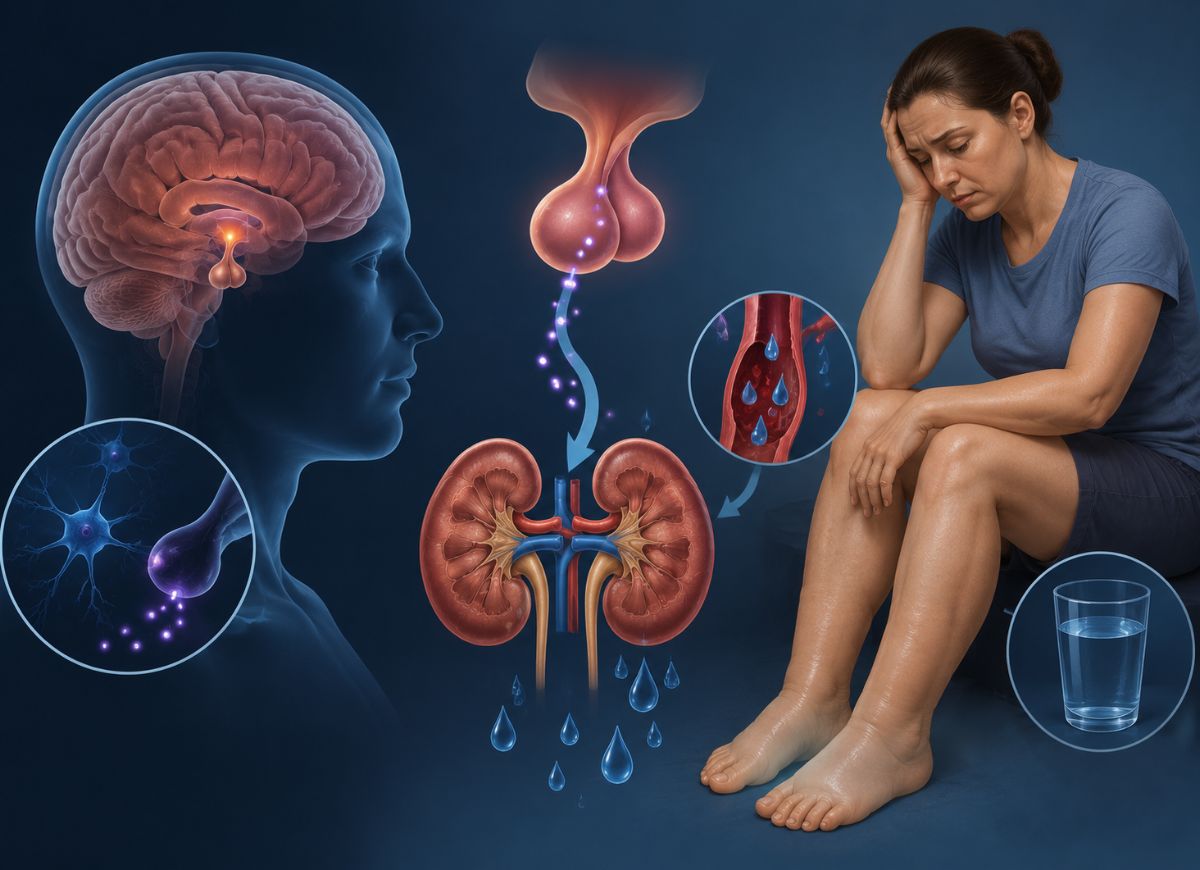
Did you know that SIADH (Syndrome of Inappropriate Antidiuretic Hormone Secretion) affects roughly 1 in 50,000 people each year, yet many cases go undiagnosed because the early signs are subtle? This condition occurs when the body produces too much antidiuretic hormone (ADH), causing water retention and diluting blood sodium levels. Since sodium is critical for nerve and muscle function, even small imbalances can lead to noticeable, but often overlooked, symptoms.
Many people dismiss early warning signs like mild fatigue, headaches, or confusion, chalking them up to stress, dehydration, or lack of sleep. In fact, research shows that up to 30% of SIADH cases are identified only after symptoms become severe, including seizures or significant confusion. This delayed recognition highlights why understanding the early indicators matters so much.
Some of the most common early symptoms are subtle and easily mistaken for other issues, including muscle cramps, nausea, loss of appetite, or subtle memory changes. Others may notice increased thirst or reduced urination that seems out of the ordinary. While any single symptom alone might not raise concern, a combination of these changes, particularly when persistent, could point to an underlying electrolyte imbalance caused by SIADH.
Recognizing these signs early allows for prompt testing and treatment, helping prevent complications like seizures, brain swelling, or severe confusion. Laboratory tests measuring blood sodium and osmolality, along with a careful symptom review, can confirm the diagnosis. With timely intervention, most people respond well to treatment, which may include fluid restriction, medications, or addressing the underlying cause.
This article breaks down 10 key signs and symptoms of SIADH, explaining what each looks like, why it happens, and when to seek medical attention. Paying attention to these indicators can help you catch the condition early and protect your health before it escalates.
10 Signs and Symptoms of SIADH
Headache
Often one of the earliest and most common neurological signs, this is typically a dull, generalized headache caused by the initial stages of cerebral edema and increased pressure within the skull. Because it can easily be mistaken for a more common ailment, it sometimes delays diagnosis.
Confusion, Irritability, and Personality Changes
As brain swelling worsens, higher cognitive functions become affected. Patients may grow disoriented, struggle to concentrate, or display uncharacteristic irritability, lethargy, or restlessness. Family members are often the first to notice these subtle but meaningful shifts in personality and mental state.
Seizures and Coma
In cases of severe or rapidly developing hyponatremia, typically when serum sodium drops below 120 mEq/L, cerebral edema can become critical. The resulting disruption of brain cell function can trigger generalized seizures.
If left untreated, rising intracranial pressure can lead to brainstem herniation, respiratory arrest, coma, and ultimately death. These represent medical emergencies requiring immediate, carefully managed treatment to correct the sodium imbalance without causing further neurological damage.
Hyponatremia
This is the biochemical hallmark of SIADH. Sodium, the primary electrolyte in extracellular fluid, plays a critical role in maintaining blood pressure, fluid balance, and nerve and muscle function. When its concentration drops, it triggers the cascade of symptoms seen in SIADH, particularly the neurological ones. Diagnosis is confirmed through a blood test showing low serum sodium (typically below 135 mEq/L) along with low plasma osmolality (below 275 mOsm/kg).
Fluid Retention and Weight Gain
Excess water retained by the kidneys increases total body water volume, often leading to gradual but noticeable weight gain over a short period. A key diagnostic feature of SIADH, however, is that this fluid retention is typically euvolemic, meaning there’s no visible swelling (peripheral edema) in the legs, ankles, or hands. That’s because the retained water distributes proportionally across both intracellular and extracellular fluid compartments, preventing the massive fluid shifts into interstitial space that cause the pitting edema seen in conditions like heart or kidney failure.
Nausea and Vomiting
These are among the most common early gastrointestinal symptoms of SIADH. While the exact mechanism isn’t fully understood, it’s believed to relate both to the direct effects of hyponatremia on the central nervous system’s chemoreceptor trigger zone (the brain area that controls vomiting) and potential effects on the gastrointestinal tract itself. Worsening nausea and vomiting can further exacerbate the electrolyte imbalance by causing additional sodium loss.
Muscle Cramps and Spasms
Often described as painful, involuntary muscle contractions, these can occur in any muscle group but are frequently reported in the legs and abdomen. Low extracellular sodium destabilizes nerve cell membranes, making them more likely to depolarize and fire spontaneously, sending uncontrolled signals to muscles and causing erratic contractions. These cramps can be debilitating and are often one of the more bothersome symptoms for patients with mild to moderate hyponatremia.
General Weakness and Fatigue
Patients with SIADH frequently report a profound sense of weakness, fatigue, or malaise. This isn’t just a feeling of being tired; it’s a tangible reduction in muscle strength. The same electrical instability that causes cramps also impairs the efficiency of voluntary muscle contraction.
The body’s ability to generate strong, coordinated movements becomes compromised, leading to weakness that can affect daily activities, making simple tasks like walking or lifting objects feel strenuous. Because this symptom is non-specific and easily attributed to other illnesses, it can sometimes delay an SIADH diagnosis. In severe cases, profound weakness can progress to the point of being unable to stand or walk.
Low Volume of Highly Concentrated Urine
ADH’s primary function is to make the kidneys’ collecting ducts more permeable to water, allowing water to be reabsorbed from the filtrate back into the bloodstream. In SIADH, pathologically high ADH levels cause maximal water reabsorption regardless of the body’s hydration status, leaving very little water to be excreted as urine and resulting in oliguria (low urine output).
At the same time, the body still needs to excrete metabolic waste products and solutes like urea and sodium. Excreting a normal amount of solutes in a very small volume of water produces highly concentrated urine. Clinically, this shows up as high urine osmolality (typically above 100 mOsm/kg) and high urine sodium (above 40 mEq/L), appearing dark yellow or amber to the naked eye.
Absence of Excessive Thirst
Thirst is regulated by osmoreceptors in the hypothalamus, which sense blood concentration. In a healthy person, concentrated blood (high osmolality) triggers thirst to encourage fluid intake and restore balance. In SIADH, the opposite happens: the blood is dilute (low osmolality) due to water retention, and this low osmolality effectively switches off the thirst mechanism.
So even though the body is in a state of hormonal dysregulation, the patient doesn’t feel compelled to drink more water. This is a critical distinguishing feature, since other hyponatremic states, like true volume depletion from vomiting or diarrhea, would strongly stimulate both ADH and thirst. The absence of thirst despite developing hyponatremia is a classic, if counterintuitive, sign of SIADH.
What Is SIADH, Exactly?
The Syndrome of Inappropriate Antidiuretic Hormone Secretion (SIADH) is a medical disorder characterized by excessive, unregulated release of antidiuretic hormone (ADH) from the pituitary gland or an ectopic source, impairing the kidneys’ ability to excrete water.
This hormonal imbalance causes the body to retain excessive free water, diluting the blood. The primary and defining consequence is dilutional hyponatremia, a dangerously low level of sodium in the bloodstream, responsible for the majority of the syndrome’s signs and symptoms.
How ADH Normally Functions
Antidiuretic hormone (ADH), also known as arginine vasopressin, normally regulates the body’s water balance by controlling how much water the kidneys’ collecting ducts reabsorb.
Produced in the hypothalamus and stored in and released from the posterior pituitary gland, ADH secretion is tightly regulated by a negative feedback system that continuously monitors hydration status. The primary trigger for ADH release is rising plasma osmolality, the concentration of solutes like sodium in the blood, which hypothalamic osmoreceptors detect with great sensitivity.
For instance, if a person becomes dehydrated, say, from sweating or insufficient fluid intake, blood solute concentration rises. The hypothalamus detects this and signals the posterior pituitary to release ADH into the bloodstream. ADH then travels to the kidneys and binds to receptors on cells in the distal tubules and collecting ducts, triggering the insertion of water channels called aquaporin-2 into cell membranes. These channels make the ducts highly permeable to water.
As filtered fluid passes through these now-permeable ducts, water moves via osmosis back into the bloodstream, following the concentration gradient. This conserves body water and results in a small volume of highly concentrated urine. The reabsorbed water dilutes the blood, lowering osmolality, a change detected by hypothalamic osmoreceptors, which then reduce signaling to the pituitary and suppress further ADH release. This feedback loop keeps water balance precisely maintained.
What Changes During SIADH
The fundamental change during SIADH is sustained, inappropriate ADH secretion that decouples hormone release from normal osmotic feedback control, causing the kidneys to retain water uncontrollably. ADH keeps being released even when plasma osmolality is low and the body is already over-hydrated, conditions that would normally shut down ADH secretion entirely.
This persistent hormonal signal forces the kidneys into constant maximum water conservation, triggering a cascade of dangerous downstream effects as the body essentially becomes waterlogged at a cellular level.
The key pathological change is impaired free water excretion. Continuous ADH presence keeps the kidney’s collecting ducts maximally permeable to water, so the kidneys can’t excrete dilute urine, the body’s primary mechanism for eliminating excess water. Instead of being eliminated, free water is persistently reabsorbed back into circulation regardless of the body’s needs.
This drives volume expansion and dilutional hyponatremia. Reabsorbed water expands the extracellular fluid volume, including blood, which dilutes all blood solutes, sodium most critically. Total body sodium stays relatively normal, but it’s now distributed in a much larger volume of water, causing its concentration to drop. This dilutional hyponatremia is the hallmark laboratory finding in SIADH and the direct cause of its most severe, particularly neurological, symptoms.
In an attempt to compensate for fluid overload, the body activates volume-reducing mechanisms. Pressure receptors in the heart and major blood vessels sense the slight expansion in blood volume and trigger release of natriuretic peptides (like ANP and BNP), which signal the kidneys to excrete sodium in urine. This sodium loss further worsens the existing hyponatremia, explaining why a urine test in an SIADH patient paradoxically shows high sodium concentration even as blood sodium sits critically low.
What Conditions Can Trigger SIADH?
SIADH triggers fall broadly into four major categories: malignancies (cancers), central nervous system (CNS) disorders, pulmonary diseases, and certain medications. This range of potential causes means SIADH can turn up in various clinical settings, from oncology and neurosurgery to general medicine and critical care.
Cancers Associated with SIADH
Small-cell lung cancer is the most common malignancy associated with SIADH, responsible for roughly 80% of all cancer-related cases, though other tumors, including those of the pancreas, prostate, bladder, and brain, can also trigger the syndrome. The underlying mechanism is ectopic hormone production.
In this process, cancer cells acquire the ability to synthesize and secrete biologically active ADH directly into the bloodstream. This production is autonomous, entirely independent of the hypothalamus and pituitary gland’s normal regulatory control, leading to the continuous, inappropriate ADH levels that define the syndrome.
Small-cell lung cancer (SCLC) is the classic and most prevalent cause of ectopic ADH secretion. An estimated 10-15% of SCLC patients develop clinically significant SIADH at some point during their illness, while a much larger share may show subclinical evidence of the disorder. In fact, new-onset SIADH in an older individual with a smoking history should prompt immediate investigation for underlying SCLC. SCLC tumor cells are neuroendocrine in origin, which is believed to explain their tendency to produce various hormones, including ADH.
While less common than SCLC, a variety of other cancers can cause SIADH through ectopic ADH production, including other lung cancers (non-small cell), head and neck cancers (such as oropharyngeal), gastrointestinal cancers (pancreatic, duodenal), genitourinary cancers (prostate, bladder, uterine), and lymphohematologic malignancies like lymphoma and leukemia.
Cancers within the central nervous system, whether primary (like gliomas) or metastatic, can also cause SIADH, typically through a different mechanism. Rather than ectopic production, these tumors can directly irritate, compress, or infiltrate the hypothalamus or pituitary gland, disrupting normal function and leading to unregulated ADH release from the posterior pituitary itself.
Nervous System Disorders
Nervous system disorders that can cause SIADH include a wide array of conditions disrupting the hypothalamus-pituitary axis, such as head trauma, stroke, infections like meningitis and encephalitis, brain surgery, and neurodegenerative diseases.
Any process causing inflammation, pressure, or direct damage to the brain regions responsible for producing, storing, or regulating ADH can lead to its uncontrolled release. Since the brain is the control center for ADH, any insult to this system can profoundly disrupt water balance.
Specific CNS disorders trigger SIADH through different mechanisms. Traumatic brain injury (TBI), particularly with skull fractures or intracranial bleeding, can directly damage the hypothalamus or pituitary stalk. Similarly, neurosurgical procedures, especially those involving the pituitary gland or nearby structures (such as transsphenoidal surgery for pituitary adenomas), can lead to transient or permanent SIADH due to tissue manipulation and swelling.
CNS infections such as meningitis (inflammation of the meninges), encephalitis (inflammation of brain tissue), and brain abscesses can cause widespread cerebral inflammation, which can directly stimulate the hypothalamus and pituitary and lead to massive, unregulated ADH release. Autoimmune diseases affecting the CNS, such as Guillain-Barré syndrome or multiple sclerosis, can trigger this response too.
Both ischemic strokes (caused by a clot) and hemorrhagic strokes (caused by bleeding, such as a subarachnoid hemorrhage) can damage the neural pathways controlling ADH secretion. Damaged brain tissue or pressure from a bleed can disrupt normal inhibitory signals, resulting in persistent ADH release.
Other conditions, including hydrocephalus (fluid buildup in the brain) and acute psychosis, have also been associated with SIADH, likely due to the generalized stress and disruption of normal brain function they cause.
Certain Medications
Numerous medications across various classes can lead to SIADH, making it one of the most common causes of the syndrome, particularly among elderly patients often on multiple drugs. These medications can induce SIADH through two primary mechanisms: directly stimulating ADH release from the pituitary gland, or enhancing the effect of existing ADH on the kidney’s collecting ducts, making them more sensitive to the hormone’s water-retaining action. Drug-induced SIADH is typically reversible once the offending medication is stopped.
Common drug classes known to induce SIADH include antidepressants, antipsychotic medications, chemotherapy agents, pain medications, and several others.
Other Causes
Beyond cancers, CNS disorders, and medications, other significant triggers include pulmonary diseases like pneumonia and tuberculosis, as well as potent physiological stressors such as major surgery, severe pain, and intense emotional distress.
These conditions act as powerful non-osmotic stimuli for ADH release, capable of overriding normal regulatory feedback and causing ADH secretion even when the blood is dilute. This stress response is an evolutionary mechanism meant to conserve water during injury or illness, but it can become pathological and lead to SIADH.
A wide range of lung diseases are strongly associated with SIADH, including infections like bacterial or viral pneumonia, lung abscesses, and tuberculosis. Chronic conditions such as asthma, cystic fibrosis, and COPD can also be triggers, especially during acute exacerbations. The exact mechanism isn’t always clear, but theories include local ADH production by inflamed or infected lung tissue, or hypoxia (low oxygen levels) acting as a potent stimulus for pituitary ADH release.
The postoperative period is a particularly high-risk time for developing SIADH. Pain, anesthesia, nausea, stress, and opioid pain relievers combine to create a perfect storm of non-osmotic stimuli for ADH release. Patients are also often given large volumes of hypotonic intravenous fluids post-surgery, which can rapidly lead to severe hyponatremia in the presence of high ADH levels.
Significant physical pain (from trauma or fractures, for example) or profound emotional stress can act as a powerful independent stimulus for hypothalamic ADH release. This primitive stress response can become maladaptive, causing clinically significant water retention and hyponatremia.
Less common causes include HIV infection, prolonged strenuous exercise (such as marathon runners who over-hydrate with water), and idiopathic SIADH, where no underlying cause can be identified despite thorough investigation.
How SIADH Is Diagnosed
Doctors confirm SIADH through a series of specific laboratory tests assessing the body’s water and salt balance, combined with a clinical evaluation to rule out other causes of hyponatremia (low blood sodium).
Diagnosis largely rests on demonstrating that the body is retaining water inappropriately, through analysis of both blood and urine samples. Key findings pointing toward SIADH include low serum osmolality (typically below 275 mOsm/kg), indicating overly dilute blood, and low serum sodium (below 135 mEq/L).
At the same time, urine tests show paradoxically high results. Supporting an SIADH diagnosis is a urine osmolality that’s inappropriately concentrated (usually above 100 mOsm/kg) alongside elevated urine sodium (above 40 mEq/L). This combination reveals that despite diluted blood, the kidneys aren’t excreting free water; instead, under excess ADH influence, they’re reabsorbing water and excreting concentrated, sodium-rich urine.
To finalize the diagnosis, clinicians must also confirm normal fluid volume status (euvolemia) and rule out other conditions, including kidney disease, adrenal insufficiency, hypothyroidism, and recent use of diuretic medications, which directly affect urine output and sodium levels.
Potential Complications of Untreated SIADH
The potential complications of untreated SIADH are severe, stemming primarily from a rapid or profound drop in blood sodium levels, a condition known as hyponatremia.
When blood sodium falls, the osmotic balance between blood and the body’s cells is disrupted. Water moves from the area of lower solute concentration (the blood) into the area of higher solute concentration (the cells) to restore equilibrium. This fluid shift causes cells throughout the body to swell, but it’s most dangerous in the brain, which is enclosed within the rigid skull with no room for expansion.
As brain cells swell with excess water, a life-threatening condition called cerebral edema develops, raising intracranial pressure. The consequences can be catastrophic and progress quickly if not addressed. Initial symptoms may include headache, confusion, and lethargy, but as the edema worsens, more severe neurological complications emerge, including seizures caused by abnormal neuron firing in the swollen brain.
If intracranial pressure keeps rising unchecked, it can lead to the most devastating complication: brain herniation. This occurs when brain tissue is forced through openings in the skull or across rigid internal structures, causing irreversible damage, coma, and ultimately death due to compression of the brainstem, which controls vital functions like breathing and heart rate. The severity of complications depends on both the degree and speed of the sodium drop.
SIADH vs. Diabetes Insipidus
SIADH and Diabetes Insipidus (DI) are often confused due to their effects on urination and hormonal control, but they’re fundamentally opposite disorders in both mechanism and clinical presentation. The core difference lies in the function of antidiuretic hormone (ADH), also known as vasopressin.
In SIADH, the body produces too much ADH, or the hormone acts inappropriately, causing the kidneys to retain excessive water. This leads to water intoxication, diluting the blood and causing low sodium levels (hyponatremia).
Diabetes Insipidus, by contrast, is characterized by a deficiency of ADH (central DI) or the kidneys’ inability to respond to it (nephrogenic DI). This lack of ADH action prevents the kidneys from conserving water, resulting in excretion of massive volumes of dilute urine, which leads to dehydration and high blood sodium (hypernatremia). The name “Diabetes Insipidus” comes from the large urine output, similar to Diabetes Mellitus, but the urine is “insipid,” or tasteless, since it lacks sugar.
The clinical distinctions between these two conditions are stark. Understanding these differences is vital for accurate diagnosis and appropriate treatment, since the management for one can be dangerous for the other.
Regarding ADH levels, SIADH involves inappropriately high ADH, while Diabetes Insipidus involves abnormally low or ineffective ADH.
Regarding the primary problem, SIADH centers on water retention and fluid overload, while Diabetes Insipidus centers on water loss and dehydration.
Regarding blood sodium, SIADH causes low sodium (hyponatremia) due to dilution, while Diabetes Insipidus causes high sodium (hypernatremia) due to concentration from water loss.
Regarding urine characteristics, SIADH produces low-volume, highly concentrated, high-sodium urine, while Diabetes Insipidus produces high-volume (polyuria), very dilute, low-sodium urine.
Regarding key symptoms, SIADH includes nausea, confusion, and seizures (related to hyponatremia), while Diabetes Insipidus includes extreme thirst (polydipsia) and frequent urination.
Managing SIADH
The primary treatment goals for SIADH center on safely correcting hyponatremia, restoring normal fluid and electrolyte balance, and, most importantly, identifying and addressing the underlying cause of the inappropriate ADH secretion. The management strategy is tailored to symptom severity and the condition’s acuteness.
The foremost goal is raising serum sodium in a controlled manner to prevent the severe neurological complications associated with cerebral edema. However, correction must be gradual; raising sodium levels too quickly can cause a devastating neurological condition called osmotic demyelination syndrome (ODS), where protective layers of nerve cells are damaged.
A key therapeutic objective, then, is achieving a slow, steady increase in serum sodium, typically no more than 8-10 mEq/L over a 24-hour period. This careful balancing act is fundamental to successful treatment and requires close monitoring of blood sodium levels.
Clinicians use a multi-faceted, step-wise approach tailored to the patient’s condition. Treating the underlying cause is the definitive treatment: if SIADH stems from a medication, stopping the drug may be sufficient; if from a tumor, surgery or chemotherapy may be necessary; for infections like pneumonia or meningitis, treating the infection is paramount.
Fluid restriction is the cornerstone of management for most patients with mild to moderate SIADH. Limiting daily fluid intake (often to less than 1 liter) makes the body’s water input less than its output, allowing the kidneys to slowly excrete excess free water and letting sodium levels rise naturally.
For some patients, increasing dietary salt and protein can help by providing more solutes for the kidneys to excrete, pulling excess water out of the body through osmosis. In a hospital setting, salt tablets (sodium chloride) may be prescribed. In more severe or refractory cases, medications are used.
Frequently Asked Questions
1. Do you urinate a lot with SIADH?
No, most people with SIADH don’t urinate frequently. The hallmark of SIADH is water retention caused by excessive ADH, which signals the kidneys to conserve water. As a result, urine output often decreases and becomes more concentrated than usual, even with normal fluid intake. This retention can lead to tissue swelling or mild weight gain, though fluid buildup isn’t always obvious. Since this contradicts the common assumption that hormonal imbalances cause frequent urination, many people overlook this subtle clue early on.
2. What are the major criteria for SIADH?
Diagnosis involves a combination of clinical signs and lab tests. Key criteria include low blood sodium (hyponatremia), low plasma osmolality, and inappropriately concentrated urine despite normal hydration, meaning the kidneys keep retaining water even when the body doesn’t need it. Patients must also show normal adrenal, thyroid, and kidney function and usually appear euvolemic, without signs of dehydration or overt fluid overload. Meeting these criteria helps doctors distinguish SIADH from other causes of low sodium and ensures proper treatment.
3. Is sodium high or low with SIADH?
Blood sodium is consistently low in SIADH, a condition known as hyponatremia. Levels typically fall below 135 mmol/L and can drop below 120 mmol/L in severe cases. This happens because excess ADH causes the body to retain water, diluting blood sodium. Even a modest decrease can affect nerve and muscle function, causing symptoms like confusion, fatigue, or cramps. Severe or rapidly dropping sodium can be life-threatening without prompt treatment.
4. How does a person feel when they have low sodium?
The experience varies depending on how quickly it develops. Mild hyponatremia may cause general fatigue, headaches, nausea, or difficulty concentrating, symptoms many dismiss as stress or dehydration. As sodium levels continue falling, more noticeable symptoms appear, including muscle cramps, unsteady gait, dizziness, confusion, irritability, and in severe cases, seizures or coma. People may also experience loss of appetite or increased thirst as the body attempts to balance water and electrolytes. Recognizing these subtle early changes is critical for timely intervention.
5. Will SIADH go away?
SIADH may be temporary or chronic depending on the cause. Cases triggered by medications, infections, or surgery often resolve once the underlying trigger is removed or treated. Chronic forms caused by cancer, neurological conditions, or long-term medication use may persist and require ongoing management to prevent dangerous hyponatremia. Treatment usually involves fluid restriction, careful sodium monitoring, and sometimes medications that help the kidneys excrete excess water. Awareness of triggers and regular checkups help maintain stability.
6. Do people with SIADH pee a lot?
No, frequent urination isn’t typical. Since ADH signals the kidneys to conserve water, individuals often produce smaller volumes of highly concentrated urine. This retention can lead to subtle weight gain or mild swelling, though it might not be obvious. Reduced urine output contrasts sharply with conditions like diabetes insipidus, where excessive urination occurs. Paying attention to both urine patterns and other symptoms, like persistent fatigue or confusion, helps identify SIADH early.
7. What happens if you correct SIADH too quickly?
Rapid correction of low sodium levels is extremely dangerous. If sodium rises too quickly, it can cause osmotic demyelination syndrome (ODS), a rare but serious condition that damages nerve cells in the brain. Symptoms may include difficulty speaking, swallowing problems, paralysis, or seizures, some of which can be permanent. To prevent complications, doctors carefully control the rate of sodium correction, usually aiming for an increase of no more than 8-10 mmol/L in the first 24 hours, and continuously monitor patients’ neurological status.
8. Who is at highest risk for developing SIADH?
Certain groups face higher risk, including older adults, patients with lung disorders such as pneumonia or small-cell lung cancer, and individuals taking specific medications like antidepressants, chemotherapy agents, or anticonvulsants. People with neurological disorders (stroke, head injury, or brain tumors) are also at higher risk. Knowing these risk factors helps patients and clinicians stay vigilant for subtle early symptoms, supporting prompt diagnosis and safer management.
Final Thoughts
SIADH often develops quietly, with subtle symptoms easily mistaken for fatigue, mild confusion, or general illness. Early recognition, especially paying attention to changes in mental clarity, nausea, headaches, or fluid balance, is critical, since low sodium can escalate into serious neurological complications.
Understanding the condition, monitoring for risk factors, and seeking prompt medical evaluation can prevent dangerous outcomes. With careful management, including fluid regulation, medications, and addressing underlying causes, many individuals with SIADH can maintain stability and protect their overall health. Early awareness is key to preventing minor symptoms from turning into life-threatening complications.