
Babesia in Humans: How Tick-Borne Illness Spreads and How to Prevent It
Babesia is a tiny parasite that invades red blood cells and triggers an illness called babesiosis. It’s carried mainly by infected blacklegged ticks the very same ticks that pass along Lyme disease. Most infections are mild, and plenty go completely unnoticed, but the disease can turn serious in older adults, people with a weakened immune system, and anyone without a working spleen.
As tick populations spread further across the United States, babesia cases have been climbing right along with them. The illness often mimics the flu, bringing on fever, chills, exhaustion, aching muscles, and night sweats symptoms vague enough that people frequently brush them off. Because the early warning signs are so easy to miss, knowing how the parasite spreads and who’s most vulnerable can make a real difference in getting diagnosed and treated in time.
This guide walks through how babesia is transmitted, who faces the greatest risk, what symptoms to watch for, and the practical steps that actually help prevent infection.
Definition of Babesiosis: What Is This Tick-Borne Illness?
Babesiosis is an infectious disease caused by a protozoan parasite in the babesia family, one that invades and destroys red blood cells and reaches humans chiefly through tick bites. Getting a handle on this illness means looking at the organism itself and seeing how it stacks up against a better-known parasitic blood disease: malaria.
What Is the Babesia Parasite?
Babesia is a single-celled protozoan that lives entirely inside red blood cells, operating in much the same way as the Plasmodium parasite behind malaria. It falls under the phylum Apicomplexa, a large family of parasites equipped with an “apical complex” a specialized structure that lets the organism physically drill into host cells.
In the U.S., nearly all human cases trace back to one species: Babesia microti. It survives through a life cycle that depends on two hosts the white-footed mouse as its rodent reservoir, and the Ixodes scapularis tick, better known as the deer tick.
The cycle begins when a larval or nymph tick feeds on an infected mouse, pulling in blood cells that carry the parasite. Inside the tick’s gut, the parasites reproduce sexually and turn into sporozoites, which then travel to the tick’s salivary glands.
When that infected tick later bites a person (or another mouse), it delivers those sporozoites straight into the bloodstream. From there, the parasites invade red blood cells and multiply asexually through a process called budding.
This ongoing replication produces merozoites, which eventually burst the host cell open from within, spilling out a fresh wave of parasites ready to attack nearby healthy cells. It’s this repeating cycle of invasion, multiplication, and rupture that drives the classic symptoms of babesiosis high fever, hemolytic anemia, and deep fatigue. Notably, humans are a biological dead end for the parasite: it can’t move from a human back into a feeding tick, so we don’t play a part in keeping its natural life cycle going.
How Is Babesiosis Different from Malaria?
Babesiosis spreads through hard-bodied ticks in mostly temperate climates, while malaria spreads via mosquitoes across the tropics. Even so, the two diseases have a lot in common: both zero in on red blood cells and produce overlapping, flu-like symptoms.
Because babesia and Plasmodium are evolutionary cousins within the Apicomplexa group, and because they destroy red blood cells in nearly identical ways, telling the two illnesses apart from symptoms alone is genuinely hard. Fever spikes, shaking chills, heavy sweating, and exhaustion show up in both, and both can progress to severe hemolytic anemia a dangerous state where red blood cells are destroyed faster than the body can replace them, leading to jaundice and dark urine.
Still, a handful of real differences set them apart:
Vector and Geography
Babesia travels exclusively through Ixodes ticks, with most U.S. cases clustered in the Northeast and upper Midwest, plus scattered spots in Europe. Malaria, by contrast, rides on the female Anopheles mosquito and dominates in sub-Saharan Africa, South Asia, and Latin America.
Causative Agent
The organisms themselves are entirely different species. Babesiosis comes from species like B. microti or B. duncani, while malaria is caused by various Plasmodium species such as P. falciparum or P. vivax.
Internal Life Cycle
Plasmodium parasites must first pass through the liver the exo-erythrocytic stage before ever entering the bloodstream. Babesia skips this step entirely, which changes how it’s treated and removes the risk of the liver-based relapses seen with some forms of malaria.
Microscopic Appearance
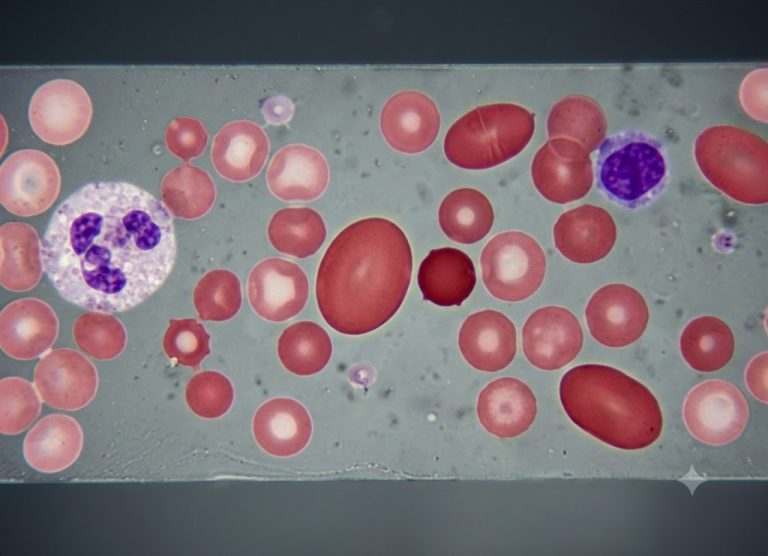
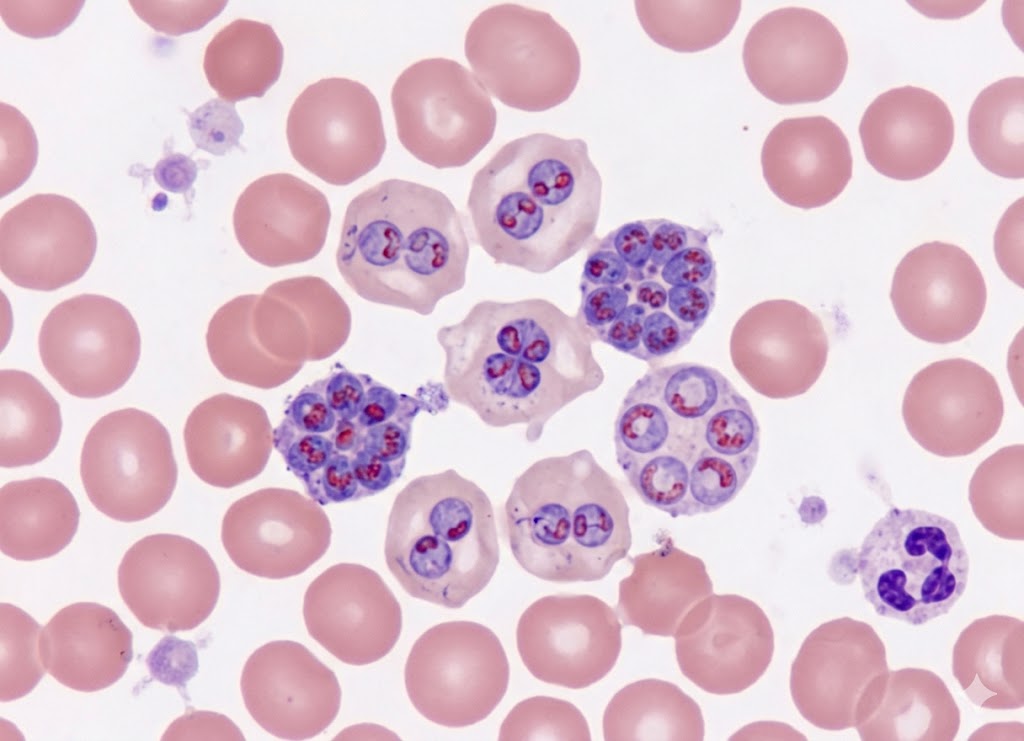
Under a blood smear, the two look different. Babesia often shows up in pairs or in tetrads forming a “Maltese cross” pattern a telltale sign of infection. Plasmodium, meanwhile, typically appears as a single ring-shaped structure inside the cell.
Spread of Babesia: How Is the Parasite Transmitted to Humans?
Babesia reaches humans mainly through tick bites, though it can also spread through contaminated blood transfusions and from mother to baby during pregnancy. Knowing these pathways matters both for public health screening and for judging your own personal risk.
What Are the Primary Ways Babesia Spreads?
There are three routes: tick bites, blood transfusions, and congenital transmission with tick bites accounting for the overwhelming majority of cases.
Tick Bites
This is the dominant transmission route, carried out by the Ixodes scapularis (blacklegged or deer) tick. The nymph stage poses the biggest risk it’s roughly the size of a poppy seed and easy to overlook.
Nymphs are most active from May through July, which is when most human infections occur. A tick generally needs to stay attached for 36 to 48 hours before it can pass the parasite along, injecting infectious sporozoites through its saliva while feeding.
Blood Transfusion
Babesiosis ranks among the most commonly reported parasitic infections spread through blood transfusions in the U.S. It happens when someone who’s infected but shows no symptoms donates blood. The parasite can survive for weeks in refrigerated red blood cells, so when that blood is transfused, the parasites go straight into the recipient’s bloodstream.
Since donors often feel completely fine at the time of donation, and the parasite can linger in the blood for months or years after the initial infection clears, transfusion-related babesiosis remains a genuine concern. Blood banks in high-risk regions have started screening donations specifically to catch this.
Congenital Transmission
It’s uncommon, but an infected mother can pass babesia to her baby during pregnancy or delivery. This can lead to neonatal babesiosis, a condition that can turn serious or even fatal for a newborn. How risky it is depends largely on when during the pregnancy the mother was infected a good reason for pregnant women in tick-heavy areas to stay especially cautious.
Can Babesia Spread from Person to Person?
No babesia can’t spread through casual contact because it’s a blood-borne parasite, not something carried through the air or passed by touch. You won’t catch it from sharing a room, shaking hands, hugging someone, or being near a cough or sneeze. It doesn’t live in respiratory droplets or spread through skin contact, since the parasite needs to be inside red blood cells to survive and reproduce.
When people talk about “person-to-person transmission” for infectious diseases, they usually mean the kind of everyday contagious spread babesiosis simply doesn’t have. The only way it moves between people involves a direct blood-to-blood connection not casual interaction, but a specific medical event.
A blood transfusion is one such event, where a donor’s blood is infused directly into a recipient’s circulation. Congenital transmission is another, passing through the placenta between mother and fetus. There have also been a small number of documented cases tied to organ transplants.
So while the parasite can technically pass from one person to another, it doesn’t happen in any way that makes the disease contagious in the usual sense. There’s no need to worry about catching babesiosis from someone through ordinary daily contact.
Symptoms of Babesiosis: What Signs Indicate a Possible Infection?
Babesiosis symptoms range anywhere from nothing at all to a severe, life-threatening illness. Most people who do get sick develop flu-like symptoms gradually, usually one to four weeks after a tick bite. How severe it gets depends heavily on age, immune health, and whether the person has a working spleen.
What Are the Common Symptoms of a Babesia Infection?
Symptoms tend to be vague and flu-like, building up slowly over days or weeks. Many people start out just feeling generally unwell before more specific signs appear. Recognizing these is especially useful if you live in or have recently visited a tick-endemic area:
- Fever: Often high, and it can come and go unpredictably.
- Chills: Shaking chills that tend to accompany the fever, similar to a bad case of the flu.
- Sweats: Heavy, drenching sweats, often as the fever starts to break.
- Fatigue: Deep, lingering exhaustion that can outlast the rest of the illness by weeks or even months.
- Headache: A persistent headache is a frequent complaint.
- Body aches: Widespread muscle and joint pain.
- Loss of appetite: Reduced desire to eat, sometimes paired with nausea.
Hemolytic anemia isn’t something you feel directly, but it’s central to the disease red blood cells breaking down can cause jaundice and dark urine, and it adds to the fatigue and shortness of breath many patients report.
Because these symptoms overlap so heavily with Lyme disease (which the same tick can transmit at the same time), anaplasmosis, and ordinary viral illness, diagnosing babesiosis by symptoms alone is tricky. A detailed history covering recent travel and outdoor activity is essential for doctors trying to piece it together.
How Do Babesia Symptoms Differ in Healthy Versus Immunocompromised Individuals?
In otherwise healthy people, babesiosis tends to be mild or even go unnoticed. In immunocompromised, asplenic, or elderly patients, though, it can become severe, drawn-out, and dangerous a gap in outcomes that comes down almost entirely to how well the immune system can hold the parasite in check.
Someone young and healthy might not notice an infection at all, or might just get a short, self-resolving fever that passes without treatment. The immune system the spleen in particular usually clears out infected red blood cells before the parasite load climbs too high. Symptoms, when they show up, might last a week or two and get mistaken for a summer flu, sometimes with fatigue lingering a bit longer afterward.
Certain groups, though, face a much steeper risk of severe illness.
Immunocompromised Individuals
People whose immune systems are weakened by HIV/AIDS, cancers like lymphoma, or immune-suppressing medications used after organ transplants or for autoimmune conditions often can’t keep the parasite’s growth in check. That can drive parasitemia (the share of infected red blood cells) to dangerous levels, resulting in severe, sometimes relapsing illness.
Asplenic Individuals
The spleen filters the blood and clears out old, damaged, or infected red blood cells. Without it whether from surgical removal or a condition like sickle cell disease that impairs spleen function the body loses a critical defense. For these patients, babesiosis can become fulminant and even fatal, marked by very high parasitemia and severe anemia.
The Elderly
Advancing age brings a natural decline in immune function, which raises the risk of severe disease. Older adults are more likely to face complications such as respiratory distress, heart failure, blood clotting disorders, and kidney failure.
For anyone in these high-risk groups, babesiosis is a medical emergency that calls for hospitalization and aggressive antiparasitic treatment.
Prevention of Babesia: How Can You Safeguard Against Tick Bites and Infection?
Protecting yourself from babesia comes down to three things: solid personal protection to keep ticks from attaching, environmental changes that cut down tick populations around your home, and knowing how to check for and remove ticks properly. Since there’s no vaccine for babesiosis, these everyday habits are the main line of defense. Here’s how to approach both the personal and environmental sides.
What Are the Best Practices for Personal Protection Against Ticks?
The goal is simple: put a barrier between yourself and ticks, and know how to spot one that’s gotten through.
- Use EPA-registered repellents. Products containing DEET (20–30%), picaridin, IR3535, or Oil of Lemon Eucalyptus won’t kill ticks, but they make you far less appealing to them when applied to exposed skin.
- Treat clothing and gear with permethrin. This insecticide kills ticks on contact and should go on clothes, shoes, and gear never directly on skin. Pre-treated clothing is available, or you can treat your own; the effect holds up through several washes.
- Wear protective clothing. In wooded, brushy, or grassy areas, light-colored long sleeves and pants make ticks easier to spot. Tucking pant legs into socks and shirts into pants adds an extra physical barrier.
- Do thorough tick checks. After time outdoors even in your own yard check yourself, kids, and pets carefully. Ticks favor warm, damp spots: hair, ears, underarms, belly button, waistline, behind the knees, and the groin.
Nymphal deer ticks are so small they’re easily confused with a freckle or a speck of dirt. Showering within two hours of coming indoors has been shown to cut the risk of tick-borne disease, both by rinsing off unattached ticks and giving you a natural chance to check.
What Steps Can Be Taken to Reduce Ticks in Your Yard and Environment?
Making your yard less inviting to ticks and to the deer and rodents that carry them goes a long way toward lowering household risk.
- Keep the lawn mowed. Ticks like tall grass and humidity. Mowing to around three inches and clearing weeds at the lawn’s edge boosts sun exposure and cuts moisture.
- Clear leaf litter and brush. Ticks, especially nymphs, hide in leaf litter, so rake it up promptly, particularly in fall. Clear brush, woodpiles, and debris near the house and lawn edges, since these attract both ticks and the small animals they feed on.
- Build a barrier. A three-foot strip of wood chips, gravel, or mulch between the lawn and any wooded area is hard for ticks to cross, and it also serves as a visual cue to be extra careful near that edge.
- Discourage deer and rodents. Deer carry adult ticks into new areas, so deer-resistant plants and fencing help. To keep mice babesia’s main reservoir away, remove food sources and nesting spots: stack firewood neatly and off the ground, clean up under bird feeders, and seal gaps in walls or foundations.
- Consider a licensed acaricide treatment. For yards with a serious tick problem, a professional can apply pesticides to high-risk spots like lawn edges and wooded borders best used alongside the landscaping steps above, not instead of them.
What Advanced Topics Are Related to Babesiosis Diagnosis and Risk?
Understanding how babesiosis is diagnosed, and who’s most at risk, matters for accurate evaluation, since the illness is easy to confuse with other conditions.
How Do Doctors Test for and Diagnose Babesiosis?
Diagnosis combines a careful clinical review with lab confirmation. A doctor typically starts by reviewing symptoms fever, chills, sweats, fatigue, muscle aches that closely resemble malaria or a bad flu, along with a history of travel or tick exposure, especially in endemic regions like the Northeast and upper Midwest.
If babesia seems likely, lab testing follows. The standard method is a blood smear examined under a microscope, where technicians look for the parasite inside red blood cells often appearing as ring shapes or the distinctive “Maltese cross” pattern that’s considered a hallmark sign.
When parasite levels are too low for microscopy to catch, or the exact species needs confirming, more sensitive tests come into play:
- PCR testing: Detects the parasite’s DNA directly, useful especially early in the infection or when parasite levels are very low.
- Serology (antibody testing): An indirect immunofluorescent assay checks for antibodies, showing past or current infection though it’s less helpful for diagnosing an acute illness since antibodies take weeks to develop.
- Combined testing: Doctors often use more than one method together, especially when symptoms are unclear or another tick-borne infection might be present at the same time.
Who Is Considered at High Risk for Severe Babesia Illness?
While most people with babesiosis have mild symptoms or none at all, certain groups face a much higher chance of severe, life-threatening illness usually because of a compromised immune system or another underlying health issue.
The highest-risk group is people without a functioning spleen. Without it, the parasite can multiply unchecked, driving up parasitemia and raising the risk of serious complications like respiratory distress, heart failure, and kidney failure.
Beyond that primary group, a few others face elevated risk due to weaker immune defenses.
Asplenic Patients
Anyone who’s had a splenectomy or has a non-functioning spleen, such as from sickle cell disease, faces the highest risk babesiosis can turn fatal quickly without prompt diagnosis and treatment.
The Elderly
Immune function naturally weakens with age, so adults over sixty are more prone to severe symptoms and complications than younger, healthier people.
Immunocompromised Individuals
This includes people with HIV/AIDS or cancers like lymphoma, along with anyone on immune-suppressing medication following an organ transplant or for an autoimmune condition.
Conclusion
Babesia is a growing tick-borne threat that can range from a mild, flu-like nuisance to a serious, potentially life-threatening illness. Since it spreads mainly through tick bites, prevention is your best tool for staying safe.
Straightforward steps avoiding tick-heavy areas, using EPA-approved repellents, wearing long sleeves and pants, and checking for ticks after being outdoors go a long way toward reducing risk. Recognizing symptoms early matters just as much, especially if you live in or have traveled through regions where tick-borne diseases are common.
If fever, chills, fatigue, or other unexplained symptoms show up after a tick bite, see a healthcare provider. Catching it early makes treatment more effective and lowers the odds of complications.
FAQs
What is babesia?
Babesia is a parasite that infects red blood cells. In humans, the resulting illness babesiosis ranges from mild to severe.
How do people get babesia?
Most infections start with a bite from an infected blacklegged tick. Less often, it can spread through blood transfusions, organ transplants, or from mother to baby during pregnancy.
What are the symptoms of babesia infection?
Common signs include fever, chills, fatigue, sweating, headache, muscle aches, and reduced appetite. Severe cases can lead to anemia, shortness of breath, or organ complications.
How soon do symptoms appear after a tick bite?
Usually within one to several weeks of infection, though some people don’t notice symptoms for months.
Can babesia go away on its own?
Healthy individuals with mild cases sometimes recover without treatment, but a medical evaluation is still important, since untreated infections can turn serious in certain people.
Is babesia the same as Lyme disease?
No. They’re caused by different organisms, though the same tick can carry both meaning it’s possible to be infected with each at the same time.
How is babesiosis diagnosed?
Doctors typically rely on blood tests that either spot the parasite directly or detect its genetic material in the bloodstream.
How is babesia treated?
Treatment usually combines antiparasitic and antibiotic medications. Severe cases may require hospital care.
Who is at the highest risk for severe babesiosis?
Older adults, people with weakened immune systems, those without a spleen, and anyone with serious underlying health conditions face the greatest risk of complications.
How can I prevent babesia infection?
Use insect repellent, wear protective clothing in tick-prone areas, check thoroughly for ticks after being outdoors, and remove any attached ticks right away.