
10 Practical Ways to Speed Up Recovery After a Hysterectomy
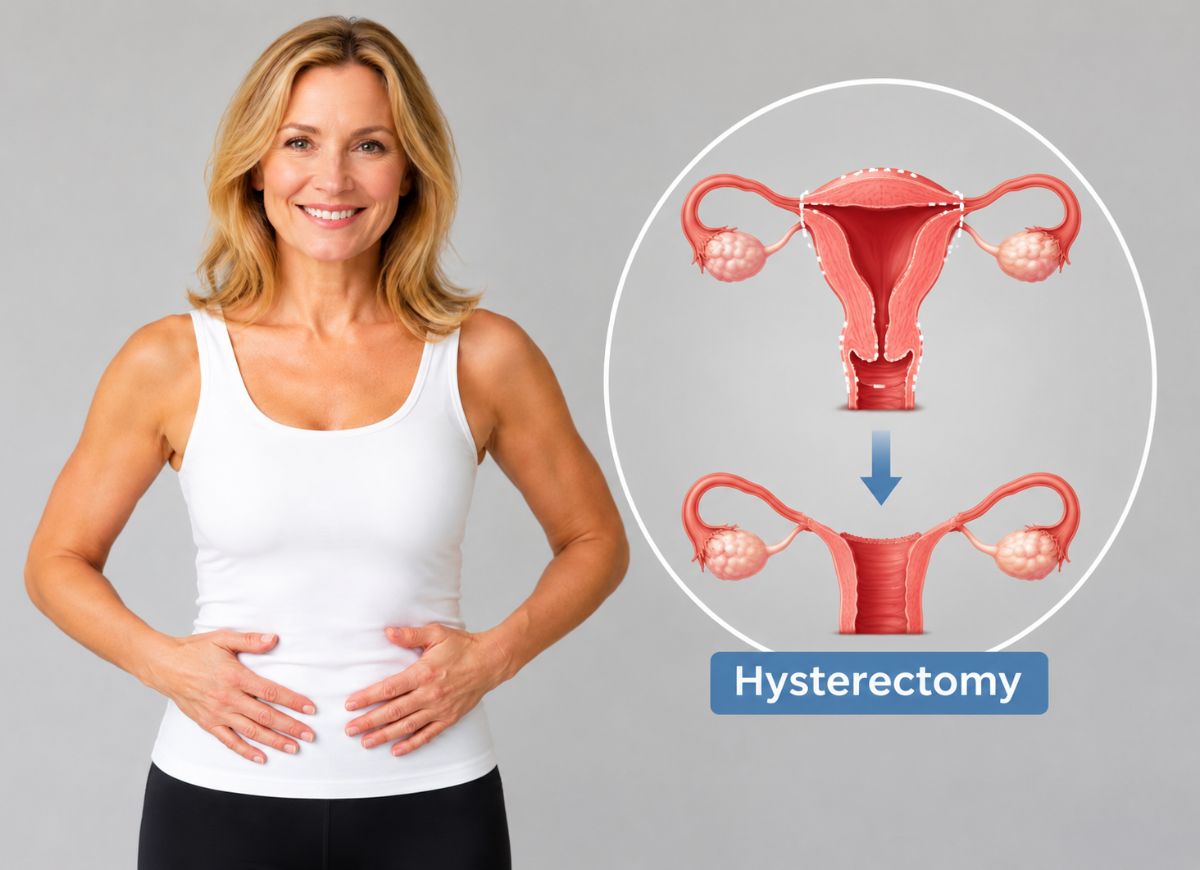
A hysterectomy is a turning point for many women’s health, whether it’s done to treat fibroids, endometriosis, chronic pain, or cancer. More than 600,000 of these procedures happen every year in the U.S. alone, yet a surprising number of women go into recovery not fully knowing what to expect and even simple daily tasks can suddenly feel like a challenge.
The early weeks tend to be the hardest. Tiredness, swelling, belly discomfort, and digestive changes are all part of the process, and things like walking or climbing stairs can take far more effort than usual. On top of the physical side, many women are caught off guard by the emotional weight of healing mood swings, anxiety, or a feeling of vulnerability are all normal.
Healing isn’t just about waiting out the clock it’s about actively supporting your body. Sticking to your doctor’s instructions, moving gently, eating well, drinking enough water, and resting properly all speed things along. On the flip side, pushing too hard or ignoring aftercare instructions can set you back and add unnecessary pain.
Below are 10 practical strategies to help you heal faster, manage discomfort, rebuild your energy, and take care of your emotional health along the way.
10 Effective Ways to Recover from a Hysterectomy
Prioritize Rest and Sleep
Surgery puts real stress on your body, and sleep is when most of the repair work happens. Deep sleep boosts blood flow to your muscles and tissues, carrying the oxygen and nutrients your body needs to heal.
Try to get 8–10 hours a night, and don’t hesitate to nap during the day if you’re tired that fatigue is your body asking for energy to heal, not a sign you’re doing something wrong. Set up a cozy recovery spot with pillows, blankets, and anything you might need close by, so you’re not moving around more than necessary.
Manage Pain Effectively with Medication
Don’t wait until pain becomes unbearable take your prescribed medication on schedule. Staying ahead of pain makes it easier to rest, sleep, and do the light movement your body needs to heal. Unmanaged pain also raises stress levels, which can weaken your immune response.
If your medication isn’t cutting it, or it’s causing side effects like nausea or constipation, call your doctor rather than pushing through it.
Stay Hydrated and Eat a Nutrient-Rich Diet
Good nutrition gives your body the raw materials it needs to repair tissue. Prioritize protein (lean meat, fish, beans, tofu) for tissue rebuilding, vitamin C (citrus, berries, peppers) for collagen production, and zinc (nuts, seeds, whole grains) to support immunity.
Water matters just as much. Staying hydrated helps deliver nutrients, flush out waste, and prevent constipation one of the most common post-surgery complaints. Aim for roughly 8–10 glasses a day.
Engage in Gentle, Gradual Movement
Strenuous activity is off the table, but staying in bed all day isn’t the answer either. Short, frequent walks lower your risk of blood clots and pneumonia, and they help get your digestive system moving, easing gas and constipation.
Start small a few steps around the house and build up gradually as your strength returns. Never push through pain or exhaustion.
Care for Your Incision Properly
Keeping your incision clean and following your surgeon’s care instructions helps prevent infection and reduces scarring. Watch for warning signs like increasing redness, swelling, warmth, unusual drainage, or fever.
Skip lotions or creams unless your doctor approves them. If you have surgical tape or strips, let them fall off naturally rather than pulling them. Baths, hot tubs, and pools are off-limits until you’re cleared.
Use a Pillow for Abdominal Support
Your core muscles will be tender after surgery. Pressing a small pillow against your stomach a technique called “splinting” braces your incision during coughing, sneezing, laughing, or getting up, cutting down on sharp pain and protecting your stitches from strain.
Avoid Heavy Lifting and Strenuous Activity
This is one of the strictest rules to follow. Lifting anything over 10 pounds (think: a gallon of milk) puts real strain on your abdominal wall and stitches, raising your risk of a hernia or torn sutures.
The same goes for vacuuming, carrying laundry, or intense exercise. Stick to your surgeon’s lifting limits for the full recommended window usually around six weeks.
Manage Constipation and Gas
Anesthesia, pain medication, and reduced movement can all slow your digestion. Combat this with plenty of water, fiber-rich foods, and regular walking. A stool softener recommended by your doctor can help too. Try not to strain during bowel movements it puts pressure on both your pelvic floor and your incisions.
Seek Emotional Support
Recovery isn’t only physical. Sadness, anxiety, mood swings, or a sense of loss are common, particularly if the surgery affects fertility or brings on menopause.
Lean on the people around you a partner, family, or close friends and don’t underestimate the value of connecting with others who’ve been through the same surgery, whether online or in a local group. If low moods stick around, a mental health professional can help.
Attend All Follow-Up Appointments
These visits let your surgeon check your incisions, track your healing, and answer any questions. They’re also when you’ll get the green light to gradually return to normal life driving, exercise, work. Skipping them isn’t worth the risk.
What Is the Typical Recovery Timeline After a Hysterectomy?
Recovery generally takes anywhere from two to eight weeks, depending on the surgical approach used, your general health, and how closely you follow your aftercare plan. You’ll move from initial recovery care to a gradual return to your normal routine.
The Recovery Period By Hysterectomy Type
Recovery time depends heavily on which surgical method was used:
Abdominal hysterectomy (6–8 weeks): The most invasive option, using a 5–7 inch incision across the lower abdomen. Because it cuts through abdominal muscle, recovery is the longest and often the most uncomfortable. Hospital stays run 2–3 days, with the first two weeks focused heavily on rest and pain control.
Vaginal hysterectomy (4–6 weeks): Performed through an internal vaginal incision, leaving no visible scarring and sparing the abdominal muscles. Hospital stays are shorter (1–2 days) and pain is more manageable, though the vaginal cuff still needs 4–6 weeks to heal, with lifting and sex restricted during that time.
Laparoscopic or robotic hysterectomy (2–4 weeks): The least invasive method, using several small incisions and a camera-guided approach. Hospital stays are minimal sometimes just one night. Many people feel ready for light activity within a week or two, but internal healing is still underway, so lifting and intercourse restrictions can extend to six weeks even though full clearance often comes sooner.
Common Physical and Emotional Symptoms During Recovery
Expect a mix of physical and emotional changes as your body adjusts all of them a normal part of healing.
On the physical side, light bleeding or discharge (bloody, brown, or yellowish) can continue for several weeks as internal stitches dissolve. It should be mild, similar to the tail end of a period use pads instead of tampons, and call your doctor if bleeding becomes heavy, bright red, or foul-smelling.
Fatigue is often the toughest symptom to shake, sometimes lingering for six weeks or more, simply because your body is pouring energy into healing. Rest is the best response. Around your incisions, expect soreness along with numbness, tingling, or itching as nerves heal keep the area clean and resist scratching. Digestion can also slow down due to anesthesia and reduced movement, so walking and hydration help keep things moving.
Emotionally, hormonal shifts especially if the ovaries were removed can trigger mood swings, hot flashes, and irritability. Even when ovaries are kept, temporary disruption to their blood supply can cause fluctuations.
For many, losing the ability to have children (regardless of whether more were planned) brings a real sense of grief, and some feel it affects their sense of identity. Naming these feelings is often the first step toward working through them. If anxiety or low mood becomes persistent or overwhelming, a therapist, counselor, or support group can make a real difference.
What Activities and Foods Should Be Avoided During Hysterectomy Recovery?
Restricted Physical Activities Post-surgery
After surgery, avoid lifting over 10 pounds, strenuous exercise, heavy housework like vacuuming, driving, and anything inserted vaginally, including tampons and intercourse. These limits protect your healing abdominal muscles and the vaginal cuff from tearing or hernia.
No heavy lifting is the big one anything over 10 pounds (milk jug, small child, laundry basket) strains your abdominal wall and can disrupt healing or trigger a hernia. This restriction usually lasts at least six weeks.
High-impact movement running, jumping, aerobics, crunches is off-limits, since it creates pressure inside the abdomen that can damage healing tissue. Walking is fine; anything that makes you strain or sweat isn’t, until you’re cleared.
Pushing, pulling, and deep bending vacuuming, mopping, gardening should also wait, since these movements engage the core more than people expect. Driving should be avoided until you’re off narcotic pain medication and can move suddenly (like braking hard) without pain, usually 1–2 weeks depending on your recovery.
Nothing vaginally is a strict rule for at least six weeks, sometimes longer. Tampons, douches, and intercourse can introduce bacteria or stress the healing vaginal cuff, risking infection or bleeding. Baths, hot tubs, pools, and lakes are also off-limits until cleared showers are usually fine, but soaking incisions raises infection risk.
Specific Foods or Drinks to Avoid for Better Healing
Steer clear of foods that fuel inflammation, dehydrate you, or cause constipation think heavily processed food, sugary snacks and drinks, alcohol, and too much caffeine. A clean, nutrient-dense diet reduces inflammation and gives your body what it needs to repair itself.
Processed and fried foods tend to be high in unhealthy fats, sodium, and additives that can trigger inflammation and slow healing, while excess sodium adds to bloating and fluid retention.
Sugary foods and drinks can dampen immune function and promote inflammation, making it harder to fight off infection plus, blood sugar swings can worsen the fatigue you’re already dealing with.
Alcohol should be avoided completely early on. It dehydrates you, can interfere with pain medication and antibiotics, and adds extra strain to a liver already processing anesthesia.
Too much caffeine can dehydrate you and irritate a bladder that’s often sensitive after pelvic surgery a little coffee or tea is usually fine, but don’t overdo it.
Constipation-prone foods like heavy cheese, red meat, and refined bread or pasta are worth limiting early on while your bowels “wake up.” Fiber-rich foods are the better choice for keeping things moving without straining.
Long-Term Considerations After Hysterectomy Recovery
Once the initial healing period ends, attention shifts to hormonal balance, pelvic and bone health, and adjusting to changes in physical, sexual, and emotional well-being over the long run.
The Role of Pelvic Floor Physical Therapy in Post-hysterectomy Care
The uterus helps support the bladder, bowel, and surrounding organs, so removing it can shift internal anatomy and weaken supporting muscles sometimes leading to incontinence, prolapse, or chronic pelvic pain.
A pelvic floor physical therapist evaluates how well these support muscles are functioning and builds a personalized plan that goes well beyond basic Kegels often including biofeedback, manual therapy for tight tissue or scar mobilization, and deep core strengthening.
This kind of therapy can help manage urinary leakage, reduce constipation-related strain on healing tissue, retrain the deep core (transverse abdominis, multifidus, diaphragm) to support the spine and pelvis, and for abdominal hysterectomy patients soften and mobilize scar tissue to prevent adhesions and ease discomfort during intercourse.
How to Manage Surgically-Induced Menopause Symptoms
When both ovaries are removed (a bilateral oophorectomy), hormone production stops abruptly, often causing more sudden and intense symptoms than natural menopause.
Hormone Replacement Therapy (HRT) is the most common treatment, replacing lost estrogen. People without a uterus typically use estrogen-only therapy, which helps with hot flashes, night sweats, sleep, vaginal dryness, and bone density loss though it isn’t right for everyone, especially those with a history of hormone-sensitive cancer, blood clots, or certain liver conditions.
Non-hormonal options are also available: avoiding common triggers like caffeine, alcohol, spicy food, and stress; dressing in layers; using fans; keeping bedrooms cool; and practicing relaxation techniques like yoga or deep breathing.
For vaginal dryness specifically, over-the-counter moisturizers and lubricants often help, and low-dose vaginal estrogen (creams, tablets, or rings) can provide targeted relief with minimal absorption elsewhere in the body.
A Hysterectomy’s Long-Term Effect on Sexual Health and Intimacy
The impact on intimacy varies a lot from person to person some feel real improvement, others face new challenges.
For those who had conditions like endometriosis or fibroids, surgery can eliminate chronic pain and heavy bleeding, opening the door to a more comfortable sex life. That said, anatomical and hormonal shifts can change sexual function for instance, uterine contractions some people feel during orgasm no longer happen, and removing the cervix can change the sensation of deep penetration. If the ovaries are removed, dropping estrogen and testosterone levels can lower libido and cause dryness.
Open communication with a partner, patience, and willingness to explore new approaches to intimacy go a long way here. Persistent dryness often responds well to quality lubricants, moisturizers, or prescription vaginal estrogen. Since clitoral stimulation is unaffected by the surgery, many find it becomes a more central and reliable source of pleasure, and experimenting with new positions can help too.
Emotional factors matter as well processing feelings about fertility loss or body image, and talking them through with a partner or a therapist, can strengthen both intimacy and mental well-being.
Hysterectomy Recovery vs. Other Major Abdominal Surgeries Like a C-Section
An abdominal hysterectomy and a C-section share a similar incision and are both major abdominal surgeries, but the healing process differs in important ways.
On the surface, they look alike: both usually involve a 2–4 day hospital stay and 4–6 weeks of restricted activity no heavy lifting, driving limits, and avoiding strenuous exercise. Both require close monitoring for infection and carry standard surgical risks like anesthesia reactions, blood clots, or injury to nearby organs.
The real difference is in the internal work. A C-section involves one incision in the uterus to deliver a baby, then repairing it. A hysterectomy involves detaching and removing the entire uterus and creating a vaginal cuff a more complex internal repair that drives a longer, stricter recovery.
Pelvic rest (no sex, tampons, or douching) after a hysterectomy often lasts 8–12 weeks, notably longer than the standard 6-week postpartum check after a C-section. And while a C-section triggers the normal postpartum hormonal shift, a hysterectomy with ovary removal causes immediate surgical menopause, requiring its own symptom-management plan. Emotionally, C-section recovery is tied to childbirth and newborn care, while hysterectomy recovery can involve more complex feelings around fertility loss, body image, and identity.
FAQs
How is life after a hysterectomy?
Life afterward varies based on the type of surgery, the reason for it, and whether the ovaries were removed. Most women find real relief from the pain, bleeding, or other issues that led to surgery, but the recovery period brings both physical and emotional adjustments fatigue, hormonal shifts, and mood changes can affect daily life for weeks. Over time, most people report better quality of life, more energy, and improved comfort, especially when they follow their recovery plan and lean on their support network.
Is a hysterectomy a major surgery?
Yes. It involves removing the uterus and sometimes the cervix, ovaries, or fallopian tubes, and requires anesthesia even with minimally invasive techniques. Recovery ranges from 2–4 weeks for vaginal or laparoscopic approaches to 6–8 weeks for abdominal surgery. It’s generally safe, but like any major surgery it carries risks like infection, bleeding, and blood clots making follow-up care essential.
What should I expect from hysterectomy recovery?
Expect soreness, bloating, fatigue, and limited mobility in the first few days, along with possible constipation, appetite changes, and mild mood swings. Most people resume light activity within one to two weeks, while heavier activity and sex typically wait 4–8 weeks depending on the surgeon’s guidance. Pain is usually manageable with medication, ice, and rest watch for infection signs like fever or unusual discharge.
How painful is a hysterectomy on a scale of 1 to 10?
Pain varies by surgery type and personal tolerance, but many rate the first days at around 5–7 out of 10, easing with medication. Movement, coughing, and standing tend to hurt the most early on, with noticeable improvement over the first 2–3 weeks. Prescribed pain relief, warm compresses, and gentle stretching all help.
How long do I need bed rest after a hysterectomy?
Only about 24–48 hours of true bed rest is needed. After that, gentle movement walking around the room or house is encouraged to lower the risk of blood clots, improve circulation, and get digestion going. Staying in bed too long can actually slow recovery.
Is it okay to push to poop after a hysterectomy?
No straining puts pressure on healing tissue, stitches, and pelvic muscles. Stool softeners, fiber-rich foods, and staying hydrated make bowel movements easier, and gentle abdominal support while on the toilet can reduce strain.
What is the best position to sit in after a hysterectomy?
Sitting upright with back support and feet flat reduces pressure on the abdomen and pelvis. A soft cushion adds comfort, and shifting positions every hour or so rather than sitting still for long stretches helps circulation and prevents stiffness.
What is the average age for a hysterectomy?
Most hysterectomies in the U.S. happen between ages 40 and 50, though the timing depends on the underlying condition fibroids, endometriosis, heavy bleeding, chronic pain, or cancer can all lead to surgery earlier or later.
Can someone tell if a woman has had a hysterectomy?
Usually not. There may be small scars if the surgery was abdominal, but otherwise it isn’t outwardly noticeable. Internal changes aren’t visible without medical imaging.
What replaces the cervix after a hysterectomy?
If the cervix is removed, the top of the vagina is closed to form the vaginal cuff, which heals on its own nothing replaces the cervix structurally. Sexual function is generally preserved, and lubrication, estrogen therapy (if needed), and pelvic floor work can all support vaginal health afterward.
Can I exercise after a hysterectomy?
Yes, but gradually. Light walking is fine early on and helps prevent blood clots. Core work, lifting, and more intense exercise usually wait 4–6 weeks for minimally invasive surgery, and longer after abdominal surgery. Pelvic floor exercises can help rebuild strength and support.
How soon can I resume sexual activity after a hysterectomy?
Most doctors recommend waiting 4–6 weeks, though it depends on the surgery type and healing progress. Some soreness or mild swelling is normal at first lubrication and open communication with your partner make the transition easier.
Are hormonal changes noticeable after a hysterectomy?
If the ovaries are removed, estrogen and progesterone drop, which can bring on hot flashes, mood swings, vaginal dryness, and lower libido hormone replacement therapy may help. If the ovaries stay in place, hormonal changes are usually minor.
What complications should I watch for?
Keep an eye out for heavy bleeding, fever, foul-smelling discharge, severe pain, swelling, or trouble urinating these can signal infection, internal bleeding, or other complications that need prompt medical attention.
Conclusion
Recovering from a hysterectomy takes time, patience, and consistent self-care. While full strength can take several weeks to return, sticking to medical guidance around activity, pain relief, and nutrition helps speed healing and avoid setbacks. Many women find their quality of life improves significantly afterward, especially when the surgery resolves long-standing pain or bleeding issues.
Knowing what to expect from pain levels and movement limits to bowel care and emotional ups and downs helps you move through recovery with more confidence. With the right care and support, it’s entirely possible to return to daily life feeling stronger, healthier, and more in control.