
6 Signs Your Painful Stomach Cramps May Be Serious

Painful stomach cramps are something many people experience from time to time. They can happen because of simple problems such as gas, indigestion, food-related discomfort, or muscle strain. In many situations, the discomfort is temporary and improves without treatment. However, severe or unusual stomach cramps should not always be dismissed.
In some cases, painful stomach cramps can point to an underlying condition that needs medical attention. Ongoing, intense, or worsening pain may be connected to infections, digestive problems, or issues involving internal organs. In this article, “6 Signs Your Painful Stomach Cramps May Be Serious,” we’ll look at important warning signs and explain when professional medical care may be necessary.
6 Emergency Signs of Painful Stomach Cramps
Knowing the warning signs associated with painful stomach cramps can help distinguish ordinary digestive discomfort from a possible medical emergency. The abdomen contains several important organs, so a serious problem affecting one area can sometimes become dangerous quickly. Severe cramps accompanied by specific symptoms may indicate problems such as internal bleeding, infection, or organ damage.
Sudden, Severe, and Sharp Pain
One of the most concerning signs is pain that begins suddenly and becomes extremely intense. A sharp pain in stomach that develops without warning, including stabbing pain in lower left abdomen or another area, can sometimes indicate an acute medical problem. This is different from the mild, dull ache in lower abdomen that can occur with ordinary indigestion.
Sudden and severe pain may be associated with problems such as an organ perforation or an aortic aneurysm. Because some of these conditions can cause internal bleeding or inflammation of the abdominal lining, immediate medical evaluation is important.
Fever and Chills Accompanying the Pain
Painful stomach cramps accompanied by fever and chills may indicate that the body is fighting an infection. Appendicitis is one possible cause. In this condition, pain may initially appear as abdominal pain around belly button before becoming more focused in the lower right side.
If appendicitis is not treated, the appendix can rupture and spread infection throughout the abdomen. Severe diverticulitis can also cause abdominal discomfort, including significant left side abdominal pain under ribs. When strong abdominal pain occurs together with fever or chills, medical evaluation is important.
A Rigid, Hard Abdomen (Guarding)
A hard or rigid abdomen can be another serious warning sign. This reaction, sometimes called guarding, occurs when the abdominal muscles tighten involuntarily in response to inflammation or irritation underneath them.
A very tender abdomen that feels unusually firm, especially when severe stomach cramps are present, can occur with peritonitis or other serious abdominal conditions. Pain that becomes worse when pressure is released is another concerning symptom. These signs require urgent medical attention.
Persistent Vomiting and Inability to Pass Gas
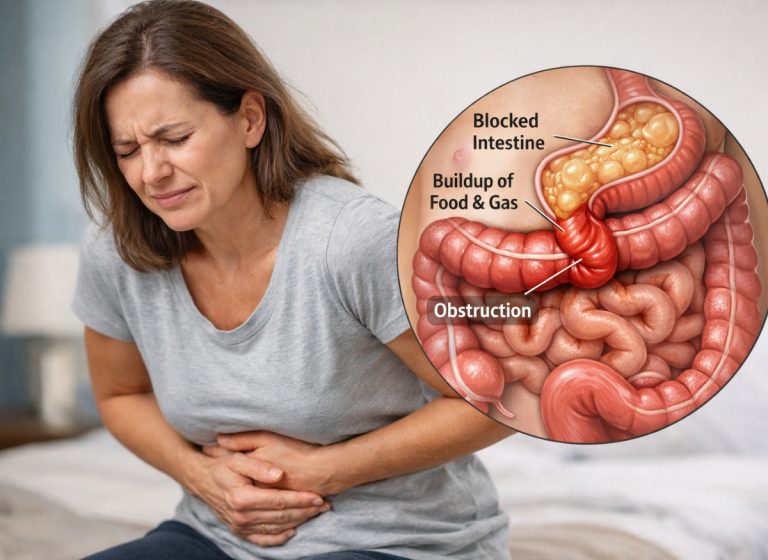
Painful stomach cramps combined with repeated vomiting and an inability to pass gas or stool may suggest a bowel obstruction. This occurs when something blocks the normal movement of material through the intestines. Possible causes include scar tissue from previous surgery, hernias, or tumors.
As gas and fluids collect behind the blockage, abdominal pain around belly button may develop in repeated waves. Continued pressure can interfere with blood flow to the intestine and may eventually damage the intestinal tissue. This situation requires prompt medical assessment.
Blood in Vomit or Stool
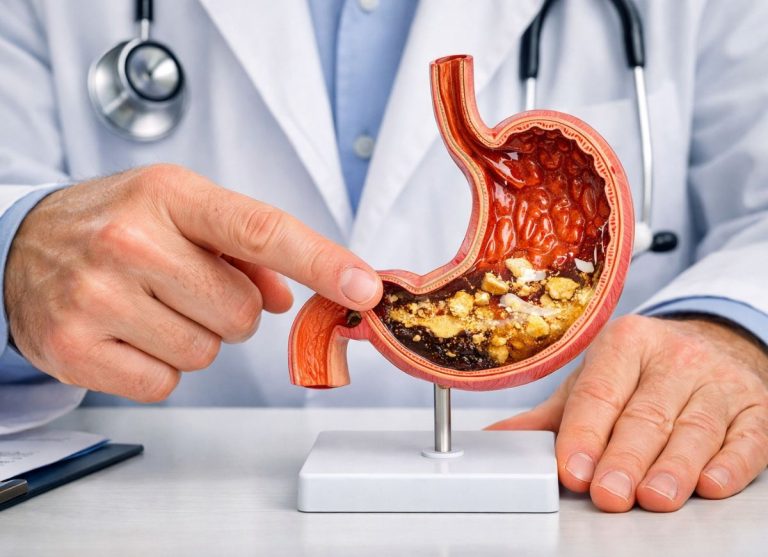
Blood anywhere in the digestive tract should be taken seriously. Stomach cramps and gas accompanied by vomit that looks like coffee grounds or black, tar-like stool may indicate bleeding in the upper digestive tract, such as from an ulcer.
Bright red blood in the stool can indicate bleeding farther down the digestive tract. Significant internal bleeding can become dangerous quickly, so stomach pain accompanied by visible blood should be evaluated urgently, even if the pain has started to improve.
Radiating Pain to the Chest, Neck, or Back
Sometimes painful stomach cramps are actually felt in other parts of the body because of referred pain. Nerves connected to abdominal organs can overlap with pathways associated with the chest, back, shoulders, or neck.
- To the Back: Deep abdominal pain that moves toward the back can occur with acute pancreatitis or other serious conditions.
- To the Chest or Jaw: Pain in the upper abdomen that spreads toward the chest or jaw can sometimes be related to a heart attack.
- To the Shoulder: Left side abdominal pain under ribs that travels toward the shoulder can occur with problems involving the spleen or other abdominal organs.
The Potential Causes of Emergency Painful Stomach Cramps
Emergency painful stomach cramps can have several serious causes, including appendicitis, bowel obstruction, organ perforation, and gynecological emergencies such as ectopic pregnancy. Unlike ordinary indigestion, these conditions can involve severe inflammation, infection, blockage, or internal bleeding.
Understanding how these conditions develop can make it easier to recognize when abdominal pain needs immediate medical attention.
Appendicitis: The High-Stakes Evolution of Pain
Appendicitis is a common cause of severe abdominal pain, but its symptoms can sometimes be confusing at first. When the appendix becomes blocked, it can become swollen and inflamed. Early irritation of the appendix may be interpreted by the brain as vague abdominal pain around belly button.
This discomfort can initially feel like a dull ache in lower abdomen or ordinary stomach discomfort. As inflammation increases and begins affecting the abdominal lining, the pain often becomes more localized and sharper, particularly in the lower right side.
Pain that becomes worse when pressure is released can be a concerning sign. If the appendix ruptures, bacteria and infected material can spread throughout the abdominal cavity, potentially causing a serious infection known as sepsis.
The Agonizing Waves of a Bowel Obstruction
A bowel obstruction occurs when something prevents food, fluid, gas, and stool from moving normally through the intestines. Previous abdominal surgery, scar tissue, hernias, and certain tumors can contribute to this problem.
The resulting painful stomach cramps often come in waves. These repeated cramps occur as the intestines continue contracting in an effort to move their contents through the blockage.
Between episodes of cramping, a person may experience a dull ache in lower abdomen, bloating, or increasing abdominal pressure. Persistent vomiting can also occur because material cannot move normally through the digestive tract.
A particularly serious complication happens when the obstruction cuts off blood flow to part of the intestine. This can damage the tissue and may eventually cause tissue death or perforation.
Organ Perforation and the “Board-Like” Abdomen
A hole in an organ such as the stomach or intestine can cause sudden and severe abdominal pain. For example, a perforated stomach ulcer allows digestive contents to escape into the abdominal cavity, where they can cause significant irritation and inflammation.
The resulting sharp pain in stomach may be extremely intense and can make movement or deep breathing difficult. In some cases, the abdomen becomes unusually hard because the abdominal muscles tighten automatically to protect the irritated area.
This board-like rigidity can occur with peritonitis, a serious inflammation of the abdominal lining. Fever and chills may develop as infection progresses. A suspected perforation requires immediate medical care.
Gynecological Crises: Ectopic Pregnancy and Torsion
For women, some serious causes of painful stomach cramps can involve the reproductive organs and may initially resemble digestive problems.
An ectopic pregnancy occurs when a fertilized egg implants outside the uterus, most commonly in a fallopian tube. As the pregnancy develops, the tube can rupture and cause internal bleeding. This may produce sudden stabbing pain in lower left abdomen or the opposite side, along with dizziness or shoulder pain.
Ovarian torsion is another emergency in which an ovary twists and its blood supply becomes restricted. It can cause sudden and severe localized abdominal pain and generally requires urgent medical treatment.
Abdominal pain after sex or sudden severe cramps should not automatically be assumed to be ordinary menstrual or digestive discomfort, especially when other warning signs are present.
Immediate Actions You Should Take for Emergency Stomach Cramps
When painful stomach cramps are accompanied by serious warning signs, getting appropriate medical care becomes more important than trying to manage the discomfort at home. Conditions such as a ruptured appendix, ectopic pregnancy, bowel obstruction, or major internal bleeding can worsen quickly.
Knowing when to call emergency services and what information to provide medical professionals can help speed up evaluation and treatment.
Deciding Between 911 and the Emergency Room
Whether you need an ambulance or can be taken directly to an emergency department depends on the severity of your symptoms and overall condition.
When to Call 911 (Ambulance): If sharp pain in stomach occurs together with fainting, severe weakness, cold or clammy skin, difficulty breathing, or a rapid and weak pulse, emergency services should be contacted. These symptoms can occur with shock, which may result from severe internal bleeding or another critical condition.
If abdominal pain around belly button spreads toward the chest or jaw, or if you are having trouble breathing, it may also represent a heart-related emergency rather than a digestive problem.
When to be Driven to the ER: If you are awake, breathing normally, and do not have signs of shock but have severe abdominal symptoms such as a rigid abdomen, high fever, repeated vomiting, or symptoms suggesting bowel obstruction, you should be taken to an emergency department promptly.
Do not drive yourself when experiencing severe stomach cramps, dizziness, fainting, or other symptoms that could suddenly become worse.
Preparing the “Diagnostic Map” for the Medical Team
When you arrive at the hospital, doctors will need information about your painful stomach cramps to determine the possible cause. Describing the pain accurately can help them decide which tests may be appropriate.
- The Character of the Pain: Explain whether you have stabbing pain in lower left abdomen, a dull ache in lower abdomen, burning discomfort, or cramping that comes in waves.
- The Location and Migration: Tell the medical team exactly where the pain started and whether it moved. For example, appendicitis can begin as abdominal pain around belly button before becoming more focused on the lower right side.
- Associated Red Flags: Mention any blood in your vomit or stool, persistent vomiting, fever, fainting, or inability to pass gas or stool.
Critical Information Checklist
| Information Category | What the Doctor Needs to Know | Why It Matters |
|---|---|---|
| Pain Onset | Did the pain begin suddenly or gradually? | Sudden pain can sometimes occur with rupture or perforation. |
| Physical Signs | Does the abdomen feel rigid or unusually hard? | Rigidity can occur with significant abdominal inflammation. |
| Surgical History | Have you had abdominal or pelvic surgery before? | Previous surgery can increase the risk of adhesions and bowel obstruction. |
| Medications | Do you take blood thinners or NSAIDs? | Some medications can increase bleeding risk or contribute to ulcers. |
How To Differentiate Between Emergency and Non-Emergency Stomach Cramps
Knowing the difference between ordinary painful stomach cramps and symptoms that require urgent medical attention can be difficult. Mild abdominal discomfort is often related to digestion, gas, food intolerance, or temporary illness. However, the intensity, location, duration, and accompanying symptoms can provide important clues.
By paying attention to symptoms such as stomach cramps after eating, stress and abdominal pain, fever, vomiting, or changes in bowel movements, you can better recognize when medical care may be needed.
Identifying Benign, Non-Emergency Cramps
Non-emergency painful stomach cramps are often temporary and may improve after digestion, passing gas, having a bowel movement, or resting.
Gas and Trapped Air: Stomach cramps and gas are common causes of abdominal discomfort. The pain may feel sharp but usually changes location as gas moves through the digestive tract. Passing gas or having a bowel movement may provide relief.
Indigestion and Gastritis: Epigastric pain after eating can occur with indigestion or gastritis. It may feel like burning or discomfort in the upper middle abdomen and is often related to food or stomach irritation.
The “Stomach Flu” (Gastroenteritis): Gastroenteritis can cause widespread cramping, diarrhea, vomiting, and other digestive symptoms. The discomfort is often spread across the abdomen rather than remaining concentrated in one particular area. However, severe dehydration or worsening symptoms require medical attention.
The Diagnostic Power of Location
The location of painful stomach cramps can provide useful information, although it cannot determine the exact cause by itself.
Lower Right Quadrant (Appendicitis): Pain that begins as abdominal pain around belly button and later becomes concentrated in the lower right abdomen can occur with appendicitis. The pain may become persistent and worsen with movement.
Lower Left Quadrant (Diverticulitis/Cysts): Stabbing pain in lower left abdomen can occur with diverticulitis. In women, pain in this area may also be related to ovarian cysts or other reproductive conditions.
Upper Quadrants (Gallbladder/Pancreas): Pain in the upper abdomen, particularly discomfort under the right ribs after a heavy meal, can be associated with gallbladder problems. Upper abdominal pain that spreads toward the back can also occur with pancreatitis.
Assessing Intensity and Accompanying Symptoms
Pain severity is only one part of determining whether painful stomach cramps may be serious. Other symptoms can provide important clues.
A dull ache in lower abdomen without other concerning symptoms may have a less serious cause. However, when abdominal pain occurs with fever, persistent vomiting, blood in the stool, fainting, or an inability to pass gas, urgent medical evaluation may be necessary.
For women, stomach pain during periods can be a normal part of menstruation, but severe abdominal pain after sex, fainting, or unusually painful ovulation may require evaluation for conditions such as an ovarian cyst or ectopic pregnancy.
For men, lower stomach cramps male patients experience can sometimes be related to a hernia. If a hernia becomes trapped or loses its blood supply, it can become an emergency.
The Risk Factors for Developing Conditions That Cause Severe Cramps
Understanding the factors that can increase the risk of serious abdominal conditions can help people recognize potential warning signs. Although severe stomach cramps can occur without obvious risk factors, certain medical histories and lifestyle factors may make particular conditions more likely.
Surgical History and the Risk of Bowel Obstruction
Previous abdominal or pelvic surgery is an important risk factor for bowel obstruction. During the healing process, the body can form adhesions, which are bands of scar tissue that may cause sections of the intestine to stick together or become twisted.
These adhesions can contribute to severe stomach cramps, bloating, vomiting, and abdominal pain around belly button. Conditions such as Crohn’s disease and certain hernias can also increase the risk of intestinal blockage.
Age and Lifestyle: The Diverticulitis Connection
Diverticulitis occurs when small pouches that develop in the colon become inflamed or infected. The risk of developing diverticular disease generally increases with age.
Factors such as a low-fiber diet, obesity, and smoking may also contribute to the risk. When diverticulitis develops, it can cause pain in lower left abdomen, fever, changes in bowel habits, and other digestive symptoms.
The “4 Fs” of Gallbladder Disease
Gallbladder disease has traditionally been associated with several risk factors sometimes summarized as the “4 Fs”: Female, Forty, Fertile, and Fat.
- Female & Fertile: Hormonal changes, including those associated with estrogen and pregnancy, can increase the likelihood of gallstone formation.
- Forty & Fat: Increasing age and higher body weight are associated with a greater risk of gallstones.
Gallstones can cause stomach cramps after eating, especially after meals containing a large amount of fat. The resulting discomfort may feel like a sharp pain in stomach or upper abdominal pain.
Pancreatitis and Substance Use
Pancreatitis can develop for several reasons, including gallstones and heavy alcohol use. Alcohol can damage pancreatic cells and contribute to inflammation of the pancreas.
Gallstones can also become lodged in areas that interfere with the normal flow of digestive fluids. This can trigger pancreatic inflammation and cause severe pain in the upper abdomen that may spread toward the back.
Diagnostic Tests Typically Used for Painful Stomach Cramps
When painful stomach cramps are severe or accompanied by concerning symptoms, doctors may use several tests to identify the underlying cause. Symptoms and a physical examination provide important information, but laboratory tests and imaging can help confirm or rule out specific conditions.
The Clinical Foundation: Blood and Urine Analysis
Blood and urine tests can provide useful information about infection, inflammation, organ function, dehydration, and other possible causes of abdominal pain.
Complete Blood Count (CBC): A CBC measures different types of blood cells. An elevated white blood cell count can occur when the body is responding to infection or inflammation, including conditions such as appendicitis.
Comprehensive Metabolic Panel (CMP): A CMP evaluates substances such as electrolytes and provides information about liver and kidney function. This can be especially useful when vomiting or dehydration is present.
Enzyme Markers (Lipase and Amylase): Doctors may check pancreatic enzymes when symptoms suggest pancreatitis. Elevated lipase, in particular, can support a diagnosis of acute pancreatitis when combined with the appropriate symptoms and clinical findings.
Urinalysis: A urine test can help identify urinary tract infections, blood that may occur with kidney stones, and other urinary problems that can sometimes feel similar to abdominal or gastric pain.
Visualizing the Crisis: Advanced Imaging Studies
When the cause of painful stomach cramps is uncertain or a serious condition is suspected, imaging tests may be necessary.
CT Scan (Computed Tomography): CT scans provide detailed images of the abdomen and can help identify conditions such as bowel obstruction, diverticulitis, perforation, abscesses, and other abdominal problems.
Ultrasound: Ultrasound is commonly used to examine the gallbladder and can also be useful when evaluating reproductive organs. Because it does not use radiation, it is particularly useful in situations where pregnancy is possible.
Abdominal X-Ray: An abdominal X-ray may help detect certain forms of bowel obstruction or free air in the abdomen. Free air can be an important sign of a perforated digestive organ and requires urgent evaluation.
Conclusion
Painful stomach cramps are often caused by temporary digestive problems and may improve on their own. However, severe or persistent pain should not be ignored, particularly when it occurs with fever, repeated vomiting, blood in the stool or vomit, fainting, a rigid abdomen, or other unusual symptoms.
If your painful stomach cramps continue, become more intense, or occur alongside concerning warning signs, contacting a healthcare professional is an important step. Prompt evaluation can help identify the cause and allow appropriate treatment to begin as early as possible.
Frequently Asked Questions (FAQ) About Painful Stomach Cramps
What causes painful stomach cramps?
Painful stomach cramps can have many different causes, ranging from mild digestive problems to more serious medical conditions. Common causes include gas, indigestion, food intolerance, and muscle strain. In other cases, cramps may result from infections, inflammatory bowel conditions, or problems involving organs such as the appendix or gallbladder. Finding the underlying cause is important for choosing the appropriate treatment.
When should I worry about painful stomach cramps?
Painful stomach cramps deserve medical attention when they are severe, persistent, recurrent, or accompanied by other concerning symptoms. Warning signs can include fever, ongoing vomiting, unexplained weight loss, fainting, or blood in the stool or vomit. These symptoms may point to an underlying condition that needs prompt evaluation.
How can I relieve painful stomach cramps at home?
Mild painful stomach cramps may improve with rest, adequate hydration, and a warm compress placed over the abdomen. Eating smaller meals and avoiding foods that trigger discomfort may also help. However, home care should not replace medical evaluation when the pain is severe, persistent, or accompanied by warning signs.
Can stress cause painful stomach cramps?
Yes, stress and anxiety can affect the digestive system and contribute to stomach cramps. The digestive tract and nervous system communicate closely, so emotional stress can influence intestinal movement and cause discomfort. Long-term stress may also worsen symptoms associated with conditions such as irritable bowel syndrome (IBS).
Are painful stomach cramps related to food intolerance?
Food intolerances can cause painful stomach cramps, bloating, gas, and digestive discomfort after eating certain foods. Lactose intolerance is one common example. Keeping a record of foods and symptoms may help identify possible triggers. Avoiding foods that consistently cause symptoms can reduce discomfort.
How are serious causes of stomach cramps diagnosed?
Doctors evaluate serious stomach cramps using a combination of medical history, physical examination, laboratory tests, and imaging. Blood and urine tests may provide information about infection, inflammation, or organ function, while ultrasound and CT scans can help identify structural problems. In certain cases, additional procedures such as endoscopy may be necessary. Early evaluation can help determine the cause and guide appropriate treatment.