
What You Need to Know About Helicobacter pylori Infection
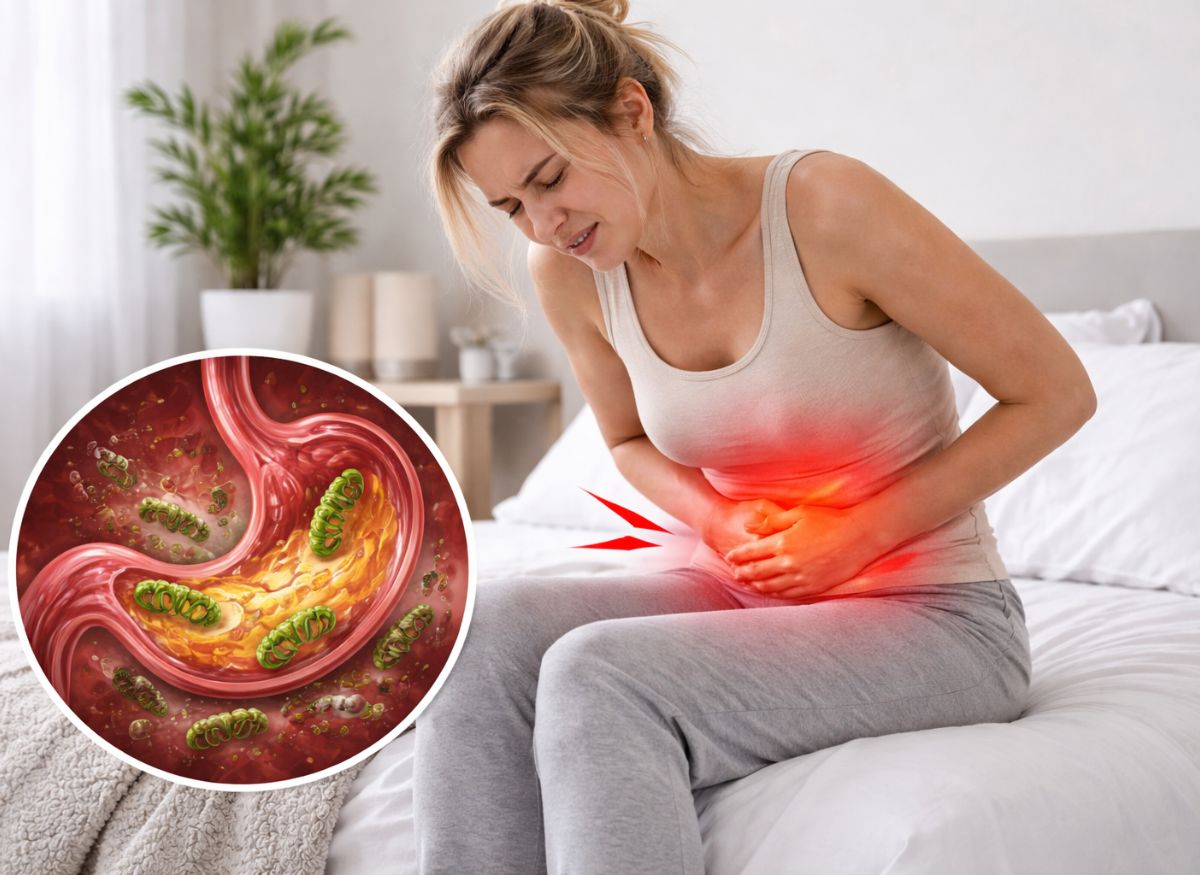
Helicobacter pylori (H. pylori) infection is a long-term bacterial infection that affects the lining of the stomach.
It is caused by a spiral-shaped, gram-negative bacterium that is specially adapted to survive in the stomach’s highly acidic environment. Unlike many bacteria, H. pylori can live in the stomach for many years and may cause no noticeable symptoms for a long time.
H. pylori is medically important because it is strongly linked to several digestive conditions, including chronic gastritis, peptic ulcer disease, and gastric cancer. It is one of the most common causes of stomach ulcers and is also considered an important risk factor for certain types of stomach cancer.
More than half of the world’s population is estimated to have H. pylori infection, with higher rates reported in many developing regions.
Because the infection is so common and can sometimes cause serious complications, early diagnosis and appropriate treatment are important.
Anatomy and Physiology of the Stomach
Understanding the normal structure and function of the stomach helps explain how H. pylori is able to survive and cause disease.
The stomach is a muscular organ covered by a specialized mucosal lining. This lining contains gastric glands that produce stomach acid, digestive enzymes, and protective mucus.
Hydrochloric acid creates the stomach’s highly acidic environment. This acid helps break down food and also provides protection against many harmful microorganisms that enter the digestive system.
Despite the presence of strong acid, the stomach has several protective mechanisms. A layer of mucus covers the stomach lining and helps prevent acid from coming into direct contact with stomach cells.
Bicarbonate secretion and tightly connected epithelial cells also help maintain the strength and integrity of the stomach lining.
Under normal circumstances, these defenses protect the stomach from damage. However, H. pylori has developed specialized mechanisms that allow it to survive in this challenging environment.
One of the bacterium’s most important survival tools is the enzyme urease. Urease breaks down urea and produces ammonia, which helps neutralize acid around the bacteria.
This creates a less acidic environment around the bacteria, allowing H. pylori to move through the mucus layer and attach to the stomach lining.
What is Helicobacter pylori (H. pylori)?
Helicobacter pylori is a mobile, spiral-shaped bacterium that is specially adapted to live inside the stomach.
Its spiral shape and flagella help it move through the thick mucus covering the stomach lining. Another important survival feature is its ability to produce urease, which helps protect the bacteria from stomach acid.
H. pylori can move toward areas close to the stomach’s epithelial cells, where acidity is lower, and establish a long-lasting infection.
After attaching to the stomach lining, H. pylori activates the body’s immune response. The bacteria can produce substances that interfere with the protective mucus layer and contribute to damage of stomach cells.
Over time, this ongoing immune response can result in chronic inflammation known as gastritis.
If the infection remains untreated, it may contribute to more serious conditions, including:
- Peptic ulcers caused by damage and erosion of the stomach or intestinal lining
- Gastric atrophy and intestinal metaplasia, which are changes that can increase cancer risk
- Gastric cancer or MALT lymphoma in a smaller group of affected individuals
One of the most important characteristics of H. pylori is its ability to remain in the stomach for many years.
Without treatment, the immune system often cannot completely eliminate the bacteria. This can result in long-lasting inflammation and increase the risk of complications.
Epidemiology of Helicobacter pylori Infection
Helicobacter pylori is one of the most widespread chronic bacterial infections worldwide. More than half of the global population is estimated to be infected, although rates vary considerably between regions.
- Higher prevalence in developing countries: Infection rates tend to be higher in areas where access to clean water, sanitation, and healthcare is limited. Some regions report prevalence rates above 70-80%
- Age distribution: H. pylori is commonly acquired during childhood and can remain in the body for decades if it is not treated
- Socioeconomic and environmental influences: Overcrowded housing, lower socioeconomic conditions, and limited hygiene resources are associated with increased infection rates
- Transmission patterns: H. pylori is generally spread from person to person through:
- Oral-oral contact, including exposure to saliva
- Fecal-oral transmission through contaminated hands, food, or water
These environmental and social factors help explain why H. pylori remains so common in certain populations.
Causes and Risk Factors of Helicobacter pylori Infection
H. pylori Causes
The direct cause of H. pylori infection is colonization of the stomach by Helicobacter pylori bacteria.
- Infection usually occurs when the bacteria enter the body through ingestion
- After reaching the stomach, the bacteria can survive in the gastric environment and establish a long-term infection
H. pylori may spread through:
- Person-to-person contact
- Contaminated food or drinking water
- Poor hygiene practices
Risk Factors
Certain conditions and circumstances can increase the risk of developing an H. pylori infection:
- Poor sanitation and crowded living conditions: Close living arrangements and inadequate sanitation can make bacterial transmission easier, particularly within households
- Contaminated food or water: Eating contaminated food or drinking unsafe water can increase exposure to the bacteria
- Close contact with infected individuals: Family members can be an important source of exposure, particularly during childhood
- Low socioeconomic status: Limited access to clean water, sanitation, hygiene resources, and healthcare is associated with higher infection rates
These risk factors demonstrate the important role that living conditions and environmental exposure play in the spread of H. pylori.
Pathophysiology
H. pylori infection develops through several processes that allow the bacteria to survive in the stomach, establish colonization, and damage the gastric lining.
- Colonization of the gastric mucosa: The bacteria move through the protective mucus layer and attach themselves to stomach epithelial cells
- Urease activity: H. pylori produces urease, which converts urea into ammonia and helps reduce acidity around the bacteria
- Inflammation (chronic gastritis): The presence of the bacteria stimulates an ongoing immune response that causes chronic inflammation of the stomach lining
- Disruption of the mucosal barrier: Bacterial substances and inflammatory responses can weaken the protective mucus layer, making stomach cells more vulnerable to acid-related damage
Over time, these processes may contribute to:
- Peptic ulcers caused by damage to the stomach or duodenal lining
- Gastric atrophy and intestinal metaplasia, which can be precancerous changes
- Gastric malignancies, including adenocarcinoma and MALT lymphoma
Clinical Presentation of Helicobacter pylori Infection
Asymptomatic Infection
Many people with H. pylori infection do not experience noticeable symptoms.
- The infection can remain present for years without causing obvious problems
- Some people only discover they have H. pylori during testing for another digestive condition
Symptoms of Gastritis
When symptoms develop, they are often related to inflammation of the stomach lining.
Common symptoms may include:
- Epigastric pain or burning, usually felt in the upper abdomen
- Bloating and feeling full sooner than expected
- Nausea
- Reduced appetite
These symptoms may be relatively mild and can come and go over time.
Peptic Ulcer Symptoms
When H. pylori contributes to peptic ulcer disease, symptoms may become more noticeable.
Possible symptoms include:
- Ongoing or recurring stomach pain that may feel burning or gnawing
- Pain that changes in relation to eating and may either improve or worsen after meals
- Gastrointestinal bleeding, which can appear as:
- Melena (black, tarry stools)
- Hematemesis (vomiting blood)
Ulcer symptoms, particularly signs of bleeding, should be evaluated promptly by a healthcare professional.
Alarm Symptoms
Some symptoms may indicate a more serious digestive problem and require prompt medical assessment.
These include:
- Unintentional weight loss
- Persistent vomiting
- Difficulty swallowing (dysphagia)
- Signs of gastrointestinal bleeding
Such symptoms can occur with complications including ulcers, obstruction, or malignancy and should not be ignored.
Diagnosis of Helicobacter pylori Infection
Accurately diagnosing H. pylori is important for determining appropriate treatment and reducing the risk of long-term complications.
Doctors can use non-invasive or invasive testing depending on the person’s symptoms and clinical situation.
Non-Invasive Tests
Non-invasive tests are commonly used in outpatient care and are often suitable for people who do not have alarm symptoms.
- Urea breath test: This is a highly accurate test commonly used to detect active H. pylori infection. The patient drinks a solution containing labeled urea. If H. pylori is present, its urease enzyme breaks down the urea and produces detectable carbon dioxide in the breath
- Stool antigen test: This test looks for H. pylori proteins in a stool sample and can be used for both initial diagnosis and confirmation that treatment has eliminated the infection
- Blood antibody test: This test detects antibodies against H. pylori. However, antibodies can remain after the infection has cleared, so this method cannot reliably distinguish an active infection from a previous one
Invasive Tests
Invasive testing is generally performed during an upper endoscopy, particularly when alarm symptoms or complications are present.
- Endoscopy with biopsy: A doctor can examine the stomach lining directly and collect small tissue samples for testing
- Rapid urease test: Tissue obtained during the biopsy is checked for urease activity produced by H. pylori
- Histology: Stomach tissue is examined under a microscope to identify H. pylori and assess inflammation or precancerous changes
When to Test H. pylori
Testing may be considered in several clinical situations, including:
- Dyspepsia, such as persistent discomfort in the upper abdomen
- Suspected or confirmed peptic ulcer disease
- A family history of gastric cancer
Identifying and treating the infection when appropriate can help reduce the risk of complications.
Complications of Helicobacter pylori Infection
Long-term H. pylori infection can cause several gastrointestinal complications, particularly when it remains untreated.
- Chronic gastritis: Ongoing inflammation of the stomach lining that may cause few or no symptoms but can continue over time
- Peptic ulcer disease: Damage to the stomach or duodenal lining that can result in painful ulcers and possible bleeding
- Gastric cancer: Long-term H. pylori infection is an important risk factor for gastric adenocarcinoma
- MALT lymphoma: A less common form of lymphoma associated with chronic H. pylori infection that may improve or regress after successful eradication
These possible complications are why proper diagnosis and treatment are important.
Helicobacter pylori Infection Treatment
First-Line Therapy
Treatment usually involves a combination of acid-suppressing medication and antibiotics.
- Triple therapy: Traditionally consists of a proton pump inhibitor (PPI) combined with two antibiotics. Reducing stomach acid can support healing and improve the effectiveness of some treatment regimens
- Quadruple therapy: May be recommended when antibiotic resistance is a concern or when previous treatment has failed. It commonly includes a PPI, bismuth, and two antibiotics
Antibiotics Used
Depending on the treatment plan, commonly used antibiotics may include:
- Clarithromycin
- Amoxicillin
- Metronidazole
- Tetracycline
The specific medications selected can depend on antibiotic resistance patterns, previous treatment, allergies, and other individual factors.
Treatment Duration
Treatment commonly lasts between 10 and 14 days. Following the prescribed course is important because completing therapy helps improve the likelihood of successful eradication.
Eradication Confirmation
It is important to confirm that H. pylori has been successfully eliminated after treatment.
- Follow-up testing commonly uses a urea breath test or stool antigen test
- Testing is generally performed several weeks after treatment to provide a more reliable result
Antibiotic Resistance for Helicobacter pylori Infection
Antibiotic resistance is an increasing challenge when treating H. pylori infection.
- Resistance to antibiotics such as clarithromycin and metronidazole can reduce the effectiveness of some treatment regimens
- Incomplete or inappropriate antibiotic use can contribute to the development and spread of resistant bacteria
Because of this:
- Treatment choices may need to reflect local antibiotic resistance patterns
- In certain situations, culture and antibiotic sensitivity testing may be considered
Managing antibiotic resistance is important for improving treatment success and reducing persistent infection.
How to Prevent Helicobacter pylori Infection
Preventing H. pylori infection mainly involves reducing exposure to the bacteria and limiting opportunities for transmission.
- Hygiene practices: Washing hands regularly, particularly before eating and after using the bathroom, can help reduce the spread of bacteria. Good personal hygiene is especially important in shared living environments
- Safe food and water: Drinking clean water and eating properly prepared food can reduce exposure. Safe food handling and avoiding potentially contaminated sources are also important
- Reducing transmission risk: Avoiding the sharing of utensils and personal items and practicing good hygiene around infected household members may help limit person-to-person transmission
Although these measures cannot guarantee complete prevention, they can help reduce the risk of infection, especially in areas where H. pylori is common.
Prognosis
The outlook for people with H. pylori infection is generally favorable when the infection is diagnosed and treated appropriately.
- Good with proper treatment: Many patients can achieve successful eradication with appropriate antibiotic therapy, which may allow related gastritis or ulcers to improve
- Risk of recurrence: Reinfection can occur, particularly in areas where H. pylori is widespread or sanitation is limited, although recurrence may be relatively uncommon in some developed settings
- Long-term outcomes if untreated: Persistent infection can cause chronic inflammation and increase the risk of peptic ulcers, gastric atrophy, and gastric cancer over time
Early diagnosis and appropriate treatment can reduce the likelihood of long-term complications.
When to Seek Medical Attention
You should consider medical evaluation if you develop symptoms that could be associated with H. pylori infection or one of its complications.
Seek medical attention if you experience:
- Persistent stomach pain, particularly in the upper abdomen
- Signs of gastrointestinal bleeding, including black stools (melena) or vomiting blood (hematemesis)
- Unexplained weight loss or a significant loss of appetite
Prompt medical assessment can help identify the underlying cause and allow appropriate treatment when needed.
Special Considerations
Some situations require additional consideration when diagnosing and managing H. pylori infection.
- H. pylori in children: Infection is frequently acquired during childhood and may not cause symptoms. Testing is generally considered when symptoms or complications warrant evaluation
- Relationship with NSAID use: Nonsteroidal anti-inflammatory drugs (NSAIDs) can independently irritate and damage the stomach lining. When H. pylori infection is also present, the risk of peptic ulcers and gastrointestinal bleeding may be higher
- Screening in high-risk populations: People with a strong family history of gastric cancer or those living in areas where H. pylori is highly prevalent may be considered for targeted testing and treatment based on their individual risk
Conclusion
Helicobacter pylori infection is a widespread bacterial infection that can remain unnoticed while causing ongoing inflammation in the stomach.
Although many infected individuals have no symptoms, H. pylori can contribute to chronic gastritis, peptic ulcers, and, in some cases, gastric cancer.
Recognizing the infection, obtaining an accurate diagnosis, and completing appropriate treatment are important steps in reducing the risk of complications.
With proper evaluation and effective therapy, many patients can successfully eliminate the infection and maintain better long-term digestive health.
FAQs
1. What is a bacterial infection in the stomach?
A bacterial infection of the stomach is most commonly associated with Helicobacter pylori (H. pylori).
This bacterium can live within the stomach lining and cause chronic inflammation, known as gastritis. It may also contribute to stomach ulcers and, in some cases, more serious conditions.
Unlike many other bacteria, H. pylori is able to survive in the acidic environment of the stomach and may remain there for years if it is not treated.
2. What are the symptoms of H. pylori-related cancer?
Gastric cancer associated with long-term H. pylori infection may not cause noticeable symptoms during its early stages.
As the disease progresses, possible warning signs can include:
- Persistent or worsening pain in the upper abdomen
- Unexplained weight loss
- Reduced appetite
- Nausea or vomiting
- Difficulty swallowing
- Signs of bleeding, such as black stools or vomiting blood
These symptoms can have several possible causes, but they require prompt medical evaluation to determine the underlying problem.
3. What are the symptoms of H. pylori in females?
H. pylori symptoms in females are generally similar to those experienced by males.
Digestive symptoms may sometimes be confused with other gastrointestinal or hormonal-related problems.
Common symptoms can include:
- Burning or discomfort in the upper abdomen
- Bloating and a feeling of fullness
- Nausea
- Reduced appetite
- Occasional indigestion
Some women may have no symptoms at all. Persistent or recurring digestive problems should be discussed with a healthcare professional when appropriate.
4. Can H. pylori go away on its own?
H. pylori usually does not clear from the body on its own. In most cases, treatment with appropriate antibiotics and acid-suppressing medication is needed to eliminate the infection.
5. Is H. pylori dangerous?
H. pylori infection can be mild or completely symptom-free in many people. However, an untreated infection can increase the risk of conditions such as peptic ulcers and gastric cancer.
For this reason, appropriate testing and treatment are important when H. pylori infection is suspected or confirmed.