
6 Signs of Angina: What Your Heart is Trying to Tell You
Angina isn’t a word most of us think about often. But if you’ve ever felt chest discomfort or tightness, it may be telling you something important. Angina is a sign that your heart isn’t getting enough oxygen-rich blood, usually because of narrowed or blocked arteries.
It’s more common than you might expect, and millions of people worldwide experience it every year. Yet many of us brush off the warning signs as heartburn or stress. Ignoring them can lead to more serious heart problems, so it pays to pay attention.
Picture this: you’re going about your day when you feel sudden pressure or pain in your chest, maybe during physical activity or after a big meal. It fades after a few minutes, and you wonder if you were just tired or overexerted.
But what if it was something more? Angina doesn’t always look like a classic heart attack, so it’s easy to miss. That’s why knowing the signs matters.
Angina feels different from person to person. Some describe squeezing, burning, or heaviness in the chest. Others feel pain that spreads down the arm, into the jaw, or through the back.
It doesn’t always bring sharp pain, either. It can be an on-and-off discomfort, like a warning light flickering on your car’s dashboard.
This article breaks down the 6 signs of angina and what your heart may be trying to say. By the end, you’ll know how to spot these symptoms early and act before it’s too late.
6 Key Warning Signs of Angina
Chest Discomfort
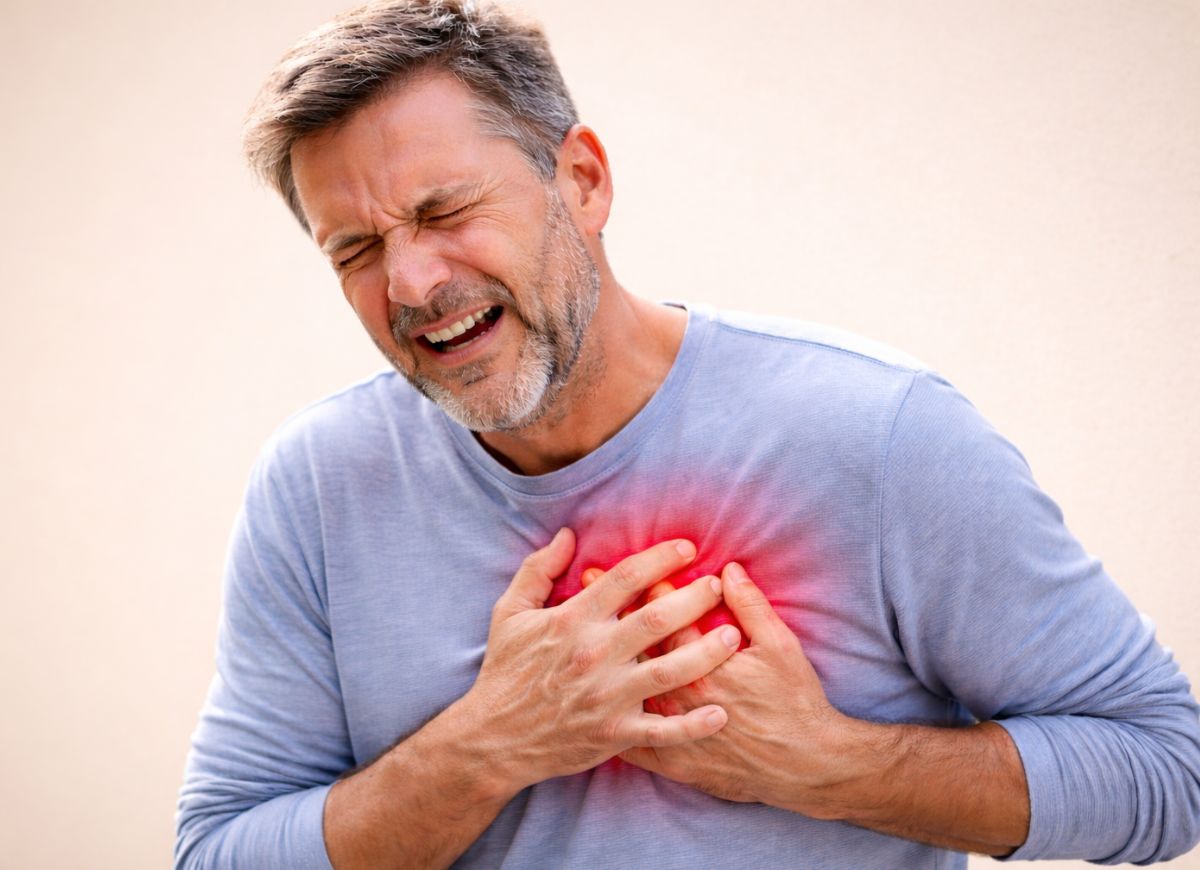
The main symptom of angina is chest discomfort. It is often described as squeezing, pressure, heaviness, tightness, or aching, usually behind the breastbone (sternum). This is the classic sign of myocardial ischemia, the body’s direct signal that the heart muscle isn’t getting enough oxygen.
Angina pain is different from the sharp, stabbing pain of many other conditions. It is more spread out and heavy. Many people say it feels like an elephant sitting on the chest or a tight band around it.
The discomfort is usually set off by anything that makes the heart work harder, such as climbing stairs, walking uphill, extreme temperatures, or strong emotional stress. It typically builds over a few minutes. With stable angina, it eases with rest or medication such as nitroglycerin.
How the pain feels can vary a lot from person to person. Women, older adults, and people with diabetes may have more atypical symptoms.
Still, chest discomfort that reliably comes with exertion is the most dependable sign of angina. It needs prompt medical attention to find the cause, which is most often coronary artery disease.
Pain Radiating to The Neck, Jaw, Shoulder, or Arms
Angina pain can spread from the chest to other parts of the upper body. The left arm is the most common, but the neck, jaw, shoulders, and back can be affected too. This is called referred pain. It happens because the nerves supplying the heart share pathways in the spinal cord with nerves from these other areas.
When the oxygen-starved heart sends out intense pain signals, the brain can misread where they come from. You then feel the pain in those nearby areas.
Pain often runs down the inner left arm, but it can affect the right arm or both. It may feel like a dull ache, heaviness, or numbness in the shoulders that extends to the wrists and fingers.
Discomfort can also travel up into the neck as a choking or tight feeling. In the jaw it can feel like an ache that’s easy to mistake for a dental problem. This is especially common in women with angina.
You may also feel a steady, heavy pressure between the shoulder blades. Back pain has many other causes, so this can be confusing. But when it comes with chest discomfort, treat it as a possible angina symptom.
Knowing these patterns matters, because sometimes the referred pain is stronger than the chest pain, or it appears with no chest discomfort at all.
Shortness of Breath
Yes, angina can cause shortness of breath, known medically as dyspnea. It can come with chest pain or on its own.
When the heart muscle doesn’t get enough oxygen-rich blood (ischemia), it can’t pump efficiently. Pressure can back up in the blood vessels that carry blood from the lungs to the heart.
As that pressure builds, fluid can leak into the air sacs of the lungs (pulmonary edema). This makes breathing hard and leaves you feeling breathless.
The left ventricle, the heart’s main pumping chamber, may also stiffen from ischemia. It then can’t relax and fill properly between beats. This diastolic dysfunction raises pressure in the lungs even more.
In some people, especially older adults and those with diabetes, shortness of breath may be the only symptom of angina. This is called an anginal equivalent.
It usually shows up during physical activity, when the heart needs the most oxygen, and eases with rest. That mirrors the pattern of classic chest pain. Recognizing breathlessness with exertion as a possible sign of heart trouble is critical for early diagnosis and treatment.
Nausea
Feeling sick to your stomach, sometimes with indigestion or a heartburn-like sensation, can be a symptom of angina. It happens because the vagus nerve links the heart, lungs, and digestive tract and gets stimulated.
When the heart is in distress, signals travel along this nerve and the brain reads them as nausea or stomach discomfort. Women report this symptom more often.
Fatigue and Dizziness or Lightheadedness
This isn’t ordinary tiredness. It is an unusual, deep exhaustion that comes on suddenly, often after very little effort. When the heart can’t pump enough oxygenated blood, muscles and other tissues run short of fuel and you feel overwhelmingly drained. You might feel wiped out after a simple task that used to be easy.
Dizziness or lightheadedness can also occur. The heart’s reduced pumping can cause a temporary drop in blood pressure or too little oxygen reaching the brain. The heart may also develop an abnormal rhythm (arrhythmia) during an ischemic episode, which lowers its output further and causes faintness or unsteadiness.
These atypical symptoms are significant warning signs. Never ignore them, because they can point to serious coronary artery disease even without classic chest pain.
Sweating
Unexplained sweating, often a cold sweat, commonly comes with an angina episode. It is part of the autonomic nervous system’s response to severe pain and cardiac stress. When the heart muscle is short of oxygen, it sends distress signals that trigger the fight-or-flight response.
The sympathetic nervous system drives this response and releases hormones like adrenaline and noradrenaline. The surge prepares the body for a perceived threat, and one effect is stimulating the sweat glands, causing heavy sweating (diaphoresis).
Sweat during an angina attack often feels different from sweat caused by exercise or heat. It is typically clammy or cold, and it can soak the skin even when you’re resting in a cool room.
This is a strong sign of major physical stress. The body is working overtime to make up for the heart’s compromised function, and the sweat is an outward sign of that inner struggle.
When it appears alongside chest pain, shortness of breath, or nausea, the situation is more urgent. It may point to a more severe ischemic event that needs immediate medical evaluation.
Angina Symptoms In Women and In Men
Angina can look quite different in women and men. This matters, because it can lead to delayed diagnosis or misdiagnosis in women.
Men more often have the classic crushing chest pain behind the breastbone (angina pectoris), which may spread to the left arm, neck, or jaw. Women more often report subtle or atypical symptoms, such as:
- Shortness of breath
- Sharp pain in the jaw, neck, or back
- Deep, unexplained fatigue
Women are also more likely to have nausea, vomiting, indigestion, or abdominal pain as their main signs of heart distress. These are easily mistaken for stomach problems.
Part of the reason is that women are more prone to blockages in the smaller arteries of the heart (microvascular angina), not just the major coronary arteries. The pain from microvascular angina can be more spread out and less clearly tied to exertion.
Women also often say emotional stress is a bigger trigger for their angina than men do. Knowing these differences helps patients and healthcare providers make sure heart disease in women isn’t overlooked.
Different Types of Angina
There are four main types of angina, classified by cause, pattern, and severity: stable angina, unstable angina, variant (Prinzmetal’s) angina, and microvascular angina. Each has its own features that guide diagnosis and treatment, and each reflects a different kind of coronary artery problem.
Stable angina is the most common and follows a predictable pattern. A known level of physical or emotional stress triggers it, and rest or nitroglycerin usually relieves it within a few minutes.
The plaque in the arteries is stable, so symptoms only appear when the heart’s oxygen demand exceeds the limited, fixed supply. It is a chronic condition, but its predictability makes it manageable with lifestyle changes and medication.
Unstable angina is a medical emergency. Its pattern is unpredictable. The chest pain may occur at rest, feel more severe, last longer, or not ease with rest or medication.
It means a plaque has ruptured and a blood clot has formed, suddenly and severely blocking an artery. It is an acute coronary syndrome and signals a very high risk of an imminent heart attack.
Variant (Prinzmetal’s) angina is rare. It is caused by a spasm in a coronary artery that briefly narrows the vessel and limits blood flow.
Unlike the other types, it usually happens at rest, often in a cycle, such as at night or in the early morning. It can affect people without underlying coronary artery disease and is often treated with artery-relaxing drugs like calcium channel blockers.
Microvascular angina causes chest pain without significant blockages in the large coronary arteries. The problem lies in the heart’s smallest blood vessels, which either don’t widen properly or go into spasm, restricting blood flow. It is more common in women and harder to diagnose, but it is a real cause of ischemic heart pain.
What Are Angina Causes?
Main Cause of Angina
Angina is a symptom of an underlying heart problem. Its main cause is myocardial ischemia, reduced blood flow to the heart muscle, most often from coronary artery disease (CAD).
In CAD, the coronary arteries, which supply oxygen-rich blood to the heart muscle, harden and narrow. A waxy substance called plaque builds up on the artery walls, a process known as atherosclerosis.
Plaque is made of cholesterol, fat, calcium, and other substances from the blood. Over many years the deposits grow and leave less room for blood to flow. At rest, the narrowed arteries may still deliver enough blood for the heart’s modest needs.
But when demand rises, such as during exertion, emotional stress, or cold weather, the heart works harder and needs more oxygen.
The narrowed arteries can’t deliver the extra blood, so an oxygen shortfall develops. That starvation of the heart muscle causes the typical pain and discomfort of angina. In short, angina is the heart’s cry for more oxygen and a direct warning that its blood supply is compromised by atherosclerosis.
Other Common Triggers for An Angina Attack
Several other factors can set off an episode by raising the heart’s oxygen demand beyond what the narrowed arteries can supply.
- Emotional stress. Anger, anxiety, or excitement make the body release hormones like adrenaline. These raise heart rate and blood pressure and put more strain on the heart.
- Extreme temperatures. Cold makes blood vessels constrict (vasoconstriction) to conserve heat, which can raise blood pressure and make pumping harder. Extreme heat and humidity raise heart rate and workload as the body tries to cool itself.
- Heavy meals. Digestion sends a large amount of blood to the stomach and intestines, which can reduce the blood available to the heart muscle. Large, high-fat meals are especially taxing.
- Smoking or tobacco use. Nicotine constricts the coronary arteries and speeds up the heart rate. Carbon monoxide in smoke lowers the blood’s ability to carry oxygen. Together they create a perfect storm for an angina attack.
Angina vs. Heart Attack: How Do You Compare the Warning Signs?
Angina and heart attack differ mainly in duration, intensity, and response to rest or medication. Stable angina is a temporary, predictable pain that resolves quickly. A heart attack involves persistent, severe pain caused by the death of heart muscle.
Both stem from coronary artery disease. A heart attack (myocardial infarction) is a complete, prolonged blockage of blood flow, while angina is a temporary shortage.
Response to Rest of Angina and Heart Attack
A key feature of stable angina is that chest pain and discomfort usually go away within a few minutes (typically 1 to 5) after you stop the triggering activity and rest. Resting lowers the heart’s workload and its oxygen demand.
Once demand drops to a level the narrowed arteries can meet, the pain fades. This predictable pattern is the hallmark of stable angina. For example, you might feel chest tightness walking briskly uphill, and it disappears shortly after you stop and stand still.
Stable angina also responds quickly to nitroglycerin. This medication widens the coronary arteries to improve blood flow. It also relaxes veins throughout the body, so less blood returns to the heart and its workload falls.
Heart attack pain is very different. It is persistent and doesn’t go away with rest or a normal dose of nitroglycerin. In a heart attack, a blood clot completely blocks a coronary artery and heart muscle tissue dies.
The blockage is fixed and blood flow isn’t restored, so the pain continues no matter what you do. If chest pain lasts more than 15 to 20 minutes despite resting, treat it as a medical emergency. It strongly suggests a heart attack.
Symptom Intensity and Duration of Angina and Heart Attack
The key differences are intensity and duration. Heart attack symptoms are far more severe, last longer, and often come with more intense whole-body signs. Both can cause chest pain, so knowing the differences can save a life.
Intensity. Stable angina is usually described as pressure, squeezing, or aching, and is typically mild to moderate. Heart attack pain is usually severe, crushing, and unbearable. Many people having a heart attack also feel a sense of impending doom or overwhelming anxiety, which is not typical of stable angina.
Duration. Stable angina is brief. An episode usually lasts one to five minutes and almost always resolves within 15 minutes with rest or medication. A heart attack is prolonged. The pain is continuous, lasts more than 15 to 20 minutes, and can go on for hours if untreated. That duration reflects ongoing damage to the heart muscle.
Other symptoms. Both can cause shortness of breath, sweating, and nausea, but these are generally stronger in a heart attack. A person may have drenching cold sweats, severe lightheadedness or fainting, and extreme fatigue.
Unstable angina deserves special mention. It is a bridge between stable angina and a heart attack. Its symptoms can be as severe as a heart attack and can strike unpredictably, even at rest.
Because it signals a high and immediate risk of a full heart attack, unstable angina is always a medical emergency needing immediate hospitalization. Any change in your angina pattern is a red flag for it. That includes episodes that become more frequent, more severe, or come on with less exertion.
Angina and Non-cardiac Chest Pain Like Heartburn
Telling angina from non-cardiac chest pain is crucial, because the causes and treatments are very different. Both cause chest discomfort, but their characteristics offer clues.
Angina feels like pressure, tightness, squeezing, or a heavy weight in the center of the chest. Physical exertion or emotional stress often triggers it, and rest or nitroglycerin relieves it within minutes. The pain may spread to the jaw, neck, shoulders, or arms.
Heartburn (acid reflux) is a common lookalike. It usually feels like a burning sensation behind the breastbone. It is often linked to eating, especially large, fatty, or spicy meals, and may get worse when you lie down or bend over. Antacids usually relieve it, and physical activity isn’t involved.
Anxiety or panic attacks are another frequent cause. The pain is often sharp, stabbing, or fleeting and may come with a racing heart, fast breathing, sweating, and a sense of doom. Unlike angina, it isn’t caused by exertion and doesn’t respond to rest in the same predictable way.
Musculoskeletal problems, like a strained chest muscle or inflamed rib cartilage (costochondritis), cause localized, sharp pain. It gets worse with movement or when you press on the area.
Angina Diagnosis
Doctors diagnose angina in several steps. They start with a thorough review of your medical history, a detailed talk about your symptoms, and a physical exam.
The doctor will ask what your chest pain feels like (pressure, squeezing, tightness), where it is, what brings it on, and what relieves it. After that, several tests confirm coronary artery disease and check the condition of your heart:
- Electrocardiogram (ECG or EKG). Often the first test. It records the heart’s electrical activity and can show signs of a previous heart attack or ischemia (reduced blood flow).
- Stress test. You walk on a treadmill while connected to an ECG, so doctors can see how your heart responds to exertion. If you can’t exercise, a medication-induced stress test may be used.
- Echocardiogram. This uses ultrasound to create images of your heart, so doctors can check its pumping function and look for valve problems.
- Blood tests. These check for cardiac enzymes that could indicate heart muscle damage, and measure cholesterol and other markers of heart disease risk.
- Coronary angiography. For a definitive diagnosis, this invasive procedure injects a special dye into the coronary arteries and takes X-ray images (angiograms) to show any blockages or narrowing.
How to Manage and Prevent Angina
Managing and preventing angina combines lifestyle changes, medications, and regular monitoring. The goal is to reduce strain on the heart and improve blood flow.
Medications. These play a key role. Doctors may prescribe nitroglycerin to relieve chest pain, or beta-blockers to lower heart rate and blood pressure. Statins can lower cholesterol, and blood thinners or anti-platelet drugs help prevent clots that could lead to heart complications.
Heart-healthy diet. Eat plenty of fruits, vegetables, whole grains, and lean proteins, and limit saturated fats, trans fats, and sodium. Lowering cholesterol and keeping a healthy weight can significantly improve circulation.
Exercise. Regular activity like walking or swimming strengthens the heart and improves circulation. If you have angina, talk to your doctor before starting any exercise program.
Stress management. Chronic stress can trigger or worsen symptoms. Deep breathing, meditation, and yoga can help lower stress and support heart health.
Avoid smoking and limit alcohol. Smoking and heavy drinking can narrow arteries and raise blood pressure, and both make angina worse. Quitting smoking and drinking in moderation protect your heart.
By following these steps and working closely with your healthcare provider, you can manage angina effectively and lower the risks that come with it.
FAQs
1. How to relieve angina pain?
First, stop what you’re doing and rest in a comfortable position. Nitroglycerin, often prescribed by doctors, is a common treatment. It relaxes the blood vessels so more blood reaches the heart, which relieves the chest pain.
If you don’t have nitroglycerin, or it doesn’t help, get medical attention immediately. Pain that lasts longer than a few minutes or gets worse could be a heart attack, which needs urgent care.
2. How long does angina last?
Angina usually lasts a few minutes, typically 1 to 5. It may ease on its own with rest or after medication like nitroglycerin.
If the pain lasts longer than usual, gets more intense, or doesn’t go away with rest, that’s a red flag. Get immediate medical attention to rule out a heart attack or another serious heart condition.
3. Where exactly is angina pain felt?
Angina pain is usually felt in the chest, behind the breastbone. It can also spread to the arms, shoulders, neck, jaw, back, and even the stomach. It is often described as pressure, tightness, squeezing, or a heavy weight on the chest.
The intensity varies, and sometimes it feels like heartburn or indigestion, which makes it easy to misread. Noticing where the pain is and what it feels like helps tell angina from other conditions.
4. What is the red flag for angina?
A red flag is any chest pain that differs from your usual symptoms or lasts longer than normal. Examples include pain that comes on unexpectedly or at rest, pain that gets worse, or pain with shortness of breath, dizziness, nausea, or heavy sweating.
These signs can mean the angina is getting more severe or that you’re having a heart attack. If you notice any of them, seek emergency medical care right away.
5. Can angina develop suddenly?
Yes. It can come on suddenly, especially during physical exertion, stress, or after a heavy meal. Sometimes it happens with no obvious trigger, particularly if a coronary artery suddenly narrows or spasms.
People with risk factors like high cholesterol, high blood pressure, or a history of heart disease may be more prone to sudden angina. If you get sudden chest pain, take it seriously and see a healthcare provider for an evaluation.
6. What is the average age to get angina?
Angina usually develops after age 50, though it can appear earlier depending on your risk factors. A family history of heart disease, high blood pressure, high cholesterol, diabetes, or smoking can bring it on earlier.
It is more common in older adults, but anyone with heart-related symptoms should get medical advice at any age, especially with cardiovascular risk factors.
7. Can you live a normal life with angina?
Yes. Many people with angina live normal, active lives by managing it well. A heart-healthy diet, quitting smoking, regular exercise, and stress control help manage symptoms and reduce the risk of complications.
Following your doctor’s treatment plan, including medications to control blood pressure and cholesterol, can also reduce how often attacks happen. Regular check-ups let your provider monitor the condition and adjust treatment when needed.
8. What foods should you avoid with angina?
Avoid foods that harm heart health by raising cholesterol and blood pressure. These include foods high in saturated fat, trans fat, and cholesterol, such as fried foods, processed meats, fatty cuts of red meat, and full-fat dairy.
Limit high-sodium foods like canned soups, salty snacks, and processed foods to keep blood pressure in check.
Focus instead on fruits, vegetables, whole grains, lean proteins, and healthy fats such as those in fish, nuts, and olive oil. A heart-healthy diet improves circulation and lowers the risk of future angina attacks.
Conclusion
Angina needs attention and care, but with proper management you can live a full life. Knowing the symptoms, knowing when to get medical help, and making lifestyle changes like a heart-healthy diet and regular exercise can greatly improve your quality of life.
If you notice any signs of angina or chest discomfort, don’t hesitate to talk to your doctor and check on your heart health. Early action and prevention go a long way toward lowering your risk and keeping your heart healthier for the future.