
10 Hyperthyroidism Symptoms of an Overactive Thyroid

Have you recently been feeling unusually nervous, exhausted, or noticed unexpected changes in your weight? Your thyroid could be involved. This small gland in the front of your neck has a major role in controlling metabolism and influencing many of the body’s functions. When it becomes overactive and produces too much thyroid hormone, the condition is known as hyperthyroidism.
The thyroid helps regulate how your body uses energy, maintains temperature, controls heart rate, and supports the normal function of many organs. When too much thyroid hormone enters the bloodstream, these processes can become accelerated and create symptoms that may initially look like stress, anxiety, or other common health problems.
Early symptoms are not always obvious. You may feel tired even after sleeping well, lose weight without intentionally changing your diet, or notice that your heart seems to beat faster than usual. Trouble sleeping, difficulty concentrating, irritability, and increased sweating can also occur.
If hyperthyroidism continues without treatment, it can contribute to more serious complications, including heart rhythm problems, bone loss, and thyroid storm, which is a rare but potentially life-threatening emergency. Identifying the symptoms early can make it easier to receive appropriate treatment and prevent complications.
In this article, we’ll explore the common symptoms of hyperthyroidism and thyrotoxicosis. From unexpected weight loss and increased appetite to rapid heartbeats and fatigue, recognizing these changes can help you know when it may be time to speak with a healthcare professional.
What is Hyperthyroidism?
Hyperthyroidism is a condition in which the thyroid gland produces and releases more thyroid hormones than the body needs. The primary thyroid hormones are thyroxine (T4) and triiodothyronine (T3), and excessive amounts can cause the body’s metabolism to become unusually fast.
The thyroid is part of the endocrine system and sits at the lower front of the neck. Although it is relatively small, it influences energy use, body temperature, heart rate, digestion, and the function of many organs.
Thyroid activity is controlled through a feedback system involving the hypothalamus and pituitary gland in the brain. The hypothalamus releases thyrotropin-releasing hormone (TRH), which signals the pituitary gland to release thyroid-stimulating hormone (TSH).
TSH then signals the thyroid to produce T4 and T3. When thyroid hormone levels become sufficiently high, the normal feedback system lowers TSH production to prevent the gland from making too much hormone.
With hyperthyroidism, this balance is disrupted. Excess thyroid hormone causes many body processes to speed up, producing symptoms that can affect the cardiovascular, digestive, nervous, reproductive, and muscular systems.
Overactive Thyroid
An overactive thyroid essentially puts many of the body’s normal processes into a faster state.
This state is often associated with thyrotoxicosis, which refers to having excessive thyroid hormone activity in the body. One simple way to understand the effect is to imagine the body as a car.
Thyroid hormones act somewhat like an accelerator. Under normal circumstances, the body maintains a steady pace. When thyroid hormone levels are too high, many systems operate as though the accelerator has been pushed too far.
This increased metabolic activity can affect almost every major system, including the heart, nervous system, digestive tract, muscles, and reproductive system.
The Popularity of Overactive Thyroid
Hyperthyroidism is a relatively common endocrine disorder, although its frequency varies depending on age, sex, location, and other factors.
It can occur at any age, but it is more frequently diagnosed in women than in men. Graves’ disease, one of the most common causes of hyperthyroidism, is an autoimmune condition and accounts for many cases.
Having a close family member with thyroid disease or another autoimmune condition can increase a person’s risk. Genetics can play a role in the development of thyroid disorders.
Thyroid problems can also develop after pregnancy. Some women experience postpartum thyroiditis, which may temporarily cause a phase of increased thyroid hormone activity before thyroid function changes again.
Because hyperthyroidism can develop gradually, some people may not recognize the symptoms immediately. Changes such as unexplained weight loss, increased sweating, anxiety, or a racing heart may initially be attributed to stress or lifestyle changes.
10 Key Signs and Symptoms of Hyperthyroidism
Unexplained Weight Loss
Unintentional weight loss is one of the symptoms that many people notice first. A person may lose weight even though they are eating the same amount of food or even consuming more calories than usual.
The reason is that excessive thyroid hormone can increase the body’s metabolic rate. The body begins using energy more rapidly, and this can result in the breakdown of stored fat and, in some cases, muscle tissue.
The amount of weight lost can vary from person to person. If weight is dropping without an intentional change in diet or exercise, it is worth discussing the change with a healthcare professional.
Increased Appetite (Hyperphagia)
An increase in appetite can occur as the body attempts to replace the extra energy it is using.
Someone with hyperthyroidism may feel hungry more frequently, eat larger meals, or snack more often than usual. Despite the increased food intake, weight loss may continue because metabolism has accelerated.
This combination of increased hunger and unexplained weight loss can be an important clue that something is affecting metabolic function.
Heat Intolerance and Increased Sweating
People with hyperthyroidism often become unusually sensitive to heat. They may feel warm when others around them are comfortable or may struggle in rooms that are not particularly hot.
Excess thyroid hormone increases metabolic activity, which can lead to greater internal heat production. To release this extra heat, the body may increase blood flow to the skin and produce more sweat.
As a result, excessive sweating and discomfort in warm environments can become noticeable. Some people may also have warm or moist skin even when they are not physically active.
Rapid or Irregular Heartbeat (Palpitations)
Too much thyroid hormone can have a strong effect on the cardiovascular system. It can make the heart beat faster and increase the force of its contractions.
A person may notice a racing, pounding, fluttering, or irregular heartbeat, sometimes even while resting. These sensations are commonly described as palpitations.
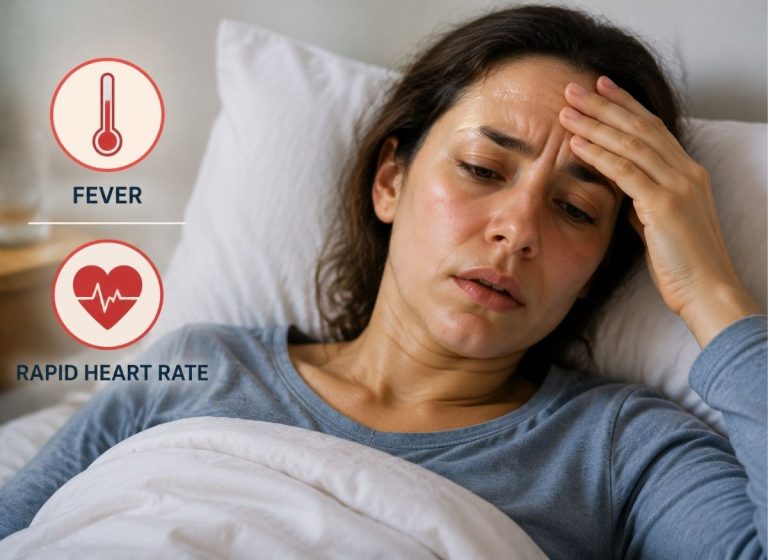
Hyperthyroidism can also contribute to abnormal heart rhythms, including atrial fibrillation in some people. Persistent or significant heart rhythm changes require medical evaluation because untreated hyperthyroidism can place additional stress on the heart.
Nervousness, Anxiety, and Irritability
Excess thyroid hormone can overstimulate the nervous system, causing noticeable emotional and psychological changes.
A person may feel unusually nervous, restless, anxious, or unable to relax. Irritability and mood changes can also become more frequent.
These symptoms can sometimes look similar to an anxiety disorder. When anxiety develops alongside physical symptoms such as weight loss, sweating, tremors, or a racing heart, thyroid function may need to be considered.
Tremor
A fine tremor, especially in the hands and fingers, is another possible sign of hyperthyroidism.
The shaking is often subtle rather than dramatic. It may become easier to notice when the hands are held out in front of the body.
Excess thyroid hormone can increase the body’s sensitivity to adrenaline and other stimulating chemicals, contributing to this fine trembling.
Goiter (Enlarged Thyroid Gland)
A goiter is an enlarged thyroid gland that can appear as swelling at the front of the neck.
Several thyroid conditions can cause a goiter. Graves’ disease may cause the entire gland to become enlarged, while toxic multinodular goiter involves several nodules within the thyroid.
The enlargement may be small and difficult to notice or may become more prominent. A larger goiter can sometimes create pressure in the neck, difficulty swallowing, coughing, or changes in the voice.
Any new swelling or lump in the neck should be evaluated by a healthcare professional.
Skin Thinning and Fine, Brittle Hair
Changes in the skin and hair can occur because excess thyroid hormone affects the body’s normal metabolic processes.
The skin may become unusually warm, smooth, or moist because of increased blood flow and sweating. Some people may also experience skin that seems more delicate than usual.
Hair can become finer and more fragile, and diffuse hair shedding may occur. These changes can happen because thyroid hormones influence the normal hair-growth cycle.
Changes in Eyes (Graves’ Ophthalmopathy)
Eye problems are particularly associated with Graves’ disease rather than hyperthyroidism from every possible cause.
In Graves’ ophthalmopathy, the immune system affects tissues around the eyes, leading to inflammation and swelling.
Possible symptoms include a gritty feeling in the eyes, redness, pressure, discomfort, sensitivity, eyelid changes, and eyes that appear more prominent or bulging.
Some people can develop double vision or other vision changes. Significant eye pain, changes in vision, or severe swelling should be evaluated promptly.
Fatigue and Muscle Weakness
Hyperthyroidism can make a person feel both restless and exhausted at the same time.
Although the body may seem overstimulated, excess thyroid hormone can contribute to muscle breakdown and weakness. The muscles of the upper arms and thighs may be particularly affected.
Everyday activities such as climbing stairs, getting up from a chair, carrying objects, or exercising may become more difficult.
Sleep problems can make the fatigue even worse. Nervousness, racing thoughts, and difficulty sleeping may prevent the body from getting enough restorative rest.
Thyroid hormone can also influence reproductive function. Some women with hyperthyroidism experience changes in their menstrual cycle.
Periods may become lighter, less frequent, irregular, or stop temporarily. These hormonal changes can sometimes interfere with fertility.
What are The Main Hyperthyroidism Causes?
Graves’ Disease
Graves’ disease is one of the most common causes of hyperthyroidism. It is an autoimmune disorder in which the immune system mistakenly produces antibodies that stimulate the thyroid gland.
One of the main antibodies involved is the thyroid-stimulating immunoglobulin (TSI), also known as a TSH receptor antibody (TRAb).
Normally, TSH from the pituitary gland controls thyroid hormone production. In Graves’ disease, the stimulating antibodies can attach to the same receptors on thyroid cells and imitate the effect of TSH.
This causes the thyroid to remain stimulated and produce excessive amounts of T4 and T3.
Because thyroid hormone levels rise, the pituitary gland responds by lowering TSH production. Blood tests commonly show elevated thyroid hormones together with a low TSH level.
Graves’ disease can also cause the thyroid to become enlarged. In addition, it is the thyroid condition most strongly associated with Graves’ ophthalmopathy, which can affect the tissues surrounding the eyes.
Some people may also develop a rare skin condition called pretibial myxedema.
Thyroid Nodules or Goiters
Thyroid nodules and goiters can also lead to hyperthyroidism. This happens when one or more nodules begin producing thyroid hormones independently of the body’s normal regulatory signals.
A toxic adenoma, sometimes called a solitary toxic nodule, occurs when one thyroid nodule becomes overactive. It produces thyroid hormone even when the body does not require additional hormone.
Another possibility is toxic multinodular goiter, in which several nodules within an enlarged thyroid begin producing excessive amounts of thyroid hormone.
Toxic multinodular goiter is more frequently seen in older adults and may develop gradually. The symptoms can therefore be less obvious than those associated with Graves’ disease.
Doctors can use blood tests and thyroid imaging to determine whether nodules are producing excessive hormone.
The Relationship Between Thyroiditis and Hyperthyroidism
Thyroiditis means inflammation of the thyroid gland. Unlike conditions in which the thyroid actively produces too much hormone, thyroiditis can cause temporary hyperthyroidism because inflammation damages thyroid cells and allows stored hormones to leak into the bloodstream.
As T4 and T3 are released from the damaged gland, thyroid hormone levels rise and symptoms of thyrotoxicosis can appear.
Because the gland is not continuously manufacturing new excess hormone, this phase is generally temporary. Several types of thyroiditis can produce this pattern.
– Subacute Thyroiditis (de Quervain’s): This form may develop after a viral illness and can cause pain and tenderness around the thyroid. Fever and other flu-like symptoms may also occur. The hyperthyroid phase happens as stored hormones are released.
– Postpartum Thyroiditis: This can develop during the months after childbirth. It may begin with a temporary period of increased thyroid hormone activity before thyroid function changes again.
– Silent or Painless Thyroiditis: This autoimmune form can cause a temporary hyperthyroid phase without the neck pain associated with subacute thyroiditis.
– The Hypothyroid Phase: After the stored thyroid hormones have been used up, the gland may temporarily produce too little hormone. This can result in a hypothyroid phase. Many people eventually return to normal thyroid function, although some may develop permanent hypothyroidism.
Hyperthyroidism Diagnosis
Diagnosing hyperthyroidism begins with a medical history and physical examination. A healthcare provider may ask about weight changes, heart palpitations, sweating, anxiety, sleep problems, bowel changes, menstrual changes, and other symptoms.
During the examination, the doctor may check the thyroid for enlargement or nodules and look for signs such as tremors, a rapid pulse, warm skin, or changes in the eyes.
Blood testing is central to confirming hyperthyroidism. The thyroid-stimulating hormone (TSH) level is usually checked first.
In primary hyperthyroidism, excess thyroid hormones generally cause the pituitary gland to reduce TSH production. As a result, TSH may be unusually low.
Doctors may also measure free T4 and T3. Elevated levels of these hormones together with a suppressed TSH can support a diagnosis of hyperthyroidism.
Additional tests may be used to identify the cause. Thyroid antibodies can help identify Graves’ disease.
A radioactive iodine uptake test and thyroid scan may also be used in selected cases. Increased iodine uptake can suggest that the thyroid is actively producing excess hormone, while low uptake may occur when thyroiditis causes stored hormones to leak into the bloodstream.
Hyperthyroidism Treatment
The treatment for hyperthyroidism depends on the underlying cause, severity of the condition, symptoms, age, and overall health.
Common treatment approaches include antithyroid medication, radioactive iodine treatment, and surgery. The appropriate option varies from person to person.
Antithyroid medications such as methimazole and propylthiouracil (PTU) reduce the thyroid gland’s ability to produce new thyroid hormones. These medications may be used particularly for Graves’ disease, although treatment plans differ depending on the individual situation.
Radioactive iodine therapy is another option. The thyroid naturally absorbs iodine, and radioactive iodine can be used to damage overactive thyroid cells so that hormone production decreases over time.
Because radioactive iodine can eventually result in an underactive thyroid, people who receive it may later need thyroid hormone replacement.
Surgery may be recommended in certain situations, including some large goiters, suspicious nodules, or cases in which other treatments are unsuitable.
A thyroidectomy removes part or all of the thyroid gland. When the entire gland is removed, lifelong thyroid hormone replacement is generally required.
Doctors may also prescribe beta-blockers to help control symptoms such as rapid heartbeat, shaking, and some physical effects of excess thyroid hormone while the underlying treatment begins to work.
Hyperthyroidism and Hypothyroidism
Hyperthyroidism and hypothyroidism are essentially opposite patterns of thyroid function.
Hyperthyroidism occurs when thyroid hormone activity is excessive, causing many metabolic processes to speed up. Hypothyroidism occurs when there is too little thyroid hormone, slowing many body processes.
People with hyperthyroidism may experience unexplained weight loss, increased appetite, heat intolerance, sweating, nervousness, and a rapid heartbeat.
By contrast, hypothyroidism is more commonly associated with weight gain, sensitivity to cold, fatigue, sluggishness, and a slower heart rate.
The effects on the digestive system can also differ. Hyperthyroidism may cause more frequent bowel movements or diarrhea, while hypothyroidism may lead to constipation.
Hair and skin changes can differ as well. Hyperthyroidism may cause warm, moist skin and fine or thinning hair, while hypothyroidism can cause dry skin and coarse or thinning hair.
Because the symptoms can overlap with many other health conditions, blood testing is often necessary to determine whether the thyroid is overactive or underactive.
Hyperthyroidism Diet
Diet cannot cure hyperthyroidism, but appropriate nutrition can support overall health and help address some nutritional concerns associated with the condition.
Iodine deserves particular attention because the thyroid uses iodine to make thyroid hormones. People with certain forms of hyperthyroidism may need to avoid excessive iodine intake, especially from concentrated sources.
Iodine can be found in iodized salt, seaweed, some seafood, and dairy products. However, dietary changes should be individualized, and people should not drastically restrict iodine without discussing it with a healthcare professional.
A balanced diet that includes fruits, vegetables, whole grains, and adequate protein can help support general health.
Calcium and vitamin D are particularly important because untreated hyperthyroidism can contribute to bone loss. Foods such as fortified plant-based milk, dairy products, leafy green vegetables, and other calcium-rich foods can help provide these nutrients.
Selenium is another nutrient involved in thyroid function. Foods such as Brazil nuts, sunflower seeds, and mushrooms provide selenium.
Iron is also important for overall health, and sources include beans, lentils, leafy vegetables, and lean meats.
Rather than relying on a specific “thyroid diet,” people with hyperthyroidism should work with a healthcare professional or registered dietitian when significant dietary changes are needed.
FAQs
1. What is subclinical hyperthyroidism?
Subclinical hyperthyroidism is a mild form of thyroid overactivity in which TSH levels are lower than normal while T3 and T4 levels remain within the usual reference range.
Some people have no noticeable symptoms. Others may experience subtle signs such as increased heart rate, anxiety, irritability, or sleep difficulties.
Although it may appear mild, subclinical hyperthyroidism can sometimes affect the heart and bones, particularly when TSH remains suppressed for an extended period.
2. What are the symptoms of subclinical hyperthyroidism?
Many people with subclinical hyperthyroidism do not notice obvious symptoms.
When symptoms do occur, they may include a faster heartbeat, mild weight loss, nervousness, irritability, difficulty sleeping, or fatigue.
Because these symptoms are not specific to thyroid disease, blood testing is needed to determine whether the thyroid is responsible.
Regular monitoring or treatment may be recommended depending on thyroid test results, age, symptoms, and other risk factors.
3. How is subclinical hyperthyroidism treated?
Treatment depends on the cause, how low the TSH level is, how long the abnormality has been present, and the person’s individual risk factors.
Some people may simply need periodic thyroid testing and monitoring.
If treatment is appropriate, options can include antithyroid medication, radioactive iodine, or surgery depending on the underlying cause.
A healthcare professional can determine whether treatment or observation is more suitable.
4. Can hyperthyroidism occur in men?
Yes. Although hyperthyroidism is more commonly diagnosed in women, men can also develop the condition.
Possible symptoms include unexplained weight loss, fatigue, nervousness, increased sweating, tremors, and a rapid or irregular heartbeat.
Men may also experience muscle weakness or changes in sexual and reproductive function.
Anyone experiencing unexplained symptoms that could indicate thyroid dysfunction should discuss them with a healthcare professional.
5. What are the side effects of hyperthyroidism?
Hyperthyroidism can affect many areas of the body. Common effects include weight loss, increased appetite, sweating, heat intolerance, nervousness, sleep problems, muscle weakness, and rapid or irregular heartbeats.
When untreated, prolonged hyperthyroidism can contribute to complications involving the heart and bones.
A rare but serious complication is thyroid storm, in which symptoms become severe and can include very rapid heartbeat, high fever, confusion, and other signs of acute illness.
Immediate medical attention is required when severe symptoms develop.
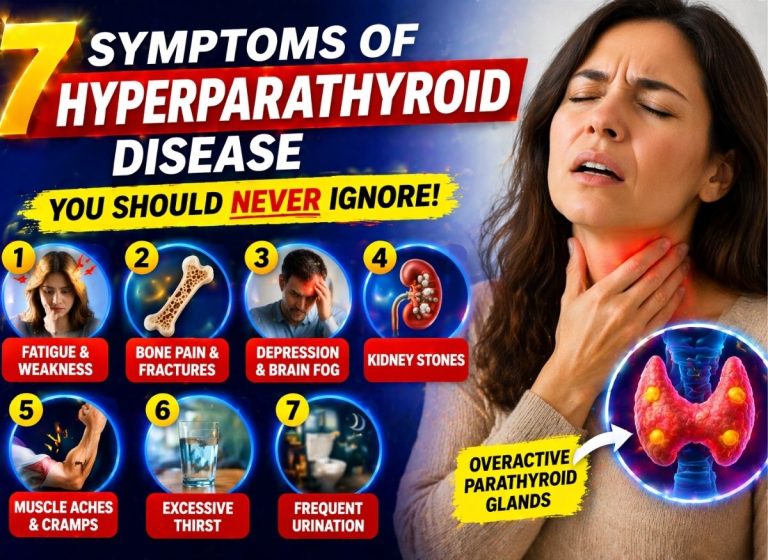
6. What is hyperparathyroidism?
Hyperparathyroidism is different from hyperthyroidism.
Hyperparathyroidism occurs when the parathyroid glands produce excessive amounts of parathyroid hormone (PTH). These small glands are located near the thyroid but have a different function.
Too much PTH can increase calcium levels in the blood and may contribute to problems such as bone loss or kidney stones.
Although the names sound similar, hyperparathyroidism and hyperthyroidism involve different glands and hormones.
7. Can hyperthyroidism affect pregnancy?
Yes. Uncontrolled hyperthyroidism during pregnancy can affect both the pregnant person and the developing baby.
Depending on the severity and cause, complications may include high blood pressure disorders, premature birth, low birth weight, and other pregnancy-related problems.
Some medications used for hyperthyroidism also require careful management during pregnancy.
Anyone who is pregnant or planning pregnancy and has hyperthyroidism should work closely with their healthcare provider to monitor thyroid hormone levels and select an appropriate treatment.
8. What is the difference between hyperthyroidism and thyrotoxicosis?
Hyperthyroidism specifically means that the thyroid gland is producing too much thyroid hormone.
Thyrotoxicosis is a broader term describing the effects of having excessive thyroid hormone activity in the body, regardless of how that excess developed.
For example, hyperthyroidism can cause thyrotoxicosis because the thyroid is actively producing too much hormone. Thyroiditis can also cause thyrotoxicosis when stored hormones leak from an inflamed thyroid.
Therefore, the two terms are related but do not mean exactly the same thing.
9. What is multinodular goiter hyperthyroidism?
Multinodular goiter hyperthyroidism occurs when an enlarged thyroid contains several nodules and some of those nodules begin producing excessive thyroid hormone.
This condition can develop gradually, particularly in older adults.
Symptoms may include weight loss, increased sweating, heat intolerance, rapid heartbeat, nervousness, and other signs of hyperthyroidism. The enlarged thyroid may also cause visible neck swelling or pressure-related symptoms.
Treatment depends on the size of the goiter, hormone levels, symptoms, overall health, and the activity of the nodules. Options can include medication, radioactive iodine, or surgery.
Conclusion
Hyperthyroidism can influence many aspects of the body, from metabolism and heart rate to mood, muscles, skin, and reproductive function. Symptoms such as unexplained weight loss, increased appetite, excessive sweating, nervousness, tremors, and fatigue should not automatically be dismissed as stress or lifestyle changes.
An overactive thyroid can usually be managed with appropriate medical care, but the right treatment depends on the underlying cause and individual circumstances.
If you notice several symptoms of hyperthyroidism or experience persistent changes that you cannot explain, speaking with a healthcare professional can help determine whether thyroid testing is appropriate. Early diagnosis and proper management can help reduce symptoms and lower the risk of complications.