10 Hangover Symptoms You Might Be Ignoring
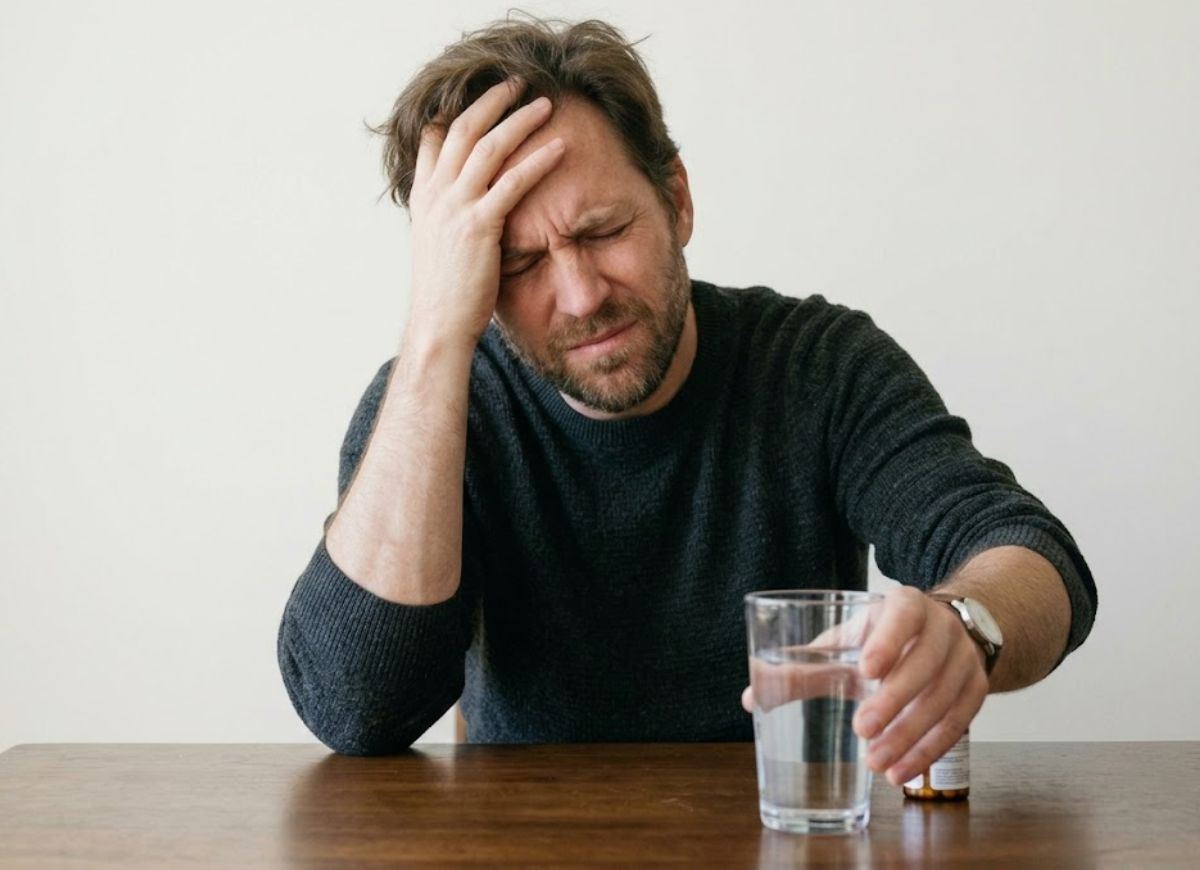
Few things feel as unpleasant as waking up with a hangover after a night of drinking. You may expect a headache, tiredness, or an upset stomach and assume that these symptoms will simply pass. However, some hangover symptoms can be stronger signals that your body is struggling with dehydration, nutrient loss, inflammation, or the effects of alcohol.
More than 75% of people who drink regularly are estimated to experience hangovers, yet many people only recognize the most familiar symptoms. Headaches, nausea, and fatigue are easy to identify, but symptoms such as shakiness, a racing heartbeat, mood changes, or difficulty concentrating can also occur. Paying attention to these less obvious signs can help you understand how strongly alcohol is affecting your body.
A hangover develops because alcohol affects several systems at once. It can increase fluid loss, irritate the digestive tract, interfere with blood sugar regulation, disturb sleep, and trigger inflammation. Together, these effects can produce a wide range of physical and mental symptoms.
In this article, we’ll explore 10 common hangover symptoms and explain why they happen. Understanding these warning signs can help you respond appropriately by drinking fluids, eating nourishing foods, resting, and seeking medical attention when symptoms are unusually severe. Recognizing how your body reacts after drinking can also help you make more informed choices about alcohol in the future.
10 Most Common Signs of Hangover
The Pounding Headache
A strong, throbbing headache is one of the most recognizable signs of a hangover. Alcohol can affect blood vessels and contribute to fluid loss, both of which may play a role in headache development. Dehydration can also make an existing headache feel considerably worse.
Overwhelming Fatigue and Weakness
Feeling extremely tired or weak after drinking is very common. Even if you spend several hours in bed, alcohol can interfere with normal sleep quality, leaving you feeling exhausted the following day. Fluid loss, inflammation, and changes in energy levels can add to this feeling of weakness.
Persistent Nausea and Vomiting
Nausea is another classic hangover symptom. Alcohol can irritate the stomach lining, increase stomach acid, and affect the normal movement of food through the digestive system. These effects may leave you feeling sick and can sometimes result in vomiting.
Marked Dehydration
Strong thirst, a dry mouth, dry eyes, and dark or infrequent urine can all indicate dehydration. Alcohol reduces the release of vasopressin, a hormone that helps the kidneys retain water. As a result, you may urinate more and lose more fluid than usual.
Dizziness and Vertigo
A hangover can leave you feeling lightheaded, unsteady, or as though the room is spinning. Dehydration, changes in blood sugar, and alcohol’s effects on the balance system can all contribute to dizziness and vertigo.
Aching Muscles and Joints
Some people experience generalized muscle and joint aches after drinking. These flu-like sensations may be related to inflammation, dehydration, and changes in the body’s electrolyte balance. The result can be an overall feeling of soreness and discomfort.
Heightened Sensitivity to Light and Sound (Photophobia and Phonophobia)
During a hangover, ordinary lights and sounds may suddenly feel much more intense than usual. Bright lights can become uncomfortable, while everyday noises may seem unusually loud. This sensitivity can occur because alcohol affects the nervous system and can contribute to an overall heightened state of discomfort.
Mood Disturbances
Hangovers can affect your mood as well as your physical health. Some people experience anxiety, irritability, low mood, restlessness, or emotional changes after drinking. These effects can occur as the brain adjusts to the changes caused by alcohol and its aftereffects.
Increased Heart Rate
A noticeably fast or pounding heartbeat can occur during a hangover. Alcohol can temporarily affect the nervous system and fluid and electrolyte balance, which may increase heart rate. In some people, drinking can also contribute to irregular heart rhythms.
Disrupted Sleep
Although alcohol may make you feel sleepy at first, it can interfere with normal sleep patterns later in the night. This can lead to frequent waking and less restorative sleep. As a result, you may wake up feeling tired, groggy, and poorly rested even after spending many hours in bed.
What is the Physiological Basis for Each Major Hangover Symptom?
The physical effects of a hangover come from several processes happening at the same time. Dehydration, inflammation, hormonal changes, digestive irritation, poor sleep, and alcohol metabolism can all contribute to the symptoms people experience the following day. This is why a hangover can affect the entire body rather than causing only a headache.
A pounding headache can develop for several reasons. Alcohol can influence blood vessel activity, while the fluid loss associated with drinking can contribute to dehydration. Reduced hydration may affect tissues surrounding the brain and increase headache discomfort.
Nausea and vomiting are closely connected to alcohol’s effects on the digestive system. Ethanol can irritate the stomach lining, increase acid production, and slow the movement of food through the stomach. These effects can cause indigestion, nausea, and, in some cases, vomiting.
Fatigue has several contributing factors. Alcohol can disrupt normal sleep patterns, which means that falling asleep quickly does not necessarily result in restorative sleep. Alcohol can also activate inflammatory responses in the body. These combined effects may leave you feeling tired, weak, and generally unwell.
Dehydration can make many other symptoms worse. Alcohol reduces the release of vasopressin, the hormone that helps the kidneys conserve water. With less vasopressin available, the kidneys release more water into the urine. This fluid loss can contribute to thirst, dry mouth, dizziness, weakness, and headaches.
Causes of a Hangover
A hangover develops because alcohol places several types of stress on the body at the same time. Fluid loss, inflammation, stomach irritation, disrupted sleep, and the metabolism of alcohol all contribute to the unpleasant symptoms that can appear after drinking.
The amount of alcohol consumed is an important factor, but it is not the only one. The type of drink, eating habits, hydration, sleep, individual metabolism, and other personal factors can influence how someone feels afterward. Looking at these causes more closely helps explain why hangovers can produce such a wide variety of symptoms.
Dehydration
Dehydration is an important contributor to many hangover symptoms, including thirst, headache, fatigue, and dizziness. Alcohol has a diuretic effect because it can suppress the release of vasopressin, also known as antidiuretic hormone (ADH).
Normally, vasopressin tells the kidneys to retain water. When alcohol reduces this hormone’s activity, the kidneys allow more water to leave the body through urine. This increased fluid loss can contribute to dehydration, particularly when someone drinks a large amount of alcohol.
Thirst and dry mouth are among the clearest signs of fluid loss. Dehydration can also contribute to headaches because changes in the body’s fluid balance can affect tissues and blood flow.
Loss of fluid can also reduce circulating blood volume, which may contribute to lightheadedness or dizziness, especially when standing up quickly. Dehydration can make fatigue and weakness feel worse because the body needs adequate fluid levels for normal cellular, muscular, and cardiovascular function.
Alcohol Byproducts like Acetaldehyde
Alcohol byproducts, particularly acetaldehyde, are another factor involved in the effects of drinking. When the body processes ethanol, an enzyme called alcohol dehydrogenase (ADH) converts it into acetaldehyde. The body then uses aldehyde dehydrogenase (ALDH) to convert acetaldehyde into acetate.
Acetaldehyde is a toxic compound, so the body works to process it as efficiently as possible. When alcohol is consumed quickly or in large amounts, the body’s ability to process these substances can be challenged, allowing acetaldehyde to accumulate temporarily.
This process may contribute to symptoms such as nausea, sweating, discomfort, and an increased heart rate. Alcohol metabolism can also activate inflammatory pathways, which may contribute to tiredness, muscle aches, and the general feeling of being unwell that accompanies a hangover.
Genetic differences in alcohol-metabolizing enzymes can also affect how individuals process alcohol. People with certain variations in ALDH enzymes may accumulate acetaldehyde more readily and experience stronger reactions to alcohol.
Hangover Remedies to Feel Better
The most useful ways to manage a hangover focus on hydration, nutritious food, rest, and time. There is no instant cure that removes a hangover immediately, but supportive care can make the recovery period more comfortable.
Replacing fluids, eating when you can, getting enough rest, and avoiding additional alcohol can help your body recover. The best approach depends on your symptoms and how severe they are.
Best Foods and Drinks for Hangover Relief
The most helpful foods and drinks during a hangover are generally those that provide fluids, electrolytes, energy, and nutrients without placing additional stress on the stomach.
Water should be a major part of your recovery. Instead of drinking a large amount all at once, sipping fluids steadily can be easier on an upset stomach. Electrolyte beverages or coconut water can also provide fluids along with electrolytes such as sodium and potassium.
Ginger tea may be useful for people dealing with nausea, as ginger is commonly used to help settle an uncomfortable stomach.
For food, choose simple and easy-to-digest options such as toast, crackers, oatmeal, bananas, or other light foods. These can provide carbohydrates and energy without being too heavy.
Foods containing potassium, such as bananas, avocados, and spinach, can also contribute useful nutrients. Eggs provide protein and contain cysteine, an amino acid involved in the body’s processing of acetaldehyde.
Broth-based soups, including chicken soup or miso soup, can be another practical choice because they provide fluid, sodium, and easily tolerated nutrition.
“Hair of the Dog” Remedies
“Hair of the dog” refers to drinking more alcohol in an attempt to reduce hangover symptoms. Although another drink may temporarily make someone feel less uncomfortable, it does not actually cure the underlying hangover.
The temporary relief may occur because alcohol can temporarily change brain activity and make some symptoms feel less noticeable. Once the effect wears off, however, the original symptoms may return.
Drinking more alcohol also adds another amount of ethanol for the body to process. This can prolong the period of alcohol exposure and delay recovery from the previous drinking session.
Using alcohol repeatedly to manage hangover symptoms can also become a concerning pattern, particularly if someone begins relying on alcohol to feel normal or to manage discomfort. Regularly needing alcohol to cope with the effects of drinking may be a sign that professional advice is appropriate.
For recovery, allowing the body time to process the alcohol while focusing on fluids, nutrition, and rest is a safer approach than continuing to drink.
How to Prevent Hangover
The most reliable way to reduce the risk of a hangover is to limit alcohol consumption. Other helpful measures include eating before drinking, staying hydrated, pacing yourself, and allowing enough time for your body to recover.
Preparing before drinking and making careful choices while drinking can reduce some of the factors that contribute to unpleasant symptoms the following day.
Effective Strategies to Prevent a Hangover Before, During, and After Drinking
Helpful strategies can be divided into steps taken before, during, and after drinking. These include eating beforehand, drinking slowly, having water between alcoholic beverages, and avoiding excessive alcohol consumption.
Before Drinking:
Eating a balanced meal before drinking can slow the absorption of alcohol and help prevent a rapid rise in blood alcohol concentration (BAC). Meals containing protein, carbohydrates, and fats can provide sustained energy and help prevent drinking on an empty stomach.
It is also useful to drink water before consuming alcohol so that you begin the evening adequately hydrated. Avoiding excessive drinking from the beginning remains one of the most effective ways to reduce the likelihood of a severe hangover.
During Drinking:
Pacing yourself and alternating alcoholic beverages with water can help reduce total alcohol intake and support hydration. Drinking slowly gives your body more time to process alcohol.
Having water between alcoholic drinks can also reduce how quickly you consume alcohol. Be mindful of the amount you drink rather than relying on a specific hourly limit, because alcohol affects people differently.
Sugary mixers and large amounts of caffeine may also be uncomfortable for some people, particularly if they already have stomach or hydration issues.
After Drinking:
Before going to sleep, drinking some water can help replace fluids lost during the evening. An electrolyte-containing beverage can also provide fluids and electrolytes.
A light snack may be helpful if you are hungry, but eating a very large or heavy meal is not necessary. The most important steps are avoiding additional alcohol, getting enough rest, and allowing your body time to recover.
The Effects of Different Types of Alcoholic Drinks
Different alcoholic beverages can have different effects on hangover severity. While the amount of ethanol consumed is one of the most important factors, other compounds known as congeners may also contribute to how severe symptoms become.
Congeners are compounds produced during fermentation and aging. They can affect the flavor, aroma, and color of alcoholic drinks and may contribute to hangover symptoms.
Darker alcoholic beverages generally contain more congeners than many clear spirits. Bourbon, whiskey, cognac, tequila, and red wine can contain higher amounts of these compounds, although the levels vary between individual products.
Some research has found that higher-congener beverages can produce stronger hangover symptoms than beverages with fewer congeners when comparable amounts of alcohol are consumed.
Clear spirits such as vodka and gin generally contain fewer congeners than darker spirits. However, this does not make them hangover-proof. Consuming a large amount of any alcoholic beverage can still result in a hangover because ethanol itself affects hydration, sleep, the digestive system, and the nervous system.
The amount of alcohol consumed remains an important factor, regardless of the type of drink.
The Differences Between Hangover and Other Conditions
Hangxiety vs. General Anxiety
Hangxiety is an informal term used to describe feelings of anxiety, nervousness, dread, or restlessness that some people experience while recovering from alcohol consumption.
Alcohol initially affects brain signaling in ways that can make a person feel relaxed or sleepy. As alcohol leaves the body, the brain adjusts to the change, and this can contribute to temporary feelings of nervousness or unease.
Symptoms may include a racing heart, restlessness, irritability, worry, and difficulty relaxing. These feelings can be especially noticeable when combined with poor sleep and dehydration.
General anxiety is different because it refers to ongoing or recurring anxiety that is not limited to the period after drinking. A diagnosed anxiety disorder can affect daily life over an extended period and may require professional assessment and treatment.
Hangxiety generally occurs in connection with alcohol use and may improve as the body returns to its usual state. If anxiety continues, becomes severe, or occurs regularly even without drinking, speaking with a healthcare professional can help determine the underlying cause.
Severe Hangover vs. Alcohol Withdrawal
A severe hangover and alcohol withdrawal can sometimes produce similar symptoms, including nausea, anxiety, sweating, headache, and a rapid heartbeat. However, they are different conditions and should not be confused.
A hangover can occur after a single episode of drinking, while alcohol withdrawal occurs when someone who has developed physical dependence on alcohol suddenly stops or significantly reduces their alcohol intake.
Hangover symptoms are commonly associated with dehydration, inflammation, digestive irritation, sleep disruption, and alcohol metabolism. Withdrawal occurs because the nervous system has adapted to regular alcohol exposure and reacts when alcohol is removed.
Withdrawal symptoms can begin within several hours after the last drink. They may include shaking, sweating, anxiety, rapid heartbeat, nausea, and elevated blood pressure. More serious cases can involve hallucinations, seizures, severe confusion, or delirium tremens (DTs).
Severe withdrawal can be life-threatening and requires urgent medical care. Anyone who regularly drinks heavily and develops significant withdrawal symptoms should seek medical guidance rather than attempting to manage severe symptoms alone.
A typical hangover generally improves as the body recovers, while alcohol withdrawal can become progressively more serious without appropriate treatment.
Can Genetics Influence Your Susceptibility to Hangovers?
Genetics can influence how an individual responds to alcohol and how efficiently the body processes it. Much of this difference is related to genes involved in alcohol metabolism.
When alcohol is consumed, alcohol dehydrogenase (ADH) helps convert ethanol into acetaldehyde. Aldehyde dehydrogenase (ALDH) then helps convert acetaldehyde into acetate.
Genetic variations can affect how efficiently these enzymes work. Some variants may result in faster production of acetaldehyde, while others can reduce the body’s ability to clear it efficiently. These differences can influence reactions such as flushing, nausea, and discomfort after drinking.
One well-known example involves variations in the ALDH2 gene that are more common in some East Asian populations. Certain variants reduce ALDH2 activity, which can cause acetaldehyde to accumulate more quickly and produce the flushing reaction commonly associated with alcohol intolerance.
Researchers have also investigated genetic differences involving neurotransmitter systems, including pathways related to dopamine and GABA. These differences may influence how people experience the psychological effects of alcohol and its aftereffects.
This helps explain why alcohol can affect people very differently. However, genetics are only one part of the picture. Drinking amount, frequency, food intake, hydration, sleep, medications, and overall health can also influence how someone responds to alcohol.
Long-term Health Effects of Experiencing Frequent Hangovers
Frequent or severe hangovers can be a sign that a person is regularly consuming enough alcohol to produce significant physical effects. Repeated heavy drinking can have long-term consequences for several areas of health.
The liver is particularly affected because it is responsible for processing most of the alcohol consumed. Long-term excessive alcohol use can contribute to fatty liver disease, alcoholic hepatitis, and cirrhosis. Some of these conditions can cause permanent liver damage.
The brain and nervous system can also be affected by prolonged heavy alcohol use. Long-term excessive drinking is associated with problems involving memory, thinking, coordination, and other aspects of neurological function.
Alcohol can also affect cardiovascular health. Regular heavy drinking has been associated with high blood pressure, abnormal heart rhythms, weakened heart muscle, and increased cardiovascular risk.
Mental and emotional health can also be affected. Some people experience worsening anxiety or low mood after drinking, which can contribute to a cycle in which alcohol is used to cope with uncomfortable emotions.
Frequent hangovers do not by themselves diagnose alcohol use disorder (AUD), but repeated drinking despite negative physical, emotional, or social consequences can be an important warning sign. If drinking is becoming difficult to control or is causing ongoing problems, discussing it with a healthcare professional can be helpful.
FAQs
1. How does a hangover feel?
A hangover can affect much more than your head or stomach. Common physical symptoms include headache, fatigue, thirst, dizziness, nausea, muscle aches, and sensitivity to light or sound. Some people may also experience irritability, poor concentration, brain fog, or changes in mood.
Shakiness, weakness, or a faster heartbeat can also occur. The severity depends on several factors, including how much alcohol was consumed, hydration, sleep, food intake, and individual differences in alcohol metabolism.
Even a mild hangover can leave you feeling drained. Giving your body enough fluids, food, and rest can support recovery.
2. How long will hangovers last?
Many hangovers improve within 12 to 24 hours, although symptoms can last longer depending on how much alcohol was consumed and individual factors.
Heavier drinking, significant dehydration, poor sleep, and other factors may extend the recovery period. If symptoms are unusually severe, continue for an extended period, or include serious signs such as confusion, seizures, or difficulty staying awake, medical attention is important.
3. Does sleep help a hangover?
Sleep can support recovery because alcohol often interferes with normal sleep quality. Rest gives the body time to recover while allowing symptoms such as tiredness and irritability to gradually improve.
However, sleep alone does not instantly remove a hangover. Combining rest with fluids, light food, and appropriate electrolyte replacement can make recovery more comfortable.
4. What not to do while hungover?
Avoid drinking more alcohol to try to cure the hangover. Excessive caffeine may also make some symptoms uncomfortable, especially if you are already dehydrated or experiencing a racing heartbeat.
Strenuous exercise may not be appropriate when you are weak or dehydrated. It is also important not to drive or operate machinery if you feel impaired, dizzy, unusually tired, or unable to concentrate properly.
Instead, focus on fluids, light nutrition, rest, and giving your body enough time to recover.
5. Why is coke so good for a hangover?
Coke and other soft drinks contain sugar and, in some cases, caffeine. The sugar can provide a quick source of energy, while caffeine may temporarily increase alertness. The fluid and carbonation may also feel soothing to some people.
However, soda should not be considered a complete hangover treatment. It does not replace the benefits of water and electrolyte-containing fluids, particularly when dehydration is present.
If soda makes you feel better, it can be consumed alongside water rather than used as your main source of hydration.
6. Should I throw up when hungover?
Vomiting can happen naturally when alcohol irritates the stomach, but deliberately making yourself vomit is not recommended. Forced vomiting can worsen dehydration and electrolyte loss and may irritate the throat and esophagus.
Instead, try taking small sips of water or another suitable fluid and eat light foods when you can tolerate them. If vomiting continues or you cannot keep fluids down, seek medical advice because severe dehydration can become dangerous.
7. Should you eat a lot when hungover?
Eating a very large meal is not usually necessary and may make nausea or stomach discomfort worse. Smaller portions of easy-to-digest foods can be more comfortable.
Options such as toast, bananas, oatmeal, eggs, crackers, or broth can provide energy and nutrients without placing too much pressure on the digestive system.
The goal is to gradually restore energy and nutrition while also keeping up with fluids.
8. How do I prepare my body for a night of drinking?
One of the most useful steps is to avoid drinking on an empty stomach. Eating a balanced meal containing protein, carbohydrates, and healthy fats before drinking can slow alcohol absorption.
Staying hydrated beforehand and having water between alcoholic beverages can also help reduce fluid loss and slow the pace of drinking.
Most importantly, avoid excessive alcohol consumption. There is no method that completely prevents a hangover when large amounts of alcohol are consumed.
Conclusion
Hangovers can affect many parts of the body, producing symptoms such as headaches, nausea, dehydration, fatigue, dizziness, mood changes, and disrupted sleep. Understanding these symptoms makes it easier to recognize what your body may be experiencing after drinking.
Recovery generally involves allowing your body time to process the alcohol while focusing on hydration, nutritious food, rest, and avoiding additional alcohol. Paying attention to unusually severe symptoms is also important, particularly when they could indicate alcohol withdrawal or another medical problem.
Taking preventive steps such as eating before drinking, staying hydrated, pacing alcohol consumption, and limiting the amount consumed can reduce the likelihood of experiencing a severe hangover. Listening to your body’s warning signs can also help you make safer and more informed choices about alcohol.