
10 Radiculopathy Symptoms From a Pinched Nerve
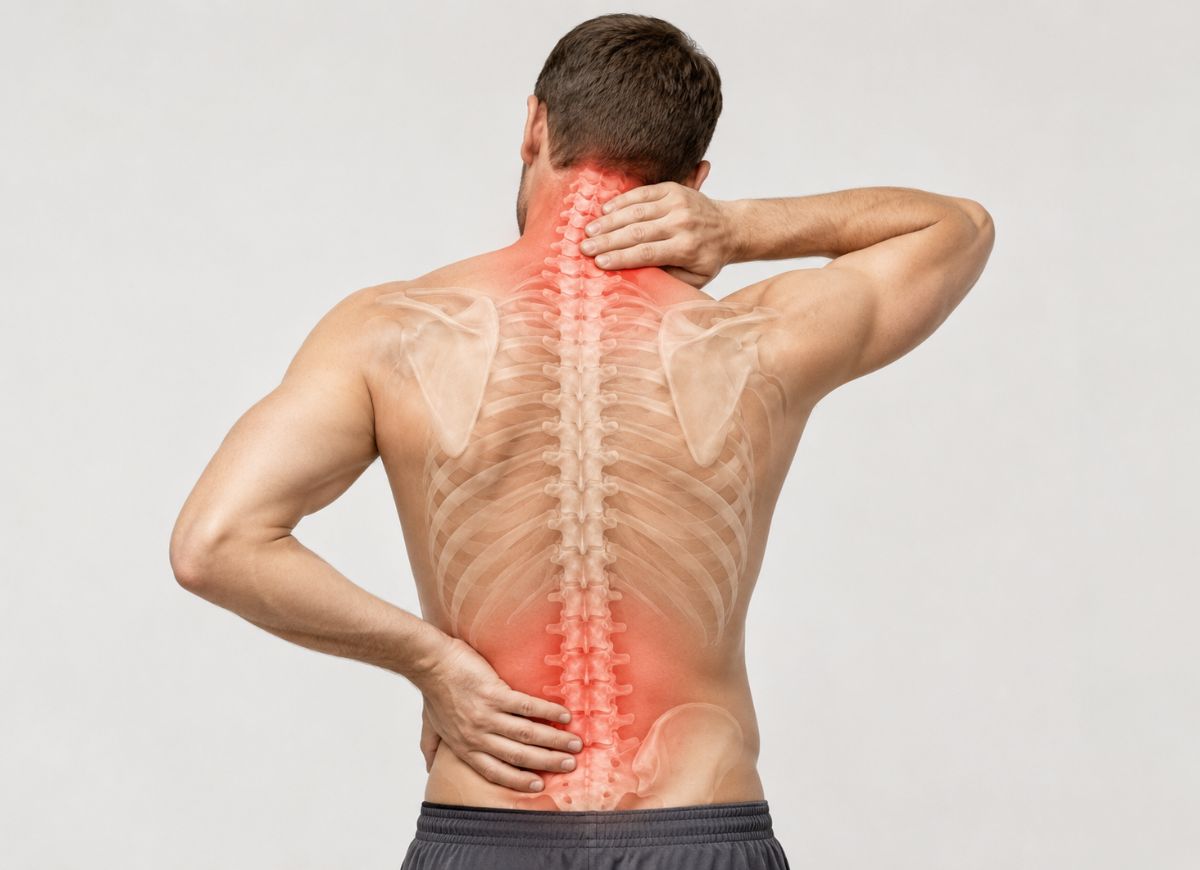
Pain from a pinched nerve does not always remain in the place where it begins. It might start as neck stiffness, a dull ache in the lower back, or a strange tingling sensation that travels down an arm or leg. At first, it may seem like a simple result of poor posture, sleeping awkwardly, sitting too long, or lifting something incorrectly. But when the sensation keeps coming back, spreads along a limb, or causes burning, numbness, weakness, or electric-like pain, a nerve problem may be involved.
This pattern can occur with radiculopathy. Radiculopathy develops when a nerve root near the spine becomes compressed, irritated, or inflamed. Depending on the affected nerve, symptoms can occur in the neck, shoulders, arms, hands, lower back, hips, legs, or feet.
For example, one person may experience sharp pain traveling from the neck into the arm, while another may have pain that starts in the lower back and moves through the buttock and leg. This is why radiculopathy can sometimes look like a muscle strain or ordinary back pain.
Radiculopathy is relatively common. Cervical radiculopathy, which affects nerve roots in the neck, has been reported at roughly 83 cases per 100,000 people each year. Sciatica, which is often associated with lumbar nerve-root irritation, is also common, with lifetime estimates ranging from about 10% to 40%.
The symptoms can be easy to overlook because they may resemble muscle pain, joint problems, or other nerve conditions. However, nerve-related symptoms often have a recognizable pattern. They may travel along a limb and cause tingling, numbness, burning, weakness, or sudden shooting sensations.
In this article, you will learn about 10 common radiculopathy symptoms, what causes a pinched nerve, how radiculopathy differs from neuropathy, and when medical evaluation may be needed.
What is Radiculopathy From a Pinched Nerve?
Radiculopathy is a condition that develops when a nerve root coming from the spine becomes compressed, irritated, or inflamed. This can lead to pain, numbness, tingling, or weakness along the area supplied by that nerve.
The term “pinched nerve” is often used to describe the same basic problem. However, radiculopathy specifically refers to symptoms caused by irritation or compression of a spinal nerve root.
Different Types of Radiculopathy
There are three main types of radiculopathy based on where the affected nerve root is located: cervical, thoracic, and lumbar radiculopathy.
Cervical radiculopathy affects nerve roots in the neck. It may develop because of a herniated disc, age-related changes in the spine, or narrowing around the nerve. Symptoms can travel from the neck into the shoulder, arm, hand, or fingers.
The exact symptoms depend on which nerve root is affected. For example, C6 nerve-root irritation can cause symptoms involving the thumb and index finger, while C7 involvement may affect the back of the arm and middle finger.
Thoracic radiculopathy affects nerve roots in the middle portion of the spine. It is less common than cervical or lumbar radiculopathy.
Because the thoracic nerves travel around the chest and abdomen, symptoms may feel like a band of pain, burning, or tingling around the torso. This unusual pattern can sometimes make the condition difficult to recognize.
Lumbar radiculopathy affects nerve roots in the lower back. It is commonly associated with herniated discs, spinal stenosis, and other degenerative changes.
Symptoms can travel from the lower back into the buttock, thigh, calf, or foot. When nerve roots that contribute to the sciatic nerve are involved, the symptoms are commonly described as sciatica.
The Effects of Nerve Compression
A compressed nerve root may not function normally. Pressure on the nerve can interfere with the transmission of signals between the spine, brain, and the muscles or skin supplied by that nerve.
This can produce several different sensations. When sensory signals are disrupted, a person may experience pain, tingling, or numbness. When motor signals are affected, weakness can develop in certain muscles.
A simple way to picture this is to imagine stepping on a garden hose. When the hose is compressed, water cannot flow through it normally. Similarly, pressure on a nerve can interfere with its normal signaling.
Inflammation can also contribute to symptoms. A herniated disc, for example, may irritate nearby nerve tissue and trigger an inflammatory response. This can make the nerve more sensitive and increase pain even when the physical pressure is not severe.
Long-lasting or significant compression may also affect the tiny blood vessels that supply the nerve. Reduced blood flow can interfere with normal nerve function and, in severe cases, contribute to lasting nerve damage.
10 Key Radiculopathy Symptoms
Sharp, Radiating Pain
One of the most recognizable signs of radiculopathy is pain that travels away from the spine.
Instead of remaining in one spot, the pain may feel sharp, shooting, electric, or burning. It often follows a fairly predictable path corresponding to the affected nerve root.
For example, cervical radiculopathy may cause pain from the neck into the shoulder and arm. Lumbar radiculopathy may send pain from the lower back or buttock into the leg or foot.
Numbness
Numbness occurs when normal sensory signals are disrupted. The affected area may feel dull, partially numb, or as though it has “fallen asleep.”
Numbness may remain constant or come and go. It can affect the arm, hand, leg, foot, or specific fingers and toes depending on which nerve root is involved.
Persistent or worsening numbness deserves medical attention, especially when it occurs together with weakness.
Tingling or “Pins and Needles” Sensation (Paresthesia)
Paresthesia is the medical term for abnormal sensations such as tingling, prickling, or pins and needles.
A compressed or irritated nerve can send abnormal signals to the brain, creating these unusual sensations. Tingling may be one of the first signs of nerve irritation and can occur before more noticeable numbness or weakness develops.
The sensation may be intermittent or may continue for long periods.
Burning Sensation
Nerve-related pain can sometimes feel hot, burning, or searing.
Unlike ordinary muscle soreness, burning pain may follow the path of a particular nerve. It can occur because irritated nerve fibers send abnormal pain signals to the brain.
The sensation may be mild in some people and intense in others. It can also occur alongside tingling, numbness, or shooting pain.
Hypersensitivity (Allodynia)
Some people with nerve irritation become unusually sensitive to touch. This is known as allodynia.
A sensation that normally would not hurt, such as clothing brushing against the skin or a bedsheet touching the affected area, may become uncomfortable or painful.
This type of sensitivity can occur when the nervous system becomes more reactive because of ongoing irritation.
Muscle Weakness
A compressed nerve root can affect the signals that control certain muscles. This can result in weakness in a specific part of the arm or leg.
For example, nerve-root problems in the neck can make lifting or extending the arm more difficult. Lumbar nerve compression can weaken the ankle or foot and, in some cases, cause foot drop.
People may describe the affected limb as heavy, weak, or unusually tired. New or worsening weakness should be evaluated promptly.
Loss of Reflexes
Certain reflexes depend on specific nerve roots. When a nerve root is irritated or damaged, the corresponding reflex may become weaker or disappear.
Doctors can check these reflexes during a neurological examination using a reflex hammer. A reduced biceps reflex, for example, can provide clues about certain cervical nerve roots, while a reduced Achilles reflex may point toward involvement of a lower spinal nerve root.
Changes in reflexes can help healthcare professionals determine which part of the nervous system may be affected.
Muscle Atrophy
Long-lasting nerve compression can sometimes cause the muscles supplied by the affected nerve to become smaller and weaker. This is called muscle atrophy.
Muscle wasting may become noticeable when one arm, hand, thigh, or calf looks smaller than the opposite side.
Atrophy can indicate more significant or prolonged nerve dysfunction, so visible muscle loss should be evaluated by a healthcare professional.
Positional Pain
Radiculopathy symptoms may change depending on body position or movement.
Certain positions can increase pressure around a nerve root, making pain, tingling, or numbness worse. Other positions may reduce pressure and provide temporary relief.
For example, some people with lumbar spinal stenosis experience more leg pain when standing or walking and feel better when sitting or leaning forward.
Because symptoms can change with movement, paying attention to which positions trigger or relieve them can provide useful information during a medical evaluation.
Sciatica
Sciatica describes a specific pattern of pain and other symptoms involving the sciatic nerve and the nerve roots that contribute to it.
Symptoms often begin in the lower back or buttock and travel down the back or side of the leg. Some people also experience numbness, tingling, or weakness in the leg or foot.
Sciatica is often related to lumbar nerve-root irritation, making it one of the most familiar examples of radicular pain.
What Causes a Radiculopathy?
Several conditions can narrow the spaces around spinal nerve roots and cause irritation or compression. Some of the most common causes include herniated discs, spinal stenosis, and bone spurs.
These problems may develop gradually as the spine changes with age, or they may appear more suddenly following an injury or disc herniation.
Herniated Disc
A herniated disc is one of the common causes of radiculopathy.
The discs between the vertebrae act as cushions and help the spine move. Each disc has a tough outer layer and a softer inner portion. If the outer layer develops a tear, part of the inner material can bulge or move outward.
When the displaced disc material presses against a nearby nerve root, it can cause pain, numbness, tingling, or weakness.
Disc herniation can also trigger inflammation around the nerve. This means symptoms may result from both physical pressure and irritation caused by inflammatory substances.
The location of the herniated disc determines which nerve root is affected and where the symptoms are felt.
Spinal Stenosis
Spinal stenosis occurs when spaces within the spine become narrower. The narrowing may affect the central spinal canal or the openings through which individual nerve roots leave the spine.
Age-related changes can contribute to spinal stenosis. Discs may lose height or bulge, joints can become enlarged from arthritis, ligaments may thicken, and bone spurs can develop.
When these changes reduce the available space around a nerve root, symptoms such as pain, numbness, and weakness may develop.
Lumbar spinal stenosis can also cause a pattern called neurogenic claudication. In this situation, leg discomfort or weakness may become worse with standing or walking and improve after sitting or leaning forward.
Bone Spurs (Osteophytes)
Bone spurs, also called osteophytes, are extra areas of bone that can develop around joints and vertebrae as part of age-related wear and tear.
They are often associated with arthritis and other degenerative changes in the spine. Although a bone spur may not cause symptoms on its own, it can become a problem if it grows into the space occupied by a nerve root.
A large bone spur can narrow the opening where a nerve exits the spine, potentially causing chronic irritation or compression.
Bone spurs may occur alongside disc degeneration and ligament changes, creating several sources of pressure around the same nerve.
The Difference Between Radiculopathy and Neuropathy
Radiculopathy and neuropathy can both cause pain, numbness, tingling, and weakness, but they involve different parts of the nervous system.
Radiculopathy occurs when a nerve root near the spine is irritated, compressed, or inflamed. Common causes include herniated discs, spinal stenosis, and bone spurs.
Because the problem occurs at a specific nerve root, symptoms often follow a recognizable pattern into a particular part of the arm, trunk, or leg.
Peripheral neuropathy, on the other hand, affects nerves outside the brain and spinal cord. It can result from conditions such as diabetes, vitamin deficiencies, certain autoimmune disorders, infections, medications, or exposure to toxins.
Peripheral neuropathy often affects both sides of the body and may produce a “stocking and glove” pattern, with symptoms beginning in the feet and hands.
The two conditions can sometimes produce similar symptoms, which is why a medical evaluation may be necessary to identify the underlying cause.
Radiculopathy Diagnosis
Diagnosing radiculopathy usually begins with a medical history and physical examination. A healthcare professional may assess muscle strength, sensation, reflexes, range of motion, and the pattern of pain.
Imaging may then be used to identify the structural problem affecting the nerve.
Magnetic Resonance Imaging (MRI) provides detailed images of soft tissues and is particularly useful for identifying herniated discs, nerve compression, spinal cord problems, and other abnormalities.
Computed Tomography (CT) scans provide detailed images of bones and can be useful for identifying bone spurs, narrowing, and other structural changes.
Doctors may also use electromyography (EMG) to examine the electrical activity of muscles. This can help determine whether a nerve supplying a particular muscle is functioning abnormally.
Nerve conduction studies (NCS) measure how electrical signals travel through nerves. When performed with an EMG, they can help distinguish radiculopathy from other types of nerve problems.
In certain situations, a CT scan may be combined with a myelogram. This involves injecting contrast material around the spinal cord and nerve roots so areas of compression can be seen more clearly.
Not everyone with suspected radiculopathy needs every test. The appropriate evaluation depends on the symptoms, examination findings, duration of the problem, and suspected cause.
Non-surgical Treatments for Radiculopathy
Many cases of radiculopathy can improve with conservative treatment. The goal is usually to reduce pain and inflammation, improve movement, and address factors contributing to nerve irritation.
Physical therapy is commonly used. A therapist may recommend exercises to improve strength, flexibility, posture, and spinal movement. The specific exercises depend on the location and cause of the radiculopathy.
Medications may also be used to manage symptoms. Depending on a person’s health and medical history, a healthcare professional may recommend anti-inflammatory medicines, pain relievers, muscle relaxants, or other medications.
Heat or cold therapy may provide temporary relief for some people. Adjusting activities that aggravate symptoms can also give an irritated nerve time to settle.
When symptoms remain severe despite conservative treatment, a doctor may consider an injection such as an epidural steroid injection. These injections are designed to reduce inflammation around an irritated nerve and may provide temporary pain relief.
In some cases, a selective nerve-root injection may be used both to help relieve symptoms and to determine whether a particular nerve root is responsible for the pain.
Surgery is not necessary for most people, but it may be considered when significant nerve compression causes persistent symptoms, progressive weakness, or other problems that do not respond adequately to nonsurgical treatment.
How to Prevent the Conditions that Cause Radiculopathy
Not every case of radiculopathy can be prevented. Age-related spinal changes and unexpected injuries, for example, cannot always be avoided. However, certain habits can reduce unnecessary stress on the spine.
Maintaining good posture and using proper ergonomics can help. When working at a desk, keep the screen at a comfortable height and use a chair that supports your back. Avoid staying in one position for long periods without taking movement breaks.
Regular physical activity can also help maintain strength and flexibility. Exercises that strengthen the core and supporting muscles may provide better support for the spine.
Safe lifting techniques are important as well. When lifting something heavy, bend through the knees and hips rather than repeatedly bending from the waist. Keep the object close to your body and avoid twisting while lifting.
Maintaining a healthy body weight may also reduce mechanical stress on the lower back.
Smoking is another factor worth considering. Nicotine can affect blood flow and may contribute to problems involving spinal discs and overall spine health.
These steps cannot guarantee that radiculopathy will never occur, but they can support healthier movement and reduce some factors that place additional stress on the spine.
FAQs
1. How serious is radiculopathy?
Radiculopathy can range from mild discomfort to symptoms that significantly interfere with daily activities. Many cases improve with conservative treatment, especially when the underlying nerve irritation is addressed.
Symptoms may include pain, numbness, tingling, burning, or weakness along the path of an affected nerve.
It becomes more concerning when symptoms continue to worsen, significant weakness develops, walking becomes difficult, or normal activities become increasingly difficult.
Loss of bladder or bowel control, numbness around the groin or inner thighs, severe or rapidly progressing weakness, or symptoms following a major injury require urgent medical attention.
2. What’s the difference between sciatica and radiculopathy?
Radiculopathy is the broader term for symptoms caused by irritation or compression of a spinal nerve root. It can occur in the neck, middle back, or lower back.
Sciatica refers specifically to symptoms involving the sciatic nerve and the nerve roots that contribute to it. It usually causes pain or other sensations from the lower back or buttock into the leg.
In simple terms, sciatica can be a form of lumbar radiculopathy, but radiculopathy can occur in areas other than the lower back.
3. Will radiculopathy go away on its own?
Sometimes. Many cases improve without surgery, particularly when the nerve irritation is related to a condition that settles with time and conservative treatment.
Resting briefly, modifying activities, improving posture, using appropriate medication, and participating in physical therapy may help.
However, symptoms that persist, worsen, or begin causing numbness or weakness should be evaluated. A healthcare professional can determine whether additional testing or treatment is necessary.
4. Can massage help radiculopathy?
Massage may help relieve muscle tension and provide temporary comfort, particularly when tight muscles are contributing to discomfort.
However, massage does not necessarily correct the underlying cause of nerve-root compression. If a herniated disc, spinal stenosis, or bone spur is irritating the nerve, the structural problem may require other forms of treatment.
Avoid aggressive massage that increases shooting pain, numbness, or weakness. Physical therapy may be more useful when the goal is to improve strength, mobility, posture, and movement patterns.
5. What not to do with radiculopathy?
Avoid forcing movements that trigger sharp, electric, burning, or shooting pain. Heavy lifting, sudden twisting, poor posture, and prolonged periods in one position may aggravate symptoms in some people.
At the same time, complete inactivity is usually not helpful. Staying in bed for long periods can increase stiffness and make it harder to return to normal movement.
Gentle activity and gradual movement are generally preferable, provided they do not worsen symptoms. If pain or neurological symptoms continue, seek medical advice rather than repeatedly pushing through them.
6. Can you live a normal life with radiculopathy?
Yes. Many people recover from radiculopathy and return to their normal routines.
The approach depends on the underlying cause and severity. Treatment may involve physical therapy, medication, activity adjustments, workplace changes, or other interventions.
Maintaining good posture, staying active, strengthening supporting muscles, and using safe lifting techniques can help protect the spine and reduce the likelihood of repeated problems.
Persistent weakness, numbness, or frequent flare-ups should be discussed with a healthcare professional.
7. How long does it take for radiculopathy to heal?
Recovery time varies considerably. Mild cases may improve over several days or weeks, while symptoms caused by a herniated disc or spinal narrowing may take longer.
Some people recover over several weeks, while others need treatment for a few months. The timeline depends on the cause, severity, duration of nerve compression, and overall health.
If symptoms are getting worse rather than better, particularly if weakness is developing, medical evaluation is important.
Conclusion
Radiculopathy can be difficult to recognize because the problem starts near the spine while the symptoms may appear much farther away. A pinched nerve in the neck can cause pain or tingling in the shoulder, arm, or hand. A compressed nerve in the lower back can send pain, numbness, or burning into the buttock, leg, or foot.
The traveling nature of these symptoms is one of the biggest clues that a nerve may be involved. Other warning signs include persistent tingling, numbness, burning sensations, muscle weakness, changes in reflexes, and pain that changes with certain positions.
Many cases can improve with conservative treatment, but symptoms should not be ignored when they continue, become worse, or affect strength and movement.
If your pain repeatedly shoots, burns, tingles, becomes numb, or travels along an arm or leg, it is worth having the cause evaluated. Recognizing the pattern early can help you receive appropriate treatment and protect normal nerve function.