
12 Common Causes of Excessive Gas and How to Manage It
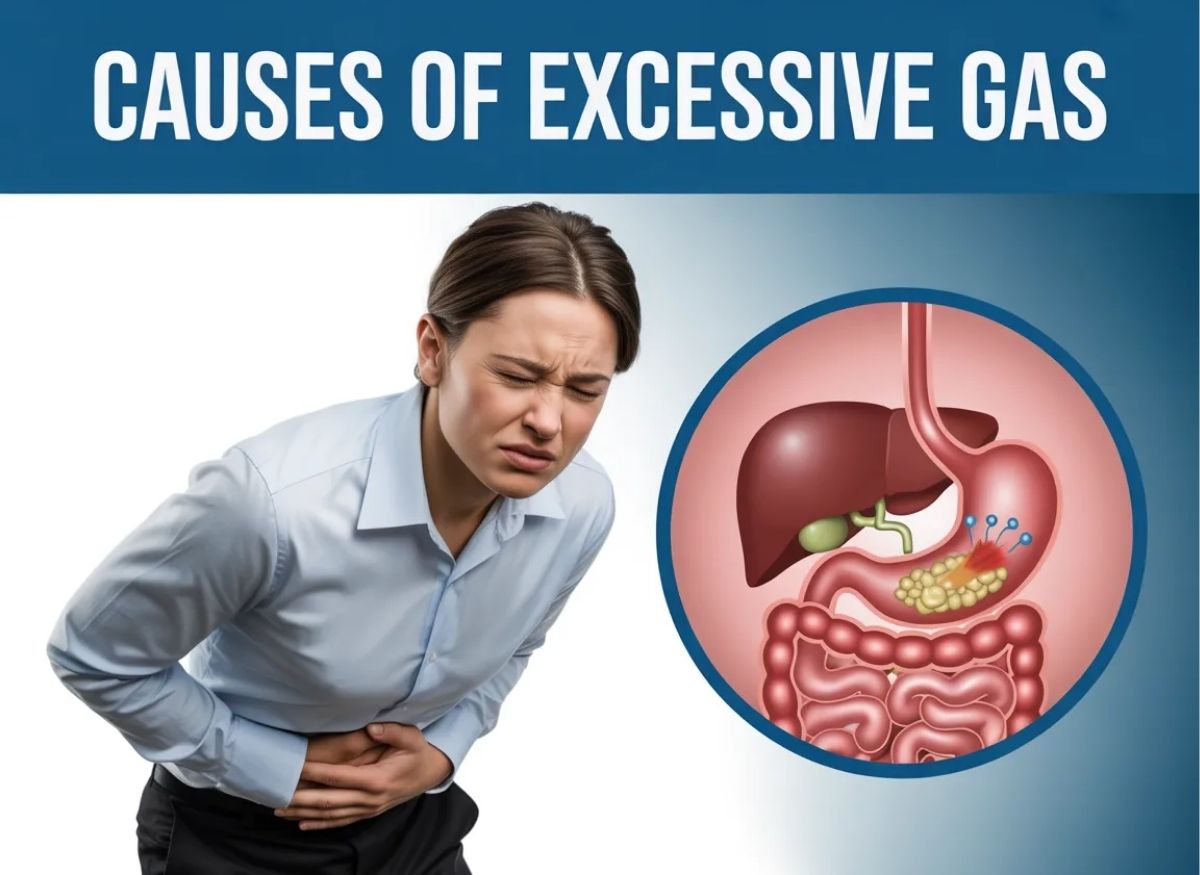
Do you frequently deal with bloating, abdominal discomfort, or embarrassment caused by excessive gas? If so, you’re far from alone. Occasional gas and bloating are normal digestive experiences, but when they become frequent or persistent, they can interfere with your comfort, confidence, and everyday activities. In some cases, ongoing excessive gas may also point to an underlying digestive problem.
Learning what causes excessive gas is an important first step toward reducing it. In this article, we’ll explore 12 common causes of excessive gas, including dietary choices, eating habits, lifestyle factors, and certain health conditions. Understanding your potential triggers can help you make practical changes and support better digestive health. Whether the solution involves adjusting your diet, changing everyday habits, or speaking with a healthcare professional, this guide can help you better understand why excessive gas occurs and what you can do about it.
The Common Causes of Excessive Gas and Bloating
Gas and bloating are common digestive complaints that can affect people on a regular basis. Although occasional bloating and flatulence are generally normal, symptoms that become frequent, severe, or long-lasting can cause considerable discomfort and embarrassment. Identifying the possible causes of excessive gas can make it easier to prevent and manage these symptoms.
Excessive gas may develop from swallowing too much air, eating foods that are naturally gas-producing, consuming carbonated drinks, or following certain eating habits. These factors can either introduce additional air into the digestive tract or increase the amount of gas created when intestinal bacteria break down food.
Understanding these triggers can help you make better dietary and lifestyle choices. Some causes can be addressed through straightforward habit changes, while others may require closer attention to specific foods or digestive conditions. Below are some of the most common contributors to excessive gas and bloating.
What Dietary Habits Lead to Gas and Bloating?
The way you eat can play a major role in gas and bloating. Some everyday habits increase the amount of air you swallow, a process known as aerophagia. Eating too quickly, chewing gum, drinking through a straw, and consuming fizzy beverages can all increase the amount of air entering the digestive system. Eventually, that air has to leave the body, either through belching or flatulence.
Here’s a closer look at several habits that can contribute to excessive gas and bloating:
- Eating Too Quickly: Rushing through meals often means taking larger bites and spending less time chewing. This can cause you to swallow more air while eating, potentially increasing gas and bloating. Slowing down, taking smaller bites, and chewing food thoroughly may help decrease the amount of air you swallow and make digestion more comfortable.
- Chewing Gum and Sucking on Hard Candy: Gum chewing and sucking on hard candies stimulate saliva production, which means you tend to swallow more frequently. Each swallow can bring a small amount of air into the digestive tract. Doing this regularly may contribute to ongoing gas and bloating. Reducing gum and hard-candy consumption may help minimize swallowed air.
- Drinking Through a Straw: Drinking through a straw can cause you to swallow additional air along with your beverage. The effect may be more noticeable when the drink is carbonated because the beverage itself already contains gas. Drinking directly from a glass may help reduce the amount of air entering your digestive system.
- Consuming Carbonated Beverages: Soft drinks, sparkling water, and beer contain carbon dioxide. When these beverages enter the stomach, the dissolved gas can be released, contributing to belching and feelings of bloating. Reducing carbonated drinks may help lessen these symptoms.
- High-FODMAP Foods: Some foods that are high in FODMAPs Fermentable Oligosaccharides, Disaccharides, Monosaccharides, and Polyols can cause significant gas and bloating in susceptible people. Examples include beans, lentils, onions, garlic, and certain fruits such as apples. Because FODMAPs are not completely absorbed in the small intestine, gut bacteria can ferment them in the large intestine and produce gas. People with persistent bloating may benefit from working with a healthcare professional to determine whether certain high-FODMAP foods are triggering their symptoms.
Foods Known to Cause Excessive Gas
Certain foods are more likely to produce gas because they contain carbohydrates that are difficult to digest or absorb completely. These include various fibers, starches, and FODMAPs. When these substances reach the large intestine without being fully digested, intestinal bacteria ferment them. Hydrogen, methane, and carbon dioxide can be produced during this process, resulting in flatulence and bloating.
Several food categories are particularly well known for contributing to gas.
Legumes (Beans, Lentils, Chickpeas)
Beans, lentils, chickpeas, and other legumes are common gas-producing foods. They contain carbohydrates such as raffinose and stachyose, which the human digestive system does not completely break down. When these carbohydrates reach the large intestine, gut bacteria ferment them, which can result in increased gas production.
Cruciferous Vegetables (Broccoli, Cauliflower, Cabbage, Brussels Sprouts)
Broccoli, cauliflower, cabbage, and Brussels sprouts contain fiber and raffinose, both of which can contribute to gas. Although these vegetables are highly nutritious, their carbohydrates are fermented by intestinal bacteria, potentially leading to bloating and flatulence. Some people are more sensitive to these effects than others.
Onions and Garlic
Onions and garlic belong to the allium family and contain fructans, which are a type of FODMAP. These carbohydrates may not be absorbed efficiently in the small intestine and can subsequently be fermented in the colon. This fermentation can lead to increased gas and bloating, particularly among people with sensitive digestive systems.
Whole Grains (Wheat, Oats, Barley)
Whole grains such as wheat, oats, and barley contain fiber and complex carbohydrates that may increase gas production as they are fermented in the large intestine. Some people may also experience digestive symptoms after eating wheat or barley because of gluten or other components. However, these grains can still be nutritious parts of the diet for many individuals.
Artificial Sweeteners and Sugar Alcohols
Sugar alcohols such as sorbitol, mannitol, xylitol, and erythritol are frequently used in sugar-free gum, candy, baked goods, and some protein products. Because these substances are not always completely absorbed in the small intestine, they can reach the colon and be fermented by gut bacteria. This may lead to gas and bloating. Some sugar alcohols can also draw water into the intestines, potentially causing loose stools or diarrhea.
Bacterial Fermentation and Gas Production
Much of the gas produced in the digestive tract comes from bacteria fermenting carbohydrates that were not fully digested or absorbed earlier in the digestive process. This is a normal part of digestion, but the amount of gas produced can differ from person to person depending on diet, gut bacteria, and individual digestive sensitivity. People with conditions such as Irritable Bowel Syndrome (IBS) may be particularly sensitive to the effects of intestinal gas.
Managing Excessive Gas
Although excessive gas can be uncomfortable, dietary adjustments may help control it. Consider reducing foods that consistently trigger your symptoms, paying attention to portion sizes, and keeping track of foods associated with bloating or flatulence. If symptoms continue, discussing them with a healthcare provider can help identify potential digestive conditions and determine an appropriate management plan.
Medical Conditions Causing Chronic Gas and Bloating
Persistent gas and bloating can sometimes be associated with medical conditions. Irritable Bowel Syndrome (IBS), food intolerances, and Small Intestinal Bacterial Overgrowth (SIBO) are among the conditions that may contribute to ongoing digestive symptoms.
Other possible causes include Celiac disease, gastroparesis, and certain forms of inflammatory bowel disease (IBD). Recognizing when excessive gas may be related to an underlying condition is important because proper diagnosis can help guide appropriate treatment.
What is the Link Between Irritable Bowel Syndrome (IBS) and Excessive Gas?
Excessive gas and abdominal bloating are common complaints among people with IBS. The relationship between IBS and these symptoms can involve changes in intestinal movement, increased sensitivity within the digestive tract, and interactions between the gut and brain.
Several factors may contribute to gas and bloating in people with IBS:
- Disordered Gut Motility: IBS can affect the way food and gas move through the digestive tract. Some people experience slower intestinal movement associated with constipation, while others may have irregular contractions. These changes can make gas feel trapped and contribute to bloating or abdominal discomfort.
- Visceral Hypersensitivity: People with IBS may have increased sensitivity to sensations within the digestive tract. As a result, normal amounts of gas or intestinal stretching may feel significantly more uncomfortable than they would to someone without this sensitivity.
- Altered Gut Microbiome and Fermentation: Research suggests that differences in the gut microbiome may play a role in IBS symptoms. Changes in how gut bacteria ferment carbohydrates, including FODMAPs, may increase gas production and contribute to bloating in some individuals.
The causes of gas and bloating in IBS are complex and can differ from one person to another. Managing dietary triggers, bowel habits, gut sensitivity, and other contributing factors may help reduce symptoms.
How Do Food Intolerances Like Lactose or Gluten Sensitivity Cause Excessive Gas?
Food intolerances can be another important source of excessive gas. When the digestive system cannot properly break down or absorb a particular food component, that substance may travel to the large intestine. Gut bacteria then ferment it, producing gas and potentially causing bloating and abdominal discomfort.
Food intolerances differ from food allergies because allergies involve an immune-system reaction, whereas intolerances generally involve problems with digestion or absorption.
Here’s how two common examples can contribute to gas:
Lactose Intolerance:
Lactose intolerance occurs when the body does not produce enough lactase, the enzyme needed to digest lactose, the natural sugar found in milk and many dairy products. When lactose is not properly digested, it reaches the colon, where bacteria ferment it and produce gas.
This can result in bloating, abdominal cramps, flatulence, and diarrhea. Symptoms may appear relatively soon after consuming dairy, although the timing and severity vary between individuals.
Non-Celiac Gluten Sensitivity (NCGS):
People with non-celiac gluten sensitivity may experience digestive symptoms after consuming foods containing gluten, which is found in wheat, barley, and rye. Possible symptoms include bloating, abdominal discomfort, gas, and changes in bowel habits.
The exact mechanism behind NCGS is not fully understood. It is also important to remember that wheat contains fructans, which are FODMAPs and can cause digestive symptoms independently of gluten. Therefore, symptoms after eating wheat do not necessarily mean that gluten itself is the trigger.
Could Small Intestinal Bacterial Overgrowth (SIBO) Be the Culprit?
Small Intestinal Bacterial Overgrowth (SIBO) may be another cause of persistent gas and bloating. SIBO occurs when excessive numbers of bacteria are present in the small intestine, where bacterial levels are normally much lower than in the colon. These bacteria can ferment carbohydrates earlier than expected, resulting in gas production.
Several features can occur with SIBO:
- Premature Fermentation: In a typical digestive process, much of the fermentation of undigested carbohydrates occurs in the large intestine. With SIBO, bacteria in the small intestine can ferment carbohydrates earlier, potentially producing increased amounts of hydrogen or methane.
- Rapid Onset of Bloating: The resulting gas can cause abdominal distension and bloating. Some people notice symptoms relatively soon after eating foods containing carbohydrates or fiber.
- Associated Symptoms: Depending on the underlying cause and severity, SIBO may also be associated with nutritional deficiencies, altered bowel movements, or problems absorbing certain nutrients. Some individuals may experience greasy or foul-smelling stools when fat absorption is affected. SIBO can be associated with various underlying conditions, including problems with intestinal movement or anatomy. Breath testing may be used as part of the evaluation for suspected SIBO.
Effective Strategies to Manage Excessive Gas and Bloating
Reducing excessive gas and bloating often involves a combination of dietary changes, healthier eating habits, lifestyle adjustments, and, when appropriate, over-the-counter products. The most effective approach depends on what is causing the symptoms.
Identifying individual triggers can help address both short-term discomfort and recurring digestive problems.
Here are several approaches that may help manage excessive gas and bloating:
What Dietary Changes Can Provide Immediate Relief?
Several dietary adjustments may help reduce gas and bloating during periods when symptoms are particularly bothersome. The general goal is to reduce foods that trigger excessive fermentation while supporting normal digestion.
Adopt a Temporary Low-FODMAP Diet
A temporary low-FODMAP approach may help some people who experience significant gas and bloating, particularly those with IBS. FODMAPs are short-chain carbohydrates that may be poorly absorbed and rapidly fermented by gut bacteria.
Foods high in FODMAPs include onions, garlic, wheat, beans, and certain fruits such as apples and mangoes. Lower-FODMAP alternatives can include foods such as rice, quinoa, carrots, spinach, and some citrus fruits.
A low-FODMAP diet is generally intended as a structured, temporary approach followed by gradual reintroduction of foods rather than permanent avoidance of a large number of foods. Working with a healthcare professional or registered dietitian can help ensure nutritional needs are met.
Increase Water Intake
Adequate hydration can support regular bowel movements and may help prevent constipation, which can make bloating and trapped gas worse. Water also supports normal digestive function. However, if carbonated water makes your symptoms worse, choosing still water may be preferable.
Consume Ginger or Peppermint Tea
Ginger and peppermint are traditionally used to ease digestive discomfort. Their potential antispasmodic effects may help relax parts of the digestive tract and make symptoms such as bloating or abdominal discomfort easier to manage. Drinking a warm cup of ginger or peppermint tea after a meal may be soothing for some people.
Practice Mindful Eating
Eating habits can influence how much air you swallow. Eating slowly, chewing food thoroughly, and avoiding rushed meals may help reduce aerophagia. Paying attention to your eating pace and limiting behaviors that cause frequent swallowing can be a simple way to reduce gas associated with swallowed air.
Over-the-Counter Remedies for Excessive Gas Relief
Several over-the-counter products are available for occasional gas and bloating. The most appropriate option depends on the underlying cause and the individual’s symptoms.
Simethicone
Simethicone is a common over-the-counter product used for gas-related discomfort. It works by changing the surface tension of gas bubbles in the digestive tract, allowing smaller bubbles to combine into larger ones that can be passed more easily.
Products containing simethicone include brands such as Gas-X, Phazyme, and Mylanta Gas. Simethicone acts locally within the digestive tract and is generally used to relieve symptoms rather than prevent the underlying cause of gas.
Activated Charcoal
Activated charcoal is sometimes marketed as a remedy for gas and bloating because it can bind certain substances in the digestive tract. However, evidence supporting its effectiveness for intestinal gas is mixed.
Activated charcoal can also interfere with the absorption of medications and other substances. Anyone considering it should discuss its use with a healthcare professional, particularly if they regularly take medications or supplements.
Digestive Enzymes
Digestive enzymes may be useful when gas is associated with difficulty digesting particular foods.
Alpha-galactosidase (e.g., Beano): This enzyme helps break down certain complex carbohydrates found in foods such as beans, legumes, and some vegetables. Taking it with a meal may reduce the amount of carbohydrate available for fermentation in the large intestine.
Lactase (e.g., Lactaid): People with lactose intolerance may benefit from lactase supplements when consuming dairy products. Lactase helps break down lactose, potentially reducing symptoms such as gas, bloating, and diarrhea.
Choosing an OTC remedy based on the specific cause of symptoms can be more useful than simply treating gas without identifying its trigger.
When Should Someone See a Doctor for Excessive Gas and Bloating?
It’s a good idea to speak with a healthcare provider when gas and bloating are persistent, severe, worsening, or accompanied by other concerning symptoms. Warning signs can include unexplained weight loss, significant abdominal pain, blood in the stool, or lasting changes in bowel habits.
Although occasional gas is a normal part of digestion, ongoing symptoms should not automatically be dismissed as a simple sensitive stomach. Seek medical advice if you experience any of the following:
- Severe or Persistent Abdominal Pain: Occasional mild discomfort can happen with gas, but severe, persistent, or unusual abdominal pain should be medically evaluated, particularly if it wakes you from sleep or continues to worsen.
- Unexplained Weight Loss: Losing weight without intentionally changing your diet or activity level can sometimes indicate an underlying health problem, including conditions that interfere with nutrient absorption.
- Blood in the Stool: Blood in the stool can have several causes, ranging from hemorrhoids to conditions affecting the digestive tract. Black, tarry stools or significant bleeding require prompt medical attention.
- Persistent Change in Bowel Habits: Ongoing diarrhea, constipation, or a noticeable change in stool frequency or consistency should be discussed with a healthcare professional, particularly when it continues for several weeks.
- Other Worrisome Symptoms: Persistent nausea or vomiting, fever, difficulty swallowing, or becoming full unusually quickly can also warrant medical evaluation. If gas and bloating continue despite dietary and lifestyle changes, a healthcare provider can assess possible causes such as IBS, food intolerances, SIBO, or Celiac disease.
Frequently Asked Questions (FAQs) About Causes of Excessive Gas
Can an imbalance in the gut microbiome lead to excessive gas?
Yes. Changes in the balance and activity of bacteria in the gut may contribute to increased gas production. Gut bacteria ferment carbohydrates that are not fully digested in the small intestine, producing gas as a normal byproduct. Changes in the microbiome may alter this process and contribute to bloating, discomfort, and flatulence in some people.
How does Irritable Bowel Syndrome (IBS) relate to excessive gas?
IBS commonly involves bloating and changes in bowel habits, and gas can be an important part of these symptoms. Changes in gut movement, intestinal sensitivity, and the way the gut processes food can make gas feel more uncomfortable. Symptoms may become more noticeable after certain foods or during periods of stress.
Can consuming artificial sweeteners contribute to excessive gas?
Yes. Sugar alcohols such as sorbitol, mannitol, and xylitol can contribute to gas and bloating because they are not completely absorbed in the small intestine. When they reach the colon, bacteria can ferment them, producing gas. Some can also draw water into the intestines and cause diarrhea.
Do high-protein diets lead to excessive gas production?
A high-protein diet may contribute to unpleasant-smelling flatulence in some people, depending on the foods consumed and overall diet. Certain protein-rich foods contain sulfur-containing compounds that can contribute to the odor of intestinal gas. Dietary changes associated with high-protein diets, such as increased intake of certain vegetables, dairy products, or protein supplements, may also influence digestive symptoms.
Can stress and anxiety be linked to excessive gas production?
Stress can affect digestive function through the connection between the brain and gastrointestinal tract. It may influence intestinal movement and increase awareness of digestive sensations. For people with IBS or other digestive sensitivities, periods of stress may make bloating, abdominal discomfort, and gas feel more pronounced.
How does lactose intolerance contribute to excessive gas?
Lactose intolerance occurs when the body does not produce enough lactase to properly digest lactose. Undigested lactose reaches the large intestine, where bacteria ferment it and produce gas. This can lead to bloating, abdominal cramps, flatulence, and diarrhea after consuming dairy products.
Are FODMAPs a major cause of excessive gas?
FODMAPs can be an important trigger for gas and bloating, especially in people with IBS or other digestive sensitivities. These short-chain carbohydrates are not always fully absorbed in the small intestine and can be rapidly fermented by bacteria in the colon. Foods such as beans, onions, and some fruits are high in FODMAPs. A structured low-FODMAP approach may help identify individual triggers.
Can Small Intestinal Bacterial Overgrowth (SIBO) cause excessive gas?
Yes. SIBO involves an increased amount of bacteria in the small intestine, where they can ferment carbohydrates earlier than usual. This may increase hydrogen or methane production and lead to symptoms such as bloating, abdominal discomfort, and changes in bowel habits.
Can food allergies be a hidden cause of excessive gas?
Food allergies can sometimes cause gastrointestinal symptoms, including abdominal discomfort and bloating, as part of an immune-mediated reaction. However, food allergies are different from food intolerances, and excessive gas alone is not enough to determine that an allergy is responsible. Other symptoms may occur depending on the type and severity of the allergic reaction.
Can medications or supplements be the cause of excessive gas?
Yes. Some medications and supplements can contribute to gas or bloating. Antibiotics, for example, can alter the gut microbiome, while certain fiber supplements and products containing sugar alcohols may increase gas. Some medications can also affect digestion or bowel movements. If symptoms begin after starting a new medication or supplement, discuss the issue with a healthcare professional before stopping the product.
Conclusion
Understanding the possible causes of excessive gas can make it easier to identify your personal triggers and take steps toward better digestive comfort. Dietary choices, eating habits, food intolerances, gut conditions, and other health factors can all contribute to gas and bloating.
For many people, simple changes such as eating more slowly, reducing known trigger foods, staying hydrated, and paying attention to portion sizes can make a difference. However, persistent, severe, or unusual symptoms should not be ignored.
If excessive gas continues despite lifestyle and dietary adjustments, consider speaking with a healthcare professional. Identifying an underlying condition can help you receive the appropriate care and develop a more effective strategy for managing your symptoms. With the right approach, it is possible to reduce digestive discomfort and feel more comfortable in everyday life.
Disclaimer
This article is intended solely for general informational and educational purposes. It provides an overview of excessive gas, bloating, and related digestive concerns based on generally accepted health information. It should not be used as a replacement for professional medical advice, diagnosis, or treatment.
We are not medical professionals, and the information provided cannot account for every individual’s health history or circumstances. Gas, bloating, and abdominal discomfort can have many different causes, and determining the underlying reason may require evaluation by a qualified healthcare professional.
If your symptoms are persistent, severe, worsening, or accompanied by concerning signs, consult a licensed healthcare provider. A medical professional can evaluate your symptoms, determine whether further testing is appropriate, and recommend treatment based on your individual needs.
Always speak with a doctor or qualified healthcare specialist before making significant decisions about your health or attempting to treat ongoing symptoms yourself.