15 Foods to Help Dissolve and Prevent Blood Clots
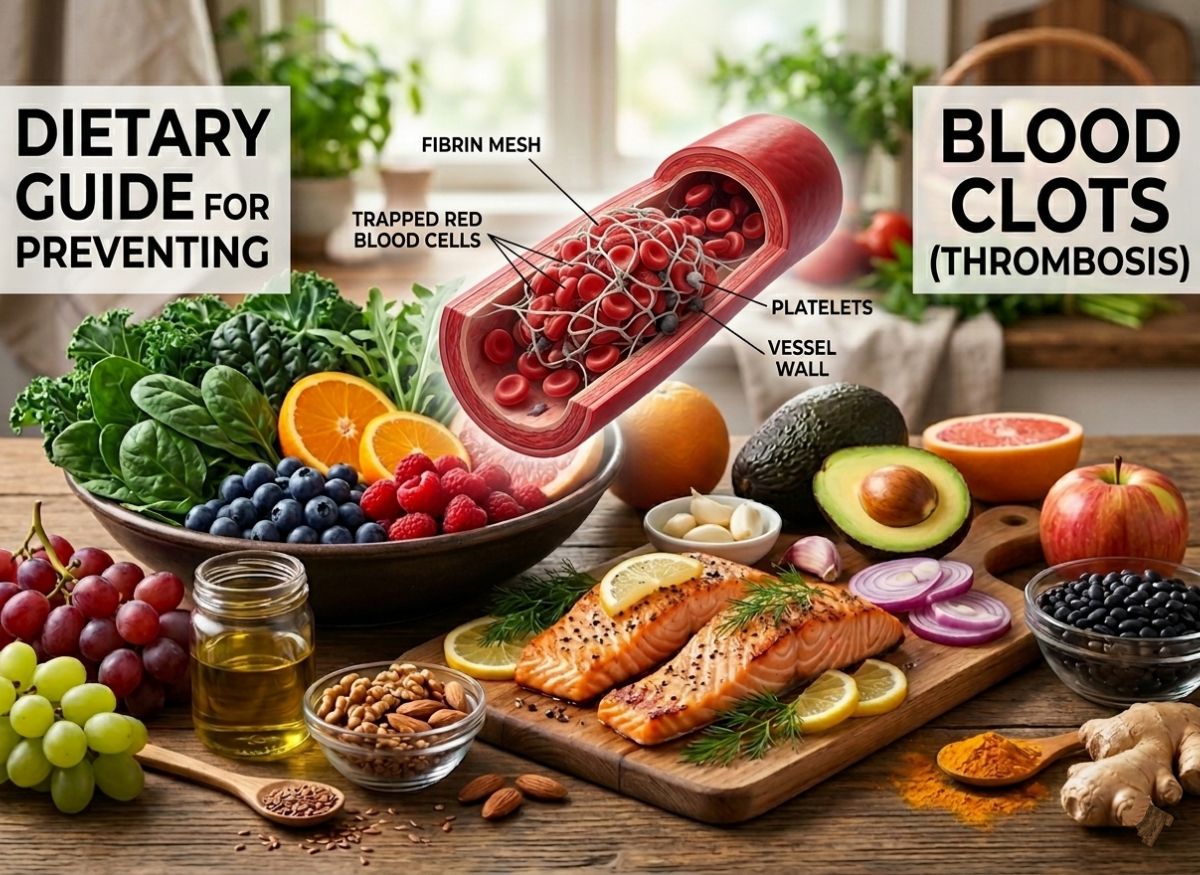
Clotting is one of the body’s built-in protections, a way to seal a wound and stop bleeding after an injury. But a clot that forms in the wrong place, or one that won’t break down as it should, can become dangerous. If it travels through the bloodstream and lodges in a critical vessel, it can cause deep vein thrombosis, pulmonary embolism, a heart attack, or a stroke. A process meant to protect you can turn life-threatening very quickly.
Clots are particularly worrying because they often form without any sign. The first hint may be a swollen leg, chest pain, trouble breathing, or even a sudden collapse, and by then the situation may already be an emergency. That is why prevention matters as much as treatment.
Blood thinners and similar medications are central to managing clotting disorders, but many people also want to support their health through everyday habits. What you eat can affect how smoothly your blood flows, how your body handles inflammation, and how readily clots form or dissolve.
Some foods contain natural compounds that support circulation and may lower the chance of abnormal clotting. They are not a substitute for medical care, but they can be a useful part of a wider prevention plan. Below are 15 foods that may help prevent and break down clots, how each one works in the body, and how to use them safely.
15 Foods That May Help Prevent and Dissolve Blood Clots
1. Ginger.
Ginger’s main active compound, gingerol, has strong anti-inflammatory and anticoagulant effects. It limits the production of thromboxane, a lipid that makes platelets clump together, which is an early step in clotting. With less platelet clumping, the blood becomes less sticky and flows more easily. Research suggests that regular ginger intake modestly affects platelet function, in a way similar to low-dose aspirin.
2. Turmeric.
This golden spice contains curcumin, a polyphenol known for its anti-inflammatory and anticoagulant activity. Curcumin acts on several points of the clotting cascade and has been shown to inhibit thrombin and Factor Xa, two important clotting factors. It also shields the endothelium, the inner lining of blood vessels, from damage that often precedes clot formation. Together, reduced inflammation and direct interference with clotting proteins give curcumin a two-pronged protective effect.
3. Cayenne pepper.
Cayenne gets its heat from capsaicin, which benefits circulation by widening blood vessels, improving flow and lowering blood pressure. It also has fibrinolytic properties, meaning it helps the body break down fibrin, the protein mesh that gives a clot its structure. That makes it useful for prevention and possibly for clearing small existing clots, and a worthwhile addition to a heart-friendly diet.
4. Cinnamon.
Cinnamon contains coumarin, a compound related to the prescription anticoagulant warfarin (Coumadin). Coumarin interferes with how the body uses vitamin K, a nutrient the liver needs to make several clotting factors. The amount in cinnamon is far lower than in the drug, but regular use, especially of the Cassia variety, may add a mild blood-thinning effect. People already taking blood thinners should limit cinnamon and check with their healthcare provider.
5. Pineapple.
Pineapple is the unique dietary source of bromelain, a blend of protein-digesting enzymes. Bromelain has shown notable fibrinolytic activity, breaking down the insoluble fibrin that forms a clot’s framework. This may help clear small clots and keep larger ones from forming. It also has strong anti-inflammatory effects and can reduce platelet clumping. Fresh pineapple or its juice delivers this enzyme and supports better blood flow.
6. Grapes.
Grape skins and seeds are rich in resveratrol, a polyphenol with strong heart-protective effects. It has been widely studied for its ability to stop platelets from clumping into an initial clot. It also boosts nitric oxide production, which relaxes and widens blood vessels, easing circulation and lowering blood pressure. Its antioxidant and anti-inflammatory action helps guard the artery lining against the damage that leads to atherosclerosis and thrombosis.
7. Berries.
Strawberries, blueberries, raspberries, and cranberries contain anthocyanins, the flavonoids behind their red, blue, and purple colors. These are potent antioxidants and anti-inflammatory agents. They protect vessel walls from oxidative stress and inflammation, making plaque and lesions, the places where clots take hold, less likely to develop. Flavonoids have also been shown to calm overactive platelets. Eating a variety of berries helps strengthen the vascular system against the conditions that lead to clotting.
8. Fatty fish (salmon, mackerel, herring, sardines).
These fish are the richest dietary sources of the long-chain omega-3 fats EPA and DHA, which have strong antithrombotic effects. They become part of platelet membranes, making platelets less sticky and less likely to clump. EPA and DHA also reduce the liver’s output of fibrinogen, a key clotting protein, and lower other inflammatory molecules that can set off clotting. With less reactive platelets and fewer clotting factors, blood flows more freely and is less prone to dangerous clots.
9. Extra virgin olive oil.
A cornerstone of the Mediterranean diet, extra virgin olive oil is rich in monounsaturated fat and polyphenols such as oleocanthal and oleuropein, which give it anticoagulant and anti-inflammatory properties. Oleocanthal has anti-inflammatory action comparable to ibuprofen, which can help calm inflammation in the arteries. The polyphenols also discourage platelet clumping and improve endothelial function. A healthy endothelium produces nitric oxide, which keeps vessels relaxed and open and helps prevent the conditions that encourage plaque and clots. Cold-pressed, high-quality oil contains the most of these compounds.
10. Garlic.
Garlic’s medicinal reputation comes largely from allicin, a sulfur compound released when cloves are crushed or chopped. Allicin and related compounds have well-documented antithrombotic effects: they reduce platelet clumping, which stops clots from starting, and they have fibrinolytic activity that improves the body’s ability to break down existing ones. Regular garlic intake is also linked to lower blood pressure and less arterial stiffness.
11. Onions.
Like garlic, onions are rich in helpful compounds, especially the flavonoid quercetin. This antioxidant and anti-inflammatory agent helps stop the oxidation of LDL (“bad”) cholesterol, a key step in atherosclerosis. By limiting plaque buildup, quercetin keeps artery walls smooth, where clots are less likely to form. It also has mild antiplatelet effects that support healthy flow.
12. Natto.
This traditional Japanese dish of fermented soybeans is the richest dietary source of nattokinase, an enzyme with strong fibrinolytic power that directly dissolves the fibrin holding clots together. It is potent enough to be sold as a cardiovascular supplement. Studies suggest it can break down existing clots and improve circulation by reducing blood viscosity.
13. Dark chocolate.
Good-quality dark chocolate (70% cocoa or higher) is rich in flavanols, polyphenols that benefit circulation. Cocoa flavanols prompt the endothelium to produce nitric oxide, which relaxes and widens blood vessels, improving flow and lowering blood pressure. They can also reduce platelet stickiness, further lowering clot risk.
14. Leafy greens.
Spinach, kale, and arugula are high in dietary nitrates, which the body converts into nitric oxide, a powerful vessel-widening molecule. Higher nitric oxide improves circulation and eases the heart’s workload. These greens are also high in vitamin K, which promotes clotting, so people taking warfarin should keep their intake steady rather than avoid them.
15. Green tea.
Green tea is full of antioxidant catechins, the most potent being EGCG. Catechins help prevent clots by limiting platelet clumping and reducing the inflammation and oxidative stress that damage artery walls. Regular drinking is associated with better endothelial function and a lower risk of cardiovascular disease.
The Role of Diet in Preventing Blood Clots
Diet is a central, proactive tool for preventing clots. It supplies natural anticoagulants, lowers inflammation throughout the body, supports heart and vessel health, and, together with good hydration, helps keep blood fluid and discourages excess clotting. A balanced diet rich in particular fruits, vegetables, spices, and healthy fats can influence the biochemical pathways involved in clotting, creating an internal environment less prone to thrombosis, the formation of a clot inside a blood vessel.
By affecting platelet stickiness, blood thickness, and the health of the vessel lining, your food choices directly influence your risk of serious conditions such as deep vein thrombosis (DVT), pulmonary embolism, heart attack, and stroke. Drugs usually target a single pathway, whereas a therapeutic diet offers a blend of compounds that work together to protect the whole circulatory system.
Natural Anticoagulants in Food
Natural anticoagulants are bioactive compounds, including salicylates, omega-3 fatty acids, vitamin E, and various polyphenols, that interfere with the clotting process, reduce platelet clumping, and make blood less likely to form unwanted clots. They are found in many plant foods, herbs, spices, and fatty fish, and they work through different mechanisms that resemble, on a gentler scale, the effects of anticoagulant drugs.
Eating these foods regularly can nudge the body toward a healthier clotting balance, discouraging thrombi without removing its essential ability to clot after an injury. They support cardiovascular health by helping keep blood moving and reducing the risk of blocked arteries and veins. They work in several main ways:
- Salicylates: These plant chemicals resemble acetylsalicylic acid, the active ingredient in aspirin. They block production of thromboxane A2, the signal that tells platelets to clump, which makes platelets less sticky. Rich sources include many berries, grapes, cherries, and spices such as cayenne, cinnamon, and turmeric.
- Omega-3 fatty acids: Found in fatty fish like salmon and mackerel, and in flaxseeds and walnuts, these fats make platelet membranes more fluid and less reactive, so platelets clump less readily. They also lower fibrinogen, the soluble blood protein that is converted into the insoluble fibrin mesh of a clot.
- Vitamin E: This fat-soluble vitamin, found in almonds, sunflower seeds, and spinach, limits platelet clumping and also acts as a vitamin K antagonist, interfering with vitamin K-dependent clotting factors. This double action helps thin the blood and curb excessive clotting.
- Polyphenols and flavonoids: Found in dark chocolate, green tea, onions, and grapes, these plant compounds work mainly through antioxidant and anti-inflammatory effects. They protect the lining of blood vessels, a common trigger for clots, and support vessel function by boosting nitric oxide, which keeps vessels open and flow smooth.
Hydration and Clot Risk
Hydration has a direct effect on clot risk. When you are dehydrated, blood becomes thicker and more viscous, total blood volume falls, and the heart has to work harder to circulate it, all of which raise the chance of clotting. As plasma, the liquid part of blood, decreases, red blood cells, platelets, and clotting factors become more concentrated.
This state, called hemoconcentration, makes the blood thicker and more sluggish. Slow flow is a major risk factor for thrombosis, especially DVT in the legs, because platelets and clotting factors have more time to interact and clump, particularly where circulation is already compromised, such as during long periods of sitting still. Dehydration raises clot risk in several ways:
- Higher blood viscosity: Blood is roughly 92% water, so losing body water makes it thicker and less fluid. Think of pushing syrup through a narrow straw versus water: thicker fluid needs more pressure and moves more slowly. That makes cells more likely to clump into a clot.
- Slower flow (stasis): Dehydration lowers blood volume, and the body may narrow its vessels to hold blood pressure steady. Thicker blood in narrower vessels means slower circulation, or stasis, one of the three parts of Virchow’s triad, the classic theory of thrombosis (the others being endothelial injury and hypercoagulability).
- Endothelial dysfunction: Chronic or severe dehydration stresses the cardiovascular system and may impair the endothelium. A healthy lining releases substances that prevent clotting, but a damaged one can become a surface that encourages it.
- Higher clotting factor concentration: With less water in the blood, pro-clotting substances such as fibrinogen become more concentrated, creating a state of hypercoagulability in which blood clots more easily.
For these reasons, drinking plenty of water through the day is one of the simplest and most effective ways to support healthy blood flow and avoid the dangers of thick, slow-moving blood.
Other Factors in Managing Blood Clots
Beyond diet, managing clot risk well means understanding medication interactions, knowing lifestyle risks, and recognizing warning signs. Foods with natural anticoagulant properties are never a substitute for prescribed treatment, and they need to be balanced with other dietary and lifestyle considerations to stay safe and effective.
Food-Based Anticoagulants vs. Prescription Medications
The difference in strength and mechanism between food compounds and pharmaceutical anticoagulants is enormous. Drugs such as warfarin (Coumadin), Eliquis (apixaban), and Xarelto (rivaroxaban) are concentrated, rigorously tested, and built to act on specific steps of the clotting cascade. Warfarin, for example, works by blocking vitamin K, which is needed to make several clotting factors.
Newer direct oral anticoagulants (DOACs) like Eliquis directly inhibit specific enzymes, such as Factor Xa, that are pivotal to clot formation. This targeted action gives the predictable, potent effect needed to treat active clots or protect high-risk people. By contrast, garlic, turmeric, and ginger have much milder effects. Compounds like allicin and curcumin may reduce platelet clumping or have weak clot-dissolving activity.
However, the amount of active compound varies widely from one food to the next, making the effects inconsistent and unreliable for treatment. These foods should be seen as supportive parts of a heart-healthy diet, not a primary therapy. Above all, never replace prescribed medication with supplements or foods without explicit guidance from a healthcare professional.
- Potency and reliability: Medications deliver a standardized dose with consistent blood thinning that a doctor can monitor and adjust. The effects of food are subtle and can’t be reliably measured or controlled for a serious condition.
- Risk of interaction: Eating large amounts of foods with anticoagulant properties while on prescription blood thinners may raise the risk of dangerous bleeding by pushing the drug’s effect beyond its intended range.
- Medical supervision: Managing clots is a precise medical task. A physician weighs a patient’s whole health picture, including genetics, other conditions, and lifestyle, before choosing a drug and dose. Treating yourself with diet alone skips that oversight and can have life-threatening consequences.
Caution with Vitamin K-Rich Foods
Vitamin K is essential to the body’s ability to clot, which is vital for healing wounds. The liver uses it to make several clotting factors. When a vessel is injured, these factors are activated in a chain reaction, the coagulation cascade, that ends in a stable fibrin clot that stops the bleeding.
For people taking warfarin, which works by counteracting vitamin K, managing vitamin K intake is critical. Big swings in vitamin K can upset the drug’s delicate balance, making it too weak (raising clot risk) or too strong (raising bleeding risk). The goal is not to avoid vitamin K but to keep daily intake consistent.
Foods particularly high in vitamin K include dark leafy greens such as kale, spinach, collard greens, and turnip greens, as well as Brussels sprouts, broccoli, parsley, and asparagus. For warfarin users, a stable INR (International Normalized Ratio), the measure of how long blood takes to clot, depends heavily on eating consistently.
- Consistency over avoidance: Aim to eat about the same amount of vitamin K-rich food each day. Suddenly eating a large spinach salad after weeks without it can lower the INR and weaken the medication’s effect.
- Patient education: Patients should work with their doctor or a registered dietitian to learn which foods are high in vitamin K and build a meal plan that includes them steadily and predictably.
- Reading labels: Some supplements, meal replacement shakes, and multivitamins contain vitamin K. Always read labels and tell your provider about every supplement you take to avoid unintended interactions.
Lifestyle Factors
Diet is an important part of cardiovascular health, but several lifestyle factors can sharply raise the risk of dangerous clots, particularly DVT and pulmonary embolism (PE). One of the biggest is prolonged immobility. When you stay sedentary for long stretches, such as on long flights, extended car rides, during bed rest after surgery, or at a desk job, blood flow in the deep leg veins can slow. That stasis lets clotting factors build up and form a thrombus.
Smoking is another major contributor. Toxic chemicals in tobacco smoke damage the endothelium, leaving a rough surface where platelets are more likely to stick and start a clot. Smoking also makes blood thicker and stickier, raising risk further. Obesity is a well-established risk factor too, since extra body weight puts pressure on the veins of the pelvis and legs and can slow blood returning to the heart.
In addition, fat tissue produces inflammatory cytokines that push the body toward a pro-clotting state. A whole-person approach to prevention addresses these lifestyle risks alongside a healthy diet.
- Staying active: Move regularly, stretch, and take walking breaks during long periods of sitting. Simple exercises like ankle pumps and leg lifts help stimulate circulation in the lower legs.
- Hydration: Dehydration thickens the blood and makes clotting more likely. Drinking enough fluid, mainly water, supports good flow.
- Managing other conditions: Cancer, heart failure, and inflammatory bowel disease are linked with a higher clot risk. Managing them well with your healthcare provider is a key part of prevention.
Warning Signs of a Dangerous Blood Clot
Recognizing the warning signs of a dangerous clot is critical, because prompt treatment can save lives. Symptoms depend on where the clot is. A clot in a deep vein, usually in the leg, is called deep vein thrombosis (DVT). Its signs typically appear in just one limb and may develop gradually. Key symptoms include swelling in the affected leg or arm, pain or tenderness often described as a deep cramp or charley horse, skin that feels warm to the touch, and red or bluish discoloration.
Some people with DVT have no symptoms at all, which makes knowing your risk factors even more important. The most serious danger is that a piece of the clot breaks off, travels through the bloodstream, and lodges in a lung artery. This blockage, called a pulmonary embolism (PE), is a medical emergency that needs immediate attention.
If you or someone else has symptoms of a PE, call emergency services right away. The signs are often sudden and severe:
- Sudden shortness of breath: The most common PE symptom, appearing for no apparent reason.
- Sharp chest pain: Often stabbing, and it may get worse when you breathe deeply, cough, or bend over.
- Rapid or irregular heartbeat: The heart may race as it struggles to push blood through blocked lung arteries.
- Other critical signs: Coughing up blood or bloody mucus, lightheadedness or dizziness, fainting, and heavy sweating. Fast diagnosis and treatment are essential to prevent severe complications or death.
FAQs
1. How can I lower my clot risk naturally?
Naturally lowering clot risk centers on improving circulation and reducing inflammation. Staying physically active is one of the most effective steps, since movement keeps blood from pooling in the legs. A balanced diet rich in omega-3s, antioxidants, and fiber supports healthy flow, and foods like fatty fish, leafy greens, berries, and nuts can help regulate clotting factors. Staying hydrated, avoiding long periods of sitting, and keeping a healthy weight also help. These habits support prevention, but they should complement medical advice, not replace it, if you are at risk.
2. What can I drink to help prevent clots?
Some drinks may support circulation and lower clotting risk. Water matters most, because dehydration thickens blood. Green tea, ginger tea, and turmeric drinks contain compounds that may reduce inflammation and support blood flow, and antioxidant-rich drinks such as pomegranate juice may also help. Use them with care if you take blood thinners, as interactions can occur.
3. What are the first signs of a blood clot?
Early signs depend on where the clot forms. In the legs, symptoms may include swelling, warmth, redness, and pain, often in one leg. If a clot reaches the lungs, it can cause sudden shortness of breath, chest pain, a rapid heartbeat, or coughing. These symptoms can come on fast and should never be ignored.
4. Where do blood clots usually start?
Most begin in the deep veins of the legs, a condition called deep vein thrombosis (DVT). From there they can travel to the lungs and cause a pulmonary embolism. Clots can also form in arteries, particularly in the heart or brain, leading to heart attacks or strokes.
Conclusion
Blood clots can develop silently, yet their consequences can be severe and even fatal, which is why prevention matters so much. Medical treatment remains essential for people at risk, but daily choices, especially what you eat, can meaningfully support healthy circulation. Foods that reduce inflammation and improve blood flow are a simple but powerful way to protect your health over time. They aren’t quick fixes, but they build a foundation that supports your body day after day.
Awareness is the first step. Once you understand how clots form and how lifestyle affects that process, you have more control over your long-term health. Small changes, made consistently, can build lasting protection and help you move forward with more confidence.