
Diabetes: A Detailed Guide to Causes, Symptoms, Mechanisms, and Long-Term Management
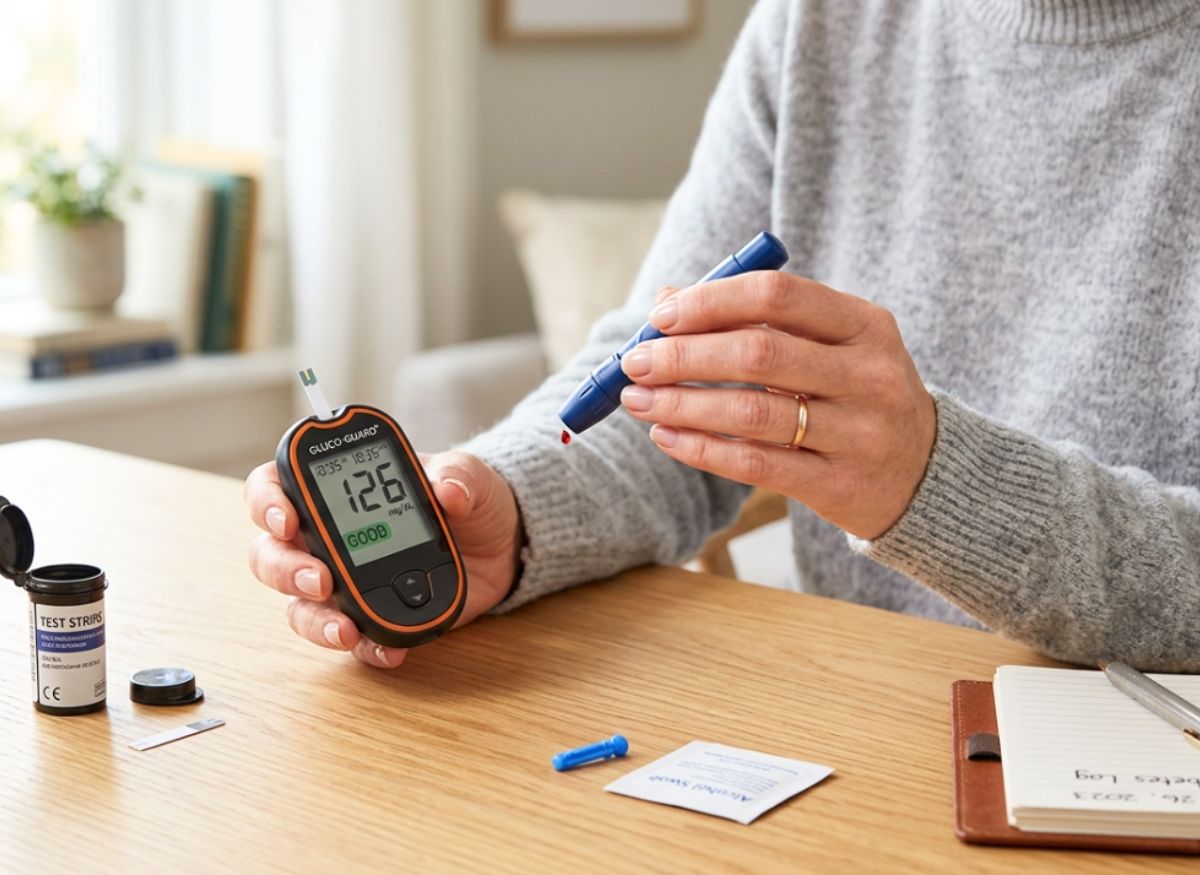
Diabetes is far more than high blood sugar. It is a long-term, complex disorder that changes how your body makes, uses, and stores energy, and it is spreading fast. The International Diabetes Federation reported that about 537 million people worldwide were living with diabetes in 2021.
Even so, many people don’t fully understand how diabetes develops, why it causes the symptoms it does, or what it does to the body over the years. This guide gives you a clear, detailed overview of diabetes mellitus: how it works, what causes it, which symptoms to watch for, and how it is managed long term. With that knowledge, you can make better decisions about prevention, early detection, and your overall health.
What Is Diabetes?
The scientific name for diabetes is diabetes mellitus. It is a group of chronic metabolic conditions in which the body can’t properly regulate blood glucose (blood sugar). Glucose is essential for life because it fuels your brain, muscles, and most other cells. But glucose has to move from the bloodstream into the cells to be used, and that step is controlled by insulin, a hormone made by the pancreas.
The name itself comes from Greek and Latin roots meaning “a siphon” and “honey-sweet.” It reflects two classic signs noticed long ago: excessive urination (polyuria) and sugar in the urine (glycosuria). The Greek “diabetes” means to pass through, describing the large volumes of urine produced when the condition is uncontrolled. “Mellitus” was added in the 17th century, when physicians found that the urine of people with diabetes tasted sweet because of its high glucose content. Together, the words describe a body that can’t hold on to its sugar and siphons it out instead.
At its core, diabetes is a breakdown in energy metabolism. Here are the key points:
- It is chronic. Diabetes is not a passing illness. It needs ongoing medical care and daily self-management to prevent acute complications and limit long-term damage. It affects how your body turns carbohydrates, fats, and proteins into usable energy.
- Energy conversion fails. Normally, your digestive system breaks carbohydrates down into glucose, which enters the blood and raises blood sugar. This signals the pancreas to release insulin, which works like a key that lets glucose into cells to be used as fuel. In diabetes this process is disrupted, so glucose builds up in the blood instead of feeding the cells.
- It affects the whole body. Persistently high blood sugar (hyperglycemia) acts like a slow poison. Over time it damages small and large blood vessels everywhere, harming the eyes (retinopathy), kidneys (nephropathy), and nerves (neuropathy). It also greatly raises the risk of heart disease, stroke, and poor circulation that can lead to amputations.
Diabetes Is Not Considered A Single Disease
Diabetes is a diverse group of metabolic disorders. They all share high blood sugar, but their causes, disease processes, and clinical pictures differ. High glucose is the common thread, yet the reason it’s high varies a lot from one type to another.
This matters because diagnosis, treatment, and prevention all depend on the specific type. Treating diabetes as one single disease oversimplifies a complicated set of conditions and can lead to confusion about how to manage it.
Types of Diabetes
Type 1 Diabetes: When the Body Stops Producing Insulin
Type 1 diabetes is a chronic autoimmune condition. The immune system mistakenly attacks and destroys the insulin-producing beta cells in the pancreas, leaving the body with an absolute shortage of insulin. Without insulin, glucose can’t move from the blood into cells. It piles up in the bloodstream while the cells are starved of their main fuel.
Unlike Type 2, it is not caused by diet or inactivity, and it can’t be prevented. It usually appears in children, teenagers, or young adults, which is why it was once called “juvenile diabetes,” though it can be diagnosed at any age.
Its defining features are:
Autoimmune cause. The immune system, which normally defends against viruses and bacteria, wrongly treats beta cells as a threat. It produces autoantibodies (such as islet cell autoantibodies and anti-GAD antibodies) that steadily destroy them. This can go on for months or years. Symptoms often seem to appear suddenly, once roughly 80–90% of beta cells have been lost and the pancreas can no longer make enough insulin.
Absolute insulin deficiency. With the beta cells gone, the body makes little or no insulin. This is a key difference from Type 2, where some insulin production usually continues. Insulin is essential for life, not just for glucose control but for other metabolic processes too, so people with Type 1 depend entirely on external insulin to survive.
Lifelong insulin therapy. From diagnosis onward, insulin must be given for life, through multiple daily injections with pens or syringes or through a continuous infusion pump. The aim is to imitate a healthy pancreas by balancing insulin doses against carbohydrate intake, physical activity, and other factors, keeping blood glucose in a target range.
Without insulin, people with Type 1 can develop diabetic ketoacidosis (DKA), a life-threatening condition in which the body breaks down fat at a dangerous rate and produces toxic acids called ketones.
Type 2 Diabetes: A Progressive Metabolic Disorder
Type 2 diabetes is a progressive metabolic disorder. It results from insulin resistance, where cells don’t respond well to insulin, combined with a relative insulin deficiency as the pancreas gradually loses the ability to keep up. It is the most common form, making up about 90–95% of diagnosed cases.
Genetics play a strong role, but development is also closely tied to lifestyle factors you can change: obesity (especially around the abdomen), inactivity, and an unhealthy diet. Unlike Type 1, it usually develops slowly over many years and often goes undiagnosed until complications appear. It is most common in adults over 45, but because of rising obesity rates, it is increasingly seen in younger adults, teenagers, and even children.
Its defining features are:
Insulin resistance at the core. The first and central problem is that muscle, fat, and liver cells become less sensitive to insulin’s signal to take up glucose. More insulin is needed to get the same blood-sugar-lowering effect. Excess body fat makes this worse by releasing inflammatory substances that interfere with insulin signaling.
Pancreatic compensation, then failure. Early on, the pancreas copes by making more insulin (hyperinsulinemia), which can keep blood sugar normal for years. But this puts heavy strain on the beta cells. Eventually they become exhausted and insulin production declines. Once the pancreas can’t overcome the resistance, blood glucose rises, first as prediabetes and then as full Type 2 diabetes.
A progressive condition with changing treatment. At first, lifestyle changes such as diet, exercise, and weight loss may be enough to improve insulin sensitivity. As pancreatic function declines, most people need oral medication such as Metformin to reduce insulin resistance or boost insulin release. Many people with long-standing Type 2 eventually need insulin, much like those with Type 1.
How the Body Normally Controls Blood Sugar
To understand what goes wrong in diabetes, it helps to see how blood sugar is regulated when everything works.
After you eat, carbohydrates are broken down into glucose and absorbed into the blood. The pancreas responds by releasing insulin, which signals cells to take in glucose and brings blood sugar down. Meanwhile, the liver stores extra glucose as glycogen. Between meals, it can release that stored glucose to keep your energy steady.
In diabetes this balance breaks down. Sometimes insulin is missing altogether; other times it’s there but doesn’t work well. The liver may also keep releasing glucose even when blood sugar is already high, making things worse. That is why diabetes affects not only blood sugar but also fat metabolism, energy levels, and overall metabolic health.
The Normal Function of Insulin in Regulating Blood Glucose
Insulin is the body’s main anabolic hormone for controlling blood glucose. It helps cells take up glucose for energy, promotes glucose storage, and tells the liver to stop making more. It is produced by beta cells in the islets of Langerhans in the pancreas and released when blood glucose rises, typically after a meal.
Think of insulin as a key that opens the doors of muscle, fat, and liver cells so glucose can move from the blood into the cells. This lowers blood glucose and keeps it in a healthy range. Without insulin, glucose stays trapped in the blood, out of reach of the cells that need it.
Insulin does several precise jobs:
- Cellular glucose uptake. Insulin binds to receptors on muscle and fat cells and triggers a signaling chain that moves glucose transporter proteins (notably GLUT4) to the cell surface. These act as channels that let glucose in, and this is the main way blood sugar drops after a meal. Muscle cells use the glucose for immediate energy or store it. Fat cells convert it to fatty acids and store it as triglycerides.
- Glycogen synthesis (glycogenesis). In the liver and muscles, insulin promotes turning excess glucose into glycogen, a short-term energy reserve. When blood sugar is high, insulin tells the liver to take up glucose and store it. When blood sugar falls between meals, the liver breaks glycogen down and releases glucose back into the blood.
- Blocking glucose production. Insulin also tells the liver when to stop making glucose. It suppresses gluconeogenesis (making glucose from non-carbohydrate sources like amino acids) and glycogenolysis (breaking down stored glycogen). This “off switch” is just as important as its role in moving glucose into cells, because it prevents the liver from adding glucose to blood that already has enough.
Insulin Deficiency Differs From Insulin Resistance?
Insulin deficiency means the pancreas makes too little insulin, either absolutely or relatively. Insulin resistance means the body’s cells don’t respond well to the insulin that is being made. Both lead to high blood sugar, but they are two separate problems in the glucose-control system.
Understanding the difference is key to understanding Type 1 versus Type 2. In one case, the “key” (insulin) is missing. In the other, the “lock” on the cell door is faulty and doesn’t work properly with the key. Either way, glucose can’t get in, but the root cause and the treatment are very different.
Insulin deficiency is the hallmark of Type 1 diabetes. The autoimmune destruction of beta cells, the body’s only source of insulin, causes a severe or complete lack of it. Glucose can’t enter cells, so blood sugar climbs to dangerous levels. The body is effectively starving at the cellular level even though the blood is full of glucose. Treatment means lifelong insulin replacement by injection or pump. A relative insulin deficiency can also appear in late-stage Type 2, when the overworked pancreas can no longer make enough insulin to beat persistent resistance.
Insulin resistance is the main feature of Type 2 diabetes. The pancreas makes insulin, often in very large amounts early on, but target cells in muscle, liver, and fat don’t respond efficiently. Insulin receptors on the cell surface may be fewer or work poorly, making cells “resistant.” To compensate, the pancreas pushes out even more insulin, a state called hyperinsulinemia. This can hold blood glucose at normal levels for a while, but after years the beta cells can wear out and fail, insulin production falls, and true hyperglycemia begins. Insulin resistance is strongly linked to obesity (especially visceral fat), physical inactivity, and genetic predisposition.
Common Diabetes Symptoms
Many people know the symptoms of diabetes, but fewer know why they happen. They aren’t random. They are the body’s reaction to high blood sugar and disrupted metabolism.
Frequent Urination and Excessive Thirst
Increased urination is one of the earliest signs. The kidneys try to clear excess glucose from the blood by passing it in the urine. Glucose pulls water along with it, so urine output goes up. As the body loses fluid, dehydration sets in and triggers intense thirst. This cycle of high blood sugar, more urination, and more thirst continues until blood sugar is brought under control.
Fatigue and Low Energy
Diabetes fatigue isn’t just about poor sleep. It comes directly from how the body handles energy. Even with plenty of glucose in the blood, cells can’t reach it without properly working insulin. It’s a paradox: abundant fuel that the body can’t use efficiently. As a result, people with diabetes often feel tired all the time, even after eating.
Blurred Vision: An Early and Often Overlooked Symptom
Blurred vision can be an early warning sign, especially of Type 2 diabetes. High blood sugar pulls fluid from the lenses of the eyes, changing their shape and making it harder to focus.
Unlike the slow vision changes of aging, diabetes-related blurriness can come and go. Vision may worsen after meals, when blood sugar spikes, and improve when it settles. Early on, this is usually temporary and reversible with good blood sugar control. If high blood sugar continues, though, it can lead to serious eye disease such as diabetic retinopathy, which damages the blood vessels in the retina.
Unexplained Weight Loss
Unintentional weight loss is more typical of Type 1 but can also occur in advanced Type 2. When cells can’t get glucose for energy, the body starts breaking down fat and muscle for fuel. You lose weight even if you’re eating normally or more than usual.
Slow Healing and Increased Infections
High blood sugar affects both the immune system and circulation. It impairs white blood cells, making infections harder to fight. Damaged blood vessels also reduce blood flow, slowing the delivery of the nutrients and oxygen needed for healing. That’s why people with diabetes often find that cuts, wounds, and infections take longer to heal.
Long-Term Complications: How Diabetes Affects the Body
When diabetes isn’t well controlled, complications can build up slowly over the years.
Damage to Small Blood Vessels (Microvascular Complications)
Small blood vessels are especially vulnerable to high glucose:
- Eyes: diabetic retinopathy
- Kidneys: diabetic nephropathy
- Nerves: diabetic neuropathy, causing numbness or pain
Damage to Large Blood Vessels (Macrovascular Complications)
Diabetes also speeds up damage to larger blood vessels, raising the risk of:
- Heart disease
- Stroke
- Peripheral artery disease
According to the World Health Organization, cardiovascular complications are among the leading causes of death in people with diabetes.
Acute and Chronic Complications of Diabetes
Acute complications develop quickly, over hours or days, and need immediate medical attention. They are usually caused by extreme swings in blood sugar. Chronic complications develop quietly over many years of persistently high glucose, gradually damaging organs and tissues throughout the body.
For example, hypoglycemia (dangerously low blood sugar) can cause confusion, seizures, or loss of consciousness and must be treated right away with fast-acting carbohydrates. On the other side, severe untreated hyperglycemia can lead to diabetic ketoacidosis (DKA), mainly in Type 1, where the body produces high levels of blood acids called ketones. This is a life-threatening emergency.
Chronic complications, such as neuropathy, develop gradually. They often begin with tingling or numbness in the hands and feet and can progress to complete loss of sensation.
Diagnosis: Understanding Blood Sugar Tests
Diabetes mellitus is diagnosed with standardized blood tests that measure glucose in different ways. Healthcare professionals rely on three main tests, each with its own method and cutoff.
- Glycated Hemoglobin (A1C) test. Shows your average blood sugar over the previous two to three months by measuring the percentage of hemoglobin in red blood cells that is coated with sugar. An A1C of 6.5% or higher on two separate occasions indicates diabetes. It is convenient because it doesn’t require fasting and is less affected by day-to-day fluctuations.
- Fasting Plasma Glucose (FPG) test. Requires fasting for at least eight hours before blood is drawn, so it measures glucose when it should be at its lowest. A result of 126 mg/dL (7.0 mmol/L) or higher on two different days confirms diabetes. It is a simple, low-cost snapshot that reflects how well the body regulates glucose overnight.
- Oral Glucose Tolerance Test (OGTT). Often used to diagnose gestational diabetes. After a fasting blood draw, you drink a concentrated glucose solution and are tested again two hours later. A two-hour level of 200 mg/dL (11.1 mmol/L) or higher signals diabetes. It gives the most complete picture of how the body handles a glucose load and is sensitive enough to detect impaired glucose tolerance, a prediabetic state.
Each test offers its own insight into glucose metabolism, which is why understanding them matters.
Treatment and Management: A Long-Term Strategy
Lifestyle Changes: The Foundation of Care
Healthy eating, regular physical activity, and a healthy body weight are the pillars of diabetes management because they directly affect blood glucose and insulin sensitivity. Together they form the base of every effective plan, whatever the type of diabetes or medication used.
For many people with Type 2, intensive lifestyle change alone can greatly improve blood sugar control. In some people with prediabetes, it can even prevent or delay full diabetes. These aren’t temporary diets or exercise fads. They are sustainable habits built into daily life to support metabolic health, and they give people an active role in controlling their condition.
Healthy eating and meal planning. This is arguably the most important lifestyle factor. The goal is a balanced diet that regulates blood sugar, supports weight management, and controls heart-disease risks like high blood pressure and cholesterol.
- Carbohydrate management: Carbs affect blood glucose most directly, so tracking them is essential. Options include carb counting, the plate method (half the plate non-starchy vegetables, a quarter lean protein, a quarter carbohydrates), or learning the glycemic index of foods.
- Nutrient-dense foods: Focus on whole, unprocessed foods such as fruits, vegetables, whole grains, lean proteins (fish, poultry, beans), and healthy fats (avocado, nuts, olive oil). Limit processed foods, sugary drinks, and saturated or trans fats.
Regular physical activity. Exercise helps the body use insulin more effectively and lowers blood glucose by prompting muscle cells to take up glucose, even with little insulin.
- Aerobic exercise: Brisk walking, swimming, cycling, or dancing for at least 150 minutes a week (for example, 30 minutes five days a week) improves heart health and blood sugar control.
- Strength training: Lifting weights or using resistance bands at least twice a week builds muscle. More muscle means more places to store glucose, which helps regulate blood sugar.
Maintaining a healthy weight. Excess weight, especially belly fat, is a major driver of insulin resistance. For overweight people with Type 2, losing even 5–10% of starting body weight can noticeably improve blood sugar, blood pressure, and cholesterol, and can sometimes reduce the need for medication. Combining a healthy diet with regular activity is the most effective and sustainable route.
Medications and Insulin Therapy
Long-term medications fall into three main groups: insulin therapy, oral hypoglycemic agents, and non-insulin injectables. Each targets a different part of the disease. The choice depends on the type of diabetes, how high blood sugar runs, other health conditions, and the individual patient.
In Type 1, insulin is the only option because the body makes none. In Type 2, treatment is usually stepwise: it starts with oral medication, and injectables or insulin may be added as the disease progresses. These drugs work alongside diet and exercise, not instead of them.
Insulin therapy. This is the cornerstone of treatment for everyone with Type 1 and many people with advanced Type 2. Insulin can’t be taken by mouth because stomach enzymes would break it down, so it is given by injection or insulin pump.
- Types of insulin: Insulins are grouped by how fast and how long they work: rapid-acting (for meals), short-acting, intermediate-acting, and long-acting (basal). Most modern regimens combine a long-acting insulin for steady background coverage with a rapid-acting one for meals.
- Role in Type 2: As Type 2 progresses, the pancreas makes less insulin. When oral drugs and lifestyle changes no longer keep glucose on target, insulin becomes necessary.
Oral hypoglycemic agents (Type 2). These pills lower blood sugar through different mechanisms.
- Biguanides (Metformin): Almost always the first medication prescribed for Type 2. It mainly reduces glucose production by the liver and improves insulin sensitivity.
- Sulfonylureas and meglitinides: Stimulate the pancreas to release more insulin.
- DPP-4 inhibitors: Help the body keep making insulin by blocking the breakdown of a compound that stimulates insulin release and reduces glucose production.
- SGLT2 inhibitors: A newer class that stops the kidneys from reabsorbing glucose into the blood, so the excess leaves in the urine.
Non-insulin injectables (Type 2).
- GLP-1 receptor agonists: These mimic the natural hormone GLP-1. They boost insulin release when blood sugar is high, suppress glucagon (a hormone that raises blood sugar), slow digestion to blunt post-meal spikes, and can promote weight loss by increasing fullness. Examples include liraglutide, semaglutide, and dulaglutide. They are often used when oral drugs aren’t enough but insulin isn’t yet needed, or alongside other therapies.
Monitoring and Ongoing Care
Diabetes management isn’t a one-time effort. It needs continuous monitoring and adjustment. Regular blood sugar checks guide everyday decisions about food, activity, and medication, and routine medical visits help catch complications early and update the treatment plan.
Modern Technologies Improve Diabetes Management
Continuous glucose monitors (CGMs) and insulin pumps have transformed diabetes care. They give tighter control and real-time data, and they reduce the burden of the disease compared with older methods.
A CGM is a wearable device that tracks glucose in the fluid just under the skin around the clock. It has a tiny sensor, a transmitter, and a receiver, which can be a dedicated device or a smartphone app. Finger-pricks give only a single snapshot, while a CGM gives a continuous stream of data that shows trends, patterns, and which way glucose is heading. This lets users act early and prevent serious highs and lows.
An insulin pump is a small computerized device that delivers insulin continuously through the day (basal rate) and in larger doses (boluses) for meals, through a catheter placed under the skin. It replaces multiple daily injections, and its precise, programmable dosing comes closer to how a healthy pancreas works.
Used together, these devices offer a level of control that used to be out of reach:
- CGMs show more than a number. Trend arrows tell you whether glucose is rising or falling fast, and customizable alerts warn of highs and lows, which is especially important for preventing dangerous overnight hypoglycemia.
- Insulin pumps add flexibility. Users can adjust basal rates for exercise, illness, or stress, and deliver extended boluses for high-fat meals, which is hard to do with injections.
- The most advanced systems, called hybrid closed-loop or “artificial pancreas” systems, link a CGM with a pump. The CGM sends data to the pump, and an algorithm automatically adjusts basal insulin to keep glucose in range, automating much of daily care.
Can Diabetes Be Prevented?
Type 1 diabetes currently can’t be prevented. Type 2, however, is often preventable or at least delayable.
Research shows that keeping a healthy weight, staying active, and eating a balanced diet can significantly lower your risk, even if you have a genetic predisposition.
Conclusion
Diabetes mellitus is a complex condition that affects the entire body, not just blood sugar.
When you understand how it develops, why symptoms appear, and how it can be managed, you can take real steps toward better health and long-term well-being.