
What is Diverticulitis? Types, Symptoms, Causes, Prevention and Treatment
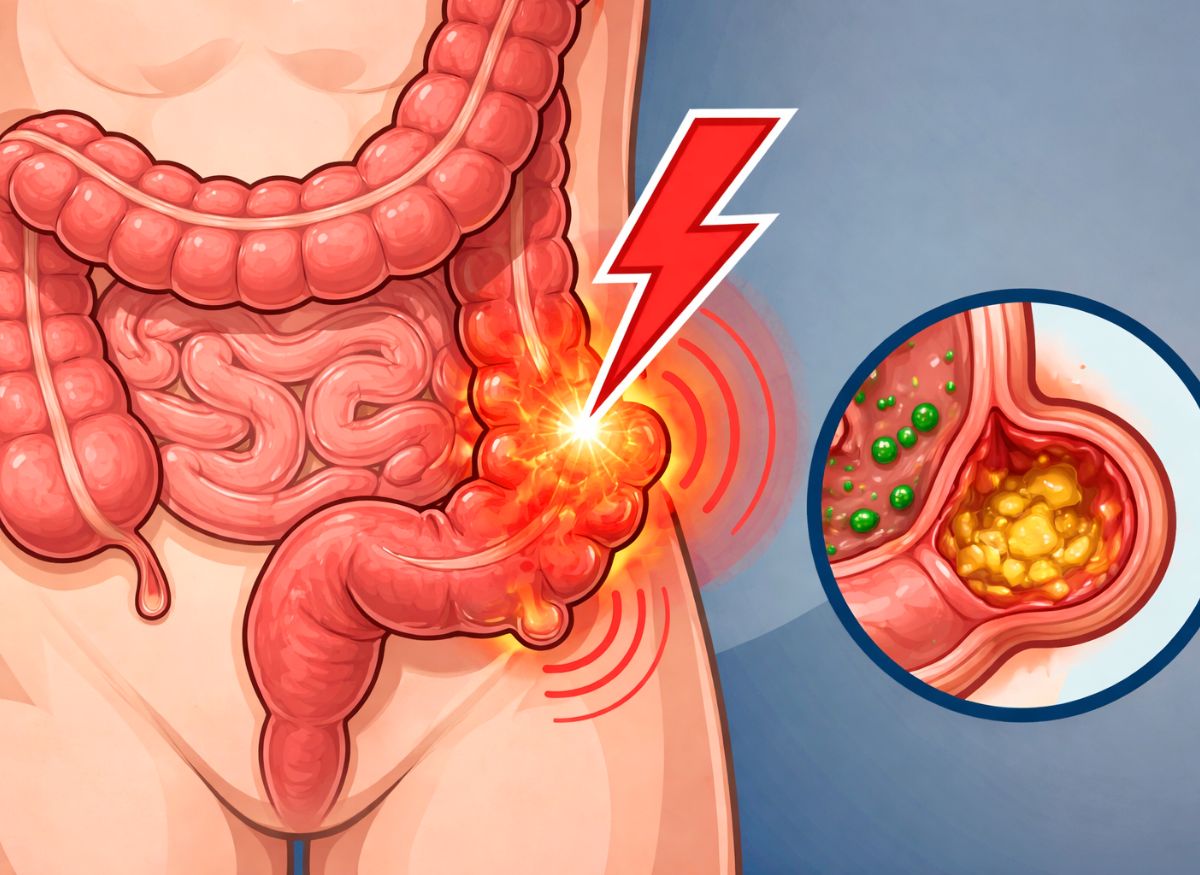
A sudden, sharp pain low in the abdomen can feel like a warning you can’t brush off. For many adults, that pain points to diverticulitis, a surprisingly common but poorly understood digestive disorder that can develop quietly over years before flaring into intense symptoms. It starts with small pouches called diverticula that form in the wall of the colon. These little pockets are usually harmless, but once they become inflamed or infected, they can set off a chain of complications that disrupt daily life in unexpected ways.
In recent years diverticulitis has become more common, especially in people over 40, though younger adults are no longer exempt. Diet, lifestyle habits, and even chronic stress shape gut health, which makes the condition both preventable and manageable when it is understood early. What makes it especially worrying is how easily its symptoms, such as bloating, fever, constipation, or sudden abdominal tenderness, can be mistaken for milder digestive problems.
Left unaddressed, diverticulitis can lead to serious complications, including abscesses, bowel obstruction, or even a tear in the intestinal wall. Yet with timely awareness and the right approach, many cases can be controlled through simple changes in nutrition, hydration, and medical care. This article covers the full picture: the different types of diverticulitis, early warning signs, root causes, and practical ways to prevent flare-ups and support long-term digestive health.
What Is Diverticulitis?
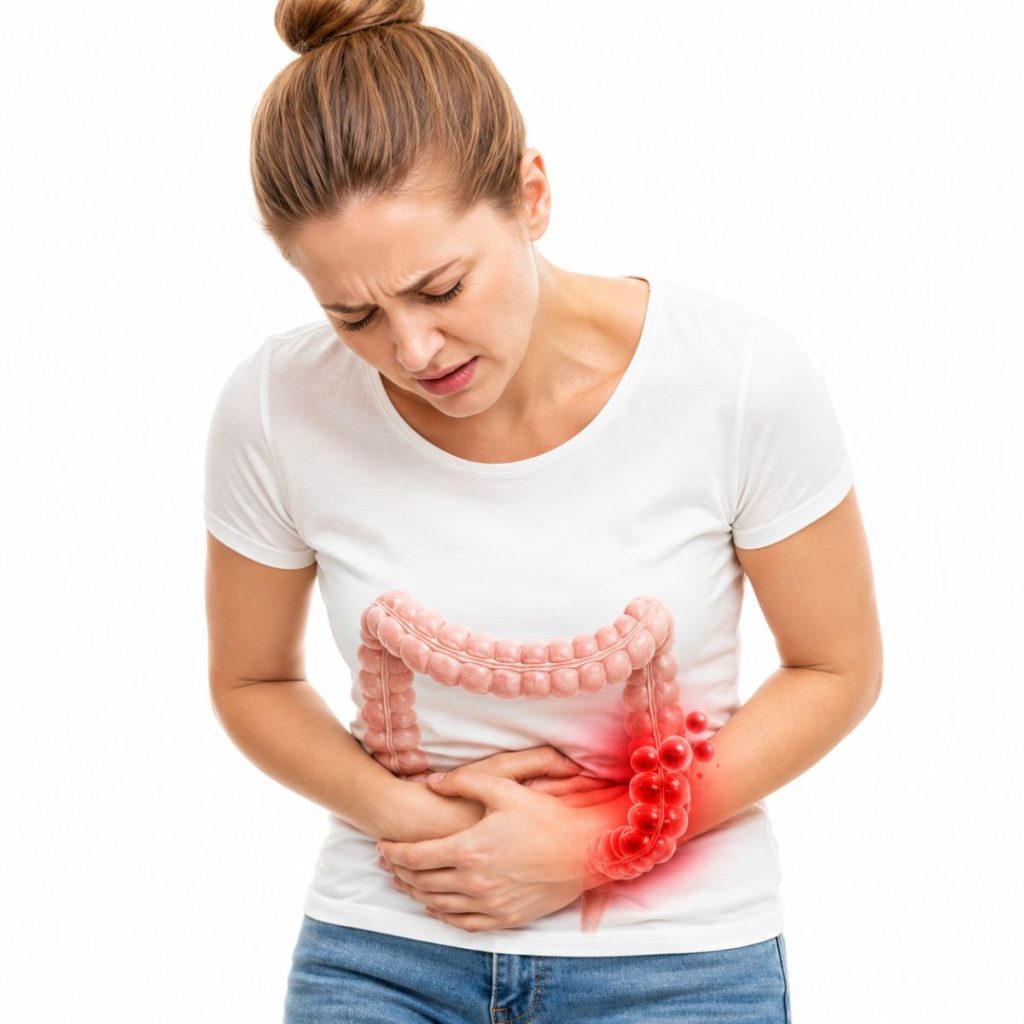
Diverticulitis occurs when diverticula, the small, sac-like pouches that form in the colon wall, become inflamed or infected. These pouches develop over time, usually because of increased pressure inside the colon, often linked to a low-fiber diet. When they get blocked by food particles, bacteria, or stool, inflammation and infection can follow, causing anything from mild abdominal discomfort to severe pain, fever, and complications such as abscesses or a perforated bowel.
Diverticulosis, the forerunner of diverticulitis, occurs when the muscle layers of the colon weaken and small pockets form. They tend to appear at weak spots where blood vessels pass through the muscle wall, most often in the sigmoid colon, the lower part of the large intestine.
Diverticulosis vs. Diverticulitis
- Diverticulosis means diverticula are present in the colon, and it often causes no symptoms. Many people don’t know they have it until imaging for some other problem reveals it.
- Diverticulitis means those pouches have become inflamed or infected. It causes pain, fever, and assorted digestive symptoms, and it can lead to serious complications if not treated properly.
Diverticulosis on its own is usually harmless and can be managed with lifestyle changes. Diverticulitis is more serious and may need medical treatment, including medication prescribed by a healthcare professional, dietary changes, and in some cases surgery.
Prevalence
- Roughly 10 to 25% of people with diverticulosis will develop diverticulitis at some point. Diverticula are common, but only a smaller share of people go on to have complications.
- Incidence rises with age. About 50% of people over 60 may have diverticulosis, and the risk of diverticulitis climbs as well. Older adults are more likely to develop symptoms and complications.
What Causes Diverticulitis?
Low-Fiber Diet
Fiber is crucial for digestive health because it softens stool and keeps bowel movements regular. On a low-fiber diet, the colon must work harder to move stool along, which raises pressure on the colon wall. That pressure can push out small pouches at weak points. Over time these diverticula can become inflamed or infected, resulting in diverticulitis.
Worth knowing: Diverticulitis is more common in industrialized regions such as the United States and Europe, where diets tend to be low in fiber. It is less common in places like Asia and Africa, where diets are typically higher in fiber and fruit.
Aging
With age, the muscle layers of the colon weaken, making diverticula more likely to form. Aging also slows digestion, leading to sluggish bowel movements and more pressure inside the colon.
This weakening of the colon wall, combined with slower movement, makes older adults especially prone to diverticulosis (the pouches) and diverticulitis (inflammation of those pouches). By 40, many people show signs of diverticulosis, though it often stays silent. The risk of diverticulitis rises significantly after 50, and studies show that more than half of people aged 60 and older have diverticula.
Other Contributing Factors
Obesity and inactivity. Obesity is a known risk factor, since extra weight puts added pressure on the colon and raises the chance of diverticula forming. Lack of exercise also contributes to weight gain and poorer digestion.
Chronic constipation or straining. Long-term constipation and straining during bowel movements are major risk factors. With prolonged constipation, more pressure is needed to pass stool, which can damage the colon wall and lead to diverticula. Repeated straining makes the problem worse, and the pouches can become inflamed, resulting in diverticulitis.
Genetic predisposition. People with a family history of diverticulitis or diverticulosis may be at higher risk. Lifestyle factors such as diet and exercise are the main drivers, but genetics can make some people more vulnerable.
Smoking. Smoking is a well-known risk factor for many gastrointestinal conditions, including diverticulitis. It weakens blood vessels and reduces the body’s ability to heal, making it easier for diverticula to become inflamed or infected. Studies show smokers have a higher risk than non-smokers, and those who keep smoking after diagnosis may face more severe complications.
Chronic conditions. Several chronic conditions raise the risk or worsen symptoms:
- Diabetes: Poorly controlled diabetes can mean higher blood sugar, which affects blood flow and raises the risk of infection, including in the colon.
- Hypertension: High blood pressure can damage blood vessels and increase pressure inside the colon, making diverticulitis more likely.
- Medications: Certain drugs, such as steroids or some over-the-counter pain relievers, can raise the risk by irritating the colon or interfering with gut health.
Types of Diverticulitis
Uncomplicated Diverticulitis
In uncomplicated diverticulitis, the inflammation of the diverticula doesn’t cause severe complications. The infection generally stays confined to the pouches and doesn’t cause widespread damage to the colon or nearby tissues.
It can often be managed with medication prescribed by a healthcare professional, dietary changes, and pain control. Most patients recover with rest, a clear liquid diet, and a gradual return to solid foods as symptoms ease. Complications are rare, and the long-term outlook is generally good with proper treatment.
Complicated Diverticulitis
Complicated diverticulitis refers to more severe cases in which inflammation leads to significant complications that may need urgent medical attention. The pouches become more inflamed, and problems such as abscesses, perforation, or fistulas can develop.
Symptoms of Diverticulitis
Common Symptoms
Abdominal pain
- Location: The most common symptom is abdominal pain, usually in the lower left side, where most diverticula are found. It typically comes on suddenly and may feel crampy, sharp, or dull.
- Character: The pain can worsen with movement or when the abdomen is pressed. It may fluctuate through the day but is generally persistent.
Fever
- Cause: Fever results from the infection caused by inflamed diverticula. It is the body’s response to infection and can range from mild to high in severe cases.
- Temperature: Mild cases may cause a low-grade fever, while more severe ones can bring a fever above 100.4°F (38°C), signaling a more serious infection.
Changes in bowel habits
- Constipation or diarrhea: People often have either difficulty passing stool or more frequent loose stools. In some cases there may be bloody stools if the pouches rupture or bleed.
- Painful bowel movements: Bowel movements may hurt because of pressure from inflammation and swelling in the colon.
Nausea and vomiting
- Accompanying symptoms: These commonly occur alongside abdominal pain, often because blockage or swelling in the colon disrupts digestion and upsets the stomach.
- Severe cases: In more serious cases, nausea and vomiting may be persistent and worsen as the condition progresses.
Bloating
- Feeling of fullness: Bloating is another common symptom, occurring when gas builds up in the intestines because of impaired digestion.
Severe Symptoms
Sepsis
- What it is: Sepsis occurs when infection from the inflamed diverticula spreads through the body. It is life-threatening and can lead to organ failure, shock, and death.
- Signs: High fever, rapid heart rate, low blood pressure, confusion, and difficulty breathing. Immediate medical treatment is needed, often including prescribed medication and intensive care.
Bleeding
- Internal bleeding: One of the most dangerous complications is bleeding from a ruptured diverticulum. It can cause gastrointestinal bleeding, showing up as bright red blood in the stool or dark, tarry stools (melena).
- Signs: With significant blood loss, symptoms may include dizziness, weakness, pallor, and a drop in blood pressure. In severe cases this can lead to shock and may require immediate surgery to control the bleeding.
Diagnosis of Diverticulitis
Physical Examination
Doctors begin by taking a medical history, asking about symptoms such as abdominal pain, fever, and bowel changes.
The physical exam typically involves pressing on the abdomen to check for tenderness or swelling.
- Abdominal palpation: The most common symptom is lower left abdominal pain, since most diverticula are there. The doctor gently presses on that area to check for tenderness or increased pain, a key sign of diverticulitis.
- Rebound tenderness: This test checks for peritoneal irritation, a sign of more severe complications such as perforation. Sharp pain when pressure is released may indicate peritonitis, a potentially life-threatening condition that needs immediate attention.
Blood Tests
Blood tests are commonly used to detect signs of infection and inflammation. The most common is the complete blood count (CBC), which reports white blood cell numbers and other blood components.
- Elevated white blood cell count: Often present because the body produces more white blood cells to fight infection or inflammation in the colon, suggesting an ongoing infection.
- C-reactive protein (CRP): This measures CRP, a substance the liver produces in response to inflammation. Elevated levels point to active inflammation and help confirm diverticulitis.
Together with the physical exam, these tests give doctors clues about the severity of the infection and guide further steps.
Imaging
Imaging is crucial for confirming the diagnosis, judging severity, and ruling out other causes. Commonly used techniques include:
CT scan: the primary method. A CT scan is the gold standard for diagnosing diverticulitis. It produces detailed images of the colon and surrounding organs, letting doctors see diverticula and assess the extent of inflammation.
- Why CT? It clearly shows the pouches, the degree of inflammation, and any complications such as abscesses, perforation, or fistulas. It also helps identify other conditions with similar symptoms, such as appendicitis or colorectal cancer.
- Accuracy: CT is highly accurate and is commonly performed in emergency settings to confirm the diagnosis and gauge severity.
Colonoscopy. A colonoscopy is an important tool for diverticulosis (pouches without inflammation) but is generally avoided during an acute flare-up. The colon is inflamed and irritated then, and inserting the scope could worsen the condition or cause perforation (a hole in the colon).
Once acute symptoms resolve and inflammation subsides, a colonoscopy may be done to check the health of the colon, look at remaining diverticula, and rule out other conditions such as colorectal cancer.
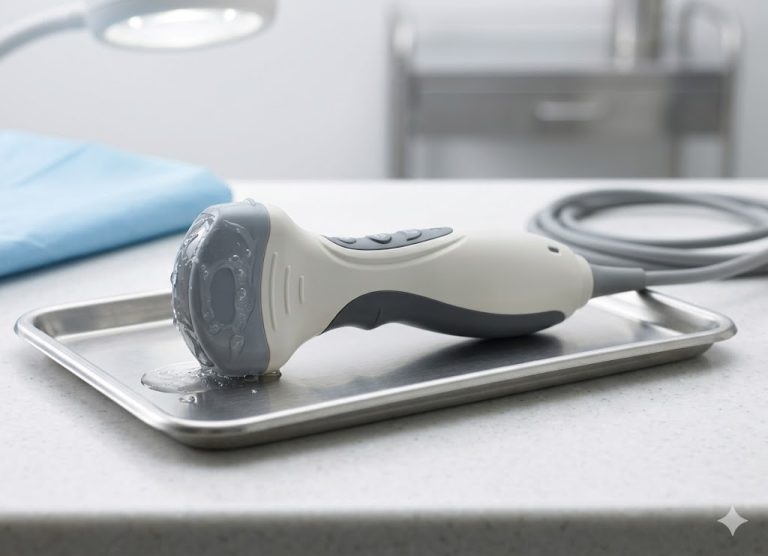
Ultrasound. In some cases, especially in children or people who can’t have a CT scan for reasons such as kidney problems or pregnancy, ultrasound may be used. It uses sound waves to image internal organs. It is less detailed than CT but can help detect complications such as abscesses or perforations, and it can identify deep tissue infections or inflammation that has spread beyond the colon. It is less accurate and comprehensive than CT, particularly in complex cases.
Stool Tests
Stool tests are occasionally used to rule out other infections or causes of gastrointestinal distress when a patient has symptoms like diarrhea, abdominal pain, or fever. If there is blood in the stool, an occult blood test can help determine whether it is due to diverticulitis or other conditions such as hemorrhoids or colorectal cancer.
Diverticulitis Management
Medical Management
In most cases, uncomplicated diverticulitis can be handled with conservative treatment, including prescribed medication, pain relief, and dietary changes.
Prescribed medication. In uncomplicated cases, antibiotics prescribed by a healthcare professional are commonly used to treat the infection from the inflamed pouches. Broad-spectrum antibiotics are typically chosen to target the bacteria most often involved, such as Bacteroides and Escherichia coli (E. coli). They help stop the infection from spreading and reduce symptoms. Treatment usually lasts 7 to 10 days, depending on severity and response. In mild cases, however, some doctors may choose non-antibiotic management, especially with dietary changes and careful monitoring.
Pain management. Over-the-counter pain relief options may be discussed with a doctor to ease mild to moderate abdominal discomfort. Opioid painkillers are generally avoided because they can cause constipation, which could make things worse. Patients are also often advised to rest and avoid strenuous activity to reduce strain on the abdomen and let the colon heal.
Dietary changes
- Clear liquid diet: In the acute phase, the colon is inflamed and the digestive system needs rest, so a clear liquid diet is recommended at first. It typically includes broth, clear juices, and gelatin, which keep the body hydrated without stressing the colon.
- Transition to a low-fiber diet: As symptoms improve, patients gradually move to a low-fiber diet of easily digested foods such as white rice, pasta, cooked vegetables, and skinless fruits.
- Fiber-rich diet after recovery: Once inflammation subsides and symptoms are under control, people are encouraged to adopt a high-fiber diet to promote healthy bowel movements and prevent future episodes.
Surgical Treatment
Surgery for complicated diverticulitis. In severe cases, a colon resection (surgical removal of the affected part of the colon) may be necessary. It is performed when diverticulitis causes complicated abscesses, severe inflammation, or perforation that can’t be treated with medication alone. In some situations, particularly when the colon is severely damaged or infected, a colostomy may be needed. This creates an opening in the abdomen for stool to leave the body, and it may be temporary or permanent depending on the extent of surgery and healing.
Emergency surgery. If a diverticulum ruptures or causes peritonitis (infection in the abdominal cavity), emergency surgery is required to repair the perforation and clean the abdomen. Delay can lead to sepsis and life-threatening complications. In severe cases with abscesses or fistulas, a bowel resection may be combined with abscess drainage to remove infected tissue and prevent further problems.
Prevention of Diverticulitis
Dietary Modifications
- High-fiber diet: Fiber lowers pressure in the colon and promotes regular bowel movements. Eat fruits, vegetables, whole grains, and legumes regularly.
- Nuts and seeds: Contrary to old beliefs, modern research shows nuts and seeds don’t directly trigger flare-ups. People with diverticulitis may still choose to avoid them if they feel uncomfortable or notice symptoms.
- Staying hydrated: Adequate fluids help prevent constipation and support colon health. Drinking plenty of water keeps stool soft and easy to pass, reducing pressure on the colon.
Probiotics
Probiotics may be recommended to help restore the natural balance of gut bacteria after an episode. They can help reduce inflammation and support gut health by introducing beneficial bacteria. The evidence is still emerging, but some studies suggest probiotics may help reduce recurrence in certain people.
Lifestyle Modifications
- Regular exercise: Staying active improves circulation and helps prevent constipation, a key factor in diverticulitis. It also helps maintain a healthy weight and reduces pressure on the colon.
- Weight management: A healthy weight is essential for lowering the risk of diverticulitis and other gastrointestinal conditions, since excess weight strains the colon and raises the likelihood of diverticula.
- Quitting smoking: This matters for overall digestive health. Smoking weakens blood vessels, reduces circulation, and raises the risk of diverticulitis and its complications.
Healthy Bowel Habits
Avoid straining during bowel movements, since it raises pressure on the colon and contributes to diverticula. Ignoring the urge to go can also cause constipation and more pressure. Emptying the bowels regularly helps maintain digestive health and prevent diverticulitis.
Complications of Diverticulitis
Diverticulitis may begin as localized inflammation, but without proper management it can progress to serious and sometimes life-threatening complications. These tend to develop when infection spreads beyond the original pouches to surrounding tissues and organs. Understanding these risks shows why early recognition and appropriate treatment are essential.
- Abscess: Infected fluid collects in a pocket outside the colon wall, forming a painful, swollen mass. Abscesses vary in size. Smaller ones may respond to prescribed medication, while larger ones often need drainage through a minimally invasive procedure. Untreated, an abscess can rupture, with more severe consequences.
- Perforation of the colon: A small tear or hole forms in the intestinal wall, letting bacteria and waste leak into the abdominal cavity. This can cause peritonitis, a serious, fast-moving infection of the abdominal lining. It requires emergency care and often surgery, since it can quickly become life-threatening.
- Strictures: Narrowed sections of the colon caused by repeated healing and scarring. Over time they can interfere with the normal movement of stool, raising the risk of bowel obstruction. A blockage can cause severe abdominal pain, vomiting, and inability to pass gas or stool, often requiring hospitalization or surgery.
- Fistulas: An abnormal connection between the colon and a nearby organ such as the bladder, vagina, or skin, formed when persistent inflammation erodes through surrounding tissue. A colon-to-bladder connection, for example, may cause recurrent urinary tract infections or air in the urine. Fistulas rarely heal on their own and usually need surgical repair.
- Chronic digestive issues: Ongoing discomfort, irregular bowel habits, and persistent inflammation can affect quality of life. This chronic form may not always cause severe symptoms but can gradually weaken the colon’s structure, increasing vulnerability to further complications.
- Bleeding: Inflamed or damaged blood vessels near the pouches can rupture, causing rectal bleeding. Some cases resolve on their own, but significant or ongoing bleeding needs medical evaluation to prevent further problems.
The severity of these complications varies, but each underscores the importance of timely diagnosis and proper management. Early treatment, including dietary adjustments, medication, and monitoring, can lower the risk of progression. In more advanced cases, surgery may be needed to remove affected parts of the colon and restore normal function.
FAQs
1. What is acute diverticulitis?
Acute diverticulitis is the sudden onset of inflammation or infection of diverticula in the colon, causing severe abdominal pain, fever, and nausea. It may lead to complications such as abscesses or perforation, requiring urgent treatment to prevent further health risks.
2. Can diverticulitis be prevented?
Often, yes. A high-fiber diet, regular hydration, physical activity, and avoiding constipation all help. These steps reduce pressure in the colon and discourage the formation of diverticula. A healthy lifestyle overall also plays a significant role.
3. Is diverticulitis serious?
Uncomplicated diverticulitis can typically be managed with treatment, but complicated cases (for example, perforation or abscess) can be very serious and even life-threatening. Prompt medical care is essential to avoid severe complications such as sepsis or peritonitis.
4. What are the signs of diverticulitis?
Common signs include abdominal pain (especially on the lower left side), fever, nausea, changes in bowel habits, and bloating. Severe signs include bleeding, peritonitis, and sepsis, which need immediate medical attention.
5. What are the symptoms of diverticulitis in females?
Women have the same symptoms: lower left abdominal pain, fever, bowel changes, nausea, and bloating. They may also have vaginal bleeding or pain during intercourse if a fistula forms between the colon and vagina, which makes it important to distinguish diverticulitis from other causes of abdominal pain.
Conclusion
Diverticulitis is a common condition of the colon, and understanding its causes, symptoms, treatment, and prevention is vital for patients and healthcare providers alike. The risk of complications can be significant, but early diagnosis and appropriate management can improve quality of life and lower the risk of serious problems. By adopting preventive habits such as a fiber-rich diet, healthy bowel routines, and regular physical activity, people can help manage diverticulitis and reduce the chance of repeat flare-ups.