
7+ Cluster Headache Triggers and How to Avoid Them
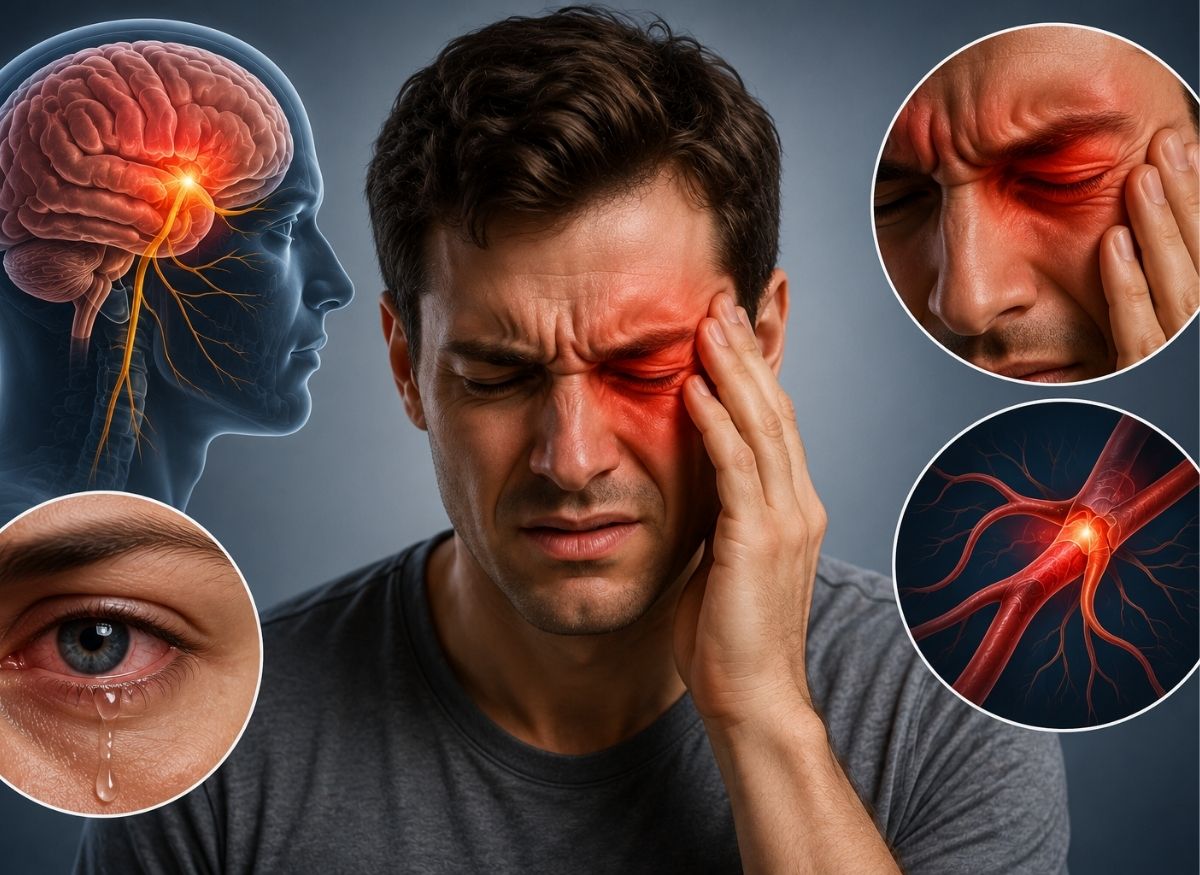
Cluster headaches are among the most painful headache conditions, often causing sharp, piercing, or burning pain around one eye or on one side of the head. They usually develop in cycles, with attacks occurring repeatedly over several weeks or months before a period of remission begins. Although the exact cause of cluster headaches is not completely understood, research has connected them with unusual activity in the hypothalamus, the part of the brain involved in regulating biological rhythms, as well as changes involving the nerves and blood vessels around the eye.
Triggers may play an important role in bringing on an attack. Recognizing and avoiding personal triggers can help some people reduce the frequency or severity of attacks. Common triggers include alcohol, smoking, strong smells, stress, disrupted sleep, high altitudes, and certain medications. In this article, we will look at seven or more common cluster headache triggers and discuss practical ways to avoid them, helping people manage these painful episodes and protect their quality of life.
What are Cluster Headaches and Why is Identifying Triggers Crucial?
A cluster headache is an extremely painful neurological condition that occurs in cycles and can produce intense pain around one side of the head or eye. During an active cluster period, the nervous system can become highly sensitive, making the identification and management of personal triggers an important part of care.
Unlike some other headache disorders where triggers may be inconsistent, certain cluster headache triggers can bring on an attack very quickly during an active cycle. Learning which environmental, dietary, or lifestyle factors affect you can make it easier to reduce unnecessary exposure and potentially limit attacks.
Cluster Headaches vs. Migraines: A Critical Distinction
Cluster headaches and migraines can both cause severe pain, but they are different neurological conditions. Their symptoms, duration, underlying mechanisms, and the way people respond during an attack can help distinguish them.
Behavioral Contrast: The Restless Pacer vs. The Still Lier
One of the clearest differences between cluster headaches and migraines is how a person behaves while the pain is occurring:
- The Cluster Struggle: A person experiencing a cluster headache often becomes extremely restless and agitated. The pain can be so intense that remaining still feels almost impossible. They may pace around, rock back and forth, move their head, or hold their face while trying to cope with the pain.
- The Migraine Safe-Haven: People experiencing migraines often find that movement makes their pain worse. They may prefer to lie down in a dark, quiet room and remain still until the episode improves.
Pain Architecture and Symmetry
Cluster headache pain is usually sharp, piercing, or burning and is often felt around or behind one eye. The pain is strictly one-sided during an individual attack and generally stays on the same side throughout a cluster period. Migraine pain is more commonly throbbing or pulsating and can occur on one or both sides of the head. It may also switch sides during different episodes.
Cranial Autonomic Signs vs. Sensory Changes
Cluster headaches are commonly accompanied by noticeable autonomic symptoms on the same side as the pain. These can include excessive tearing, eye redness, a drooping eyelid, and a blocked or runny nostril. These localized facial symptoms are much less typical of migraines.
Migraines, in contrast, are often associated with sensory and gastrointestinal symptoms such as nausea, vomiting, sensitivity to light, and sensitivity to sound.
Duration, Frequency, and Demographics
A cluster headache attack is generally short but extremely intense. Individual attacks can last from about 15 minutes to 3 hours and may occur several times in one day during an active cluster period. Migraine attacks usually last much longer, commonly between 4 and 72 hours, although they tend to occur less frequently.
Cluster headaches have historically been reported more often in men, while migraines are more common in women. However, anyone can experience either condition.
Why Identifying Triggers is Crucial
During an active cluster period, the hypothalamus, which helps control the body’s biological clock, may become unusually active. This can make the nervous system more sensitive to certain environmental or lifestyle changes.
Identifying and reducing exposure to personal triggers may help decrease the number of attacks for some people. It can also provide a greater sense of control during a period that may otherwise feel unpredictable.
Using a Headache Diary to Uncover Personal Triggers
Because triggers are not identical for everyone, keeping a detailed headache diary during an active cluster period can be useful. Recording what happens before each attack may help reveal patterns that are difficult to recognize otherwise.
Sleep Regularity and Hypothalamic Timing
The hypothalamus plays an important role in controlling circadian rhythms, or the body’s internal clock. Cluster headaches can therefore follow surprisingly regular patterns, with some people experiencing attacks at similar times each night.
Record your bedtime and wake-up time each day and note any changes. This can include sleeping later than usual, taking an unexpected nap, staying awake unusually late, or experiencing significant sleep loss. Tracking these changes may help identify whether disruptions in your normal sleep pattern are associated with attacks.
Dietary and Substance Ingestion
Some substances may influence blood vessels or affect nerve pathways involved in headaches. A headache diary can include details about:
- Vasodilators: Alcohol is a particularly well-known trigger during an active cluster period. Some people may experience an attack soon after consuming even a small amount.
- Preservatives and Amines: Nitrites found in processed meats, tyramine in some aged foods, and significant changes in caffeine intake may trigger headaches in certain people.
- Medications: Record the timing of prescription medications, over-the-counter products, and supplements. This can help your healthcare provider identify possible relationships between medications and attacks.
Environmental and Atmospheric Factors
Certain environmental conditions may also be relevant during an active cluster cycle. Keep track of sudden weather changes, airplane travel, changes in altitude or air pressure, and exposure to strong odors such as paint, gasoline, or perfume.
Bright, flashing, or flickering lights can also be recorded if you notice a relationship between these exposures and your headaches.
Emotional and Physiological Stress
Stress can affect headaches in different ways. Some people report that attacks occur not during the most stressful moment, but shortly after a stressful situation ends. This is sometimes called a “let-down effect.”
Recording your daily stress level on a scale from 1 to 10 may help reveal whether emotional or physical stress is connected with your attacks.
Common Triggers of Cluster Headaches
Managing an active cluster headache period often requires paying close attention to daily habits and surroundings. During a cluster cycle, some people become especially sensitive to exposures that would normally cause no problems.
Identifying common dietary, environmental, and lifestyle triggers can help you recognize situations that may be associated with attacks and reduce avoidable exposure.
Dietary Triggers: Chemical Vasodilators
Some dietary triggers are thought to influence blood vessel activity or neurological pathways associated with cluster headaches. The most widely recognized dietary trigger during an active cycle is alcohol.
The Power of Alcohol
Alcohol is one of the most reliable triggers reported by people with cluster headaches. During an active cluster period, even a small amount of beer, wine, or spirits may bring on an attack in some individuals.
Because the response can be rapid and unpredictable, people who know alcohol triggers their cluster headaches are generally advised to avoid it while they are in an active cycle.
Processed Mets and Nitrites
Nitrites and nitrates are preservatives commonly used in processed and cured meats. They help preserve food and maintain its appearance, but some people with cluster headaches may find these substances problematic.
Foods that may contain these preservatives include bacon, sausage, hot dogs, salami, pepperoni, prosciutto, and other cured or processed deli meats.
Aged Foods and Tyramine
Tyramine is a naturally occurring substance that develops as certain foods age or ferment. Some people with headaches may be sensitive to foods containing higher amounts of tyramine.
Foods commonly associated with higher tyramine levels include aged cheeses such as cheddar, blue cheese, Parmesan, Swiss, and provolone. Fermented foods such as sauerkraut, kimchi, soy sauce, and tofu may also contain tyramine. Other examples include smoked fish, pickled foods, fava beans, and very ripe fruits.
Not everyone with cluster headaches reacts to these foods, so keeping a diary can help determine whether a particular food is relevant to your own attacks.
Lifestyle and Environmental Triggers
Triggers are not limited to food and drinks. Daily routines, sleep patterns, surroundings, and environmental exposures can also be important during an active cluster cycle.
Sleep Schedule Disruptions
Because cluster headaches are closely associated with the body’s circadian system, maintaining a consistent sleep routine may be helpful for some people.
Possible disruptions include changing bedtime, sleeping much later on weekends, taking unexpected naps, or experiencing jet lag after traveling across time zones. Keeping a regular sleep and wake schedule can reduce unnecessary changes to your normal routine.
Volatile Smells and Fumes
Strong smells and chemical fumes can trigger headaches in some people during an active cluster period. Potential irritants include:
- Strong perfumes, colognes, and heavily scented lotions.
- Gasoline, diesel fuel, and vehicle exhaust.
- Fresh paint, industrial solvents, paint thinner, and strong cleaning products such as bleach or ammonia.
- Heavy tobacco smoke and smoke from fires or other sources.
Thermal Shifts and Overheating
Sudden increases in body temperature may act as a trigger for some people. This can happen during strenuous exercise, very hot showers or baths, sauna sessions, steam rooms, or hot tubs.
Moderate physical activity can still be beneficial, but during an active cluster period, it may be useful to choose manageable activities, stay hydrated, and avoid excessively hot or poorly ventilated environments if heat appears to trigger attacks.
Nicotine and Smoking
Smoking may be associated with cluster headaches, and tobacco smoke contains numerous chemicals that can irritate the respiratory system and sensory nerves. Although nicotine has complex effects on blood vessels, smoking and exposure to tobacco smoke are commonly reported concerns among people with cluster headaches.
Avoiding tobacco and secondhand smoke can support overall health and may also reduce exposure to a potential headache trigger.
Managing Your Triggers
Because triggers can differ significantly from one person to another, a detailed headache diary can be one of the most useful ways to identify your individual patterns. If you notice that a particular food, smell, stressor, or environmental exposure repeatedly occurs before an attack, record it.
Taking this information to a neurologist can help your doctor determine whether the pattern is meaningful and develop an appropriate treatment plan. If avoiding triggers does not adequately control the attacks, a specialist may recommend acute treatments such as high-flow oxygen or fast-acting triptans, as well as preventive medications such as verapamil when appropriate.
Management Strategies for Cluster Headaches Beyond Trigger Avoidance
Avoiding known triggers is only one part of managing cluster headaches. Prescription treatments remain an important part of care, while lifestyle strategies can provide additional support during an active cycle.
The goal of these measures is to maintain a stable daily routine, reduce unnecessary triggers, and support the nervous system while medical treatment addresses the underlying headache disorder.
Absolute Circadian Rigidity: The Sleep-Wake Anchor
Because cluster headaches are associated with the body’s circadian rhythm, maintaining a predictable sleep schedule can be particularly helpful during an active period.
- The Identical Window: Try to maintain a consistent bedtime and wake-up time every day, including weekends and holidays.
- The No-Nap Rule: Avoid unexpected or unusually long naps if changes in sleep appear to trigger your attacks.
- Optimizing the Environment: Keep the bedroom comfortable, dark, and quiet to encourage uninterrupted sleep and reduce unnecessary nighttime disturbances.
Neuromodulation: Non-Invasive Vagus Nerve Stimulation (nVNS)
Non-invasive vagus nerve stimulation (nVNS) is a drug-free treatment approach that may be used in certain people with cluster headaches. It uses a handheld device to deliver electrical stimulation through the skin near the vagus nerve.
- How It Works: A specialized device is placed against the neck and delivers controlled electrical stimulation to the area around the vagus nerve.
- The Neurological Impact: The stimulation is intended to influence nerve pathways involved in pain processing and may help reduce activity within headache-related networks.
- Clinical Utility: Depending on the specific device and treatment plan, nVNS may be used for acute treatment, prevention, or both. Its suitability should be discussed with a qualified healthcare professional.
Total Chemical Defenses: Eliminating Vasodilators
During an active cluster period, certain substances that affect blood vessels may be particularly likely to trigger attacks.
The Zero-Alcohol Mandate: Alcohol is a well-established trigger for many people with cluster headaches during active cycles. Even a small amount may provoke an attack in some individuals. Avoiding alcohol while a cluster period is active can therefore be an important preventive measure for people who are sensitive to it.
Nicotine and Smoke Elimination: Smoking and secondhand smoke expose the body to numerous irritating chemicals. Tobacco smoke can also irritate the nasal passages and other sensory pathways. Avoiding smoking and smoky environments can reduce exposure to these potential triggers while also supporting general health.
Physiological Stress Containment
Stress does not necessarily cause cluster headaches, but changes in stress levels may influence attacks for some people. Some individuals notice headaches after a stressful situation has ended rather than during the stressful event itself.
Clinical Biofeedback: Biofeedback uses sensors to provide information about physical processes such as muscle tension, heart rate, or skin temperature. With professional guidance, people can learn techniques to influence some of these responses and improve relaxation.
Diaphragmatic Breathing and Mindfulness: Slow abdominal breathing and mindfulness practices can promote relaxation and reduce physical tension. These techniques may be useful as supportive strategies for managing stress, although they should not replace medical treatment for cluster headaches.
Integrating Your Strategy
Lifestyle changes and trigger avoidance should be viewed as complementary to medical treatment rather than replacements for it.
If avoiding triggers and maintaining a consistent routine are not enough to control a recurring cluster cycle, a neurologist can recommend appropriate acute and preventive treatments. Options may include high-flow oxygen, triptans, preventive medications, and selected neuromodulation therapies depending on the individual situation.
The Advanced Concepts and Diagnostic Distinctions for Cluster Headaches
Understanding cluster headaches at an advanced level involves more than simply identifying severe head pain. Specialists also consider the timing, associated symptoms, neurological pathways, and other conditions that can resemble cluster headaches.
Neurologists generally view cluster headache as a primary neurological disorder. Careful clinical evaluation and, when appropriate, imaging can help establish the diagnosis and exclude other serious causes of similar symptoms.
Chronification: Episodic vs. Chronic Cluster Headaches
The International Classification of Headache Disorders, 3rd edition (ICHD-3), separates cluster headaches into episodic and chronic forms based mainly on the duration of active periods and the length of remission between them.
Episodic Cluster Headaches (The Seasonal Cycle)
Most people with cluster headaches have the episodic form. It involves periods of repeated attacks, known as cluster bouts, followed by periods of remission.
An active bout can last from several days to months and, in some cases, longer. For the condition to remain classified as episodic, remission periods generally last at least three months. Some people experience recognizable seasonal patterns, although this does not occur in everyone.
Chronic Cluster Headaches (The Unremitting Burn)
Chronic cluster headache is diagnosed when attacks continue for more than one year without a remission period lasting at least three months, or when remission periods remain shorter than three months.
This form can place a substantial burden on daily activities and quality of life. Some people with episodic cluster headaches can later develop the chronic form, while chronic cluster headaches can sometimes transition back to an episodic pattern.
The Official Neurological Diagnostic Protocol
There is no single blood test or laboratory marker that confirms cluster headache. Diagnosis is primarily based on the patient’s symptoms, attack pattern, medical history, and neurological evaluation. Imaging may be used when appropriate to rule out other conditions.
Part 1: Verifying ICHD-3 Clinical Criteria
The diagnosis is based on a detailed history. A neurologist will look for a pattern that matches established clinical criteria, including:
- Pain Architecture: The pain is usually strictly one-sided, severe, and commonly located around the eye, above the eye, or near the temple.
- Temporal Windows: Untreated attacks generally last between 15 and 180 minutes and may occur from once every other day to as many as eight times within 24 hours.
- Autonomic Features: The headache occurs with at least one same-sided autonomic symptom, such as tearing, eye redness, nasal congestion, a runny nose, sweating, a drooping eyelid, or pupil changes.
- Behavioral Markers: People commonly experience marked restlessness or agitation during the attack rather than wanting to remain still.
Part 2: Neuroimaging Exclusion
Although the diagnosis is mainly clinical, doctors may recommend brain imaging, particularly when symptoms are new, unusual, or do not fit the expected pattern.
MRI or other appropriate imaging may help rule out secondary causes that can resemble cluster headaches, including blood-vessel problems, pituitary abnormalities, tumors, or other structural conditions. Once serious alternative causes have been excluded and the symptoms fit the clinical criteria, a primary cluster headache diagnosis can be made.
The Hypothalamic Engine: The Body’s Dysfunctional Clock
Research using functional brain imaging has identified activity in the hypothalamus during cluster headache attacks. The hypothalamus is involved in regulating the body’s internal clock, sleep-wake patterns, and several hormonal and autonomic functions.
This connection may help explain some of the distinctive timing patterns associated with cluster headaches:
- The “Alarm Clock” Phenomenon: Some people experience attacks at remarkably consistent times, including during the night or around similar hours on different days.
- The Seasonal Equinox Shift: Some people report cluster bouts occurring during particular seasons or around changes in daylight, although seasonal patterns vary between individuals.
Abnormal activation within the hypothalamus can interact with the trigeminal and autonomic nervous systems. These pathways are involved in pain and the eye and nasal symptoms that commonly accompany cluster headaches.
Differential Diagnosis: Differentiating the TACs
Cluster headaches belong to a group of primary headache disorders called Trigeminal Autonomic Cephalalgias (TACs). These disorders share severe one-sided head pain along with autonomic symptoms affecting the eye and nose.
However, the conditions within this group differ in attack length, frequency, and treatment response. These differences help neurologists determine which diagnosis best fits a patient’s symptoms.
Cluster Headaches
- Attack Duration: Usually 15 to 180 minutes.
- Daily Frequency: Approximately 1 to 8 attacks per day.
- The Clinical Key: Attacks are associated with severe restlessness and same-sided autonomic symptoms. Acute treatment may include high-flow oxygen or a fast-acting triptan, depending on the patient’s medical situation.
Paroxysmal Hemicrania
- Attack Duration: Much shorter than cluster headaches, generally around 2 to 30 minutes.
- Daily Frequency: Attacks can occur frequently, sometimes several times a day.
- The Clinical Key: Paroxysmal hemicrania has a characteristic response to indomethacin, which can help distinguish it from other trigeminal autonomic cephalalgias.
SUNCT and SUNA
- Attack Duration: Very brief attacks, generally lasting seconds to several minutes.
- Daily Frequency: Attacks may occur many times throughout the day.
- The Clinical Key: SUNCT is characterized by short-lasting unilateral neuralgiform attacks accompanied by prominent eye redness and tearing. SUNA can involve one or both of these autonomic features. These conditions may require specialized treatment, often involving medications used for nerve-related or seizure disorders.
Conclusion
Cluster headaches can cause extremely severe and disruptive pain, but learning about potential triggers may help some people reduce avoidable attacks. Identifying personal triggers, maintaining consistent daily habits, and working with a healthcare professional can provide a more structured approach to managing these difficult episodes.
Medical evaluation is important for people experiencing frequent, severe, or recurring cluster headaches. Doctors may recommend acute treatments, preventive medications, oxygen therapy, or selected nerve-stimulation treatments depending on the individual diagnosis and medical history. Combining trigger awareness, early treatment, and appropriate medical care can help reduce the impact of cluster headaches on everyday life.
FAQ
What are cluster headaches and how do they feel?
Cluster headaches are extremely painful headaches that usually affect one side of the head or the area around one eye. The pain may feel stabbing, burning, piercing, or severe and can occur with symptoms such as eye redness, tearing, nasal congestion, or a drooping eyelid.
Attacks generally last from 15 minutes to three hours and can happen several times a day during an active cluster period. Their pattern and associated symptoms can help doctors distinguish them from migraines and other headache disorders.
What triggers cluster headaches?
Triggers differ from one person to another, but commonly reported triggers include alcohol, tobacco smoke, strong odors such as perfume or paint fumes, disrupted sleep, changes in routine, high altitudes, and certain medications.
Keeping track of attacks and possible exposures can help identify personal triggers and make avoidance easier.
How can cluster headache attacks be prevented?
Preventive steps may include avoiding known triggers, following a consistent sleep schedule, managing stress, and avoiding alcohol or tobacco when these are associated with attacks.
For people with recurring cluster headaches, doctors may prescribe preventive medicines such as verapamil or other appropriate therapies. Lifestyle changes can be combined with medical treatment to improve overall management.
What treatments are available during a cluster headache?
Acute cluster headache attacks are commonly treated with therapies designed to work quickly, such as oxygen therapy or triptan medications. Other treatments may be considered depending on the individual patient.
People with frequent or chronic attacks may also need preventive medication or, in selected cases, neuromodulation treatments. Early treatment can help reduce the duration and intensity of attacks.
When should I see a doctor for cluster headaches?
You should seek medical attention for frequent, severe, or new headaches, especially when the pain is sudden or accompanied by symptoms such as weakness, numbness, vision changes, confusion, or other neurological problems.
A medical evaluation is important because several serious conditions can cause headache symptoms that resemble cluster headaches. A neurologist or headache specialist can help establish the diagnosis and develop an appropriate treatment plan.
Can lifestyle changes reduce cluster headache frequency?
Lifestyle changes may help some people reduce exposure to triggers and better manage cluster headache cycles. Helpful measures can include avoiding alcohol and tobacco, keeping a regular sleep schedule, managing stress, and limiting exposure to strong odors or other known triggers.
For recurring cluster headaches, lifestyle adjustments are generally most useful when combined with appropriate medical guidance and treatment.