
A Complete Guide to Kidney Transplant for Patients
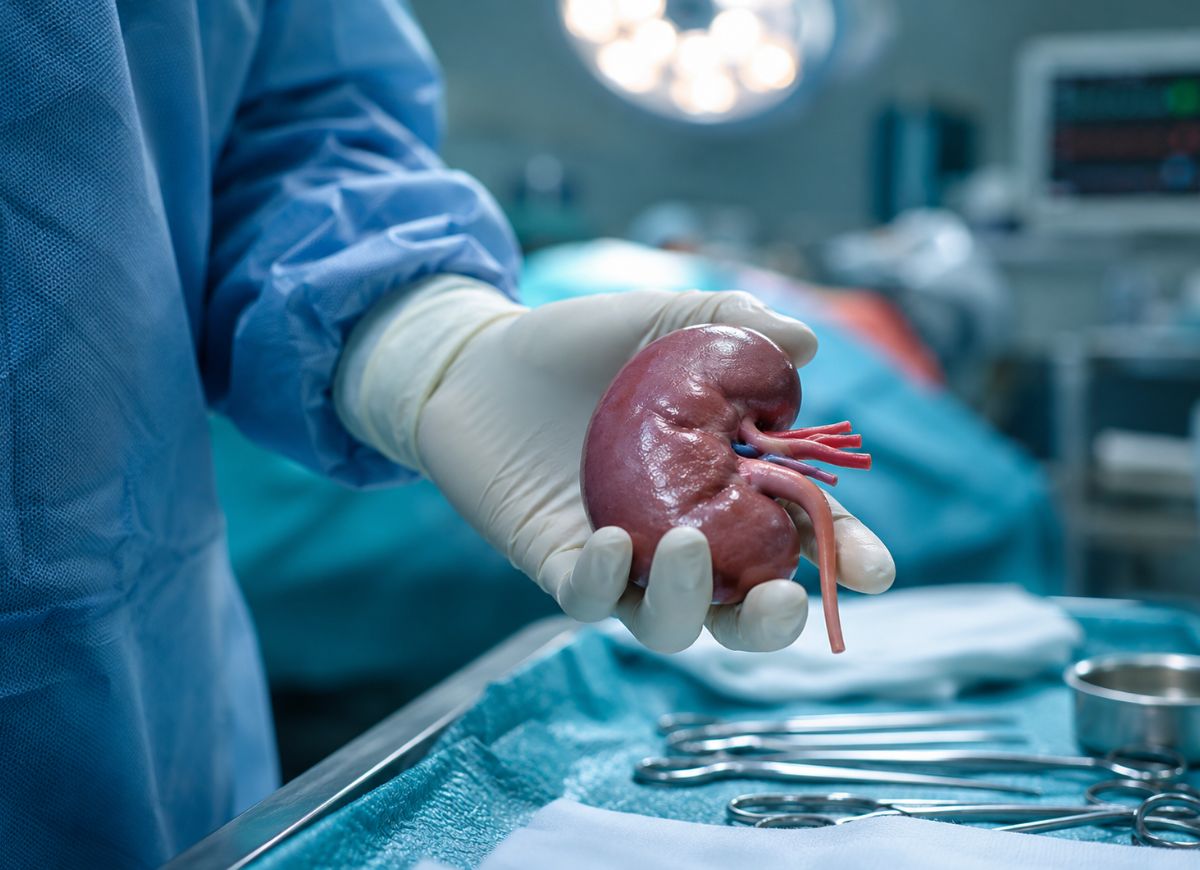
For people living with kidney failure, a kidney transplant can be both an important medical decision and a major turning point in life. A transplant may be considered when the kidneys can no longer remove waste and excess fluid well enough to keep the body functioning properly. Although dialysis can help manage kidney failure, a successful transplant may provide greater freedom, improved energy, fewer dietary restrictions, and a better quality of life for many suitable patients.
Kidney transplantation is also one of the most commonly performed types of organ transplant surgery. In 2024, about 110,467 kidney transplants were performed worldwide, according to the Global Observatory on Donation and Transplantation. In the United States, 27,759 kidney transplants were completed in 2024, representing a 1.6% increase compared with 2023. These figures highlight the important role of kidney transplantation while also showing that many patients continue to wait for a suitable donor.
A kidney transplant involves much more than the operation itself. The process starts with medical evaluation, testing, donor matching, surgery planning, and emotional preparation. After the transplant, patients need lifelong medical follow-up, regular medications, and ongoing monitoring to protect the transplanted kidney. Although this may seem like a lot to manage, understanding the process can make each stage easier to prepare for.
This guide explains what patients should know before, during, and after a kidney transplant. It covers eligibility, donor matching, surgery, possible risks, recovery, medications, lifestyle changes, and long-term care. Understanding these areas can help patients and their families prepare for the journey, ask informed questions, and take a more active role in their treatment.
Evaluation Process for a Kidney Transplant
The evaluation process for a kidney transplant involves detailed medical testing, psychosocial assessments, and financial planning. These steps help determine whether a patient is an appropriate candidate for transplantation and whether they can safely manage the long-term responsibilities that come with receiving a donor kidney.
The process usually begins when a nephrologist refers the patient to a transplant center. The patient then meets a multidisciplinary transplant team that may include a transplant surgeon, nephrologist, transplant coordinator, social worker, dietitian, and financial coordinator. Together, these professionals review the patient’s overall health and circumstances before making a decision about transplant eligibility.
The main goal is to determine whether the potential benefits of transplantation outweigh the surgical and long-term risks for that particular patient. The team considers many aspects of the patient’s physical health, emotional readiness, support system, and ability to follow the required treatment plan.
Medical Tests to Determine Transplant Eligibility
Several medical tests are performed to determine whether a patient is ready for kidney transplantation. These may include blood typing, tissue typing, crossmatching, general blood tests, organ function testing, and screening for infectious diseases.
These tests help the transplant team evaluate the patient’s overall health and identify a suitable donor kidney. They are also important for determining whether the patient can safely undergo major surgery and for finding a kidney that is compatible with their immune system.
Blood typing, also called ABO typing, is one of the first compatibility tests. The recipient’s blood type needs to be compatible with the donor’s blood type. Tissue typing, or Human Leukocyte Antigen (HLA) typing, looks at proteins found on the surface of cells. A closer HLA match may lower the chance of the recipient’s immune system attacking the transplanted kidney.
Crossmatching is another important test. It checks whether the recipient already has antibodies that could react against the potential donor’s cells. A positive crossmatch indicates that antibodies are present and may prevent the transplant from proceeding because of the risk of severe rejection. A negative crossmatch indicates that the donor and recipient are compatible for the transplant. The test may also be repeated shortly before surgery using the specific donor kidney.
Additional testing is used to check the condition of major organs and identify health problems that could affect surgery or recovery. An electrocardiogram (ECG) and echocardiogram may be used to evaluate heart health because transplantation places considerable stress on the cardiovascular system.
Blood tests can also assess liver function and complete blood counts. Patients are screened for infections such as HIV, hepatitis B and C, cytomegalovirus (CMV), and Epstein-Barr virus (EBV). Age-appropriate cancer screenings, including mammograms, Pap smears, and colonoscopies, may also be required to identify cancers that could become more difficult to manage while taking immunosuppressive medications.
The Purpose of The Psychosocial and Financial Evaluation
The psychosocial and financial evaluation looks at a patient’s emotional readiness, support network, understanding of transplant care, and ability to manage the financial responsibilities associated with transplantation and lifelong treatment.
This evaluation is an important part of the transplant process because receiving a new kidney requires long-term commitment. Patients must take medications consistently, attend regular appointments, follow medical advice, and respond quickly to possible complications.
A transplant social worker or psychologist may discuss the patient’s mental health history and screen for concerns such as depression or anxiety that could make recovery or treatment adherence more difficult. They also discuss the patient’s understanding of the benefits, risks, and responsibilities associated with transplantation.
The transplant team will also want to know about the patient’s support system. Friends or family members may be needed to help with transportation, meals, medications, household tasks, and emotional support, particularly during the first few months after surgery. The patient’s previous ability to follow medical treatments, including dialysis schedules and medication plans, may also be reviewed.
Financial planning is another important part of the evaluation. A financial coordinator may review insurance coverage, expected expenses, and available financial resources. Kidney transplantation can involve significant costs, including the surgery, hospital care, medications, and lifelong follow-up treatment.
The coordinator can explain deductibles, co-payments, and other out-of-pocket expenses. They may also help patients identify financial assistance programs when necessary. Planning ahead can help reduce the risk that financial difficulties will interfere with medications or follow-up care after transplantation.
Lifestyle Changes Before a Kidney Transplant
Before a kidney transplant, patients may need to make several lifestyle changes to improve their overall health and prepare their bodies for surgery. These changes can include following a kidney-friendly diet, staying physically active as tolerated, taking prescribed medications correctly, and stopping smoking and alcohol use when required by the transplant program.
These steps can help improve a patient’s physical condition before major surgery and may reduce the risk of complications such as infections, poor wound healing, and cardiovascular problems.
The period before transplantation is an opportunity for patients to take an active role in their health. The transplant team provides guidance, but following these recommendations consistently is an important part of preparing for surgery and long-term transplant care.
A Specific Diet to Follow While Preparing for Surgery
There is no single diet that works for every transplant patient. A renal dietitian usually creates an individualized eating plan based on kidney function, dialysis status, laboratory results, nutritional needs, and weight goals.
The diet may include recommendations for managing protein, sodium, potassium, phosphorus, and fluid intake. It is often based on the patient’s existing chronic kidney disease or dialysis diet but adjusted to support preparation for surgery.
Sodium may need to be limited to help control blood pressure and fluid retention. Potassium levels may also need to be managed because abnormal potassium levels can affect heart rhythm. Phosphorus intake may be controlled to support bone health.
Protein needs vary depending on the patient’s condition. People with earlier stages of kidney disease may have different protein requirements from people receiving dialysis. The dietitian can adjust protein intake based on laboratory results and nutritional status.
Patients who produce very little urine may also need to limit fluids to prevent fluid overload. Their daily allowance can include water, soup, ice, and other sources of liquid.
Maintaining an appropriate weight is another consideration. Patients who are significantly overweight may be asked to lose weight to reduce surgical risks. Those who are underweight or malnourished may instead need to increase their calorie and protein intake to build strength and support healing.
A personalized meal plan can help patients reach their target weight while maintaining good nutrition before surgery.
Guidelines for Smoking, Alcohol Use, and Medication Management
Preparing for kidney transplantation often involves stopping smoking and avoiding alcohol, along with reviewing all medications with the transplant team. These steps are intended to reduce surgical risks and prevent harmful interactions with transplant medications.
Smoking can damage blood vessels and may interfere with blood flow to the transplanted kidney. It can also increase the risk of complications such as poor wound healing, blood clots, pneumonia, and cardiovascular problems. After transplantation, smoking can also increase the risk of cardiovascular disease, cancer, and problems affecting the transplanted kidney.
Many transplant programs require patients to stop smoking before they can become active on the waiting list. Specific requirements can vary between transplant centers.
Alcohol use may also need to be stopped or restricted. Alcohol can affect the liver, which processes many medications used after transplantation. It may also contribute to poor nutrition, increase infection risks, and make it harder to follow a strict medication and appointment schedule.
The transplant coordinator and pharmacist will review every medication the patient uses. This includes prescription medications, over-the-counter drugs, vitamins, and herbal supplements. Some medications and supplements can interact with anti-rejection medicines or increase surgical risks.
Blood thinners such as aspirin or warfarin may need to be adjusted before surgery to reduce bleeding risks. Medications for diabetes and high blood pressure may also require changes. Patients should provide the transplant team with a complete and accurate list of everything they take.
How to Prepare In the Final Days Before The Transplant Call
In the final days before a transplant call, patients should be prepared to leave for the hospital quickly. Useful preparations include packing a hospital bag, arranging transportation and caregiver support, preparing the home for recovery, and making sure important personal and medical information is readily available.
For people waiting for a deceased donor kidney, the transplant center may call at any time when a suitable organ becomes available. Being prepared can reduce stress and make it easier to respond quickly.
Patients receiving a kidney from a living donor generally have a scheduled surgery date, which allows more time for planning. Even so, many of the same preparations can be helpful.
Essential Items to Packed For the Hospital stay
Essential hospital items may include comfortable clothing, toiletries, identification, insurance information, a current medication list, and personal entertainment items such as books, headphones, or a tablet.
Having these things ready ahead of time means patients do not have to rush around gathering belongings after receiving the transplant call. A hospital stay may last several days or longer, so comfortable and practical items can make the experience easier.
Loose-fitting clothing is useful, especially clothing that opens in the front and is easy to put on without putting pressure on the surgical area. A comfortable robe, non-slip slippers or socks, and an outfit for going home can also be packed.
Personal toiletries may include a toothbrush, toothpaste, deodorant, shampoo, and a brush or comb. Patients should also remember eyeglasses or contact lenses and the necessary supplies.
Keep identification, insurance cards, and important medical documents together in one folder. This may include documents such as a living will or healthcare power of attorney. An updated medication list should include the names, doses, and schedules of all current medications.
A smartphone, tablet, or laptop can help patients communicate with family and stay occupied during recovery. Chargers and an extra-long charging cable can be particularly useful. Books, magazines, or an e-reader may also help pass the time, while headphones allow patients to listen to music or watch videos without disturbing others.
Logistical and Support Arrangements
Before transplantation, patients should confirm who will provide support after discharge, arrange dependable transportation, and prepare the home for a period of limited activity.
Recovery can involve soreness, weakness, and difficulty completing normal daily tasks. Having reliable help available allows the patient to focus on healing rather than household responsibilities.
Patients should identify one or more trusted caregivers who can help with transportation, medication management, meal preparation, light household chores, and emotional support. Having backup caregivers is also helpful in case the primary caregiver is unavailable.
Transportation plans should be ready before the transplant call. Patients may need to reach the hospital quickly, so drivers should be available and familiar with the route to the transplant center. Phone numbers for transportation support should be easy to access.
Patients should not drive themselves to the hospital for the transplant. They will also need to avoid driving for a period after surgery, based on their medical team’s instructions.
The home can be prepared by creating a comfortable recovery area, preferably with easy access to a bathroom. A bed or recliner, side table, medications, water, and a phone can be kept nearby.
It is also helpful to prepare meals and snacks in advance and complete chores such as laundry, cleaning, and bill payments. If the household includes children or pets, arrange for someone to care for them during the hospital stay and early recovery period.
What Happens During The Kidney Transplant Surgery?
During kidney transplant surgery, the patient receives general anesthesia and is completely asleep. The surgeon then places the donor kidney in the lower abdomen and connects its blood vessels and ureter to the recipient’s body.
The patient’s original kidneys are usually left in place unless there is a specific medical reason to remove them. Reasons for removing the original kidneys may include uncontrolled high blood pressure, repeated infections, or enlarged kidneys associated with polycystic kidney disease.
The donor kidney is generally placed in the pelvis because this location provides convenient access to major blood vessels and the bladder. It also allows doctors to access the transplanted kidney more easily if a future biopsy becomes necessary.
The main purpose of the operation is to establish a reliable blood supply to the new kidney and provide a route for urine to pass from the transplanted kidney into the bladder.
How Long Does The Kidney Transplant Operation Typically Last?
A kidney transplant operation commonly takes about three to four hours, although the exact duration can vary. Factors such as the patient’s anatomy, previous surgeries, scar tissue, and the complexity of the blood vessel connections can affect the length of the procedure.
Previous abdominal operations may leave scar tissue called adhesions, which can make the surgery more complicated. Body size and individual anatomy can also influence the surgical approach.
In some cases, variations in blood vessels require additional surgical work. The transplant team prioritizes safe and secure connections, so the operation may take longer when necessary.
Main Steps of The Surgical Procedure
The main steps include giving general anesthesia, making an incision in the lower abdomen, placing the donor kidney, connecting its blood vessels, attaching the ureter to the bladder, checking for bleeding, and closing the incision.
First, the patient receives general anesthesia and is completely asleep. A breathing tube is inserted, and a urinary catheter is placed in the bladder.
The surgeon then makes an incision in the lower abdomen, often using a curved incision sometimes referred to as a “hockey stick” incision. The incision provides access to the pelvic area where the donor kidney will be placed.
The donor kidney is carefully inspected before being positioned in the recipient’s pelvis. The surgeon then connects the kidney’s blood vessels to the recipient’s blood vessels. The renal artery is connected to the external iliac artery, while the renal vein is connected to the external iliac vein. These connections are called anastomoses and restore blood flow to the transplanted kidney.
Once blood flow has been established, the surgeon connects the donor kidney’s ureter to the recipient’s bladder. This allows urine produced by the new kidney to leave the body normally. In some cases, a temporary stent is placed inside the ureter to help keep it open while it heals.
After checking the connections and making sure there is no significant bleeding, the surgeon closes the incision with sutures or staples. The patient is then taken to the post-anesthesia care unit (PACU), where the medical team monitors them as they wake from anesthesia.
In many cases, the transplanted kidney begins producing urine soon after blood flow is restored.
Different Types of Kidney Donation and Post-operative Expectations
A kidney transplant can involve a kidney from either a living donor or a deceased donor. After surgery, the main priorities are monitoring kidney function, preventing rejection, managing medications, and supporting recovery.
Understanding the different donor options and preparing for the financial, medical, and practical aspects of transplantation can help patients feel more prepared for what comes next.
The Difference Between a Living Donor and a Deceased Donor Transplant
The main difference between these two types of transplantation is where the donated kidney comes from and how the transplant is scheduled.
A living donor transplant involves a healthy person voluntarily donating one kidney. The donor may be a family member, friend, or another suitable person. Because the surgery can usually be scheduled in advance, both the donor and recipient have more time to prepare.
Living donor transplantation can also reduce the amount of time a patient spends waiting for a kidney. The donated kidney usually has a short cold ischemia time because it can be transported quickly from the donor to the recipient.
A deceased donor transplant uses a kidney donated after an individual has been declared dead according to the applicable medical and legal standards, with authorization for organ donation. Recipients generally wait through an organ allocation system until a suitable kidney becomes available.
When a deceased donor kidney becomes available, the recipient may need to travel to the transplant center quickly. The donated kidney may have experienced a longer period without blood flow, which can sometimes delay its initial function after transplantation.
How to Navigate The Financial and Insurance Aspects of a Transplant
Planning for the financial and insurance aspects of transplantation is an important part of preparation. Transplant centers often have financial coordinators or social workers who help patients understand insurance coverage and expected expenses.
Patients should review their insurance policy carefully and understand deductibles, co-insurance, co-payments, and annual out-of-pocket limits. Coverage should be checked for the transplant evaluation, surgery, hospitalization, follow-up care, and long-term anti-rejection medications.
Patients with Medicare should understand which parts of their coverage apply to transplant-related medications and care. Additional coverage may be needed depending on the individual’s circumstances.
People who do not have sufficient insurance or who are concerned about treatment costs may be able to explore financial assistance options. These can include state assistance programs, nonprofit organizations such as the American Kidney Fund (AKF), and pharmaceutical company programs that help eligible patients with medication costs.
Speaking with the transplant center’s financial coordinator early can help patients understand their expected expenses and identify available resources.
Paired Kidney Exchange Program
A paired kidney exchange program, sometimes called a kidney swap, can help transplant candidates who have a willing living donor but cannot receive that person’s kidney because they are biologically incompatible.
Incompatibility can occur because of differences in blood type or because the recipient has antibodies that react against the donor’s kidney.
In a simple paired exchange, two donor-recipient pairs participate. Donor A may be incompatible with Recipient A but compatible with Recipient B. At the same time, Donor B may be incompatible with Recipient B but compatible with Recipient A. The program allows the donors to exchange recipients so that both patients can receive compatible kidneys.
Some exchanges involve several pairs and can create longer chains. A non-directed donor can sometimes begin a chain that provides kidneys to multiple recipients.
Organizations such as the National Kidney Registry use matching systems to identify compatible donor-recipient combinations. These programs can give some patients access to the advantages of living donor transplantation even when their intended donor is not directly compatible.
Immediate Recovery Period After Surgery
The immediate recovery period after kidney transplantation involves close monitoring to make sure the new kidney is functioning and to identify complications early.
After surgery, the patient is taken to the Post-Anesthesia Care Unit (PACU), where medical staff monitor vital signs such as heart rate, blood pressure, and oxygen levels as the effects of anesthesia wear off.
Once the patient is stable, they may be moved to a specialized transplant unit or, when necessary, an Intensive Care Unit (ICU). During the first several days, the medical team closely watches the transplanted kidney.
Urine output is monitored frequently because urine production can be an early indication that the new kidney is working. Blood tests are also performed to monitor kidney function, including serum creatinine and blood urea nitrogen (BUN).
Pain around the surgical area is managed with appropriate pain medication. Patients also begin taking immunosuppressive medicines to reduce the risk of their immune system attacking the transplanted kidney.
The medical team generally encourages patients to begin moving as soon as it is safe. Sitting in a chair and taking short walks can help reduce the risk of complications such as blood clots and pneumonia.
Many patients remain in the hospital for several days after transplantation. During this time, patients and their caregivers receive detailed instructions about medications, diet, follow-up appointments, warning signs, and caring for the transplanted kidney at home.
FAQs
1. How long can a person live with a kidney transplant?
Many people live for many years after receiving a kidney transplant. On average, a kidney from a living donor may function for around 15 to 20 years, while a kidney from a deceased donor may function for around 8 to 12 years. However, individual outcomes vary, and some transplanted kidneys continue working for longer with appropriate care, regular monitoring, and consistent use of prescribed medications.
2. Is a kidney transplant painful?
Patients do not feel pain during the operation because general anesthesia is used. After surgery, soreness and discomfort around the incision are common. Doctors can provide pain medication and monitor the patient closely during recovery.
3. What are the risks of a kidney transplant?
Kidney transplantation can involve risks such as bleeding, infection, blood clots, rejection, recurrence of the original kidney disease, and side effects from anti-rejection medications. Immunosuppressive medicines are necessary to protect the transplanted kidney, but they can also increase the risk of infections and other health problems.
4. What can’t you do after a kidney transplant?
After a kidney transplant, patients are generally advised to avoid activities and habits that could harm the transplanted kidney or increase health risks. These may include heavy contact sports, missing anti-rejection medications, unsafe food handling, smoking, and certain foods or drinks that can interact with transplant medicines. Grapefruit or pomegranate juice, for example, may need to be avoided if the transplant team recommends doing so.
5. What food is hardest on your kidneys?
Foods high in sodium, phosphorus, potassium, or excessive protein may be difficult for some people with kidney disease. However, dietary needs can change after transplantation. Patients should follow the specific recommendations provided by their transplant dietitian.
6. What is the biggest problem with kidney transplants?
Rejection is one of the major challenges after kidney transplantation. It occurs when the immune system recognizes the transplanted kidney as foreign and attacks it. Patients also need to take anti-rejection medications for the long term. While these medicines help protect the kidney, they can increase the risk of infections and other complications.
7. What two organs cannot be transplanted?
The brain and spinal cord cannot currently be transplanted. They are responsible for complex functions involving identity, movement, sensation, and vital body processes that cannot be safely replaced through transplantation.
Conclusion
A kidney transplant can provide many patients with kidney failure an opportunity for improved health and a different quality of life, but transplantation is not a one-time treatment. It involves careful preparation, major surgery, recovery, lifelong medication, and regular follow-up care.
Learning about each stage can help patients and families feel more prepared and less uncertain about the process. Working closely with the transplant team, following recommended lifestyle changes, taking medications consistently, and attending regular appointments are all important parts of protecting the transplanted kidney.
With appropriate medical care, careful monitoring, and ongoing support, many transplant recipients are able to return to active and meaningful lives after surgery.