
8 Causes of Bladder Inflammation Symptoms and What They May Reveal
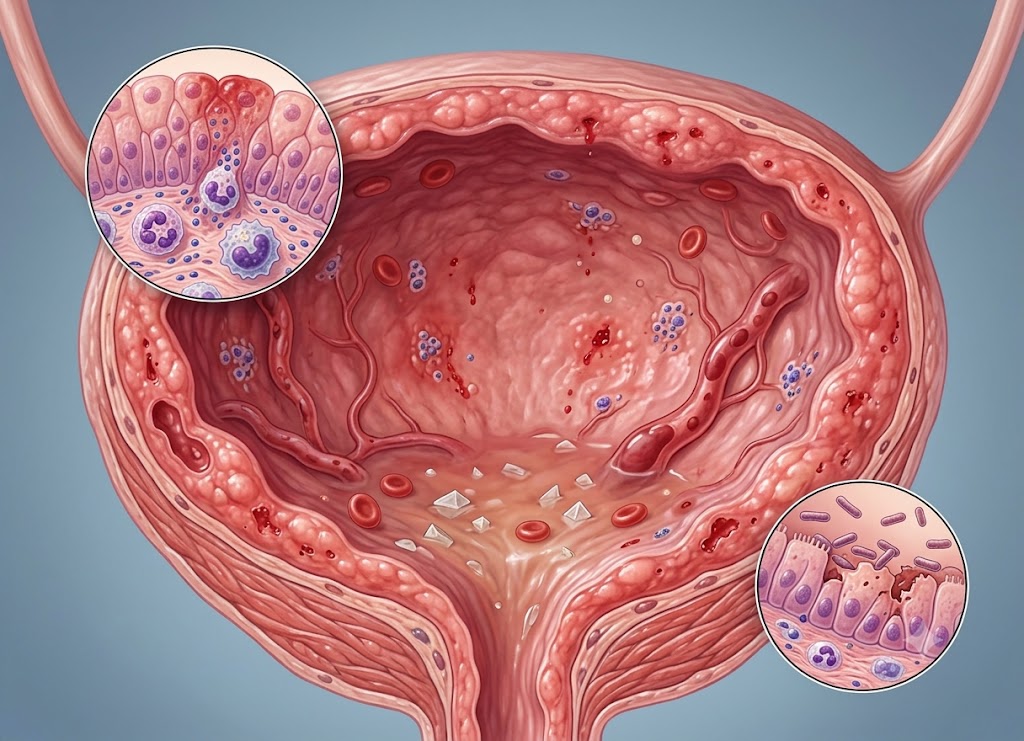
Bladder inflammation symptoms can develop when the bladder lining becomes irritated, infected, or unusually sensitive.
This condition is often called cystitis. Common symptoms include burning during urination, frequent urination, a strong urge to urinate, pelvic pressure, lower abdominal pain, cloudy or strong-smelling urine, and sometimes blood in the urine.
Although bacterial urinary tract infections are a common cause, bladder inflammation can also happen for several noninfectious reasons. Persistent or recurring symptoms should not be ignored.
Understanding what causes bladder inflammation symptoms can provide useful clues about what is happening in the urinary tract. Possible causes include bacterial infections, interstitial cystitis, bladder stones, certain medications, radiation therapy, chemical irritants, catheter use, and other health conditions.
Some cases may require antibiotics, while others are managed by avoiding triggers, controlling pain, treating bladder irritation, or receiving specialist care. This article explains eight common causes and what they may reveal about bladder health.
What Is Bladder Inflammation (Cystitis)?
Bladder inflammation, medically known as cystitis, occurs when the bladder wall becomes swollen and irritated. This can interfere with the bladder’s ability to store urine comfortably and may lead to symptoms such as pain, pressure, and a frequent need to urinate. Inflammation is generally the body’s response to an irritant, injury, or other problem affecting the bladder lining.
The bladder is a hollow, muscular organ in the lower abdomen. Its main job is to stretch and hold urine until it is released from the body. When the bladder lining becomes inflamed, this normal process can be disrupted. The bladder muscles may spasm, while sensitive nerves can become more reactive. As a result, a person may feel an urgent need to urinate even when the bladder contains only a small amount of urine.
Although cystitis is commonly linked to bacterial infections, not every case is caused by an infection. Chemical irritants, medications, radiation exposure, and chronic bladder conditions can also lead to inflammation.
For this reason, cystitis is better understood as a description of inflammation in the bladder rather than one specific disease. The underlying cause determines how the condition should be treated and managed.
To better understand cystitis, it helps to look at what happens inside the bladder during inflammation and how cystitis differs from a urinary tract infection.
Cellular Events During an Inflammatory Response
To understand bladder inflammation symptoms, it is helpful to look at the changes that take place within the bladder wall. One of the bladder’s main protective features is its smooth inner lining, called the urothelium.
The urothelium is covered by a protective layer containing glycosaminoglycans, or GAGs. This layer helps prevent acidic urine and waste products from reaching the deeper tissues of the bladder.
Inflammatory process:
Protective barrier damage → Immune cell activation → Histamine release → Blood vessel swelling and nerve sensitivity
When bacteria, chemicals, radiation, or another irritant damages this protective barrier, the body can start a local inflammatory response.
Immune Cell Activation: Immune cells, including mast cells and neutrophils, move toward the irritated area. Mast cells can release inflammatory substances such as histamine, prostaglandins, and cytokines into nearby tissues.
Vasodilation and Tissue Swelling: Histamine causes small blood vessels in the bladder wall to widen. This increases blood flow and can make the tissue red and swollen. Fluid may also move from the blood vessels into surrounding tissue, causing additional swelling and pressure.
Nerve Sensitization: Inflammatory chemicals and tissue swelling can irritate the nerves within the bladder muscle. These nerves may become overly sensitive and send strong signals to the brain. This can create the persistent pressure, discomfort, and urinary urgency commonly associated with cystitis.
Comparing Cystitis and Urinary Tract Infections (UTIs)
Cystitis and urinary tract infections are sometimes used as though they mean the same thing, but they describe different aspects of a urinary problem. Cystitis describes inflammation of the bladder, while a UTI refers to an infection caused by microorganisms in the urinary tract.
Cystitis:
- Describes inflammation or irritation of bladder tissue
- Can be caused by an infection or by noninfectious triggers
- Refers to the condition of the bladder tissue
UTI:
- Involves the growth of microorganisms in the urinary tract
- Can affect the bladder, urethra, ureters, or kidneys
- Describes an infectious cause
Cystitis means that the bladder is inflamed, regardless of why the inflammation developed.
A UTI, on the other hand, occurs when harmful microorganisms, most commonly bacteria such as E. coli, enter and multiply within the urinary system. A UTI can occur in different parts of the urinary tract, including the kidneys, ureters, bladder, or urethra.
When bacteria multiply inside the bladder, they trigger an immune response that causes inflammation. In this situation, the bacterial UTI is the cause, while cystitis is the resulting inflammation.
However, bladder inflammation can also occur without bacteria. Treating noninfectious inflammation as though it were a bacterial UTI can result in unnecessary antibiotic use and may delay proper treatment.
Identifying Common Non-Infectious Triggers
When someone has ongoing bladder pain but urine cultures do not show bacterial growth, healthcare providers may investigate other causes. This can help identify what is causing bladder pain without infection.
Common noninfectious causes include:
- Interstitial Cystitis: Chronic irritation and changes to the bladder’s protective lining.
- Chemical or Medication-Induced Irritation: Exposure to irritating hygiene products or certain medications.
- Radiation-Related Damage: Bladder tissue injury following radiation treatment involving the pelvic area.
Interstitial Cystitis (Painful Bladder Syndrome): This long-term condition can involve changes or breakdown of the bladder’s protective GAG layer. When the protective barrier is weakened, urine can irritate the underlying bladder tissue. This may lead to chronic bladder pain, pelvic pressure, and urinary urgency without an active infection.
Chemical and Medication-Induced Irritation: Certain products can irritate the sensitive bladder and urinary tissues. Bubble baths, feminine hygiene sprays, and spermicidal products may cause irritation in some people. Certain medications, including chemotherapy drugs such as cyclophosphamide, can also produce substances that irritate the bladder as they leave the body.
Radiation Cystitis: Radiation treatment aimed at pelvic cancers can sometimes damage nearby healthy bladder tissue. The resulting inflammation may cause swelling, fragile blood vessels, and discomfort. In some cases, symptoms can appear months or even years after radiation treatment.
Recognizing the Spectrum of Bladder Inflammation Symptoms
Bladder inflammation symptoms can range from mild pressure that comes and goes to significant and persistent pelvic pain. The severity can depend on the degree of inflammation and how much the bladder tissue is affected.
| Core Symptom Matrix | Clinical Manifestation | Impact on the Bladder Wall |
|---|---|---|
| Urinary Urgency | A sudden, strong need to urinate. | Irritated nerves can send repeated signals that the bladder needs to empty. |
| Urinary Frequency | Needing to urinate often during the day or night. | An irritated or stiff bladder may not comfortably hold its usual amount of urine. |
| Dysuria | Burning, stinging, or pain during or shortly after urination. | Urine passes over irritated tissue near the bladder and urethra. |
| Pelvic Discomfort | Aching or pressure in the lower abdomen or pelvic area. | Swelling and bladder muscle spasms can create pressure and discomfort. |
| Hematuria | Pink, red, or blood-tinged urine. | Inflamed or fragile blood vessels may leak blood into the urine. |
During a flare-up, people may wonder why their bladder hurts so much even when only a small amount of urine is passed. Muscle spasms and overly sensitive nerve endings can contribute to this sensation.
When the bladder wall becomes inflamed, it may not stretch normally. The muscles can contract earlier and more painfully, creating the sensation that the bladder is full even when it contains very little urine.
Causes of Bladder Inflammation: What Are the 8 Common Triggers?
The eight common triggers of bladder inflammation can be divided into infectious and noninfectious causes. They include bacterial infections, catheter use, sexually transmitted infections, interstitial cystitis, certain medications, radiation therapy, chemical irritants, and foreign bodies such as bladder stones.
Infectious Pathogens and Defensive Breaches
When evaluating bladder inflammation symptoms, an important step is determining whether an infection is present. Infectious causes occur when microorganisms get past the body’s natural defenses, multiply within the urinary system, and trigger an immune response.
Infectious process:
Natural defense bypass → Bacteria attach to urinary tissue → Immune response → Bladder inflammation
The main infectious causes of cystitis include several different mechanisms.
Bacterial Infections (Escherichia coli): Bacteria are a leading cause of acute bladder irritation, with E. coli responsible for many urinary infections. These bacteria normally live in the digestive tract. Because the female urethra is relatively short and located close to the anus, bacteria can more easily travel into the urinary tract. Once they reach the bladder, specialized structures called fimbriae can help them attach to the urothelium instead of being washed away by urine.
Catheter-Associated Urinary Tract Infections (CAUTIs): People who use an indwelling urinary catheter have an increased risk of urinary infection and bladder irritation. The catheter can provide a route for bacteria to enter the bladder. Over time, bacteria may form a protective biofilm on the catheter, which can make infections more difficult to treat.
Sexually Transmitted Infections (STIs): Infections caused by organisms such as Chlamydia trachomatis and Neisseria gonorrhoeae can cause urinary irritation. These infections commonly affect the urethra first, causing urethritis. If untreated, infection may contribute to inflammation farther along the urinary tract. Other symptoms, including unusual discharge, may also occur.
Non-Infectious Irritants and Mechanical Damage
When urine cultures do not show bacterial growth but bladder pain continues, doctors may look for noninfectious causes. These triggers can cause irritation through chemical, physical, mechanical, or tissue-related damage rather than through an active infection.
Examples of noninfectious damage include:
- Irritation from medication byproducts
- Exposure to harsh hygiene products
- Damage from radiation therapy
- Scraping caused by bladder stones
- Irritation from foreign objects or displaced medical devices
The primary noninfectious causes of bladder pain include the following.
Interstitial Cystitis (IC / Painful Bladder Syndrome): This chronic condition can involve damage or changes to the bladder’s protective GAG layer. When the protective barrier is weakened, urine may irritate deeper tissues and nerves. This can lead to ongoing pain, pressure, and urinary urgency without an active infection.
Drug-Induced Cystitis: Some medications can irritate or damage bladder tissue as their byproducts are eliminated through urine. Cyclophosphamide, for example, produces a metabolite called acrolein that can irritate the bladder and contribute to inflammation or bleeding. Long-term ketamine use has also been associated with significant bladder damage.
Radiation Cystitis: Radiation treatment for cancers in the pelvic region can sometimes affect nearby healthy bladder tissue. It may cause inflammation soon after treatment or contribute to long-term problems such as scarring, reduced bladder capacity, and fragile blood vessels that can bleed.
Chemical Cystitis: Direct contact with irritating substances can affect the urinary opening and bladder. Possible irritants include harsh soaps, bubble baths, feminine hygiene sprays, and spermicidal products. These substances may disrupt the natural protective environment and contribute to irritation.
Foreign Bodies and Bladder Stones: Objects inside the bladder can cause ongoing physical irritation. Bladder stones, for example, may have rough surfaces that rub against the bladder lining as the bladder contracts. Urinary stents or displaced pelvic materials can also cause irritation. Foreign objects may additionally provide surfaces where bacteria can grow.
Comparing Diagnostic and Management Approaches
Because bladder inflammation can have many different causes, identifying the underlying trigger is important for choosing an appropriate treatment approach.
| Trigger Category | Primary Example | Diagnostic Approach | Management Strategy |
|---|---|---|---|
| Infectious | E. coli bacterial infection | Urinalysis and urine culture | Appropriate antibiotics and adequate fluid intake |
| Infectious | Catheter-associated UTI | Urine testing and catheter evaluation | Catheter management and appropriate antibiotic treatment |
| Non-Infectious | Interstitial cystitis | Diagnosis based on symptoms and exclusion of other causes | Symptom management and bladder-focused therapies |
| Non-Infectious | Drug-induced cystitis | Review of medications and medical history | Managing or changing the triggering medication when medically appropriate |
| Non-Infectious | Radiation cystitis | Cystoscopy and other tests when needed | Treatment directed at inflammation, bleeding, and tissue damage |
| Non-Infectious | Mechanical foreign bodies | Ultrasound, X-ray, or cystoscopy | Removal or management of the source when appropriate |
Understanding what causes bladder pain without infection can help prevent unnecessary antibiotic use. Antibiotics do not treat inflammation caused by chemicals, radiation, medications, or other noninfectious triggers.
For example, if bladder irritation is related to a medication, treating it with antibiotics will not address the underlying problem. A healthcare provider may instead need to identify the medication involved and recommend an appropriate treatment strategy.
Symptoms of Bladder Inflammation: What Do They Reveal About Your Condition?
Bladder inflammation symptoms such as urgency, frequent urination, pain, and changes in urine can provide clues about irritation and swelling within the bladder lining. They may also reflect how the body’s immune system is responding to the underlying problem.
Analyzing the Body’s Warning Signals
The presence of bladder inflammation symptoms can provide information about the degree of irritation affecting the urinary tract. When the urothelium becomes inflamed, the bladder may have difficulty performing its normal role as a flexible storage organ.
Inflammatory chemicals → Increased nerve activity → Sensation of bladder fullness
The pattern of symptoms can sometimes help healthcare providers determine whether the problem is short-term or part of a longer-lasting condition. Sudden burning and painful urination, for example, can occur with acute bacterial cystitis.
Persistent pelvic pressure that changes as the bladder fills and empties may occur with chronic noninfectious conditions such as interstitial cystitis. Looking at the timing, severity, and pattern of symptoms can help guide further evaluation.
Primary Clinical Manifestations of Lower Tract Irritation
The main symptoms of lower urinary tract irritation reflect changes occurring in the inflamed bladder wall. Swelling and irritation can interfere with the normal process of storing and releasing urine.
Sensory symptoms:
- Constant or urgent need to urinate
- Frequent urination with small amounts of urine
- Burning or stinging during urination
Urine changes:
- Cloudy urine
- Strong-smelling urine
- Pink, red, or blood-tinged urine
These symptoms can be connected to different changes within the bladder.
Urgency and Frequency: Inflammation can overstimulate nerves and bladder stretch receptors. The bladder muscle may contract before it is actually full, causing frequent trips to the bathroom and small amounts of urine.
Dysuria (Painful Urination): Burning or stinging can occur when urine passes over irritated tissues around the bladder outlet and urethra. When the protective lining is damaged, sensitive nerve endings may become more exposed to irritation.
Cloudy or Strong-Smelling Urine: Cloudy urine can occur when white blood cells are present, particularly during an infection. Strong-smelling urine may also occur when bacteria are multiplying in the urinary tract, although urine odor can have other causes as well.
Pelvic Discomfort and Hematuria: Aching or pressure above the pubic bone can result from tissue inflammation and bladder muscle spasms. If small blood vessels become irritated or damaged, blood may enter the urine and cause a pink, red, or tea-colored appearance.
Recognizing Systemic Escalation: Kidney Involvement
When urinary symptoms are accompanied by high fever, severe chills, or significant back or side pain, the problem may involve more than the bladder.
Possible progression:
Bladder infection → Bacteria travel through the ureters → Kidney infection (Pyelonephritis)
These symptoms can indicate that an infection has moved from the bladder through the ureters and reached one or both kidneys. This condition is called pyelonephritis and requires prompt medical attention.
Unlike a simple bladder infection, a kidney infection can become a serious systemic illness. Without timely treatment, it may cause kidney damage or allow the infection to enter the bloodstream.
Emergency Indicators and Upper Tract Tracking
Recognizing possible signs of an upper urinary tract infection is important because these symptoms may require urgent medical evaluation.
Warning signs include:
- High fever or severe chills
- Persistent or severe flank pain
- Nausea or repeated vomiting
- Significant weakness or feeling very unwell
When inflammation or infection extends beyond the bladder, several systemic symptoms can develop.
Fever and Shaking Chills: An elevated temperature is part of the body’s response to infection. Severe chills can occur as the body attempts to raise its temperature while fighting an infection. These symptoms may indicate that the infection is no longer limited to the bladder.
Back or Flank Pain: Pain in the back or side below the ribs can be a warning sign of kidney involvement. Kidney swelling can stretch the sensitive capsule surrounding the organ and cause deep or severe discomfort.
Nausea and Vomiting: A significant infection can cause gastrointestinal symptoms, including nausea and vomiting. Repeated vomiting may also make it difficult to drink fluids or take oral medication, increasing the need for medical care.
How Is Bladder Inflammation Diagnosed and Managed?
Bladder inflammation is commonly evaluated with urine testing and, when necessary, additional diagnostic procedures. If a bacterial infection is identified, antibiotics may be used. Chronic or noninfectious conditions may require different approaches, including lifestyle changes, symptom management, bladder therapies, or specialist care.
A complete evaluation is particularly important when symptoms keep returning, do not improve, or suggest a more complicated urinary problem.
Advanced Diagnostic Tests and Structural Visualization
Confirming cystitis often begins with basic urine testing. If symptoms continue or a noninfectious or structural cause is suspected, healthcare providers may recommend additional testing.
Typical evaluation:
Urine sample → Urinalysis → Urine culture when needed → Targeted treatment
If symptoms are chronic or do not appear to be caused by bacteria, additional testing may include cystoscopy, imaging, or other procedures.
Laboratory Assessment Protocols
The initial evaluation of bladder inflammation symptoms often includes a urinalysis. This examines urine for several signs that may help identify infection or inflammation.
- Leukocyte Esterase and White Blood Cells (Pyuria): These findings can indicate an immune response in the urinary tract.
- Nitrites: Nitrites can provide evidence of certain bacterial infections because some bacteria convert nitrates in urine into nitrites.
- Red Blood Cells (Microscopic Hematuria): Blood cells in urine may occur when inflammation or irritation affects small blood vessels in the urinary tract.
When an infection is suspected, a urine culture may be performed. The laboratory grows bacteria from the sample to identify the organism and may test which antibiotics are most effective against it.
Endoscopic and Radiographic Imaging
When chronic bladder pain continues despite negative urine cultures, healthcare providers may investigate other possible causes.
Diagnostic Cystoscopy: A urologist uses a thin tube with a camera to examine the inside of the bladder. This can help identify bladder stones, structural abnormalities, tumors, or areas of significant irritation.
Hydrodistention: In some cases, this procedure is performed during cystoscopy. The bladder is gently filled with fluid to assess its capacity and examine the bladder wall for certain findings that may occur with interstitial cystitis.
Pelvic Imaging (Ultrasound, CT, or MRI): Imaging can provide views of the urinary tract and surrounding structures. These tests may help identify blockages, stones, structural abnormalities, or other conditions that could contribute to persistent symptoms.
Gender-Specific Pathology: Male vs. Female Vulnerabilities
Bladder irritation can differ between men and women because of anatomical differences and different underlying causes.
Female anatomy: Shorter urethra → Bacteria can reach the bladder more easily → Higher risk of uncomplicated bladder infections
Male anatomy: Longer urethra → Lower risk of simple bacterial migration → Greater need to investigate structural or prostate-related causes when infection occurs
Female Structural Susceptibility
Women experience bladder infections more often than men in part because the female urethra is shorter, giving bacteria a shorter route to the bladder.
The urethral opening is also located close to the vagina and anus, which can make contamination with gastrointestinal bacteria such as E. coli easier. In otherwise healthy women, an uncomplicated bacterial bladder infection may often be treated with an appropriate short course of oral antibiotics.
Male Diagnostic Complexity
Bladder infections are less common in men. The longer male urethra provides a greater physical barrier against bacteria traveling to the bladder. When a man develops bladder irritation or infection, healthcare providers may look for an underlying cause.
Possible contributors include:
Benign Prostatic Hyperplasia (BPH): An enlarged prostate can press against the urethra and interfere with urine flow. Incomplete bladder emptying can leave urine in the bladder, creating an environment where bacteria may multiply.
Prostatitis: Inflammation or infection of the prostate can cause discomfort around the bladder neck and contribute to urinary symptoms.
Mechanical Strictures or Stones: Narrowing of the urethra or bladder stones can interfere with urine flow and irritate urinary tissues.
Acute Bacterial Cystitis vs. Chronic Interstitial Cystitis
Distinguishing acute bacterial cystitis from chronic noninfectious conditions is important because the treatments are different.
Acute Bacterial Infection:
- Symptoms may begin suddenly
- Burning and urinary urgency are common
- Urine cultures may identify bacteria
- Appropriate antibiotics can treat the infection
Chronic Interstitial Cystitis (IC):
- Symptoms can persist for a long period
- Pelvic pressure and bladder pain may fluctuate
- Urine cultures do not show an active bacterial infection
- Long-term symptom management may be needed
Acute Cystitis
Acute bacterial cystitis is a short-term infection of the lower urinary tract that is commonly caused by bacteria. Symptoms can appear quickly and may include a strong urge to urinate, burning during urination, frequent urination, and cloudy urine.
Because bacteria cause the infection, appropriate antibiotics can usually clear the infection. Symptoms generally improve as the infection resolves.
Interstitial Cystitis (IC / Painful Bladder Syndrome)
Interstitial cystitis is a chronic condition that does not result from an active bacterial infection. People with IC may experience ongoing pelvic pain, bladder pressure, urinary urgency, and frequent urination. Symptoms may become more noticeable as the bladder fills.
Because an active bacterial infection is not the cause, urine cultures are typically negative. This can help distinguish IC from bacterial cystitis when other causes have been excluded.
Since antibiotics do not treat interstitial cystitis, management focuses on controlling symptoms and improving bladder function. Possible approaches include:
- Bladder Instillations: Medication may be placed directly into the bladder through a thin tube to help relieve symptoms or support the bladder lining.
- Pelvic Floor Physical Therapy: Specialized physical therapy can help relax tight pelvic muscles that may contribute to pain and pressure.
- Neuromodulation and Oral Medications: Certain medications and nerve-focused treatments may be used to help manage pain and urinary symptoms.
Lifestyle Modifications and Preventative Interventions
Certain lifestyle habits may help reduce the risk of recurrent urinary infections and minimize irritation in people with sensitive bladders.
Strategic Hydration and Flushing: Drinking enough water helps dilute urine and encourages regular urination. This may help flush bacteria from the urinary tract. Avoiding prolonged urine holding may also be beneficial.
Post-Intimacy Voiding Protocols: People who frequently develop urinary infections may benefit from urinating soon after sexual activity. This can help remove bacteria that may have entered the urethra.
Wiping Technique Modification: Women can help reduce bacterial transfer by wiping from front to back after using the bathroom.
Eliminating Chemical Irritants: Avoiding scented bubble baths, feminine hygiene sprays, douches, and scented powders may reduce irritation around the urinary opening and bladder.
Dietary Adjustments: Certain foods and drinks may irritate a sensitive bladder or make symptoms worse. Depending on individual tolerance, it may help to limit:
- Highly acidic foods such as citrus fruits, tomatoes, and vinegar
- Caffeinated coffee, energy drinks, and sodas
- Alcoholic beverages
- Spicy foods and artificial sweeteners
Conclusion
Bladder inflammation symptoms can be linked to several different conditions, ranging from common urinary tract infections to chronic bladder pain, medication-related irritation, chemical exposure, bladder stones, or medical procedures. Burning during urination, urinary urgency, frequent urination, pelvic pain, cloudy urine, blood in the urine, fever, and back pain can all provide important clues, particularly when symptoms are persistent or severe.
Treatment depends on the underlying cause. Evaluation may include a urinalysis, urine culture, imaging, cystoscopy, or assessment for other urinary, pelvic, or kidney conditions. Symptoms accompanied by fever, chills, flank pain, vomiting, blood in the urine, pregnancy, or worsening pain should be evaluated promptly.
Frequently Asked Questions
1. What are bladder inflammation symptoms?
Bladder inflammation symptoms can include burning during urination, frequent urination, a strong urge to urinate, pelvic pressure, lower abdominal pain, and discomfort as the bladder fills. Some people may also notice cloudy or strong-smelling urine or blood in the urine. Symptoms can range from mild to intense, and possible causes include infection, irritation, interstitial cystitis, and other urinary conditions.
2. What causes bladder inflammation symptoms?
Bacterial urinary tract infections are a common cause of bladder inflammation symptoms. Other possible causes include interstitial cystitis, bladder stones, catheter irritation, certain medications, radiation therapy, chemical irritants, and urinary tract problems. Similar symptoms can also occur with kidney infections, sexually transmitted infections, or some pelvic conditions. Urine testing may help determine the underlying cause.
3. Is bladder inflammation the same as a UTI?
Bladder inflammation is not always the same as a UTI. Cystitis refers to inflammation of the bladder and can result from infectious or noninfectious causes. A bacterial bladder infection is one form of cystitis and may require antibiotics. Noninfectious bladder inflammation requires a different treatment approach.
4. When should bladder inflammation symptoms be checked by a doctor?
Bladder inflammation symptoms should be evaluated when they are severe, persistent, recurring, or unusual. Medical attention is particularly important if symptoms include fever, chills, back or side pain, vomiting, blood in the urine, pregnancy, or difficulty urinating. These symptoms can indicate a kidney infection or another condition that needs prompt evaluation.
5. How are bladder inflammation symptoms treated?
Treatment depends on what is causing the inflammation. Bacterial bladder infections are commonly treated with appropriate antibiotics. Interstitial cystitis may require approaches such as bladder training, dietary changes, pain management, physical therapy, or other treatments. If medications, chemicals, stones, or catheters are responsible for the irritation, treatment may focus on removing or managing the underlying trigger. A healthcare provider can recommend the appropriate treatment after reviewing the symptoms and test results.