
When Swollen Glands Under Jaw Could Signal Infection or Illness
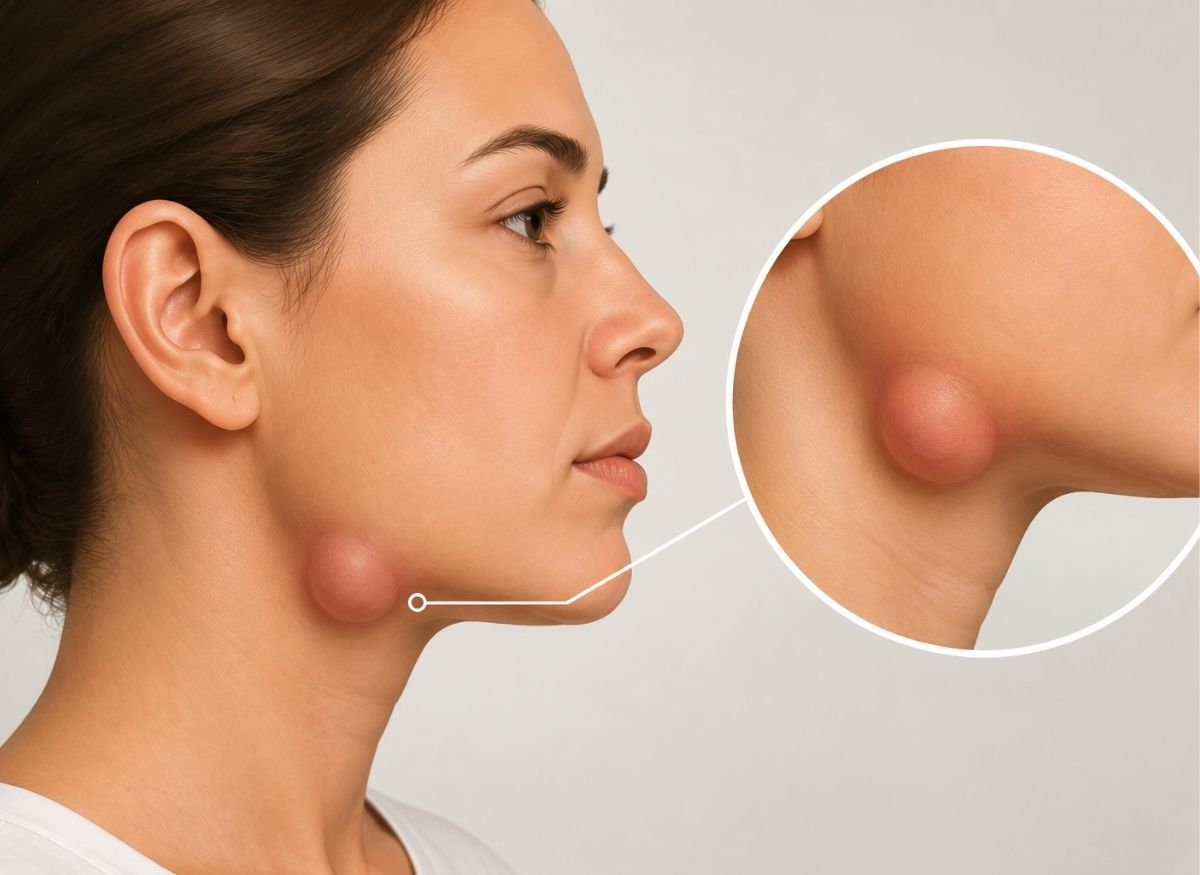
Swollen glands under jaw are a common concern and can happen for several different reasons. Sometimes, they are simply a response to a mild cold or another infection. The lymph nodes around the jaw and neck, especially the submandibular lymph nodes, are an important part of the immune system. They help filter bacteria, viruses, and damaged cells from the body. When these glands become enlarged, it often means the immune system is responding to an infection or illness. In many cases, the swelling goes away as the body recovers, but ongoing or severe swelling may sometimes point to an underlying condition that needs medical attention.
Swollen glands under jaw can also occur along with symptoms such as a sore throat, fever, tenderness, or difficulty swallowing. Common causes include viral infections such as colds and flu, bacterial infections such as strep throat or dental abscesses, and illnesses such as mononucleosis. In less common cases, swollen glands can be associated with autoimmune conditions, certain cancers, or infections requiring medical treatment. This article explains the possible causes, symptoms, warning signs, and situations in which it may be important to see a doctor.
What Are Swollen Glands Under Jaw?
The area beneath the jaw contains several structures belonging to both the immune and digestive systems. When you notice a lump under chin, it may be a submandibular lymph node or a submandibular salivary gland. These structures are located close to one another, but they can become enlarged for very different reasons. Factors such as how the swelling feels, when it becomes painful, and whether it changes during the day can help a healthcare professional determine its likely source.
The Anatomy and Function of Submandibular Lymph Nodes
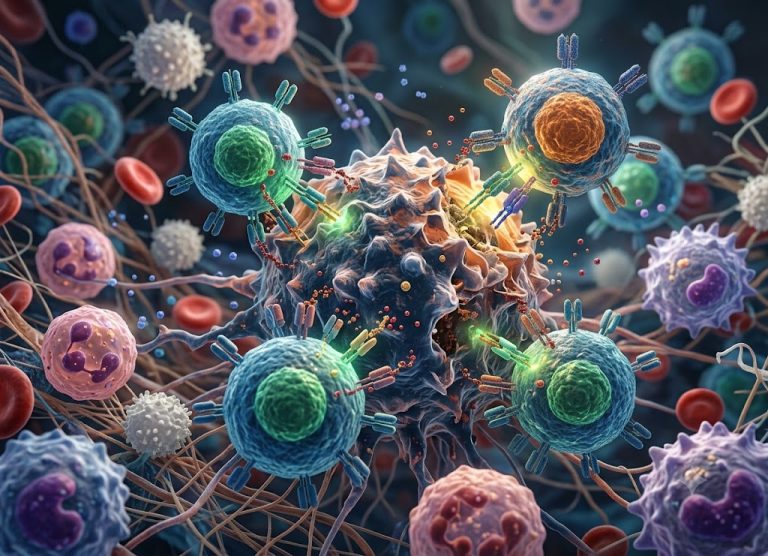
Submandibular lymph nodes work as important checkpoints for the immune system. They filter lymphatic fluid that drains from areas such as the mouth, throat, and face. When an enlarged jaw lymph node develops, it can mean that the node is responding to an infection, such as a cold, throat infection, or dental abscess.
This immune response is known as reactive lymphadenopathy. During this process, the lymph node can fill with immune cells that help fight the infection. These lumps underneath chin are often small and firm and may have a slightly bean-like shape. One common feature of an enlarged lymph node under jaw is that it can remain somewhat mobile beneath the skin. When a lymph node under jaw hurts, the discomfort may be caused by the node enlarging and stretching its surrounding capsule during the immune response.
The Role of Submandibular Salivary Glands
The submandibular salivary glands are larger structures that produce saliva and help with digestion. Unlike a lymph node, a salivary gland can become swollen because of an obstruction in its duct.
One possible cause is sialolithiasis, a condition in which calcium-containing stones develop inside the salivary duct. This can create a noticeable pattern in which the gland appears normal at one time but suddenly becomes swollen or painful when you begin eating. Food stimulates saliva production, but if a stone blocks the duct, saliva can build up behind the blockage and cause pressure.
If the blockage continues, bacteria may enter the gland and cause an infection called sialadenitis. This can result in more persistent swelling, discomfort, fever, or an unpleasant taste in the mouth.
Distinguishing Between Localized and Systemic Swelling
When trying to understand why are the glands in my neck swollen, it can help to look at whether the swelling occurs on one side or both sides. Viral infections such as flu or mononucleosis may cause swollen glands in jaw on both sides and may also affect lymph nodes in other areas of the neck.
A problem affecting one salivary gland or a localized infection, such as an infected tooth, is more likely to cause an enlarged lymph node under jaw on one side.
Looking at whether the swelling is isolated or part of a larger group of enlarged lymph nodes can provide useful clues. A tender lymph node pain under jaw is often related to an active immune response, while a hard, fixed, and painless lump may require faster medical evaluation.
Causes of Swollen Glands Under Jaw: What Could It Be?
When swollen glands under jaw appear, they can act as a signal that something is happening in the head, neck, or nearby tissues. The cause may be something as simple as a seasonal virus or a more localized problem involving the salivary glands or teeth.
To understand what causes a swollen gland in the neck, it is useful to distinguish between lymph nodes responding to infection and salivary glands affected by a blockage or inflammation.
Infectious Triggers for Swollen Glands Under Jaw
Most cases involving a swollen gland below jaw or lymph node swelling under chin are reactive. This means the lymph nodes are responding to an infection nearby.
Viral illnesses are among the most common causes. Colds and influenza can lead to glands in jaw swollen on one or both sides. Mononucleosis can also cause noticeably enlarged and tender lumps underneath chin and along the neck. In these situations, an enlarged jaw lymph node is helping filter infectious material while immune cells work to control the infection.
Bacterial infections may cause more localized and painful swelling. If a lymph node under jaw hurts mainly on one side, the source could be a dental abscess, infected tooth, or severe tonsillitis. The inflamed lymph node under jaw may feel firm and tender because it is responding to the infection in the nearby area.
Major Illnesses and Systemic Causes
Although infections are responsible for many cases of swollen glands under jaw, persistent or painless swelling can sometimes have other causes. Autoimmune conditions such as lupus or rheumatoid arthritis can cause ongoing inflammation and enlarged lymph nodes. In these situations, why are the glands in my neck swollen may be related to a broader immune-system problem rather than a temporary infection.
In more serious situations, the lymphatic system can be affected by cancers such as lymphoma or leukemia. A lump under chin caused by these conditions may feel firm or rubbery and may not be painful. Cancer that begins elsewhere, including in the mouth, throat, or skin, can also spread to nearby lymph nodes. An enlarged lymph node under jaw that is hard, fixed, and not easily moved should be evaluated by a healthcare professional.
Mechanical Obstruction: Salivary Gland Swelling
Not every swollen gland under jaw is a lymph node. The submandibular salivary glands can also become enlarged, especially when their ducts are blocked.
Sialolithiasis occurs when small calcium stones block the salivary duct and interfere with the normal flow of saliva. A typical sign is swelling and pain that suddenly becomes worse when eating and then decreases afterward. This pattern differs from an enlarged jaw lymph node because the problem is caused by blocked saliva rather than an immune response.
If the blockage remains, sialadenitis can develop and cause infection of the salivary gland. The area may become swollen, firm, or painful. Knowing the difference between the lymph nodes in my neck and the salivary glands can help identify where the swelling is coming from.
Symptoms of Swollen Glands Under Jaw: What Should You Look For?
When monitoring swollen glands under jaw, it is important to consider more than the lump itself. Other symptoms, as well as the size, texture, mobility, and duration of the swelling, can provide important clues.
A swollen gland below jaw may appear with other symptoms depending on whether the cause is an infection, a salivary gland problem, or another condition.
Recognizing the “Reactive” Profile: Infection-Related Swelling
Most people who develop a swollen gland under jaw are experiencing an immune response to an infection. These swollen nodes are often uncomfortable and tender.
A common symptom is lymph node pain under jaw, which may make the area sensitive when touched. The node can become enlarged as immune cells work to fight an infection, causing pressure around the surrounding tissue.
The skin around a lump under chin may sometimes feel warm or look slightly red. Despite being swollen, the node may remain mobile beneath the skin and can feel soft to firm.
Other symptoms can help identify the source. A lymph node swelling under chin accompanied by fever, chills, or a severe sore throat may point toward a respiratory infection or tonsillitis. If a lymph node under jaw hurts at the same time as a severe toothache, a dental infection or abscess may be responsible.
These infection-related lumps underneath chin often develop relatively quickly and may decrease as the underlying infection improves.
Distinguishing Minor Issues from Major Red Flags
One useful difference between a typical reactive lymph node and a potentially more concerning lump is whether it is painful. A lymph node sore under jaw is often associated with an active immune response.
In contrast, a lymph node that is painless, very hard, fixed in place, or slowly increasing in size deserves medical evaluation. An enlarged jaw lymph node that feels attached to deeper tissue and remains enlarged for weeks without tenderness should not be ignored.
Duration is also important. A swollen lymph node under jaw caused by a common infection should generally begin improving as the illness resolves. Swelling that continues for several weeks, particularly when combined with unexplained weight loss, heavy night sweats, or ongoing fatigue, should be assessed by a healthcare professional.
Localized vs. Generalized: Mapping the Immune Response
It is also important to determine whether only one gland underneath chin is enlarged or whether several lymph-node groups are affected.
- Localized Swelling: A single swollen gland below jaw often points toward a nearby problem, such as an infection affecting the teeth, throat, mouth, or skin on that side.
- Generalized Swelling: Swollen lymph nodes in the jaw, neck, armpits, or groin may suggest a condition affecting the body more broadly. This can occur with certain viral infections, autoimmune conditions, or cancers.
Knowing where are the lymph nodes in my neck and observing whether swelling is limited or widespread can give your doctor useful information. The overall pattern is often more informative than the lump alone.
Is it Always Necessary to See a Doctor for Swollen Glands Under Jaw?
Many cases of swollen glands under jaw are part of a normal immune response and improve without specific treatment. If the swollen gland below jaw is small, tender, and appeared around the same time as a sore throat, runny nose, or cold symptoms, it may simply be a reactive lymph node.
As the infection improves, the gland under chin may gradually return to its usual size. However, monitoring at home is more appropriate when the swelling follows this expected pattern and there are no warning signs.
When to Seek Medical Advice
A doctor should evaluate a lump under chin when there is no obvious reason for it. If you have not recently had a cold, dental problem, skin infection, or other illness but suddenly notice a gland underneath chin, the cause may need to be investigated.
The physical characteristics of the swelling also matter. Swollen glands under jaw that are very large, extremely hard, or fixed rather than mobile should receive professional attention.
Persistent swelling is another reason to seek medical advice. If an enlarged lymph node under jaw remains swollen for several weeks or continues to grow after other symptoms have disappeared, further evaluation may be necessary. Red, hot, or increasingly painful skin over the swollen area may also indicate a bacterial infection or abscess.
Evaluation for High-Risk Groups and Systemic Symptoms
People with weakened immune systems may need to be more cautious about swollen glands under jaw. If you are receiving chemotherapy or have a condition that affects immune function, a new lump under chin should be discussed with your healthcare team.
Systemic symptoms are another important warning sign. If glands in jaw swollen are accompanied by unexplained weight loss, heavy night sweats, or persistent fever, medical evaluation becomes more important. A doctor may use blood tests, imaging such as an ultrasound, or other tests to determine the cause of the swollen lymph node on jaw line.
The “Red Flag” Swollen Glands Under Jaw Symptoms that Require Immediate Medical Consultation
Although swollen glands under jaw are often caused by normal immune activity, certain symptoms require prompt medical attention. These warning signs can involve the physical characteristics of the gland, whole-body symptoms, or pressure on nearby structures.
Concerning Physical Characteristics of the Gland
The physical nature of a swollen gland below jaw can provide important information. A reactive lymph node is often tender, somewhat soft or firm, and mobile. A lump that is very hard, difficult to move, or fixed to surrounding tissue is more concerning.
Size and duration are also important. An enlarged jaw lymph node that becomes significantly large, continues increasing in size, or remains swollen for several weeks without improvement should be examined by a healthcare professional.
The Trio of Systemic “B-Symptoms”
Doctors may also pay attention to symptoms known as “B-symptoms.” These can sometimes occur with serious systemic conditions involving the lymphatic system.
If an enlarged lymph node under jaw occurs together with any of the following symptoms, medical consultation is important:
- Unexplained Weight Loss: Losing a significant amount of weight without intentionally changing diet or exercise.
- Drenching Night Sweats: Sweating heavily enough during sleep that you need to change your clothes or bedding.
- Persistent Fever: A fever that continues for an extended period without an obvious cause such as a common infection.
Local Compressive Symptoms
Because swollen glands under jaw are located near structures involved in swallowing and breathing, significant enlargement can sometimes create pressure.
Difficulty swallowing or breathing should be treated as an urgent medical concern. Persistent hoarseness or a noticeable voice change that continues for more than two weeks should also be medically evaluated.
Paying attention to what causes a swollen gland in the neck and recognizing these warning signs can help prevent serious conditions from being overlooked. While a tender lymph node sore under jaw is often related to an immune response, a painless, fixed, and growing lump needs professional assessment.
The Differences Between Swollen Glands Under Jaw and Swollen Glands in the Groin or Armpits?
The location of a swollen lymph node can provide useful clues about what is happening in the body. Different groups of lymph nodes drain different regions, so swollen glands under jaw may suggest a different source than swelling in the armpits or groin.
When an enlarged jaw lymph node develops, doctors often consider possible problems involving the teeth, mouth, throat, or sinuses.
Regional Drainage: The “Watershed” Principle
The lymphatic system is organized into regional drainage areas. Swollen glands under jaw, also called cervical lymphadenopathy when involving the neck, mainly respond to issues affecting the head and neck.
This is why common causes of what causes a swollen gland in the neck include dental infections, strep throat, sinus infections, and other nearby illnesses. The gland under chin is responding to problems within its drainage area.
In contrast, other lymph-node groups are associated with different parts of the body:
- Armpits (Axillary Nodes): These nodes drain areas such as the arms, chest wall, and breasts. Swelling may occur because of an infection or injury involving the arm, and other causes may also need to be considered.
- Groin (Inguinal Nodes): These nodes drain the legs, feet, and pelvic region. Swelling can result from skin or leg infections and may also occur with certain sexually transmitted infections.
Localized vs. Generalized Lymphadenopathy
One of the most important distinctions is whether swelling is limited to one lymph-node region or affects several areas.
If you only have swollen glands under jaw, the source may be localized to the head or neck. However, if glands in jaw swollen occur at the same time as enlarged nodes in the armpits and groin, this may be described as generalized lymphadenopathy.
Generalized swelling can indicate a condition affecting the entire body. Possible causes include certain viral infections, autoimmune disorders, and some cancers affecting the blood or lymphatic system.
Understanding where are the lymph nodes in my neck and comparing the swelling with other parts of the body can help provide your doctor with a clearer picture. One lymph node sore under jaw may have a localized cause, while multiple lumps underneath chin and elsewhere may require broader investigation.
Conclusion
Swollen glands under jaw can understandably cause concern, but in many cases they are simply a sign that the immune system is responding to an infection. Colds, flu, bacterial infections, dental problems, and other conditions can all cause lymph nodes around the jaw to enlarge. Most infection-related swelling improves as the underlying problem gets better.
However, swelling that continues, becomes increasingly painful, grows larger, or appears with unusual symptoms should be evaluated by a healthcare professional. Early assessment can help identify the cause and ensure that any condition requiring treatment is addressed.
Understanding the possible causes of swollen glands and paying attention to changes in their size, tenderness, and duration can help you make informed decisions about when to seek medical care.
FAQ
What causes swollen glands under jaw?
Swollen glands under jaw are most often caused by infections, including viral and bacterial illnesses. Colds, flu, and mononucleosis can enlarge lymph nodes, while bacterial conditions such as strep throat, dental abscesses, and salivary gland infections can also cause swelling. Autoimmune conditions and, less commonly, certain cancers can also contribute to enlarged lymph nodes.
How do I know if swollen glands under jaw are serious?
Swollen glands under jaw may need medical evaluation if they persist, continue growing, or occur with symptoms such as fever, unexplained weight loss, difficulty swallowing, or night sweats. A lump that feels very hard, fixed, or unusually large should also be checked. A healthcare professional can determine whether additional tests are needed.
Can swollen glands under jaw go away on their own?
Yes. Many swollen glands under jaw become enlarged because the immune system is responding to an infection and gradually return to normal as the illness improves. Viral infections such as colds and flu often resolve without specific treatment. Bacterial infections may require appropriate medical treatment. If swelling does not improve or becomes worse, medical evaluation is recommended.
When should I see a doctor for swollen glands under jaw?
You should consider seeing a doctor if the swelling causes significant pain, does not improve, continues to grow, or occurs with symptoms such as fever, fatigue, difficulty swallowing, or night sweats. A lump that is hard, large, fixed, or unexplained should also be evaluated. People with a history of autoimmune disease or cancer should discuss new or persistent swelling with their healthcare provider.
Can swollen glands under jaw be caused by something other than infection?
Yes. Swollen glands under jaw can have causes other than infection. Autoimmune conditions such as lupus and rheumatoid arthritis may cause enlarged lymph nodes, while persistent swelling can rarely be linked to cancers such as lymphoma or salivary gland tumors. Dental problems, including infected teeth and gum infections, can also cause nearby lymph nodes to enlarge. Persistent or unexplained swelling should be assessed by a healthcare professional.