
7 Warning Signs of Eustachian Tube Dysfunction (ETD) to Watch for
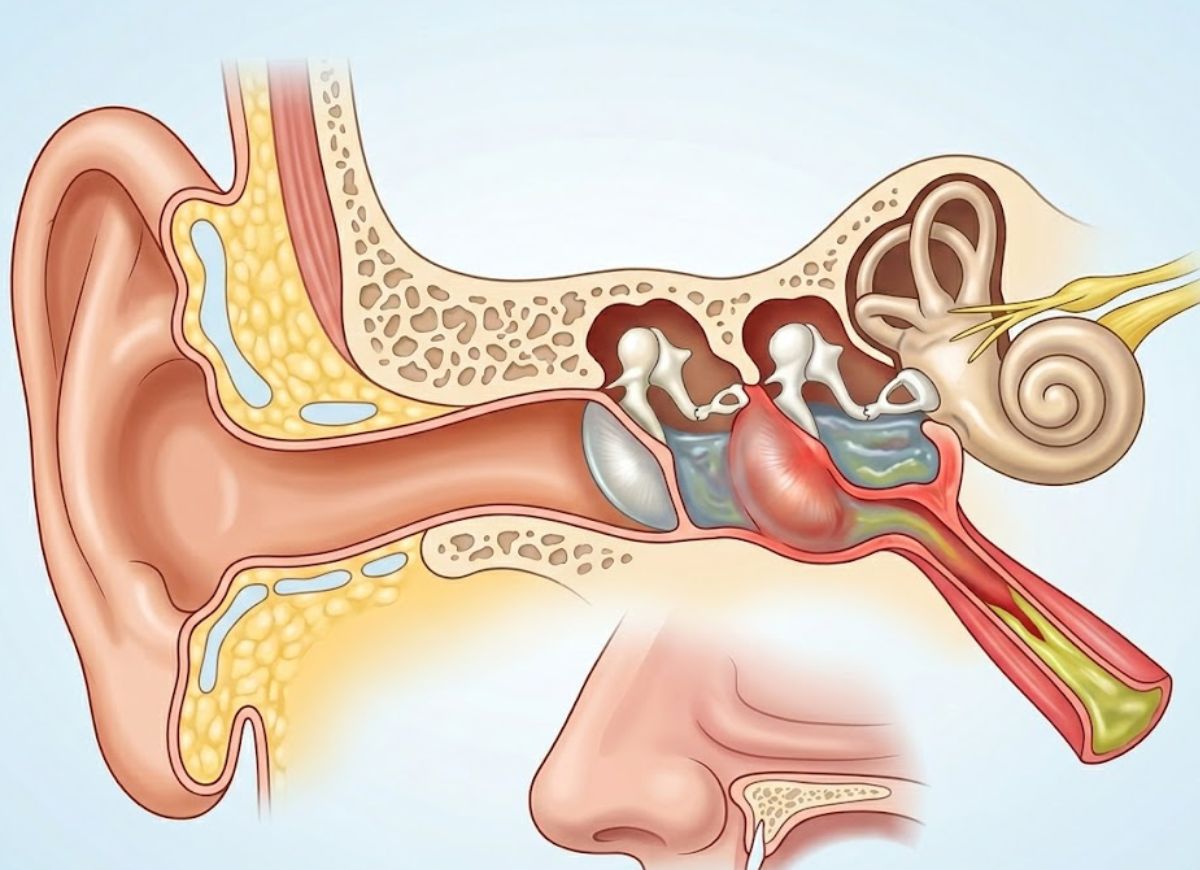
Ear discomfort can happen occasionally after flying, having a cold, or spending time in the water. However, when these symptoms continue or keep returning, they may point to an underlying issue. Eustachian Tube Dysfunction (ETD) is one condition that can develop gradually and may be easy to overlook in the beginning. The eustachian tube is a small passage that connects the middle ear with the back of the nose and helps balance pressure and remove fluid. When it does not work correctly, it can affect hearing, balance, and general ear comfort.
ETD can occur at any age, although it is particularly common in children and people who experience allergies, sinus problems, or frequent respiratory infections. Many people dismiss mild ear symptoms as temporary, especially when they occur during a cold or after traveling. However, ongoing dysfunction can result in continued pressure, fluid behind the eardrum, infections, or changes in hearing.
One reason ETD can be difficult to recognize is that its early symptoms may come and go. You might notice that your ear feels blocked, sounds seem muffled, or your ears pop and click when you swallow or yawn. These sensations can become more noticeable when you fly or travel through areas with significant changes in altitude. Ringing in the ears, mild dizziness, or discomfort during swallowing can also occur.
In this article, we’ll explore 7 warning signs of Eustachian Tube Dysfunction (ETD) to watch for. Knowing these symptoms can help you recognize when an ear problem may need professional evaluation. Even minor changes in hearing, pressure, or ear sensation can be worth paying attention to, particularly when they persist or become worse.
What is Eustachian Tube Dysfunction (ETD)?
Eustachian Tube Dysfunction (ETD) occurs when the eustachian tube does not open or close normally, making it difficult for the middle ear to regulate pressure and clear fluid. This can create an imbalance between the pressure inside the middle ear and the surrounding air pressure, producing symptoms such as fullness, discomfort, popping, and changes in hearing.
Understanding ETD requires knowing how the eustachian tube normally functions and what happens when it becomes blocked or remains open when it should be closed. Temporary dysfunction may occur with a cold or congestion, while ongoing problems can contribute to fluid buildup, ear infections, and changes in the position of the eardrum.
How Does The Eustachian Tube Work?
The eustachian tube is a narrow passage that connects the middle ear to the nasopharynx, which is the upper area of the throat located behind the nose. In adults, it is generally around 3–4 centimeters long. Its main functions are to balance pressure, help drain fluid from the middle ear, and protect the middle ear from sounds and germs coming from the throat and nose.
Under normal circumstances, the eustachian tube stays closed and briefly opens when needed. Muscles involved in swallowing and movement of the soft palate help open it during actions such as swallowing, chewing, or yawning.
When you swallow, for example, these muscles briefly pull the tube open. This allows a small amount of air to enter the middle ear and helps equalize pressure on both sides of the eardrum. This process is particularly noticeable when your ears “pop” during an airplane flight or another change in altitude.
Opening the tube also helps fluid and secretions leave the middle ear and move toward the throat. This drainage system helps keep the middle ear healthy and functioning normally.
What Goes Wrong in Eustachian Tube Dysfunction?
With Eustachian Tube Dysfunction, the normal opening and closing process does not work properly. As a result, the middle ear may have difficulty maintaining normal pressure or draining fluid.
There are two main forms of ETD. The more common type is obstructive dysfunction, in which the tube does not open enough. Inflammation and swelling caused by colds, allergies, or chronic sinus problems can narrow the passage and make it harder for the tube to open.
In children, enlarged adenoids can sometimes contribute to blockage. In rare situations, a physical growth or other obstruction can also affect the tube.
When the tube remains blocked, air in the middle ear is gradually absorbed by nearby tissues. This can create negative pressure that pulls the eardrum inward. The result may be ear fullness, discomfort, and muffled hearing.
The second type is patulous dysfunction, which occurs when the eustachian tube remains open when it should normally close. It can sometimes be associated with significant weight loss, hormonal changes, or certain neurological conditions.
When the tube remains open, sounds from the nose and throat can travel more easily into the middle ear. A person may hear their own voice or breathing unusually loudly, a sensation known as autophony.
Both forms interfere with the normal pressure balance of the middle ear and can produce different but noticeable symptoms.
7 Main Symptoms of Eustachian Tube Dysfunction
The seven main symptoms of Eustachian Tube Dysfunction include aural fullness, muffled hearing, ear pain, tinnitus, popping or clicking, dizziness, and a tickling sensation. A feeling of pressure or blockage is one of the most common signs, but ETD can produce several symptoms at the same time.
The exact symptoms can vary depending on the type of dysfunction and what is causing it. Colds, allergies, sinus inflammation, and other conditions may all contribute to eustachian tube problems.
Aural Fullness
Aural fullness refers to the sensation that your ear is blocked, plugged, or under pressure. People may describe it as feeling as though they have water or cotton inside the ear.
This is one of the most common symptoms of ETD and is often related to an imbalance in pressure across the eardrum.
When the eustachian tube is blocked, air cannot enter the middle ear normally. As the existing air is gradually absorbed, pressure inside the middle ear can become lower than the pressure outside. This may pull the eardrum inward and create the sensation of fullness.
The feeling can remain constant or appear intermittently. It may become more noticeable during a cold, allergy flare-up, or altitude change.
Muffled Hearing
ETD can make sounds seem quieter, distant, or unclear. This can happen because pressure changes can affect the normal movement of the eardrum.
When the eardrum cannot move freely, sound vibrations may not be transmitted as efficiently through the middle ear. This can make hearing seem as though you are listening through a thick layer or an earplug.
If ETD continues for a long time, fluid can accumulate behind the eardrum. This fluid, known as otitis media with effusion, can further reduce the movement of the eardrum and middle ear bones, resulting in conductive hearing loss.
Ear Pain (Otalgia)
Ear pain caused by ETD is often described as aching, pressure, or discomfort rather than the intense pain that may accompany an infection.
Pressure changes can place stress on the eardrum and tissues within the middle ear, producing discomfort. The pain may become more noticeable during activities that require the eustachian tube to adjust pressure, such as flying or traveling through mountainous areas.
The intensity can vary depending on the severity of the pressure imbalance and the underlying cause.
Tinnitus
Tinnitus is when you hear a sound such as ringing, buzzing, humming, or hissing even though there is no external source producing it.
With ETD, changes in pressure or fluid in the middle ear may affect how the ear processes sound. These changes can sometimes contribute to tinnitus or make existing tinnitus more noticeable.
The sound may be high-pitched, low-pitched, continuous, or intermittent. Its intensity can also vary from person to person.
Popping or Clicking Noises
Popping, clicking, crackling, or similar sounds are frequently reported by people with ETD. These noises may occur when swallowing, yawning, chewing, or moving the jaw.
The sounds can happen as the eustachian tube attempts to open and close. Inflamed or sticky tissues may briefly separate, or air and mucus may move through a partially blocked tube.
Although these noises can be annoying, they are often a sign that the tube is attempting to regulate pressure.
Dizziness or Balance Issues
Dizziness or a feeling of imbalance can sometimes accompany ETD, although it is not always present.
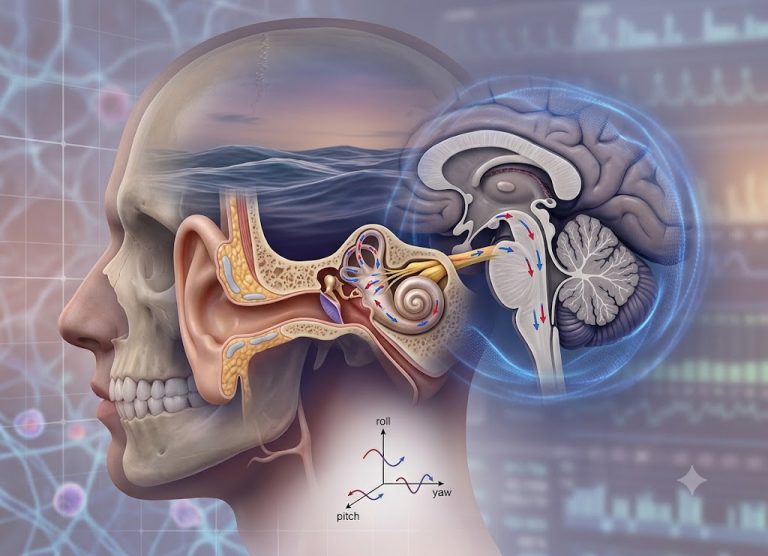
The middle ear is located close to the inner ear, which contains the vestibular system responsible for balance. Significant pressure changes or problems affecting nearby structures may contribute to feelings of unsteadiness or dizziness.
Some people may describe this as lightheadedness, while others may experience a spinning sensation known as vertigo. Persistent or severe dizziness should be evaluated by a healthcare professional because many conditions other than ETD can cause it.
Tickling Sensation
Some people notice an unusual tickling, itching, or crawling sensation deep inside the ear.
This may be related to irritation caused by inflammation, pressure changes, or small amounts of fluid or mucus near the eardrum. Although the sensation may be mild, persistent ear irritation can become distracting and uncomfortable.
Eustachian Tube Dysfunction Diagnosis
Eustachian tube dysfunction is usually evaluated through a medical history, physical ear examination, and, when necessary, tests such as tympanometry or hearing tests. Treatment depends on the underlying cause and may range from simple self-care measures to medical procedures.
Knowing when to seek professional help is important, especially when symptoms continue or interfere with hearing and daily activities.
Mild symptoms that occur temporarily after a cold, flight, or altitude change may improve without medical treatment. If ear pressure or popping disappears within a few days, the eustachian tube may simply have been temporarily affected by congestion or inflammation.
However, symptoms that continue for more than a week or two, repeatedly return, or become worse should be evaluated by a healthcare professional. Long-lasting dysfunction can contribute to fluid buildup, infections, or other middle ear problems.
Certain symptoms require more prompt medical attention. Severe or increasing ear pain, fever, significant dizziness or vertigo, fluid or pus coming from the ear, or substantial hearing loss can indicate a problem beyond uncomplicated ETD.
If simple measures do not improve the symptoms, a doctor can investigate possible causes such as allergies, sinus inflammation, infection, or structural problems.
Diagnosis begins with a discussion of symptoms and medical history. A doctor will usually examine the ear with an otoscope, a lighted instrument used to view the ear canal and eardrum.
The eardrum may appear pulled inward when negative pressure is present. A healthcare provider may also look for fluid behind the eardrum or other changes that could explain the symptoms.
Tympanometry is another common test used to assess the movement of the eardrum and pressure within the middle ear. A small probe is placed in the ear canal to create a seal, and the device changes the pressure while measuring how the eardrum responds to sound and pressure.
The results can provide useful information about middle ear pressure and eardrum movement. Abnormal results may suggest fluid, pressure problems, or other middle ear conditions.
For persistent or complicated cases, an ENT specialist may use nasal endoscopy. This involves a thin flexible camera being passed through the nose to examine the area around the eustachian tube opening and look for inflammation, polyps, or other physical causes of blockage.
Home Remedies for Eustachian Tube Dysfunction and Medical Treatments
Home remedies and medical treatments for ETD serve different purposes. Simple self-care techniques can help temporarily relieve pressure, while medical treatment focuses on the underlying cause of persistent or recurring dysfunction.
For mild symptoms, pressure-equalizing techniques may help the eustachian tube open. The Valsalva maneuver involves gently blowing while keeping the mouth closed and the nose pinched. It should be done gently rather than forcefully.
The Toynbee maneuver involves pinching the nose and swallowing. Yawning, chewing gum, and swallowing fluids can also encourage the muscles around the eustachian tube to work.
A humidifier or saline nasal spray may help keep nasal passages comfortable and loosen mucus, especially when congestion is contributing to the problem. These measures can be useful during colds or temporary pressure changes.
Medical treatment may be appropriate when ETD is persistent or linked to allergies, chronic nasal inflammation, or another underlying condition. Depending on the cause, a healthcare professional may recommend treatments designed to reduce inflammation or congestion.
Decongestants may sometimes be recommended for short-term congestion, although they are not suitable for everyone and prolonged use of some nasal decongestant sprays can cause rebound congestion.
If symptoms do not improve with conservative treatment, an ENT specialist may consider other options, including procedures designed to improve eustachian tube function.
ETD vs. An Ear Infection
Eustachian tube dysfunction and middle ear infections can produce some similar symptoms, including muffled hearing and a feeling of pressure. However, they are different conditions and may require different approaches to treatment.
ETD is mainly a problem involving pressure regulation and drainage. An ear infection, also called otitis media, involves inflammation and infection within the middle ear.
When the eustachian tube is blocked, fluid can build up behind the eardrum. Initially, this fluid may not be infected. If bacteria or viruses enter and multiply in the trapped fluid, an infection can develop.
ETD commonly produces symptoms such as fullness, popping, crackling, pressure, and mild discomfort. Acute middle ear infections are more likely to cause significant or throbbing pain.
An infection may also be associated with fever, particularly in children. In some cases, fluid or pus may drain from the ear if the eardrum develops a perforation.
Both ETD and ear infections can temporarily affect hearing. However, an infection may cause more noticeable hearing changes when significant fluid and inflammation are present.
Because the symptoms can overlap, persistent or severe ear problems are best evaluated by a healthcare professional rather than diagnosed based only on symptoms.
FAQs
1. How do you clear a blocked Eustachian tube?
A blocked eustachian tube may improve with simple pressure-equalizing activities. Gently swallowing, yawning, chewing gum, or drinking fluids can encourage the tube to open.
The Valsalva maneuver may also help equalize pressure when performed gently. Pinch your nose, close your mouth, and gently exhale without forcing the air.
Saline nasal sprays may help with nasal congestion. Decongestant sprays can sometimes reduce swelling, but they should only be used as directed and generally for a short period.
If blockage continues or keeps returning, an ENT specialist can determine the cause and discuss appropriate treatment options.
2. How long does it take for Eustachian tube dysfunction to heal?
Recovery time depends on what is causing the dysfunction. ETD associated with a common cold or temporary congestion may improve within days or a few weeks as the inflammation settles.
When allergies, chronic sinus problems, or structural factors are involved, symptoms can last longer and may require treatment.
If symptoms persist, worsen, or repeatedly return, medical evaluation can help identify the underlying problem and determine the appropriate treatment.
3. How to massage an Eustachian tube to drain?
The eustachian tube is located deep inside the head, so it cannot be directly massaged from the outside.
However, gentle movements around the jaw and area in front of the ear may help relax surrounding muscles. Swallowing, yawning, and gentle jaw movements can also encourage normal eustachian tube function.
These techniques may provide comfort, but they do not replace medical treatment when the problem is persistent or severe.
4. Can I go deaf from Eustachian tube dysfunction?
Permanent hearing loss from uncomplicated ETD is uncommon. However, prolonged dysfunction can cause fluid to remain behind the eardrum and lead to temporary or conductive hearing loss.
Ongoing problems can also increase the risk of middle ear complications. Persistent hearing changes should therefore be evaluated, particularly if the hearing loss is significant or occurs suddenly.
Early assessment can help identify the cause and reduce the risk of long-term problems.
5. What does ETD pain feel like?
ETD discomfort is often described as pressure, aching, fullness, or a blocked sensation in the ear. Some people notice more discomfort when swallowing, yawning, flying, or traveling through areas with altitude changes.
Popping, crackling, muffled hearing, or mild dizziness can occur at the same time.
Severe, sharp, or worsening pain may point to another problem, such as an ear infection, and should be evaluated by a healthcare professional.
6. Can you fly with Eustachian tube dysfunction?
Flying can be uncomfortable when you have ETD because the rapid changes in cabin pressure make it harder for the ears to equalize pressure.
Swallowing, yawning, chewing gum, and gently equalizing pressure may help during takeoff and landing. Staying hydrated can also be useful.
If symptoms are severe, especially when there is significant pain or an active ear infection, it is sensible to seek medical advice before flying.
7. Is ETD tinnitus permanent?
Tinnitus associated with ETD may improve when the underlying pressure imbalance or fluid buildup resolves. In many cases, the ringing or buzzing decreases as normal middle ear function returns.
However, tinnitus can have many causes, and it is not always related to ETD. Persistent or worsening tinnitus should be evaluated to determine its cause.
8. Can ETD be caused by stress?
Stress is not usually considered a direct cause of ETD, but it may indirectly affect symptoms. Stress can contribute to muscle tension and may make existing discomfort or awareness of ear sensations feel more noticeable.
Conditions that commonly contribute to ETD, such as allergies, colds, and nasal congestion, can occur independently of stress.
Managing stress through adequate sleep, relaxation, and healthy daily habits may support overall well-being, but persistent ear symptoms still require appropriate evaluation.
9. Is ETD hereditary?
ETD itself is not generally considered a directly inherited condition. However, certain anatomical characteristics and conditions associated with ETD, including a tendency toward allergies or sinus problems, may run in families.
Children can also be more susceptible because their eustachian tubes are shorter and positioned differently from those of adults.
Family history may therefore contribute to susceptibility, but it does not mean that someone will definitely develop ETD.
Conclusion
Eustachian Tube Dysfunction (ETD) can cause several uncomfortable symptoms, including ear pressure, muffled hearing, pain, tinnitus, popping, and occasional dizziness. While temporary ETD may resolve on its own, symptoms that persist or repeatedly return deserve attention.
Understanding the warning signs can make it easier to recognize when self-care may be enough and when professional evaluation is needed. Simple measures such as swallowing, yawning, gentle pressure equalization, saline nasal care, and managing congestion may provide relief for mild cases.
For persistent or severe symptoms, an ENT specialist can identify the underlying cause and recommend suitable treatment. Paying attention to changes in ear pressure and hearing can help protect ear health and reduce the chance of ongoing complications.