
10 Pink Eye Symptoms You Should Never Ignore
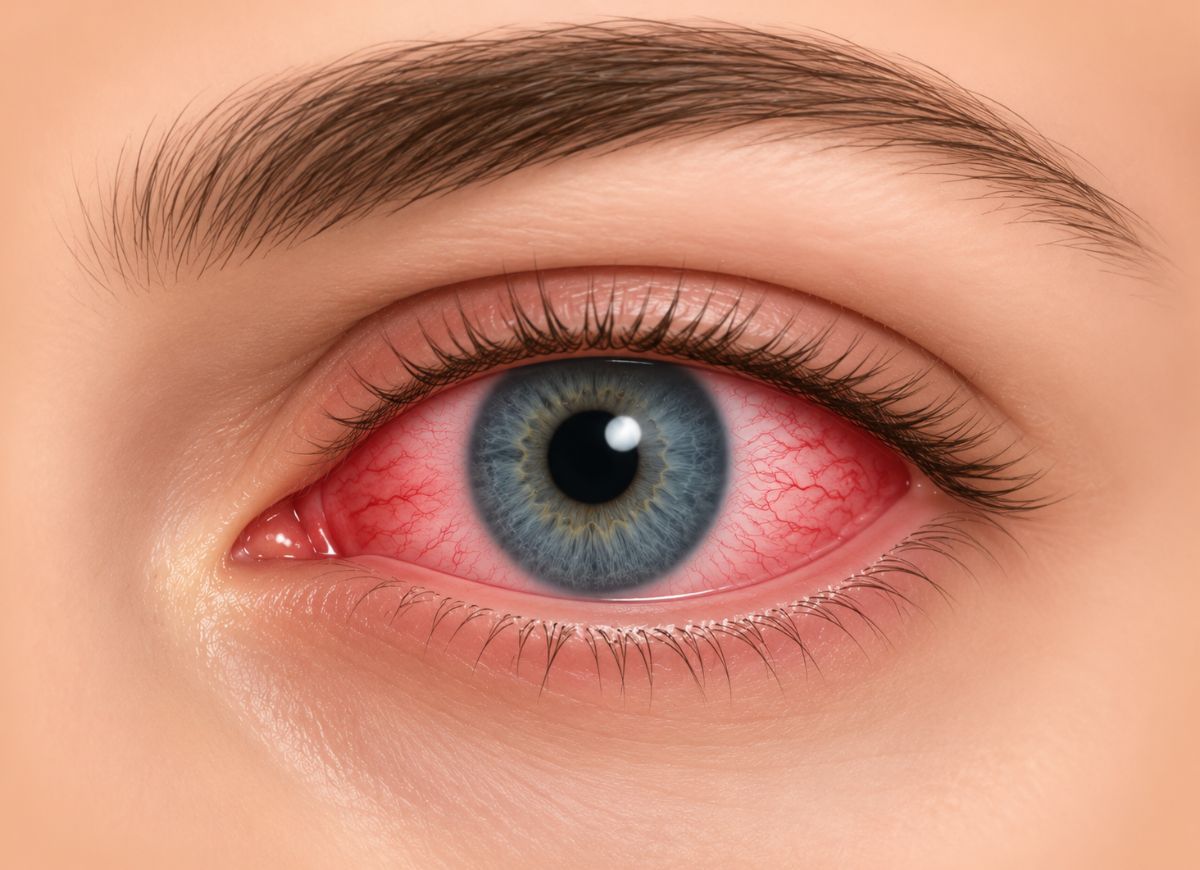
A red, irritated eye can ruin an ordinary day faster than most people expect. One minute you’re blinking through a mild sting. A few hours later your eye feels gritty, watery, swollen, and impossible to leave alone. Light feels harsher. Your lashes may stick together when you wake up. Even simple things like reading a message, putting on makeup, working at a screen, or driving can suddenly feel uncomfortable.
That’s the part many people underestimate about pink eye. It doesn’t always begin with a dramatic, bright-red eye. Sometimes it starts quietly, with a burning sensation, extra tears, or that annoying feeling that something is trapped under the eyelid. Then comes the question almost everyone asks: is this just irritation, allergies, or something contagious?
Pink eye, medically known as conjunctivitis, is common but can still disrupt daily life. According to the CDC, children in U.S. public schools miss around 3 million school days every year because of pink eye, and viral or bacterial cases spread easily through contaminated hands, tears, discharge, or shared items.
The National Eye Institute lists common signs including pink or red eyes, itching, burning, watery eyes, discharge, crusting around the lashes, swollen eyelids, blurry vision, and light sensitivity. That range is exactly why early symptoms are often misread: a watery eye can seem harmless, sticky discharge might seem like it’ll clear on its own, and blurry vision can get blamed on tiredness. Below, we cover the 10 key symptoms of pink eye and when it’s time to seek care.
What is Pink Eye?
Pink eye is the common name for conjunctivitis: inflammation of the conjunctiva, the thin, transparent membrane lining the inner eyelids and covering the white of the eye. This inflammation causes the small blood vessels in the conjunctiva to become more visible, producing the characteristic pink or red color.
The conjunctiva has two parts: the palpebral conjunctiva (lining the inside of the eyelids) and the bulbar conjunctiva (covering the white of the eye). When it becomes inflamed, blood vessels dilate and become engorged, turning the white of the eye pink or red. This same inflammation increases vessel permeability, letting fluid and immune cells leak into surrounding tissue, which produces the other classic symptoms: swelling, discharge, and irritated nerve endings causing grittiness, burning, or itching.
“Pink eye” and “conjunctivitis” refer to the exact same condition, the former is the common name, the latter the clinical term. Doctors tend to use “conjunctivitis” because it’s more precise and covers all the different causes (viral, bacterial, allergic, chemical), whereas “pink eye” often carries a connotation of being contagious, which isn’t always true (allergic conjunctivitis, for instance, isn’t contagious at all).
The 10 Key Symptoms
1. Redness. The hallmark symptom that gives pink eye its name. When the conjunctiva becomes inflamed, small blood vessels dilate to bring immune cells to the area, making the normally invisible vessels prominent against the white of the eye. This can range from a light pink tint to a fiery, bloodshot red depending on severity.
2. Swelling. Known medically as chemosis (conjunctival swelling) and eyelid edema, this happens as fluid builds up in inflamed tissue. The conjunctiva can look puffy or gelatinous, and eyelids may swell enough to make fully opening or closing the eye difficult.
3. Increased tearing. The eye produces extra tears as a natural defense to flush out pathogens, allergens, or irritants. In viral and allergic conjunctivitis, this tearing is typically clear and watery, resembling normal tears but in much larger volume.
4. Itching or burning. This ranges from a mild tickle to an intense itch. Itching is a classic sign of allergic conjunctivitis, driven by histamine release. A gritty, sandy, or burning feeling instead is more typical of viral or bacterial infections, or irritant conjunctivitis from chemical exposure.
5. Watery discharge. Clear, watery discharge resembling excessive tearing is most typical of viral and allergic conjunctivitis. It’s continuous throughout the day but not thick or sticky, and doesn’t usually seal the eyelids shut overnight, though minor crusting from dried tears can occur.
6. Thick yellow or green pus. This is the hallmark of bacterial conjunctivitis: thick, sticky, opaque discharge made of mucus, dead cells, bacteria, and white blood cells. It can range from white to yellow to green, tends to re-accumulate quickly after being wiped away, and can temporarily blur vision until blinking clears it from the cornea. This kind of discharge strongly suggests a bacterial cause that may need antibiotic treatment.
7. Crusting of eyelids or lashes. Minor crusting can happen with any type of pink eye, but significant crusting that makes it hard to open the eyes upon waking is most common with bacterial conjunctivitis, where thick discharge dries along the lashes overnight and glues the eyelids together.
8. Intense eye pain. Standard conjunctivitis causes discomfort, irritation, or a gritty feeling, not sharp or severe pain. Intense pain can suggest something more serious, like keratitis (corneal inflammation), uveitis, or acute angle-closure glaucoma, all of which are medical emergencies that can cause permanent vision damage if untreated.
9. Blurred vision or light sensitivity. Some temporary blurring from discharge is normal, but persistent blurring that doesn’t clear with blinking suggests the cornea may be affected, potentially from a corneal ulcer or keratitis. Similarly, significant light sensitivity (photophobia) suggests inflammation has reached the iris or other internal eye structures, going beyond simple conjunctivitis.
10. A feeling that something is stuck in the eye. A mild gritty sensation is common with pink eye, but a strong, persistent feeling that an object is lodged in the eye could indicate an actual foreign body, a corneal abrasion, or a corneal ulcer, and deserves professional evaluation.
What Causes Pink Eye
There are four main causes, each with a somewhat different symptom pattern.
Viral conjunctivitis is the most common infectious cause and highly contagious, often caused by the same viruses behind the common cold. It typically produces bright redness, significant watery discharge, and a gritty feeling, often starting in one eye and spreading to the other within days. It may come with cold-like symptoms such as sore throat or swollen lymph nodes. Since it’s viral, antibiotics don’t help; treatment is supportive (cold compresses, artificial tears) and it usually resolves within two to three weeks.
Bacterial conjunctivitis, caused by bacteria like Staphylococcus aureus or Streptococcus pneumoniae, is marked by thick, sticky, yellow, green, or whitish discharge that can crust the eyelids shut overnight. Redness may be less pronounced than in viral cases, but the amount of pus is telling. It can affect one or both eyes and typically responds well to antibiotic eye drops or ointment, which shortens the infection and the contagious period.
Allergic conjunctivitis results from the immune system overreacting to an allergen like pollen, dust mites, pet dander, or mold. Intense itching is the defining symptom, along with redness, watering, and puffiness, usually in both eyes at once, and often alongside other allergy symptoms like a runny nose or sneezing. Treatment involves avoiding the allergen and using antihistamine eye drops or oral antihistamines.
Irritant conjunctivitis comes from direct contact with something irritating, like chlorine, smoke, smog, shampoo, or a foreign object, rather than an allergic reaction. Symptoms appear immediately after exposure: burning, stinging, redness, and watering, with itching being less prominent than burning. Flushing the eye with clean water or saline typically resolves it quickly.
When to Seek Medical Help
See a doctor for an accurate diagnosis if you notice red-flag symptoms: severe pain, vision changes, extreme light sensitivity, or symptoms that don’t improve after a few days.
Symptoms requiring immediate attention include intense eye pain, blurred vision that doesn’t clear with blinking, significant light sensitivity, a large amount of green or yellow pus, or any pink eye symptoms in a newborn.
Deep, aching pain along with blurred vision or seeing halos around lights can signal conditions like acute angle-closure glaucoma, uveitis, or iritis. Noticeably decreased vision that doesn’t improve as discharge clears may indicate keratitis, which can lead to scarring and permanent vision loss. Being unable to keep your eyes open in a normally lit room is a major warning sign that deeper eye structures are inflamed.
Contact lens wearers who develop pink eye symptoms should stop wearing their lenses immediately and see a doctor, since they’re at higher risk for keratitis and corneal ulcers, serious infections that can initially resemble conjunctivitis.
People who are immunocompromised (due to HIV, chemotherapy, or long-term steroid use) should see a doctor for any signs of eye infection, since they’re more susceptible to severe or fast-progressing infections.
Any pink eye symptoms in a newborn are a medical emergency, since they can result from a serious infection acquired during birth (such as chlamydia or gonorrhea) that can cause blindness if untreated.
Can Pink Eye Resolve on Its Own?
Many cases, particularly viral and mild allergic or irritant conjunctivitis, resolve without medical treatment. Bacterial conjunctivitis may need antibiotics to clear efficiently, so a proper diagnosis matters for deciding whether to wait it out or treat it.
Viral pink eye is self-limiting, much like a cold. Symptoms typically peak in the first 3-5 days and improve gradually over one to three weeks, managed with artificial tears, cold compresses, and good hygiene.
Allergic conjunctivitis persists as long as the eye is exposed to the allergen and tends to resolve once the trigger is removed, with over-the-counter antihistamine drops or oral medication providing relief in the meantime.
Mild bacterial conjunctivitis can sometimes clear on its own within a week or two, but doctors often prescribe antibiotic drops or ointment anyway, since they speed healing, shorten the contagious period, and reduce the (rare) risk of the infection spreading further.
Preventing the Spread
Since viral and bacterial pink eye spread through direct contact with eye secretions, breaking that chain of transmission is key.
- Don’t share towels, pillowcases, washcloths, or bed linens with an infected person; wash these items in hot water and detergent
- Stay home until no longer contagious, generally for the duration of symptoms with viral cases, or at least 24 hours after starting antibiotics for bacterial cases
- Wash hands frequently with soap and water, or use an alcohol-based sanitizer, especially after touching your eyes or face
Special Risk Groups
Newborns face a risk of ophthalmia neonatorum, a severe form of conjunctivitis occurring in the first month of life, often acquired during birth from bacteria like Chlamydia trachomatis or Neisseria gonorrhoeae. Left untreated, this can cause corneal damage and permanent blindness, which is why many countries apply a preventive antibiotic ointment to newborns’ eyes shortly after birth. Any sign of pink eye in a newborn warrants immediate pediatric evaluation.
Contact lens wearers face elevated risk because a lens can trap pathogens against the eye’s surface. Poor lens hygiene, wearing lenses too long, or sleeping in them all raise the risk of microbial keratitis, a corneal infection far more dangerous than simple conjunctivitis that can cause scarring, vision loss, or the need for a corneal transplant. Anyone in this group who develops pink eye symptoms should stop wearing lenses immediately and see a doctor before resuming use.
Pink Eye vs. a Stye vs. Blepharitis
These conditions all cause red, irritated eyes but affect different structures.
Conjunctivitis (pink eye) inflames the membrane covering the eye and inner eyelids, causing the whole white of the eye to look pink or red, along with grittiness and discharge (watery or pus-like depending on cause).
A stye (hordeolum) is a localized, acute infection of an oil gland at the eyelid edge, appearing as a painful, tender bump resembling a pimple. The redness stays concentrated at that spot, and the white of the eye usually remains clear.
Blepharitis is chronic inflammation of the eyelids themselves, targeting eyelash follicles and oil glands along the lid margins rather than the conjunctiva. It causes itchy, red, swollen eyelids, crusty flakes at the base of the lashes, burning, and often a foreign-body sensation. It’s typically a chronic condition requiring ongoing eyelid hygiene, unlike the more acute nature of pink eye or a stye.
Frequently Asked Questions
How long is pink eye contagious?
As long as the eye is still watery, sticky, crusty, or producing discharge. Viral pink eye spreads most easily in the first few days; bacterial pink eye may keep spreading until symptoms improve or treatment takes effect. Allergic pink eye isn’t contagious at all.
What shouldn’t you do with pink eye?
Avoid rubbing your eyes, which can worsen irritation and spread germs between eyes. Don’t share towels, pillowcases, eye drops, contacts, or makeup, and avoid wearing contact lenses until fully recovered. Be cautious with non-sterile home remedies, since the eye is easily irritated further.
Can you fix a red eye in 5 minutes?
Not completely, especially if it’s from infection, allergy, or injury, though a clean, cool compress and resting your eyes can offer short-term relief. If the eye is painful, light-sensitive, producing thick discharge, or your vision is blurry, it needs more than quick home care.
Can salt water cure red eyes?
No, homemade salt water solutions aren’t recommended, since they can introduce particles, excess salt, or germs that irritate the eye further. A clean compress and careful hygiene are safer first steps.
Is there anything to avoid eating with pink eye?
No specific food needs to be avoided for everyone, since pink eye usually stems from infection, allergy, or irritation rather than diet. If your case is allergy-related, paying attention to foods that seem to increase your body’s reactivity may help, though this varies by person.
Can a dirty pillow cause an eye infection?
Yes, pillowcases collect oil, dust, allergens, and residue that can reach the eyelids and lashes overnight. If you already have pink eye, a dirty pillowcase can also reintroduce discharge and complicate hygiene, so changing pillowcases frequently during an active infection is a helpful habit.
What illness can start with pink eye?
Viral infections often begin with red, watery eyes before other symptoms like sore throat, cough, or fever appear. Allergies can similarly start with itchy, watery eyes before sneezing or congestion develops. Watching the full symptom picture, not just the redness, matters, and severe pain, swelling, vision changes, rash, or high fever alongside eye symptoms warrant medical advice.
Why did pink eye seem to appear out of nowhere?
The trigger often isn’t obvious. Contaminated surfaces (doorknobs, phones, shared towels), contact with someone who has a cold or eye discharge, contact lenses, pollen, smoke, chlorine, or cosmetics can all cause symptoms to appear suddenly, sometimes starting in one eye before spreading to the other.
Is it safe to kiss someone with pink eye?
It’s better to avoid close face contact while symptoms are active, especially if the eye is watery, sticky, or producing discharge, since pink eye can spread through tears, hands, and shared items even without direct eye contact. It’s safer to wait until symptoms improve and discharge has stopped.
The Bottom Line
Pink eye may seem like a minor problem at first, but the discomfort can quickly interfere with daily life. Redness, burning, itching, watery eyes, crusted lashes, swelling, discharge, and blurry vision are all worth paying attention to. Some cases are mild and improve with good hygiene and rest, while others need closer attention, especially with eye pain, strong light sensitivity, thick discharge, or vision changes. Recognizing symptoms early helps reduce discomfort, prevent spread, and clarify when extra care is needed, so unusual or worsening symptoms shouldn’t be dismissed too quickly.