

6 Symptoms of Post Nasal Drip You Should Be Aware Of
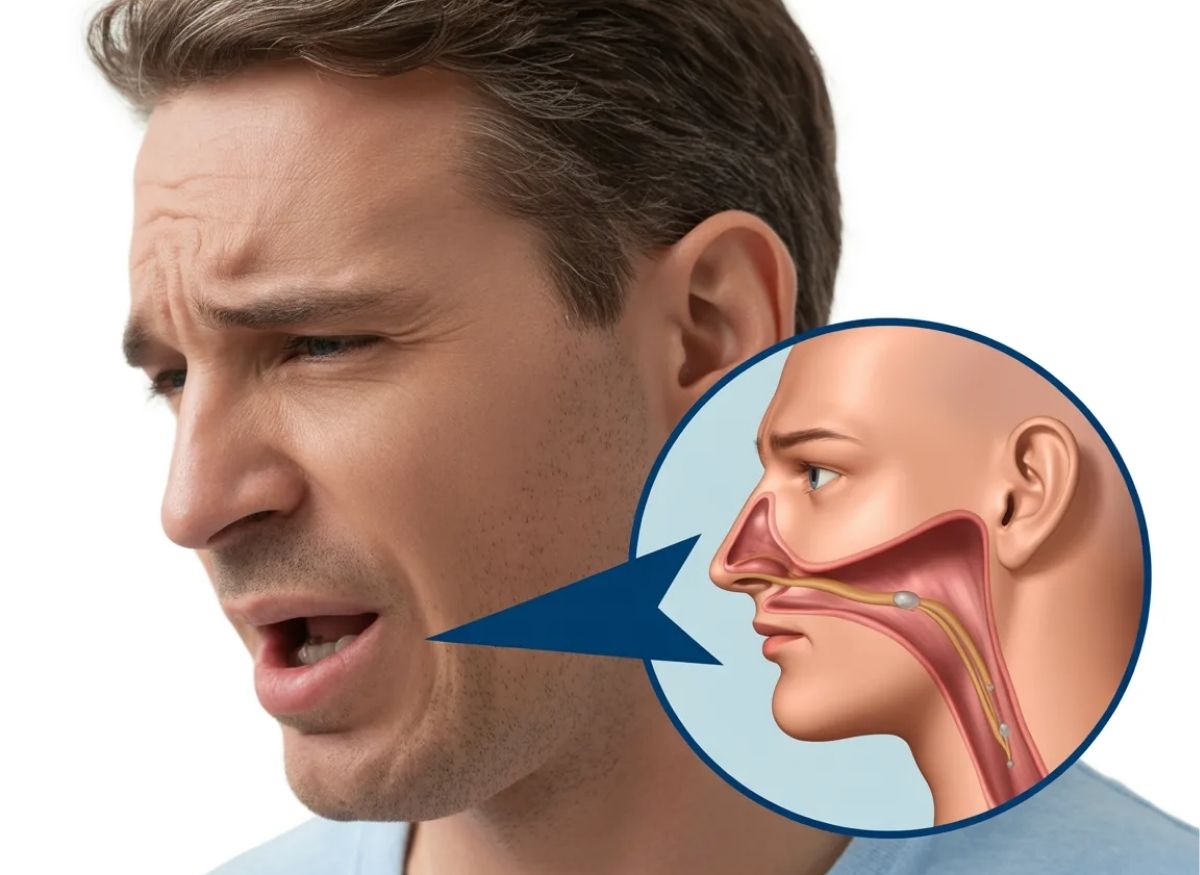
Post nasal drip is a common condition that happens when excess mucus builds up in the back of the nose and throat. This mucus can slowly drip down the throat, causing irritation, discomfort, and a persistent urge to clear it. It’s often linked to colds or allergies, but it can also come from sinus infections, environmental irritants, or even changes in weather.
Many people experience post nasal drip without realizing what’s behind their symptoms, especially when it shows up as a chronic cough or throat irritation. Because symptoms can be subtle at first, the condition often gets overlooked or mistaken for something else. Below, we explore the most common signs, what they may indicate, and how to manage this condition effectively.
What Is Post Nasal Drip?
Post nasal drip is what happens when the body’s natural mucus “conveyor belt” gets disrupted. Every day, the body quietly produces up to two quarts of mucus to keep the airways hydrated and trap environmental debris. Post nasal drip means this normally thin, slippery fluid has increased in volume or changed in texture, making you acutely aware of it. When the discharge becomes excessive, it no longer slides down the throat unnoticed. Instead it lingers where the nasal passages meet the throat, creating that familiar sensation of liquid trickling or pooling.
The Mechanics Behind It
The name describes exactly what happens: fluid drips from behind (“post”) the nasal cavity. While healthy mucus is mostly water and moves smoothly, post nasal drip tends to emerge when the fluid becomes heavier or “tacky.” This change triggers a sensory response in the throat, the persistent feeling that something is stuck or crawling at the back of the mouth. Because the term describes a symptom rather than a single disease, understanding it means figuring out why the glands in the nose and sinuses have shifted into overdrive.
How Normal Mucus Turns Into Post Nasal Drip
In a healthy state, tiny hairs called cilia beat rhythmically to push a thin layer of mucus toward the stomach, where acid neutralizes trapped bacteria or dust. But when the body encounters an irritant, an allergen, a virus, or dry air, it produces thicker mucus as a defense. This thicker consistency is harder for the cilia to move, so the fluid stagnates and “drips” irregularly instead of flowing smoothly, irritating the sensitive throat tissue and producing the familiar symptoms many people notice during cold and allergy season.
The 6 Telltale Symptoms
These symptoms act as the body’s warning that its normal mucus balance has been disrupted, and they emerge as post nasal discharge irritates the tissues of the throat and voice box.
1. Constant urge to clear your throat. The discharge coats nerve endings in the back of the throat, creating a tickling sensation the brain interprets as an obstruction. Clearing your throat gives temporary relief but often irritates the tissue further, creating a repetitive cycle of inflammation.
2. A cough that’s worse at night. This throat irritation often turns into a cough that’s characteristically worse when lying down, since gravity causes mucus to pool around the voice box, triggering a protective but disruptive cough reflex. This is often a dry cough and can lead to chronic fatigue and disrupted sleep.
3. A sore, scratchy throat. This happens through a combination of chemical and mechanical irritation. The mucus itself may carry inflammatory substances from allergies or infection that redden the throat lining, while constant coughing and throat-clearing add friction, creating a raw, scratchy feeling.
4. The “globus sensation” (feeling of a lump in the throat). Thick mucus accumulating at the base of the throat can feel like a pill or lump is stuck there. Because this feeling comes from thick secretions rather than a solid object, swallowing doesn’t provide lasting relief and can actually increase muscle tension and heighten the sensation of a blockage.
5. Hoarseness or vocal changes. When thick mucus coats the vocal cords, it dampens their ability to vibrate properly, causing noticeable hoarseness or a gravelly voice, sometimes leading to temporary laryngitis.
6. Persistent bad breath. This is a frequent, often overlooked, effect. The protein-rich discharge provides a good breeding ground for anaerobic bacteria at the back of the tongue, and as they break down the mucus, they release sulfur compounds that cause persistent bad breath, one that ordinary oral hygiene may not fully resolve without addressing the underlying drainage.
Common Causes
Identifying the cause matters, since treatment for a viral infection differs significantly from managing an environmental trigger.
Allergies and Sinus Infections
Allergic rhinitis occurs when the immune system mistakes harmless particles, like pollen, pet dander, or dust mites, for a threat and releases histamine, prompting the nasal glands to produce thin, watery discharge to flush out the irritants.
Sinus infections (sinusitis) involve inflammation of the sinus cavities from bacteria, viruses, or fungi, leading to thick, often discolored mucus that becomes trapped and eventually overflows into the throat, causing significant irritation.
Environmental Irritants and Weather Changes
Cold, dry air is a major trigger. As the nasal lining dries out, the body overcompensates by ramping up mucus production, often producing thick mucus that’s hard to clear. Exposure to smoke, perfumes, or chemical fumes can directly irritate the nasal membranes and prompt an inflammatory response. Even sudden temperature shifts, like moving from cold outdoor air into a heated room, can cause nasal blood vessels to expand and trigger a sudden surge in symptoms. This sensitivity is known as vasomotor rhinitis.
Acid Reflux and Diet
Spicy foods can trigger “gustatory rhinitis,” a temporary increase in nasal discharge from nerve stimulation right after eating. More chronically, GERD or laryngopharyngeal reflux (LPR) can mimic or cause post nasal drip symptoms. When stomach acid travels up to the throat, it chemically irritates the lining, and the body produces excess mucus to coat the irritation, leading to a constant drainage sensation and sore throat that actually originated in the digestive tract, not the sinuses.
Home Remedies for Relief
These strategies work by addressing the two main issues: thick mucus and inflamed respiratory tissue.
Hydration and mucus thinning. The single most important remedy. When dehydrated, mucus becomes thick and clingy, triggering the cough reflex. Drinking plenty of water, herbal tea, or warm broth decreases the fluid’s thickness, letting the cilia move it more efficiently toward the stomach rather than letting it become sticky and irritating.
Nasal irrigation and steam. A neti pot or saline spray with a sterile solution physically flushes allergens and mucus from the sinuses before they reach the throat, while also moisturizing the nasal membranes to prevent reactive mucus production. Steam therapy, a hot shower or leaning over a bowl of warm water, introduces moisture directly into the airways, loosening thick mucus so it’s easier to expel or swallow.
Nighttime environmental adjustments. Since the cough often worsens at night, a humidifier or cool-mist vaporizer adds moisture to indoor air that heating or cooling systems often strip away, helping prevent the nasal passages from drying out and overproducing mucus. Elevating your head with extra pillows lets gravity work in your favor, keeping drainage from pooling in the throat and reducing the nighttime cough reflex.
When to See a Doctor
Seek professional advice if symptoms are severe, worsening, or persist beyond 10 days to two weeks. Prolonged symptoms often mean an underlying issue needs clinical attention, such as a chronic sinus infection or a structural problem like a deviated septum. A doctor can identify the root cause through a physical exam or an endoscope to visualize the nasal passages directly.
Warning Signs of Infection or Complications
- Discharge that changes color from clear to yellow, green, or gray, or is tinged with blood, strongly suggests a bacterial infection that may need antibiotics
- High fever, severe facial pain, or persistent pressure around the eyes and forehead may indicate acute sinusitis
- A cough paired with wheezing, chest tightness, or shortness of breath could mean the irritation has moved into the lower airways, potentially becoming bronchitis or pneumonia
Other Triggers a Doctor May Investigate
When standard remedies don’t help, a doctor can uncover less common causes:
- Laryngopharyngeal reflux (LPR), where stomach acid mimics post nasal drip symptoms from below rather than the sinuses above
- Structural obstructions like nasal polyps or a deviated septum, which can trap mucus regardless of how much water you drink, sometimes requiring prescription steroid nasal sprays or minor surgery from an ENT specialist
Moving from home care to a clinical treatment plan depends on how long symptoms have lasted and how intense they are. If the condition affects your quality of life, causes significant voice loss, or shows signs of bacterial infection, professional care is the safer, more effective path.
Post Nasal Drip vs. a Cold vs. Bronchitis
Distinguishing these requires looking at the full symptom picture, since the “drip” itself is often just one piece of a larger respiratory event.
Vs. the common cold. A cold is a viral infection with a cluster of symptoms, of which post nasal discharge is just one. It typically brings systemic symptoms not seen with simple post nasal drainage alone, mild body aches, significant fatigue, and a low-grade fever. If your only issue is throat drainage plus a frequent urge to clear your throat, it’s more likely a localized reaction to allergies or dry air than a viral illness. A cold usually resolves within a week, while chronic post nasal drainage can persist for months if the trigger isn’t addressed.
Vs. bronchitis. The most common point of confusion is the cough. A post nasal drip cough is typically a reactive, tickling sensation from fluid pooling around the voice box, often dry. Bronchitis is inflammation of the bronchial tubes in the chest, and its hallmark is a deep, forceful, productive cough that brings up thick phlegm from the lungs. Unlike the post nasal drip cough (often triggered by lying down), a bronchitis cough is frequently paired with chest tightness, wheezing, and shortness of breath. Post nasal drip can change your voice; bronchitis changes your ability to breathe deeply without discomfort.
Telling them apart. Localized symptoms like a constant drainage sensation or thick mucus usually respond well to saline rinses and hydration, while the systemic fatigue of a cold or the chest-centered wheezing of bronchitis usually needs rest or specific medical treatment like bronchodilators. If you’re experiencing nasal drip symptoms along with widespread chest heaviness or fever, the issue has likely progressed beyond the nasal passages.
What Happens If It’s Left Untreated
Leaving chronic post nasal drip unaddressed can lead to a cascade of uncomfortable and sometimes serious complications beyond the initial annoyance of a tickly throat.
A chronic, persistent cough. Continuous mucus dripping onto the throat and voice box tissue triggers the cough reflex, potentially becoming a hacking, unproductive cough that worsens at night, disrupting sleep and causing daytime fatigue. Over time, this can also lead to chronic laryngitis, hoarseness, and a sore, inflamed throat.
Ear infections. The Eustachian tube, connecting the middle ear to the back of the throat, equalizes pressure and drains fluid. If it becomes blocked by thick mucus or inflammation, fluid can get trapped in the middle ear, creating an ideal environment for bacteria and leading to a painful middle ear infection (otitis media), often felt as fullness or pressure.
Sinus infections and chronic sinusitis. The sinuses drain through small openings (ostia) into the nasal passages. When chronic inflammation and thick mucus block these openings, the sinuses can’t drain properly, leading to sinusitis, facial pain, pressure, congestion, and headaches. Left unaddressed, constant drainage can keep the sinuses in a state of ongoing infection, making relief harder to achieve without medical help.
Digestive and social effects. Because people unconsciously swallow much of this fluid, thick mucus rich in trapped bacteria and protein can reach the stomach, causing nausea and general upset, especially in the morning. The bacterial breakdown of these proteins in the throat is also a leading cause of chronic bad breath, one that’s often resistant to regular hygiene because the source is the drainage itself rather than the teeth or gums.
How Doctors Diagnose the Cause
Diagnosis moves from general observation to detailed internal visualization, since post nasal drip is a symptom of many different conditions, from simple seasonal allergies to structural blockages.
Medical history and physical exam. A doctor asks about connections to specific environments, foods, or systemic issues like acid reflux or asthma, then examines the throat and nasal cavities with a light. A “cobblestone” appearance at the back of the throat, from swollen lymphoid tissue reacting to constant discharge, is a common finding in long-term sufferers. The nasal passages are checked for visible swelling, redness, or polyps that might be obstructing normal mucus flow.
Allergy testing. If symptoms flare seasonally or around animals, a skin prick test (introducing small amounts of common allergens to the skin to watch for a reaction) or a blood test measuring IgE antibodies can map out specific triggers, allowing for targeted remedies like air filtration or allergen avoidance.
Nasal endoscopy. For persistent cases that don’t respond to basic treatment, an ENT specialist may use a thin, flexible camera to examine the nasal cavity and sinus openings directly, identifying a deviated septum or hidden polyps contributing to thick mucus, and helping distinguish a sinus-based issue from something like LPR irritating the throat from below.
Imaging. In complex or chronic cases, a CT scan of the sinuses can provide a detailed 3D view of the internal anatomy, revealing deep inflammation, structural issues, or blockages preventing proper drainage. Combined with endoscopy findings, this helps doctors understand exactly why mucus isn’t clearing normally and plan targeted treatment.
Frequently Asked Questions
What is post nasal drip? It happens when excess mucus from the nasal passages drips down the back of the throat, either because the body produces more mucus than usual or because it becomes thicker and harder to clear. It often causes throat irritation, coughing, or a feeling of mucus stuck in the throat. It’s usually not serious but can be uncomfortable if it persists.
What causes it? Allergies, colds, sinus infections, and environmental irritants like smoke or pollution are common causes. Weather changes, dry air, and certain foods can also trigger increased mucus production, and in some cases underlying conditions like acid reflux contribute. Identifying the cause helps determine the most effective treatment.
What are the common symptoms? A constant need to clear the throat, a feeling of mucus in the throat, coughing, and throat irritation are typical, along with hoarseness, bad breath, or difficulty swallowing for some people. Intensity varies with the underlying cause.
How is it treated? Treatment depends on the cause. Allergies may call for antihistamines or nasal sprays; infections may need specific medication; and lifestyle changes like staying hydrated and using a humidifier can help thin mucus generally. Proper treatment can significantly reduce symptoms and improve comfort.
When should I see a doctor? If it lasts several weeks, worsens over time, or comes with fever, severe throat pain, or difficulty breathing. Persistent symptoms may point to a sinus infection or another underlying condition, and early evaluation helps ensure proper diagnosis and treatment.
Can it be prevented? Reducing exposure to triggers and maintaining good nasal health helps: staying hydrated, avoiding allergens, and using a humidifier in dry environments. Good hygiene and managing underlying conditions also play a role in minimizing symptoms and preventing recurrence.
The Bottom Line
Post nasal drip may seem like a minor inconvenience, but it can significantly affect comfort and daily life if it persists. Recognizing symptoms like throat irritation, coughing, or a constant need to clear your throat can help you identify the condition early and take steps to manage it, and addressing the underlying cause is key to finding lasting relief. If symptoms continue or worsen, seeking medical advice is important to rule out infection or another condition. With the right approach, whether lifestyle adjustments, proper hydration, or medical treatment, you can reduce symptoms and improve your overall respiratory comfort.