
6 Bladder Stones Symptoms to Know
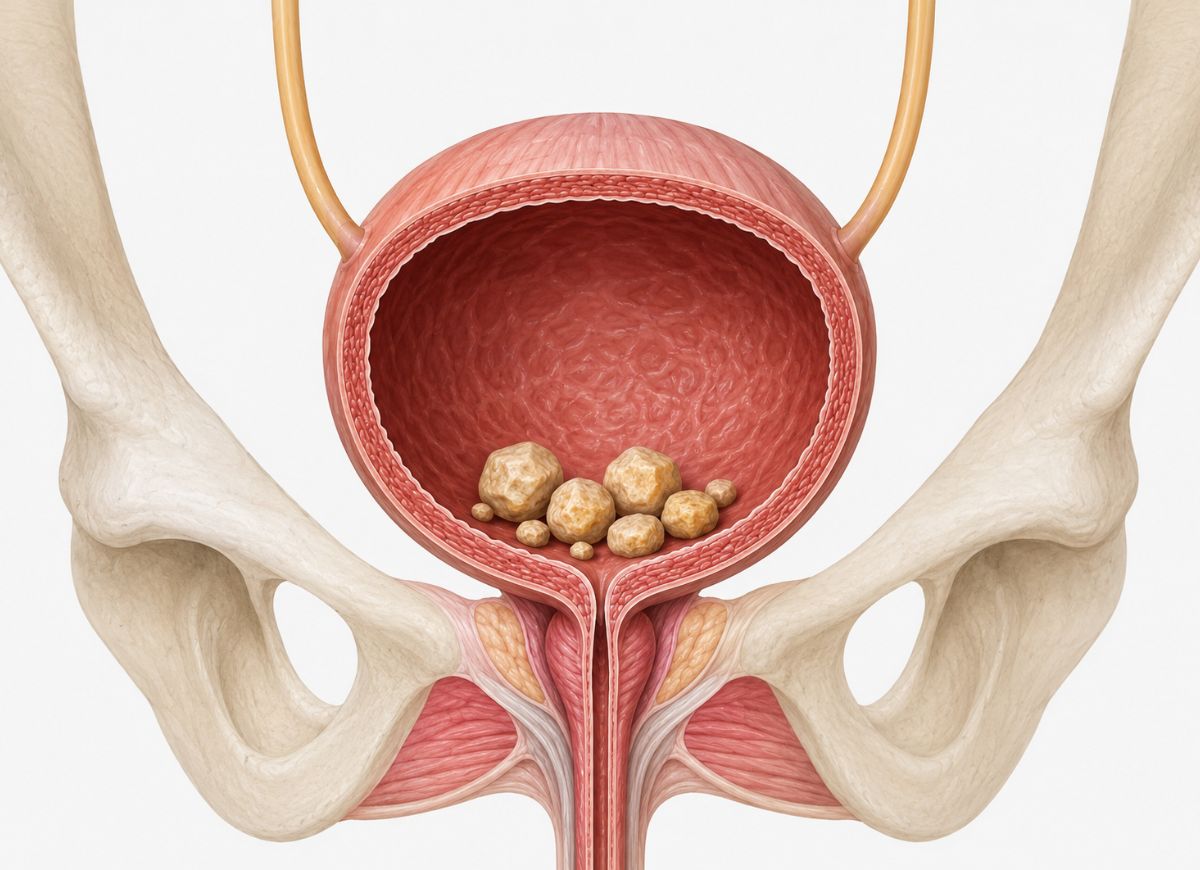
Bladder stones may not be the first thing that comes to mind when you experience painful urination, lower abdominal discomfort, or blood in your urine. However, these symptoms can sometimes be linked to hard mineral deposits that develop inside the bladder. Bladder stones form when urine becomes concentrated or the bladder does not empty completely. Some remain small and cause little or no trouble, while others can grow larger and irritate the bladder, interfere with urine flow, or contribute to repeated urinary symptoms.
Bladder stones account for only about 5% of urinary tract stones, making them less common than kidney stones. Even so, they can cause significant discomfort when they develop. Urinary stone disease itself is widespread, with a large global review reporting more than 115 million new cases of urolithiasis worldwide in 2019. Bladder stones are only one type of urinary stone, but they are important to recognize because their symptoms can look similar to a urinary tract infection, prostate problem, or other bladder condition.
Another challenge is that bladder stones do not always cause noticeable symptoms right away. Small stones may remain unnoticed, while larger stones can cause painful urination, frequent urges to urinate, cloudy or dark urine, difficulty starting the urine stream, or visible blood in the urine. In men, an enlarged prostate can make complete bladder emptying more difficult, increasing the chance that minerals will collect and eventually form stones.
This article covers 6 bladder stones symptoms to know, along with other urinary changes that may occur. Understanding what these symptoms can feel like, why they happen, and when to seek medical advice can help you recognize a possible bladder problem sooner.
6 Symptoms of Bladder Stones
The six key signs of bladder stones include painful urination, lower abdominal pain, an interrupted or weak urine stream, increased urinary frequency, cloudy or bloody urine, and, in some cases, urinary incontinence. These symptoms can develop because a stone irritates the bladder lining, interferes with urine flow, or contributes to infection.
Painful Urination
Painful urination, also called dysuria, is one of the common symptoms associated with bladder stones. However, painful urination alone does not confirm that a bladder stone is present because many other urinary conditions can cause the same problem.
Dysuria can occur with urinary tract infections (UTIs), prostatitis in men, interstitial cystitis, and sexually transmitted infections (STIs). For this reason, a healthcare professional needs to consider the full group of symptoms when determining the cause.
When bladder stones are responsible, the pain may be particularly noticeable toward the end of urination. As the bladder contracts to push out the remaining urine, its walls can press against the stone. This may cause sharp irritation, especially around the sensitive area near the base of the bladder.
The pain may have more than one cause. The rough surface of a stone can rub against the bladder lining and cause inflammation. A moving stone can also temporarily block the bladder outlet or urethra, forcing the bladder muscles to work harder and potentially causing cramping or spasms.
Painful urination can therefore be an important part of the diagnostic picture. When it occurs along with lower abdominal discomfort, an interrupted urine stream, or blood in the urine, a healthcare provider may consider bladder stones as one possible cause.
Lower Abdomen Pain
Bladder stones can cause aching, pressure, or discomfort in the lower abdomen, particularly in the area just above the pubic bone. The pain may remain constant or come and go. In some cases, it can become sharper during movement or physical activity.
The severity of the discomfort can depend on the stone’s size, shape, and texture. A larger or rougher stone may irritate the bladder more than a smaller, smoother stone.
Although the pain is usually centered around the bladder, it can sometimes spread to nearby areas. In men, discomfort may extend toward the tip of the penis, testicles, or perineum, which is the area between the scrotum and anus. In women, discomfort may spread toward the groin or vulva.
Pain can become more noticeable during urination because the bladder muscle contracts around the stone. Activities that cause the body to move suddenly, such as running, jumping, or traveling over a bumpy road, may also cause the stone to shift and irritate the bladder lining.
Some people experience a mild, ongoing ache or pressure in the lower pelvis. Others may feel little discomfort until the stone moves into a position that causes irritation or temporarily interferes with urine flow.
Interrupted and Weak Urine Stream
A urine stream that repeatedly starts and stops can be a sign of a bladder stone. This can happen when the stone moves toward the bladder neck or urethral opening and temporarily blocks the flow of urine.
The stream may suddenly stop and then begin again when the person changes position and the stone moves away from the opening. A partial obstruction can also cause the urine stream to become consistently weak or slow.
When this happens, the bladder has to work harder to push urine past the obstruction. This can make urination more difficult and may leave urine behind in the bladder.
Urinary Frequency and Urgency
A bladder stone can continually irritate the bladder lining. This irritation may send signals to the brain that create the feeling that the bladder needs to be emptied, even when there is only a small amount of urine inside.
As a result, a person may experience urinary frequency, meaning they need to urinate more often than usual. They may also experience urgency, which is a sudden and difficult-to-ignore need to urinate.
These symptoms can become particularly bothersome when they occur repeatedly throughout the day. They may also occur along with painful urination or an interrupted urine stream.
Nocturia and Hesitancy
Frequent urination may continue during the night. This is known as nocturia and can interrupt sleep several times.
Some people with bladder stones also experience urinary hesitancy, which means having difficulty getting the urine stream started. A stone located near the bladder outlet may interfere with normal urine flow and make it necessary to strain before urination begins.
Having frequent, urgent, or difficult urination can affect everyday comfort and sleep quality. When these symptoms persist or occur together, medical evaluation can help determine whether a bladder stone or another urinary condition is responsible.
The Appearance of Urine Changed
Bladder stones can sometimes change the appearance of urine. Urine may look cloudy, unusually dark, or pink, red, or brown because of blood. These changes can occur because the stone irritates or damages the bladder lining, or because an infection develops.
Healthy urine is usually clear to pale yellow. Cloudiness or an unusual appearance can occur when urine contains substances such as blood cells, white blood cells, bacteria, or mineral crystals.
Cloudy urine with a strong or unpleasant odor may be associated with a urinary tract infection. Bladder stones can increase the risk of UTIs because incomplete bladder emptying may leave urine sitting in the bladder. This residual urine can make it easier for bacteria to multiply.
Blood in the urine, known as hematuria, is another possible sign. A moving stone can scrape against the bladder lining and cause small blood vessels to bleed.
Hematuria may be visible or microscopic. Visible blood can make urine appear pink, red, or brown, while microscopic blood can only be detected through urine testing. Bleeding may come and go rather than remain constant.
Dark urine can also occur because of dehydration, which makes urine more concentrated. In some cases, however, dark or tea-colored urine may be related to older blood that has broken down before leaving the bladder.
Causes of Bladder Stones
Bladder stones most often develop when the bladder does not empty completely. This condition, known as urinary retention, allows urine to remain in the bladder and become more concentrated. Minerals can then collect, crystallize, and gradually form a stone.
Diet and dehydration can affect the concentration of minerals in urine, but bladder stones are often connected to an underlying problem that prevents the bladder from emptying properly.
Enlarged Prostate
An enlarged prostate, also called benign prostatic hyperplasia (BPH), is a common cause of bladder stones in men, particularly older men. When the prostate grows larger, it can narrow the urethra and make it harder for urine to leave the bladder.
The prostate surrounds part of the male urethra just below the bladder. As it enlarges, it can place pressure on the urethra and partially obstruct urine flow.
The bladder muscle must then work harder to push urine through the narrowed passage. Even after urination, some urine may remain behind. This is called post-void residual urine.
Over time, the remaining urine can become more concentrated. Minerals such as calcium, oxalate, phosphate, and uric acid may become concentrated enough to form crystals. These crystals can collect together and gradually develop into a larger stone.
Once a stone forms, it can make bladder emptying even more difficult. This can create a cycle in which urinary retention encourages stone growth, while the stone itself further interferes with urine flow.
Diet
Diet can contribute to bladder stone formation, but it is generally not considered the main cause. In many cases, the underlying problem is incomplete bladder emptying.
Diet affects the substances present in urine. Foods high in purines, for example, can increase uric acid levels, while foods containing high amounts of oxalates can contribute to certain types of mineral buildup.
However, when the bladder empties normally, urine carries these substances out of the body. When urine remains in the bladder for too long, there is more opportunity for minerals to become concentrated and form crystals.
Dehydration is another important factor. Drinking too little fluid makes urine more concentrated, which can make mineral crystallization easier. This may be especially important for someone who already has urinary retention caused by conditions such as BPH.
For this reason, adequate hydration can support urinary health and may help reduce the conditions that encourage stone formation.
Are Men or Women More Likely to Get Bladder Stones?
Men are considerably more likely to develop bladder stones than women. Some estimates suggest that bladder stones may be up to 10 times more common in men, particularly among those over age 50.
One major reason is the higher likelihood of bladder outlet obstruction caused by an enlarged prostate. Since the prostate surrounds the urethra, enlargement can interfere with urine flow and cause urine to remain in the bladder.
Men can also develop other problems that interfere with urine flow, including urethral strictures, which occur when scar tissue narrows the urethra.
Women can also develop bladder stones, although they are less common. One possible cause is bladder prolapse, also called cystocele. This occurs when weakened pelvic floor tissues allow the bladder to move downward and create an area where urine can collect.
Other possible causes in women include previous pelvic surgery, neurogenic bladder, and long-term use of urinary catheters.
Although the specific causes can differ, the basic process is similar. When the bladder cannot empty properly, urine can remain inside long enough for minerals to collect and form stones.
Bladder Stones Diagnosis
Doctors diagnose bladder stones using a combination of symptoms, urine tests, imaging, and sometimes direct examination of the bladder. The goal is not only to confirm the presence of a stone but also to determine its size, location, number, and possible underlying cause.
A urinalysis is often one of the first tests. It can identify blood, bacteria, and mineral crystals in the urine. These findings can indicate a urinary problem, although they do not by themselves prove that a bladder stone is present.
Imaging can provide a clearer view. An abdominal X-ray may detect some stones, particularly those containing calcium, although certain stones may not be visible on an X-ray.
A pelvic ultrasound can also be used to examine the bladder and identify many bladder stones. CT scanning can provide more detailed images of the urinary tract and help doctors determine the stone’s location and size. It may also reveal related problems, such as an enlarged prostate.
In some cases, a urologist may perform a cystoscopy. During this procedure, a thin instrument with a camera is passed through the urethra into the bladder. This allows the doctor to see the stone directly and evaluate the bladder.
Doctors may also review a person’s history of UTIs, neurological conditions, previous urinary tract procedures, and other problems that could interfere with bladder emptying. In men, a physical examination may include checking the prostate for enlargement.
The combination of symptoms, medical history, laboratory testing, imaging, and direct examination helps doctors distinguish bladder stones from other urinary conditions.
The Difference Between Bladder Stones and Kidney Stones
Bladder stones and kidney stones are both hard mineral deposits, but they develop in different parts of the urinary system and often have different causes.
Kidney stones, also called nephrolithiasis, form inside the kidneys when minerals such as calcium, oxalate, or uric acid become concentrated enough to crystallize. A kidney stone can then travel through the ureter and cause severe pain in the side or back.
Bladder stones, also called cystolithiasis, usually form directly inside the bladder. They are commonly associated with incomplete bladder emptying. When urine remains in the bladder, minerals have more time to collect and form crystals.
Kidney stones are often associated with factors such as dehydration, dietary habits, metabolic conditions, and genetics. Bladder stones are more often linked to problems that interfere with urine drainage.
An enlarged prostate is one common cause of bladder stones in men. Other possible causes include nerve-related bladder problems, bladder diverticula, urinary obstruction, and repeated urinary tract infections.
The symptoms can also differ. Kidney stones often cause severe pain in the flank, back, or side that may move toward the groin. Bladder stones are more likely to cause lower abdominal discomfort and urinary symptoms such as painful urination, frequent urination, and interrupted urine flow.
Understanding where the stone formed and why it developed is important because treatment and prevention depend on the underlying cause.
Modern Methods for Removing Bladder Stones
Modern bladder stone treatment often uses minimally invasive procedures to break the stone into smaller pieces and remove it through the urinary tract.
One common procedure is transurethral cystolitholapaxy. During this procedure, a urologist passes a cystoscope through the urethra and into the bladder. The stone is then broken into smaller pieces using an appropriate device.
Depending on the stone and the equipment being used, the stone may be fragmented with a laser, ultrasound energy, or a mechanical lithotrite. The smaller pieces can then be removed or flushed from the bladder.
Because the procedure is performed through the urinary tract rather than through a large abdominal incision, recovery may be shorter than with open surgery.
Very large, numerous, or particularly hard stones may sometimes require a more invasive procedure called an open cystotomy. This involves making an incision in the lower abdomen to reach the bladder and remove the stones directly.
Open surgery may be considered when an endoscopic procedure is not practical or has not been successful. It may also be performed alongside another operation designed to correct the underlying cause of the stones, such as surgery for an enlarged prostate.
The appropriate treatment depends on factors such as the stone’s size, number, composition, location, and the person’s overall health. Problems such as a urethral stricture or significantly enlarged prostate may also affect which approach is possible.
When necessary, the urologist may treat both the stone and the condition responsible for poor bladder emptying during the same procedure.
How to Prevent Bladder Stones From Coming Back
Preventing bladder stones from returning usually means addressing the reason they formed in the first place. Removing the stone can solve the immediate problem, but recurrence may occur if the underlying cause of urinary retention is not treated.
For men with BPH, treatment may include medications or procedures that improve urine flow. In some cases, surgery such as transurethral resection of the prostate (TURP) may be recommended to remove tissue that is blocking the urinary passage.
Adequate hydration is also important. Drinking enough water helps dilute urine and may reduce the concentration of minerals that can contribute to stone formation. Unless a healthcare professional has recommended fluid restriction, staying well hydrated can support normal urinary function.
People with neurogenic bladder may need a specific bladder management plan. This can include scheduled urination or intermittent catheterization to help the bladder empty regularly and completely.
Repeated urinary tract infections should also be evaluated and treated. Infections can contribute to urinary problems and may play a role in certain types of stone formation.
Dietary changes may be helpful in some cases, but they should be based on the type of stone and the underlying cause. Unlike kidney stones, bladder stones are often more strongly connected to urinary retention than to diet alone.
Long-term prevention therefore focuses on correcting the underlying problem. This may involve treating BPH, managing neurogenic bladder, repairing a bladder diverticulum, or addressing another condition that prevents normal bladder emptying.
Drinking enough fluid helps keep urine diluted. Some people may be advised to consume around two to three liters of fluid per day, although individual needs vary. Anyone with a condition that requires fluid restriction should follow their healthcare provider’s guidance instead.
Regular follow-up with a urologist can also help monitor bladder function and identify problems that could increase the risk of new stones.
FAQs
1. Can a bladder stone go away?
A very small bladder stone may sometimes pass naturally during urination, particularly when urine can flow freely. However, many bladder stones do not pass on their own.
If a stone is too large, causes significant symptoms, blocks urine flow, or continues to irritate the bladder, a urologist may need to break it into smaller pieces or remove it.
2. What are the two most common causes of bladder stones?
Two common causes are incomplete bladder emptying and urinary tract infection.
When urine remains in the bladder for an extended period, minerals can become concentrated and eventually form stones. Incomplete emptying can occur because of an enlarged prostate, urinary obstruction, nerve-related bladder problems, or certain medical devices.
Urinary infections can also affect the environment inside the bladder and contribute to stone formation in some cases.
3. How serious is a bladder stone?
The seriousness of a bladder stone depends on its size, location, symptoms, and underlying cause. Some stones cause few or no symptoms, while others can lead to pain, blood in the urine, repeated infections, bladder irritation, or difficulty urinating.
A stone that blocks urine flow or causes symptoms such as fever, severe pain, vomiting, or an inability to urinate requires prompt medical attention.
Treatment focuses on removing or managing the stone, relieving symptoms, and addressing the condition that allowed it to form.
4. What not to eat with bladder stones?
There is no single diet that is appropriate for everyone with bladder stones. Dietary recommendations depend on the type of stone and the reason it developed.
Some people may be advised to reduce excess salt, highly processed foods, or large amounts of animal protein. Others may need to pay attention to foods high in oxalates or other stone-forming substances.
It is best to avoid making major dietary restrictions without medical guidance. When possible, analyzing the stone can provide useful information for creating a more specific prevention plan.
5. What is best to drink for bladder stones?
Water is generally the preferred drink for helping prevent urinary stones because it dilutes the urine and can reduce mineral concentration.
Some people may be advised to drink around 2 to 3 liters of fluid each day, depending on their health and individual needs. People with kidney disease, heart failure, or another condition requiring fluid restriction should ask their healthcare provider how much fluid is appropriate for them.
Conclusion
Bladder stones can cause uncomfortable urinary symptoms and may sometimes be mistaken for other bladder or urinary conditions. Pain during urination, lower abdominal discomfort, frequent or urgent urination, weak or interrupted urine flow, cloudy urine, and blood in the urine are all possible warning signs.
The underlying problem is often incomplete bladder emptying. Conditions such as an enlarged prostate, nerve-related bladder problems, urinary obstruction, infection, or other bladder issues can allow urine to remain inside the bladder and create an environment where minerals can form stones.
Treatment depends on the size and location of the stone and the reason it developed. Some small stones may pass naturally, while others need to be broken apart or removed. Preventing future stones usually requires treating the underlying cause, maintaining appropriate hydration, and following up with a healthcare professional when needed.
Knowing the possible symptoms can help you recognize changes sooner. If urinary symptoms are persistent, painful, recurrent, or severe, medical evaluation can help identify the cause and reduce the risk of complications. With appropriate diagnosis and treatment, bladder stones can often be managed effectively.

![Understanding BMI: How It Affects Health and Weight Management By Cara May 22, 2026 Body Mass Index (BMI) is a commonly used measurement for evaluating whether a person’s weight is appropriate for their height. It is calculated by dividing weight in kilograms by height in meters squared (kg/m²). Although BMI is simple and convenient, it does not directly measure body fat. Instead, it gives a general indication of whether someone falls into an underweight, healthy weight, overweight, or obese category. Understanding BMI is useful because it is linked with several health risks, including heart disease, diabetes, and some cancers, and can help guide weight-management efforts. BMI can also be affected by age, sex, muscle mass, bone density, and overall body composition. Someone with a large amount of muscle, such as an athlete, may have a higher BMI without having excess body fat. In this article, we will look at how BMI relates to health, its limitations, and practical approaches to maintaining a healthy weight and supporting long-term wellness. Table of Contents What is Body Mass Index (BMI) and How Is It Measured? To better understand body weight and physical composition, healthcare professionals often use a quick and standardized measurement called Body Mass Index. Instead of considering body weight alone, BMI compares weight with height and provides an initial indication of whether a person falls within a healthy range or a higher-risk category. The Formal Definition of Body Mass Index Body Mass Index is an anthropometric measurement that compares weight with height. It is generally expressed in kilograms per square meter (kg/m²). Historical Roots: BMI was originally developed in the 19th century by Belgian mathematician and statistician Adolphe Quetelet and was called the Quetelet Index. Quetelet did not develop it as a diagnostic tool for individual patients. Instead, he used mathematics to describe average characteristics across populations. A Proxy for Body Fatness: During the 20th century, researchers found that BMI had a moderate to strong relationship with more direct measurements of body fat, including DEXA scans and underwater weighing. The Clinical Role: Today, organizations such as the World Health Organization (WHO) use BMI as an inexpensive and convenient screening measurement. It can help identify possible metabolic and cardiovascular risks, but it should be viewed as a starting point rather than a complete measure of health. Standard Mathematical Formulas to Calculate Your BMI BMI can be calculated using either metric or imperial measurements. Both methods produce the same BMI value when the appropriate formula and units are used. Subscribe to Woman & Lifestyle! Receive the latest posts and updates from Woman & Lifestyle directly in your inbox. Subscribe We use your personal data for interest-based advertising, as explained in our Privacy Notice. The Metric Formula (kg and m) The metric BMI formula is used internationally. If you are calculating BMI using kilograms and meters, use the following equation: BMI = Weight (kg) ÷ Height (m)² Step 1: Measure your weight in kilograms, such as 70 kg. Step 2: Measure your height in meters and square the number. For someone who is 1.75 m tall: 1.75 × 1.75 = 3.0625 m² Step 3: Divide the weight by the squared height: 70 ÷ 3.0625 = 22.86 The resulting BMI is approximately 22.9. The Imperial Formula (lbs and in) When using pounds and inches, a conversion factor of 703 is needed to calculate BMI correctly. Step 1: Record your weight in pounds, such as 150 lbs. Step 2: Convert your complete height into inches. For someone who is 5 feet 9 inches tall: (5 × 12) + 9 = 69 inches Step 3: Square the height: 69 × 69 = 4,761 in² Step 4: Divide the weight by the squared height: 150 ÷ 4,761 = 0.031506 Step 5: Multiply the result by 703: 0.031506 × 703 = 22.14 The final BMI score is approximately 22.1. Evaluating Categories on the BMI Scale After calculating your BMI, the result can be compared with the standard weight categories. [THE BMI WEIGHT CLASSIFICATION] │ ┌───────────────────────────┼───────────────────────────┐ ▼ ▼ ▼ [UNDERWEIGHT ZONE] [HEALTHY ZONE] [OVERWEIGHT / OBESE] • BMI: Below 18.5. • BMI: 18.5 – 24.9. • Overweight BMI: 25.0 – 29.9. • Elevated health risks. • Optimal balance. • Obese BMI: 30.0 and Above. Underweight BMI (Below 18.5): A BMI below 18.5 may indicate that a person’s body weight is low for their height. It can sometimes be associated with nutritional deficiencies or concerns involving bone health. Healthy Weight (18.5 – 24.9): This range is generally associated with the lowest statistical risk of several chronic health conditions. Overweight (25.0 – 29.9): This range represents a higher weight relative to height and may encourage further evaluation of lifestyle and cardiovascular health. Obese (30.0 and Above): A BMI of 30 or higher falls within the obesity category. Healthcare professionals may use this as a reason to evaluate possible concerns such as type 2 diabetes, sleep apnea, and joint problems. Obesity can also be divided into Class I, II, and III. Biological Variations: Sex and Age Factors The BMI equation uses the same basic calculation for everyone, but its interpretation can vary depending on age, sex, and body composition. Adult Biological Sex Nuances: Men generally have greater amounts of lean muscle and bone mass, while women naturally have a higher proportion of essential body fat. Because muscle is denser than fat, a muscular athlete may have a high BMI while still having a relatively low body-fat percentage. Although the standard healthy BMI range for adults is generally 18.5 to 24.9, individual body composition should also be considered. Age-Based Metrics: BMI is interpreted differently in children and adolescents, where age- and sex-specific growth charts are used instead of adult cutoffs. In older adults, body composition changes with age, including possible muscle loss and changes in body fat, so BMI should be considered alongside other health measurements. What Do the BMI Categories Mean for Your Health? BMI is more than a number on a chart. It is commonly used as a screening measurement to identify possible long-term health concerns. Because body weight can affect the cardiovascular system, metabolism, and joints, healthcare professionals may consider BMI when evaluating overall health and disease risk. Standard BMI Categories and the Obesity Scale The World Health Organization (WHO) provides standard BMI ranges for adults aged 20 and older. These categories offer a general way to compare body weight with height. Category BMI Range Health Risk Level Underweight BMI Below 18.5 Elevated (Nutritional / Structural) Normal Weight 18.5 – 24.9 Lowest Statistical Risk Overweight 25.0 – 29.9 Increased Risk Obesity Class I 30.0 – 34.9 High Risk Obesity Class II 35.0 – 39.9 Very High Risk Obesity Class III 40.0 and above Extremely High (Severe) Risk Medical Risks Associated with a High BMI If a BMI calculation falls within the overweight or obesity ranges, it may indicate a higher amount of body fat. Fat stored deep within the abdomen, known as visceral fat, is particularly active metabolically and can influence several processes within the body. [HIGH BMI SYSTEMIC IMPACT] │ ┌────────────────────────┼────────────────────────┐ ▼ ▼ ▼ [CARDIOVASCULAR STRAIN] [METABOLIC DISRUPTION] [STRUCTURAL STRESS] • Increases blood pressure. • Triggers insulin resistance. • Accelerates joint wear. • Alters lipid profiles. • Affects blood sugar control. • Causes osteoarthritis. • Leads to atherosclerosis. • Raises diabetes risk. • Triggers sleep apnea. Cardiovascular Disease and Hypertension: Excess body weight can make the heart work harder and is associated with high blood pressure. Over time, high blood pressure together with unhealthy cholesterol and triglyceride levels can contribute to plaque buildup in the arteries, increasing cardiovascular risk. Type 2 Diabetes: Higher BMI is strongly associated with insulin resistance. Abdominal fat can interfere with the way the body responds to insulin, requiring the pancreas to produce more insulin to regulate blood glucose. Over time, this can contribute to type 2 diabetes. Oncology Risks: Public health research has associated obesity with a higher risk of several cancers, including colorectal, kidney, endometrial, esophageal, and postmenopausal breast cancer. Mechanical and Pulmonary Strain: Extra body weight can place additional pressure on the knees, hips, and other joints, contributing to osteoarthritis. Fat around the neck can also affect the airway during sleep and contribute to obstructive sleep apnea. Medical Risks Associated with a Low BMI Although much attention is given to obesity, being in the underweight BMI category can also be associated with important health concerns. Malnutrition and Nutritional Anemia: A low BMI may sometimes indicate inadequate calorie or nutrient intake. Insufficient iron, for example, can interfere with hemoglobin production and contribute to iron-deficiency anemia, fatigue, and dizziness. Osteoporosis and Bone Fractures: Inadequate amounts of nutrients such as calcium, magnesium, and vitamin D can negatively affect bone health. Reduced bone density may increase susceptibility to osteoporosis and fractures. Impaired Immune Function: The immune system needs sufficient energy, protein, and nutrients to produce immune cells and antibodies. Severe undernutrition can weaken immune defenses and may slow wound healing. Reproductive and Hormonal Shutdown: Very low body weight can interfere with reproductive hormone production in women. This may cause the menstrual cycle to stop, a condition known as amenorrhea, and can affect fertility. Clinical Context: One Tool Among Many Although a height-weight-BMI calculator can be useful for identifying possible health concerns, BMI is only a screening measurement and not a complete diagnosis. The BMI equation cannot distinguish between muscle and body fat. As a result, a highly muscular person may fall into an overweight or obese BMI category despite having relatively little body fat. For a more complete health assessment, healthcare professionals may consider BMI together with waist circumference, blood pressure, body composition, and metabolic laboratory results. The Limitations of BMI as a Health Indicator BMI is useful for quick population-level screening, but it has important limitations when applied to individuals. The calculation does not separate muscle, bone, body water, and fat tissue. Using BMI alone can therefore produce an incomplete picture. Some healthy people may be classified as overweight because of their muscle mass, while others with metabolic risks may have a BMI within the normal range. The Muscle vs. Fat Conundrum One of the biggest limitations of BMI is that the calculation cannot tell the difference between lean muscle and body fat. The Dense Tissue Problem: Muscle is denser than fat, meaning the same volume of muscle weighs more than the same volume of fat. The Athlete False Positive: Strength-trained people, bodybuilders, and athletes can have a high weight-to-height ratio because they carry substantial amounts of muscle. As a result, their BMI may fall within the overweight or obese category even when their actual body-fat percentage is relatively low. The Sarcopenic False Negative: An older or inactive person may have a BMI within the normal range while having reduced muscle mass and a higher proportion of body fat. This condition, sometimes described as sarcopenic obesity, may involve metabolic risks that a basic BMI measurement does not reveal. Demographic and Ethnic Disparities in BMI Accuracy Standard adult BMI thresholds do not fully reflect differences in body composition, age, sex, and ethnicity. [ETHNIC AND AGE BMI ADJUSTMENTS] │ ┌───────────────────────────┴───────────────────────────┐ ▼ ▼ [THE AGING TRANSLATION] [ETHNICITY CUTOFF SHIFTS] • Muscle declines; fat increases. • Asian populations may hold more visceral fat. • Same BMI can mean different body fat. • WHO Asian Overweight Threshold: 23.0. • Standard charts may miss some risks. • Higher diabetes risk at lower weights. Biological Sex and Aging Shifts Sex Differences: At the same BMI, women generally have a higher percentage of body fat than men because of natural differences in body composition. The standard BMI scale, however, uses the same adult categories for both sexes. The Aging Shift: Aging can lead to gradual muscle loss and increased body fat even when overall weight remains relatively stable. Therefore, the same BMI can represent different body compositions in younger and older adults. Ethnic-Specific Biomarkers Research indicates that the relationship between BMI, body fat, and metabolic disease risk can vary among ethnic groups. South Asian, Chinese, and Hispanic Populations: People from some of these populations may have a greater tendency to store fat around internal organs rather than beneath the skin. Visceral fat is associated with inflammation and insulin resistance. South Asian populations, in particular, can experience type 2 diabetes and cardiovascular disease at lower BMI levels than some other populations. Altered Clinical Cutoffs: Because standard BMI values may not capture the same level of metabolic risk across all populations, lower BMI thresholds are sometimes used for Asian populations. The overweight threshold may be set at 23.0 and the obesity threshold at 27.5. Conversely, differences in muscle and bone density among other populations can affect how accurately standard BMI categories represent body-fat levels. Metabolically Healthy Obesity (MHO) The concept of “metabolically healthy obesity” demonstrates why overall health cannot always be represented by one BMI number. A person may have a BMI within the obesity range while still having favorable blood sugar, cholesterol, and blood pressure measurements. Good blood sugar control and insulin sensitivity. A healthy lipid profile, including favorable triglyceride and HDL levels. Normal blood pressure. These characteristics may be influenced by genetics, dietary habits, physical activity, cardiovascular fitness, and how body fat is distributed. A Note of Clinical Caution: Metabolic health can change over time. Some people who initially appear metabolically healthy may develop metabolic problems as they age. In addition, higher body weight can continue to contribute to mechanical concerns such as osteoarthritis and sleep apnea. Comprehensive Metabolic Alternatives Because BMI has limitations, healthcare professionals can use additional measurements to gain a broader understanding of body composition and metabolic health. Waist-to-Hip Ratio (WHR): This measurement helps evaluate where body fat is distributed. A higher ratio may indicate greater abdominal and visceral fat. Direct Body Fat Percentage (DEXA / BIA): DEXA scans and Bioelectrical Impedance Analysis (BIA) can provide estimates of body fat, lean muscle mass, and bone density. Comprehensive Metabolic Panels: Measurements such as fasting blood glucose, HbA1c, blood pressure, and other laboratory markers can provide additional information about metabolic health. How should BMI be used for children and adolescents? BMI is interpreted differently in children and adolescents than it is in adults. Since young people are continuously growing and their muscle, bone, and body-fat levels change throughout development, adult BMI categories cannot simply be applied to children. Instead, pediatricians use age- and sex-specific BMI percentile charts to monitor growth patterns and changes over time. Why Static BMI Charts Fail for Growing Bodies For adults, a BMI of 26 falls into the overweight category regardless of whether the person is 25 or 75. For children, however, a single fixed cutoff does not work because body composition changes considerably during development. Fluctuating Adiposity Waves: Children naturally experience changes in body fat throughout development. Body fat may increase during infancy, decrease during early childhood, and rise again as adolescence approaches. The Biological Sex Divergence: Boys and girls develop muscle and body fat at different rates and at different stages of puberty. For this reason, pediatric BMI must be interpreted using age- and sex-specific growth charts rather than adult BMI tables. Deciphering the Pediatric Percentile System When a healthcare provider calculates a child’s BMI, the result is converted into a percentile. This percentile compares the child’s BMI with those of other children of the same age and sex. The CDC divides pediatric BMI results into four primary categories: Underweight BMI (Below the 5th Percentile): A BMI below the 5th percentile may indicate that a child weighs less relative to height than most peers of the same age and sex. A healthcare professional may evaluate nutrition, growth, and possible underlying concerns. Healthy Weight (5th Percentile up to the 85th Percentile): This range represents the standard healthy-weight category for children and adolescents and indicates that weight is generally proportionate to height and development. Overweight (85th Percentile up to the 95th Percentile): A BMI within this range may indicate a higher weight relative to height compared with peers. It can be a reason to review nutrition, physical activity, and overall health habits rather than automatically beginning restrictive dieting. Obesity (95th Percentile and Above): A BMI at or above the 95th percentile falls within the pediatric obesity category. This can prompt healthcare professionals to monitor factors such as blood pressure, insulin resistance, and joint health. The Power of Trend Tracking vs. Single Snapshots For children, the pattern of growth over time is often more informative than one BMI measurement. Ideally, children continue to follow a relatively consistent growth curve as they develop. Stable Growth vs. Sudden Spikes: If a child has consistently followed around the 80th percentile and is otherwise healthy and active, that pattern may simply reflect their individual growth. However, a rapid change from the 50th percentile to the 95th percentile within a short period may warrant further evaluation. A Screening Tool, Not a Diagnosis: Pediatric BMI cannot determine whether a child’s weight comes from muscle, bone, or body fat. A muscular teenager who participates in sports may have a high BMI percentile because of increased muscle mass. For this reason, pediatricians do not rely on BMI percentiles alone. They may also consider sleep, physical activity, screen time, blood pressure, growth history, and overall health when evaluating a child. Conclusion Understanding Body Mass Index can provide useful information about body weight and potential health risks. Staying within a generally healthy BMI range is associated with a lower risk of conditions such as cardiovascular disease, type 2 diabetes, joint problems, and other obesity-related concerns. However, BMI should not be viewed on its own. Measurements such as waist circumference, body-fat percentage, lifestyle habits, and metabolic health can provide a more complete picture. A balanced diet, regular physical activity, sufficient sleep, and effective stress management can support healthy weight management and overall wellness. Speaking with a healthcare professional can also help ensure BMI is interpreted appropriately within a person’s broader health picture. Understanding both the usefulness and limitations of BMI allows people to make informed choices that support long-term health. Read more: Blurry Vision Causes: 8 Reasons Eyes May Be Foggy FAQ What is Body Mass Index and how is it calculated? Body Mass Index (BMI) is a measurement that compares a person’s weight with their height. It is calculated by dividing weight in kilograms by height in meters squared (kg/m²). BMI is commonly used to place people into categories such as underweight, normal weight, overweight, or obese. However, it does not directly measure body fat or account for factors such as muscle mass and bone density. Why is Body Mass Index important for health? BMI is useful because it is associated with several chronic health risks. A BMI outside the standard healthy range may be linked with a greater risk of conditions such as heart disease, high blood pressure, type 2 diabetes, certain cancers, and joint problems. Healthcare professionals can use BMI as one screening measure when evaluating potential health concerns. What are the limitations of Body Mass Index? BMI does not account for muscle mass, body-fat distribution, age, sex, or bone density. For example, athletes and muscular individuals may have a high BMI despite having relatively little body fat. Similarly, an older adult may have a normal BMI while carrying a higher proportion of body fat. For a fuller assessment, BMI can be considered alongside measurements such as waist circumference, body-fat percentage, and metabolic health indicators. How can I maintain a healthy Body Mass Index? Maintaining a healthy BMI can involve balanced nutrition, regular exercise, sufficient sleep, and effective stress management. Eating a variety of fruits, vegetables, whole grains, lean proteins, and healthy fats can support overall nutrition. Limiting highly processed foods and sugary drinks while staying physically active can also support healthy weight management. When should I consult a healthcare professional about my Body Mass Index? Consider speaking with a healthcare professional if your BMI remains consistently above or below the standard healthy range or if you have additional concerns such as high blood pressure, blood sugar problems, or cardiovascular risk factors. A healthcare professional can assess your overall health, identify possible underlying concerns, and help develop an appropriate weight-management approach.](https://dubaiinfohub.com/wp-content/uploads/2026/09/ll-1-768x560.jpg)